Energy Currents 2025: realistic climate and energy policy and strategic evaluation of transformation
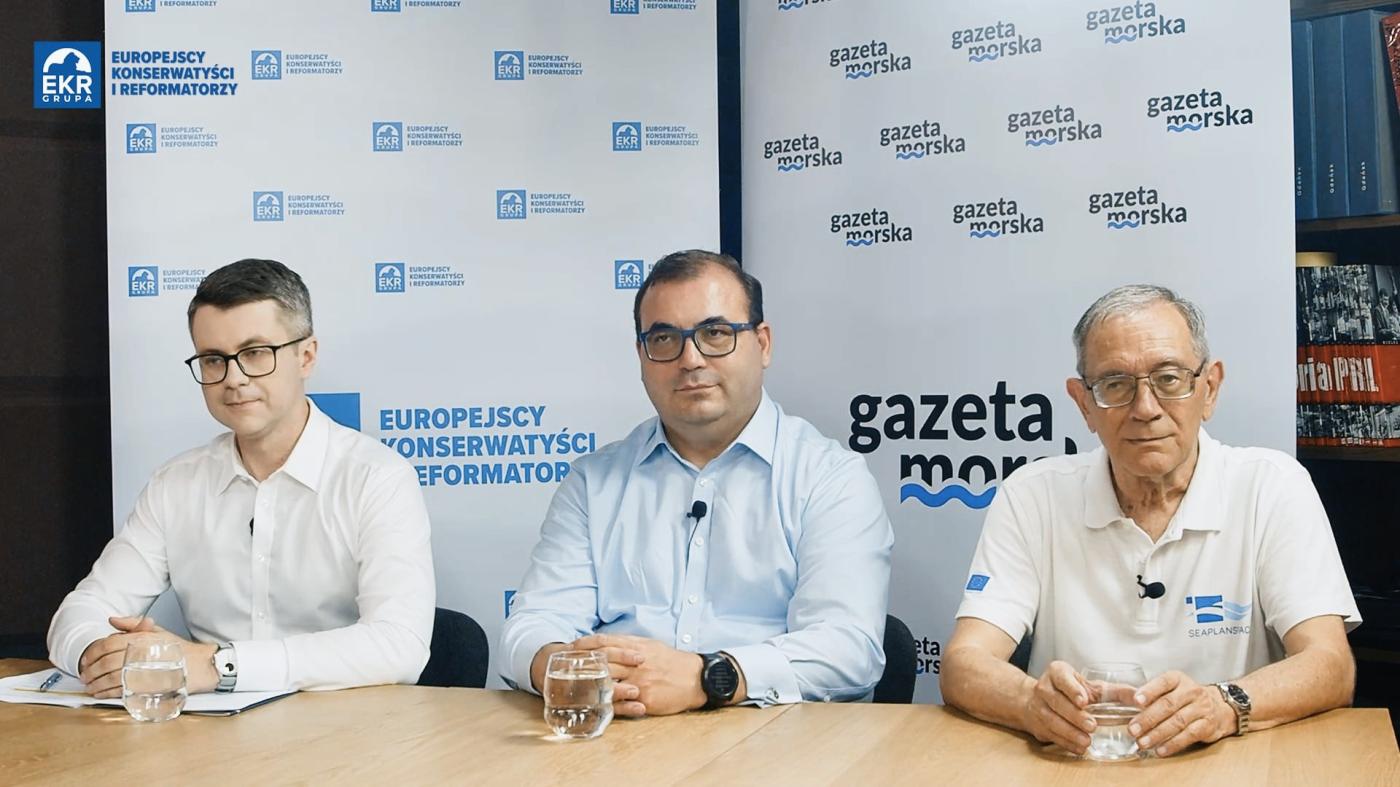
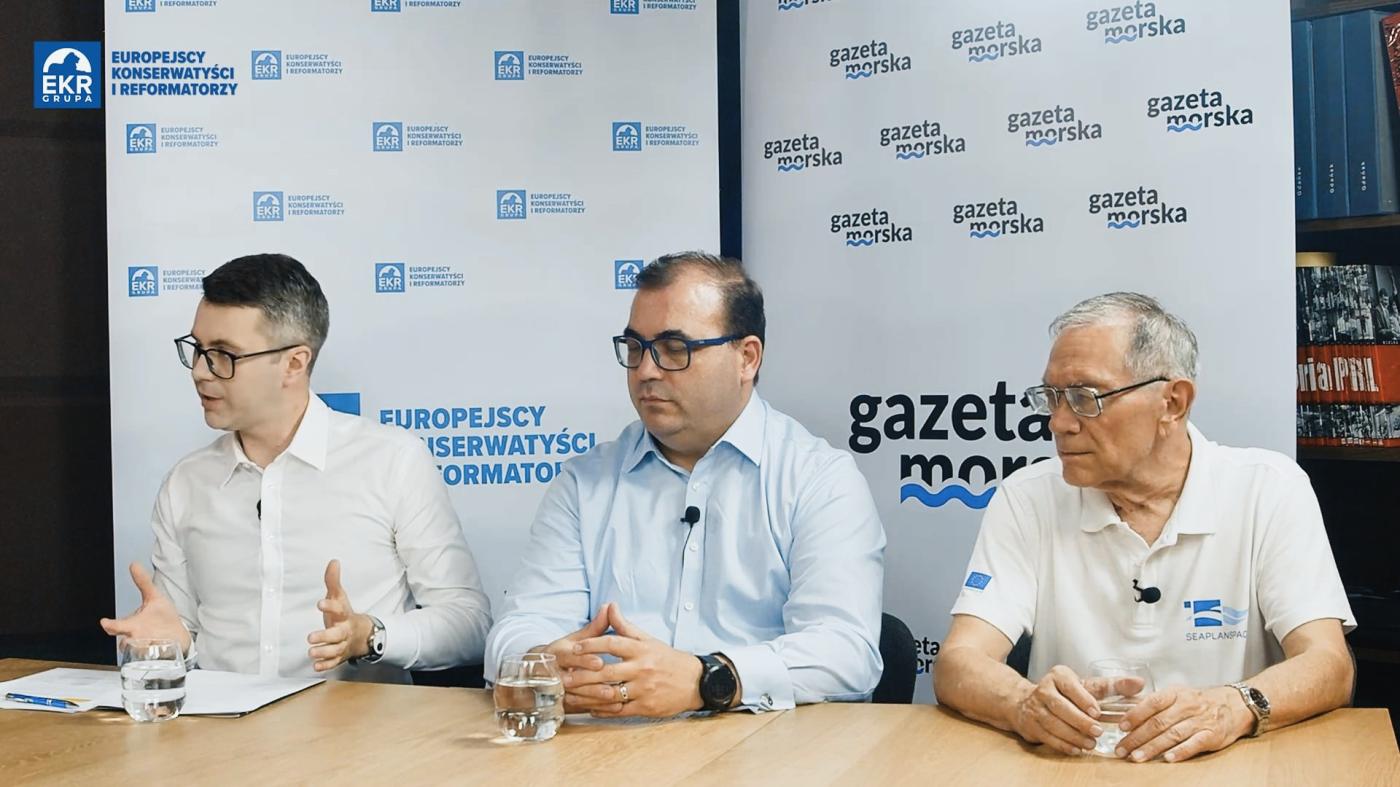
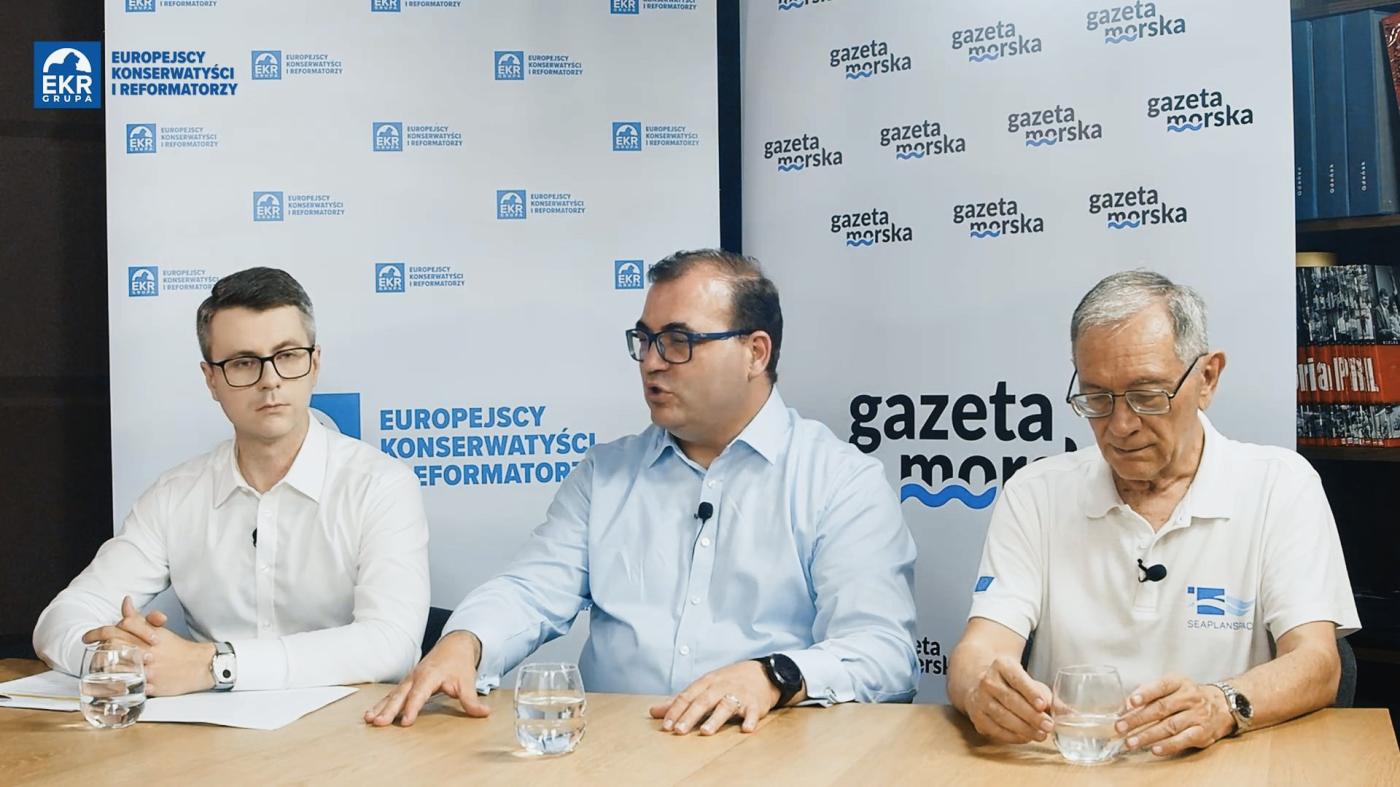
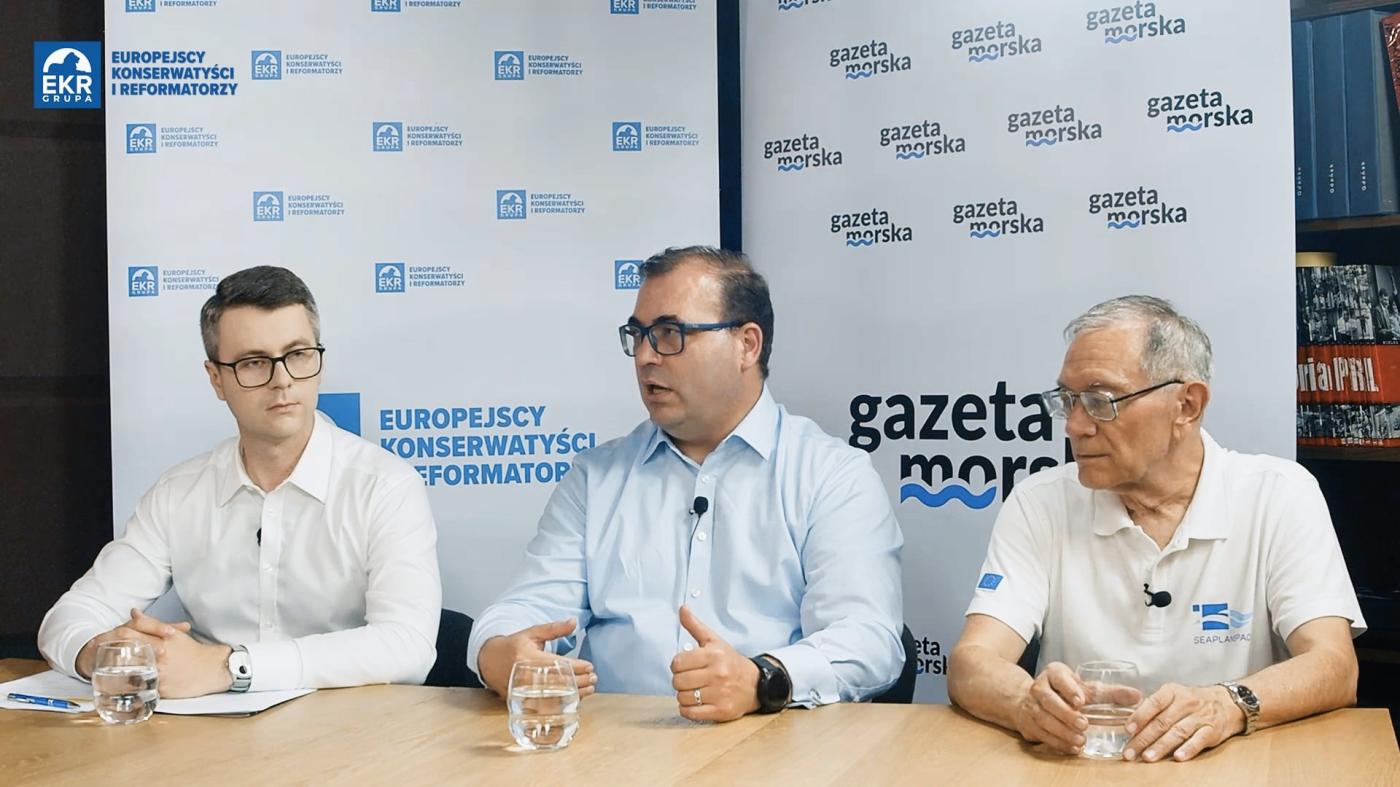
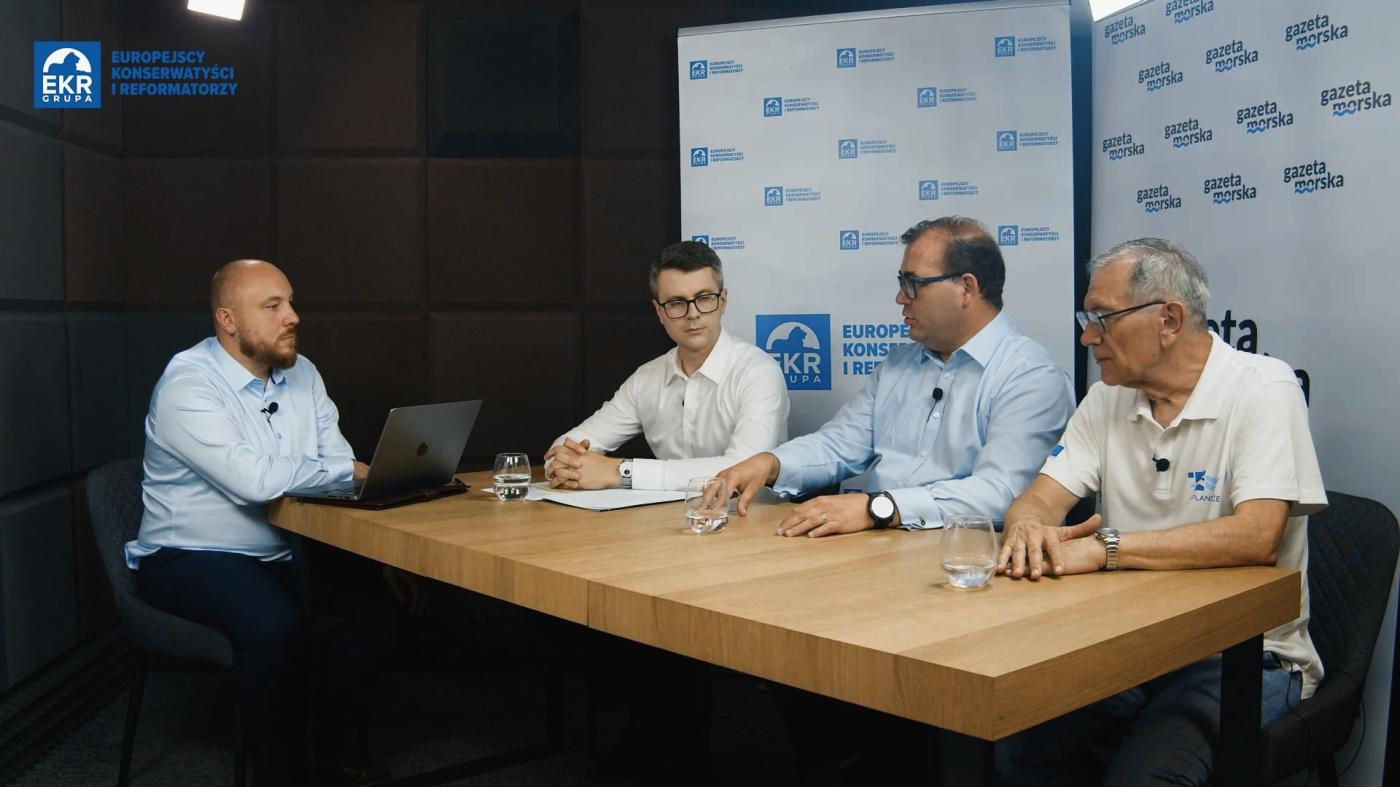
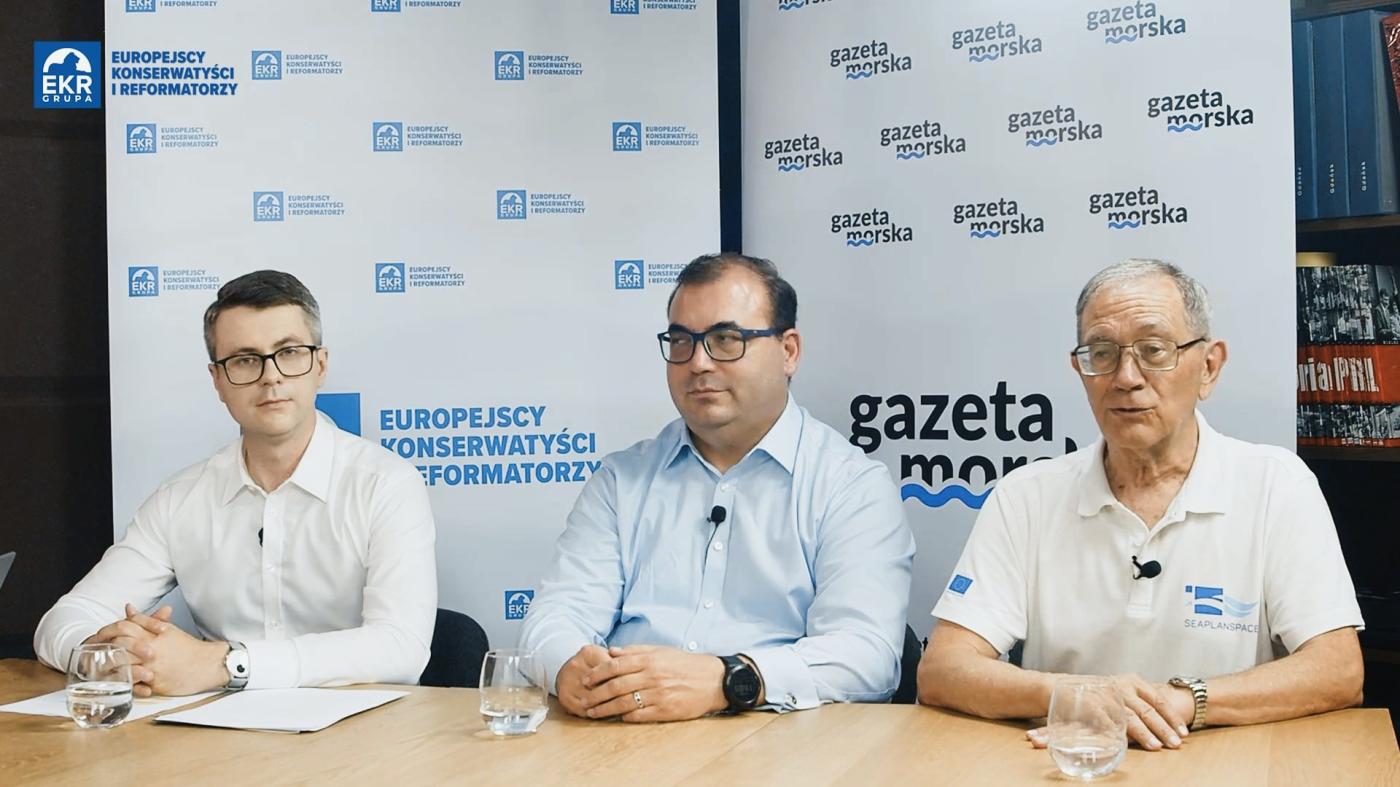
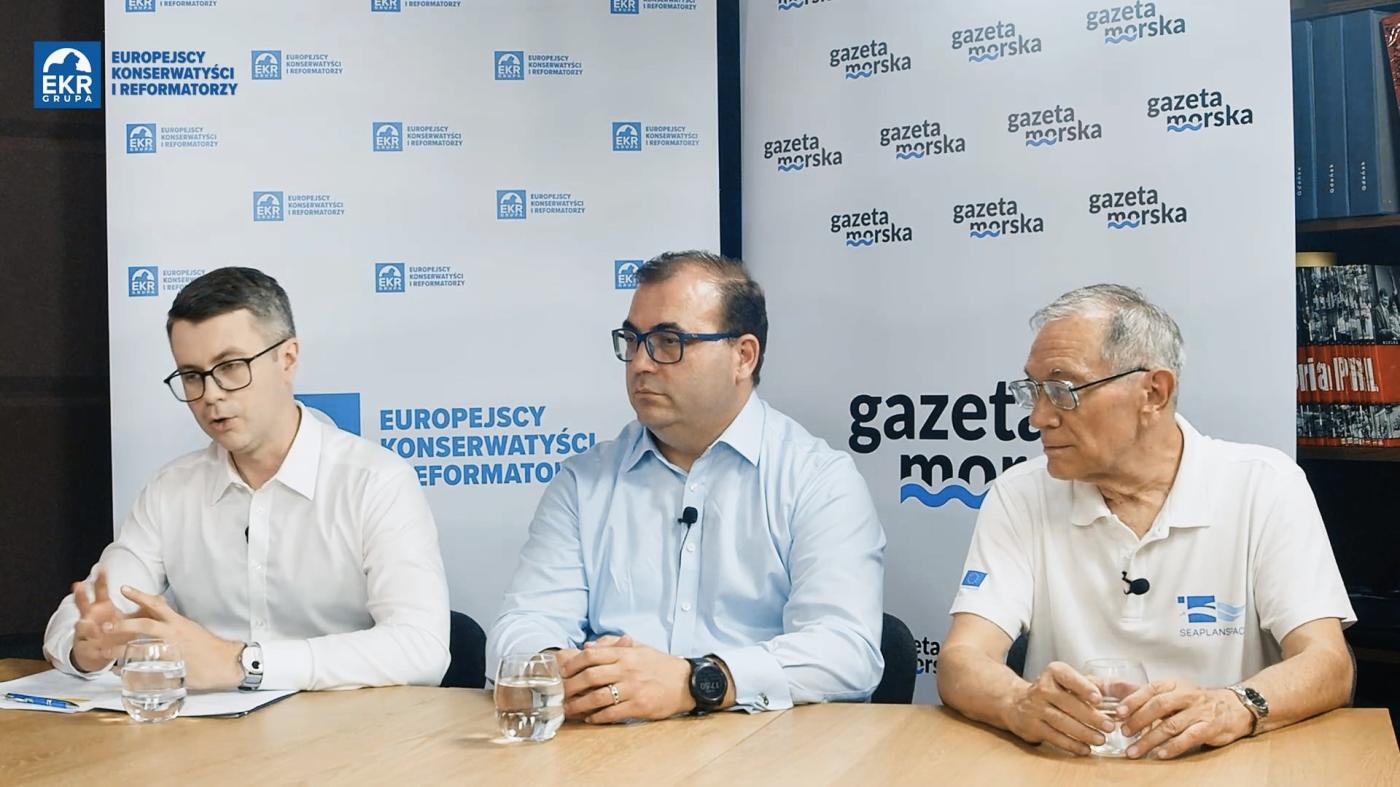
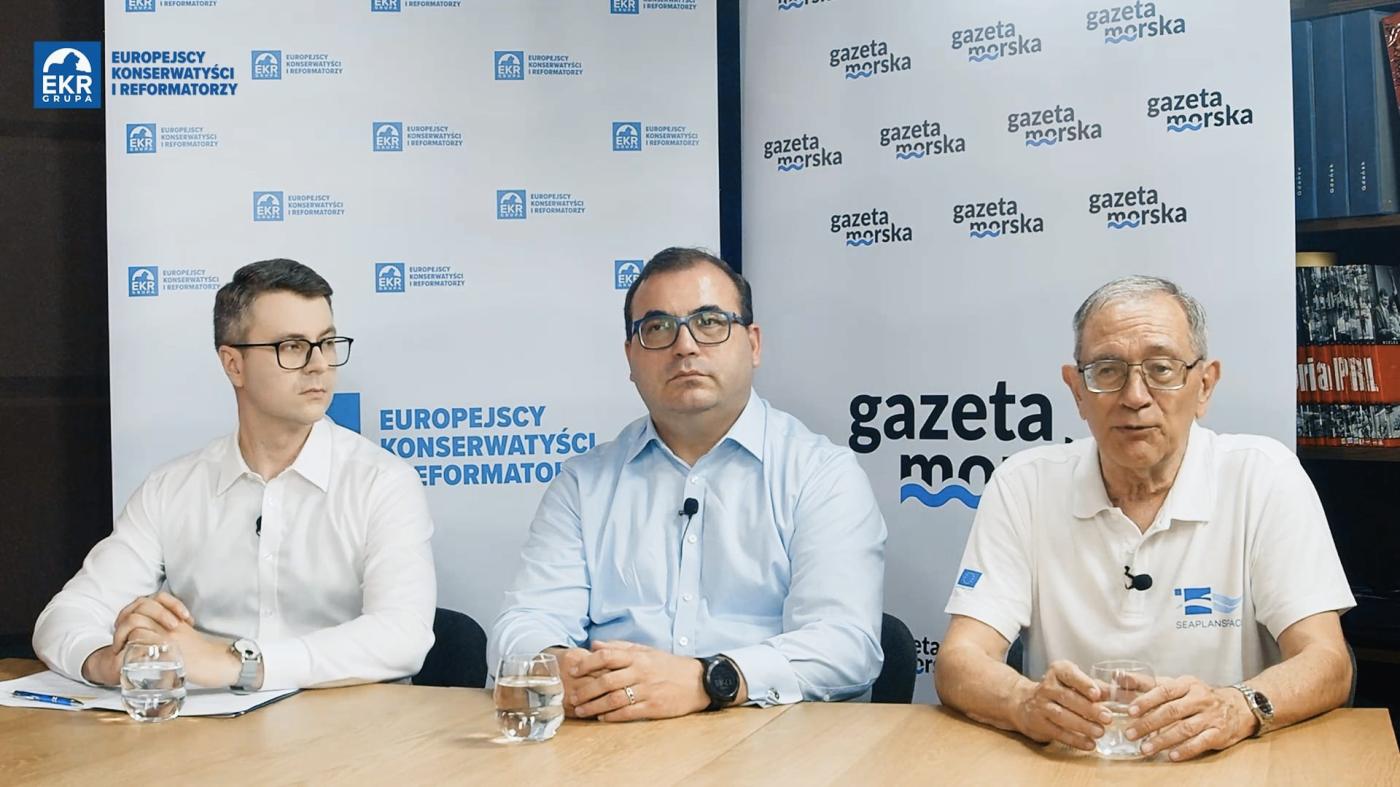
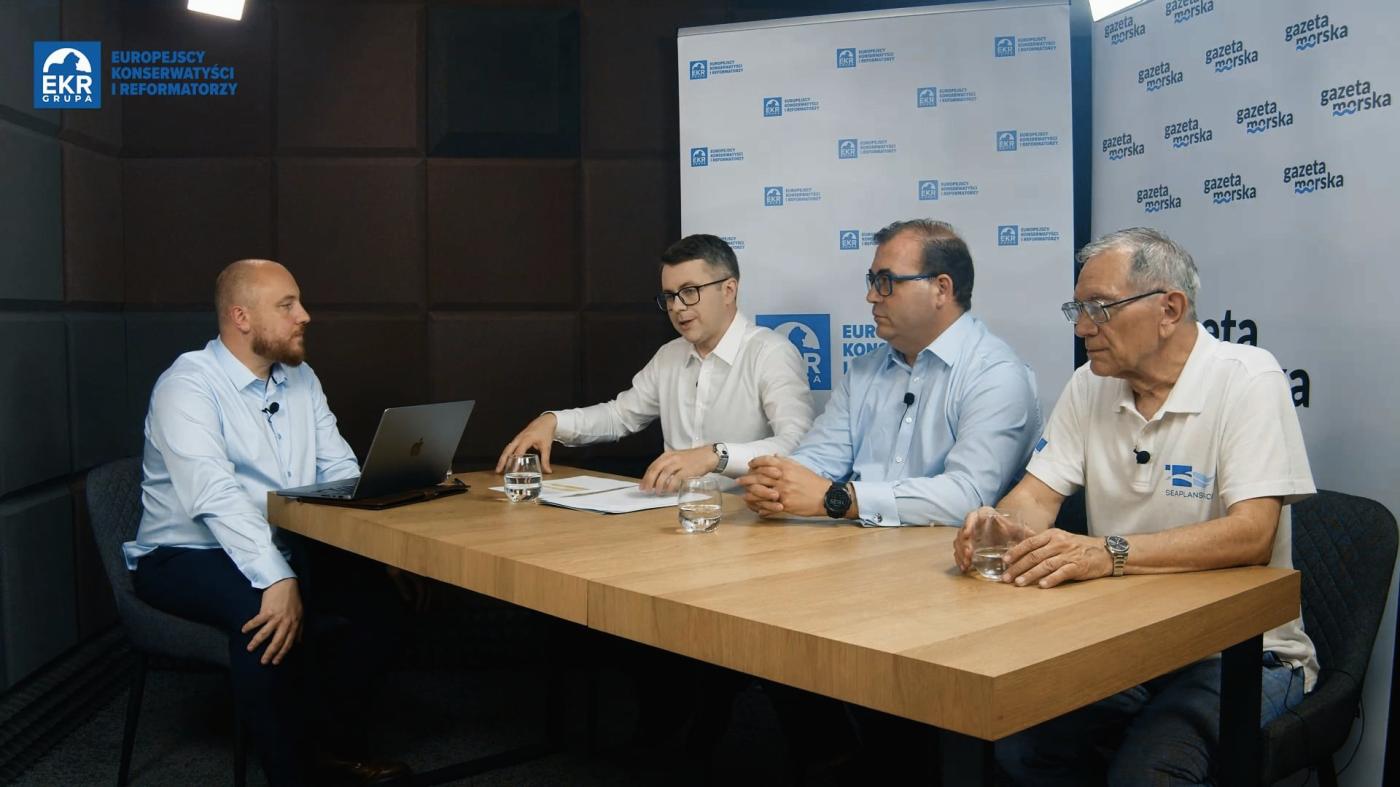
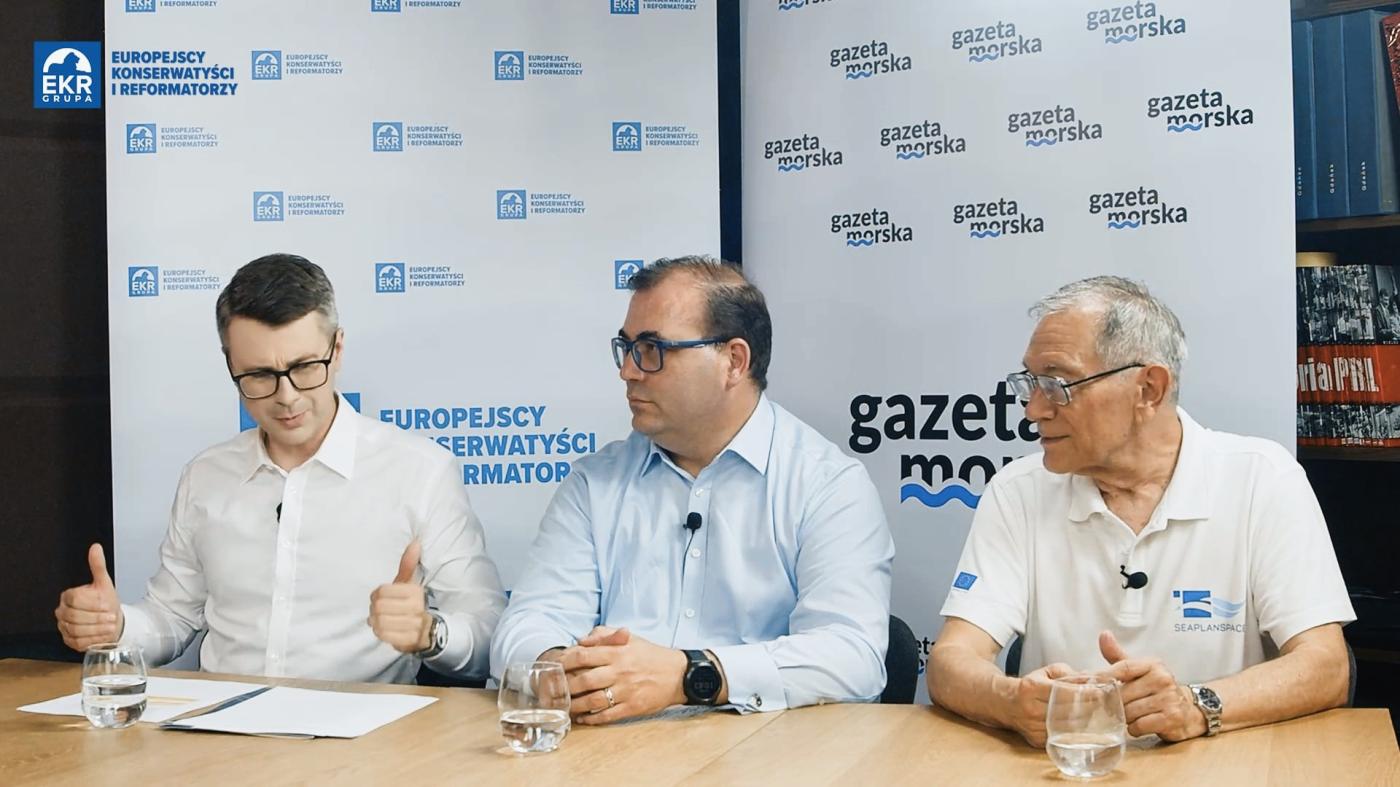
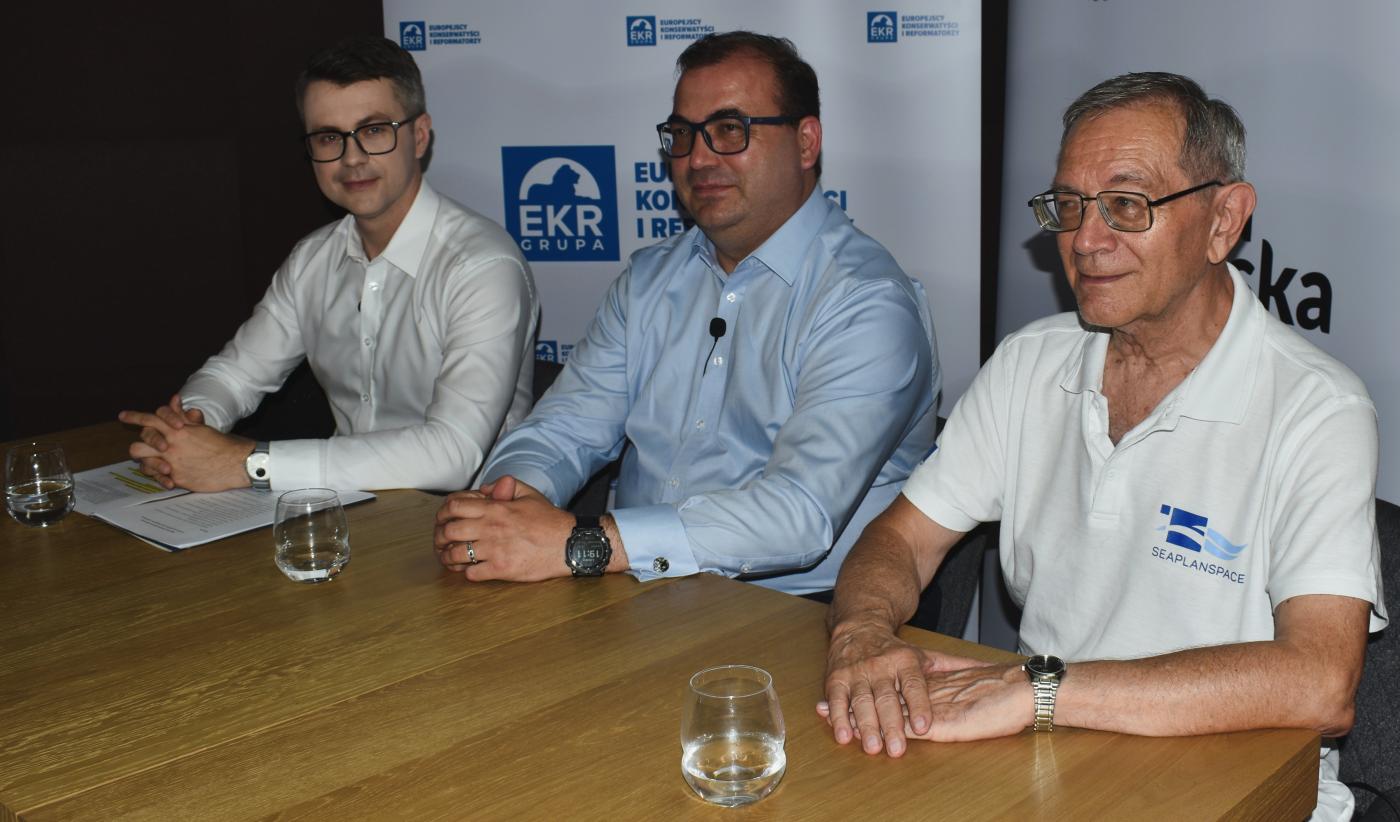
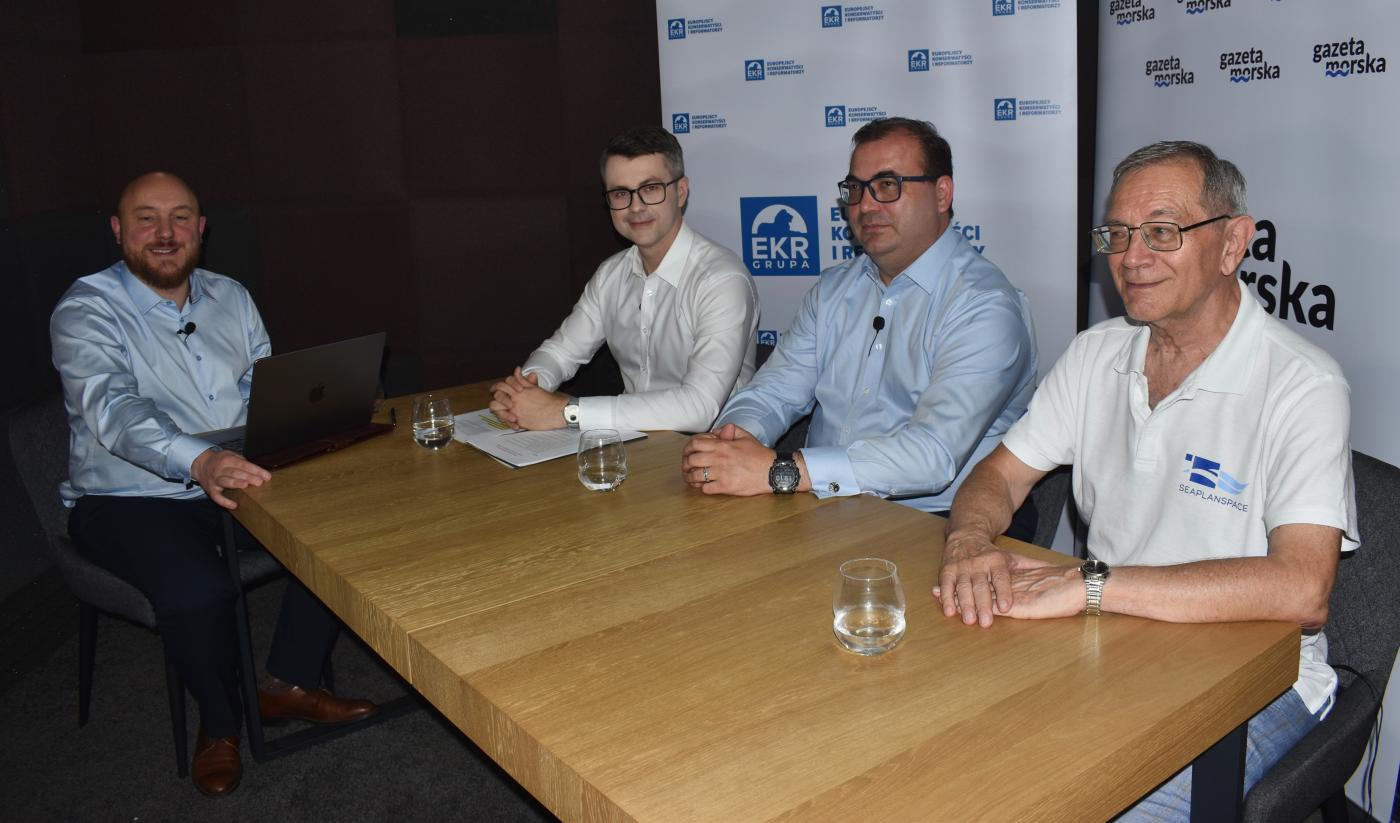
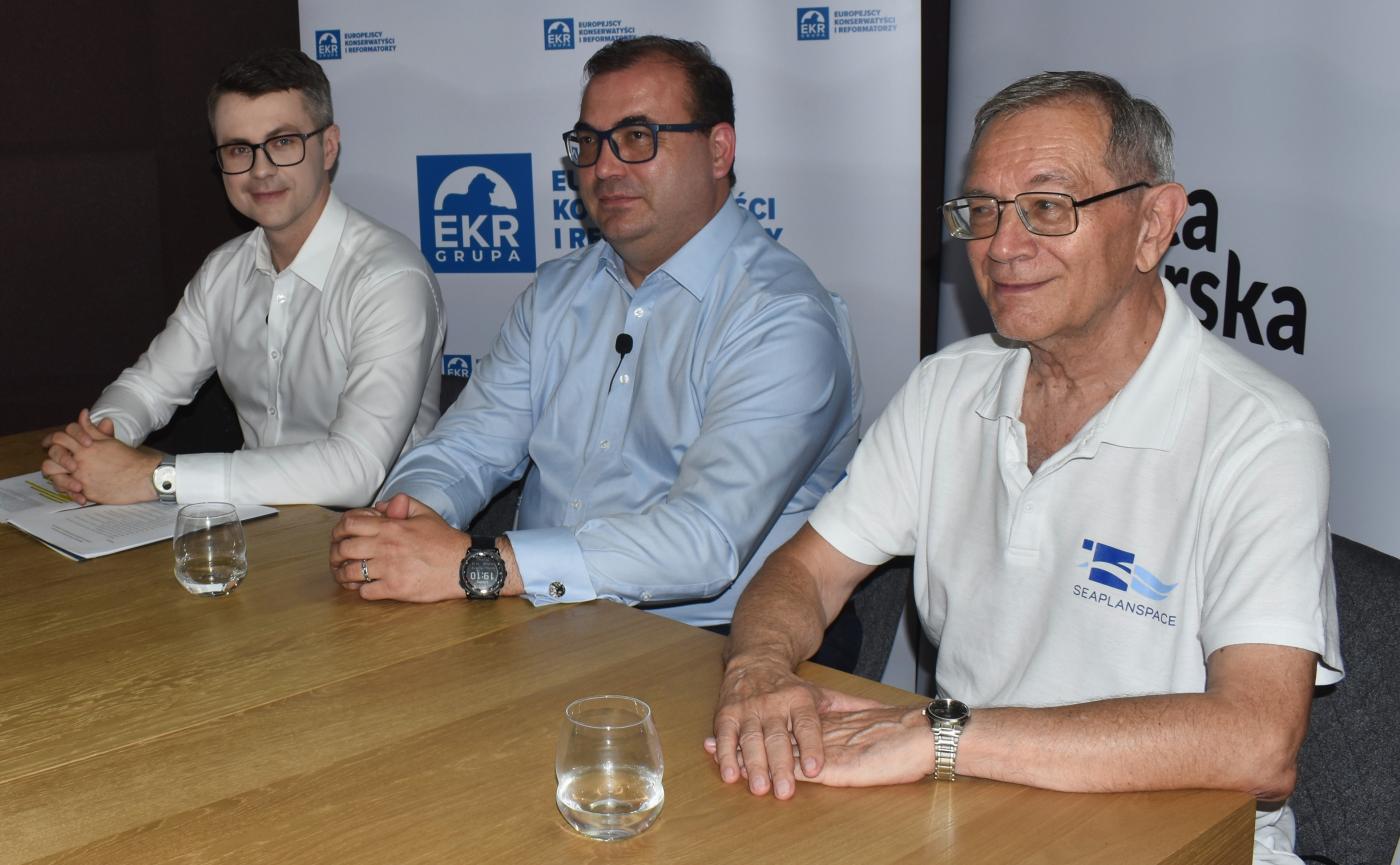
During the energy currents 2025 debate, co-organized by the european conservatives and reformists group, experts, policymakers, and representatives of business and academia discussed the directions of a realistic and sustainable climate and energy policy for poland, placed in the broader european and transatlantic context. In the face of increasingly complex transformational challenges, particular attention was paid to defining a new paradigm of poland’s relationship with the european union – as an active, influential partner capable of co-shaping the community’s energy future.
business power engineering opinions and comments politics news25 august 2025 | 08:15 | Source: Gazeta Morska / Grupa Europejskich Konserwatystów i Reformatorów w Parlamencie Europejskim | Prepared by: Kamil Kusier | Print
.png)
Building infrastructural sovereignty and European innovation capacity
The central theme of the debate was the need to build Poland’s infrastructural sovereignty, not in opposition to the European Union, but within it – by strengthening the country’s position as an active co-creator of common energy policy. Experts emphasized that the energy transition cannot be a simple copy of Western solutions, but must take into account regional conditions, national interests, and real economic capabilities.
Poland in the middle-income trap – how to break out and advance in Europe’s innovation hierarchy?
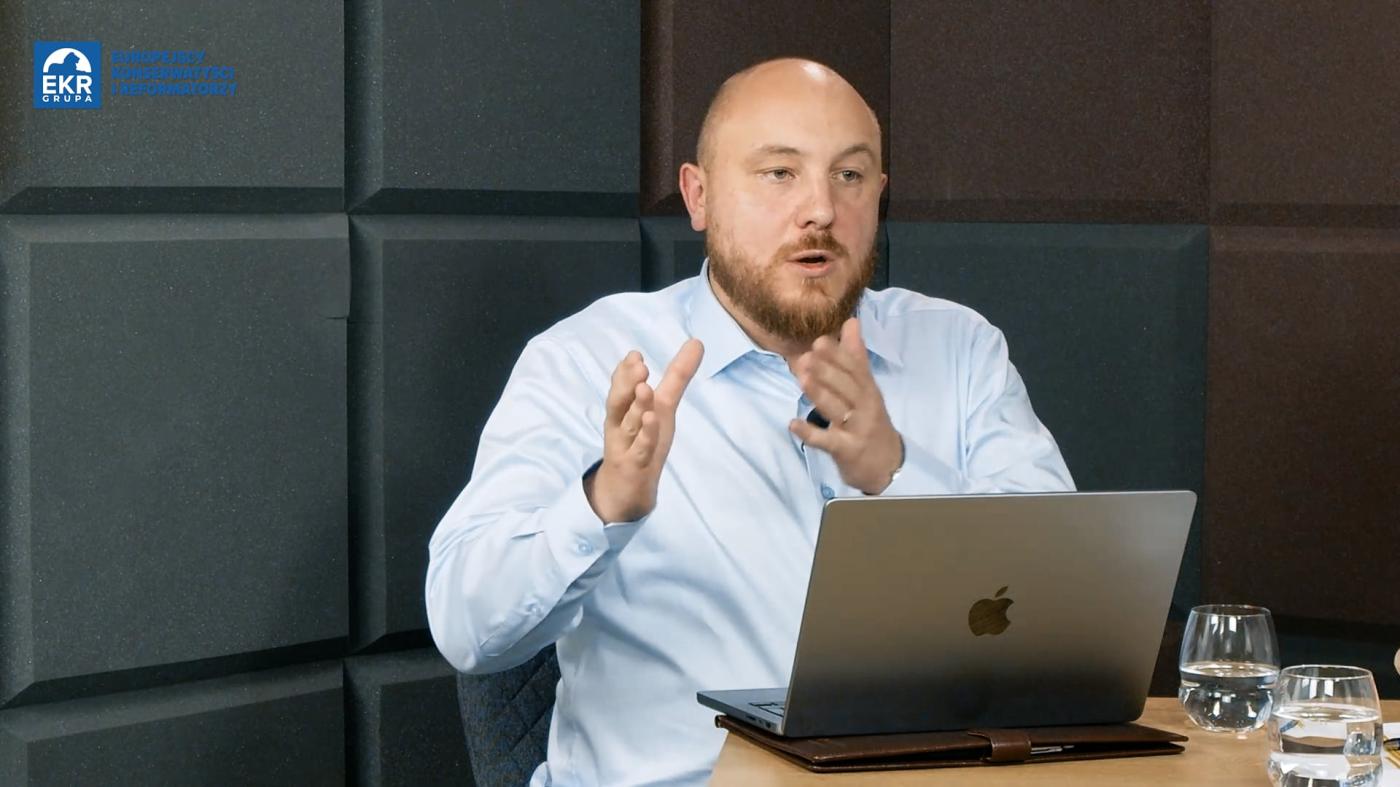
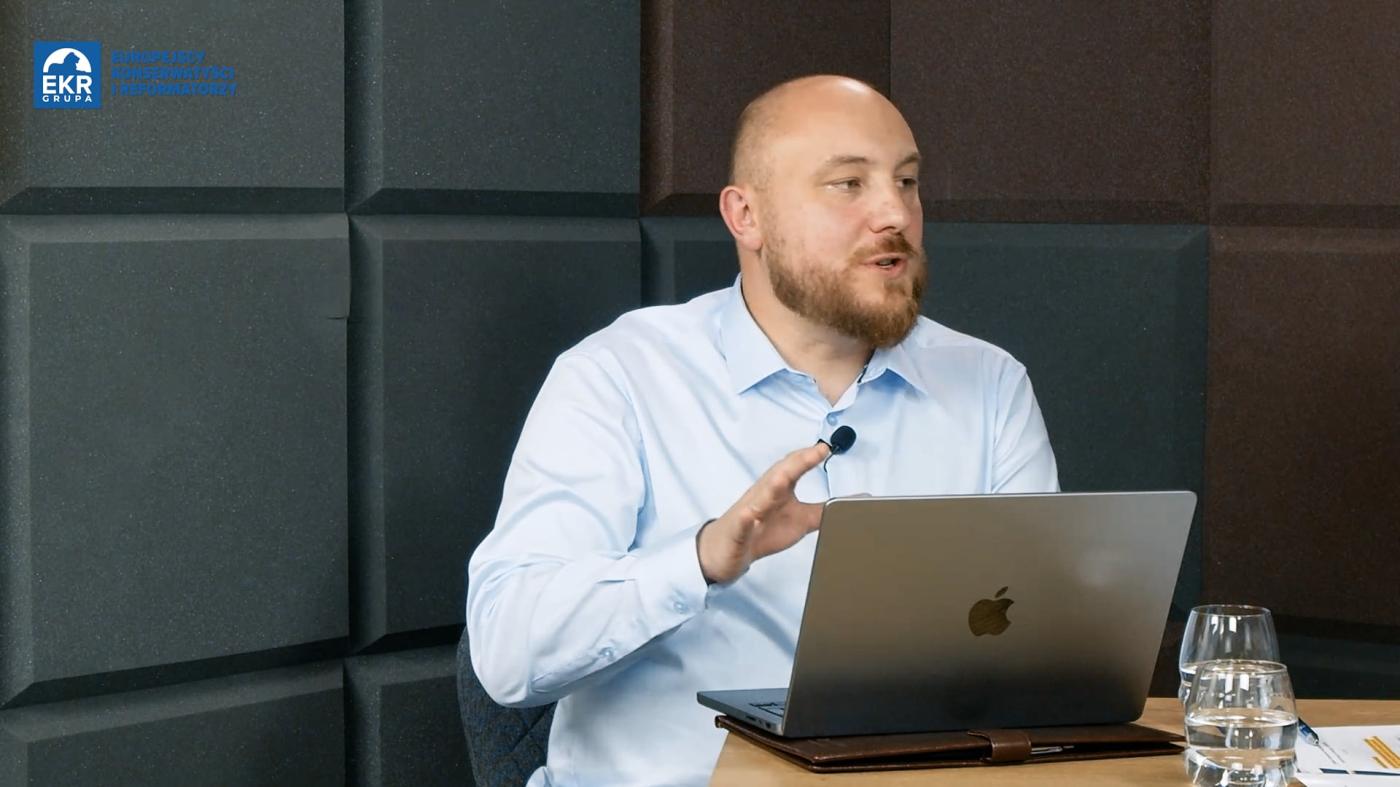
– We are still in the middle-income trap. The question is whether the next generation of Poles has a real chance to break out of this trap and join the global first league of innovation – began Dr Paweł Kusiak.
In his view, although EU membership has opened doors to many financing programs, research, and technological cooperation, there is a lack of strategic consistency in using these opportunities. The port sector, highlighted as an example of success, remains an exception rather than the rule.
– The European Union should not be seen as a goal in itself, but as a tool for building Polish prosperity, innovation, and economic sovereignty – noted an expert from Gazeta Morska. – Poland should act in the EU as a co-shaper of Community goals, not only as their recipient.
Piotr Müller: transformation requires decisions – often difficult and costly
MEP Piotr Müller pointed to the two-level nature of the ongoing debate: European and national. At the European level, in his view, the climate transition is driven by the strong ideological pressure of the Green Deal, which is not always adequately aligned with global economic and geopolitical realities.
– Europe is no longer the world’s largest economy. Our ability to influence is limited. We need more humility and reliability in the climate debate – he stated.
At the national level, energy transformation becomes a necessity – not because of EU regulations, but due to the long-term security of the state and the public interest.
– We must diversify – both in terms of energy sources and supply directions. We have already taken a step in the case of oil, now it is time for gas and zero-emission energy: offshore and nuclear – said Piotr Müller, representing the European Conservatives and Reformists.
He also stressed that the costs of transformation cannot be unfairly transferred to less affluent social groups. In the European context, just transition should mean not only climate justice but also economic and social fairness.
– The climate transition can become a form of regressive taxation of the poorest. Are the real costs of this change borne by those who should? – he asked.
Andrzej Jaworski: from passenger to driver – using the potential of partnerships in the EU and NATO
Andrzej Jaworski stressed that the key challenge is Poland’s move from the role of a passive participant in European integration to that of a co-decision maker.
– The European Union can be an effective tool for achieving our goals – if we do not give away everything unreflectively just because Brussels wants it.
Referring to the work of the European Conservatives and Reformists Group (ECR), Jaworski noted that the group’s alternative vision of the EU is based on a community of economic interests, energy security, and competitiveness, rather than ideological narratives.
– Such a Union is more resilient to crises and fairer to its members.
He also pointed out the need to strategically deepen transatlantic cooperation, especially in the context of joint energy projects with the United States.
– The US is a predictable and open partner. One just needs to understand its logic: every country first looks after its own interest. And Poland should act the same way.
Andrzej Jaworski also highlighted the potential of offshore and nuclear energy in Pomerania, which could help Poland free itself from dependence on imported energy resources while strengthening its position within the EU’s common energy policy.
– This is not only about energy security, but also about jobs, new skills for young people, and a boost for startups. The point is not just that Poles should have places to work – but that they create companies capable of conquering international markets.
Prof. Marek Grzybowski: infrastructural security begins in ports – and ends with EU independence
Professor Marek Grzybowski reminded that the development of ports – from Gdynia and Gdańsk to smaller terminals – should be treated as part of Europe’s strategic infrastructure, fitting into the TEN-T framework and the EU’s transport policy.
– We cannot treat ports merely as local projects. They are a strategic element of the state – in terms of logistics, offshore installation service, and infrastructural sovereignty.
He also stressed the need to build a Polish innovation ecosystem based on universities, research institutes, and local companies.
– The transition must be based on Polish firms, universities, and technical schools. If we are to pay for it – we should also co-create it.
His remarks correspond with the European trend of localizing supply chains and strengthening the systemic resilience of the Community, particularly in the context of the EU’s strategic autonomy.
AI and data centers energy use – digital responsibility of European tech giants
In the final part of the debate, Dr Paweł Kusiak drew attention to a completely new dimension of the climate discussion: the growing energy consumption of expanding artificial intelligence systems and data centers.
– We must not only think about how we produce energy but also what we use it for. We need new awareness – technological and ethical – regarding the efficiency and responsibility of digital giants.
This challenge is also becoming a subject of the EU legislative agenda, as exemplified by the debate on green standards for digital infrastructure.
Energy sovereignty as a pillar of European and national modernity
The conclusions of Energy Currents 2025 are clear: the energy transition must be realistic, sovereign, innovative, and socially fair, and Poland must play an active role in reforming the EU’s energy and climate policy.
It cannot be just a passive recipient of decisions from Brussels but should act as an ambitious, competent, and equal partner in shaping Europe’s policy future. Only then will the transformation become not a burden but an opportunity to build a modern economy based on knowledge, innovation, and solidarity – both domestically and within the European Union.
The project Energy Currents 2025 was organized by KPH Group, publisher of Gazeta Morska and Daily Mare, together with the European Conservatives and Reformists Group (ECR) in the European Parliament.
.png)
Buy us a coffee, and we’ll invest in great maritime journalism! Support Gazeta Morska and help us sail forward – click here!
Kamil Kusier
redaktor naczelny
gallery
comments
Add the first comment
see also
Austal partners with Damen for local construction of LST 100 for Australian Army
The submarine contract of the decade? Canada weighs South Korea against Germany
Bechtel signs contract with Doraco for Poland’s first nuclear power plant
When two powers clash, Poland must be ready to act. Military security must be the priority
MON, Arka Gdynia and AMW sign letter of intent supporting "Green Industrial District - Kashubia" project
Mine countermeasure vessel Jaskółka begins sea acceptance trials
PEJ relocates headquarters to Pomerania. A strategic step in Poland’s nuclear power development
Radmor hosts delegation from the Republic of Turkey. Advancing maritime security cooperation
3D-printed catamaran: robotic manufacturing sets course for the future of small craft
Navantia and Fincantieri deepen cooperation on the european patrol corvette programme
ADVERTISEMENT
ADVERTISEMENT