Energy Currents 2025: key innovations and strategic dilemmas in Europe’s energy transition
Europe’s energy transformation is entering a decisive phase. For the European Union, facing geopolitical instability and rising global competition, this is no longer just about reducing emissions—it is about redefining energy security, technological innovation, and economic sovereignty.
business power engineering opinions and comments politics news26 august 2025 | 17:36 | Source: Gazeta Morska / Grupa Europejskich Konserwatystów i Reformatorów w Parlamencie Europejskim | Prepared by: Kamil Kusier | Print
.png)
Poland, as a key player in Central and Eastern Europe, stands at a crossroads: will it remain a consumer of imported technologies, or will it position itself as a co-creator of innovations—contributing both domestically and to Europe’s broader innovation ecosystem?
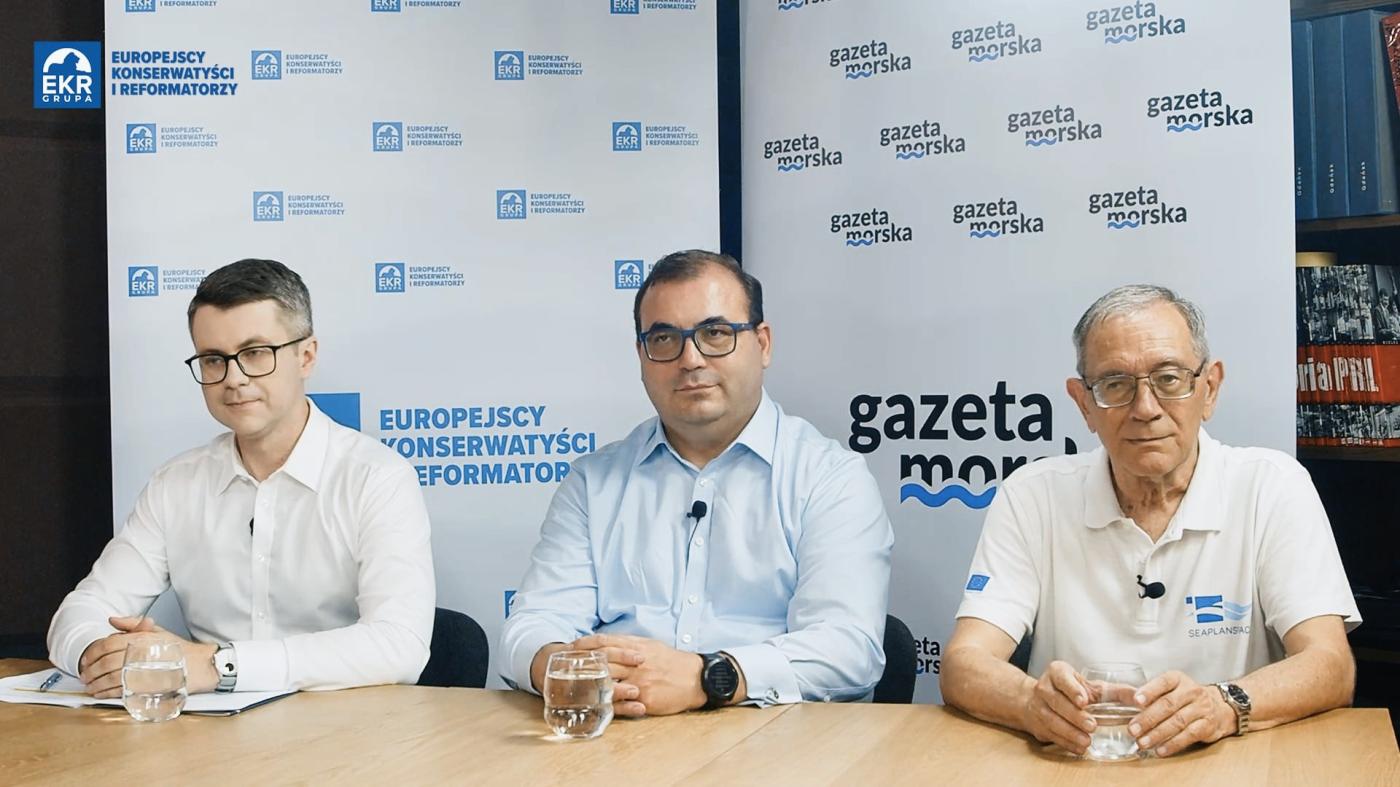
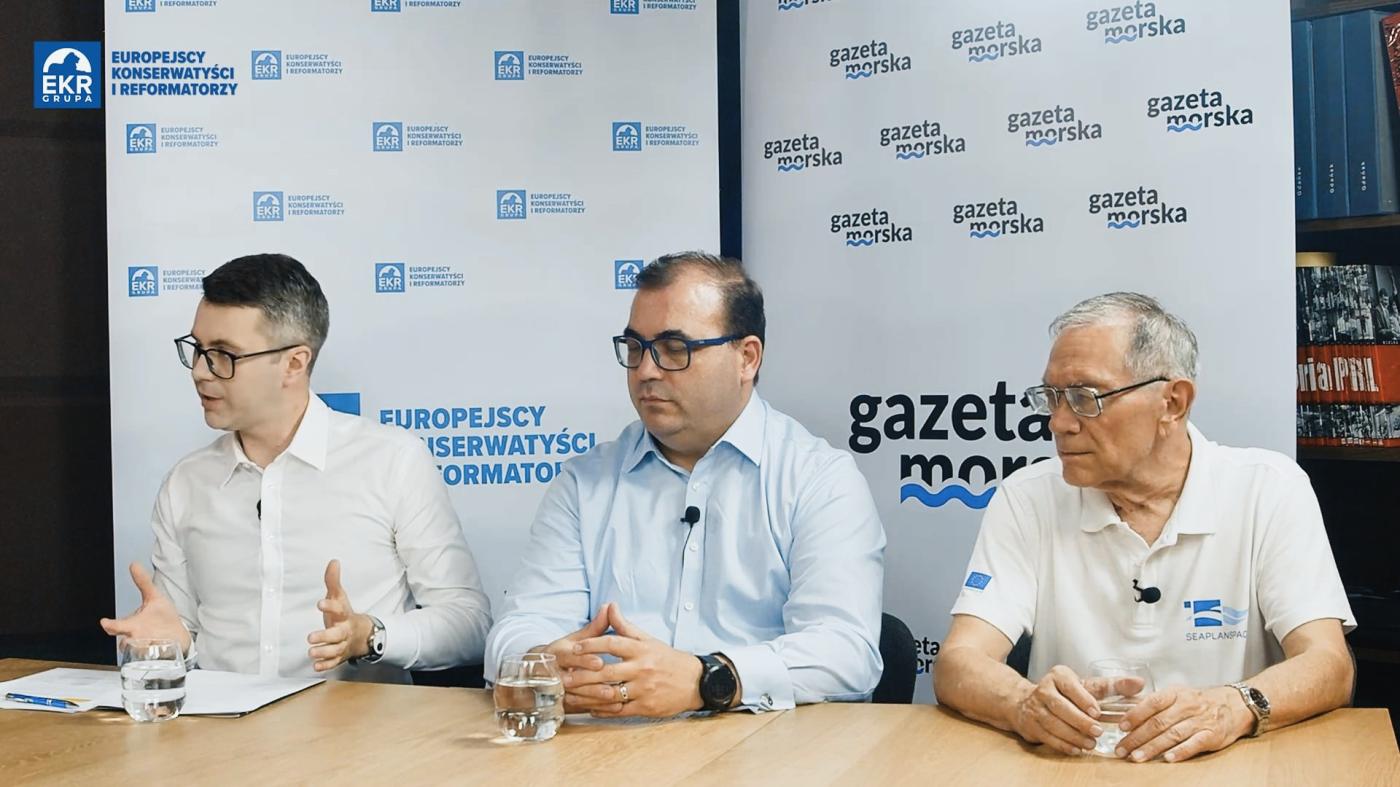
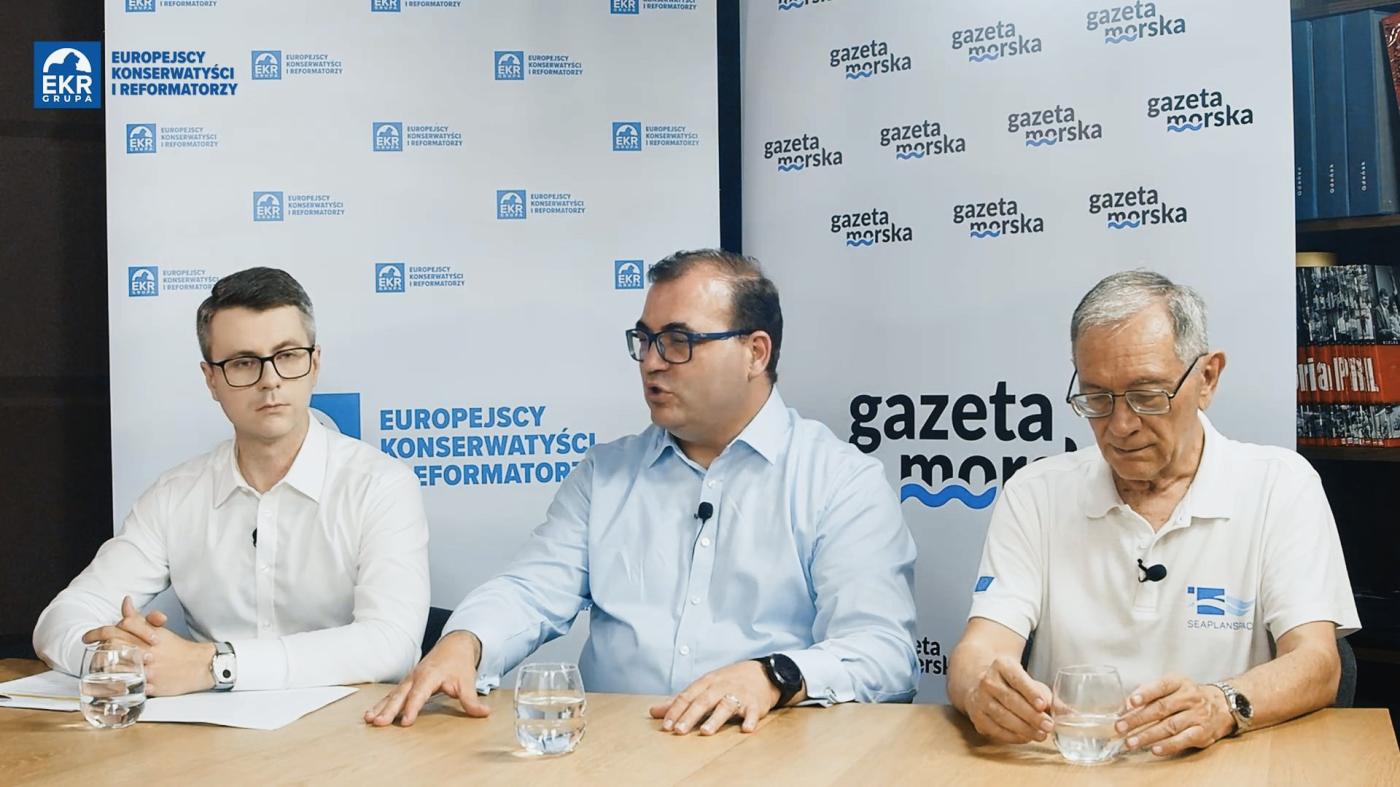
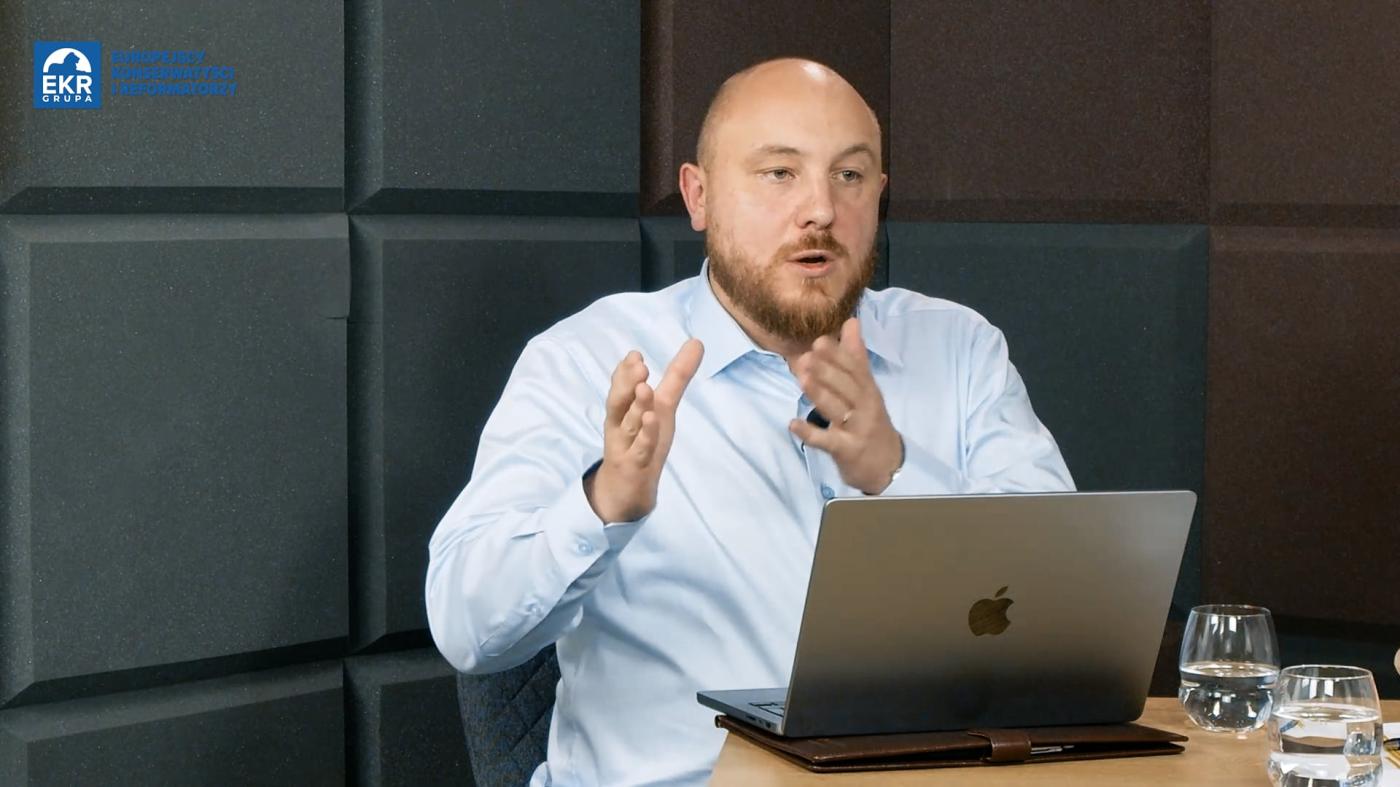
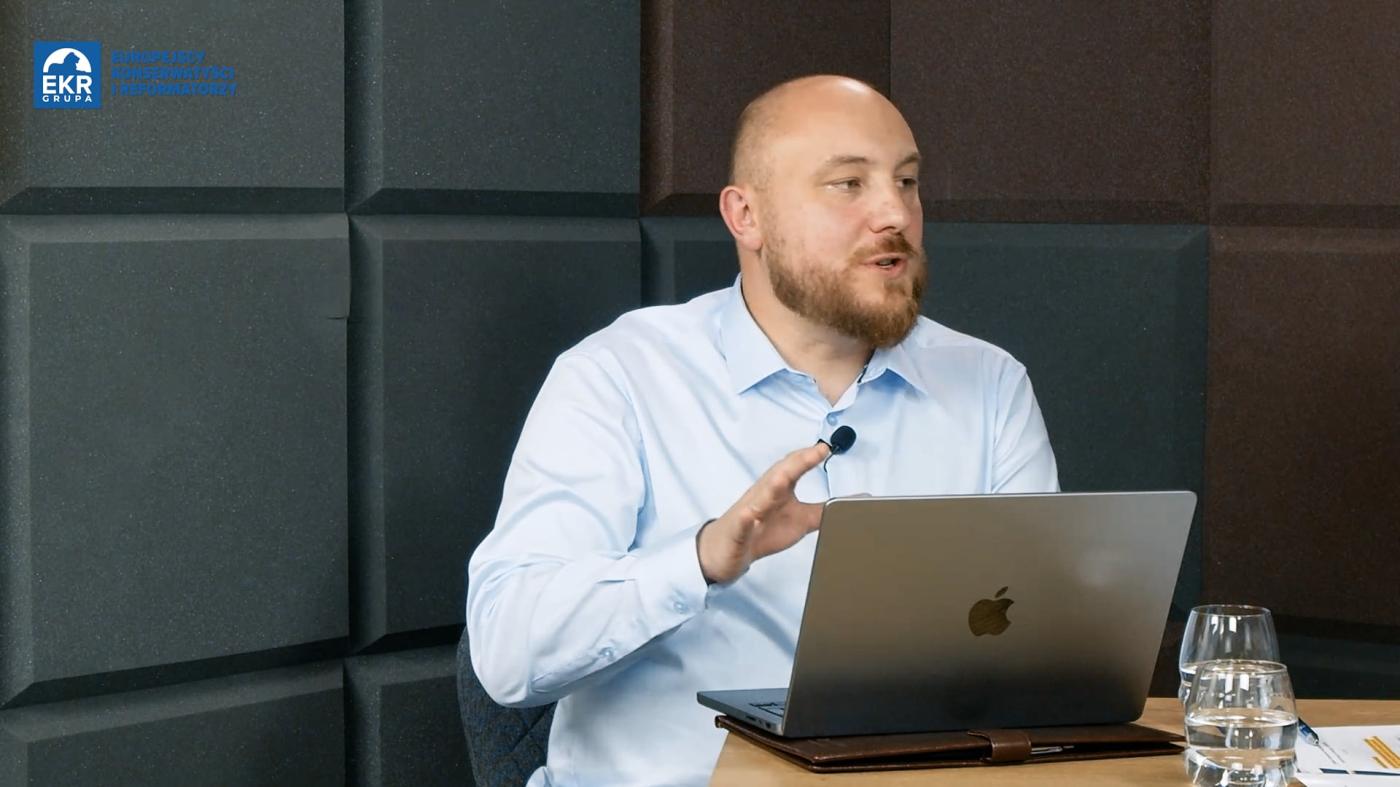
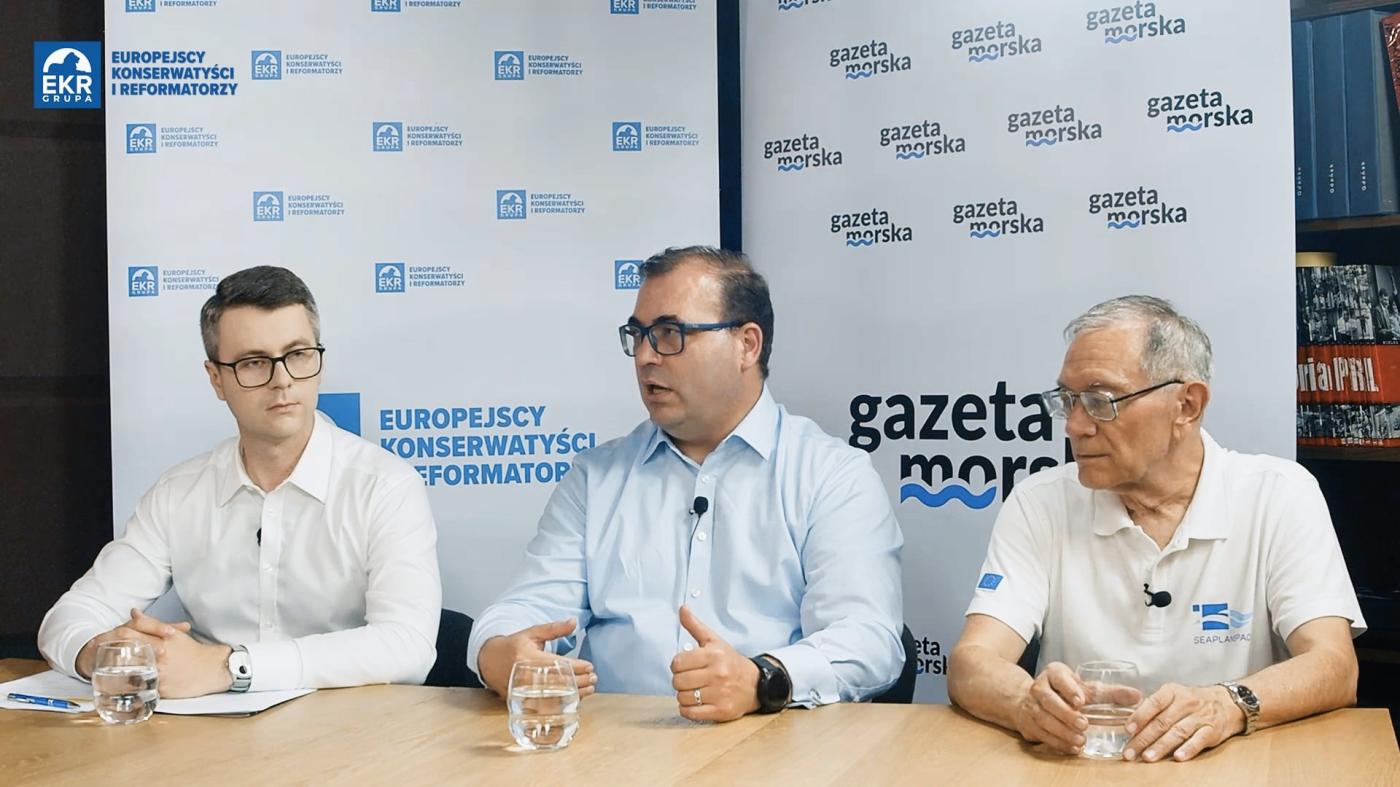
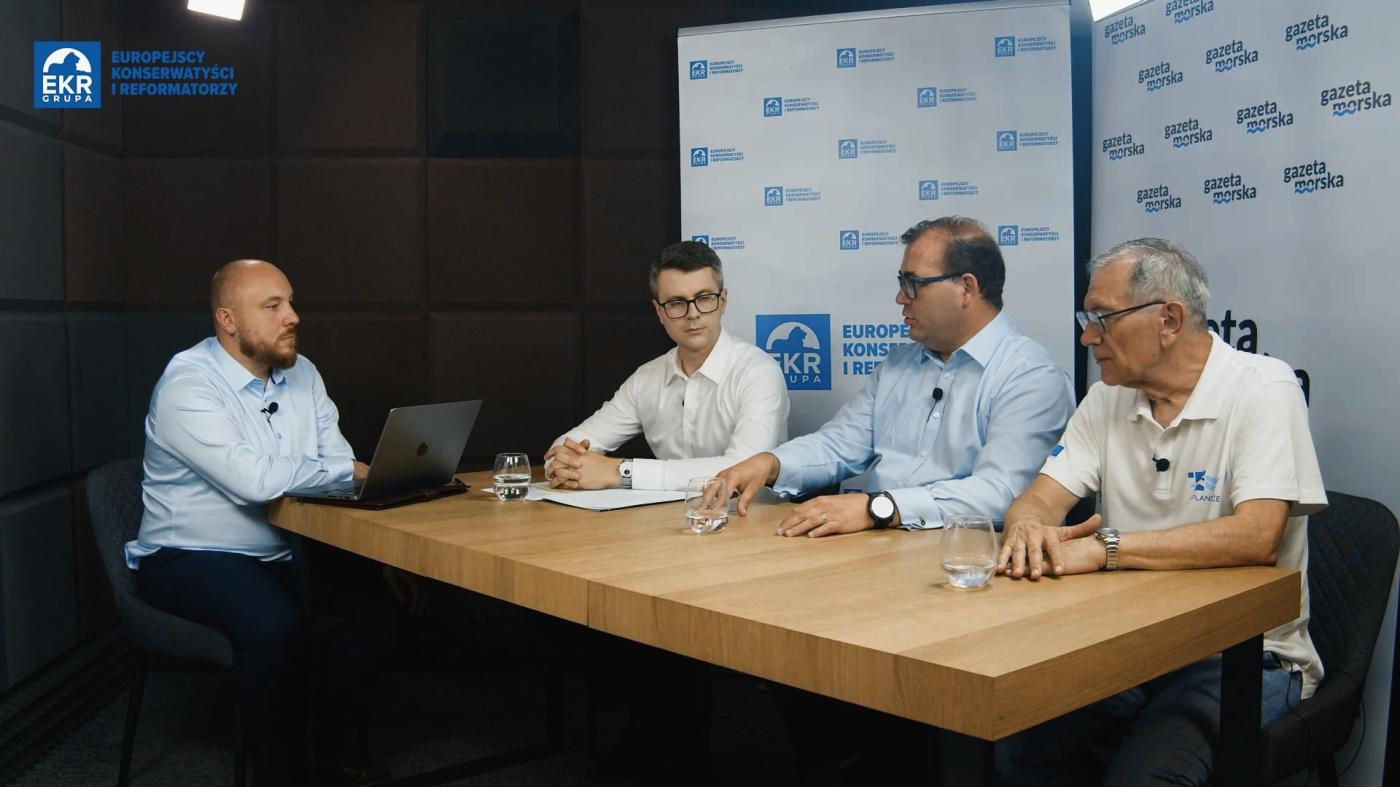
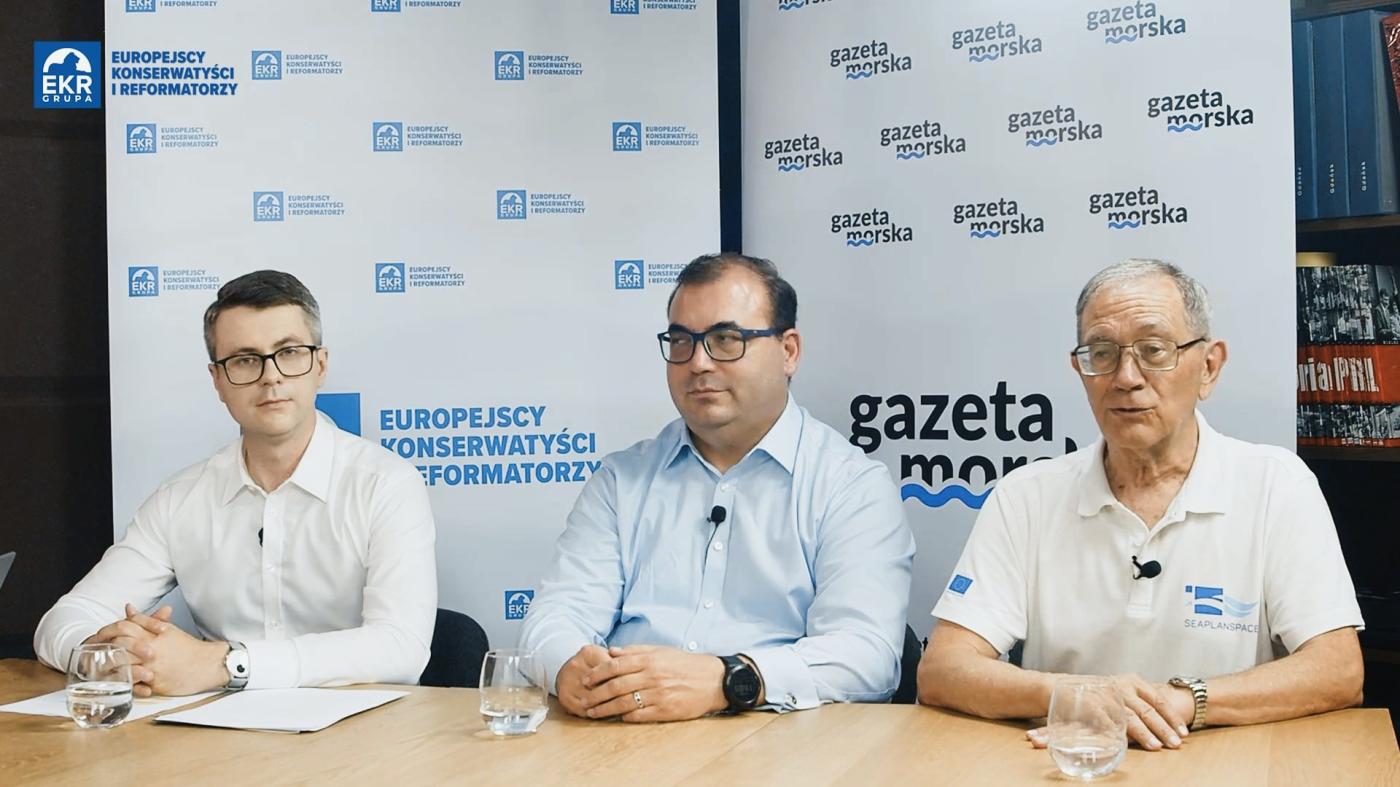
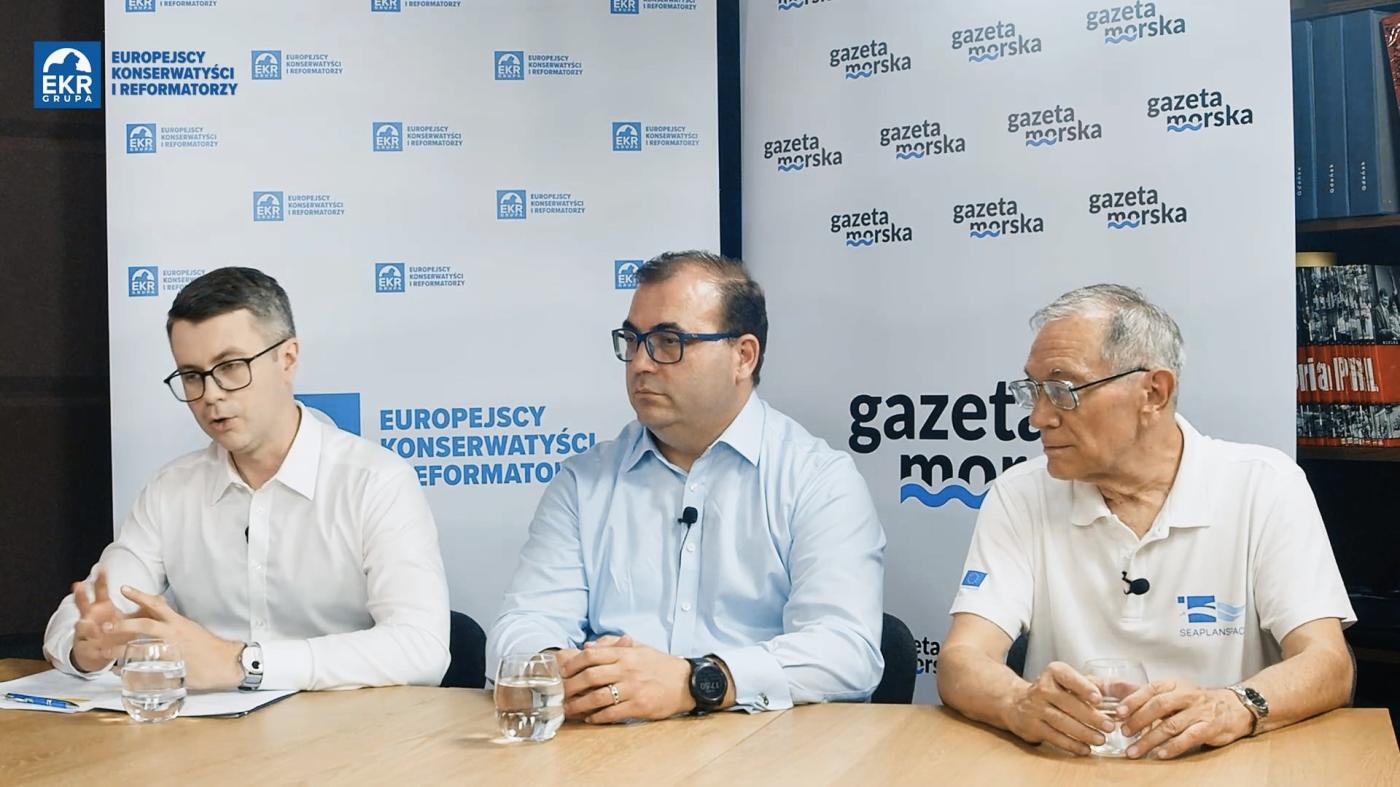
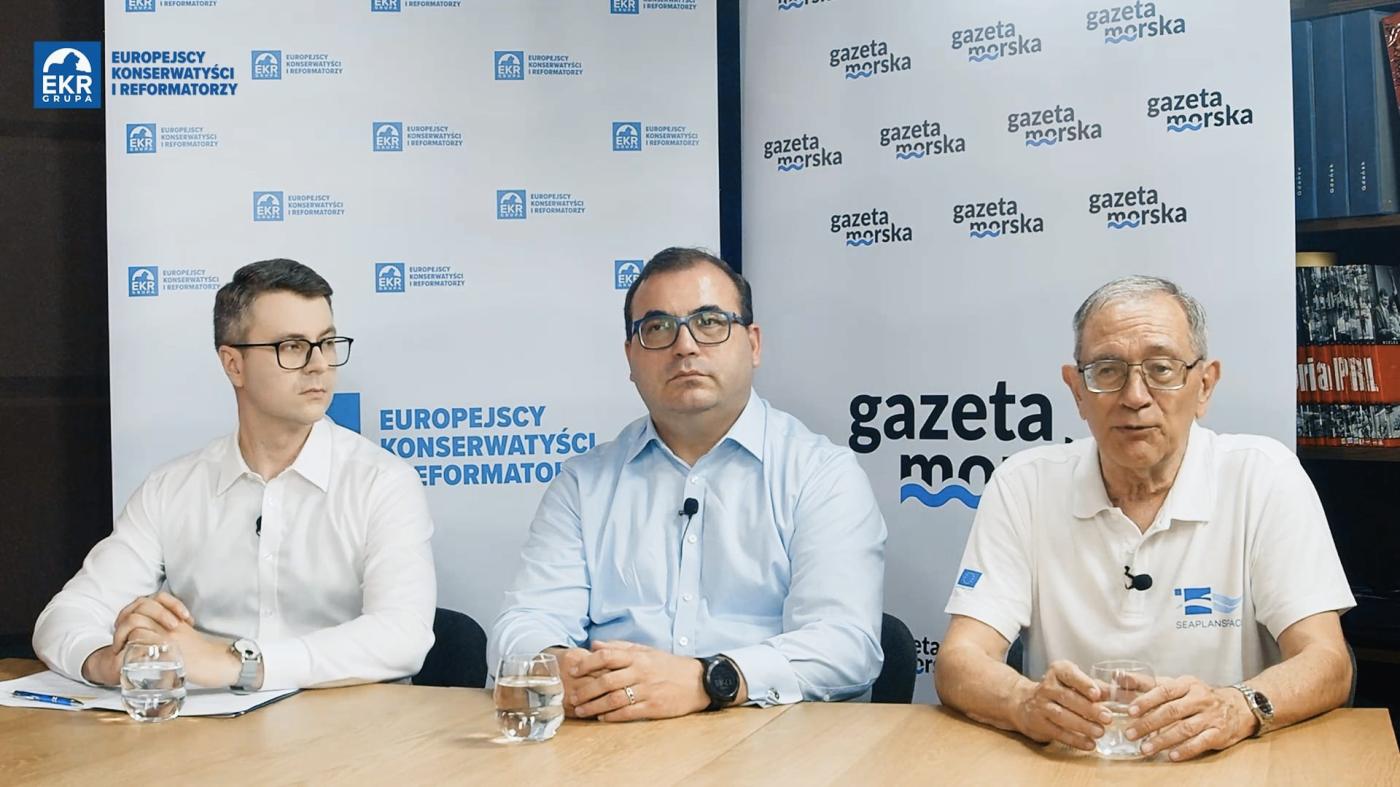
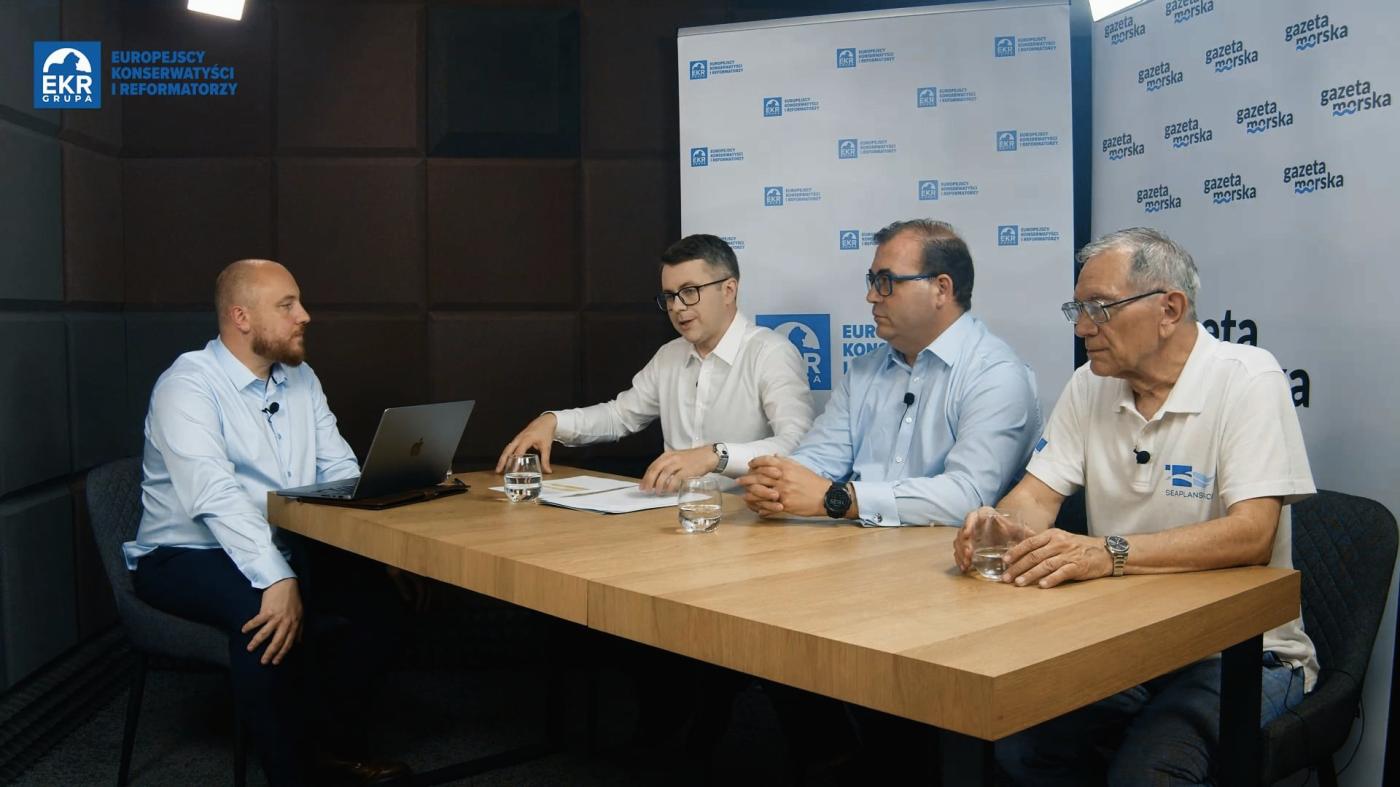
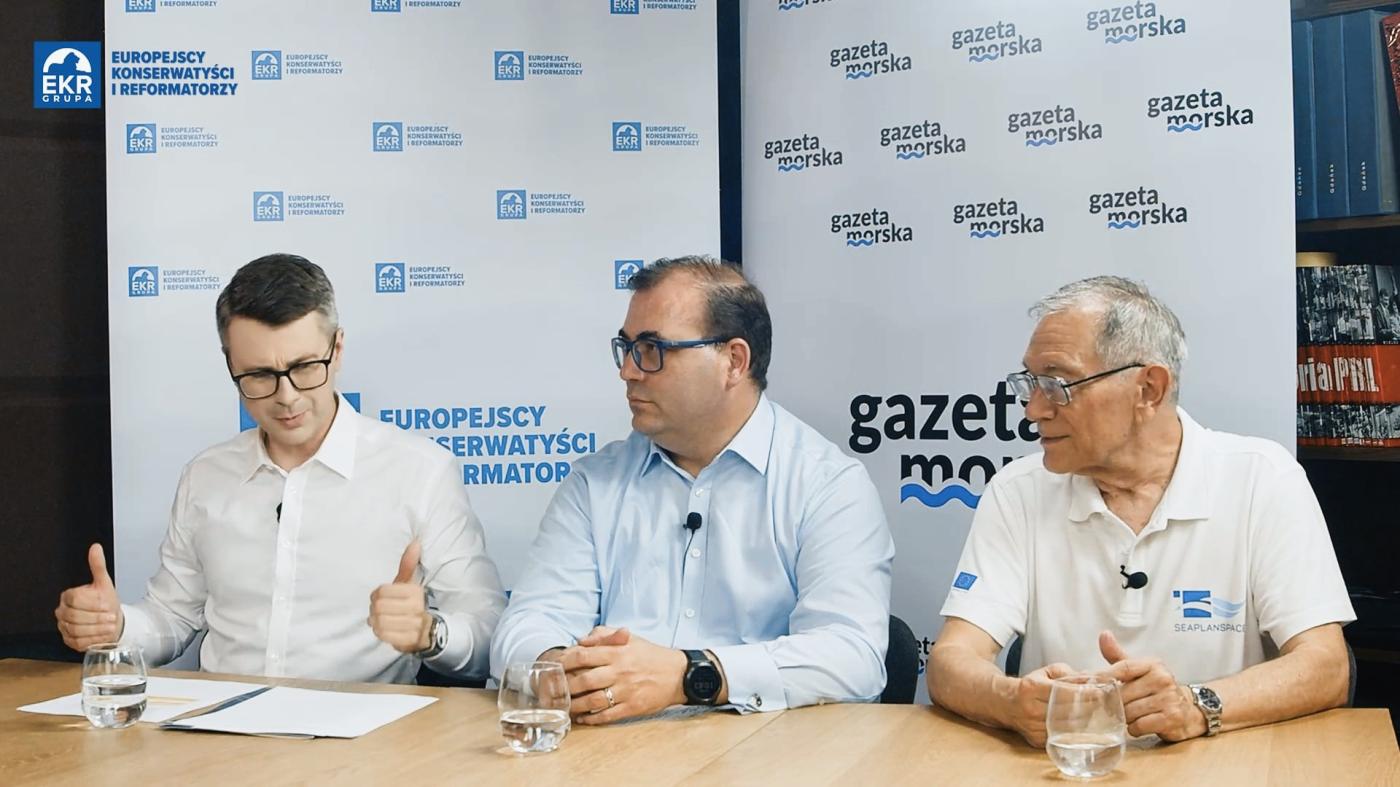
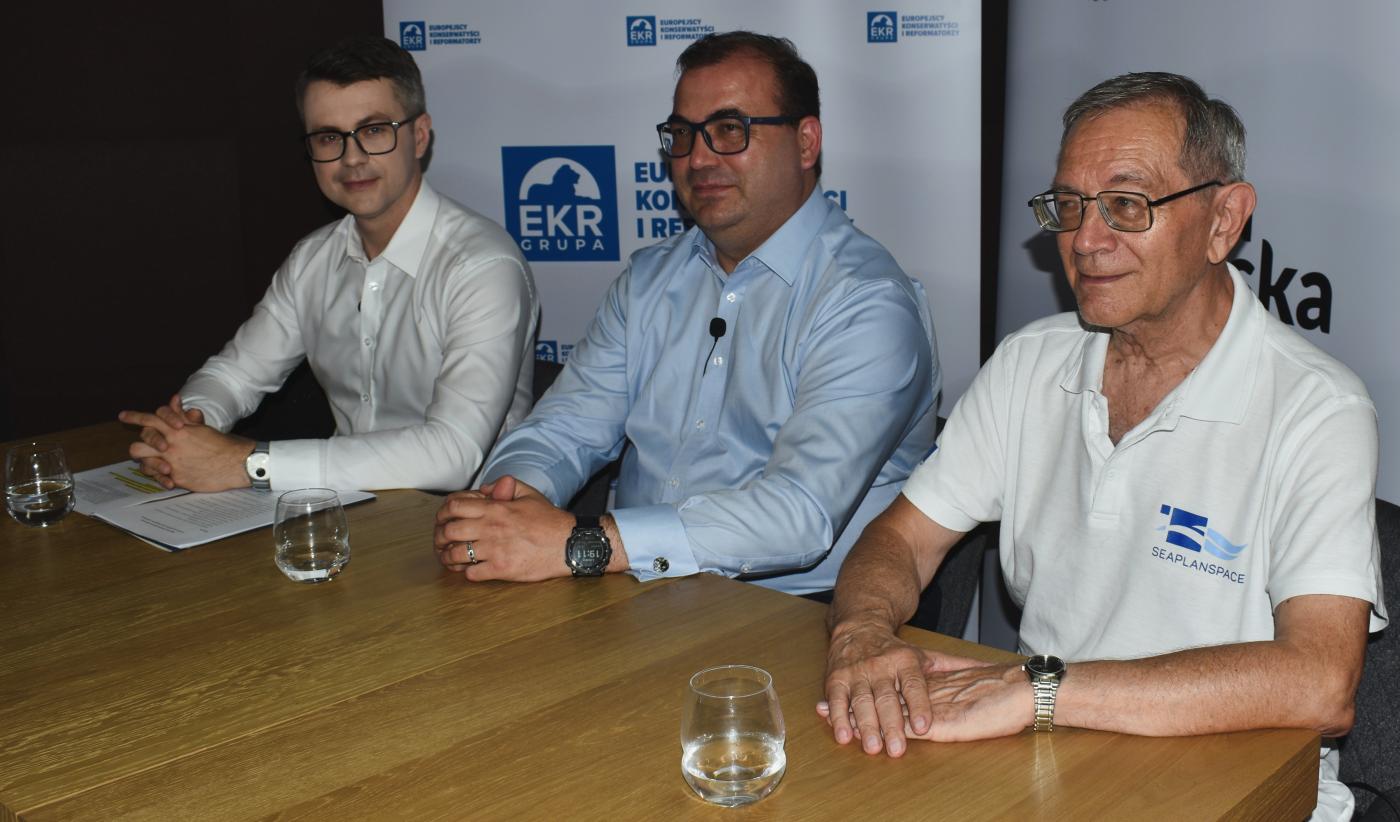
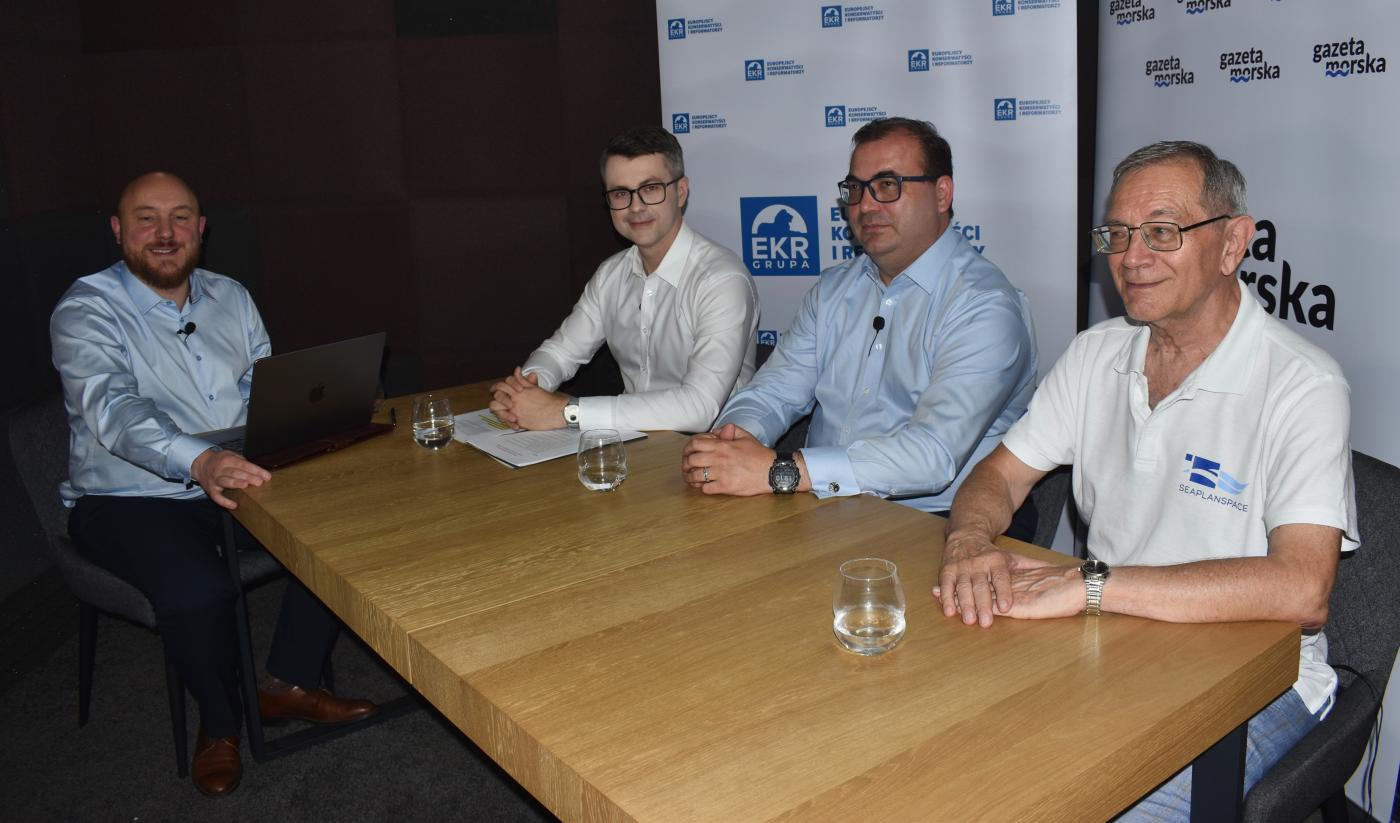
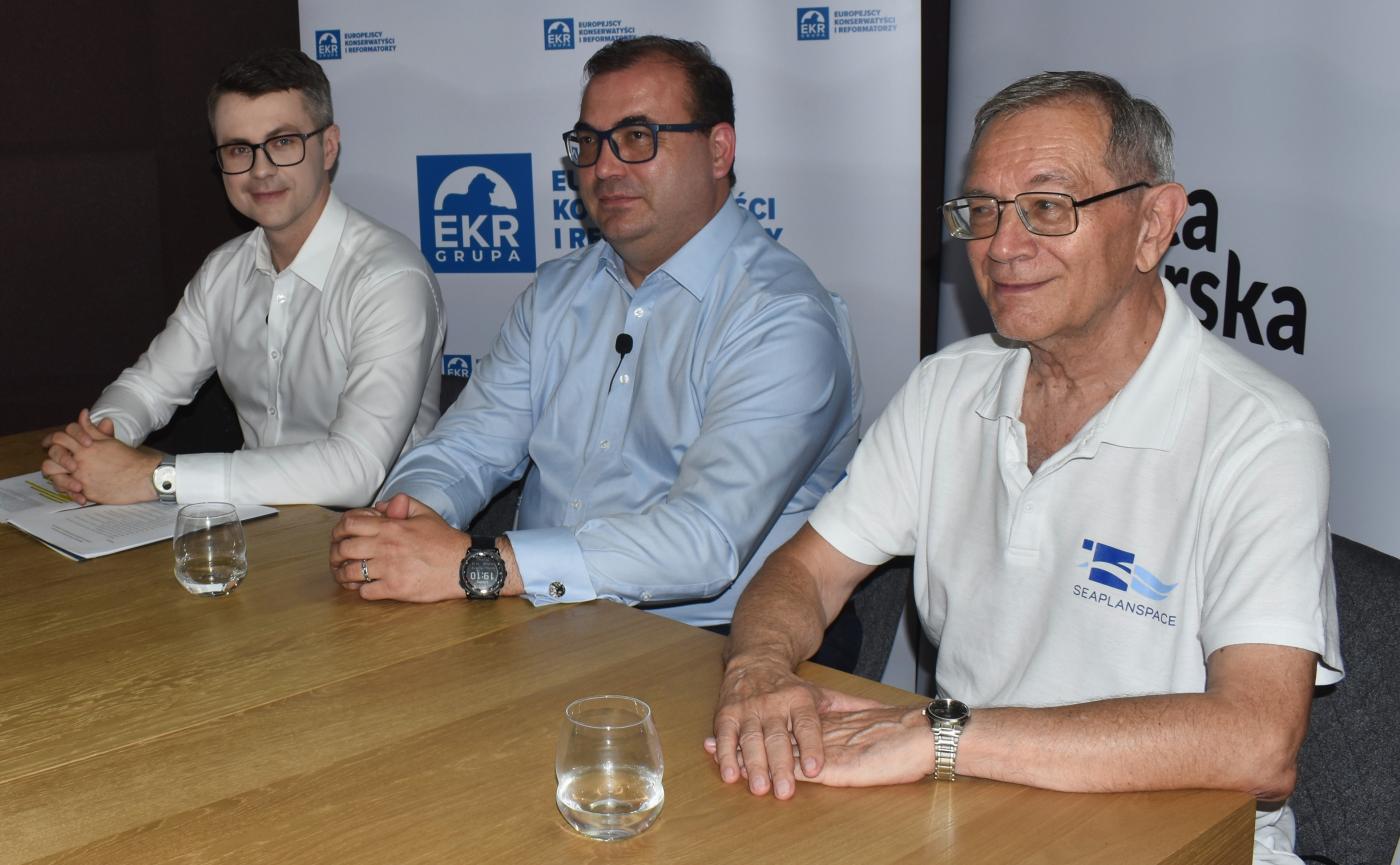
This question was at the heart of the Energy currents 2025 debate, which gathered policymakers, scientists, and industry leaders to discuss artificial intelligence, offshore energy, EU regulatory challenges, and the strategic foundations of Europe’s energy future. Among the speakers were MEP Piotr Müller, Andrzej Jaworski of the Polish Chamber of Commerce and Trade, and Prof. Marek Grzybowski, president of the Baltic Sea & Space Cluster.
Artificial intelligence: a revolution beyond the internet
– AI-driven changes are transformative. If Poland does not actively participate in this race, we risk missing an opportunity comparable to the industrial revolution – warned Piotr Müller, MEP of the European Conservatives and Reformists Group (ECR) and former Deputy Minister of Science.
The European Commission is accelerating efforts to develop independent AI models and digital infrastructures as part of its push for digital sovereignty. Poland’s role could be pivotal here.
Müller stressed that AI is not just about generating text or images:
- in banking, it already solves complex operational problems,
- in medicine, it accelerates diagnostics,
- in chemistry, it enables rapid creation of new compounds.
He highlighted that Polish companies are already building proprietary AI labs, “feeding” them data to optimize energy management systems and industrial processes.
Education and skills: the foundation of transformation
Innovation is impossible without skilled people. Müller argued that universities must adapt, not only by training students but also by re-training professors who remain skeptical of AI’s role in research.
– AI should be seen as a tool to free researchers from repetitive tasks, just as no one today cites Google in a footnote. The same will happen with AI – podkreślił.
This aligns with the European Research Area and the European Skills Agenda, which stress talent development as a cornerstone of EU competitiveness.
Offshore energy and SMRs: Polish innovations at global scale
Prof. Marek Grzybowski pointed to Poland’s growing role in offshore energy, highlighting projects such as FSRU terminals by Projmors and environmental research by the Institute of Oceanology (PAN).
– These initiatives demonstrate that Polish engineers are ready to deliver solutions on a global level – powiedział, linking them to the EU’s offshore renewable energy strategy.
He also underlined the importance of dual education models—linking academia with industry—similar to Germany and Finland, and already being implemented in Poland to support the green economy.
Robotics and automation: Europe’s next industrial wave
Müller emphasized that robotics, supported by EU funding such as Horizon Europe, is becoming a crucial pillar of European industry.
– Modern robots can already replicate the dexterity of the human hand. But if we don’t develop ownership of these technologies, Europe will pay enormous margins to foreign suppliers – ostrzegł.
Energy as the strategic foundation
– Without reliable and affordable energy, there will be no innovation – podkreślił Andrzej Jaworski. Wezwał do pilnych inwestycji w magazyny energii i centra danych jako części strategii REPowerEU.
– If Poland does not create conditions to commercialize its scientists’ ideas, other countries will harvest the benefits – dodał.
Poland’s energy strategy: reality or reactive policy?
Poland’s official Energy Policy 2040 (PEP2040) exists, Müller acknowledged, but – EU regulatory volatility makes long-term planning almost impossible.
This sentiment reflects frustration among smaller EU member states whose domestic industries often face sudden shocks from Brussels’ policy shifts.
Examples include the potential collapse of Poland’s gas-boiler industry or risks to its organic food sector under the pending Mercosur trade agreement.
Europe’s strategic dilemmas: sovereignty vs. competition
Debate participants agreed that the EU often struggles to balance unity with national interests.
– If car components move to Brazil or Sub-Saharan Africa, our European factories will close. This is not just politics—it’s jobs – powiedział Andrzej Jaworski.
Prof. Grzybowski added that Africa must be treated as a genuine industrial and technological partner, noting the massive scale of Chinese infrastructure investments on the continent: – Europe still sees Africa through a 19th-century lens, while a new industrial leap is already underway there.
Time for generational decisions
The overarching message of Energy currents 2025 was clear: Europe—and Poland within it—cannot afford to be a passive recipient of external technologies. The continent must invest in energy independence, technological sovereignty, and talent development.
As the debate concluded: Europe today needs not only declarations, but generational decisions to safeguard competitiveness and sovereignty in a rapidly shifting global landscape.
Organized by KPH Group, publisher of Gazeta Morska and Daily Mare, and co-financed by the European Conservatives and Reformists Group (ECR) in the European Parliament, Energy currents 2025 continues to shape Europe’s dialogue on the future of energy and technology.
.png)
Buy us a coffee, and we’ll invest in great maritime journalism! Support Gazeta Morska and help us sail forward – click here!
Kamil Kusier
redaktor naczelny
gallery
comments
Add the first comment
see also
Austal partners with Damen for local construction of LST 100 for Australian Army
The submarine contract of the decade? Canada weighs South Korea against Germany
Bechtel signs contract with Doraco for Poland’s first nuclear power plant
When two powers clash, Poland must be ready to act. Military security must be the priority
MON, Arka Gdynia and AMW sign letter of intent supporting "Green Industrial District - Kashubia" project
Mine countermeasure vessel Jaskółka begins sea acceptance trials
PEJ relocates headquarters to Pomerania. A strategic step in Poland’s nuclear power development
Radmor hosts delegation from the Republic of Turkey. Advancing maritime security cooperation
3D-printed catamaran: robotic manufacturing sets course for the future of small craft
Navantia and Fincantieri deepen cooperation on the european patrol corvette programme
ADVERTISEMENT
ADVERTISEMENT