









Dead seal washed ashore on Ustka’s western beach. Marine organisations urge public to report, not approach
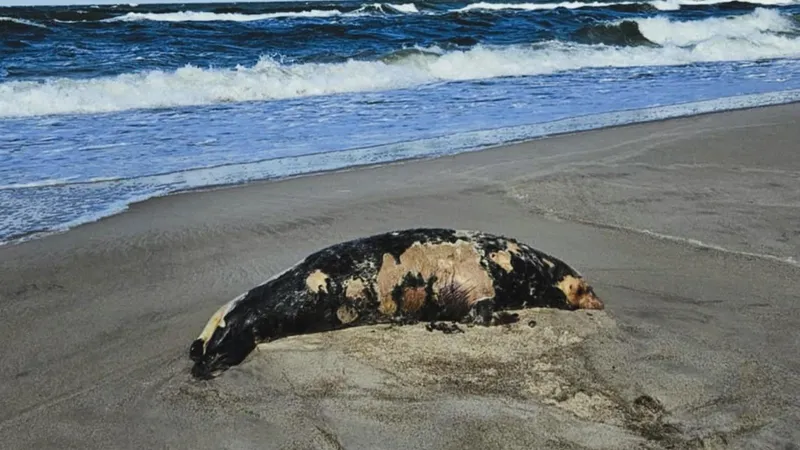
A dead grey seal was found washed ashore on the western beach in Ustka, Poland. The animal drew the attention of beachgoers, some of whom began taking photos. Marine protection organisations are reminding the public that any stranded marine mammal – even if already dead – should be treated as a potential biohazard and valuable research specimen, not as a curiosity.
In brief
A dead seal washed ashore by the waves was found on the western beach in Ustka. The grey seal is under strict protection in Poland, and representatives of organisations protecting marine mammals urge people not to approach or touch the carcass, as it constitutes material for scientific analysis. Reports are received by the WWF Blue Patrol (Błękitny Patrol WWF), whose members document the case on site and decide on disposal or transport of the body for examination. Analyses are carried out among others by the Hel Marine Station, which monitors the scale of seal mortality in the Baltic Sea.
The grey seal (Halichoerus grypus) is a strictly protected species in Polish waters. Scientists stress that every recorded stranding contributes to ongoing monitoring of the Baltic population. Members of the WWF Blue Patrol – a volunteer network operating along the Polish coast – are responsible for handling such reports and coordinating follow-up action.
Recommended procedure for beachgoers
Upon spotting a dead marine mammal, the public is advised to:
- Keep a safe distance – do not touch, move or cover the animal,
- Prevent pets and children from approaching,
- Mark the spot visually if possible, to help responders locate it easily,
- Note the GPS position or nearest landmark before making a report.
Such preliminary information helps reduce response time and improves the chances of collecting usable scientific data.
Who to notify and what happens next?
Reports of dead seals along the Polish coastline are received by the WWF Blue Patrol, which operates in coordination with marine research institutions and coastal authorities. Once notified, volunteers are dispatched to assess and document the case.
Depending on the condition of the carcass, the animal is either collected for scientific examination – often transferred to the Hel Marine Station for necropsy – or sent for safe disposal in compliance with veterinary and environmental regulations.
Source: Gazeta Morska · Compiled by: Kamil Kusier
Related articles
 Environment The world's largest seahorses move into the Gdynia Aquarium. In this species it is the male that gets pregnant
 Maritime lifestyle and tourism Fuel oil along 50 km of Polish coast. Ustka beaches closed, illegal discharge suspected
 Safety and rescue Fuel oil on the beach in Ustka. The Baltic hands back what nobody wants to collect
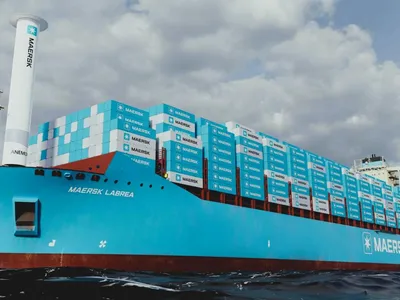 Ports and logistics Maersk to fit a 35 m rotor sail on an 8,700 TEU Lima-class ship in 2027
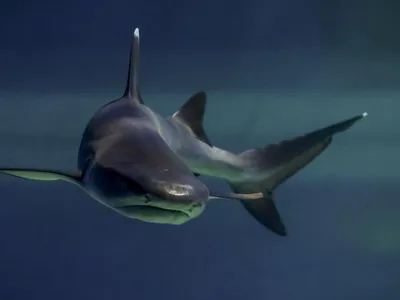 Environment From the UAE to Reda: sharks and rays move into a modernized and secured aquarium
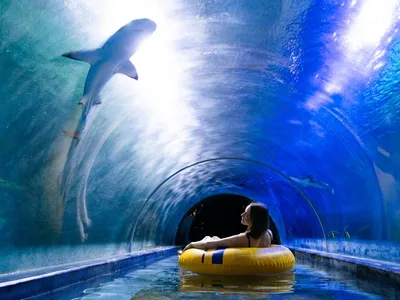 Maritime economy Will the sharks return to Reda? Locals and tourists have grown used to seeing them through the glass
Comments (0)
The discussion is moderated by the editors: a comment appears after review. Your e-mail address is not published.
Nobody has commented on this article yet.