Arctic shipping route: from China to Northern Europe in 20 days
A new container route via the Northern Sea Route could soon reshape Asia–Europe maritime transport. Singapore-based carrier Sea Legend, represented in Poland by ATC Cargo, is launching a pilot service linking Chinese ports Qingdao, Shanghai, and Ningbo with major European hubs: Felixstowe, Rotterdam, Hamburg, and Gdańsk.
business maritime economy logistics pomerania ports transport and forwarding tricity news21 august 2025 | 20:55 | Source: Gazeta Morska | Prepared by: Oskar Wojciechowski | Print
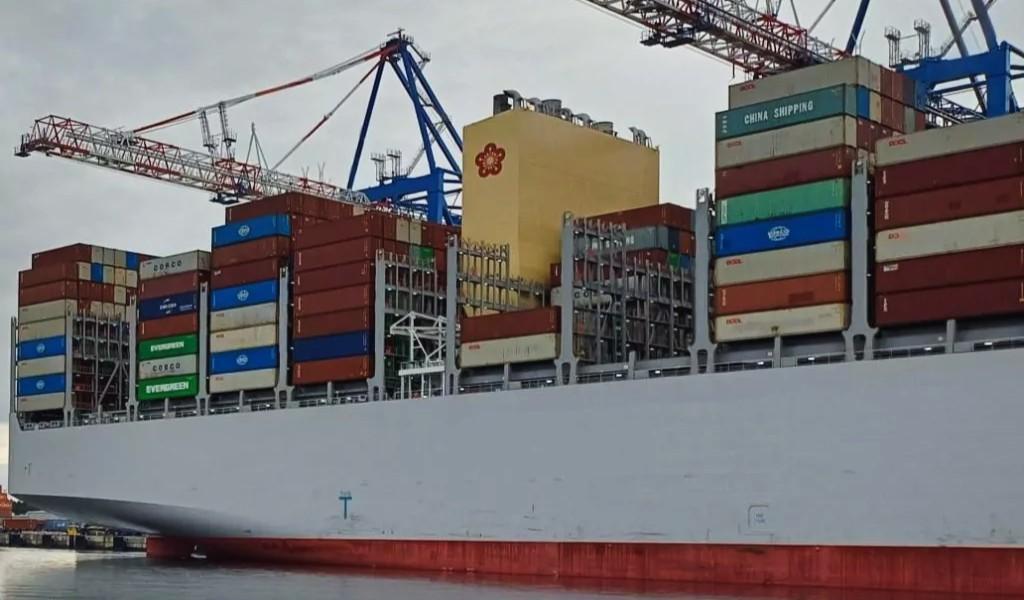
fot. Port Gdańsk
Faster transit and market advantages
The route, running along the Russian Arctic coast, is expected to reduce transit times from China to Northern Europe to 18–20 days, compared with 40–50 days via the Suez Canal or the Cape of Good Hope, and 25 days by intercontinental rail.
– Reducing transit time provides a tangible advantage for high-demand goods requiring fast distribution, such as electronics and apparel – says Dominik Landa, Strategy and Development Director at Port of Gdańsk. – At the same time, we are aware of Arctic shipping limitations, including variable ice conditions and geopolitical factors. Environmental considerations are also key – the carrier estimates CO₂ emissions will be around 50% lower compared with traditional Suez or Cape routes.
Pilot service with potential
The first vessel will depart Qingdao on September 16 and is scheduled to reach Port of Gdańsk on October 13, coinciding with peak pre-holiday export season from China. If the pilot receives positive market feedback, Sea Legend plans to launch regular, seasonal Arctic services from 2026 onwards (May–October).
The new route also offers an alternative to intercontinental rail, providing similar transit times with significantly higher cargo capacity. Additionally, it addresses growing risks in the Red Sea, where attacks by Houthi rebels increase costs and shipping hazards.
A shipping route of the future
The Northern Sea Route has long been a niche option, primarily used by Chinese and Russian operators. However, climate change and a shortening Arctic ice season are opening new commercial opportunities.
– For Port of Gdańsk, participating in this project is not only a matter of prestige but also a strategic step in strengthening its position in global supply chains – adds Dominik Landa.
Sea Legend, founded three years ago in response to the Red Sea crisis, was created to meet growing demand for alternative shipping routes. Its fleet has already proven effective in challenging Arctic conditions, and the carrier plans to introduce vessels powered by alternative fuels in the near future.
Buy us a coffee, and we’ll invest in great maritime journalism! Support Gazeta Morska and help us sail forward – click here!
Oskar Wojciechowski
redaktor
comments
Add the first comment
see also
Austal partners with Damen for local construction of LST 100 for Australian Army
The submarine contract of the decade? Canada weighs South Korea against Germany
Bechtel signs contract with Doraco for Poland’s first nuclear power plant
When two powers clash, Poland must be ready to act. Military security must be the priority
MON, Arka Gdynia and AMW sign letter of intent supporting "Green Industrial District - Kashubia" project
Mine countermeasure vessel Jaskółka begins sea acceptance trials
PEJ relocates headquarters to Pomerania. A strategic step in Poland’s nuclear power development
Radmor hosts delegation from the Republic of Turkey. Advancing maritime security cooperation
3D-printed catamaran: robotic manufacturing sets course for the future of small craft
Navantia and Fincantieri deepen cooperation on the european patrol corvette programme
ADVERTISEMENT
ADVERTISEMENT