Hybrid threats in the Baltic: Polish Navy confirms readiness amid escalating tensions
Amid mounting concerns over maritime security in the Baltic Sea, Polish naval commanders have confirmed that while hybrid warfare is already underway in the region, the sea within Poland’s area of responsibility remains secure. This assessment was delivered during the Defence24 Days conference, where senior naval officials emphasized the evolving role and modernization of the Polish Navy.
security navy worldwide news08 may 2025 | 15:07 | Source: PAP / Gazeta Morska | Prepared by: Kamil Kusier | Print
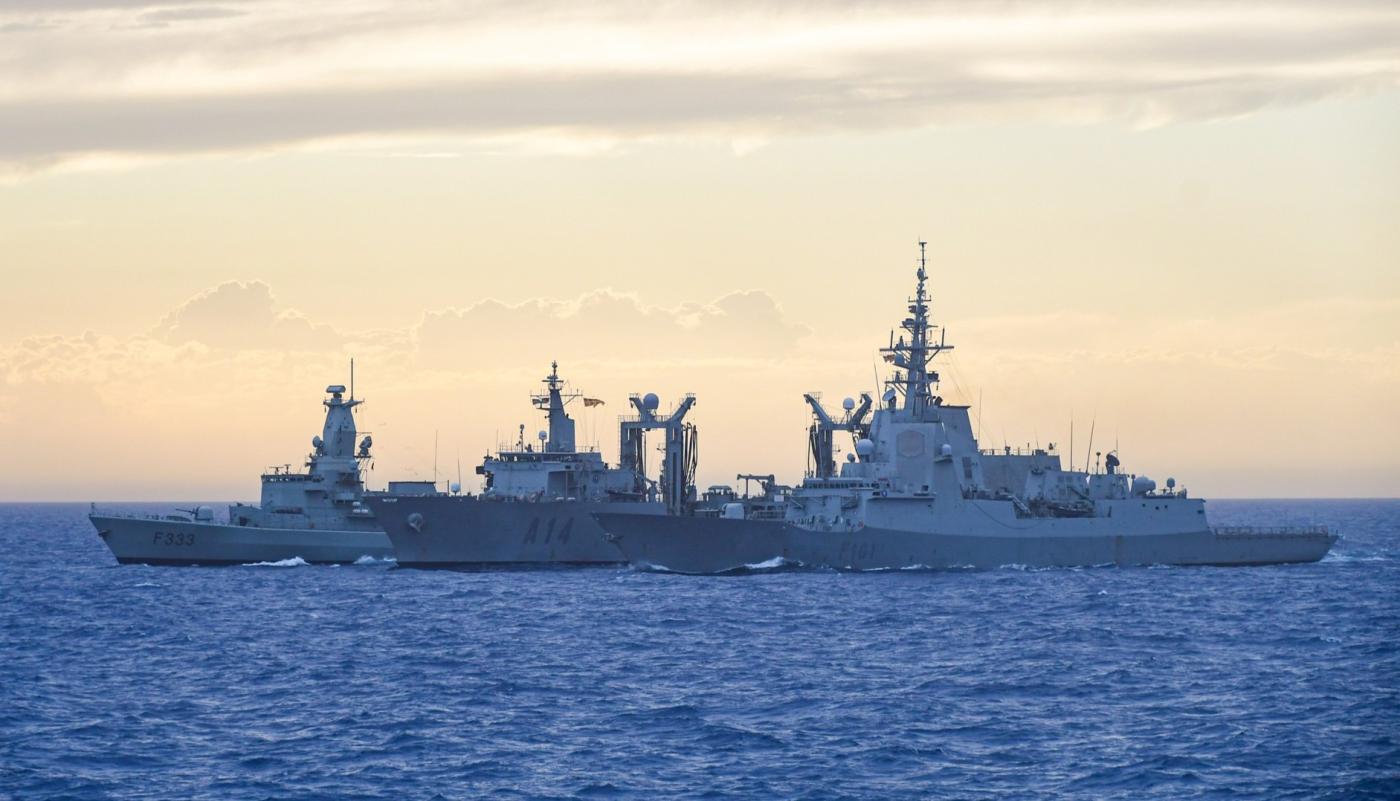
NATO Maritime Command
Vice Admiral Krzysztof Jaworski, head of the Maritime Operations Center – Naval Component Command, stated that hostile activities in the Baltic are now a daily occurrence, characterizing the current situation as a form of hybrid warfare. Nevertheless, he assured that the Polish Navy is effectively carrying out its mission and maintaining maritime safety with the resources currently available. He highlighted the utility of newly acquired Kormoran II-class minehunters, particularly in monitoring underwater infrastructure.
Supporting this view, Vice Admiral Jarosław Wypijewski, director of the Department for Supreme Command over the Armed Forces at the National Security Bureau (BBN), underscored that Poland's maritime domain is under control, especially following the launch of the Baltic Sentry mission in January. This NATO-coordinated operation was established in response to a series of infrastructure sabotage incidents across the Baltic in late 2024, including disruptions to subsea cables.
Wypijewski indicated that Poland's own “Operation Zatoka,” coordinated by the Maritime Operations Center, complements Baltic Sentry by focusing on national waters and infrastructure. He noted a tangible improvement in the protection of critical assets such as gas pipelines, communication cables, offshore platforms, and wind farms since the deployment began.
Addressing long-standing concerns about the state of the Polish Navy, Wypijewski acknowledged that its development has historically lagged behind expectations but emphasized that institutional awareness and investment are steadily improving. He pointed to ongoing shipbuilding programs, including the construction of six Kormoran II-class vessels and three Miecznik-class frigates, as well as the procurement of two Delfin-class SIGINT ships, as concrete evidence of progress.
While recognizing that these capabilities do not yet meet the full ambitions of the Navy, Wypijewski stressed that rebuilding a modern fleet is a long-term process that cannot be expedited. "The Navy is not at the bottom," he noted, "but we also haven't fully set sail."
In summary, Polish naval leadership conveyed cautious optimism: while the threat environment in the Baltic has intensified, coordinated national and allied efforts are in place to ensure the security of critical maritime zones. Both admirals emphasized that Poland is fulfilling its responsibilities and adapting to the new security landscape.
Buy us a coffee, and we’ll invest in great maritime journalism! Support Gazeta Morska and help us sail forward – click here!
Kamil Kusier
redaktor naczelny
comments
Add the first comment
see also
"Let everyone know we will prevail". Poland’s armed forces set strategic course for 2026-2039
“Army 500” and strategic transformation: Poland sets the course for long-term deterrence and allied readiness
Medical evacuation from offshore vessel in the Baltic. Rescue 511 helicopter and m/s Huragan deployed
Karol Nawrocki: “The strength of the republic lies in its armed forces”. Security requires national unity
Human trafficking, money laundering, millions frozen. Successful operation by border guard and tax administration
Evening SAR operation in the Baltic. Two kitesurfers stranded offshore
Medical evacuation from sailing ship in Gdynia port. 17-year-old safely transported
Medical evacuation from Danish-flagged vessel Skoven off Łeba. Joint SAR operation in the Baltic Sea
Almost 2.5 million travellers cleared in 2025 by the Maritime Border Guard
Frontex officers train with Polish Maritime Border Guard
ADVERTISEMENT
ADVERTISEMENT