Changing course of tankers: geopolitics, sanctions and a new map of crude oil trade
Global shipping markets are subject to numerous variables that affect both demand for transport services and the supply of vessels available for loading. One of the key factors influencing tanker shipping is political developments and armed conflicts.
business maritime economy logistics worldwide politics transport and forwarding news04 january 2026 | 19:23 | Source: Gazeta Morska | Prepared by: Radosław Marciniak | Print
fot. Pixabay
A major event with significant implications for global politics and international security occurred with the coordinated US attack on Venezuela on Saturday, 3 January this year.
Even prior to this development, selected sectors of the Venezuelan economy had been subject not only to international sanctions and, above all, an embargo on crude oil production, but also large parts of the country’s territory — including Lake Maracaibo, the Orinoco River and offshore areas — had been designated as areas of increased war risk (so-called War Risk Areas). Navigation in these zones required shipowners to pay additional war risk insurance premiums.
The US operation carried out overnight on Saturday further intensified existing restrictions on maritime trade and navigation in the region, severely limiting access to cargoes for tankers, many of which were already under sanctions.
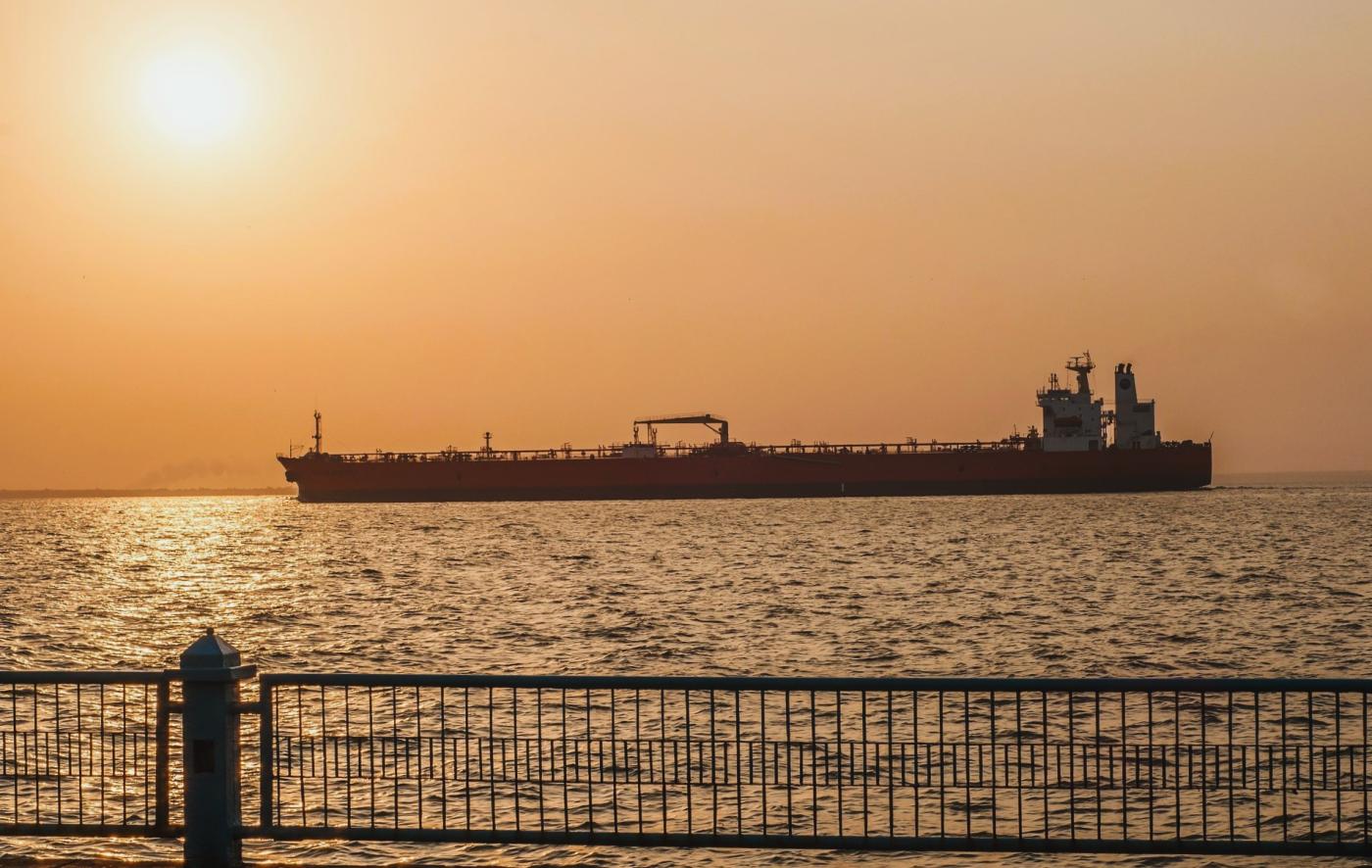
This situation has particularly affected the segment of the largest crude oil tankers, the so-called VLCCs (Very Large Crude Carriers), which had been transporting Venezuelan crude, for example to China.
These developments are expected to have a significant impact not only on the global freight market, but also on established shipping routes in the region.
Just before the US attack, many tankers were waiting in slowed ballast voyages, drifting or anchoring well away from high-risk Venezuelan waters, awaiting instructions from cargo interests. Some vessels were located at Venezuela’s most important crude oil export terminal, the port of José.
Among them were many ships that had already been subject to sanctions.
Following the attack, numerous vessels that had remained at sea altered their course. Some, for instance, headed towards oil-producing Nigeria, where the current situation may present an opportunity to further expand crude oil exports to China, effectively replacing Venezuelan supply.
At present, crude oil loading operations in Venezuela have virtually come to a standstill.
The coming weeks will show how the announced transformation of this South American country will affect global shipping markets.
Buy us a coffee, and we’ll invest in great maritime journalism! Support Gazeta Morska and help us sail forward – click here!
Redakcja Gazeta Morska
użytkownik
comments
Add the first comment
see also
StartupHack 3.0 at GPNT: Space and maritime technologies at the core of innovation
Polish technology powers zero-emission public transport. AREX secures largest municipal contract
Defence.Hub strengthens capabilities in technologies supporting maritime infrastructure security
Hanseatic Global Terminals takes full ownership of Florida International Terminal
Aleksandra Kosiorek: The sea has always been a space of openness for us, and that will not change
Gdańsk to launch Baltic Sea monitoring center
Türkiye advances indigenous GNSS ambitions: what FGN-100-D3 means for the maritime sector
Lithium at the core. TKMS and E3 Lithium align on Canada’s submarine ambitions
Błażej Konkol appointed vice president for infrastructure at the Port of Gdańsk Authority
WB Group expands into Romania, strengthening presence in the Black Sea region
ADVERTISEMENT
ADVERTISEMENT