How much can you earn in offshore and offshore wind energy in 2026?
The European maritime sector is currently experiencing rapid growth, especially in offshore energy, which includes offshore wind and oil & gas projects. The construction of new wind farms, modernization of ports, and investments in installation vessels have made this sector one of the highest-paying areas of the blue economy. For skilled technical specialists and engineers, this translates into competitive salaries, the opportunity to work on innovative projects, and experience in an international environment.
business power engineering maritime economy offshore pomerania west pomerania work at mare tricity news16 march 2026 | 11:26 | Source: Gazeta Morska | Prepared by: Kamil Kusier | Print
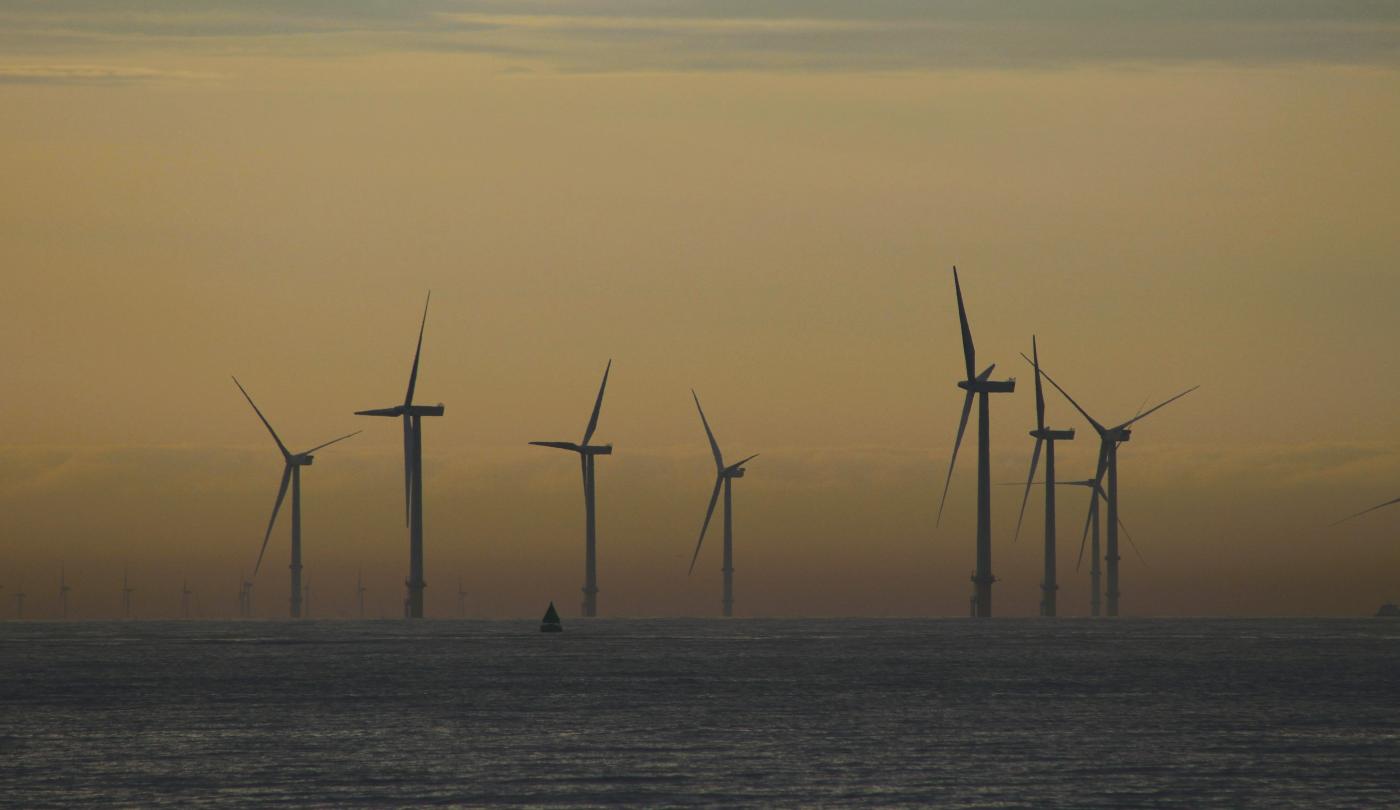
fot. sushmasterguest / pixabay
According to EU reports and data from the Polish market, the highest salaries in the offshore sector are in wind energy, shipbuilding, and maritime transport, while tourism and fisheries remain the lowest-paid, despite employing the largest number of maritime workers.
Offshore wind as a driver of salaries
Offshore wind energy is growing faster than any other renewable energy sector in Europe. Poland is joining this trend with projects in the Baltic Sea, such as Baltic Power, Baltica, and other planned investments under EU energy policy.
These wind farms require a wide range of specialists: from turbine technicians and crane operators to engineers and inspectors. Work in this sector is challenging, involving harsh maritime conditions, rotational work schedules, and responsibility for installation safety and quality. In return, salaries are attractive.
In Europe, typical daily rates for offshore turbine technicians range between €300–€450, electricians and quality inspectors earn €50–€60 per hour, and subsea and ROV specialists can earn €400–€500 per day. In Poland, gross salaries in the wind infrastructure sector are:
- CNC operator: PLN 6,800–8,500
- steel structure installer: PLN 6,800–10,000
- test electrician: PLN 7,500–8,500
- crane operator: up to PLN 12,000
Specializations and salary differences
Not all offshore roles are equally compensated. Salaries depend on the level of responsibility, project type, and certifications. The more qualified and experienced an employee is, the higher the pay, often above market standards.
- Turbine technicians are responsible for assembling, servicing, and diagnosing turbines. EU daily rates range from €300 to €450, and rotational schedules (2 weeks offshore, 2 weeks off) can lead to highly competitive monthly salaries.
- Crane operators and riggers handle the lifting and installation of large turbine components, such as blades and nacelles. Work requires GWO certification and precision in handling lifting equipment. Average rates are €40/hour, with international contracts in Norway or the UK often higher.
- Electrical, welding, and NDT inspectors control critical turbine and subsea systems. Daily rates for NDT and welding inspectors are €400–€500; electricians earn €50–€60/hour. Certifications include SEP, NDT, IWI, FROSIO, and NACE.
- Offshore, subsea, and ROV engineers manage advanced subsea projects, including cable installation and robotic systems. Monthly salaries in Europe range from €8,000 to €16,000 depending on experience and project type.
- Client representatives and offshore installation managers oversee projects and teams. Salaries can exceed $15,000–$30,000 per month on large-scale offshore projects.
Offshore oil and gas as the top-paying segment
The offshore oil and gas sector remains the highest-paying area of maritime work. The closer a specialist is to extraction, the higher the compensation. Key roles include:
- DP operators (dynamic positioning) – maintain precise vessel positioning during installation or extraction
- Subsea engineers – supervise subsea robots and cable installations
- ROV operators – operate remotely controlled underwater robots
- Offshore installation managers – coordinate entire projects, manage teams, and oversee schedules
Typical monthly salaries:
- Ship captain: $10,000–$18,000
- Chief engineer: $10,000–$16,000
- Offshore project manager: $15,000–$30,000
The Polish market and salary outlook
The Polish offshore wind sector is growing by several hundred megawatts annually. Projects such as Baltic Power and Baltica, along with other planned initiatives under renewable energy policy, are increasing demand for qualified technical and engineering personnel.
Local salaries are lower than in Norway or the UK but rise with experience and certifications:
- CNC operators and steel installers: PLN 6,800–10,000
- Test electricians: PLN 7,500–8,500
- Crane operators: up to PLN 12,000
International contracts, for example in the Baltic Sea or Western Europe, can offer daily rates 3–4 times higher, not including bonuses, allowances, and overtime.
Domestic vs international markets
Poland’s offshore wind market is still developing, with most Baltic projects in planning or construction. In Western Europe and Scandinavia (Norway, UK, Denmark), offshore wind and oil & gas are mature markets, offering higher salaries and a broader range of roles. International contracts can pay 2–4 times more than domestic rates but require experience, certifications, and readiness for rotational work.
Technology, certifications, and advanced skills
Offshore roles require high technical skills and familiarity with automation systems. Turbine operators, subsea engineers, and ROV specialists must know control systems, subsea robotics, and cable installations. Key certifications include:
- GWO (Global Wind Organisation) – safety and working at height
- SEP, NDT, IWI, FROSIO, NACE – quality control, welding, electrical work
- DP operator – precise vessel handling
Certifications not only enable access to prestigious projects but also significantly increase salaries.
Rotational work and offshore conditions
Offshore work typically follows a rotational schedule, such as 2 weeks on-site and 2 weeks off, allowing for high earnings but requiring mental and physical resilience. Long shifts, work at height or in harsh weather, and strict safety protocols make offshore work a demanding but rewarding career.
Leaders in offshore wind and energy
Key companies shaping the offshore market include:
- Ørsted – Danish energy giant, owner of Hornsea (UK) and Baltic Eagle (Germany), pioneering offshore installations and farm efficiency technologies
- Vattenfall – Swedish operator building offshore projects in Germany and Sweden, emphasizing digitalization and automation
- RWE Renewables – German operator active in the UK and Netherlands, employing hundreds of engineers, technicians, and vessel operators
- PGE and PGE Baltica – Poland’s key investors in offshore wind. Baltic Sea projects will create hundreds of local jobs during construction and operation, employing modern turbine technology and developing domestic technical expertise
- Orlen – increasingly active in offshore wind, collaborating with international partners and expanding employment opportunities for Polish engineers and specialists
Working for these companies provides access to major European and Polish projects, modern turbine and subsea technology, and international collaboration, significantly increasing earning potential.
Analysis of the market and salary prospects
The offshore and offshore wind sectors in Europe and Poland are expanding rapidly. New wind farms and port infrastructure developments are driving demand for technical specialists, subsea engineers, installation vessel operators, and project inspectors.
Over the next 5–10 years, offshore salaries may grow faster than in other maritime sectors. Certified skills, experience, and knowledge of international standards will be decisive for recruitment to the highest-paying projects.
For those considering a career in offshore wind, this means not only attractive salaries but also the opportunity to work on international projects, gain experience with cutting-edge technology, and develop a career path in one of the most promising maritime sectors.
Buy us a coffee, and we’ll invest in great maritime journalism! Support Gazeta Morska and help us sail forward – click here!
Kamil Kusier
redaktor naczelny
comments
Add the first comment
see also
StartupHack 3.0 at GPNT: Space and maritime technologies at the core of innovation
Polish technology powers zero-emission public transport. AREX secures largest municipal contract
Defence.Hub strengthens capabilities in technologies supporting maritime infrastructure security
Hanseatic Global Terminals takes full ownership of Florida International Terminal
Aleksandra Kosiorek: The sea has always been a space of openness for us, and that will not change
Gdańsk to launch Baltic Sea monitoring center
Türkiye advances indigenous GNSS ambitions: what FGN-100-D3 means for the maritime sector
Lithium at the core. TKMS and E3 Lithium align on Canada’s submarine ambitions
Błażej Konkol appointed vice president for infrastructure at the Port of Gdańsk Authority
WB Group expands into Romania, strengthening presence in the Black Sea region
ADVERTISEMENT
ADVERTISEMENT