The national genotype was born in the shipyard. 45 years of Solidarity anchored in Poland’s history
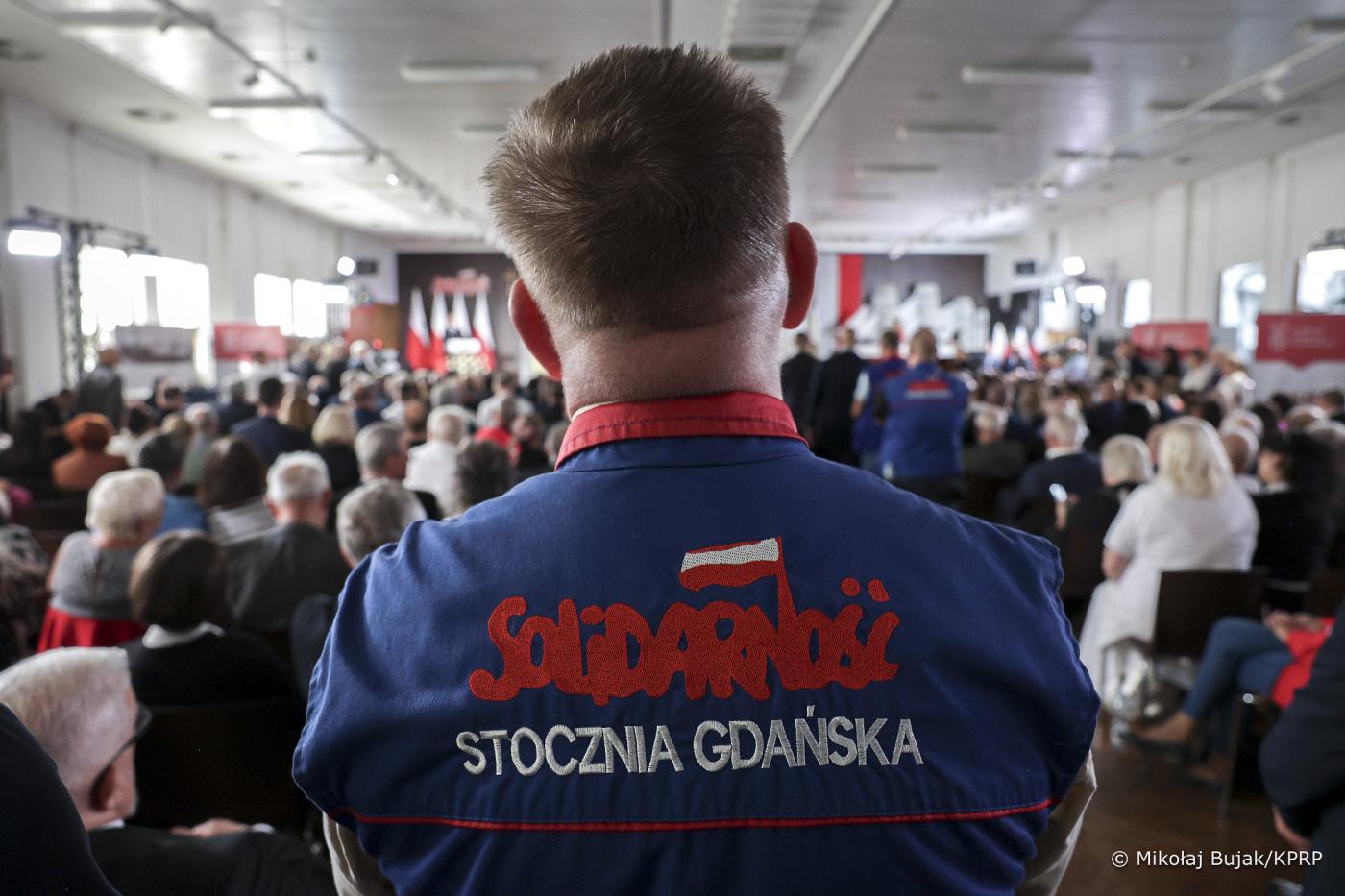
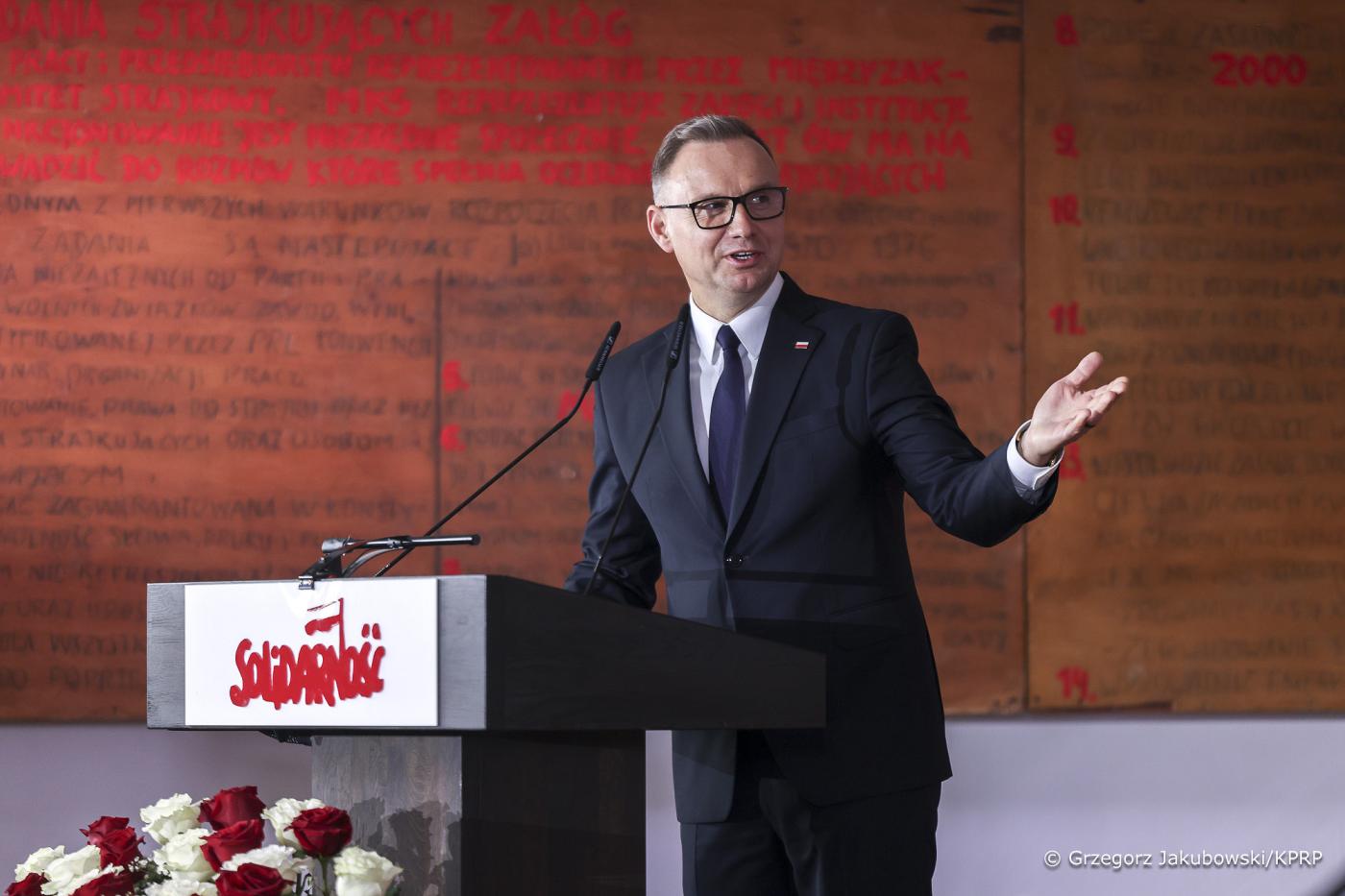
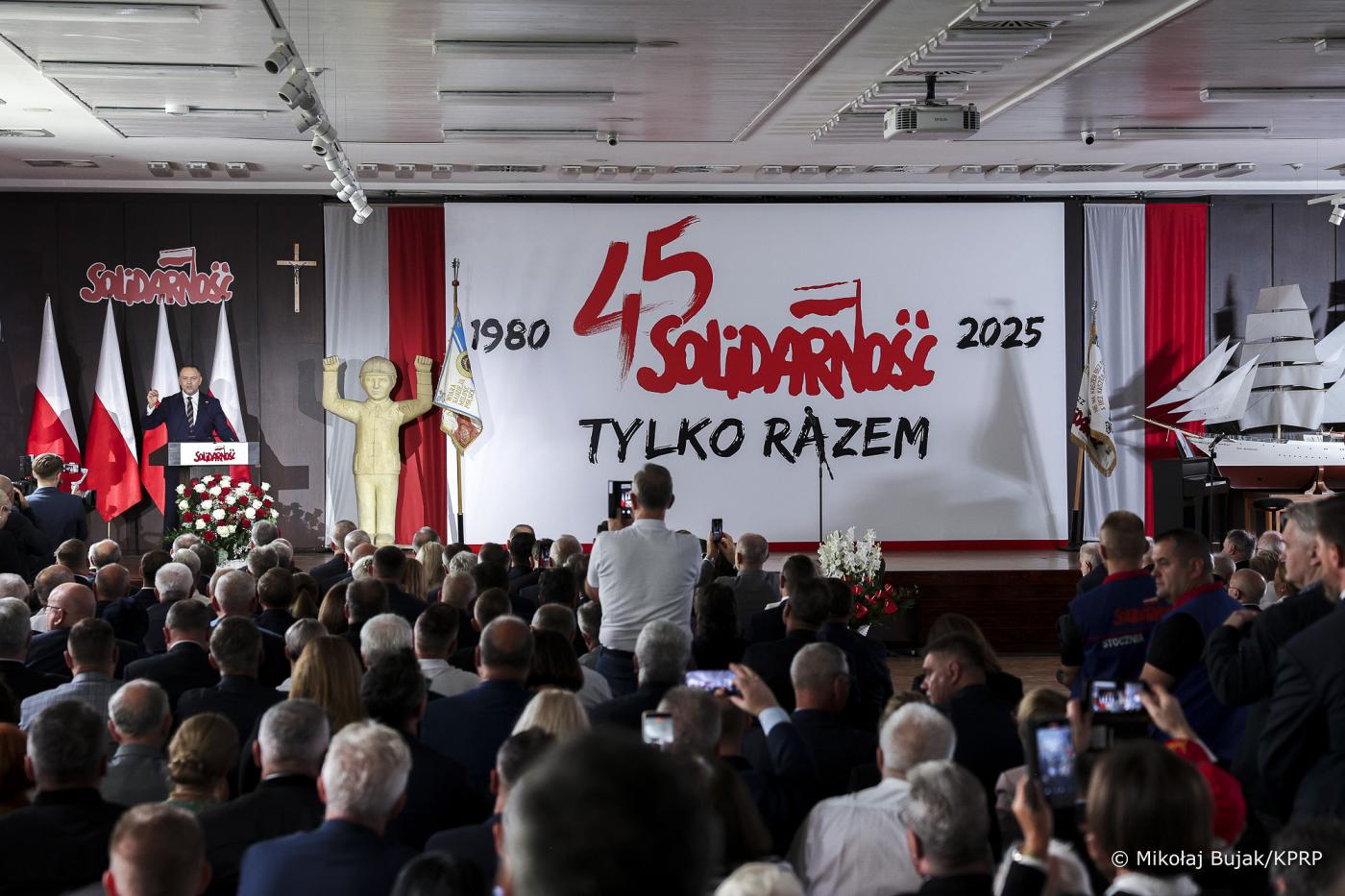
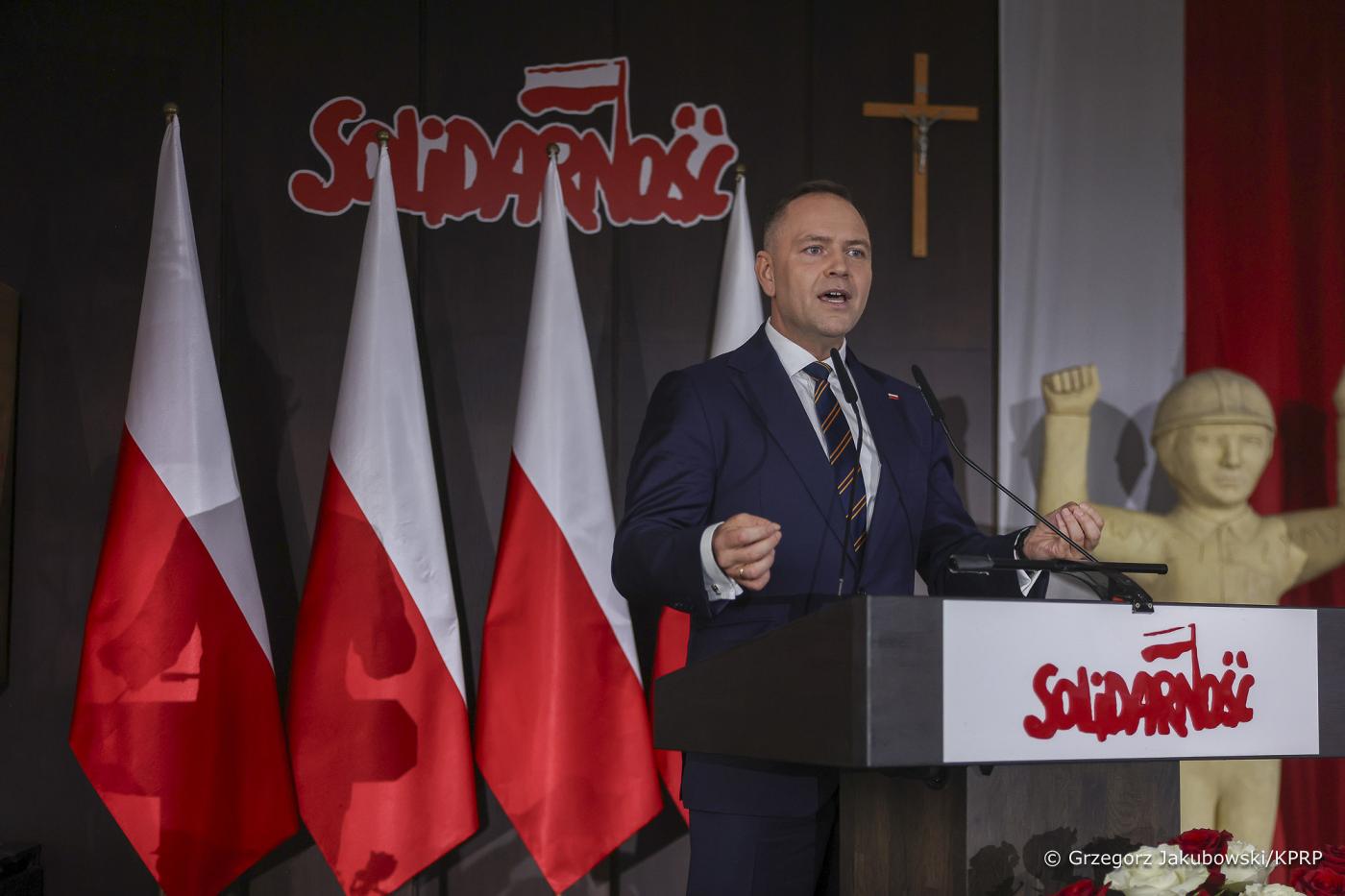
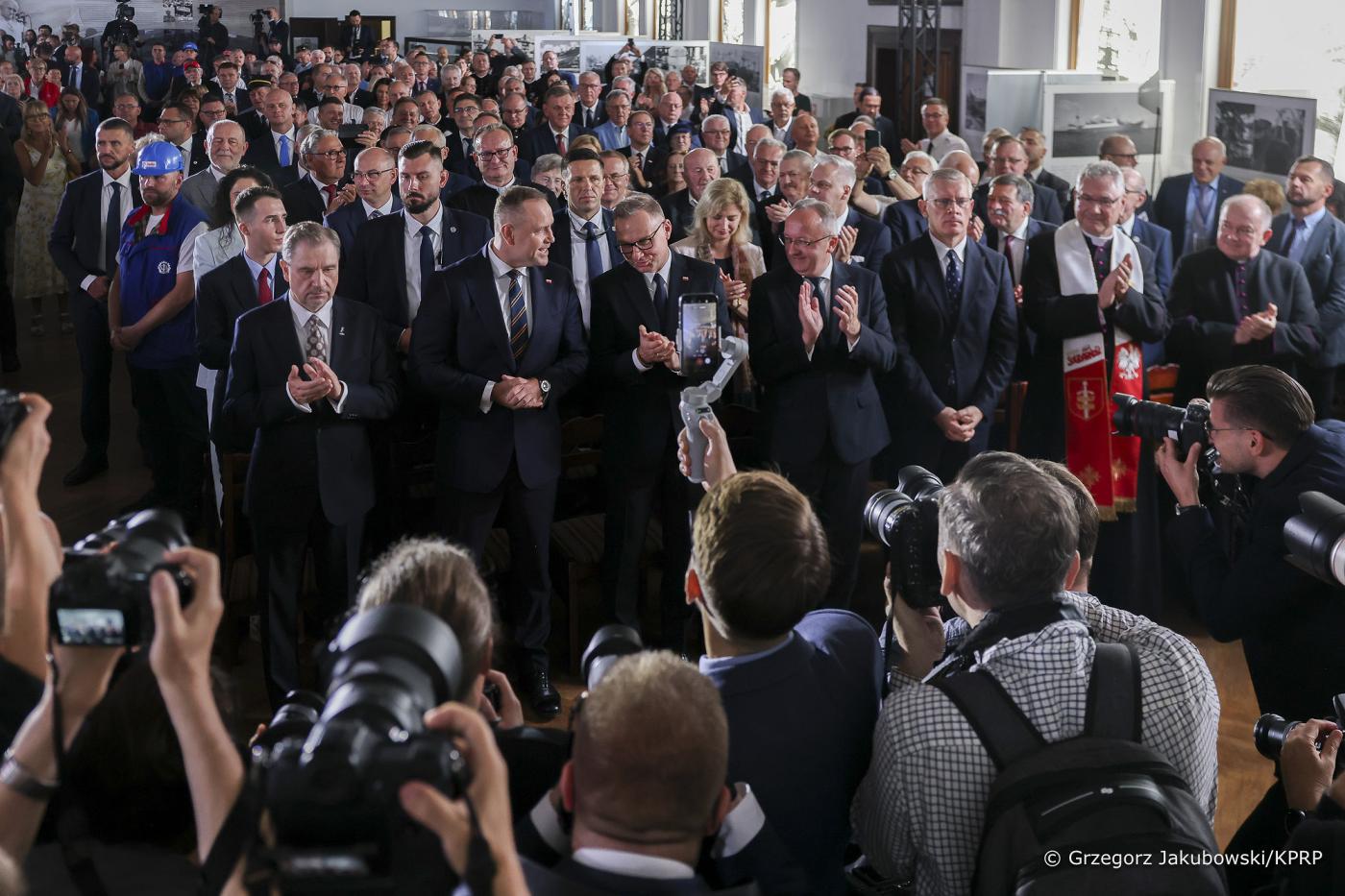
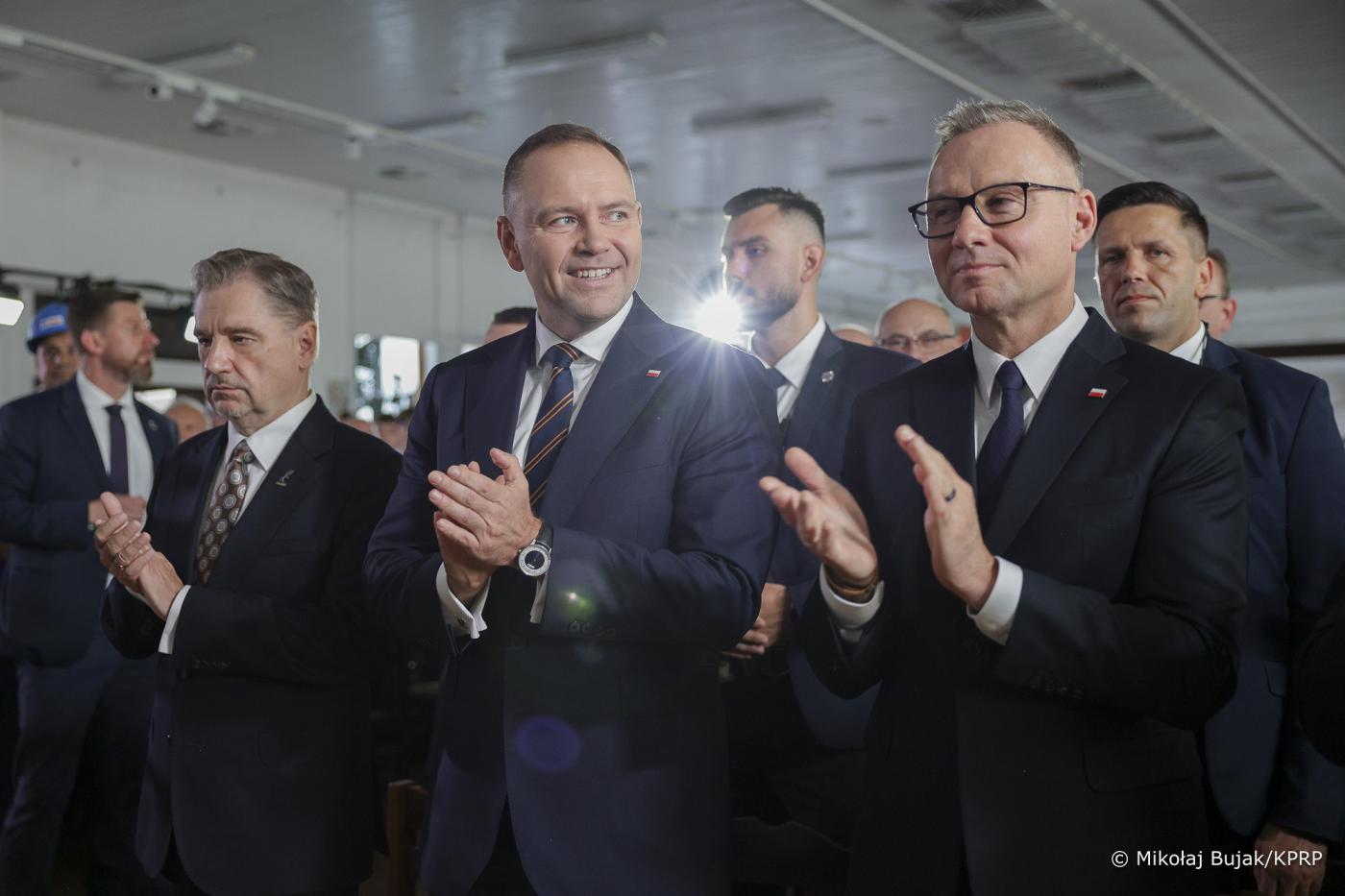
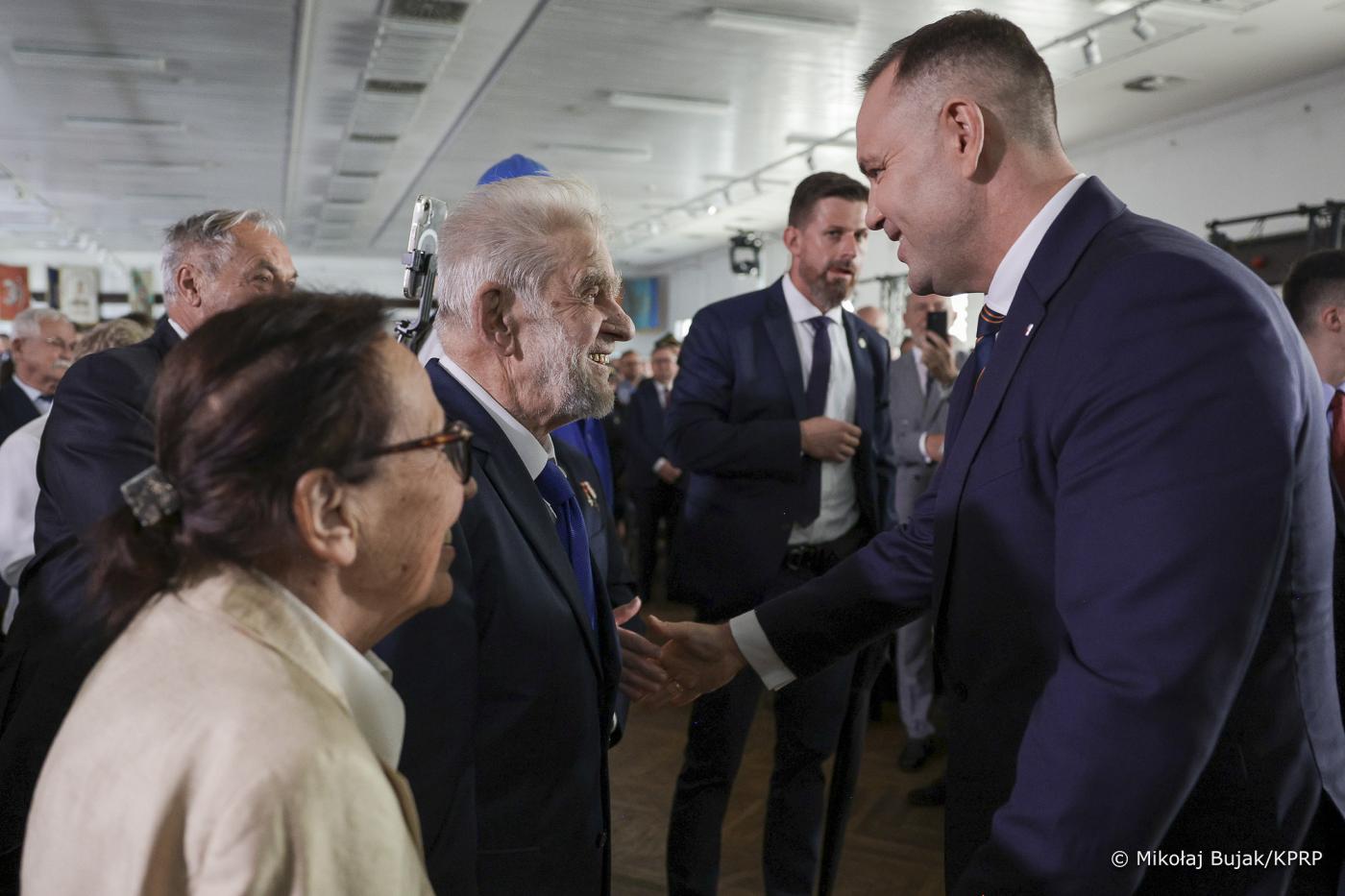
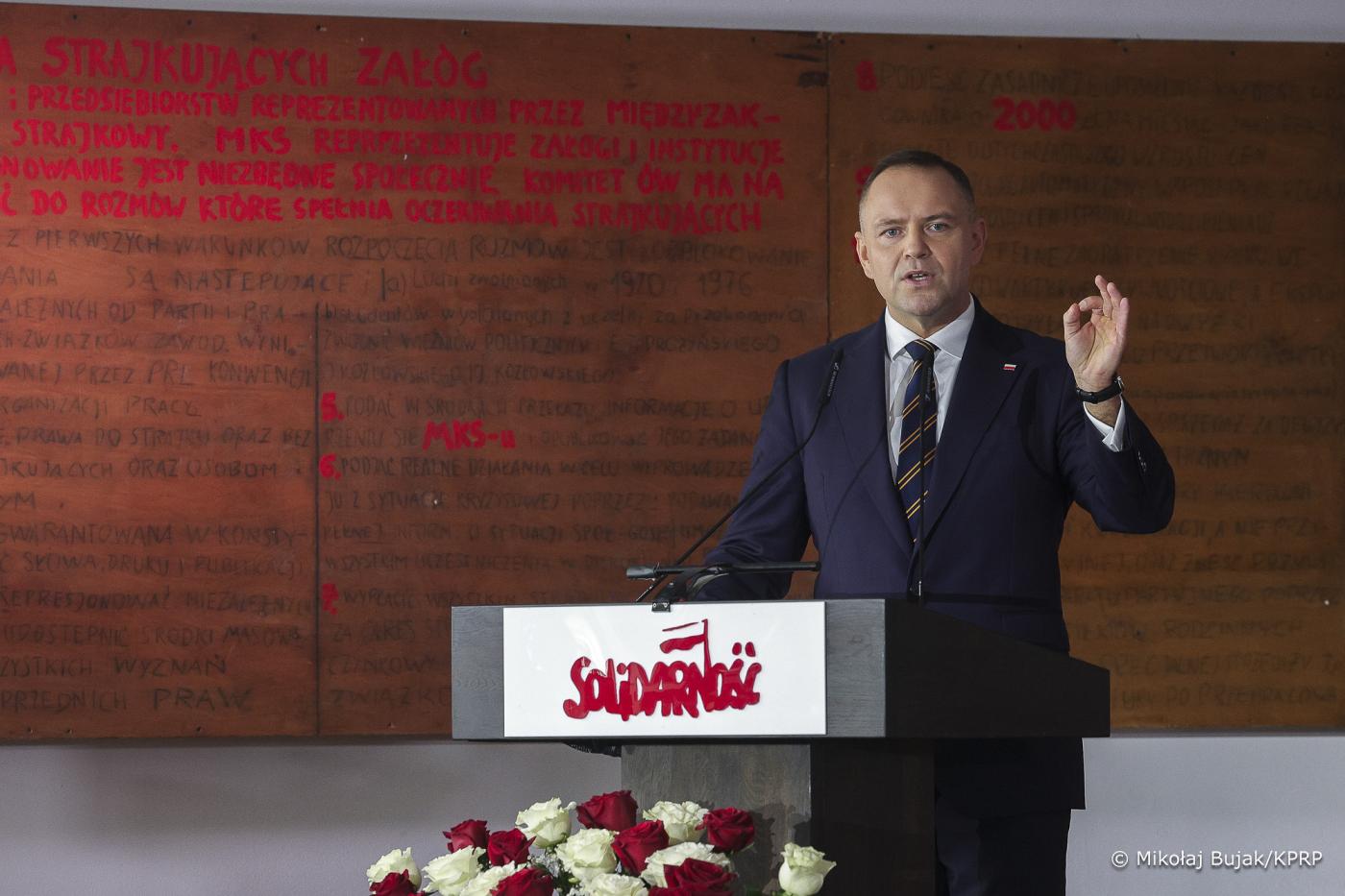
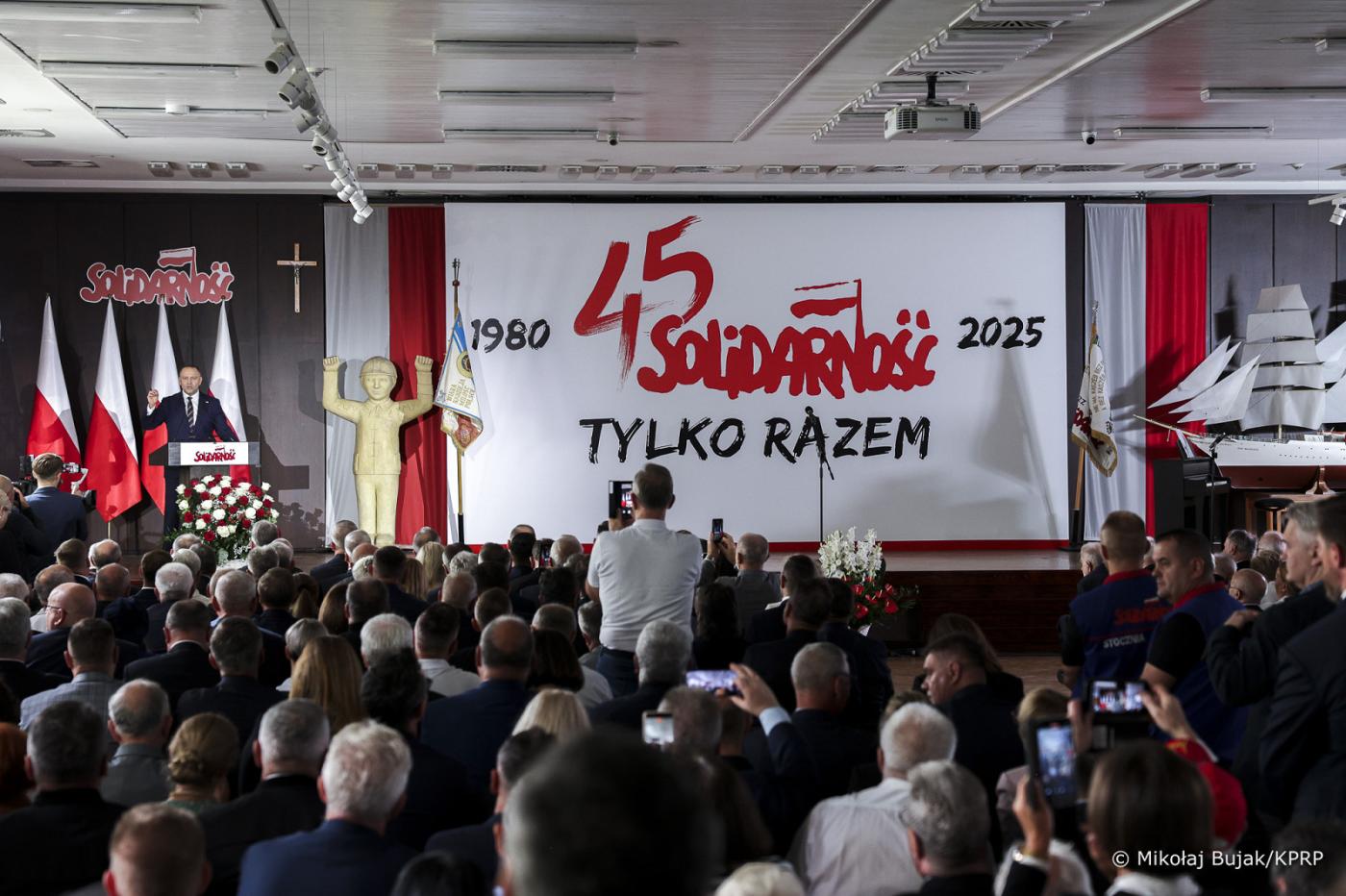
In Gdańsk, at the historic BHP Hall of the Gdańsk Shipyard, the President of the Republic of Poland, Karol Nawrocki, paid tribute to the heroes of August ’80 and ’88, emphasizing that it was the shipyard workers and the people of the sea who ignited the flame of freedom for the entire nation. - I can live in a free Poland thanks to you, and I want to thank you for that – the heroes of Solidarity, said the President during the celebrations of the 45th anniversary of the strikes of 1980 and the founding of NSZZ “Solidarity.”
history politics pomerania solidarity tricity news31 august 2025 | 14:33 | Source: Gazeta Morska | Prepared by: Kamil Kusier | Print
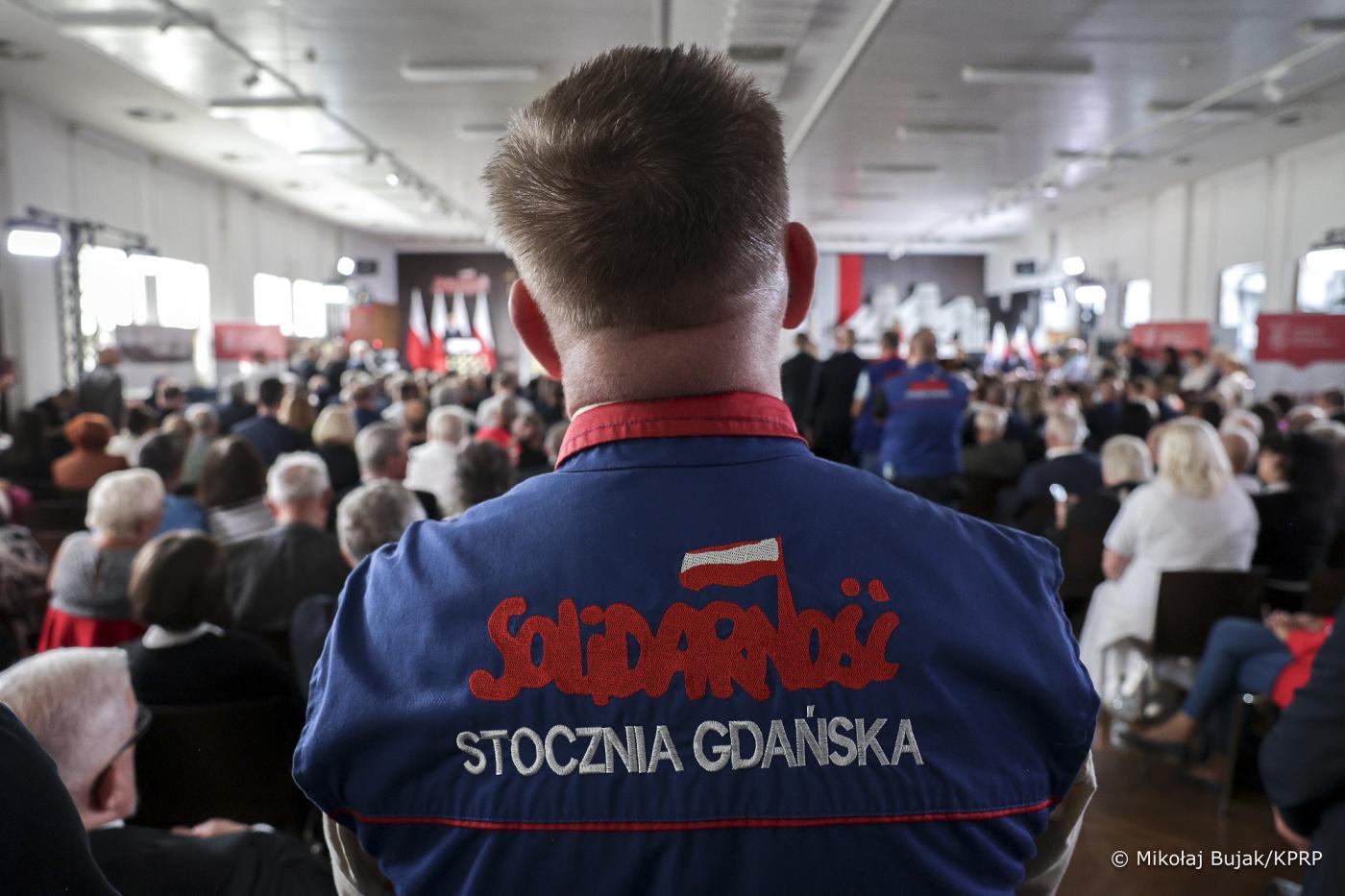
fot. Mikołaj Bujak / KPRP
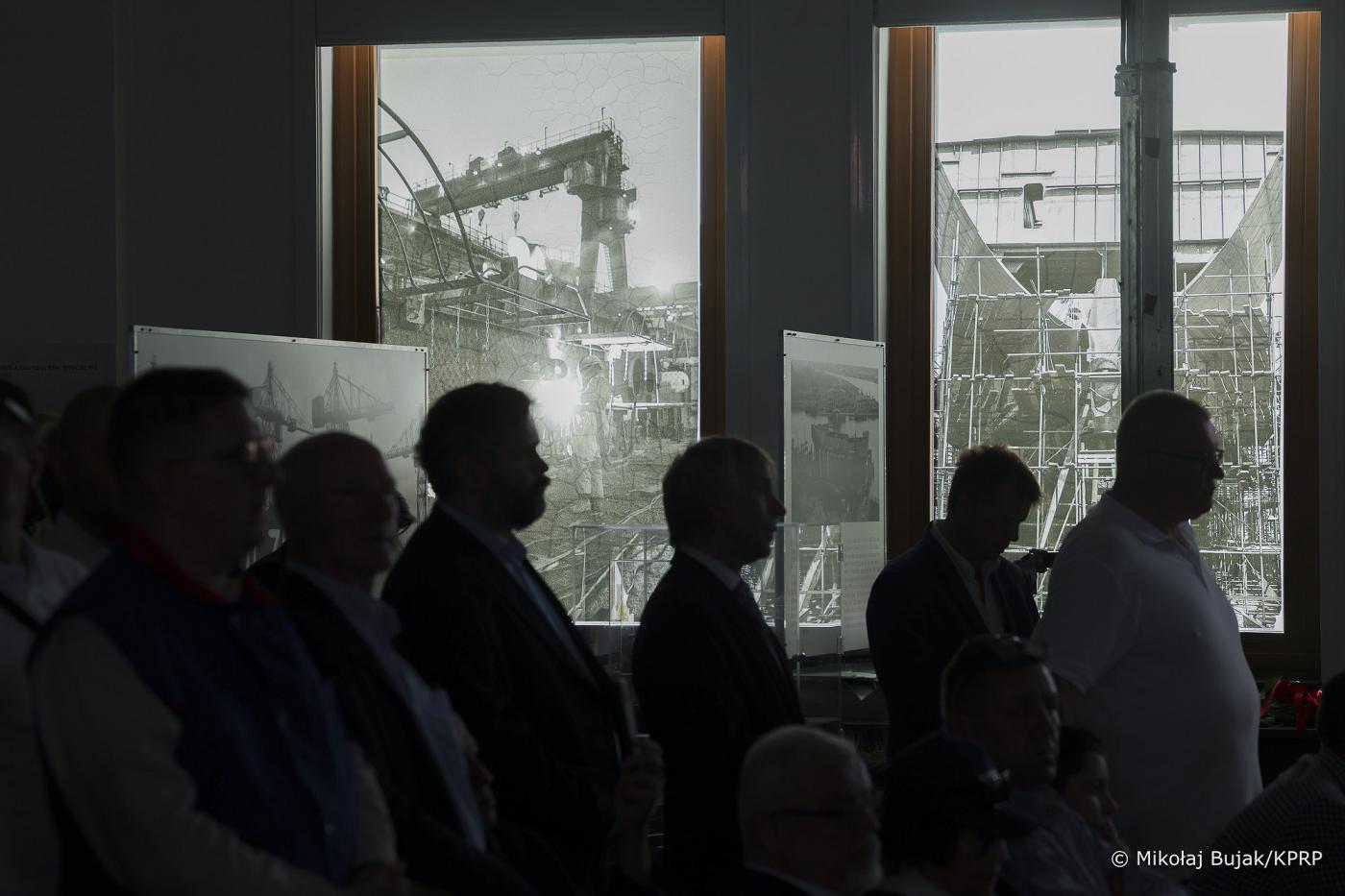
He underlined that August was born among the sound of hammers, the sparks of welding torches, and the smell of steel – in the very place where hard work on ships and vessels symbolized the strength of Poland’s maritime industry.
- Solidarity is part of our national, communal genotype, he stressed.
It was the shipyard – the space of work and life for thousands of maritime workers – that became the heart of Poland’s road to freedom.
- It was a moment when people sat down together at the same table, even if in everyday life they would never sit side by side. Yet they did it so that the national community could function, so that Solidarity could prevail, Karol Nawrocki said.
The President reminded that the legacy of Solidarity cannot remain just a beautiful story but must be a commitment for the future – also for today’s shipbuilding and maritime industry.
- We will not let ourselves be convinced that striving for a strong Poland, a country of peace, must exclude social solidarity, he emphasized.
Symbolically, the President proposed adding a 22nd demand to the historic 21 postulates of Solidarity: “We will not allow anyone to forget, and we will continue to appeal to the legacy of Solidarity.”
A legacy that was born in the shadow of cranes and gantries, in the place where Poland met the sea – and where freedom cast its very first anchors.
see also
Buy us a coffee, and we’ll invest in great maritime journalism! Support Gazeta Morska and help us sail forward – click here!
Kamil Kusier
redaktor naczelny
gallery
comments
Add the first comment
see also
Human remains found at Westerplatte. Polish bayonet and buttons point to a missing 1939 defender
Gdańsk conservator moves to expropriate the port workers’ Maritime Culture House in Nowy Port
Polish Naval Museum in Gdynia opens its doors on Independence Day, 11 November
Two Lancaster wrecks, one operation. The bombers fell over the Baltic laying mines still disarmed today
Seven dead in war, seven in peacetime. Błyskawica turns 90 and still flies the ensign
Batavia goes ashore. The Dutch show what to do with a ship no longer worth keeping afloat
17 September 1939. The Soviets invaded Poland. Aggression, deportations and Katyn
563 years ago Gdańsk and Elbląg destroyed the Teutonic fleet. 44 vessels against 30 privateers
Nearly 5,000 motorcycles ride to Piaśnica. The memory of a crime the Germans failed to burn
Suicide according to the secret police, murder according to Solidarity. IPN seeks answers 43 years on
ADVERTISEMENT
ADVERTISEMENT