Sea Trials Begin for Canada’s New Offshore Oceanographic Science Vessel Built by Seaspan
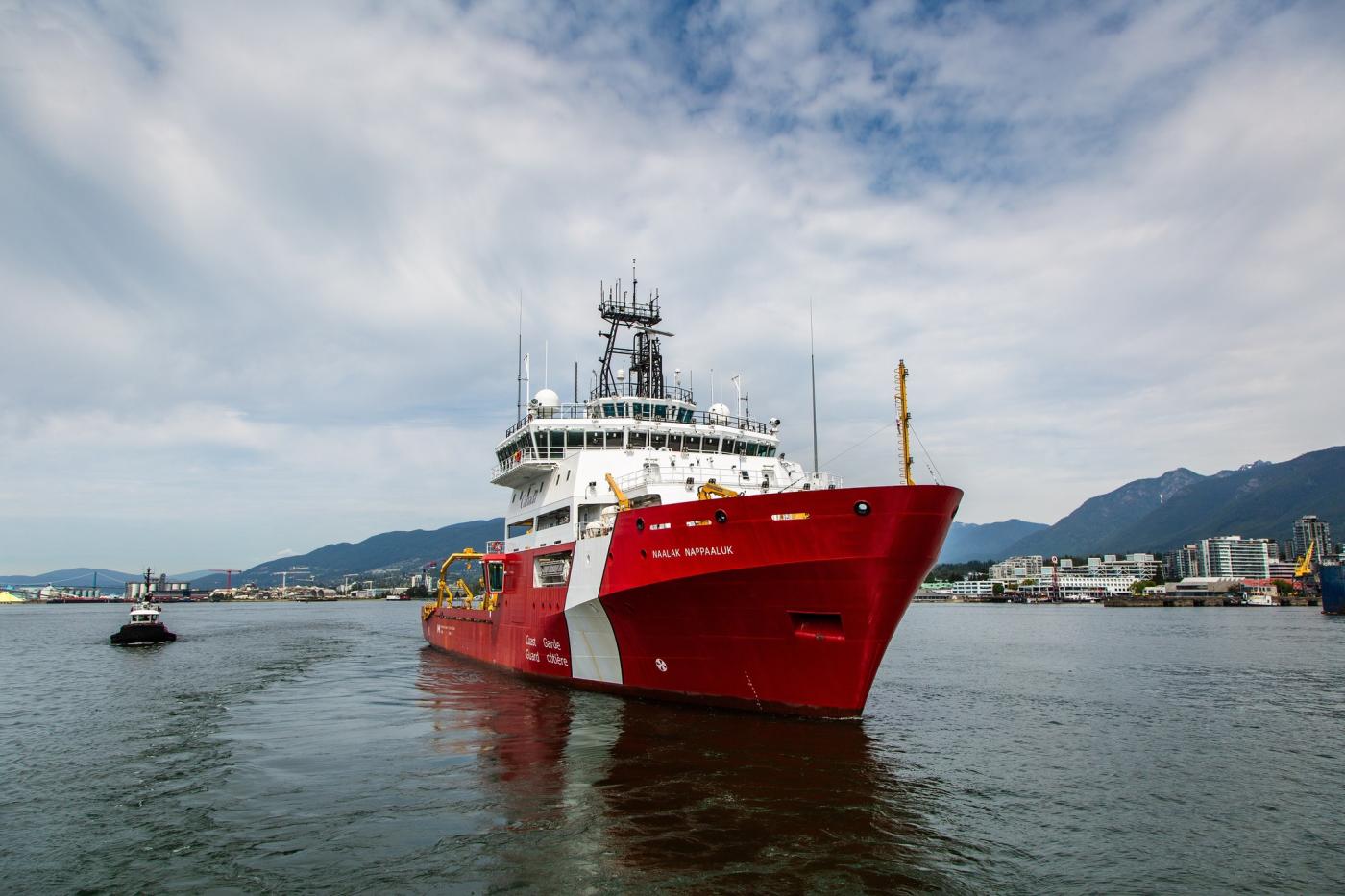
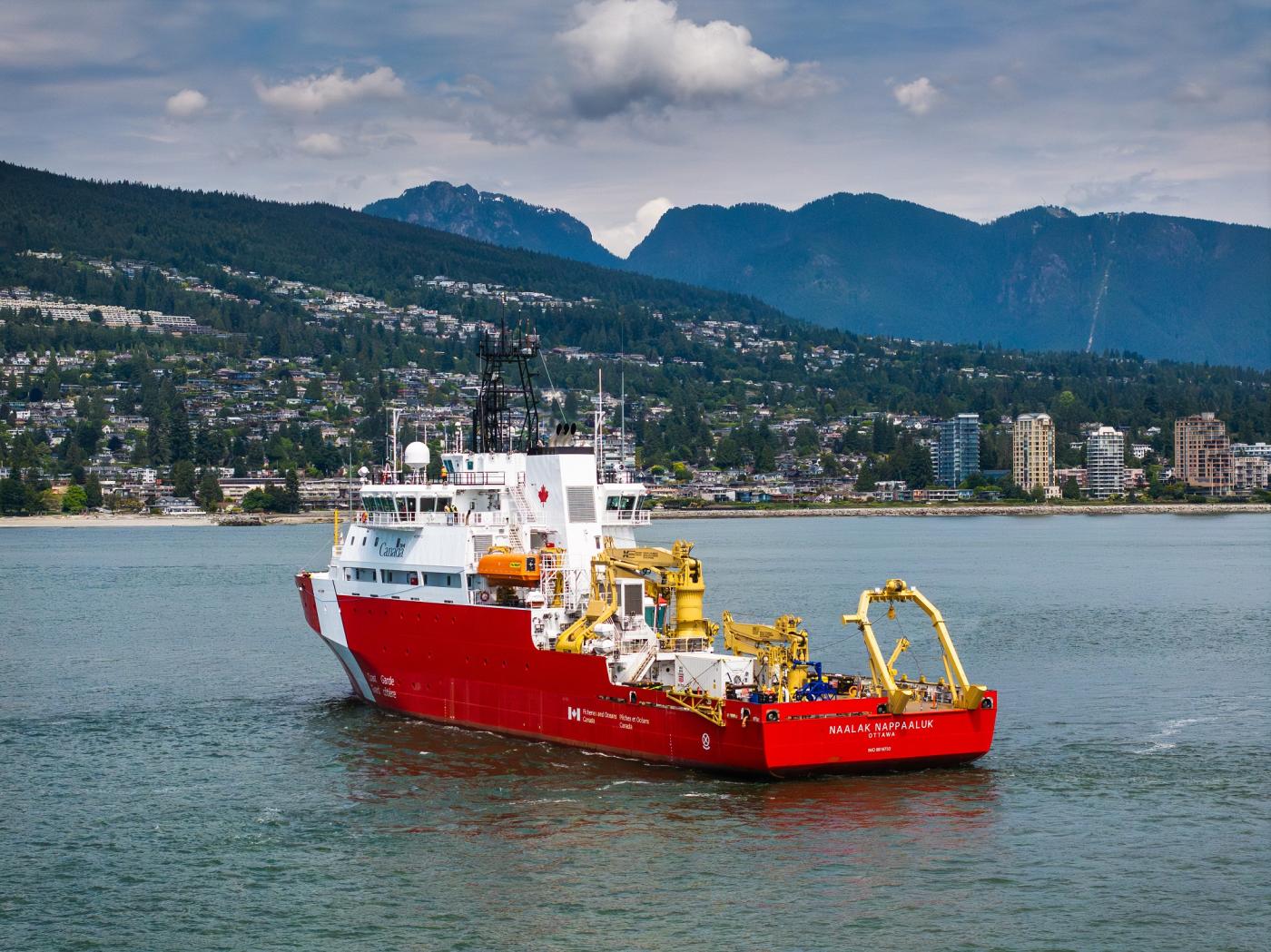
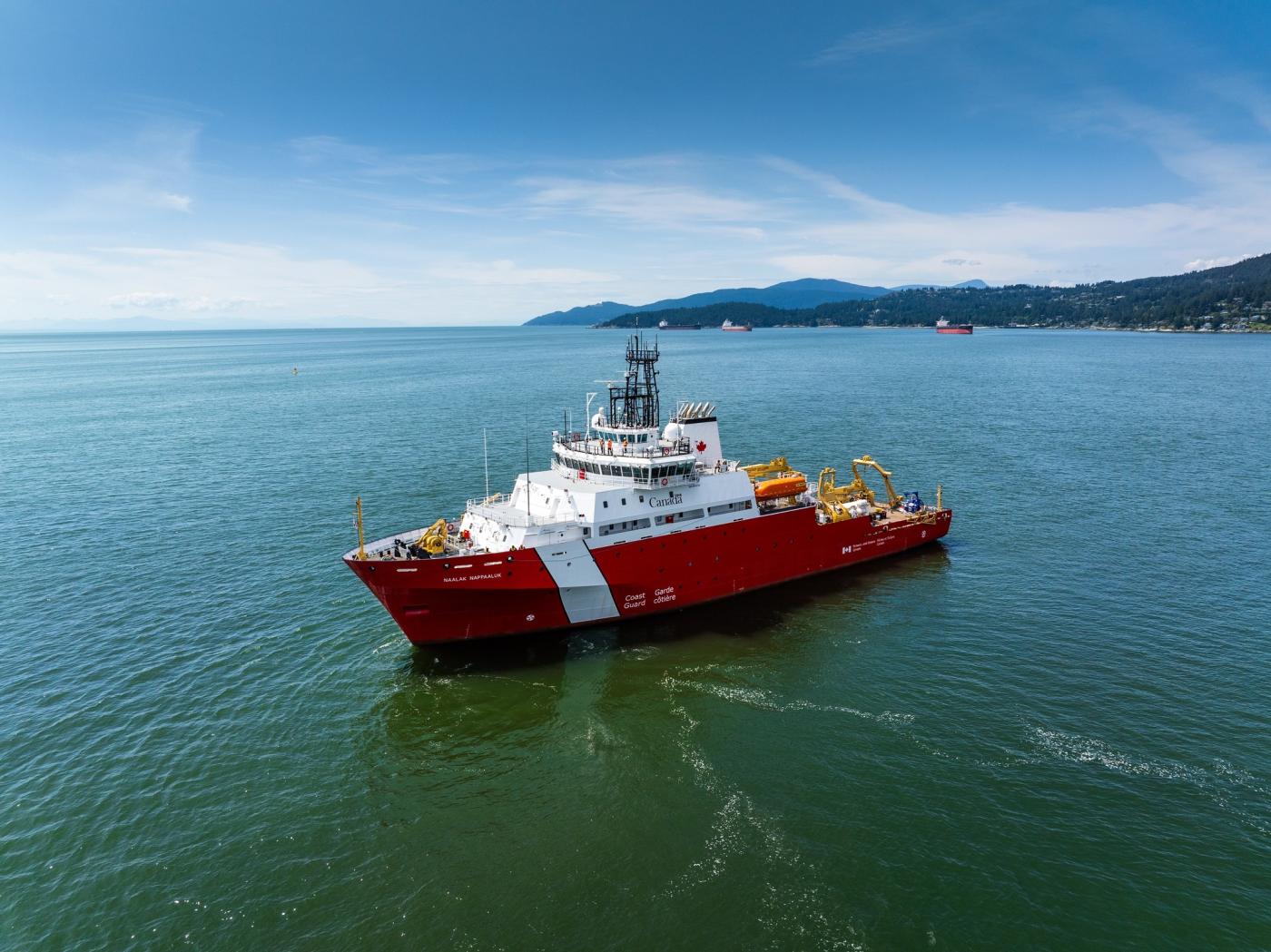
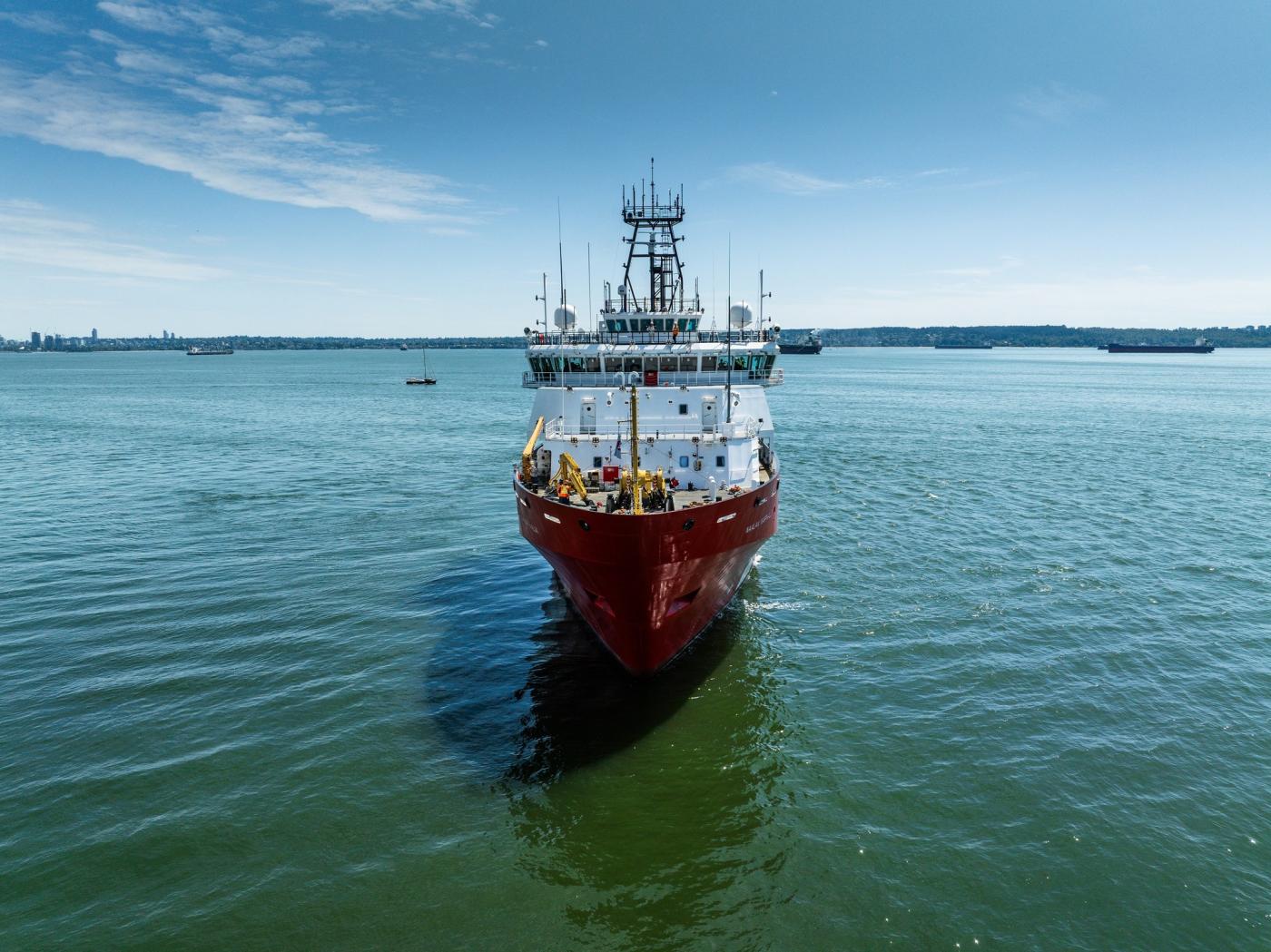
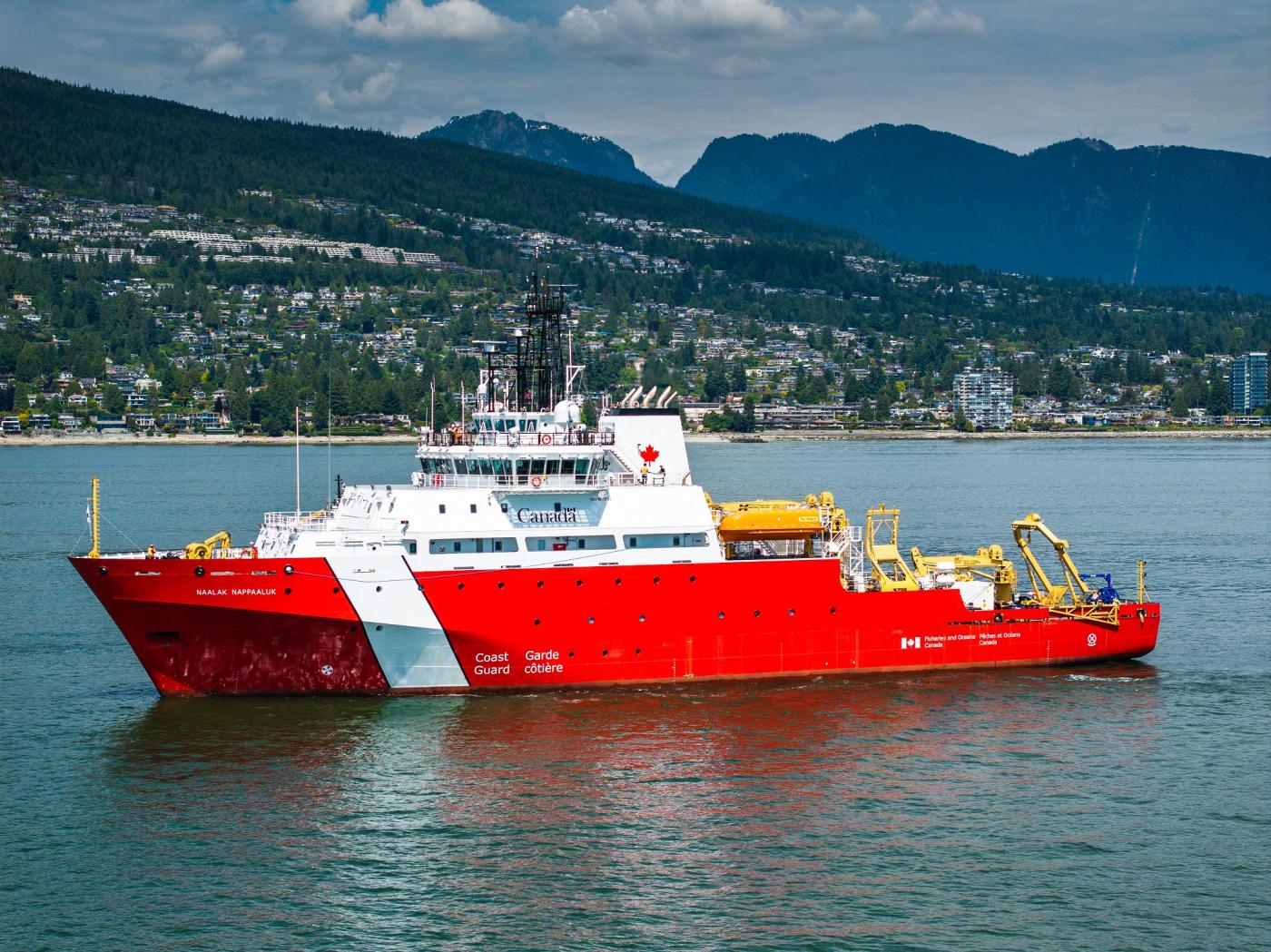
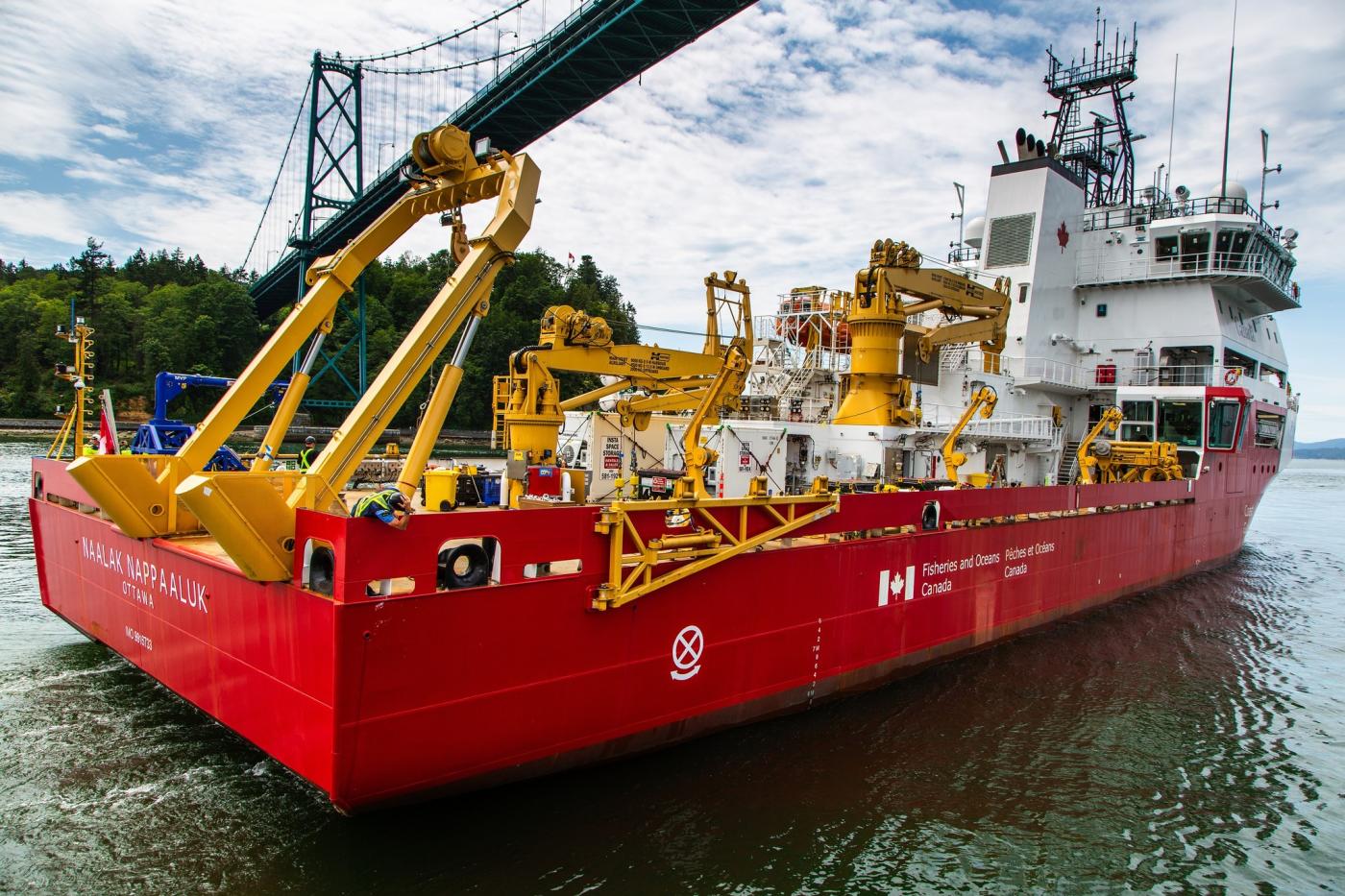
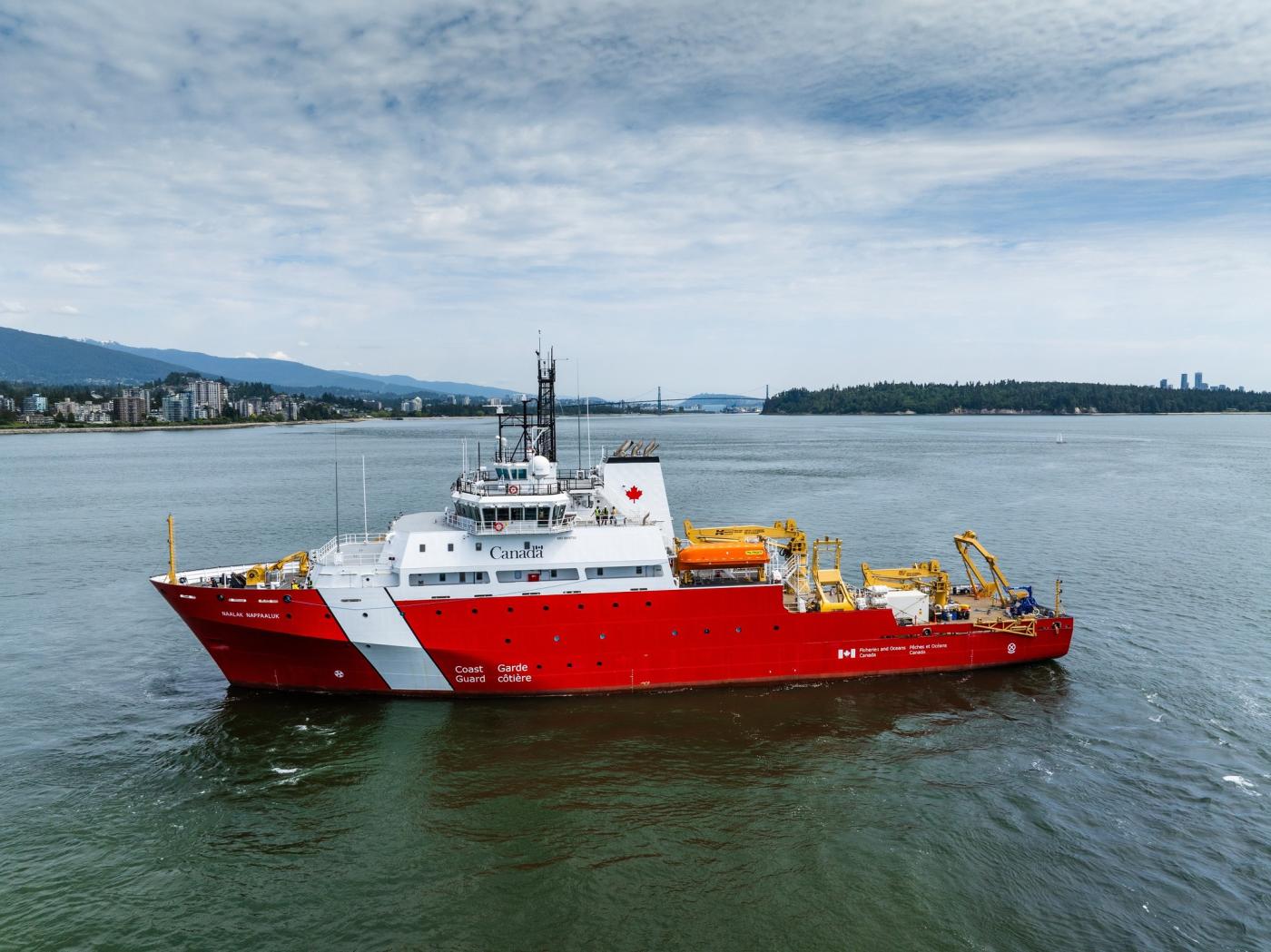
Seaspan Shipyards has commenced sea trials for the CCGS Naalak Nappaaluk, Canada’s new state-of-the-art Offshore Oceanographic Science Vessel (OOSV). The vessel, built under the National Shipbuilding Strategy (NSS), departed from Seaspan’s Vancouver Shipyards this week to begin its final phase of testing before delivery to the Canadian Coast Guard.
worldwide shipbuilding industry coast guard news20 june 2025 | 09:15 | Source: Gazeta Morska | Prepared by: Kamil Kusier | Print
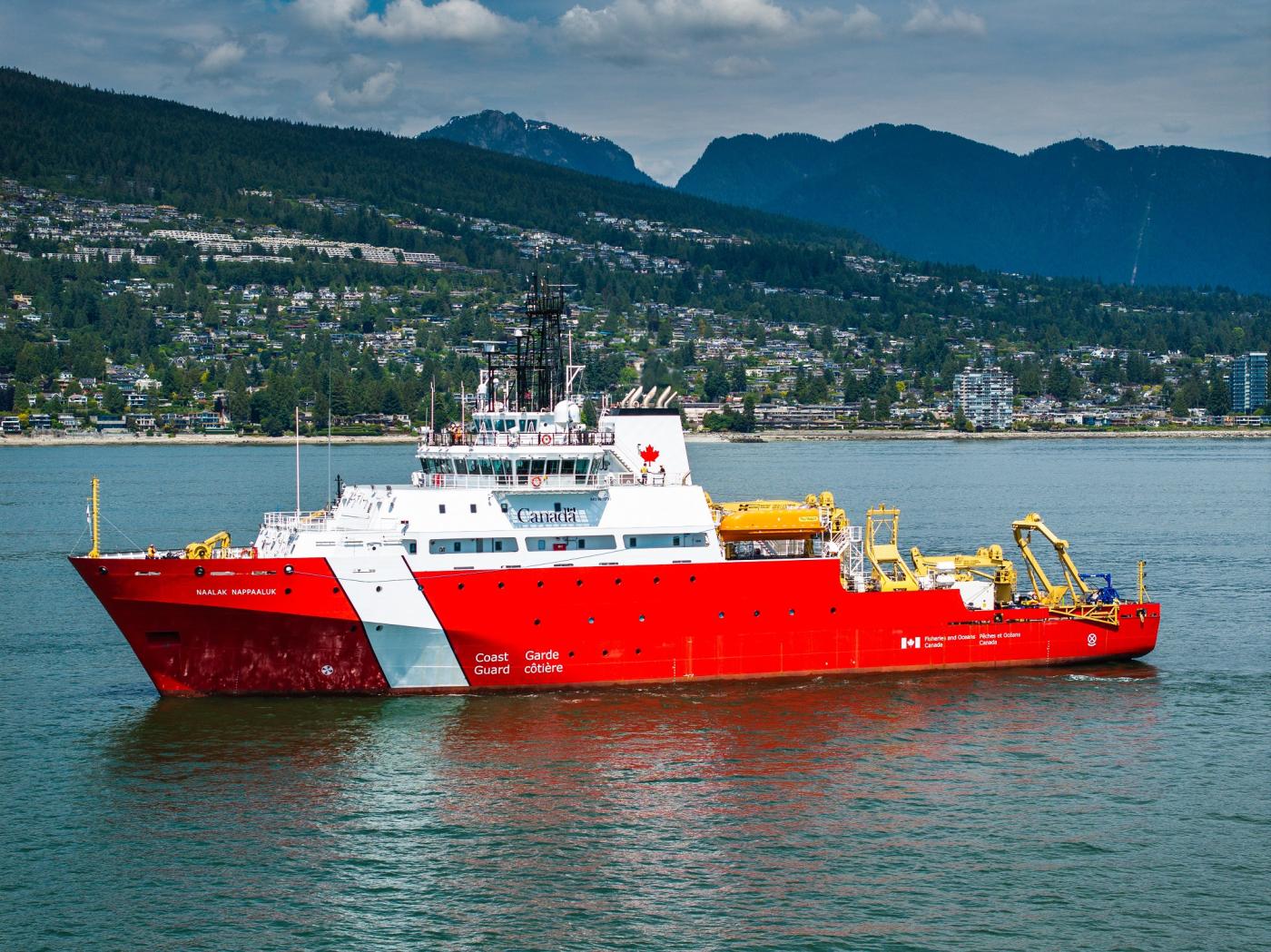
fot. Seaspan Shipyards
Sea trials are the culminating step in the shipbuilding process, designed to rigorously evaluate vessel performance and the functionality of onboard systems. Over the coming weeks, teams from Seaspan, the Canadian Coast Guard, and major system suppliers will conduct full-scale exercises off the coast of British Columbia. The goal is to verify seaworthiness and ensure the ship’s mechanical, electrical, hydraulic, scientific, navigation, communications, and safety systems perform to specification.
Upon successful completion of sea trials, the vessel will be delivered later this summer to the Canadian Coast Guard. It will then sail to its home port at the Bedford Institute of Oceanography in Halifax, Nova Scotia.
- The start of sea trials marks an exciting milestone in the construction of our new Offshore Oceanographic Science Vessel and reflects our continued commitment to advancing marine research and environmental stewardship, said The Honourable Joanne Thompson, Minister of Fisheries.
- The Naalak Nappaaluk will equip the Coast Guard with world-class capabilities to support scientific missions for decades to come, added The Honourable Joël Lightbound, Minister of Government Transformation, Public Works and Procurement. - It also underscores the economic and industrial benefits of the National Shipbuilding Strategy.
The Naalak Nappaaluk is a Polar Class 6 vessel, 88 metres in length and 17.6 metres wide, with a displacement of 5,058 tonnes. It is equipped to accommodate up to 60 personnel and is purpose-built for fisheries science, seabed and ocean current monitoring, habitat management, and marine surveys. It will also support core Coast Guard operations such as search and rescue.
- For shipbuilders, watching a vessel head out to sea for the first time is a moment of immense pride, said Leo Martin, Senior Vice President of Programs at Seaspan Shipyards. - The Naalak Nappaaluk is the most advanced science vessel ever built by Seaspan and represents another milestone proving that Canada's shipbuilding industry is thriving and capable of delivering complex, mission-critical vessels.
The start of sea trials follows a string of key program milestones at Seaspan in recent months, including the launch of the Joint Support Ship HMCS Protecteur and the start of construction on the Canadian Coast Guard’s new Polar Icebreaker. Since 2012, Seaspan’s shipbuilding activities have contributed over $5.7 billion to Canada’s GDP and sustained more than 7,000 jobs annually, according to Deloitte.
Buy us a coffee, and we’ll invest in great maritime journalism! Support Gazeta Morska and help us sail forward – click here!
Kamil Kusier
redaktor naczelny
gallery

comments
Add the first comment
see also
From Gdynia to the Atlantic. Dar Młodzieży sets sail for Sail4th 250 marking U.S. independence anniversary
Mount Fuji as a natural lighthouse for seafarers. Its role in maritime navigation and coastal approaches to Japan
Hanseatic Global Terminals takes full ownership of Florida International Terminal
Damen to build 13 SAR units for Turkey. Strengthening search and rescue in the Aegean Sea
Türkiye advances indigenous GNSS ambitions: what FGN-100-D3 means for the maritime sector
Lithium at the core. TKMS and E3 Lithium align on Canada’s submarine ambitions
WB Group expands into Romania, strengthening presence in the Black Sea region
The most important piece of ice in the world. The political crisis around Greenland and its consequences
Polish sailors open european season strong with two finals at Trofeo Princesa Sofía
Like a manta on the ocean floor. Manta Ray and the rise of a new era of underwater autonomy
ADVERTISEMENT
ADVERTISEMENT