









Scientists examine Orłowo Cliff. A new phase of geological research
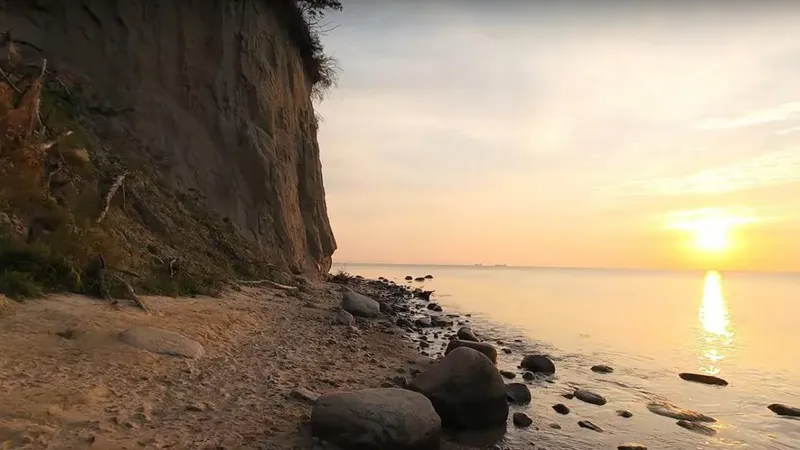
The Maritime Office in Gdynia, the Polish Geological Institute – National Research Institute, and the Regional Directorate for Environmental Protection in Gdańsk have signed a key agreement on the research of the Orłowo Cliff. The objective of this collaboration is to conduct a detailed study of the geological structure of this unique section of the Polish coastline, enabling better hazard forecasting and more effective protective measures.
In brief
The Maritime Office in Gdynia, the Polish Geological Institute, National Research Institute and the Regional Directorate for Environmental Protection in Gdańsk signed an agreement on research into the geological structure of the Orłowo Cliff. The cliff, located in the Kępa Redłowska nature reserve, retreats by around one metre a year on average, threatening adjacent land and infrastructure. The work will include electrical resistivity tomography, geological drilling and LiDAR measurements, enabling the creation of a three-dimensional model of the cliff. The year 2025 has been set aside for documentation and financing, and field research is planned for 2026.
A new stage in cliff research
The Orłowo Cliff in Gdynia, part of the "Kępa Redłowska" nature reserve, has been subject to dynamic geodynamic processes for years. Its erosion progresses at an average rate of approximately one meter per year, posing a threat to adjacent areas, infrastructure, and unique natural assets. The signed agreement aims to conduct an in-depth examination of the cliff’s structure and develop optimal management strategies for this area.
- Ongoing natural processes carry the risk of sudden and further cliff collapses. They can also negatively impact adjacent areas, including infrastructure serving human needs, says Anna Stelmaszyk-Świerczyńska, Director of the Maritime Office in Gdynia. - The precise knowledge gained through jointly defined tasks will contribute to more effective hazard prediction, planning of protective measures, and formulating a comprehensive, up-to-date approach to this ecologically valuable and touristically attractive segment of our coastline.
Advanced research methods
The study will include geophysical surveys using electrical resistivity tomography (ERT), geological drilling, and precise LiDAR geodetic measurements, enabling the creation of a three-dimensional cliff model. All activities will be carried out with the utmost respect for the environment—no negative impact is anticipated on Natura 2000 areas or the "Kępa Redłowska" reserve.
- The unique shape and development of the Kępa Redłowska cliff coast are primarily determined by the specific geological structure of this part of the Polish coastline, explains Wojciech Jegliński, Director of the Marine Geology Division of the Polish Geological Institute – NRI. - Any conclusions regarding its further development require a deep understanding of the area’s geological structure.
A key objective of the agreement is also securing funding for the project. The year 2025 will be dedicated to preparing documentation and obtaining financial resources, while field research is scheduled for 2026.
A fresh perspective on the future of the cliff
Over the past decades, the Orłowo Cliff has been studied by various scientific institutions, yet detailed data on its subsurface structure remain scarce. The new research aims to provide essential information that will help determine the stability of the Redłowo Headland and facilitate more effective management of this valuable coastal area.
- The study area is located within the ‘Kępa Redłowska’ nature reserve, which aims to preserve the unique landscape of the cliff coastline, the complex of beech forests, and the specific natural processes occurring at the land-sea interface, emphasizes Anna Tchórzewska, Regional Director for Environmental Protection in Gdańsk. - As part of the agreement's implementation, the Regional Directorate for Environmental Protection in Gdańsk will work closely with the other parties to coordinate all actions.
The findings of this research will be crucial not only for the protection of the cliff but also for future coastal infrastructure planning and development. Through state-of-the-art research methods and interdisciplinary scientific collaboration, effective solutions can be developed to ensure the durability of this exceptional part of the Polish coastline.
Source: Gazeta Morska · Compiled by: Kamil Kusier
Related articles
 Education From Newton's prism to a microplate reader. A Science Evening in Charzykowy on light and matter
 Energy and offshore Offshore wind enters the classroom in Świnoujście. ORLEN Neptun to teach logistics and navigation students
 Education Drones at the Naval Academy, Dar Młodzieży in Gdynia, a sports hall at UG. Coastal universities open the year
 Sailing and water sports Poland argues over where Dar Młodzieży should retire, while its successor still does not exist
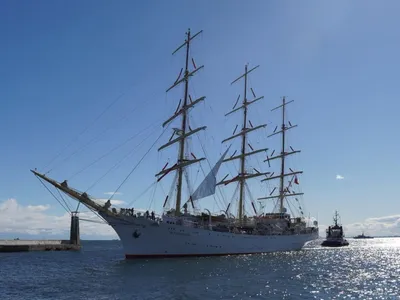 Education Dar Młodzieży is back in Gdynia after five months, two Atlantic crossings and three intakes of cadets
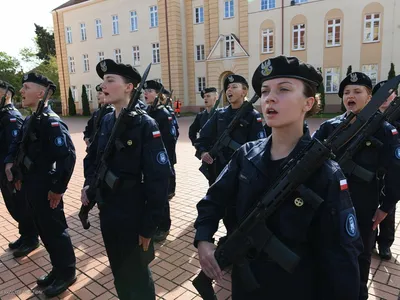 Navy and defence Polish Naval Academy swears in 114 cadets as an intake of 185 begins officer training
Comments (0)
The discussion is moderated by the editors: a comment appears after review. Your e-mail address is not published.
Nobody has commented on this article yet.