









Sailing marathon on Puck Bay: a month of racing and sporting emotions comes to an end
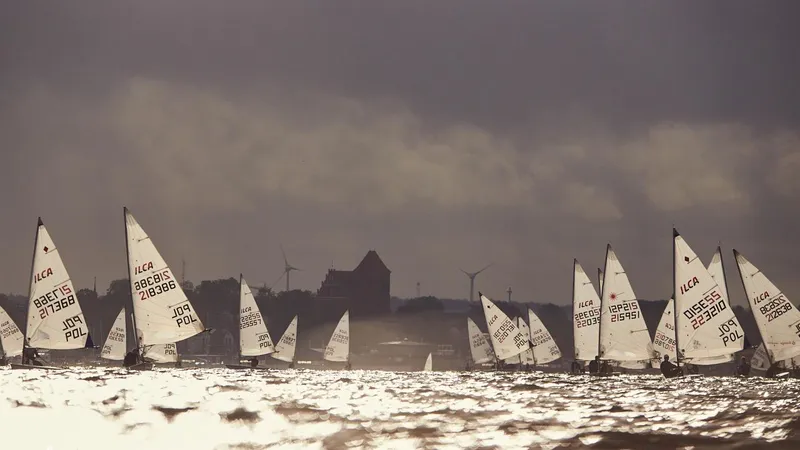
Over 1,200 sailors, 24 racing classes, dozens of gold medals across age categories, and nearly a month of competition — this year’s Polish Sailing Championships have once again turned Puck Bay into the country’s premier regatta venue. For several weeks, the town of Puck transformed into a lively hub for athletes, fans, and the entire sailing community.
In brief
More than 1,200 sailors competed in 24 racing classes during this year's Polish Sailing Championships series on the Bay of Puck. The first stage gathered 700 competitors from 13 classes and, for the first time in history, races were held simultaneously from two ports on five racing areas, while the second stage attracted 450 competitors in 8 classes. Błażej Wyszkowski, an Olympian from Munich 1972, started in the Finn class and, despite being 76 years old, finished the regatta in 24th place, while the ILCA 6 fleet numbered 125 boats. Polish Yachting Association president Tomasz Holc summed up that the best competitors had been selected in Puck.
- Puck is a unique place — both in terms of racing conditions and logistics. The city and its port are open to cooperation, and we truly value the atmosphere we find here, said Weronika Wieżynis of the Polish Sailing Association (PZŻ), event organizer.
Three-part regatta series
- Part I – Record-breaking kick-off
The opening stage brought together 700 competitors across 13 classes, with races held on five separate courses — for the first time ever using two ports simultaneously. The regattas featured a mix of traditional and modern boats: from the Olympic iQFOiL windsurfing class to Flying Dutchman, catamarans, and youth classes such as 420 and 29er.
The highlight was the Polish Sprint Championships, a dynamic and adrenaline-packed racing format with short, action-filled heats.
- Part II – A meeting of generations
The second stage, held in September, gathered 450 sailors from 8 classes and became a true celebration of Polish sailing traditions. The Finn class — historically associated with Mateusz Kusznierewicz’s Olympic medals — saw a special appearance by Błażej Wyszkowski, Munich 1972 Olympian, who at 76 years old finished a respectable 24th overall. The ILCA 6 class attracted 125 boats, alongside strong fleets in Omega, Korsarz, and 505, creating a unique blend of modern and classic sailing culture.
- Part III – Innovation and a look ahead
The final stage focused on Olympic classes ILCA 6, ILCA 7, and 470, and was dedicated to testing new formats that could shape the future of international sailing. Double-point medal races returned to ILCA racing after a six-year break, while the 470 sailors faced experimental race formats — from short sprints and downwind slalom courses to reaching starts — demanding maximum tactical flexibility.
- We don’t yet know which format will be used at the Los Angeles Games, so testing these formats is invaluable. This was an incredible training opportunity, said Szymon Wierzbicki, Ambassador of the PGE Sailing Team Poland.
Puck as the heart of Polish sailing
The event’s prestige was underscored by the presence of key figures in Polish sailing — including PZŻ President Tomasz Holc, Sports Director Dominik Życki, and Head Coach Piotr Myszka — who took part in the medal ceremonies.
- I’m proud that Puck is the place where sailors from across Poland fight for top honors. There can only be one national champion — and here is where we crowned them, concluded Holc.
This year’s championships confirmed Puck’s position as the strategic home of Polish sailing — combining perfect sailing waters, strong community support, and now, pioneering racing formats that bring the sport into the future.
Source: Gazeta Morska · Compiled by: Kamil Kusier
Related articles
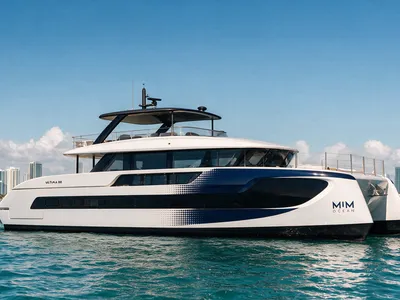 Shipbuilding industry Lionel Messi orders a Sunreef catamaran. The Ultima 88 is being built at the Gdańsk firm’s UAE yard
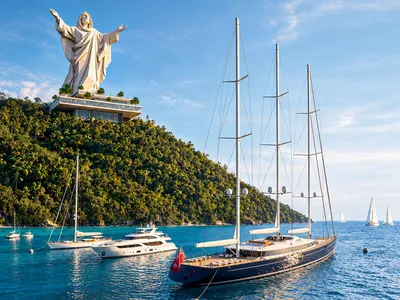 Investments A Szczecin firm is to design the world's tallest Christ statue. A 207-metre core in 40 days
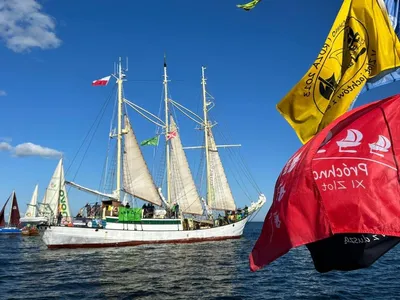 Sailing and water sports A century-old Inga Lisa and Czarny Diament after 32 years at sea. Over 30 classic yachts in Gdynia
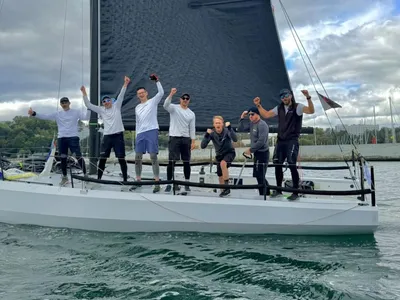 Sailing and water sports Eleven years of trying and metres at the finish. Witold Karałow's Scamp 4 wins the 75th Blue Ribbon
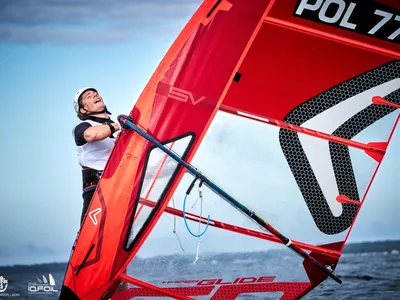 Sailing and water sports Stanisław Trepczyński's bronze in Puck after five hours of fighting for wind
 Environment The world's largest seahorses move into the Gdynia Aquarium. In this species it is the male that gets pregnant
Comments (0)
The discussion is moderated by the editors: a comment appears after review. Your e-mail address is not published.
Nobody has commented on this article yet.