Portuguese PM Luís Montenegro: Defense spending to reach 2% of GDP before 2029
The Portuguese government will increase defense spending to 2% of GDP ahead of schedule, Prime Minister Luís Montenegro announced on Thursday. The initial target date had been set for 2029.
worldwide nato politics defense industry news11 april 2025 | 12:17 | Source: PAP / Gazeta Morska | Prepared by: Marcin Zatyka | Print
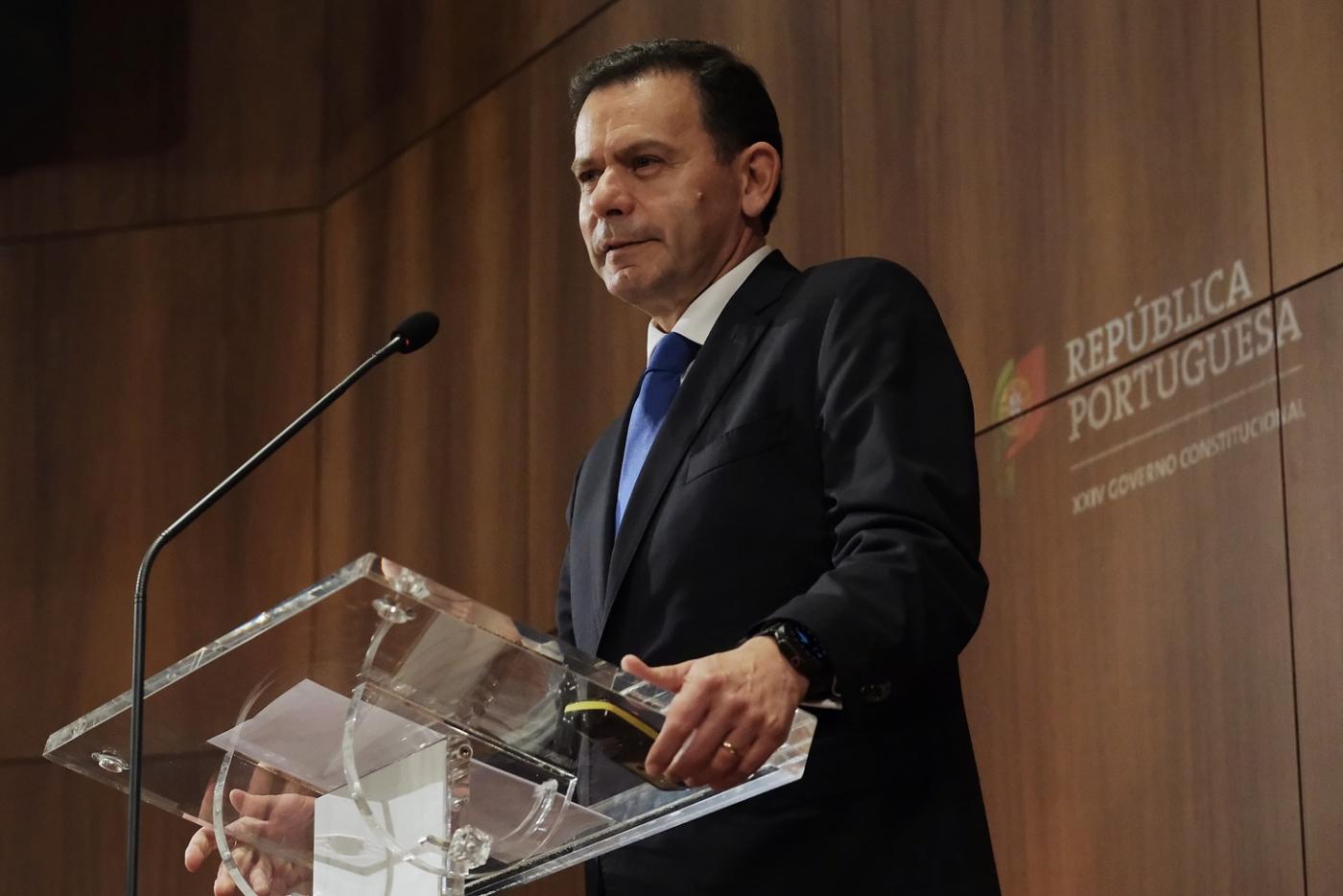
Premier Portugalii Luis Montenegro / fot. facebook.com
Speaking at a press briefing, Montenegro revealed that an interministerial commission will soon be established to oversee a structured increase in military expenditure. The commission will include representatives from the ministries of foreign affairs, defense, finance, cohesion, and the economy.
While Montenegro did not specify the exact year when the 2% threshold would be reached, he confirmed that the accelerated timeline was met with "broad approval" from members of the Council of Ministers during Thursday's cabinet meeting.
- The faster-than-expected increase in defense spending will be overseen by a working group comprised of ministers responsible for foreign affairs, defense, finance, territorial cohesion, and the economy, Luis Montenegro stated.
The prime minister also indicated that the defense budget hike could be partly financed through European Union funds. This approach, he said, would not only support the military sector but also bolster Portuguese defense industry firms, particularly exporters.
Beneficiaries of the funding are expected to include manufacturers of advanced drone technologies, as well as companies operating in the maritime and aerospace sectors.
Back on January 27, during a meeting in Lisbon with NATO Secretary General Mark Rutte, Montenegro had committed to reaching the 2% of GDP target by 2029. At present, Portugal allocates approximately 1.5% of its GDP to defense.
Buy us a coffee, and we’ll invest in great maritime journalism! Support Gazeta Morska and help us sail forward – click here!
Kamil Kusier
redaktor naczelny
comments
Add the first comment
see also
Strait of Hormuz at a strategic crossroads: sinking of IRIS Dena and implications for maritime transport
Austal partners with Damen for local construction of LST 100 for Australian Army
The submarine contract of the decade? Canada weighs South Korea against Germany
Radmor hosts delegation from the Republic of Turkey. Advancing maritime security cooperation
French Navy expands global operations from the Pacific to the Red Sea
Navantia and Fincantieri deepen cooperation on the european patrol corvette programme
Unmanned systems and naval firepower modules. WB Group showcases integrated capabilities at Enforce Tac 2026
Swedish ports record lowest ship calls in 18 years. Implications for the maritime sector
Hapag-Lloyd to acquire ZIM for $4.2bn: strategic consolidation in the container shipping market
Damen Shipyards and Blue Water Autonomy announce license for Liberty-class autonomous vessel for the U.S. Navy
ADVERTISEMENT
ADVERTISEMENT