Poland adopts Secure Baltic act. Strengthening protection of maritime infrastructure
The Polish parliament has adopted the Secure Baltic act, marking a significant shift in the country’s maritime security architecture. The legislation expands the operational mandates of the Polish Navy and the Border Guard, enabling broader surveillance and protection of territorial waters as well as critical offshore infrastructure in the Baltic Sea. The move reflects the evolving geopolitical landscape and the growing strategic sensitivity of the region.
security navy nato pomerania west pomerania border guard news22 november 2025 | 12:19 | Source: Gazeta Morska | Prepared by: Kamil Kusier | Print
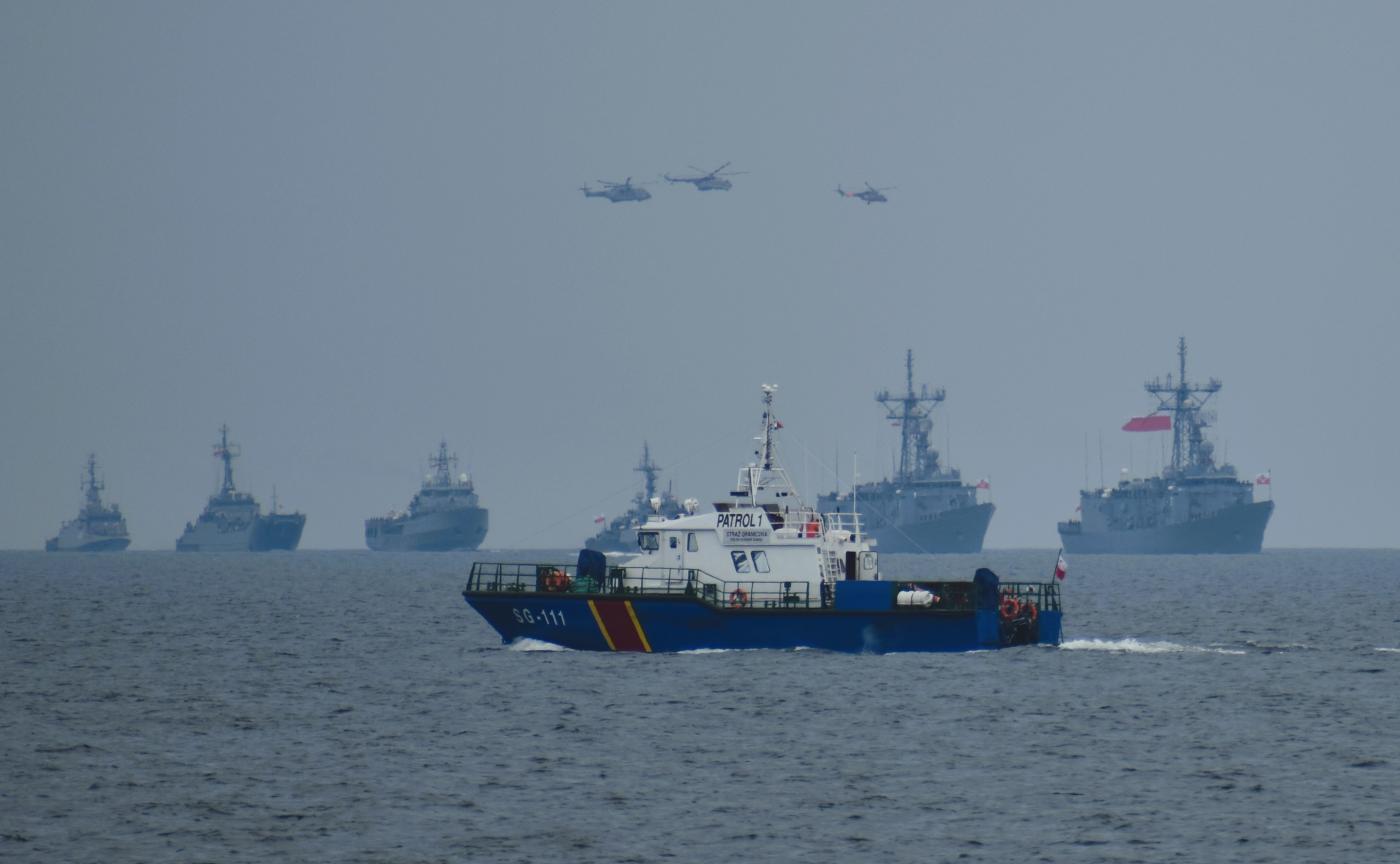
fot. Kamil Kusier / Gazeta Morska
Strengthening maritime response and operational flexibility
The Secure Baltic act introduces a comprehensive upgrade to Poland’s maritime security posture. By granting naval and border units expanded authority, it enables faster decision-making, broader intervention capabilities and greater flexibility in crisis situations, including hybrid or asymmetric threats.
In practice, the act empowers the Polish Navy to act more proactively in cases involving suspicious vessel movements, potential sabotage, hostile aerial activity or risks to strategic offshore assets. It also establishes clearer procedures for operations in international waters, ensuring closer alignment with NATO missions and multinational infrastructure-protection frameworks.
Implications for the maritime and offshore sectors
For the maritime economy — particularly in the Pomeranian region — the Secure Baltic act carries substantial operational and investment significance.
- Offshore wind: As Poland accelerates its offshore wind rollout, the act strengthens the security environment for turbines, substations and service operations.
- Energy infrastructure: Key assets such as the Baltic Pipe interconnector, subsea transmission cables and LNG-related facilities benefit from enhanced protection regimes.
- Ports and logistics: Major ports including Gdańsk and Gdynia gain additional layers of operational resilience, supporting both cargo continuity and investment confidence.
- Supply chains: More secure maritime corridors contribute to predictability across regional logistics and industrial networks.
The Baltic Sea is increasingly recognised as one of Europe’s most strategically exposed maritime basins. With this legislation, Poland positions itself as a more active security provider and a stabilising force for industry stakeholders.
A new baseline for Baltic maritime security
The Secure Baltic act aligns Poland’s maritime-security framework with contemporary risks, shifting from reactive border control to proactive, system-wide risk management. In the context of hybrid operations, incidents involving energy infrastructure and a rising tempo of military activity in the region, the act is widely viewed as a timely and necessary modernisation.
By equipping maritime forces with clearer authority and streamlined procedures, Poland strengthens its ability to safeguard strategic offshore assets and reinforces long-term confidence among domestic and international stakeholders across the offshore, port and logistics sectors.
see also
Buy us a coffee, and we’ll invest in great maritime journalism! Support Gazeta Morska and help us sail forward – click here!
Kamil Kusier
redaktor naczelny
comments
Add the first comment
see also
"Let everyone know we will prevail". Poland’s armed forces set strategic course for 2026-2039
“Army 500” and strategic transformation: Poland sets the course for long-term deterrence and allied readiness
Medical evacuation from offshore vessel in the Baltic. Rescue 511 helicopter and m/s Huragan deployed
Karol Nawrocki: “The strength of the republic lies in its armed forces”. Security requires national unity
Human trafficking, money laundering, millions frozen. Successful operation by border guard and tax administration
Evening SAR operation in the Baltic. Two kitesurfers stranded offshore
Medical evacuation from sailing ship in Gdynia port. 17-year-old safely transported
Medical evacuation from Danish-flagged vessel Skoven off Łeba. Joint SAR operation in the Baltic Sea
Almost 2.5 million travellers cleared in 2025 by the Maritime Border Guard
Frontex officers train with Polish Maritime Border Guard
ADVERTISEMENT
ADVERTISEMENT