Playbook Merlin 25: NATO’s undersea shield strengthens in the Baltic
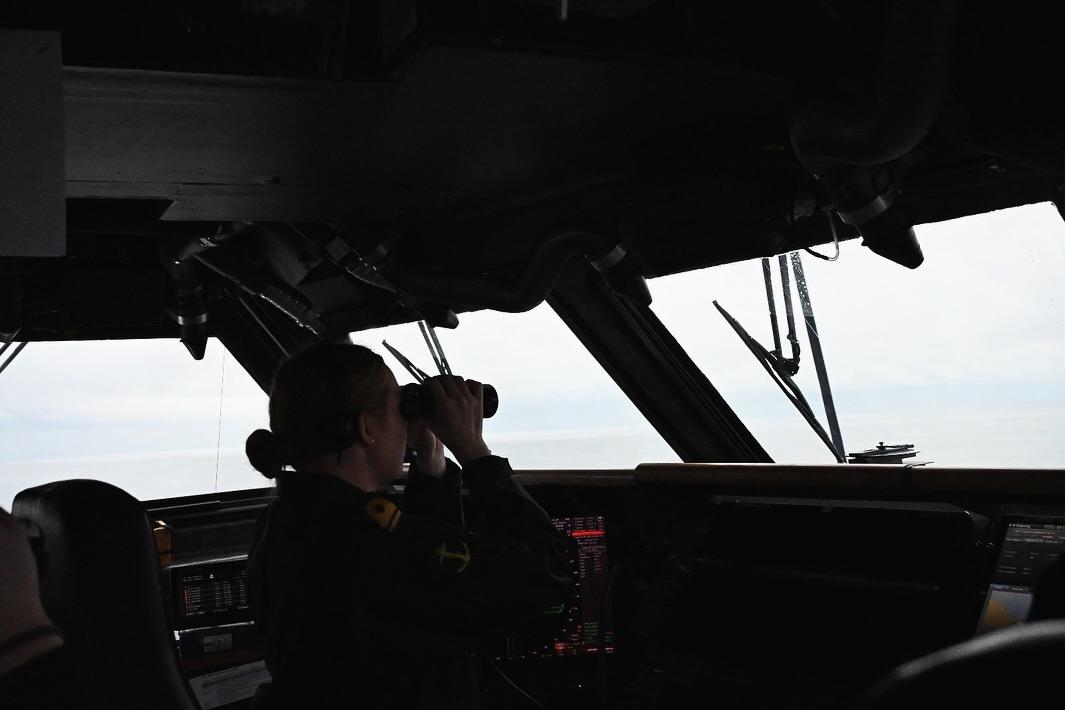
Allied submarines, ships, and aircraft wrapped up Playbook Merlin 25, a major NATO-led anti-submarine warfare (ASW) exercise held in the Baltic Sea between 10–14 November. The exercise, hosted by Sweden and directed by Allied Maritime Command (MARCOM), brought together more than 600 personnel from nine NATO nations, refining undersea warfare skills in one of the world’s most complex maritime environments.
security aviation navy worldwide nato news13 november 2025 | 08:41 | Source: Gazeta Morska | Prepared by: Kamil Kusier | Print
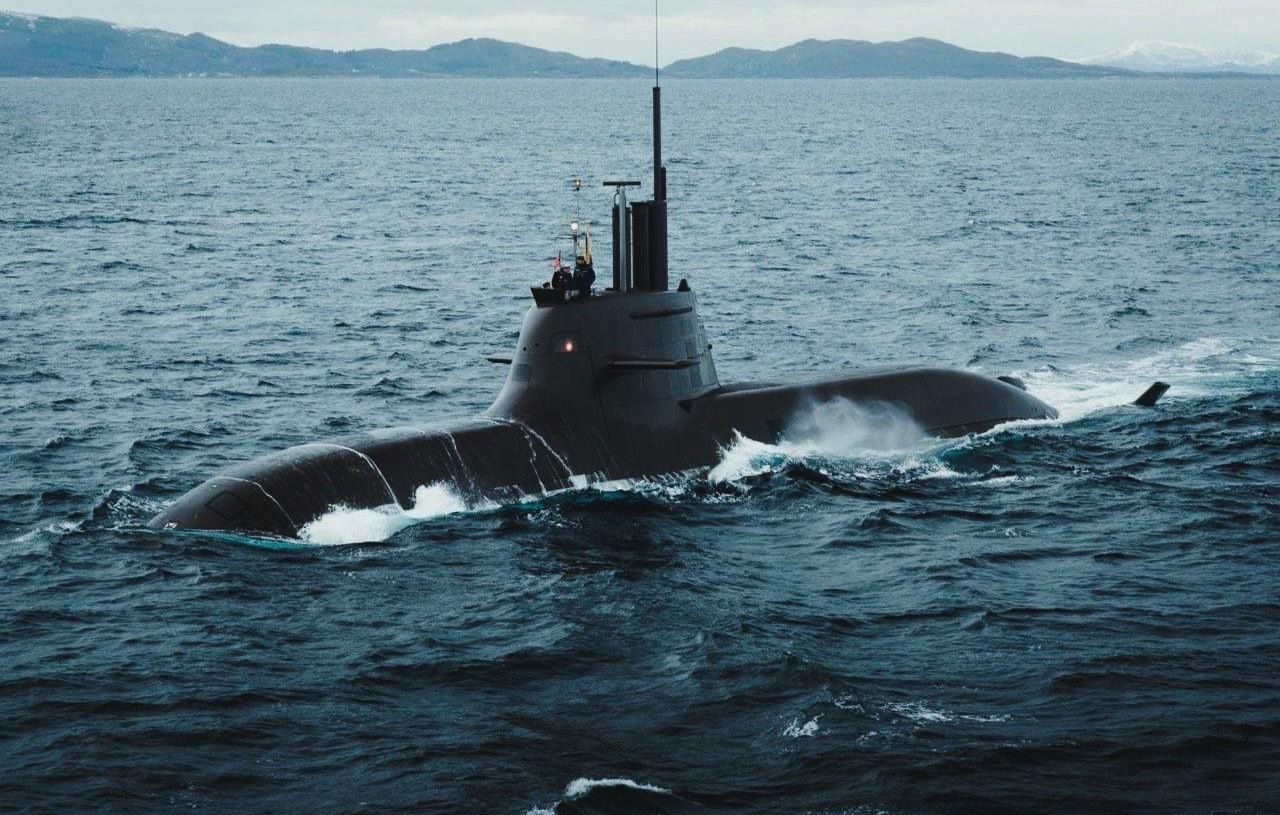
fot. NATO
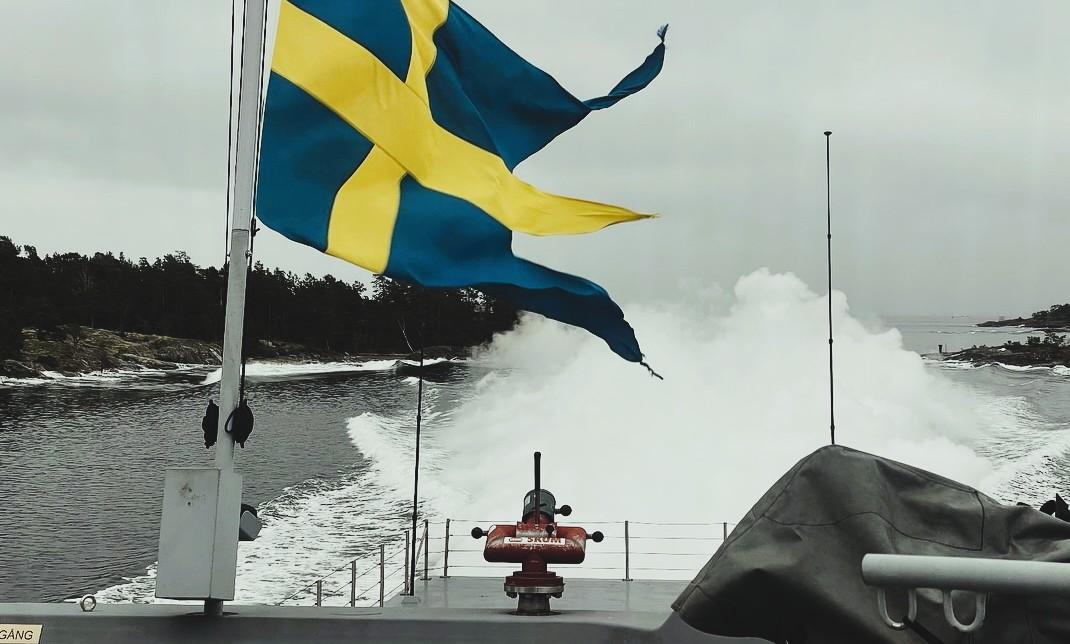
Merlin 25 marks Sweden’s first time hosting a large-scale NATO ASW drill as a full member of the Alliance. The scenario combined tactical submarine operations, surface-ship coordination, and advanced maritime patrol integration, mirroring the multidomain reality of modern naval warfare.
- Merlin 25 is proof that the Baltic Sea is no longer a gap in NATO’s defense line — it’s a shield, said Rear Admiral Bret Grabbe, Commander NATO Submarines. - Baltic nations bring impressive anti-submarine capability to the Alliance, along with experienced leadership and maritime capacity.
High-end ASW in shallow waters
Operating in the confined, acoustically challenging waters of the Baltic Sea, Allied navies rehearsed high-tempo ASW operations designed to detect, track, and deter adversary submarines.
Participating assets included:
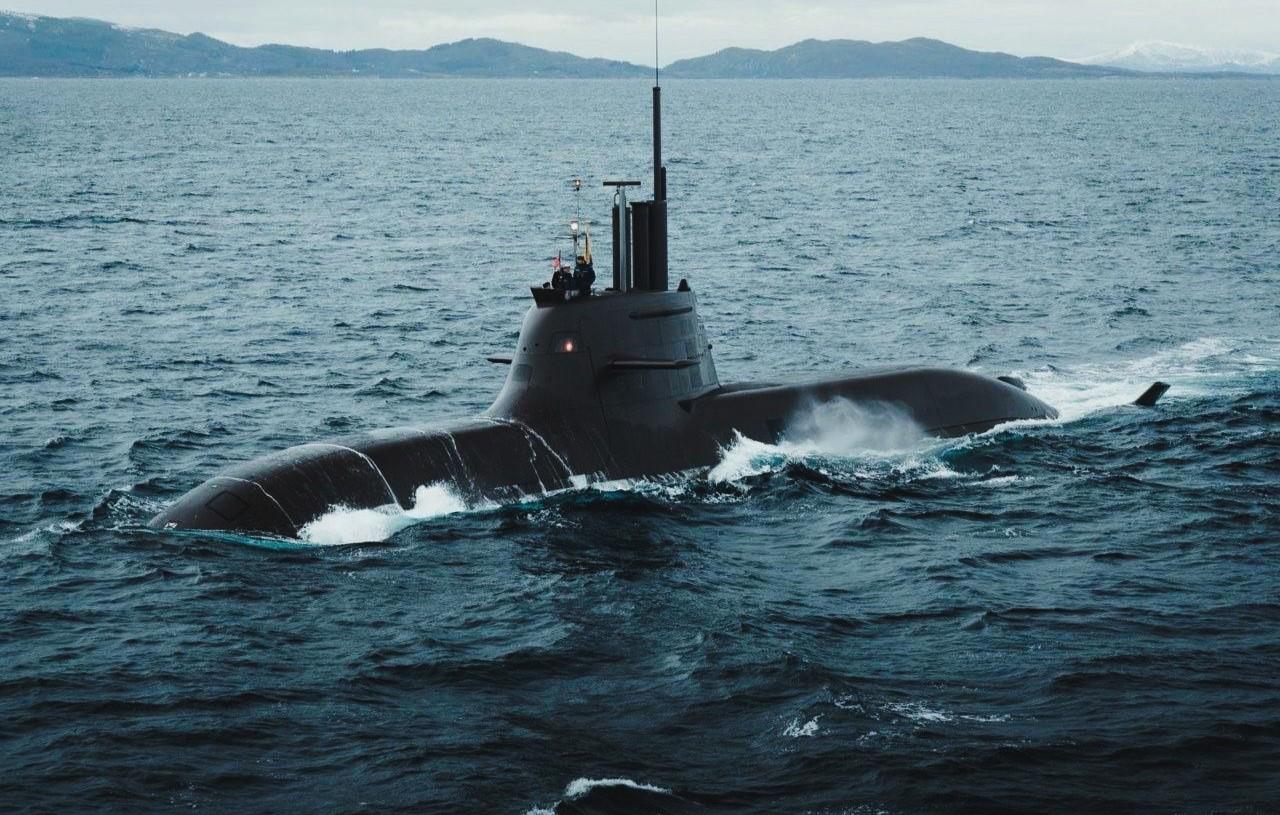
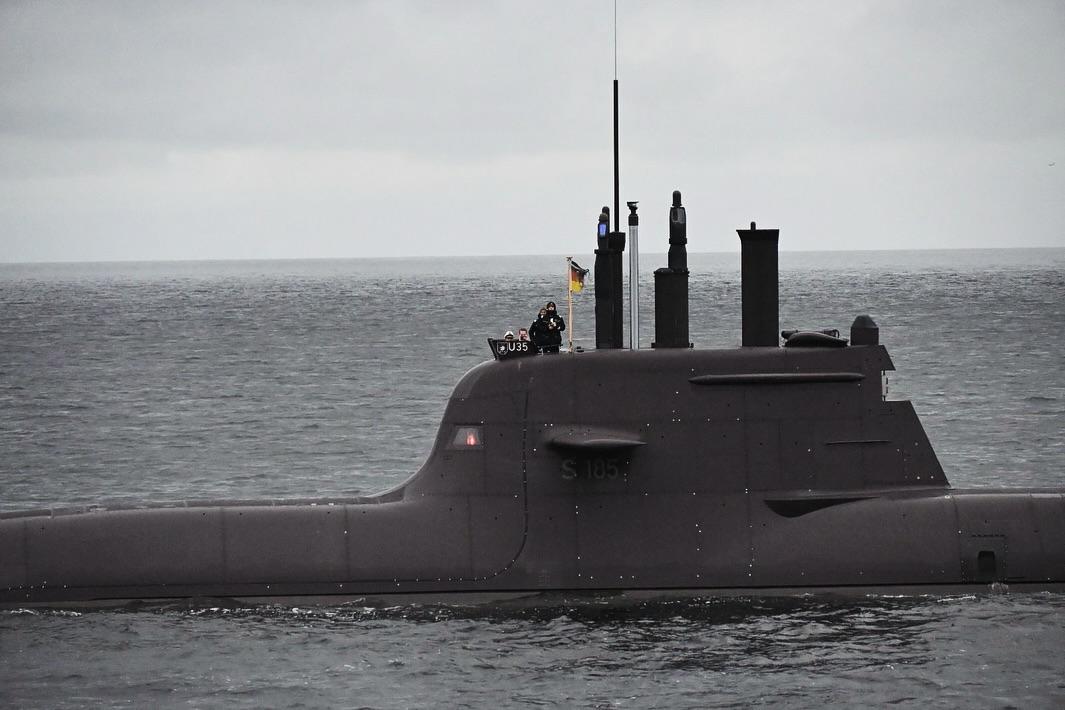
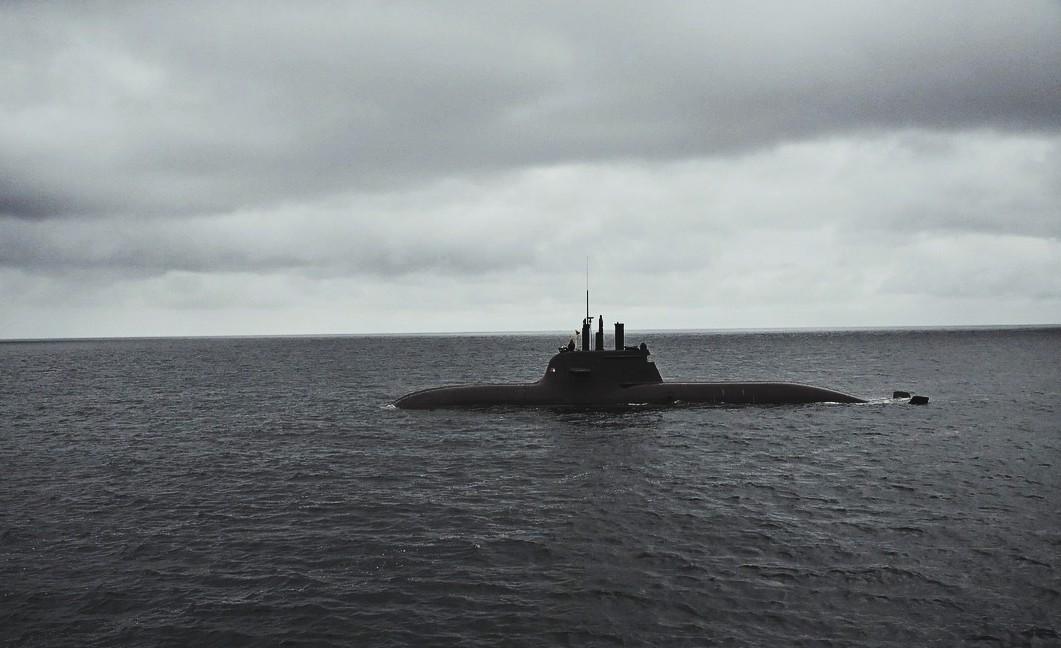
- submarines U-31 (Germany, Type 212A) and HSwMS Gotland (Sweden),
- maritime patrol aircraft P-8A Poseidon from the United States,
- surface combatants F 224 Sachsen-Anhalt (Germany) and HNLMS Tromp (Netherlands),
- helicopters NH-90 and AS565 Panther, supported by Swedish auxiliary vessel HSwMS Carlskrona.
Exercises covered submarine-on-submarine tracking, multiship coordination, and the defense of critical undersea infrastructure — a key priority following recent incidents targeting pipelines and communications cables in the region.
- For Sweden, this exercise is not only about interoperability, but also about trust and responsibility within the Alliance, noted Rear Admiral Johan Norlén, Chief of the Swedish Navy. - By sharing our experience in operating under Baltic conditions, we strengthen security and stability for the entire region.
Testing new tech and data fusion at sea
Merlin 25 also served as a live testbed for next-generation sonar systems and AI-driven data fusion tools, enabling real-time acoustic analysis and dynamic decision-making.
The use of hybrid operational cells integrating air, surface, and subsurface feeds is part of MARCOM’s push toward multidomain command networks — a capability that will underpin NATO’s next-decade maritime posture.
Parallel U.S. Air Force B-52H Stratofortress patrols over the Baltic reinforced the exercise’s multidomain aspect, demonstrating cross-service synchronization from seabed to stratosphere.
Strategic context: from deterrence to infrastructure defense
With Sweden and Finland now inside NATO, the Baltic Sea has effectively become an internal sea for the Alliance — and a proving ground for new doctrines of maritime deterrence.
Merlin 25 emphasized not only anti-submarine readiness, but also resilience of seabed infrastructure, protection of sea lines of communication (SLOCs), and logistics interoperability between northern and western fleets.
For the European maritime industry, the message is clear: undersea defense and surveillance technologies are becoming critical layers of economic and energy security.
Companies active in sonar systems, unmanned underwater vehicles (UUVs), and secure subsea communications are expected to see rising NATO demand over the next decade.
NATO’s continuous maritime presence
Playbook Merlin belongs to a family of major MARCOM-led ASW exercises, alongside Dynamic Mongoose in the North Atlantic and Dynamic Manta in the Mediterranean. Together they ensure NATO’s readiness, flexibility, and credibility “above and below the waves.”
Standing NATO Maritime Groups remain under MARCOM’s operational control, providing a continuous deterrent presence at sea. As tensions and hybrid threats grow in Europe’s northern waters, interoperability — both tactical and technological — remains the cornerstone of collective maritime defense.
Playbook Merlin 25 demonstrates that NATO’s focus on the Baltic is not symbolic — it’s operational.
From advanced sonar trials to real-world coordination between Allied navies, the exercise solidifies the Baltic Sea as the Alliance’s undersea frontline — a domain where deterrence, technology, and teamwork converge beneath the surface.
Buy us a coffee, and we’ll invest in great maritime journalism! Support Gazeta Morska and help us sail forward – click here!
Kamil Kusier
redaktor naczelny
gallery
comments
Add the first comment
see also
"Let everyone know we will prevail". Poland’s armed forces set strategic course for 2026-2039
“Army 500” and strategic transformation: Poland sets the course for long-term deterrence and allied readiness
Medical evacuation from offshore vessel in the Baltic. Rescue 511 helicopter and m/s Huragan deployed
Karol Nawrocki: “The strength of the republic lies in its armed forces”. Security requires national unity
Human trafficking, money laundering, millions frozen. Successful operation by border guard and tax administration
Evening SAR operation in the Baltic. Two kitesurfers stranded offshore
Medical evacuation from sailing ship in Gdynia port. 17-year-old safely transported
Medical evacuation from Danish-flagged vessel Skoven off Łeba. Joint SAR operation in the Baltic Sea
Almost 2.5 million travellers cleared in 2025 by the Maritime Border Guard
Frontex officers train with Polish Maritime Border Guard
ADVERTISEMENT
ADVERTISEMENT