On the Water, On Guard: Polish Water Police in Swift Double Rescue
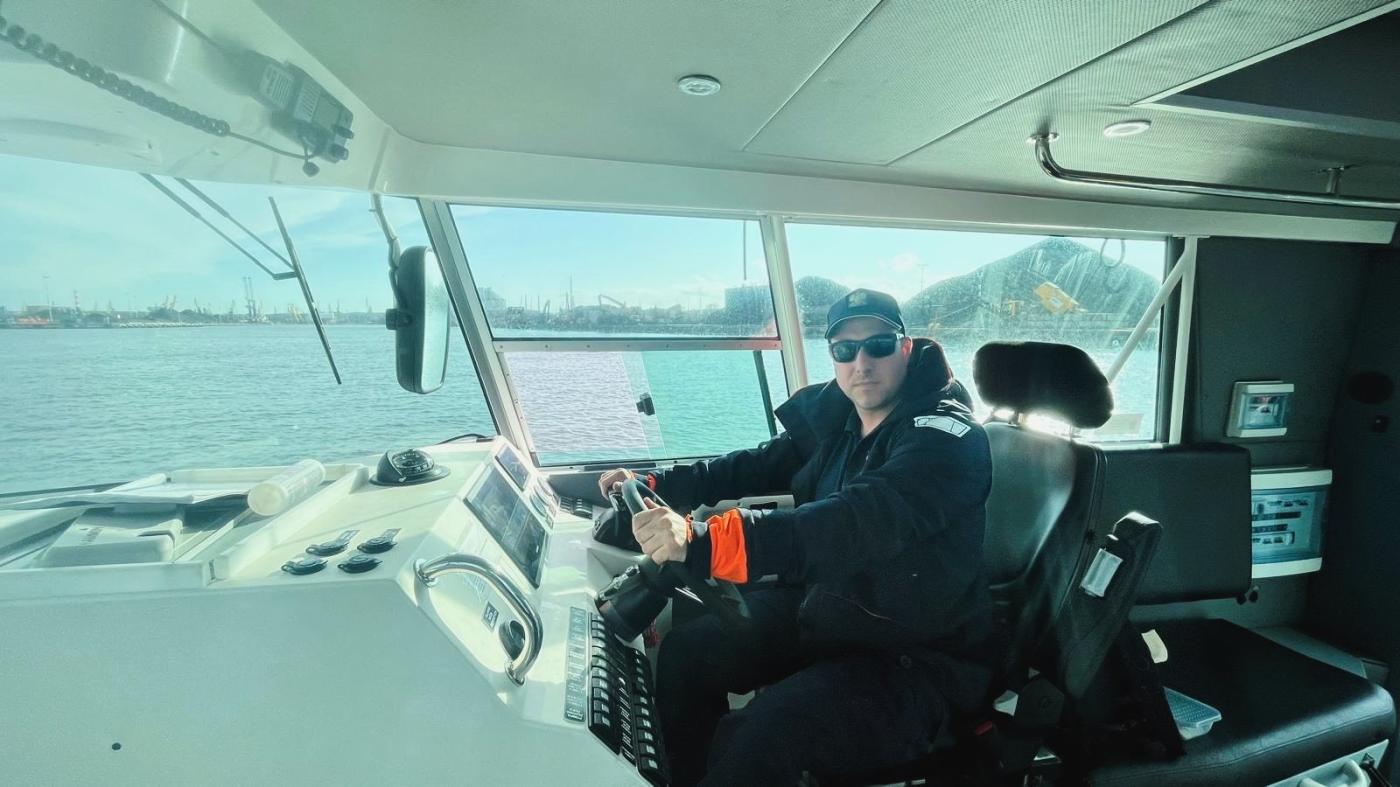
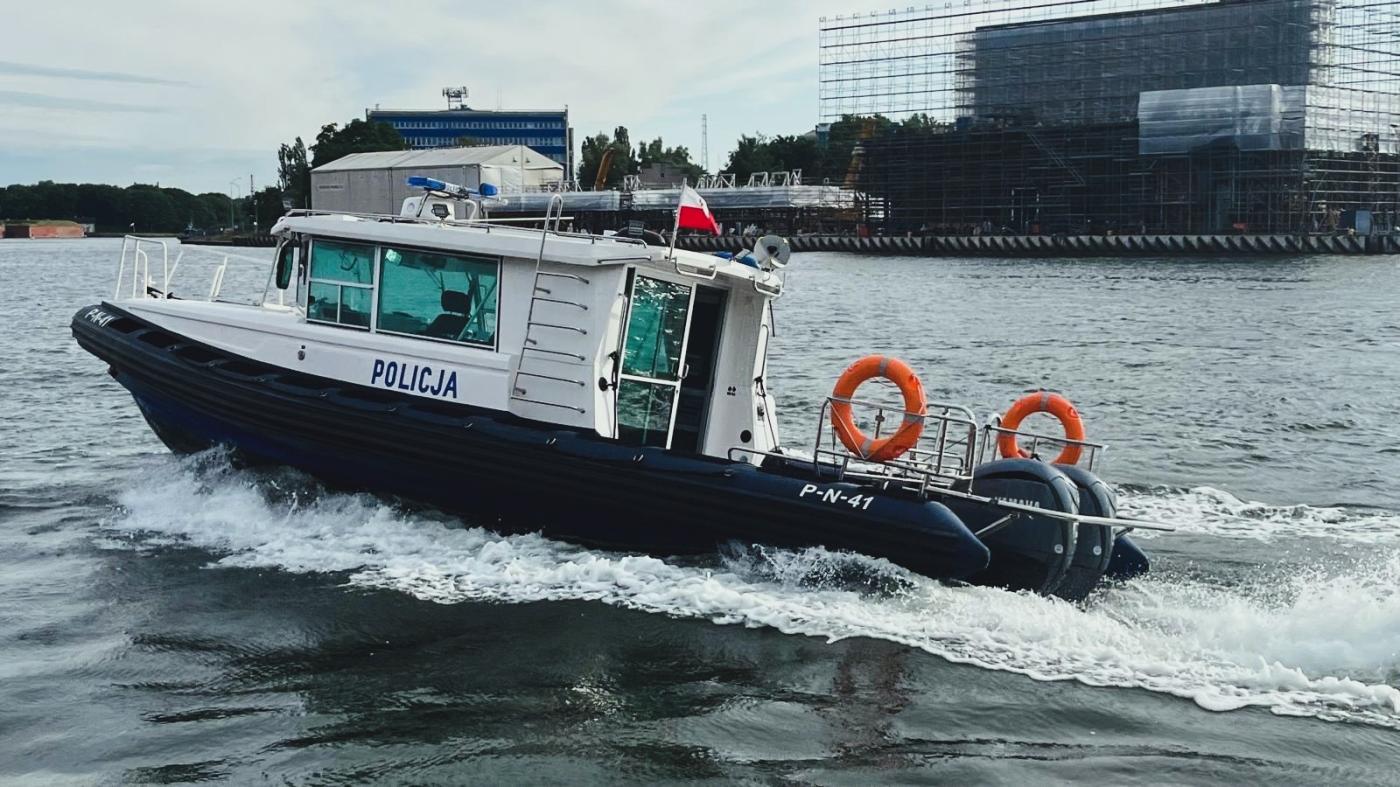
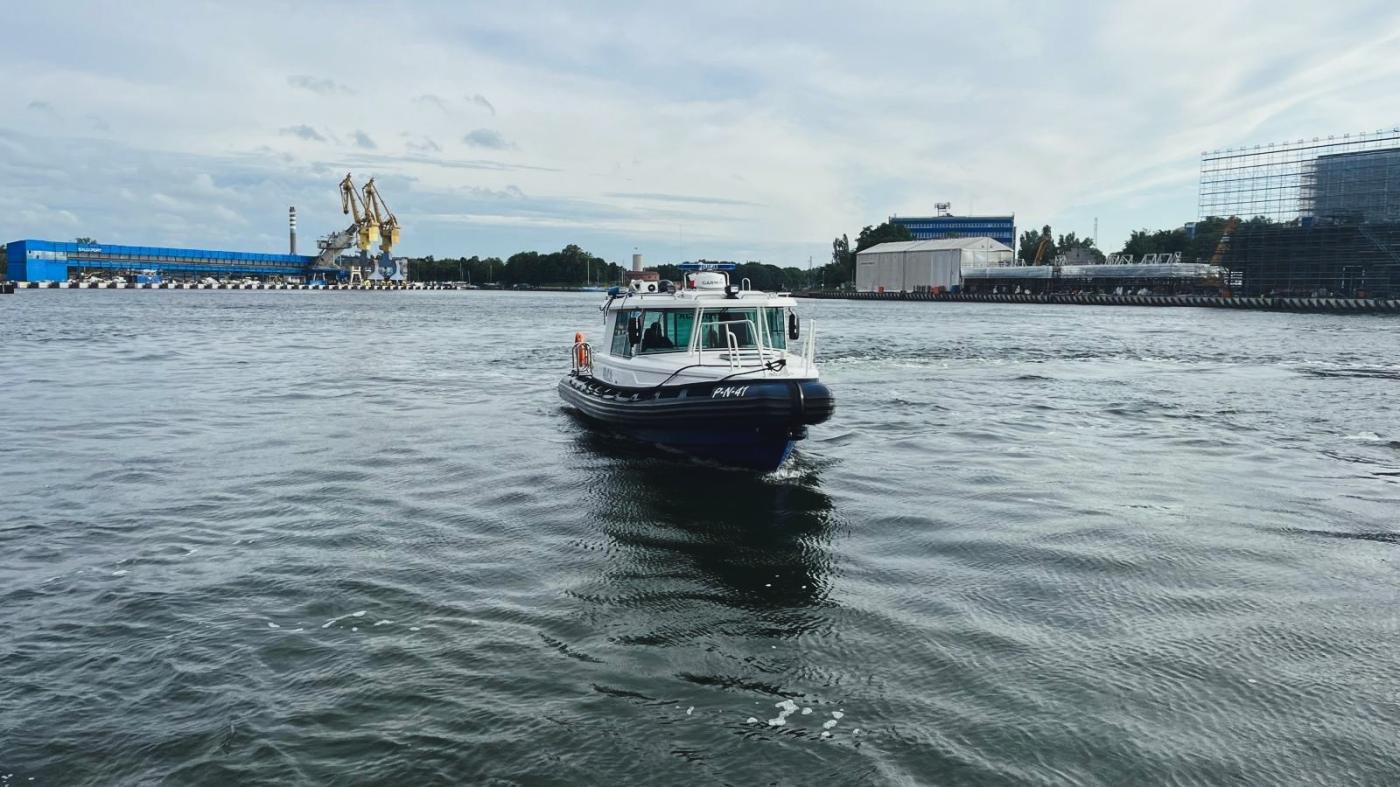
As the Baltic yachting season picks up speed, so too does the need for vigilance on the water. Last Friday, officers from the Gdańsk Water Police unit aboard patrol vessel SPORTIS PN 41 carried out two back-to-back rescue operations – a sharp reminder that even a calm-looking sea can turn unpredictable. Both interventions highlight a recurring issue in recreational sailing: vessels setting out without any working means of communication.
security police pomerania news30 june 2025 | 10:40 | Source: Gazeta Morska | Prepared by: Kamil Kusier | Print
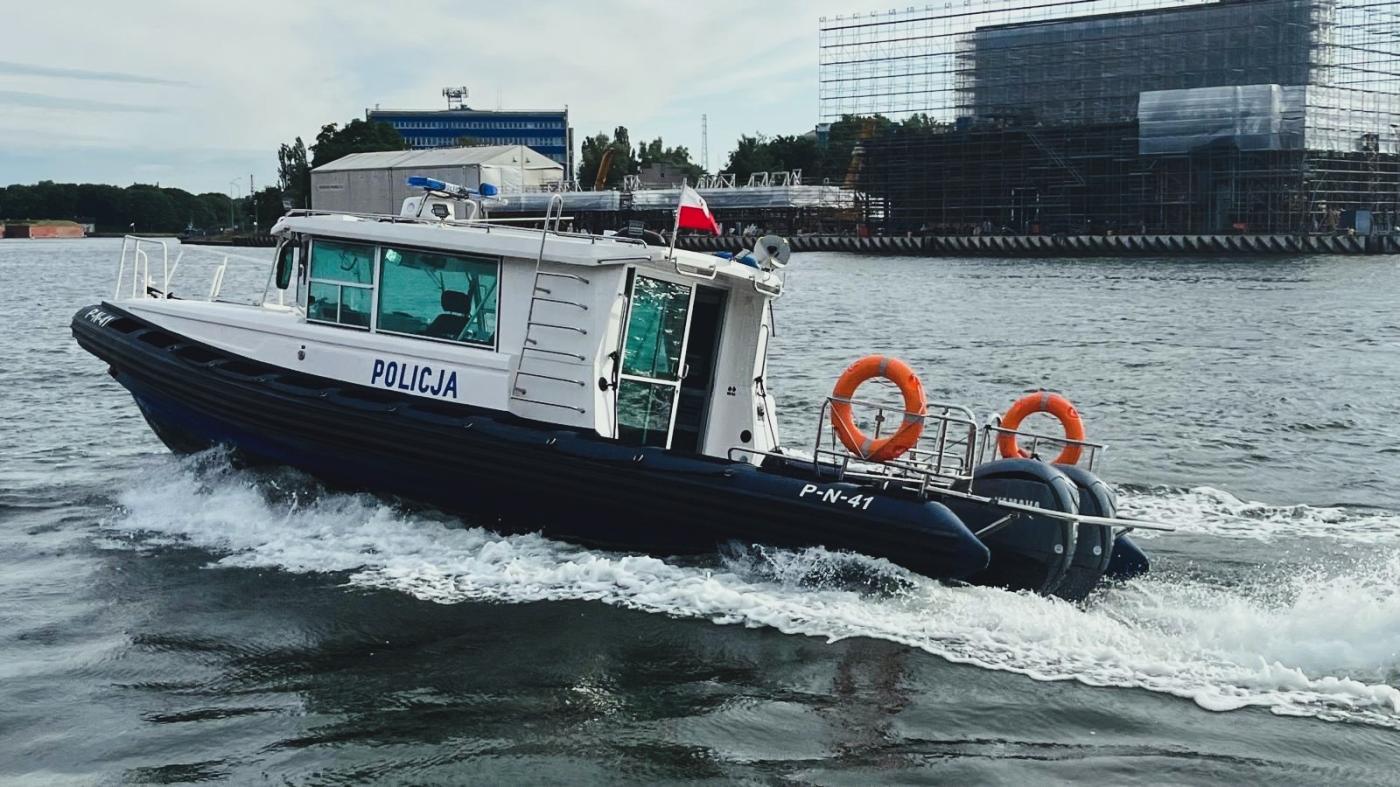
fot. Pomorska Policja
Solo Sailor, Broken Mast
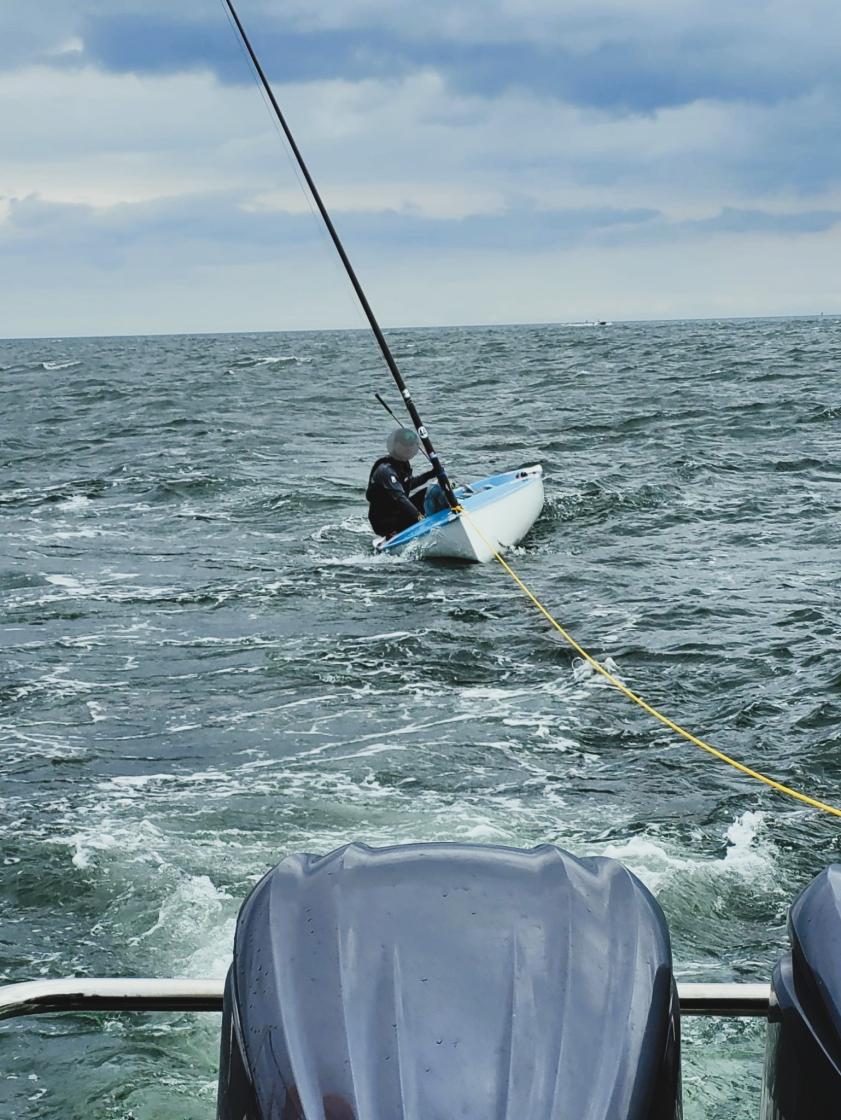
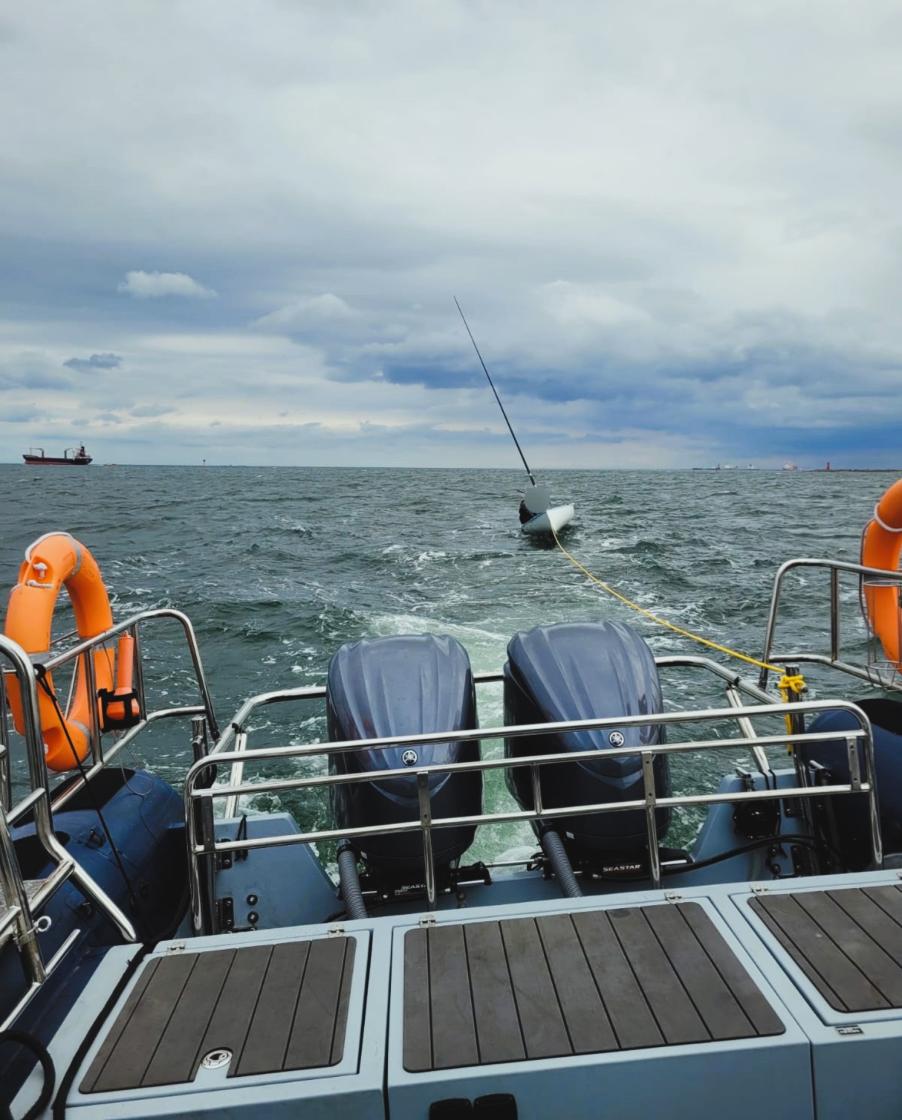
The first incident occurred around 12:30 PM. Officers received a distress notification about a drifting FIN-class sailboat near navigation buoy N-7 in the Gulf of Gdańsk. The boat’s mast had snapped in heavy winds, leaving a solo sailor – a 26-year-old from Warsaw – stranded roughly 3 nautical miles offshore.
Though properly dressed in a dry suit and wearing a buoyancy aid, the sailor had no radio or phone on board. After coordinating with Gdańsk Port Authority, the police patrol reached the scene within 20 minutes and safely towed the vessel to the Brzeźno Pier shoreline.
Entangled Catamaran off Osłonino
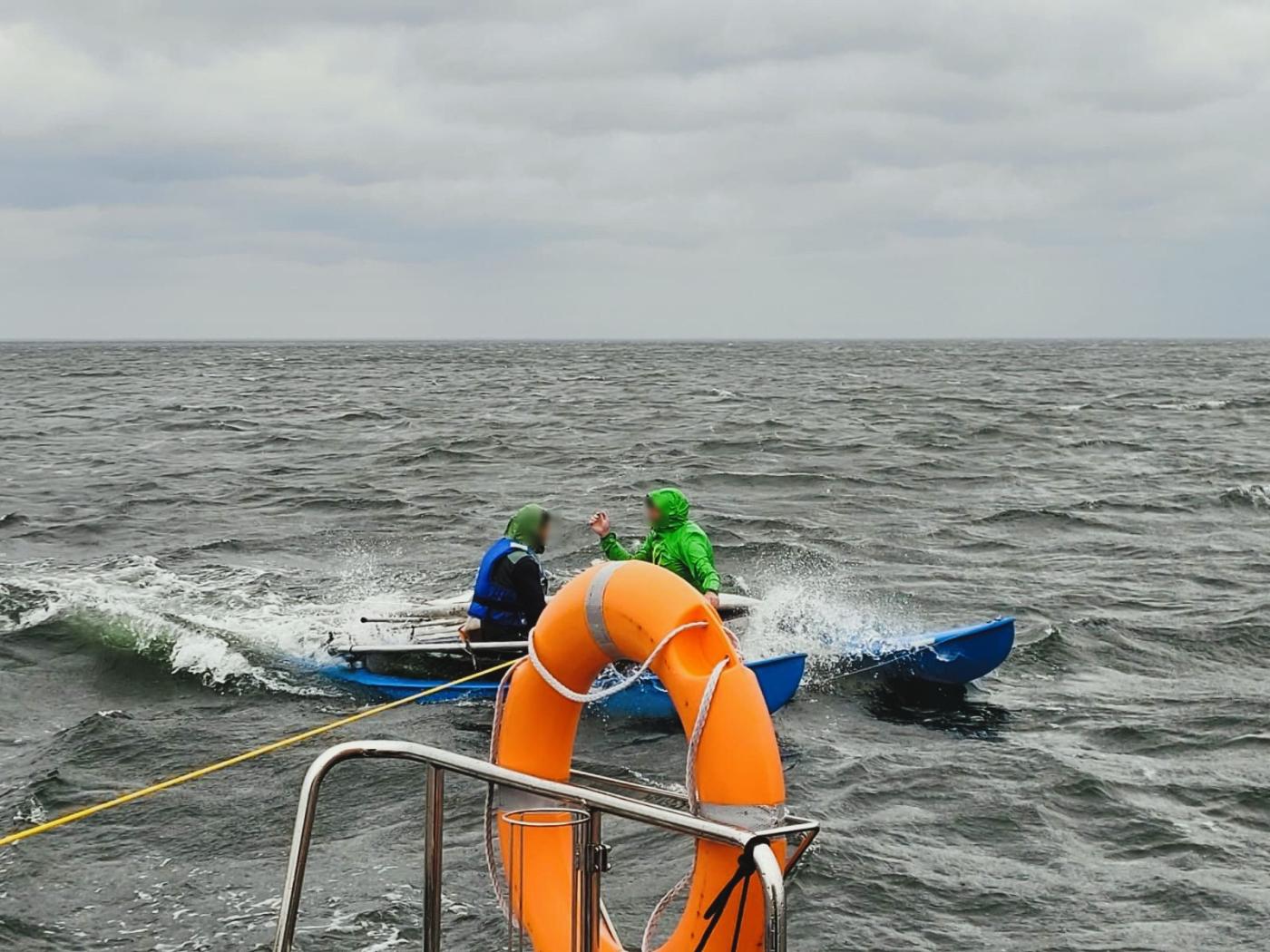
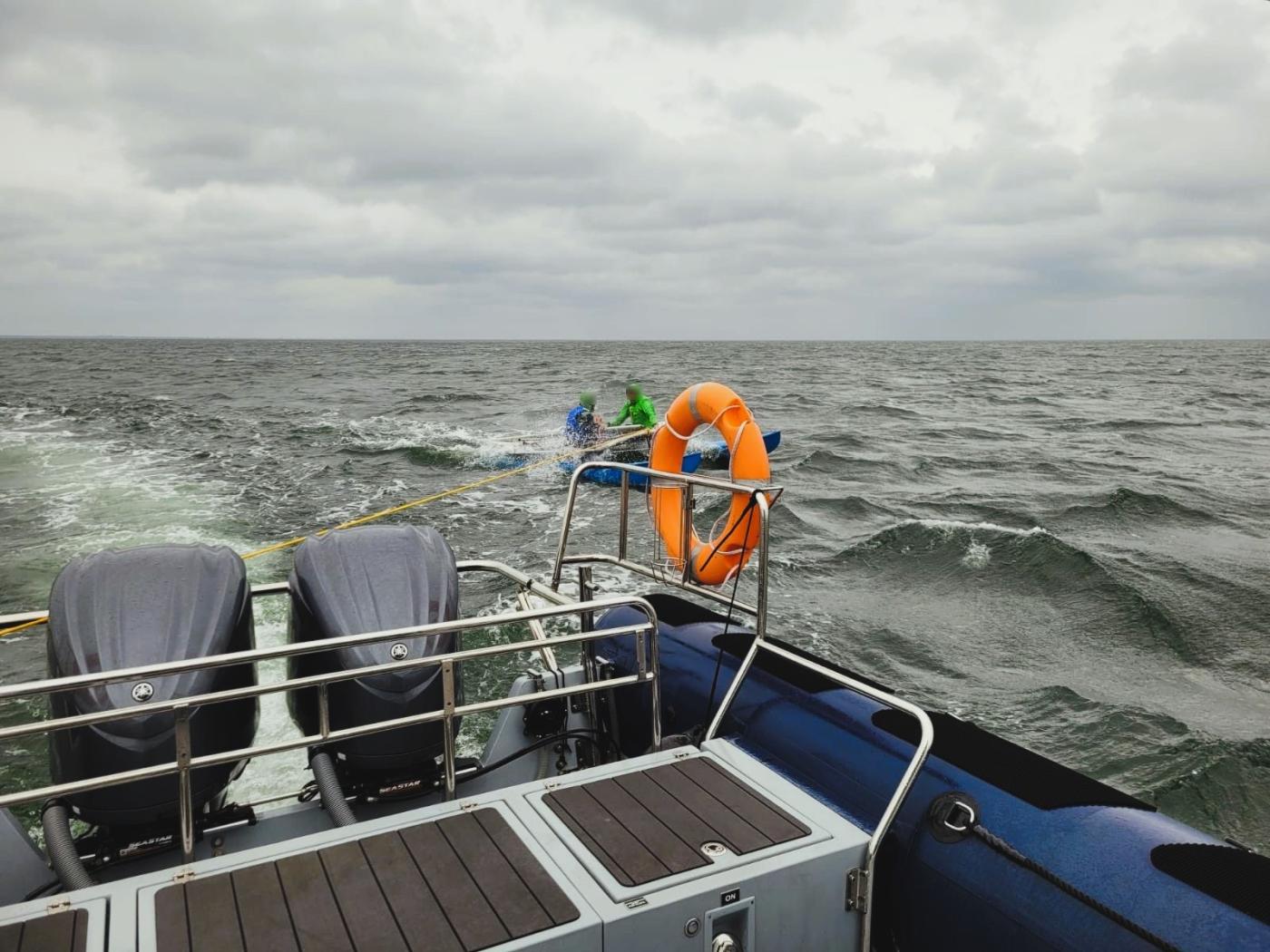
Later that day, at 4:20 PM, while patrolling the Puck Bay near Osłonino, officers spotted two men on a catamaran signalling for help. The craft had capsized earlier, and tangled lines left it unable to manoeuvre in force 4 wind conditions. The sailors – from Kraków and Łódź – were both equipped with life vests and neoprene suits but again had no way to communicate their distress. After nearly two hours adrift, the pair were towed to safety. No medical assistance was needed.
Communication Is Not Optional
Both cases ended well, thanks to quick observation and decisive action by the water patrol team. But the underlying message remains: basic safety protocols are too often underestimated. Proper attire, buoyancy aids, and knowing how to recover from a knockdown are essential – but communication is your lifeline when trouble strikes.
Every skipper, sailing school, and charter operator should reinforce this message:
Don’t launch without a working VHF radio or, at minimum, a waterproof mobile device.
Also crucial: check marine forecasts, log your float plan with someone onshore, and ensure all on board understand emergency procedures.
Safety by Seamanship – and Support
The professionalism of the Gdańsk Water Police made the difference that day. But with more traffic on the water each season, the responsibility for maritime safety must be shared across the whole ecosystem – from training institutions to rental operators, skippers to crew.
Because in the end, even the most beautiful sail can turn into an emergency – and being able to call for help is not a luxury. It’s a seamanship essential.
see also
Buy us a coffee, and we’ll invest in great maritime journalism! Support Gazeta Morska and help us sail forward – click here!
Kamil Kusier
redaktor naczelny
gallery
comments
Add the first comment
see also
"Let everyone know we will prevail". Poland’s armed forces set strategic course for 2026-2039
“Army 500” and strategic transformation: Poland sets the course for long-term deterrence and allied readiness
Medical evacuation from offshore vessel in the Baltic. Rescue 511 helicopter and m/s Huragan deployed
Karol Nawrocki: “The strength of the republic lies in its armed forces”. Security requires national unity
Human trafficking, money laundering, millions frozen. Successful operation by border guard and tax administration
Evening SAR operation in the Baltic. Two kitesurfers stranded offshore
Medical evacuation from sailing ship in Gdynia port. 17-year-old safely transported
Medical evacuation from Danish-flagged vessel Skoven off Łeba. Joint SAR operation in the Baltic Sea
Almost 2.5 million travellers cleared in 2025 by the Maritime Border Guard
Frontex officers train with Polish Maritime Border Guard
ADVERTISEMENT
ADVERTISEMENT