NCL Salten grounds again in Norway. Third incident raises structural safety questions
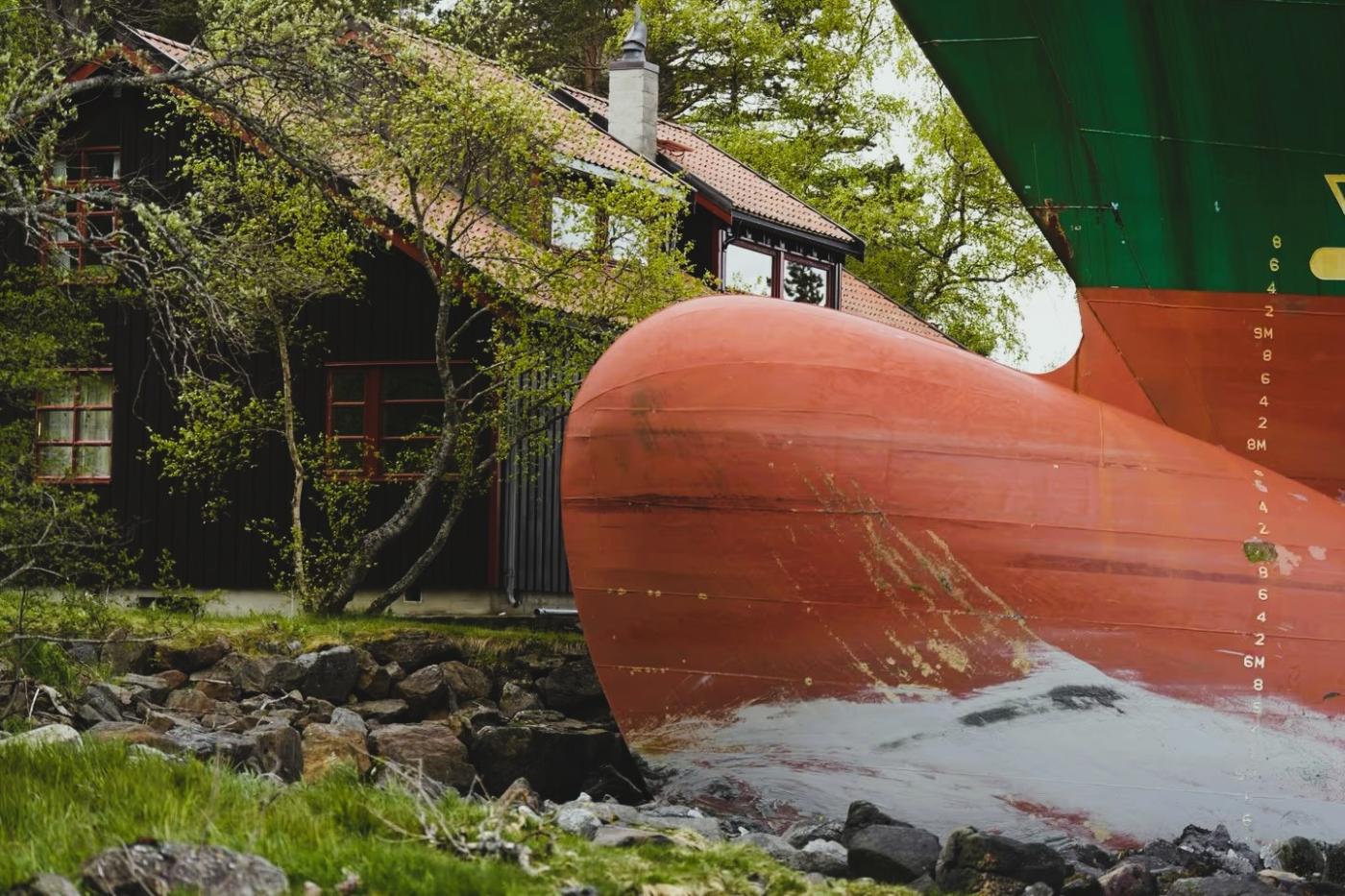
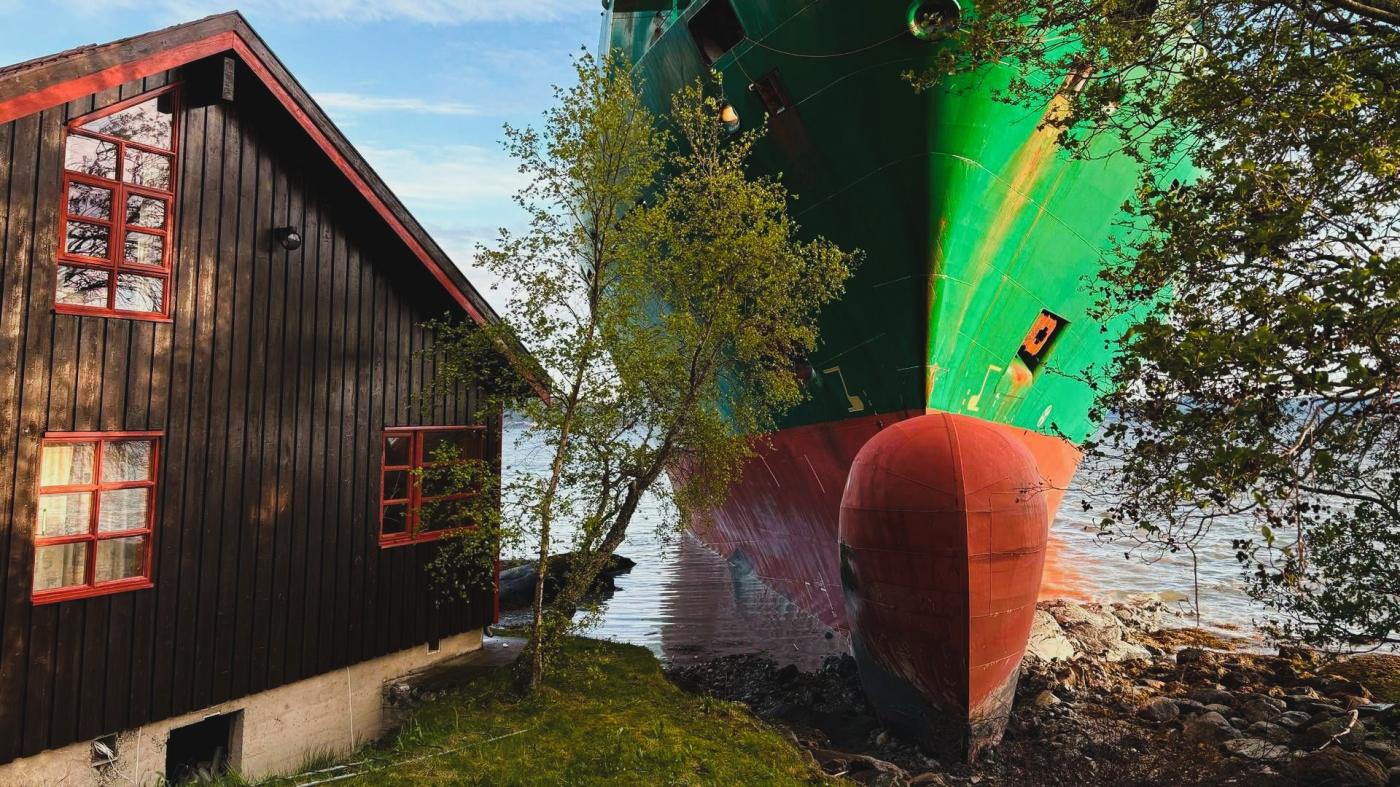
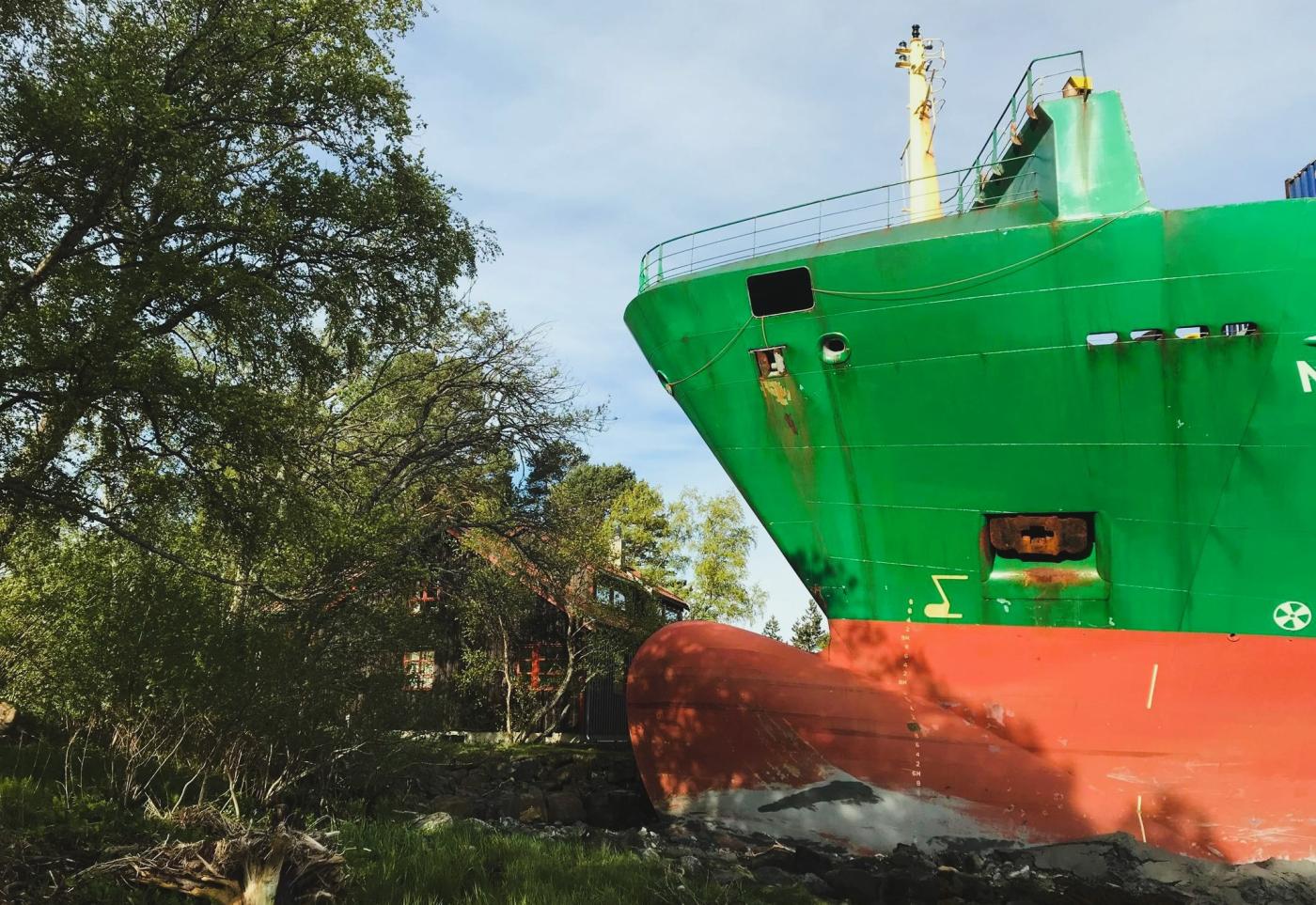
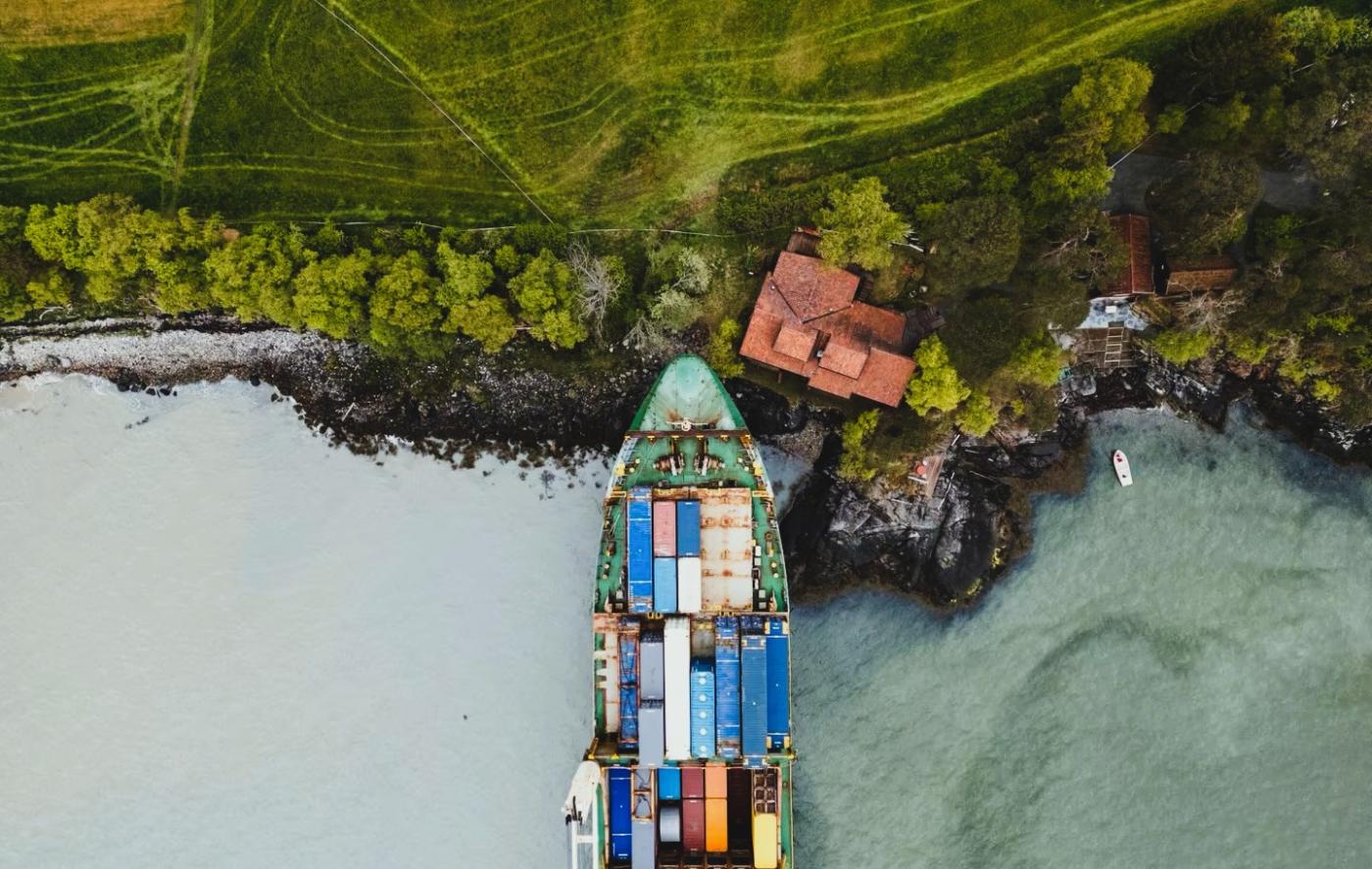
A few days ago, the container ship NCL Salten ran aground in Norway’s Trondheimsfjord, stopping just meters from a residential property near the village of Byneset, outside Trondheim. This marks the vessel’s third grounding in Norwegian waters in as many years, following previous incidents in Hadsel (2023) and Ålesund (2024).
security worldwide transport and forwarding news26 may 2025 | 23:05 | Source: Gazeta Morska | Prepared by: Kamil Kusier | Print
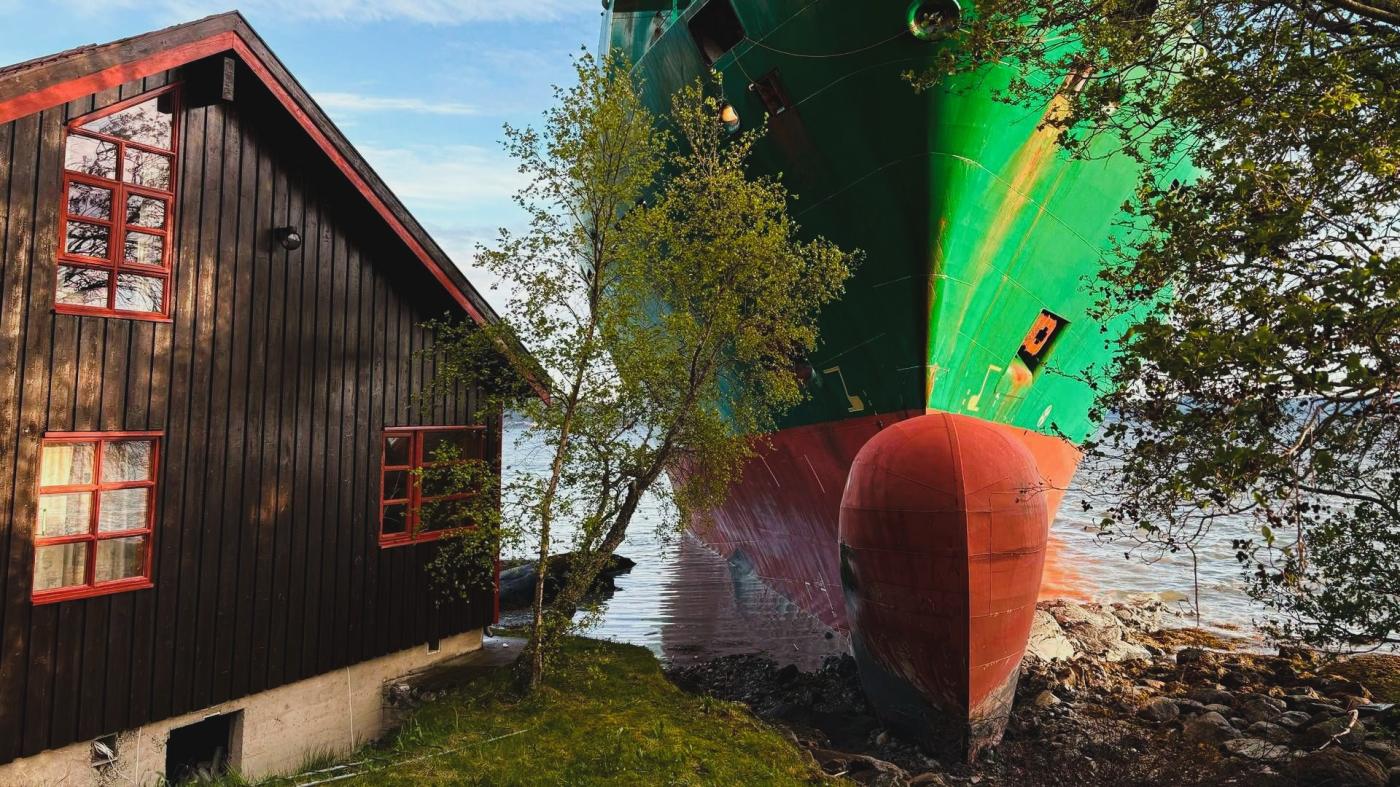
fot. X
Fatigue and procedural oversight
Norwegian maritime authorities reported that the second officer fell asleep during a solo night watch, which caused the vessel to veer off course and strike the shoreline. He has been charged with negligent navigation, and the vessel’s captain is under investigation, as per routine protocol. Officials are now reviewing compliance with rules on bridge manning levels and crew work/rest hours.
No injuries were reported among the 16 crew members—a multinational team including Norwegians, Lithuanians, Ukrainians, and Russians—and no fuel leakage occurred. However, the ship damaged a heat pump power line on private property and remains grounded. Initial salvage attempts using tugboats failed, and the Norwegian Coastal Administration is conducting geotechnical assessments ahead of a renewed operation to refloat the ship.
A ship with a track record
Built in 2002 and sailing under the flag of Cyprus, the NCL Salten is a 135-meter feeder container ship with a capacity of 886 TEU and 234 reefer plugs. The vessel is owned by Lithuanian firm Baltnautic and operated by North Sea Container Line (NCL). At the time of the incident, it was en route to the port of Orkanger.
Short-sea shipping under pressure
The grounding once again draws attention to systemic stress in the European short-sea shipping sector, particularly in high-risk areas like the Norwegian fjords. These routes require heightened vigilance due to navigational complexity and their proximity to residential zones.
The Salten case may trigger a broader industry discussion on bridge resource management, enforcement of rest hour regulations, and the digital monitoring of fatigue in feeder operations. It also underscores the importance of rigorous safety culture in a sector under growing operational and economic pressure.
Kamil Kusier
redaktor naczelny
gallery
comments
Add the first comment
see also
Polish Naval Academy and Institute of Fluid-Flow Machinery establish research partnership
SAR search operation in the port of Władysławowo. man who fell into the water not found
Medical evacuation from Wind Osprey underway as winter keeps Polish SAR services under pressure
Coast Guard ensures fishermen safety on the ice of the Vistula Lagoon Select 81 more words to run Humanizer.
Services on ice. False alarm in Swarzewo in Poland. Such behavior endangers those who truly need help
PIRANIA underwater inspection vehicle: Gdańsk University of Technology and Radmor join forces
Grupa WB joins ASD. Strengthening Central and Eastern Europe’s voice in the European defence industry
Poland’s security in focus. President meets with ministers and heads of special services
NATO’s persistent naval presence in the Arctic and the northern Atlantic strengthens sea lane security
Poland launches second DELFIN SIGINT ship ORP Henryk Zygalski in Gdańsk
ADVERTISEMENT
ADVERTISEMENT