NATO exercises underwater warfare in the Arctic and tests ASW capabilities
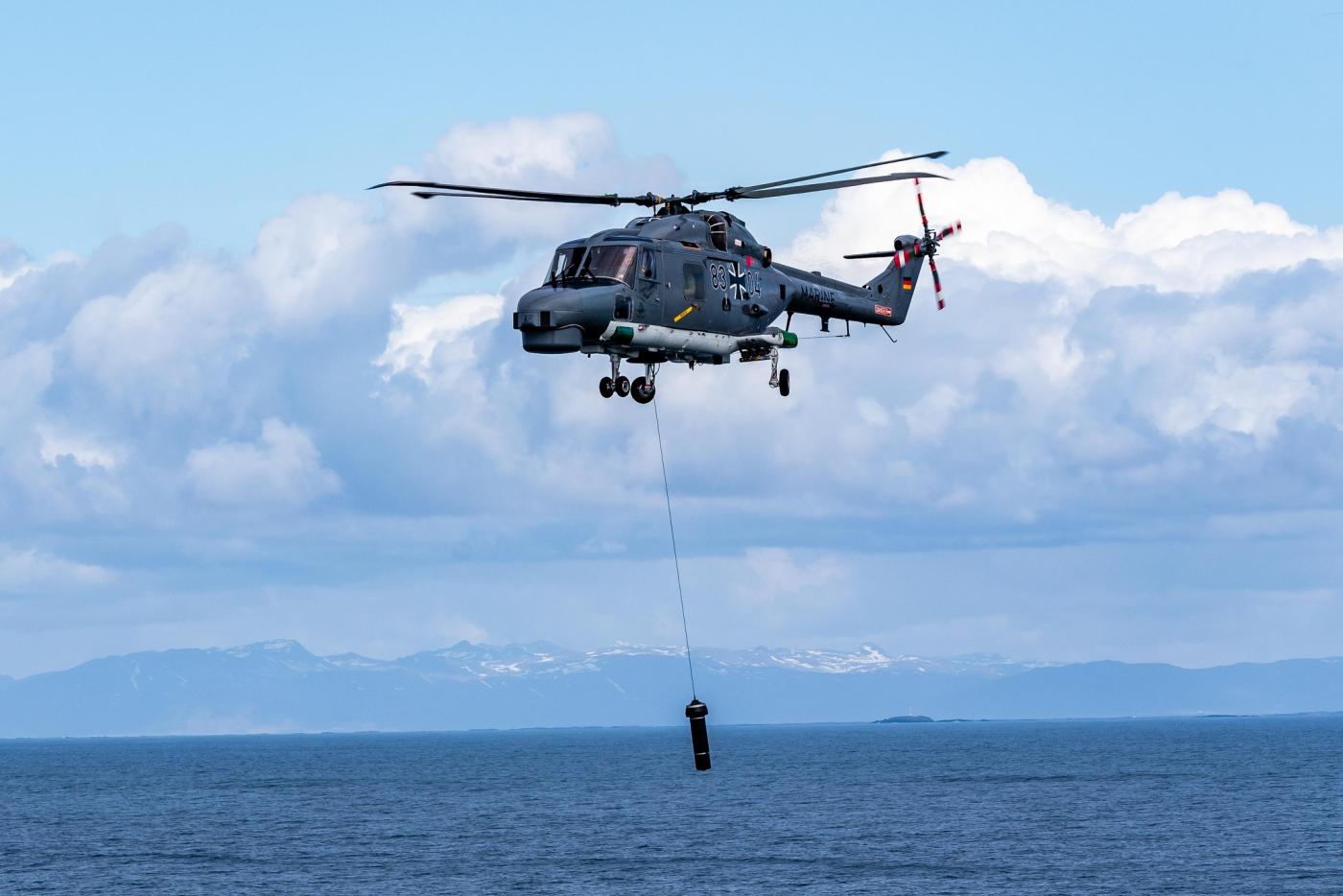
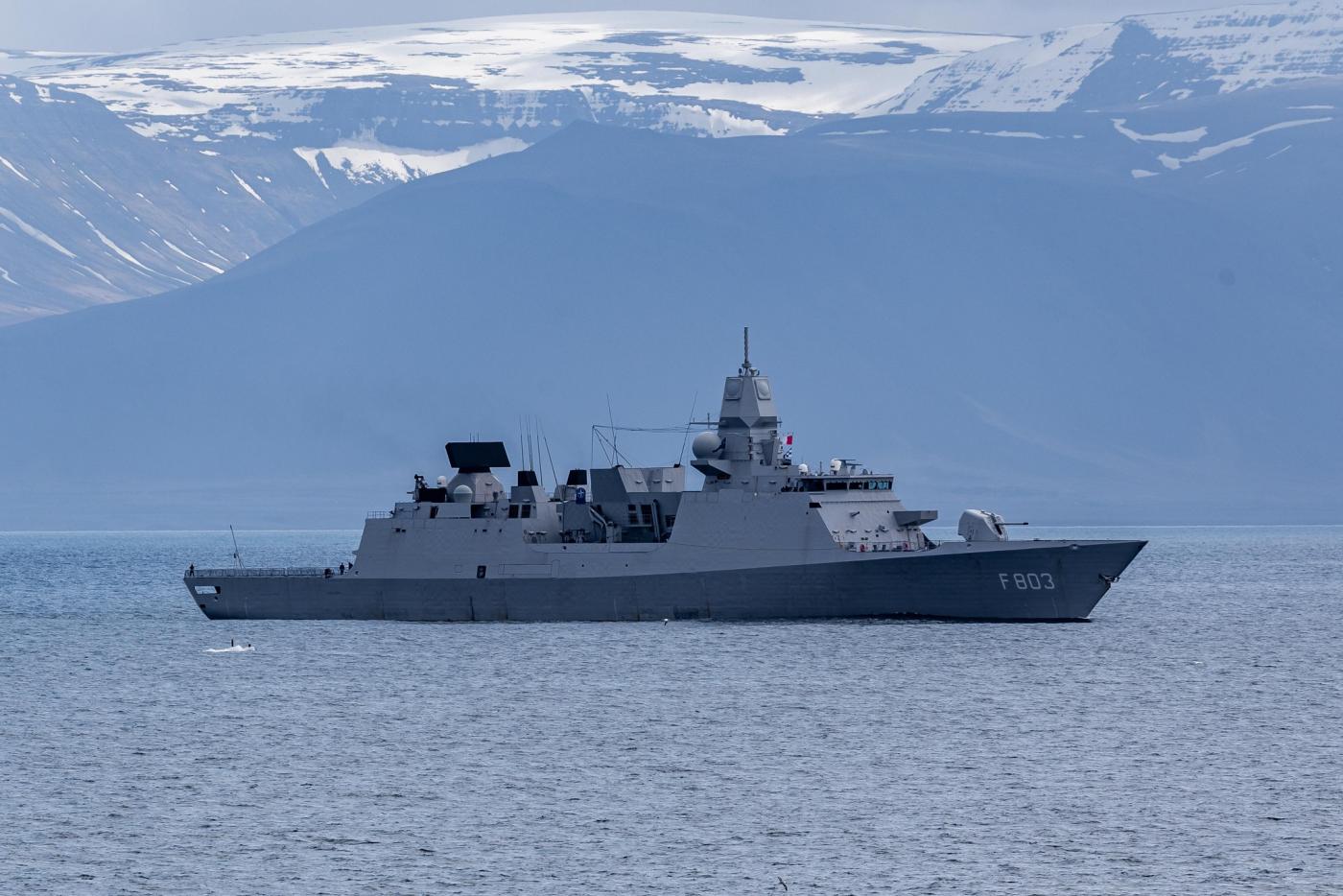
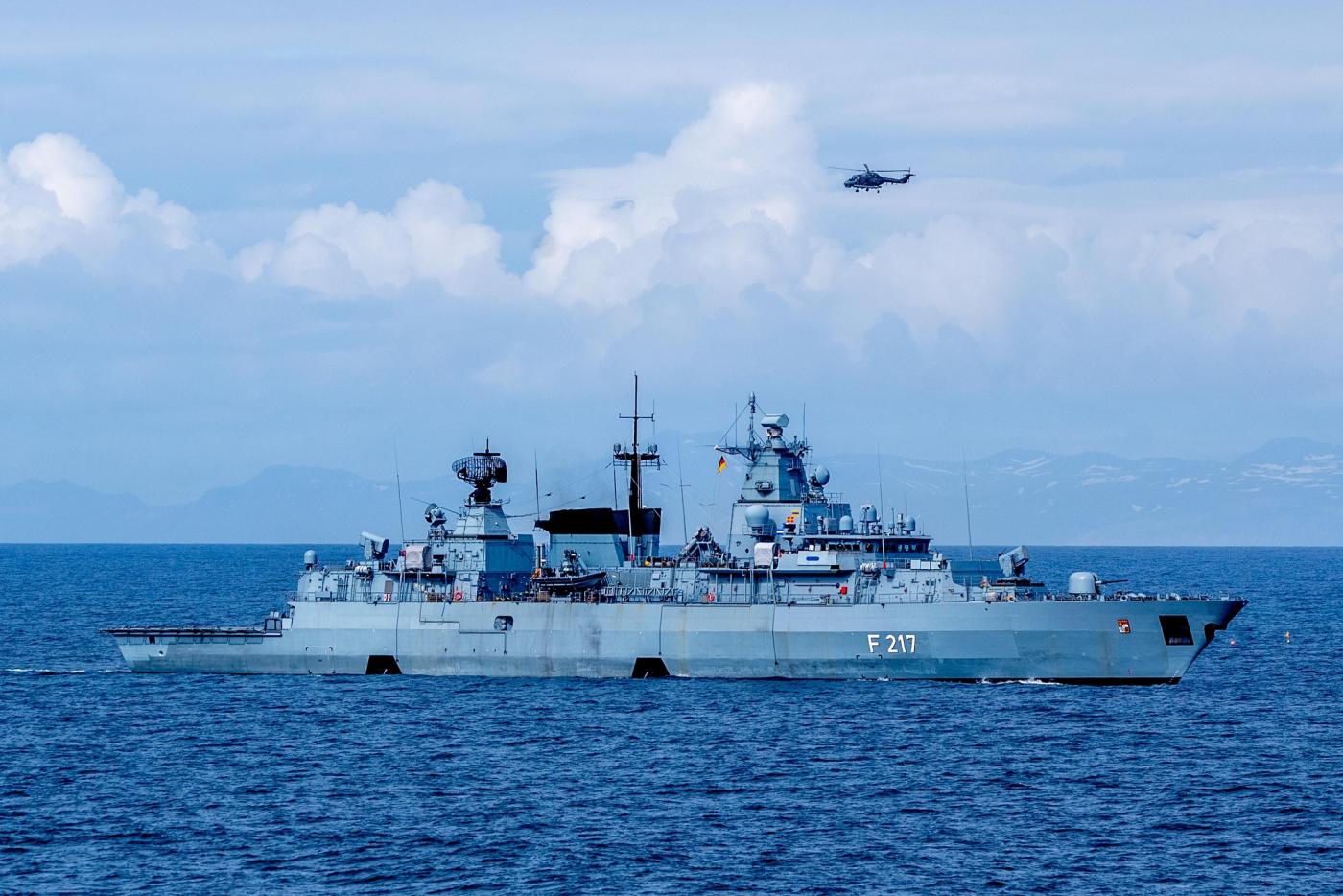
NATO’s flagship anti-submarine warfare (ASW) exercise in the High North, Dynamic Mongoose 25, is currently underway in the waters surrounding Iceland. Hosted by the Icelandic Coast Guard and led by NATO Allied Maritime Command (MARCOM), the exercise runs through late April, bringing together a wide array of Allied naval and air forces to sharpen undersea warfare skills and reinforce transatlantic cooperation.
security navy worldwide nato news29 april 2025 | 12:13 | Source: Gazeta Morska | Prepared by: Kamil Kusier | Print
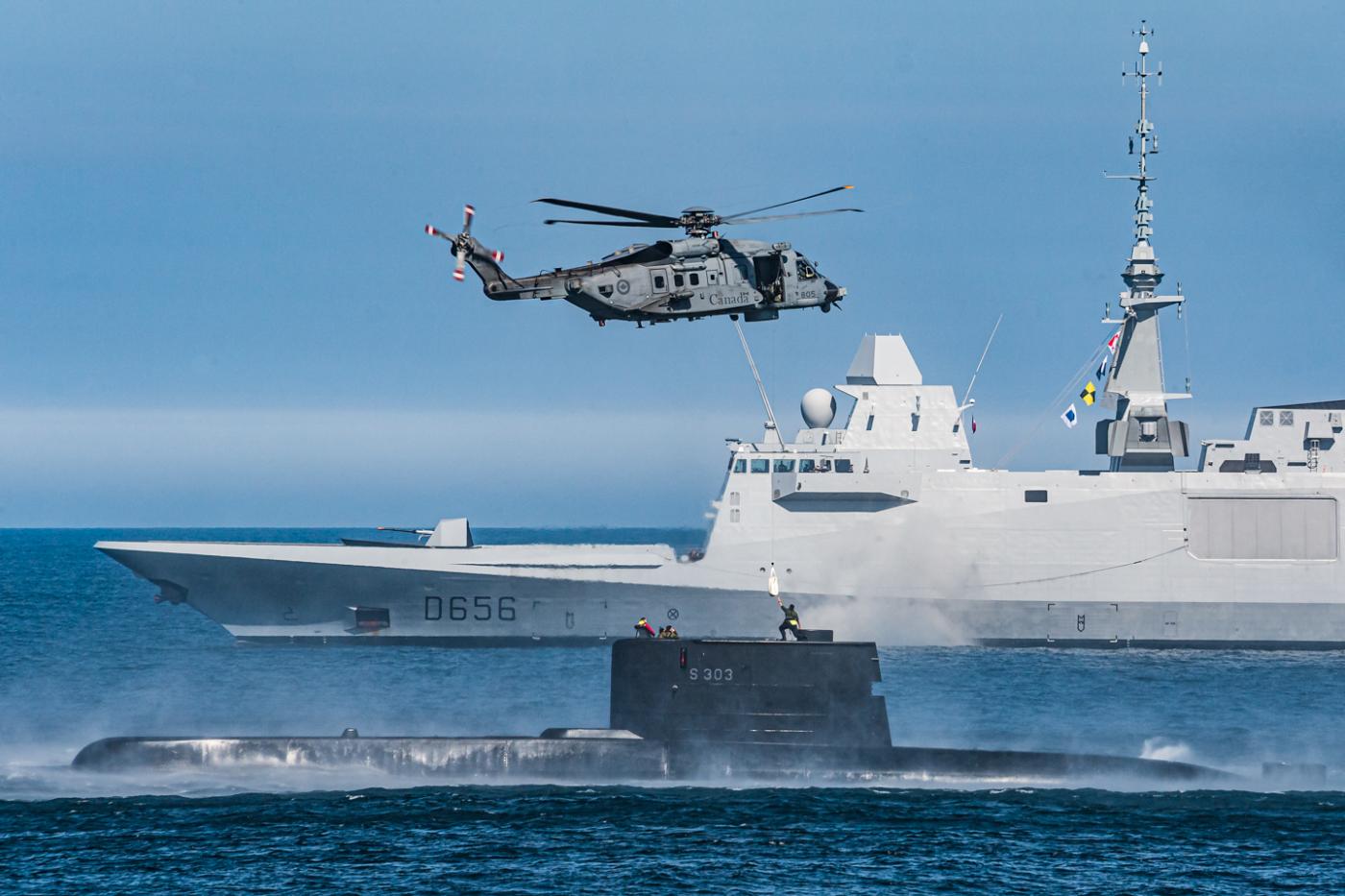
fot. NATO Maritime Command
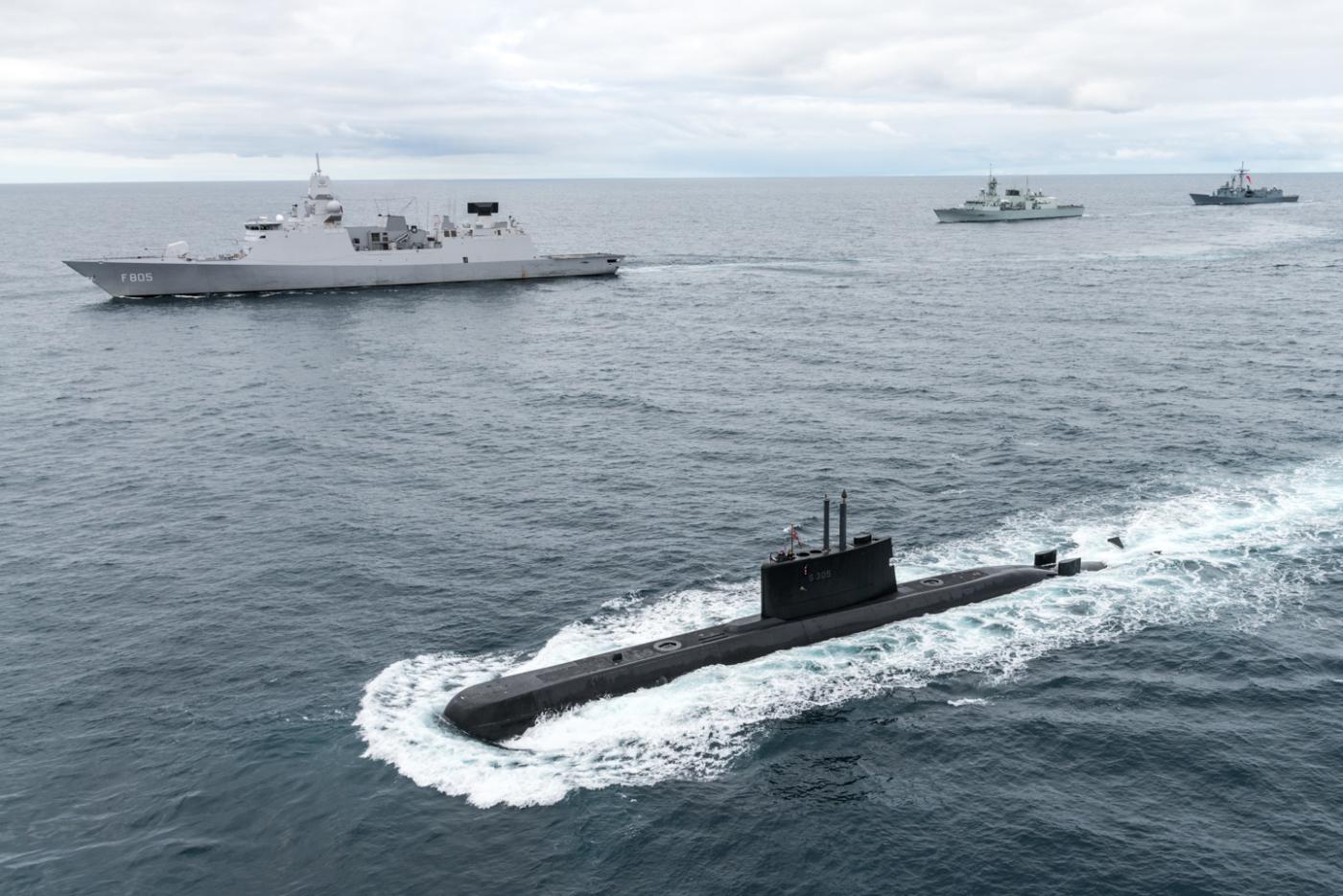
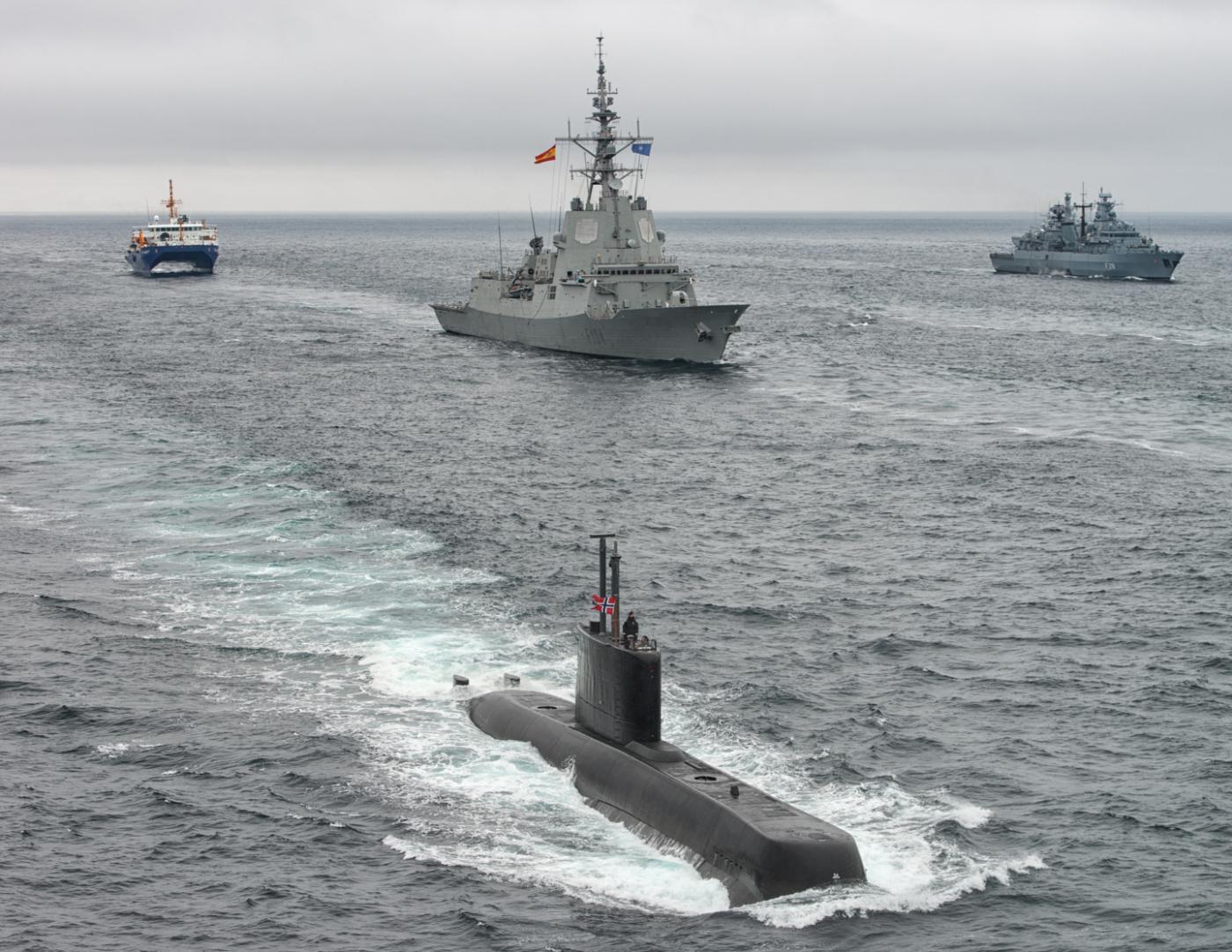
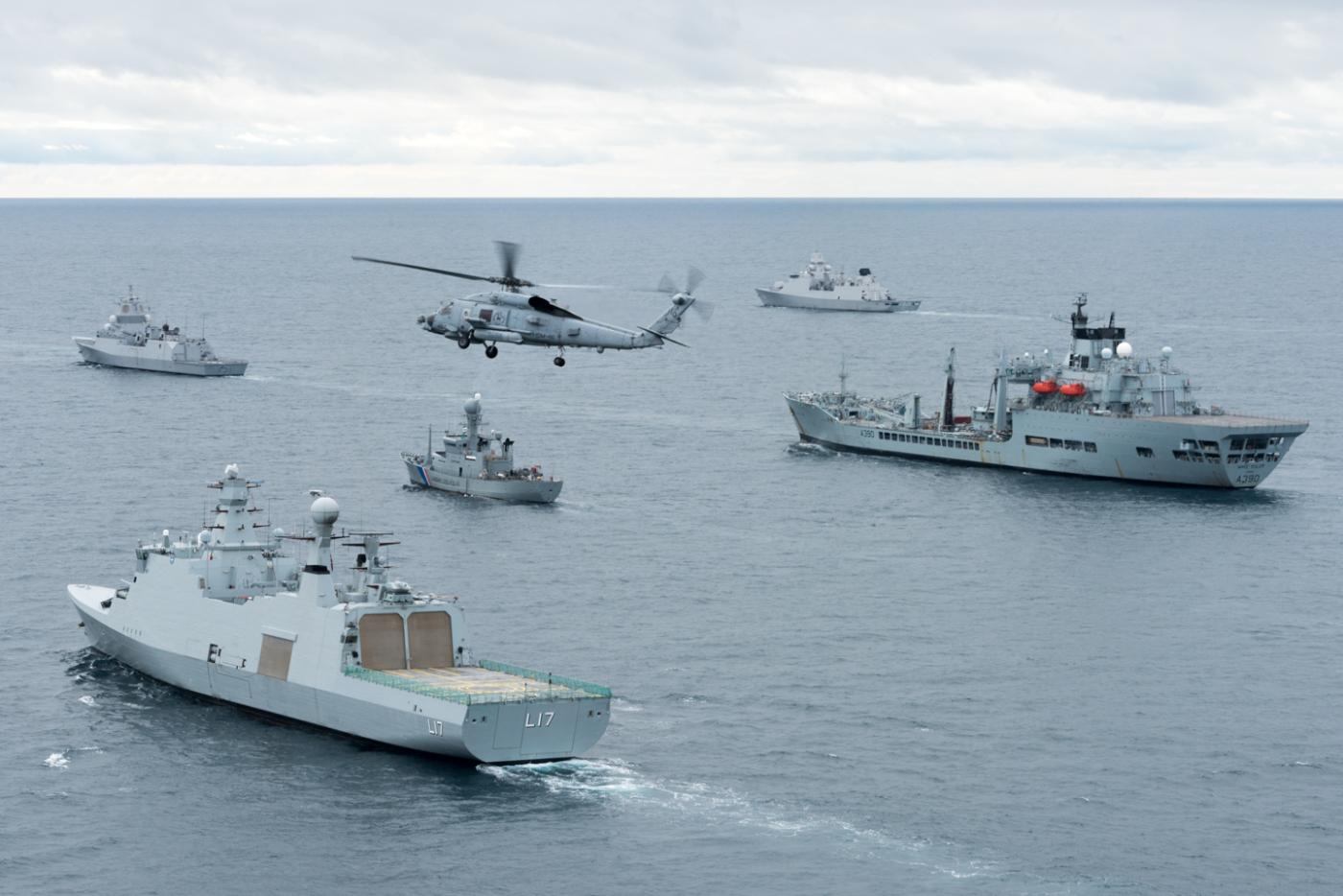
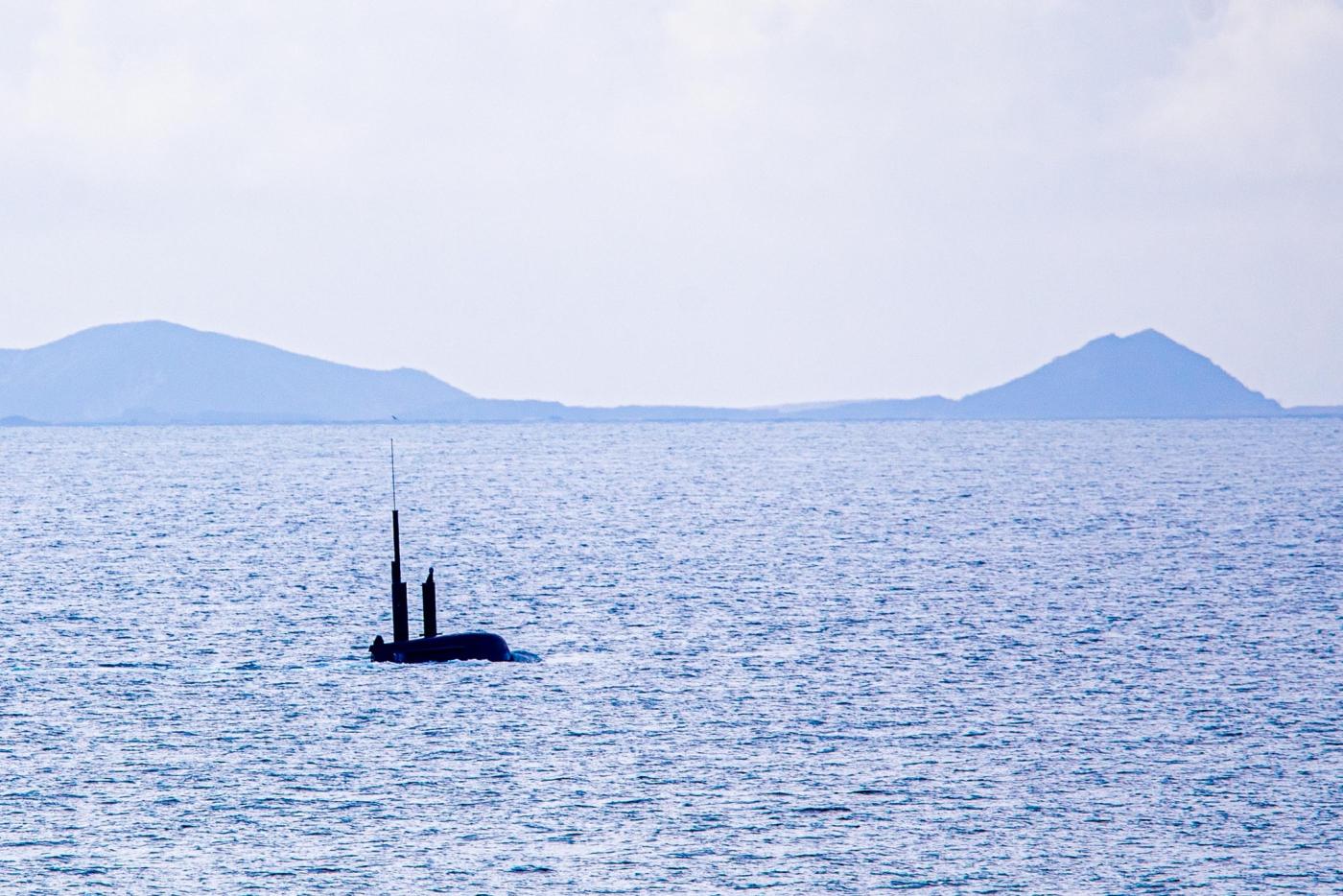
This year’s edition features surface combatants, submarines, maritime patrol aircraft, and helicopters from several NATO member states, including Canada, Denmark, Germany, Iceland, the Netherlands, Norway, Poland, the United Kingdom, and the United States. The units will participate in high-intensity, real-time scenarios focusing on the detection, tracking, and engagement of submarines in a multi-threat environment.
- Dynamic Mongoose is an extremely important anti-submarine exercise in the High North which provides an excellent opportunity for NATO Allied nations to train together and build upon our already impressive interoperable capabilities, said Royal Navy Captain Steven McAllister, Assistant Chief of Staff, Submarines at MARCOM.
The maneuvers take place in the strategically vital Greenland–Iceland–United Kingdom–Norway (GIUK-N) Gap, a key maritime chokepoint. The region’s harsh Arctic conditions — cold water, strong currents, and low visibility — add complexity and realism to the exercise.
Dynamic Mongoose is NATO’s annual ASW and anti-surface warfare (ASuW) exercise designed to train submarine crews in evasion and counter-detection tactics while simultaneously preparing surface and air assets to detect and neutralize underwater threats.
Ships from Standing NATO Maritime Group One (SNMG1) are also participating in the exercise.
- Dynamic Mongoose 2025 is a very beneficial exercise for Standing NATO Maritime Group 1, said SNMG1 Commander, Commodore Arjen S. Warnaar. - It brings a varied array of NATO Anti-Submarine Warfare capabilities together, and it does that in the crucial GIUK-N gap, where NATO requires an effective counter to the submarine threat. In this way Dynamic Mongoose 2025 provides our air, surface and sub surface units a very realistic Anti-Submarine Warfare training opportunity. An opportunity which we will put to good use.
The ability to secure sea lines of communication and monitor undersea activity remains a strategic priority for NATO, particularly in the North Atlantic, where increased submarine deployments by peer adversaries pose renewed challenges. Iceland’s geographic location places it at the heart of this strategic calculus.
Participating forces rotate between the roles of hunter and hunted, forcing crews to quickly adapt to changing tactical situations. Maritime patrol aircraft (MPAs) support operations with persistent ISR (intelligence, surveillance, and reconnaissance) as well as simulated kinetic strikes against adversary submarines.
From the icy depths of the GIUK Gap to the shifting demands of modern naval warfare, Dynamic Mongoose 25 underscores the readiness, adaptability, and professionalism of NATO’s maritime forces.
see also
Buy us a coffee, and we’ll invest in great maritime journalism! Support Gazeta Morska and help us sail forward – click here!
Kamil Kusier
redaktor naczelny
gallery


comments
Add the first comment
see also
"Let everyone know we will prevail". Poland’s armed forces set strategic course for 2026-2039
“Army 500” and strategic transformation: Poland sets the course for long-term deterrence and allied readiness
Medical evacuation from offshore vessel in the Baltic. Rescue 511 helicopter and m/s Huragan deployed
Karol Nawrocki: “The strength of the republic lies in its armed forces”. Security requires national unity
Human trafficking, money laundering, millions frozen. Successful operation by border guard and tax administration
Evening SAR operation in the Baltic. Two kitesurfers stranded offshore
Medical evacuation from sailing ship in Gdynia port. 17-year-old safely transported
Medical evacuation from Danish-flagged vessel Skoven off Łeba. Joint SAR operation in the Baltic Sea
Almost 2.5 million travellers cleared in 2025 by the Maritime Border Guard
Frontex officers train with Polish Maritime Border Guard
ADVERTISEMENT
ADVERTISEMENT