Poland-Sweden MoU on submarines signed: Orka programme enters a strategic industrial cooperation phase
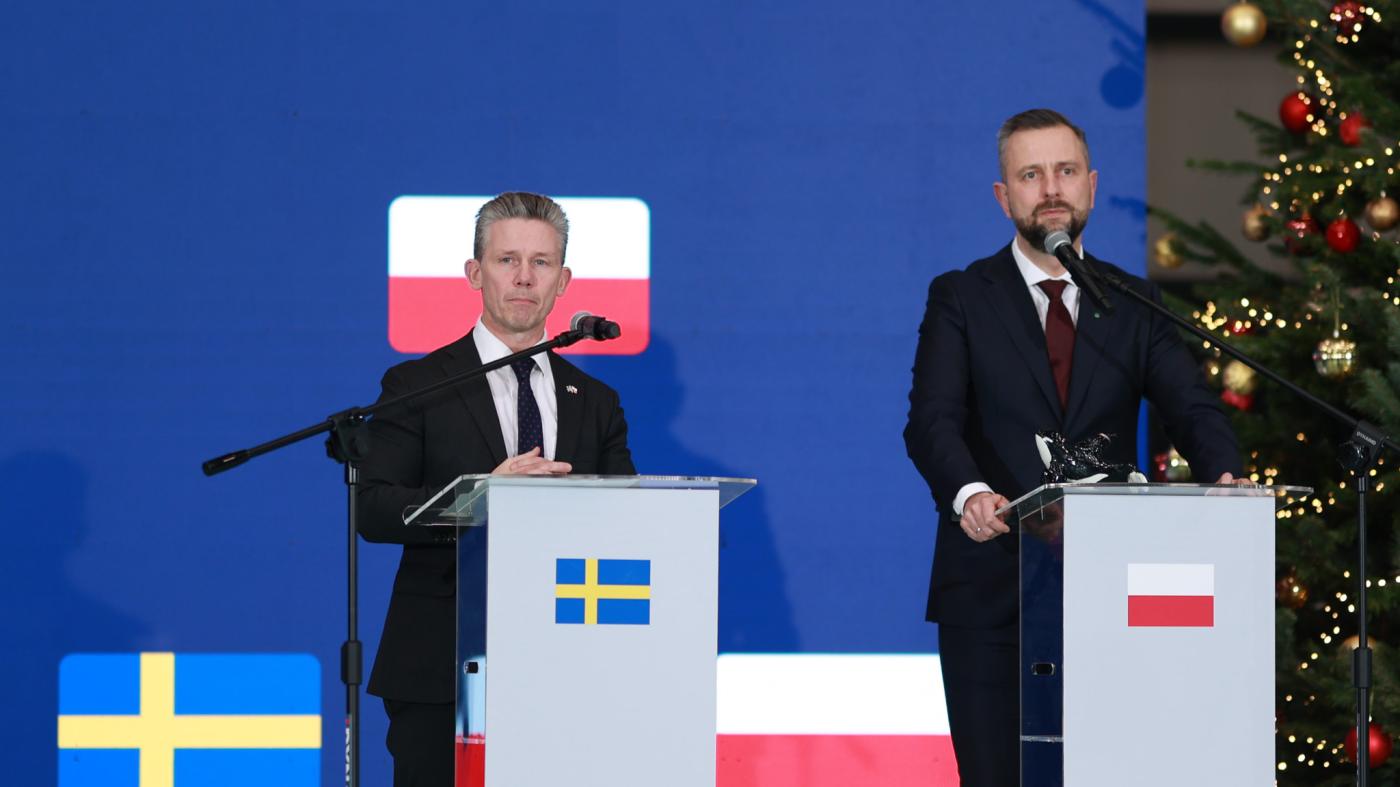
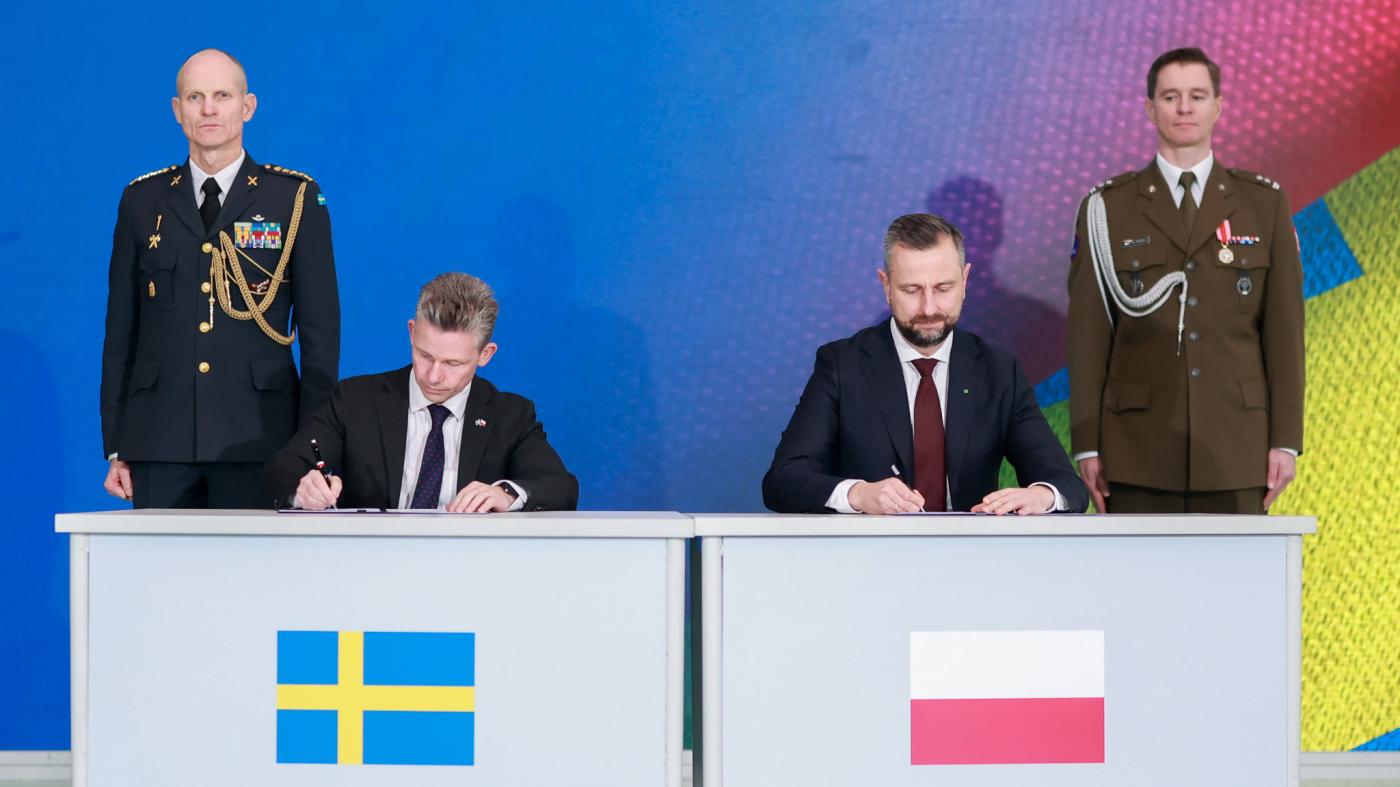
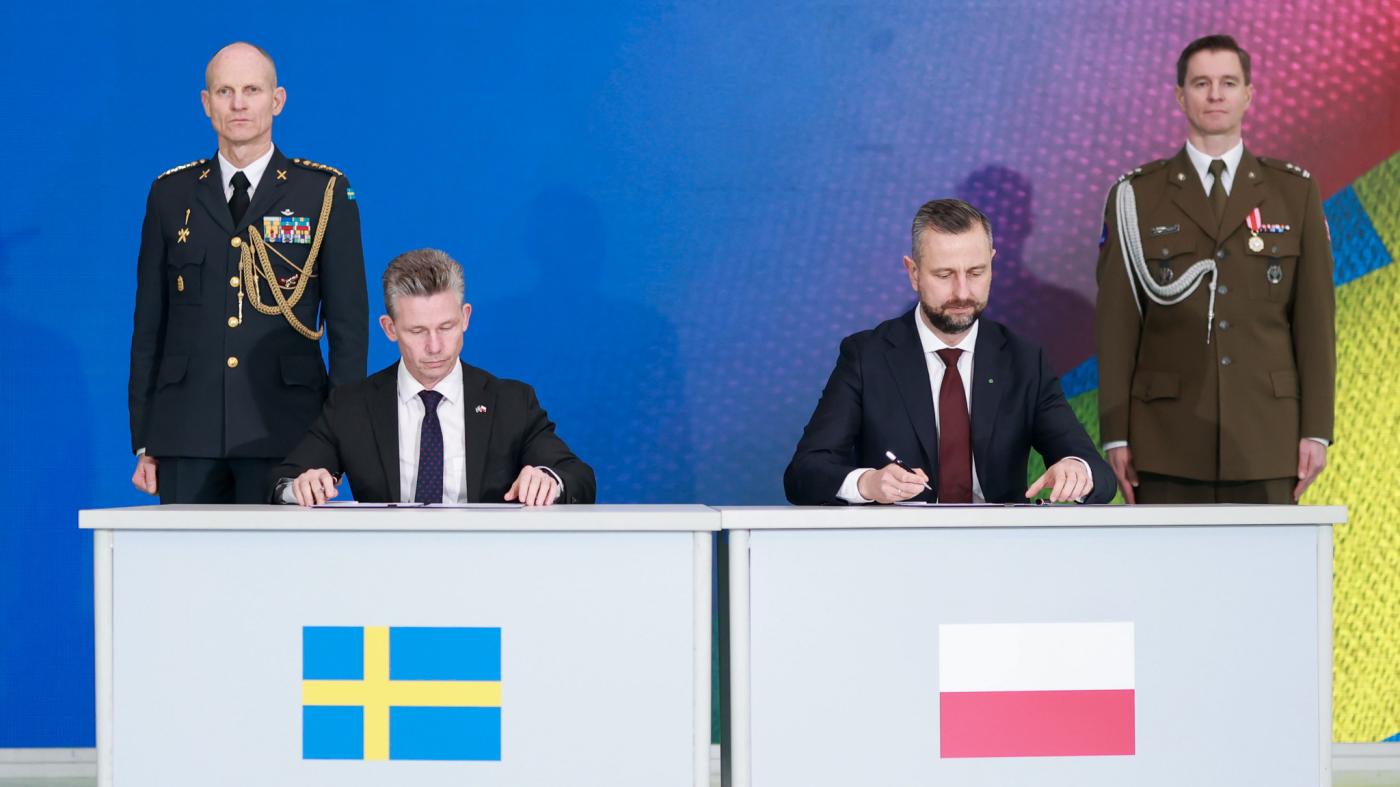
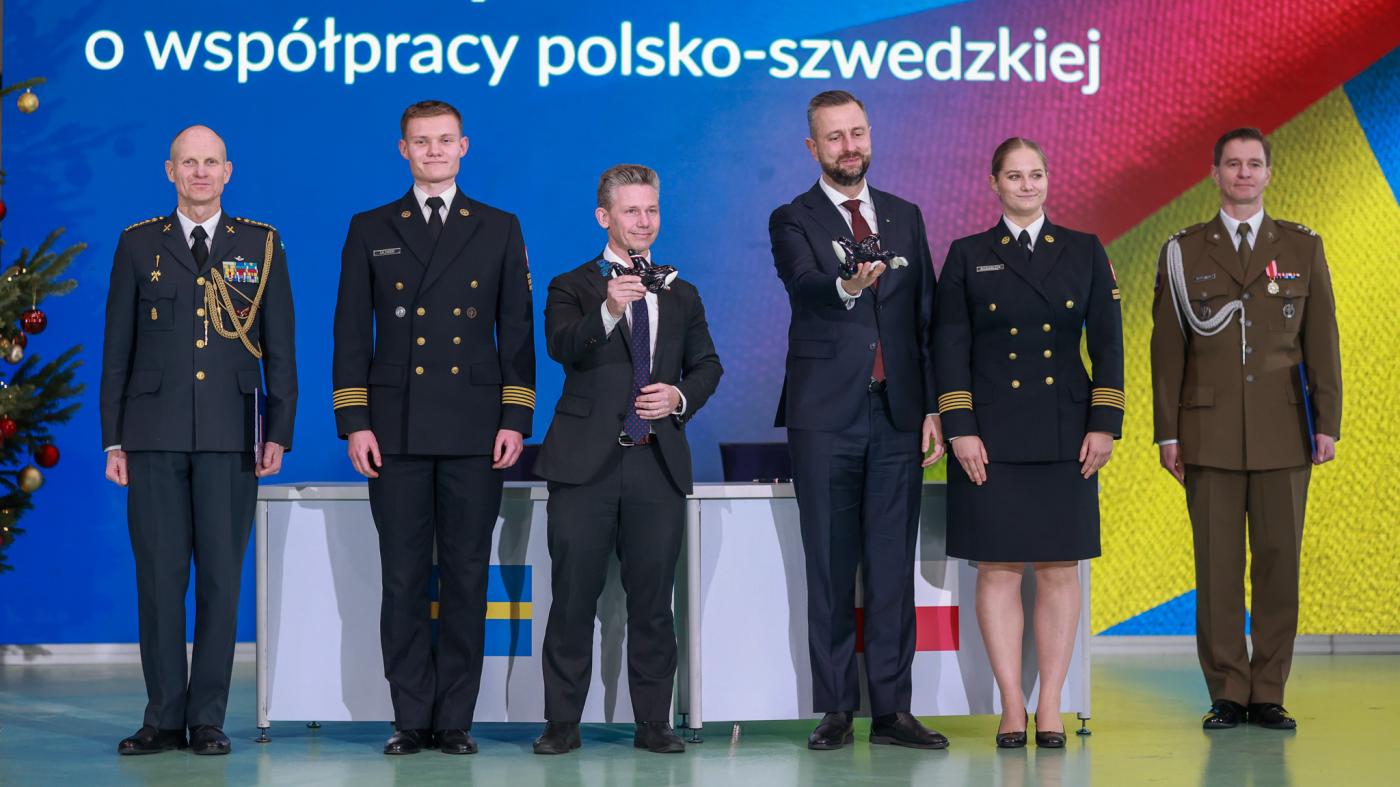
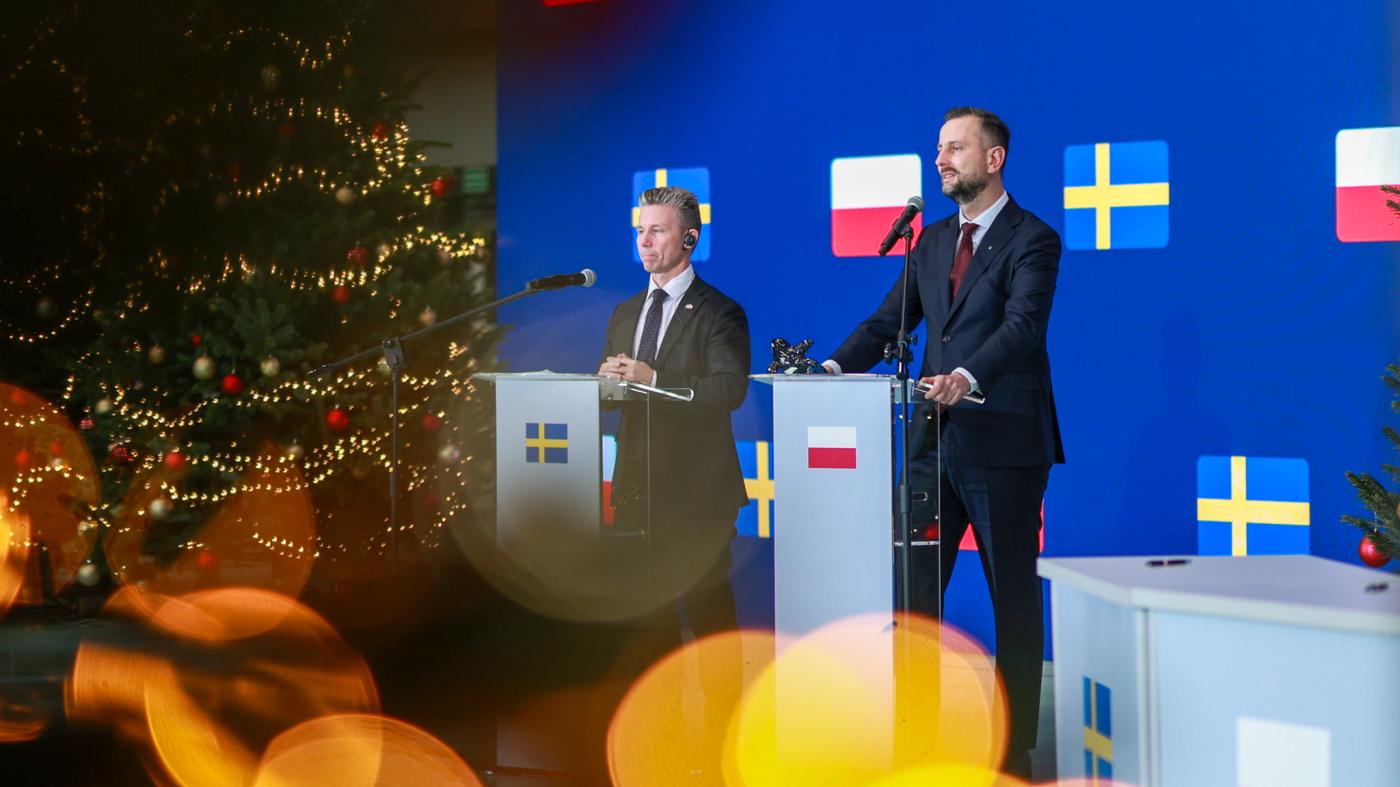
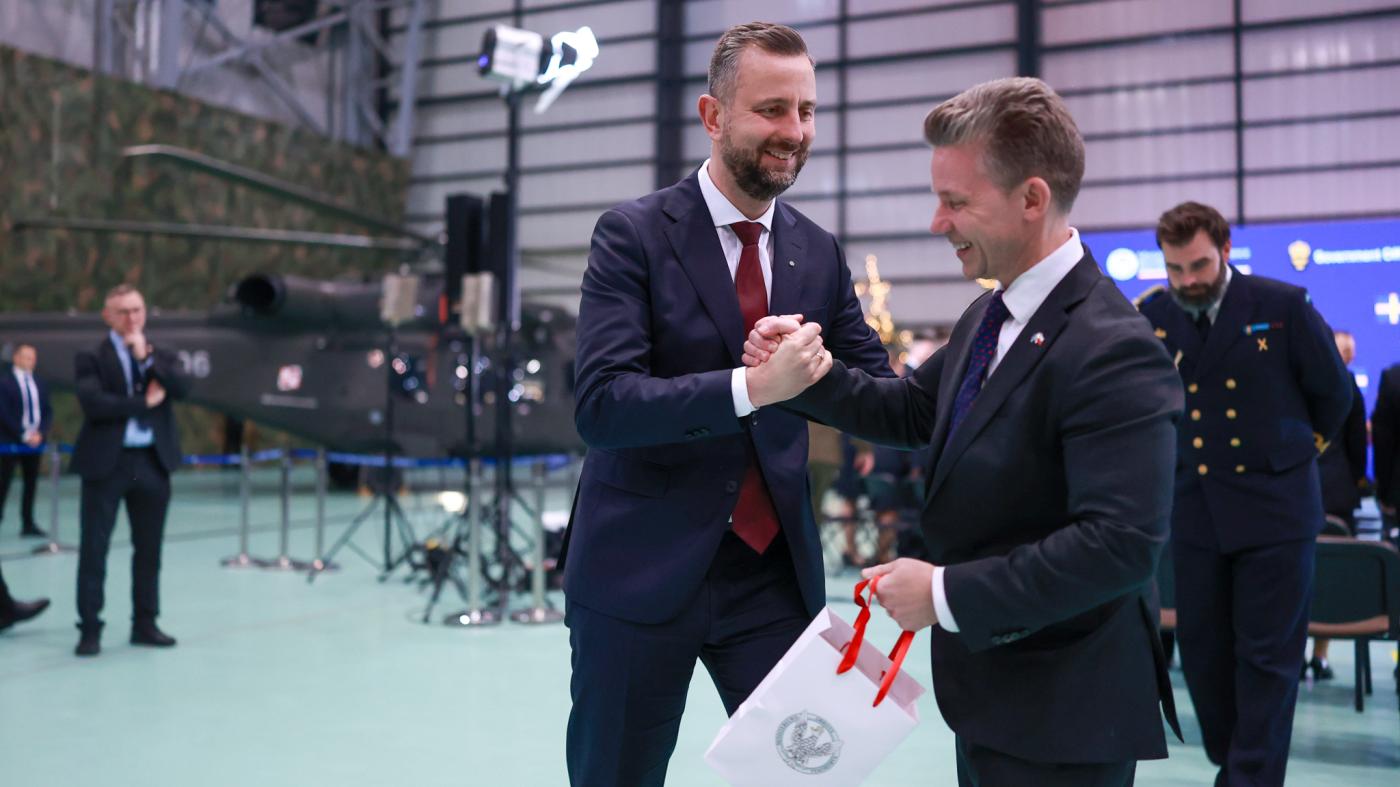
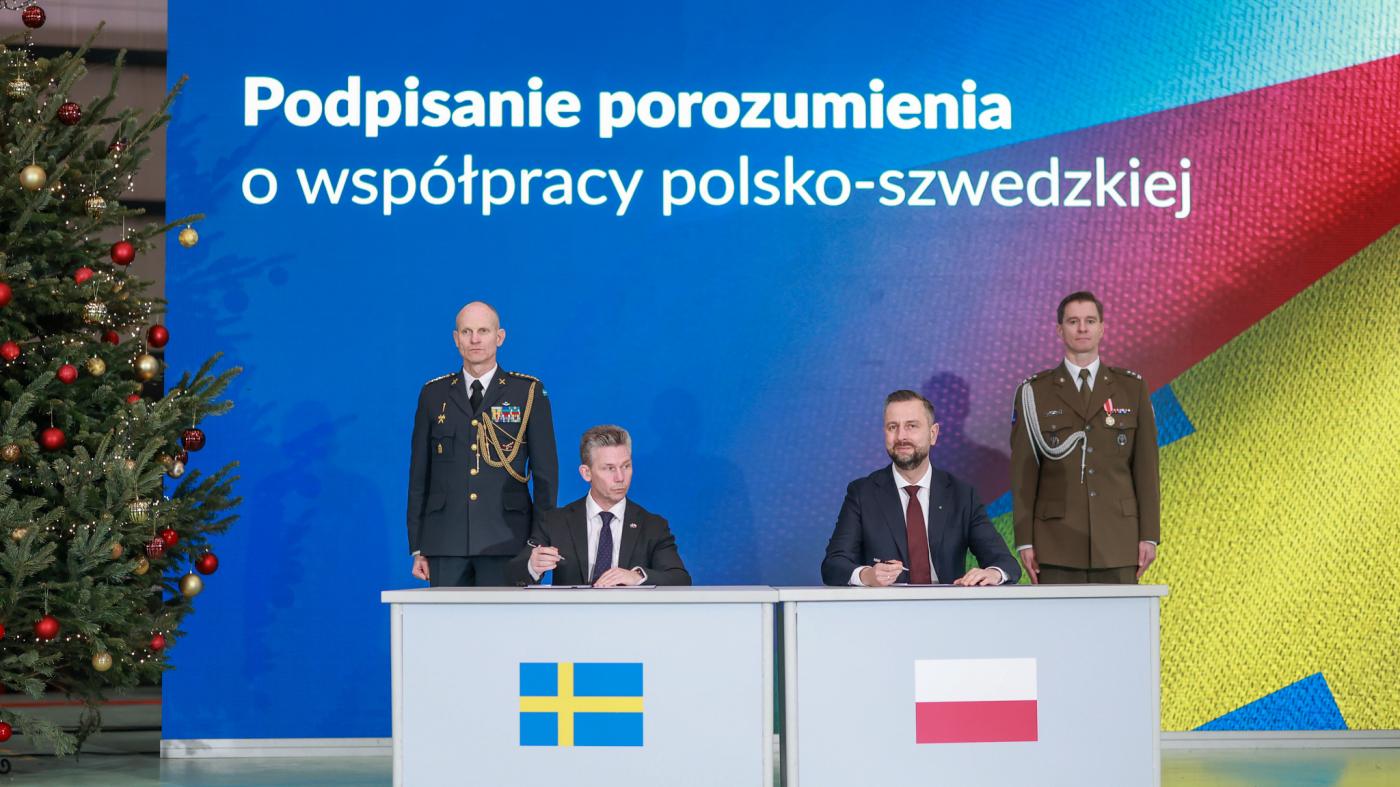
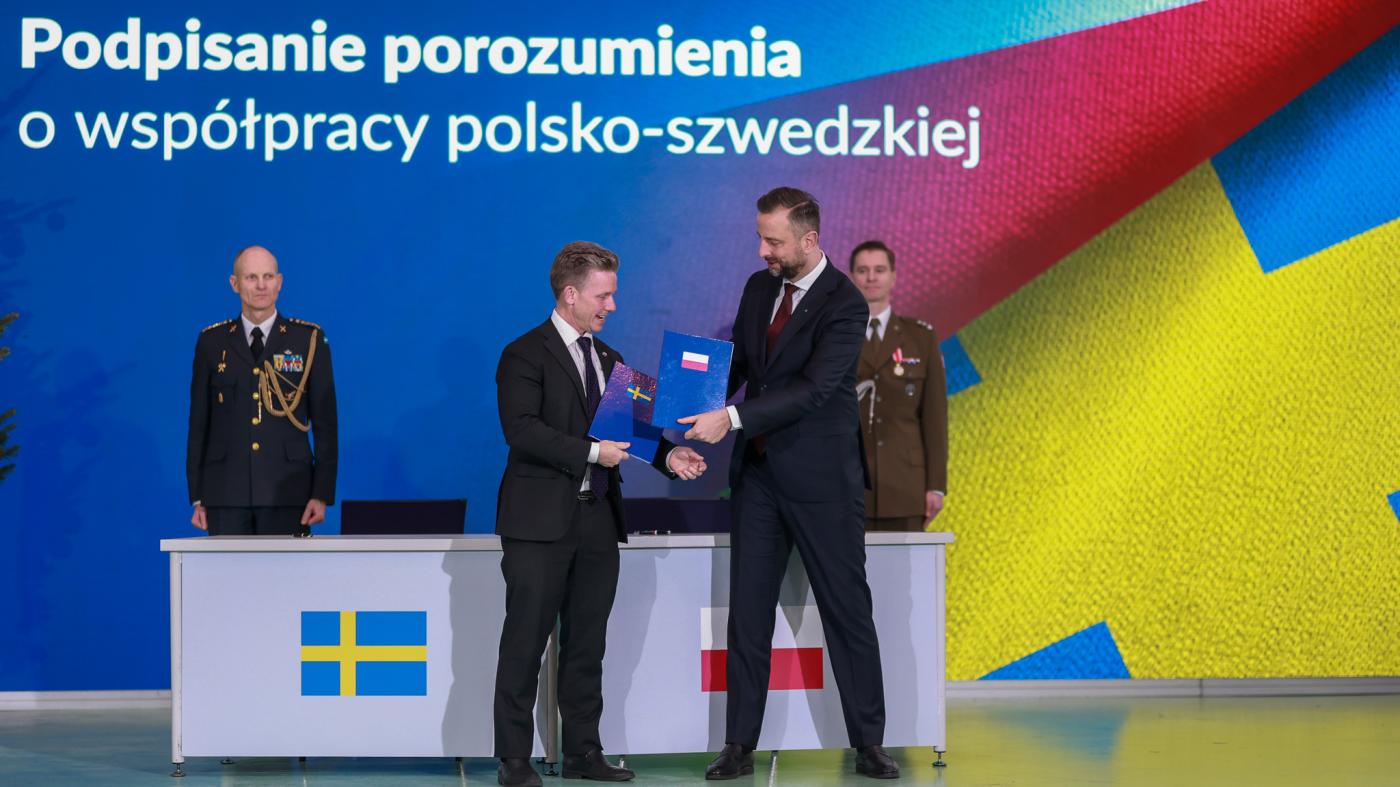
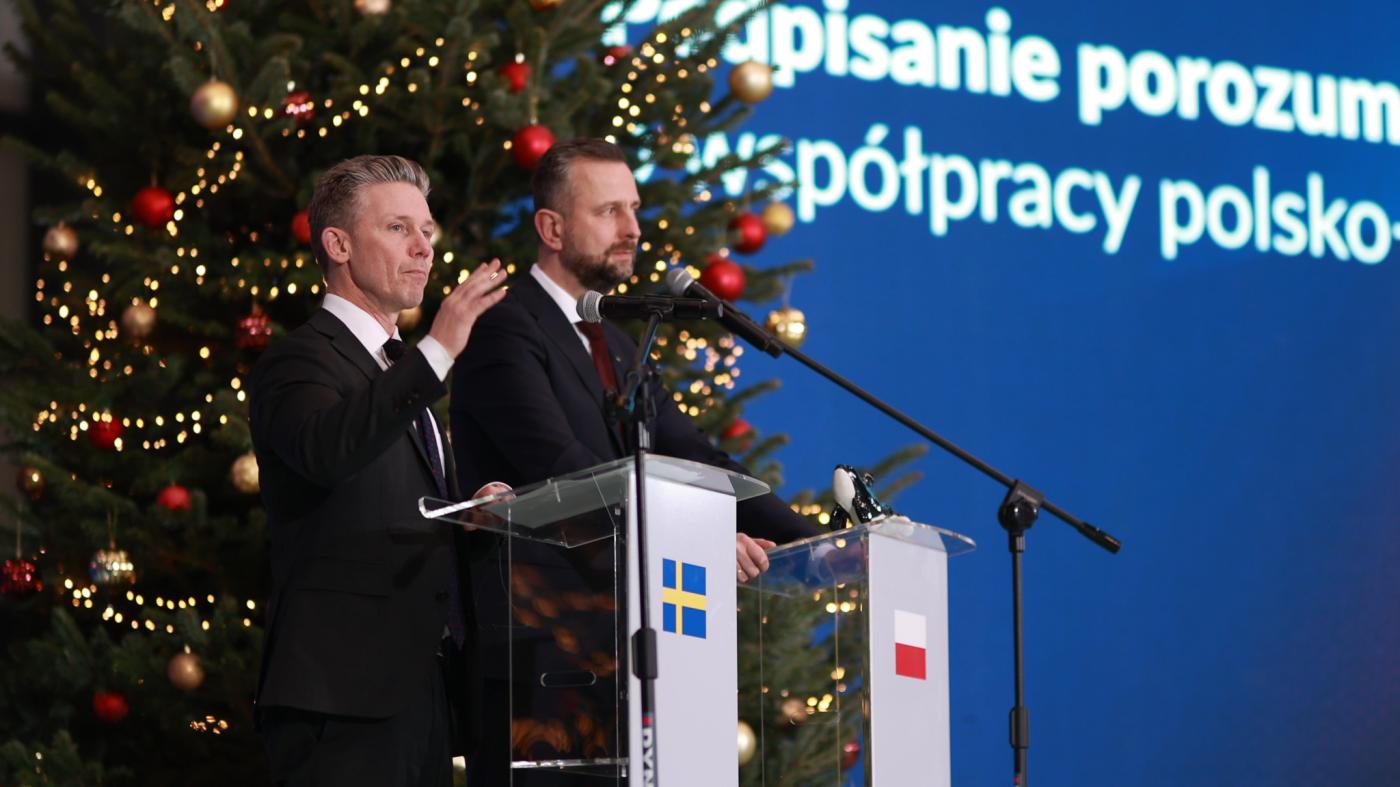
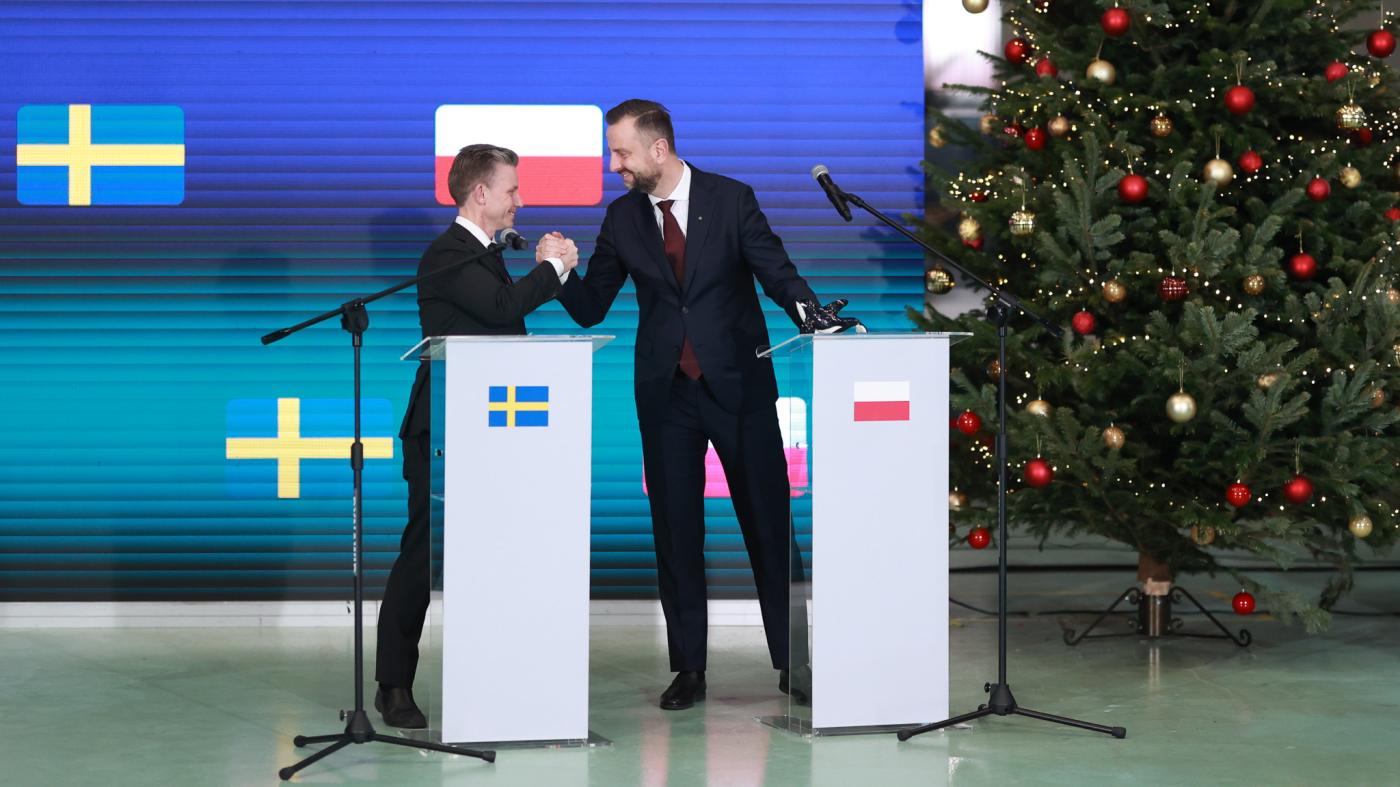
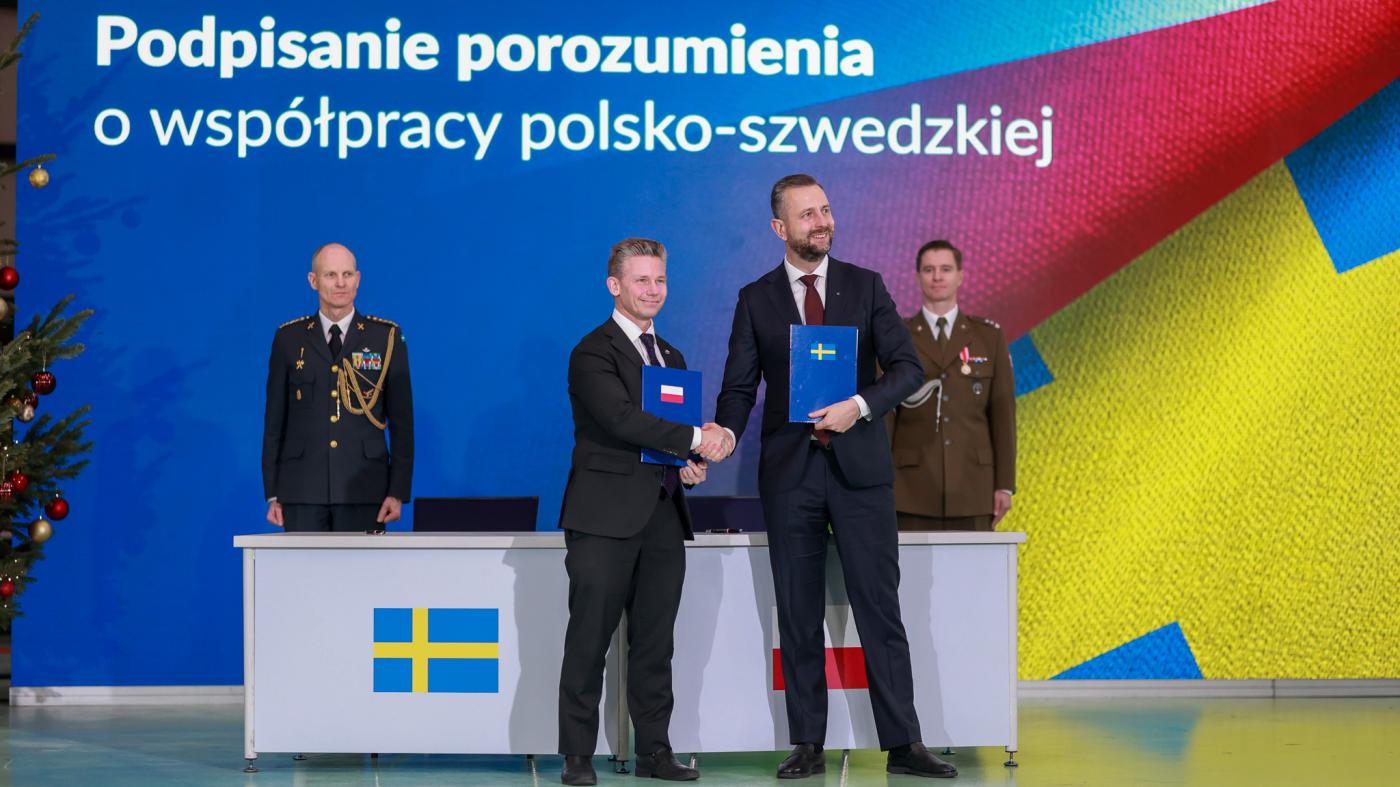
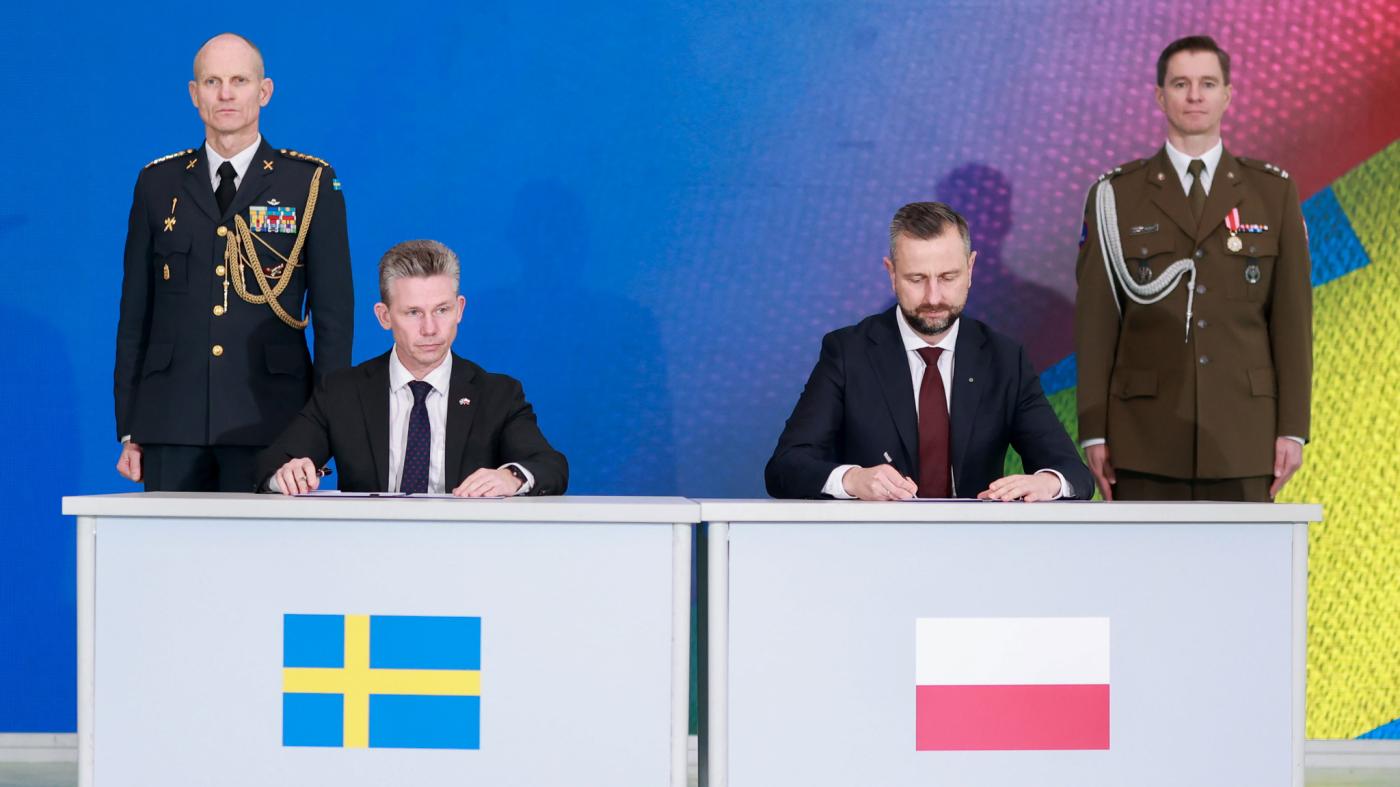
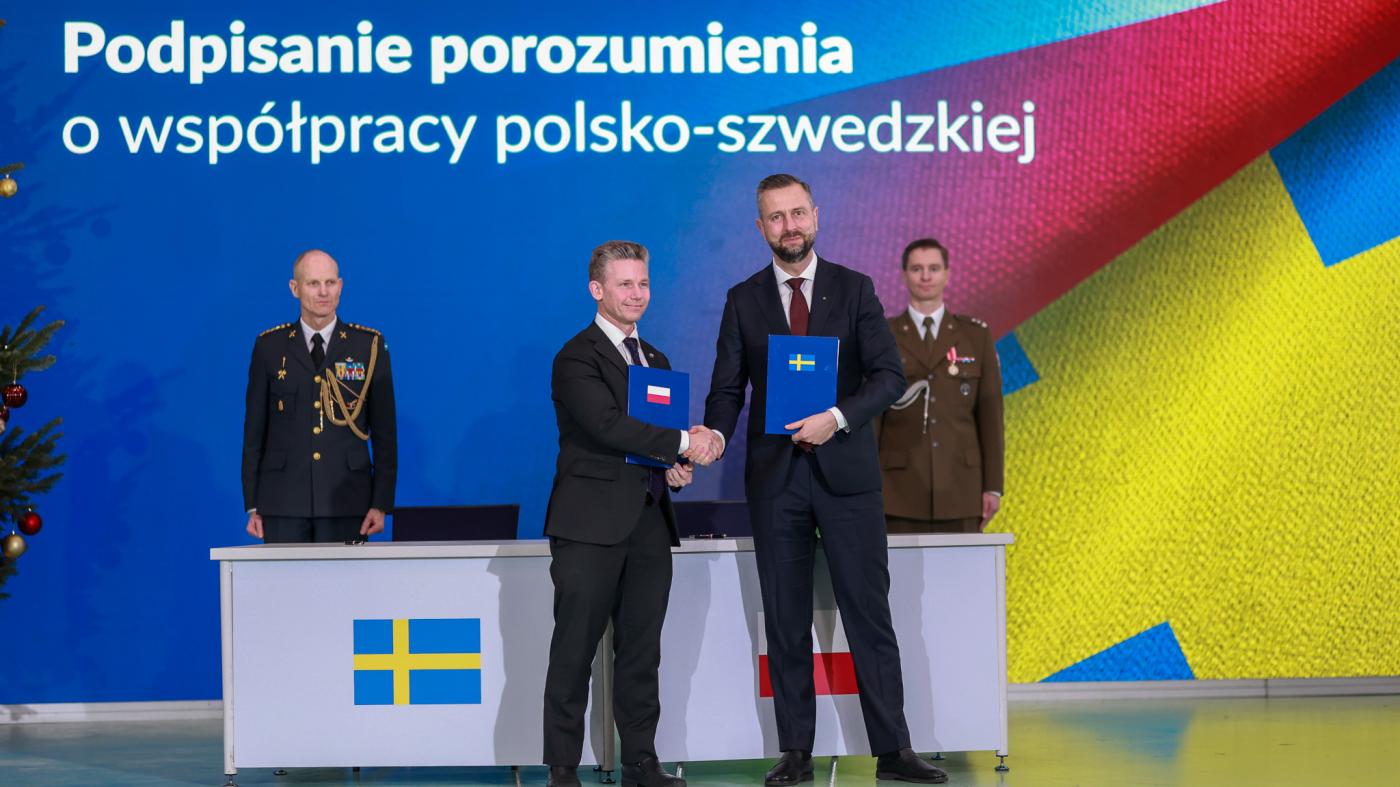
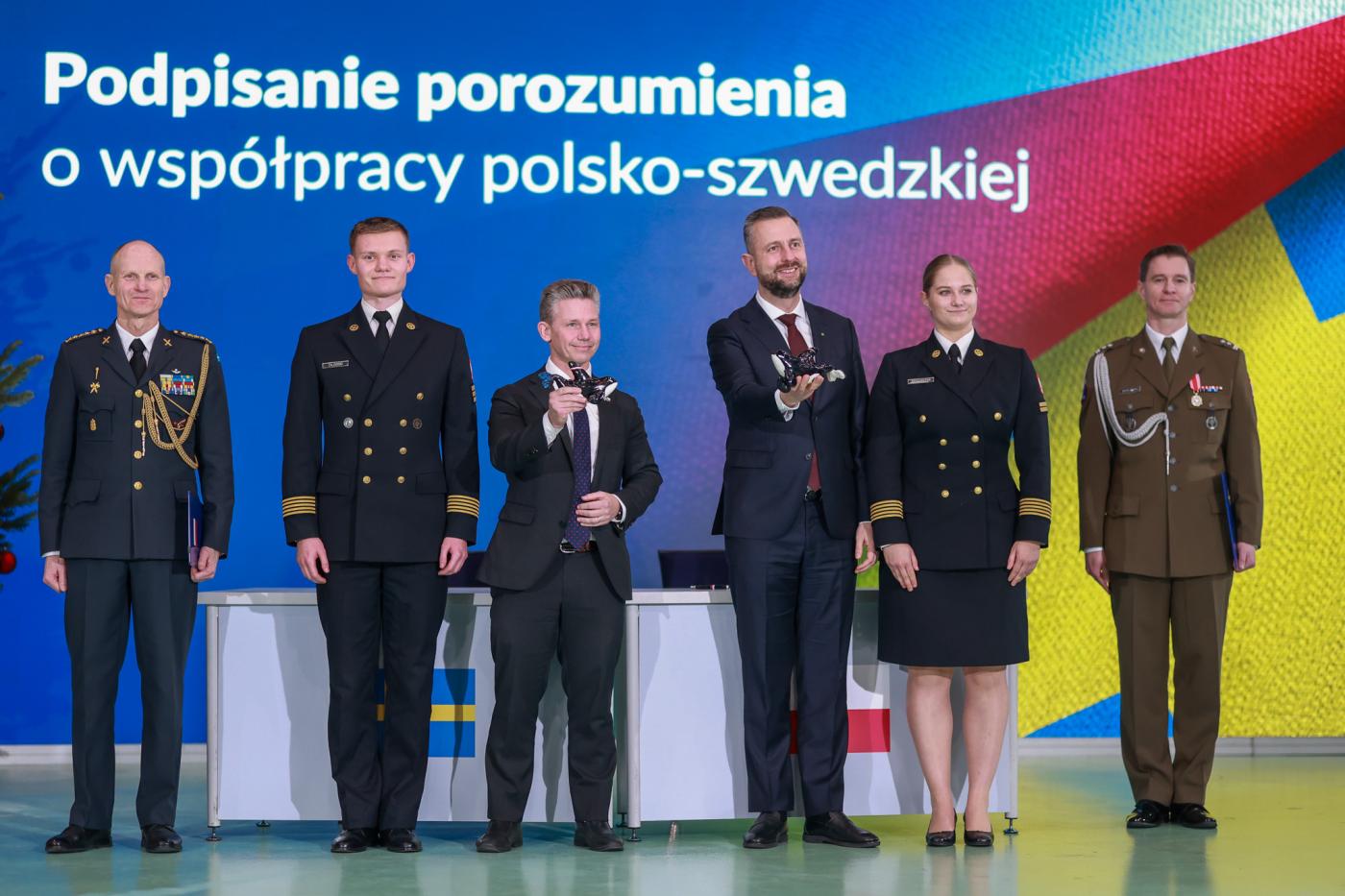
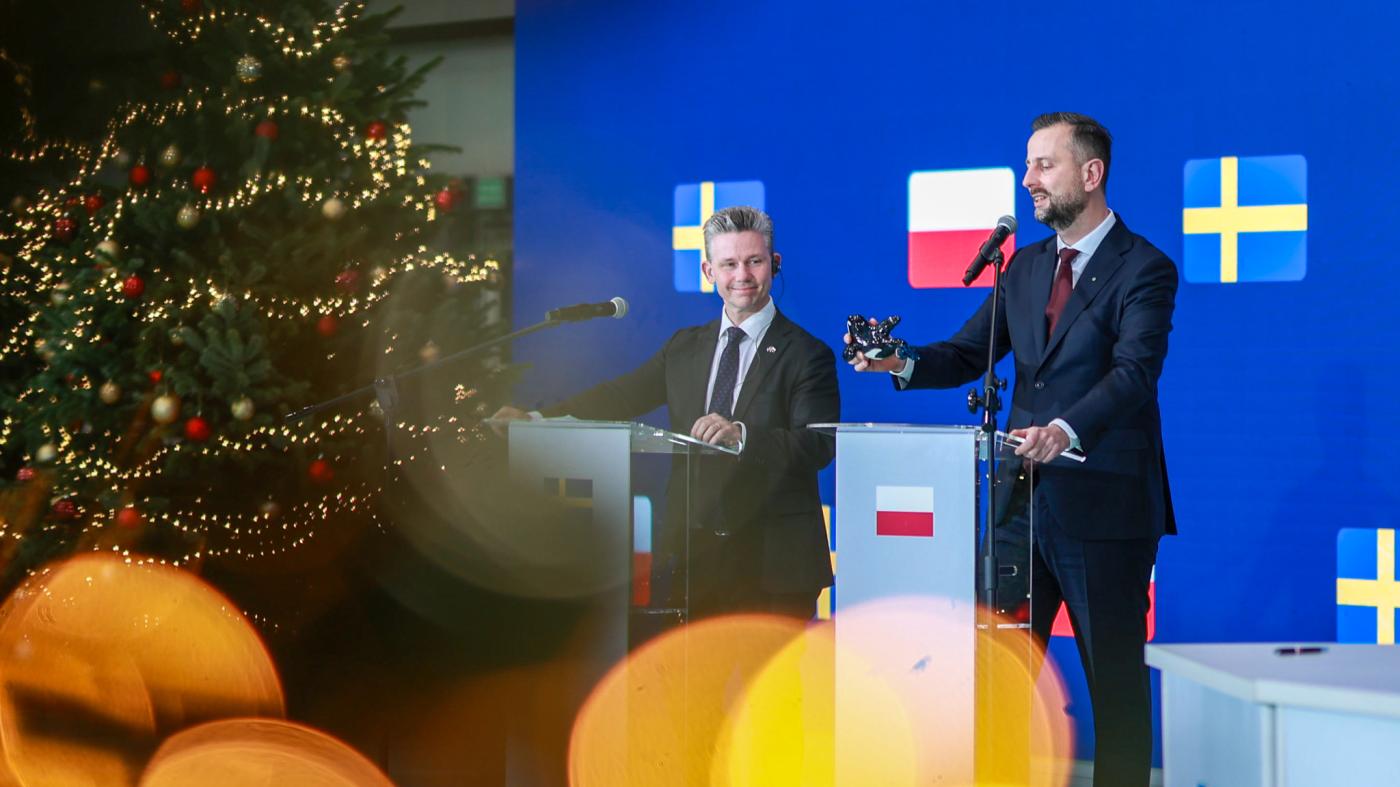
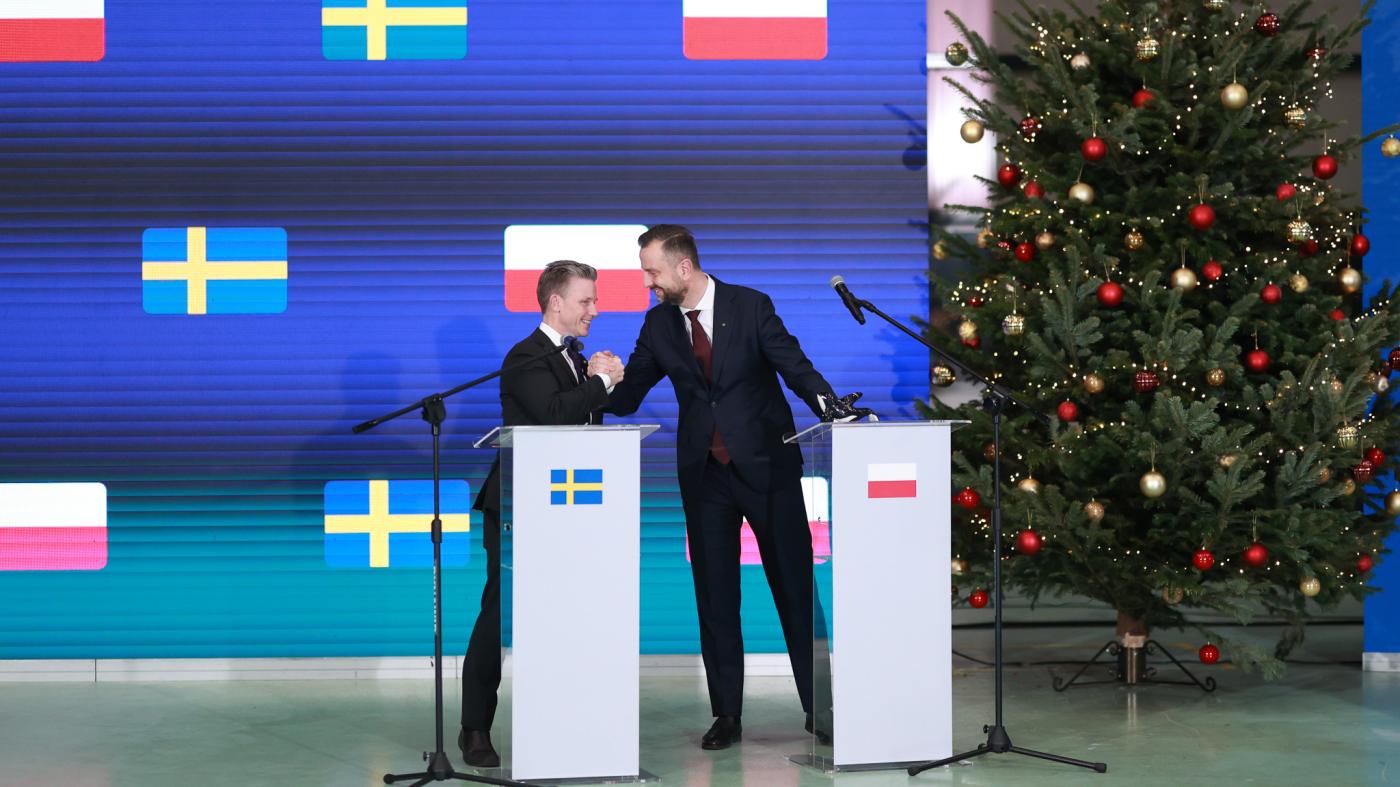
On 17 December 2025 in Warsaw, Poland and Sweden signed a memorandum of understanding (MoU) on cooperation related to the acquisition of submarines under Poland’s Orka programme. The document was signed by Poland’s deputy prime minister and minister of national defence, Władysław Kosiniak-Kamysz, and Sweden’s minister of defence, Pål Jonson. The agreement goes far beyond a traditional procurement contract and establishes the foundations for long-term military, technological and industrial cooperation in the Baltic Sea region.
security investments navy politics shipbuilding industry defense industry news17 december 2025 | 22:49 | Source: Gazeta Morska | Prepared by: Oskar Wojciechowski | Print

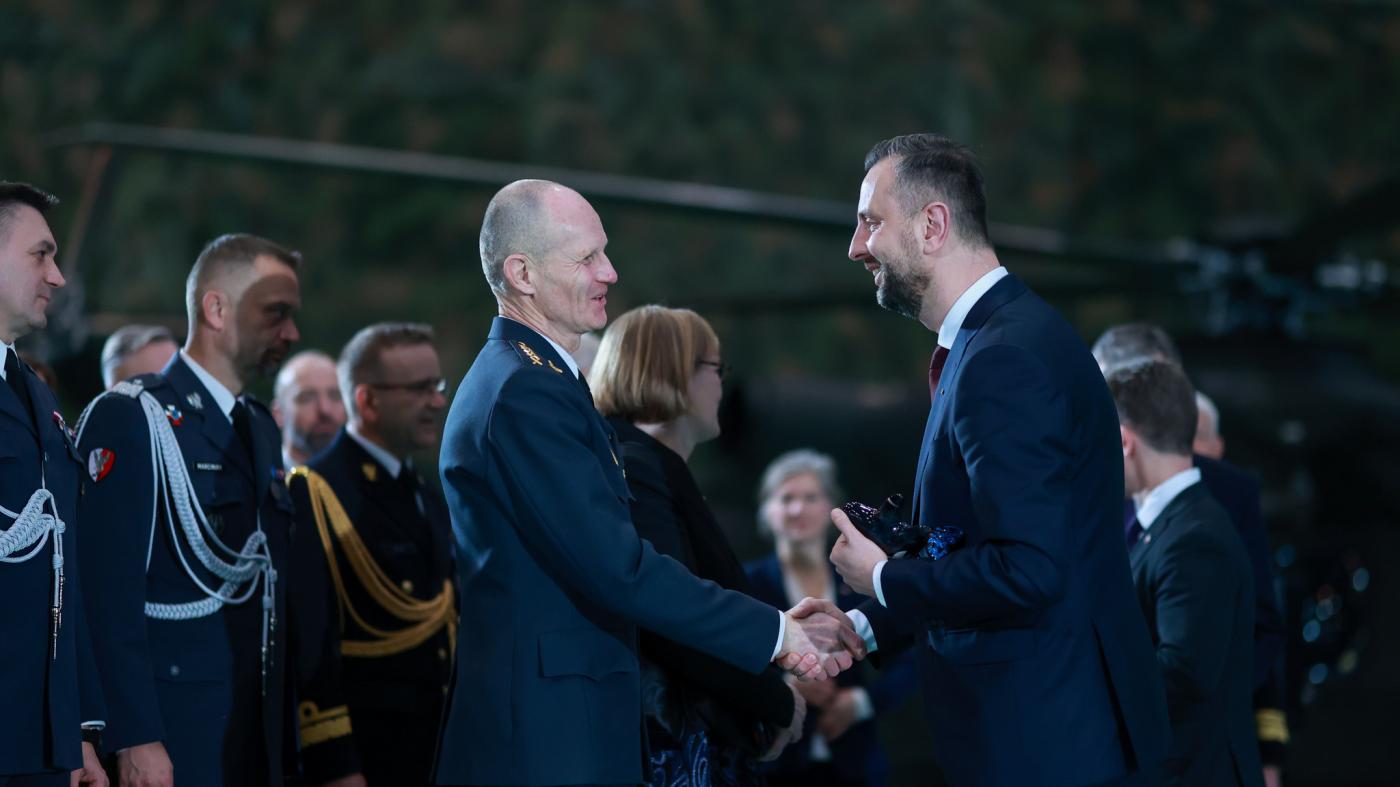
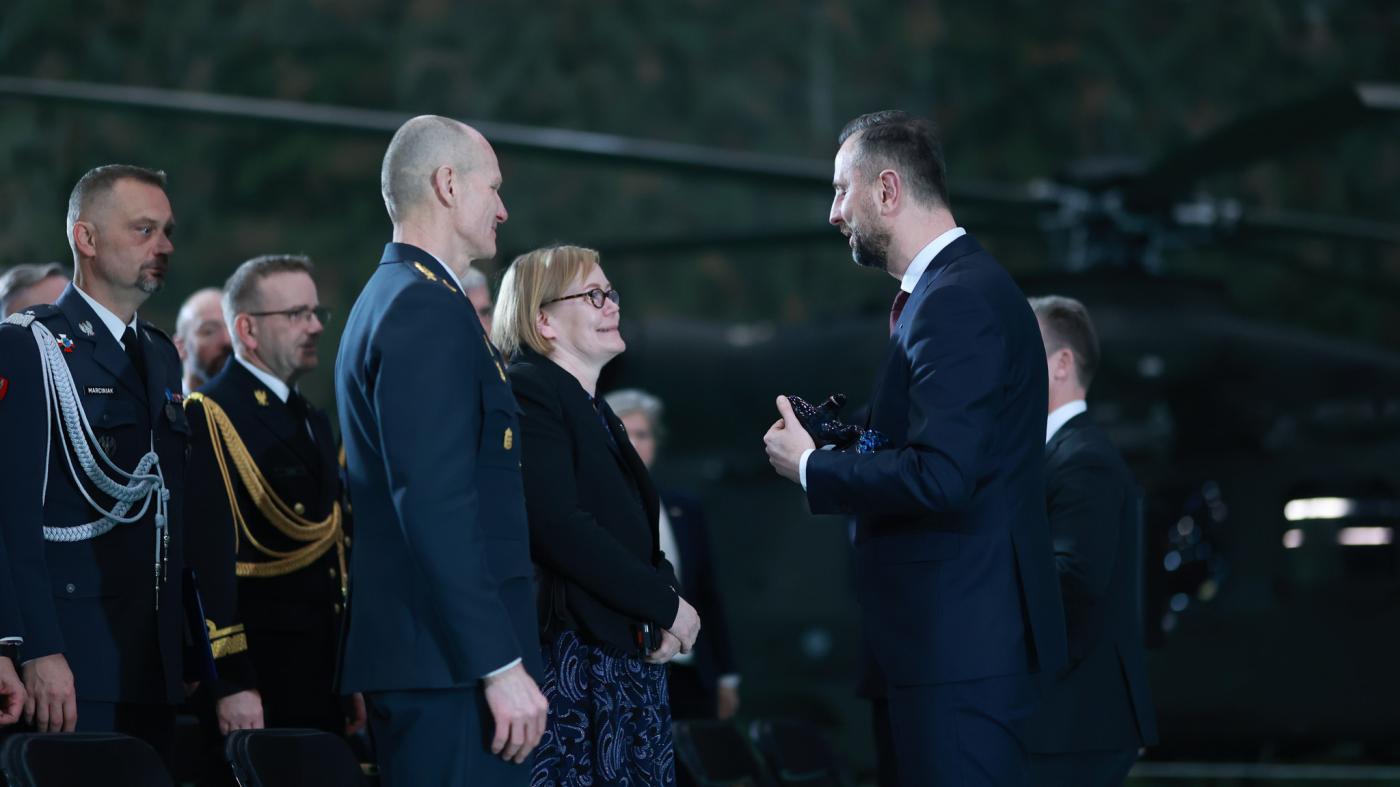
fot. Krzysztof Niedziela / MON
As emphasised by the Polish minister of national defence, the MoU is not limited to the renewal of Poland’s submarine fleet.
- What we are talking about is also an exchange of technological thought, technology transfer and equipment. This is not merely a change in the face of the navy. It is about building a new security architecture in the Baltic Sea, Kosiniak-Kamysz stated after the signing.
A strategic choice under the Orka programme
The signing of the MoU follows the decision announced on 26 November 2025, when the Swedish offer was selected as Poland’s preferred option in the Orka submarine programme. Sweden proposed three next-generation A26 submarines, with delivery of the first unit declared by 2030, complemented by an interim “gap-filler” solution in the form of a leased A17-class submarine. Training of Polish crews is scheduled to begin in 2026, with the handover of the interim submarine planned for 2027.
The MoU defines the key framework for the future contract, including the number of submarines, delivery timelines and the scope of the overall acquisition. The procurement will be comprehensive, covering not only the A26 platforms themselves but also dedicated weapons, logistics support and full life-cycle sustainment.
Technology transfer and the role of Polish industry
A central pillar of the MoU is extensive technology transfer and the deep involvement of the Polish defence industry. With the participation of Polish companies, the Swedish government foresees investments in Polish shipyards and the development in Poland of capabilities for maintenance, repair and overhaul of submarines and their dedicated weapon systems throughout the entire life cycle.
According to minister Kosiniak-Kamysz, Sweden also plans to seek and utilise Polish technological solutions for the Swedish armed forces.
- This is a great honour and of immense importance, also personally for me, to be a signatory of this agreement on behalf of the Polish state, he said.
Importantly, the MoU includes a commitment by the Swedish side to integrate Polish defence companies into the production chain for weapons intended for the Swedish armed forces. This opens the way for Polish components and subsystems to be used in Swedish defence platforms, enhancing the competitiveness and international exposure of Poland’s defence-industrial base.
Building on proven bilateral defence cooperation
The submarine agreement builds upon a long-standing and steadily expanding defence relationship between Poland and Sweden. Previous examples of successful cooperation include the acquisition by Poland of Carl Gustaf M4 recoilless rifles, Saab 340 AEW airborne early warning aircraft, and Delfin electronic intelligence vessels.
The MoU confirms that this partnership is now entering a much more advanced stage, encompassing one of the most technologically complex and strategically sensitive military capabilities: undersea warfare.
Decision-making process and evaluation criteria
The memorandum is the result of an extensive analytical and decision-making process. On 17 September 2025, Poland’s council of ministers adopted an update on the status of the Orka programme. Subsequently, on 30 September 2025, the minister of national defence issued order no. 26, establishing a dedicated task force to develop recommendations for the acquisition of new-generation submarines.
The task force prepared a detailed information questionnaire addressing ten key evaluation criteria. These included the scope of technology transfer, localisation of capabilities within the Polish defence industry, opportunities for Polish products to be offered to the partner nation’s armed forces and industry, as well as training, logistics and long-term support arrangements.
A new chapter for the Polish navy
The signing of the MoU marks a new chapter for the Polish navy and the long-awaited Orka programme, which for years has been one of Poland’s most critical yet delayed naval modernisation efforts. Cooperation with Sweden—based on shared security interests in the Baltic Sea—offers Poland not only a path to restoring its submarine capabilities, but also a chance to significantly strengthen its domestic industrial and technological base.
If the provisions of the memorandum are implemented as planned, the Orka programme could become a flagship example of a modern, partnership-based approach to defence procurement—one that combines operational requirements with industrial development and meaningful technology transfer, contributing to a more resilient security architecture in the Baltic region.
see also
Buy us a coffee, and we’ll invest in great maritime journalism! Support Gazeta Morska and help us sail forward – click here!
Oskar Wojciechowski
redaktor
gallery

comments
Add the first comment
see also
"Let everyone know we will prevail". Poland’s armed forces set strategic course for 2026-2039
“Army 500” and strategic transformation: Poland sets the course for long-term deterrence and allied readiness
Medical evacuation from offshore vessel in the Baltic. Rescue 511 helicopter and m/s Huragan deployed
Karol Nawrocki: “The strength of the republic lies in its armed forces”. Security requires national unity
Human trafficking, money laundering, millions frozen. Successful operation by border guard and tax administration
Evening SAR operation in the Baltic. Two kitesurfers stranded offshore
Medical evacuation from sailing ship in Gdynia port. 17-year-old safely transported
Medical evacuation from Danish-flagged vessel Skoven off Łeba. Joint SAR operation in the Baltic Sea
Almost 2.5 million travellers cleared in 2025 by the Maritime Border Guard
Frontex officers train with Polish Maritime Border Guard
ADVERTISEMENT
ADVERTISEMENT