Maritime interoperability. Joint training of land forces and navy
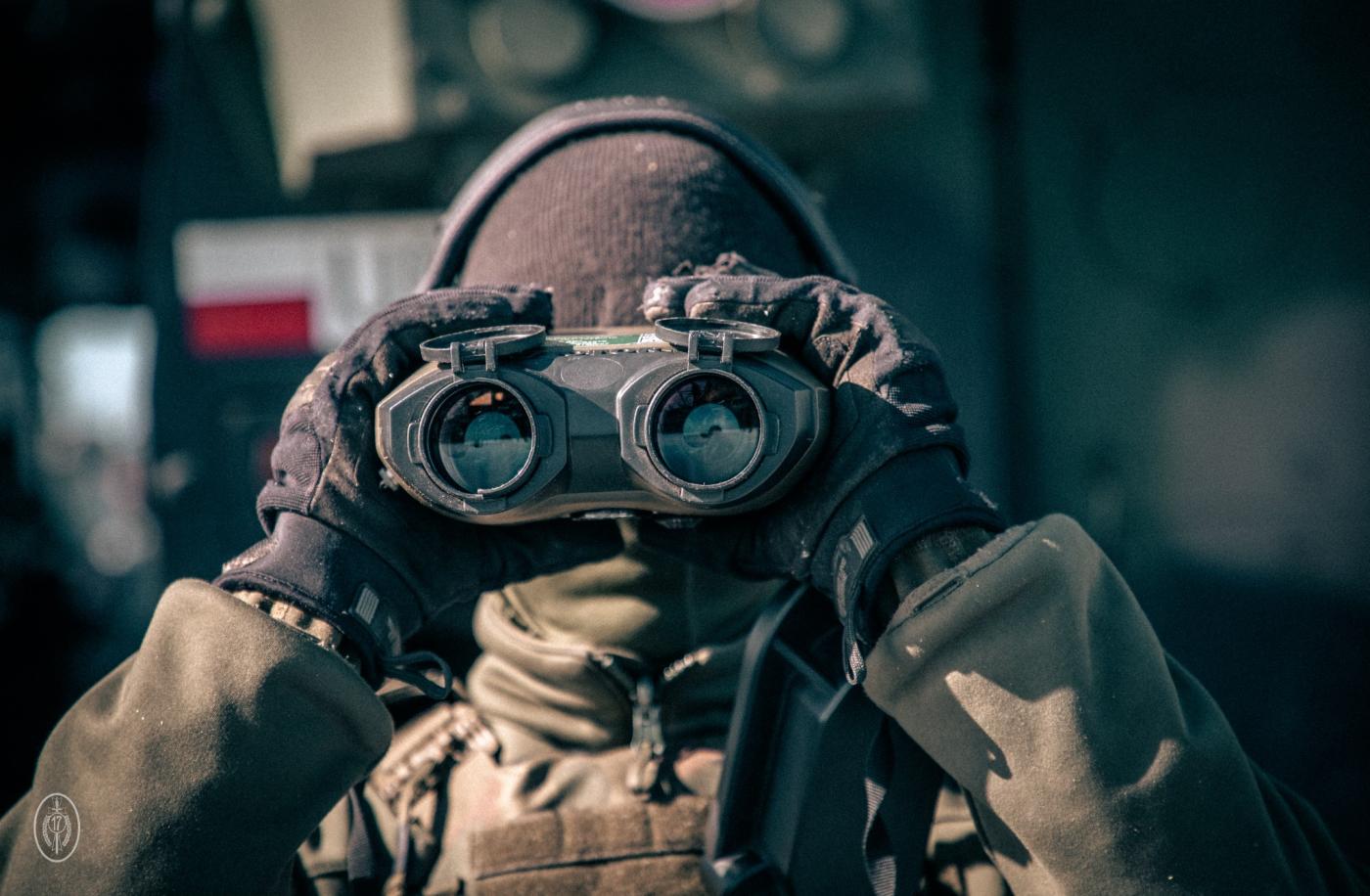
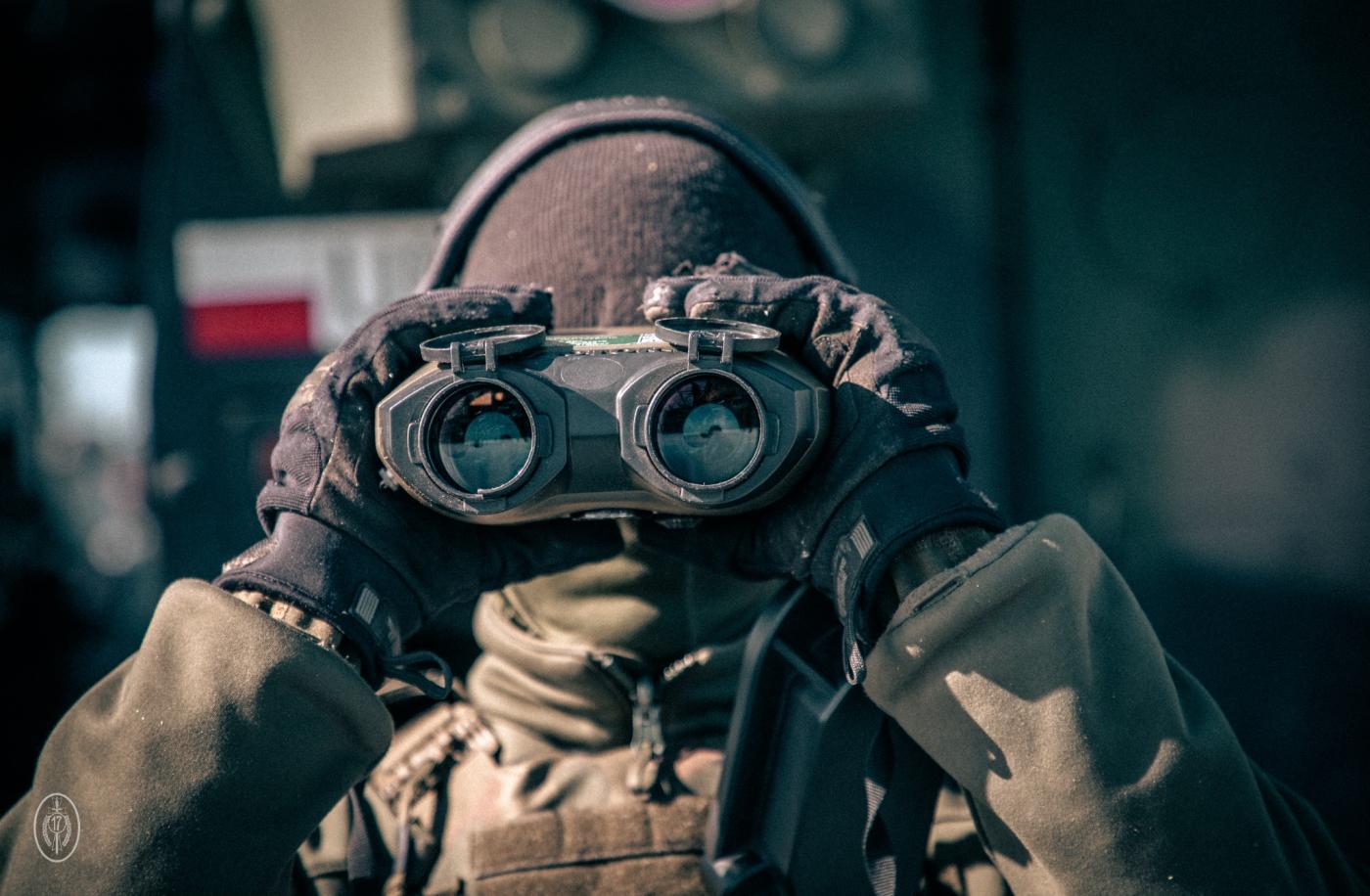
The integration of land and naval forces is a key element of modern military operations. This was demonstrated during the recent joint exercises of soldiers from the 17th mechanized brigade and sailors from the 8th coastal defense flotilla, which took place from March 17-19 at the naval port in Świnoujście and in the waters of the Pomeranian Bay.
navy nato news24 march 2025 | 13:59 | Source: Gazeta Morska | Prepared by: Kamil Kusier | Print
fot. 17 Wielkopolska Brygada Zmechanizowana
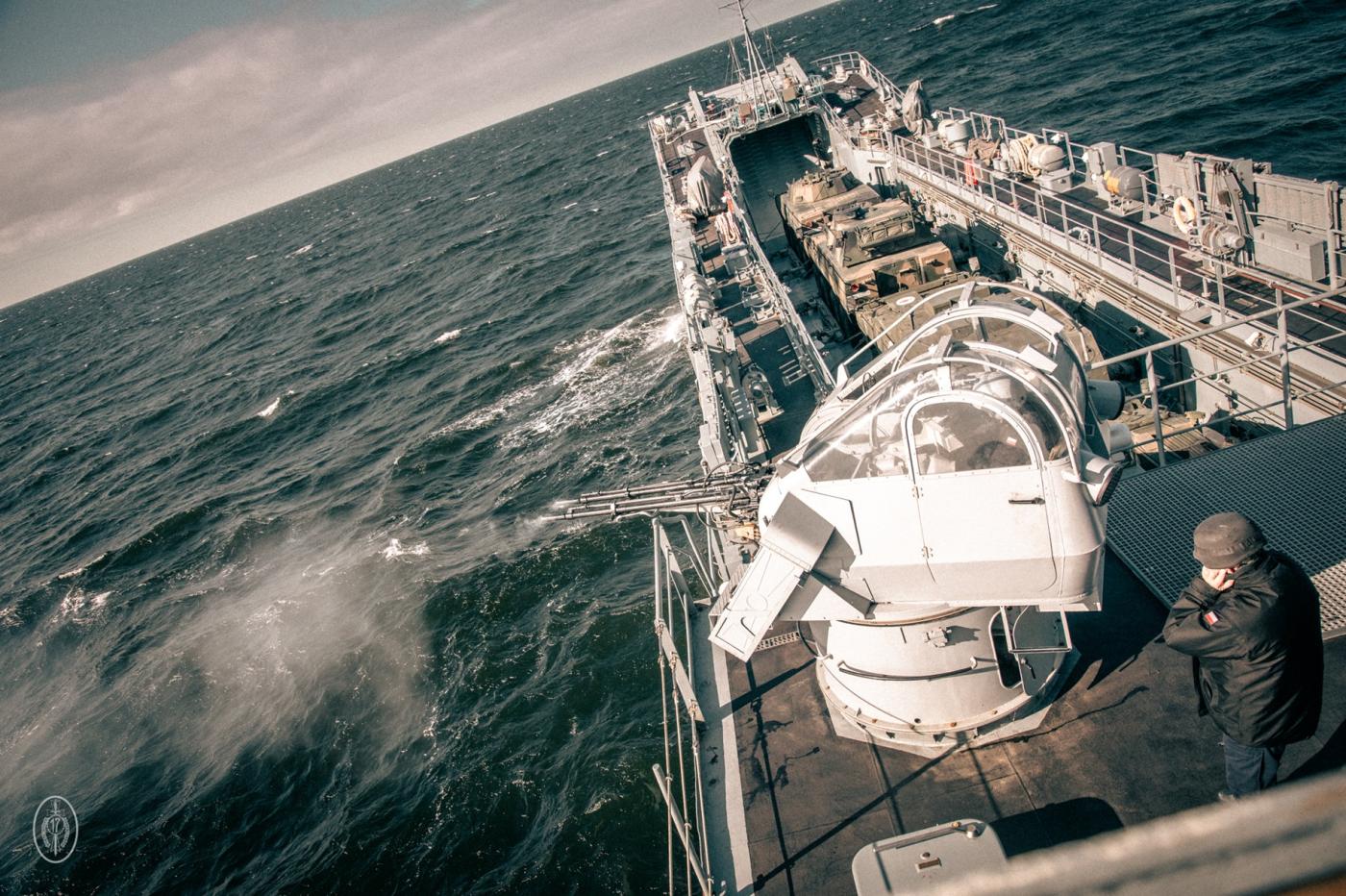
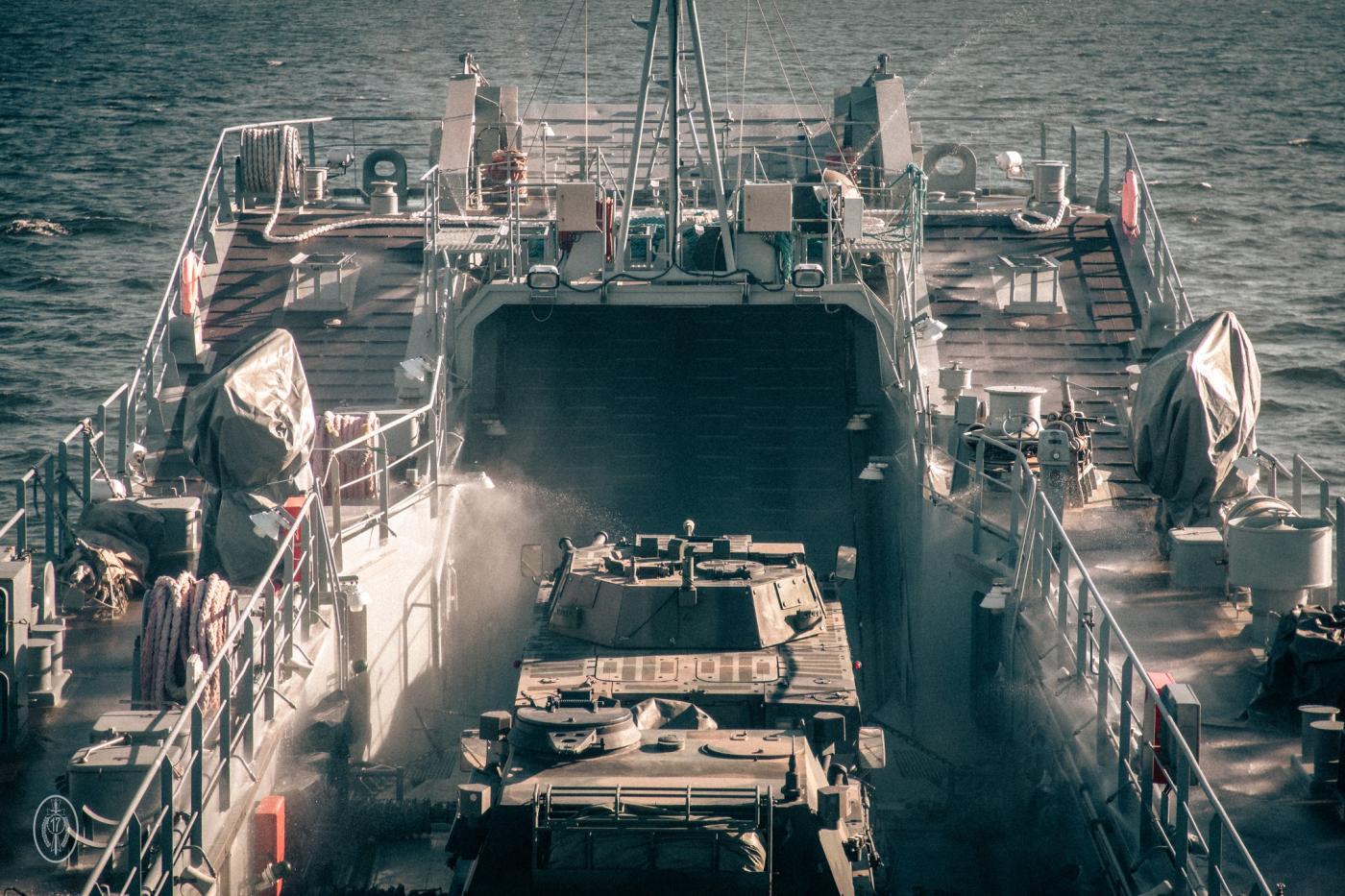
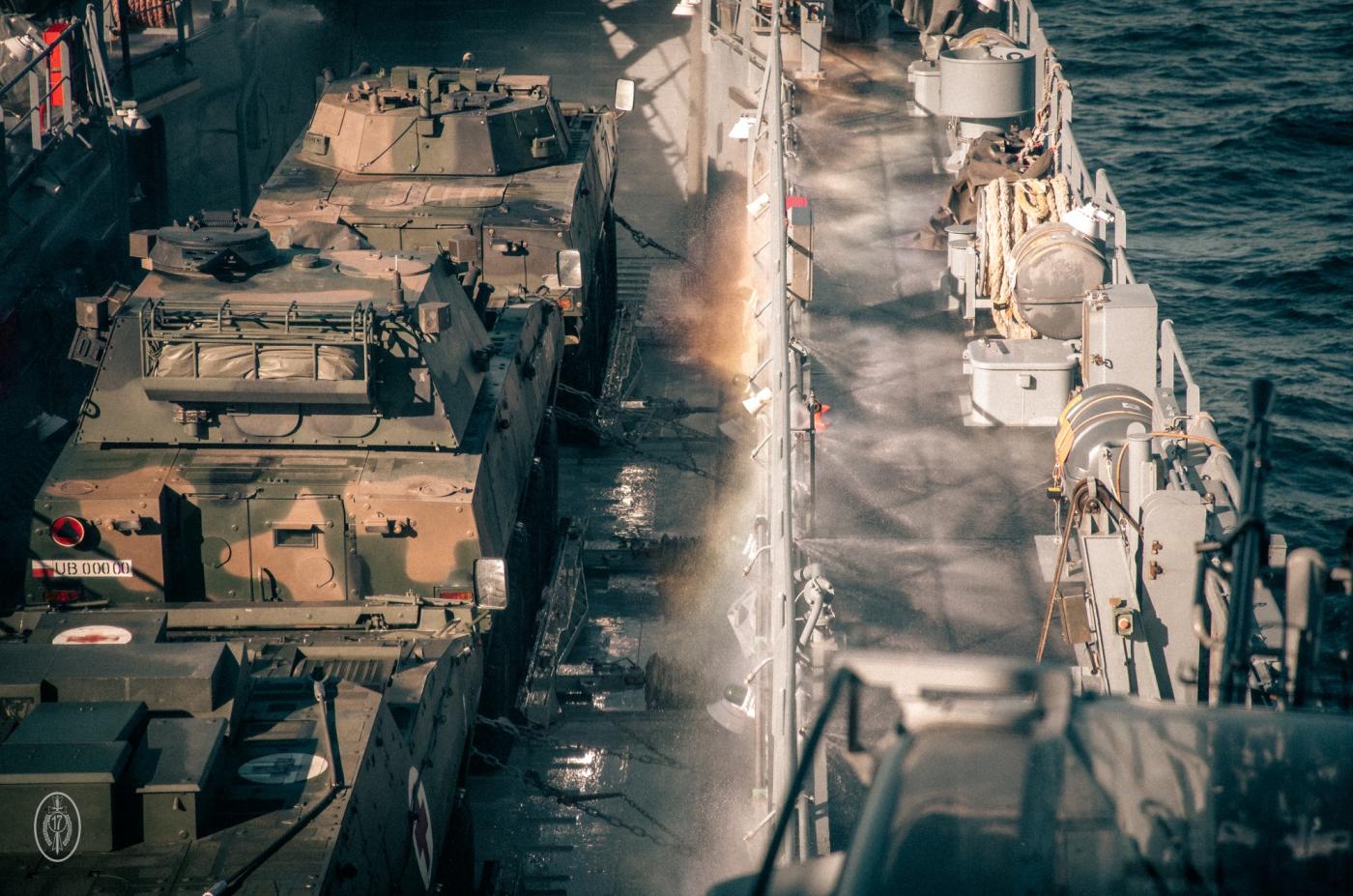
The primary objective of the maneuvers was to refine the procedures for loading and transporting Rosomak wheeled armored personnel carriers (KTO), Rak self-propelled mortars (KMO), and military medical evacuation vehicles (WEM) onto the transport and mine-laying ship ORP Toruń. Such training enables the verification of logistical options and enhances the efficiency of amphibious and transport operations.
Routine task for sailors, new experience for land forces
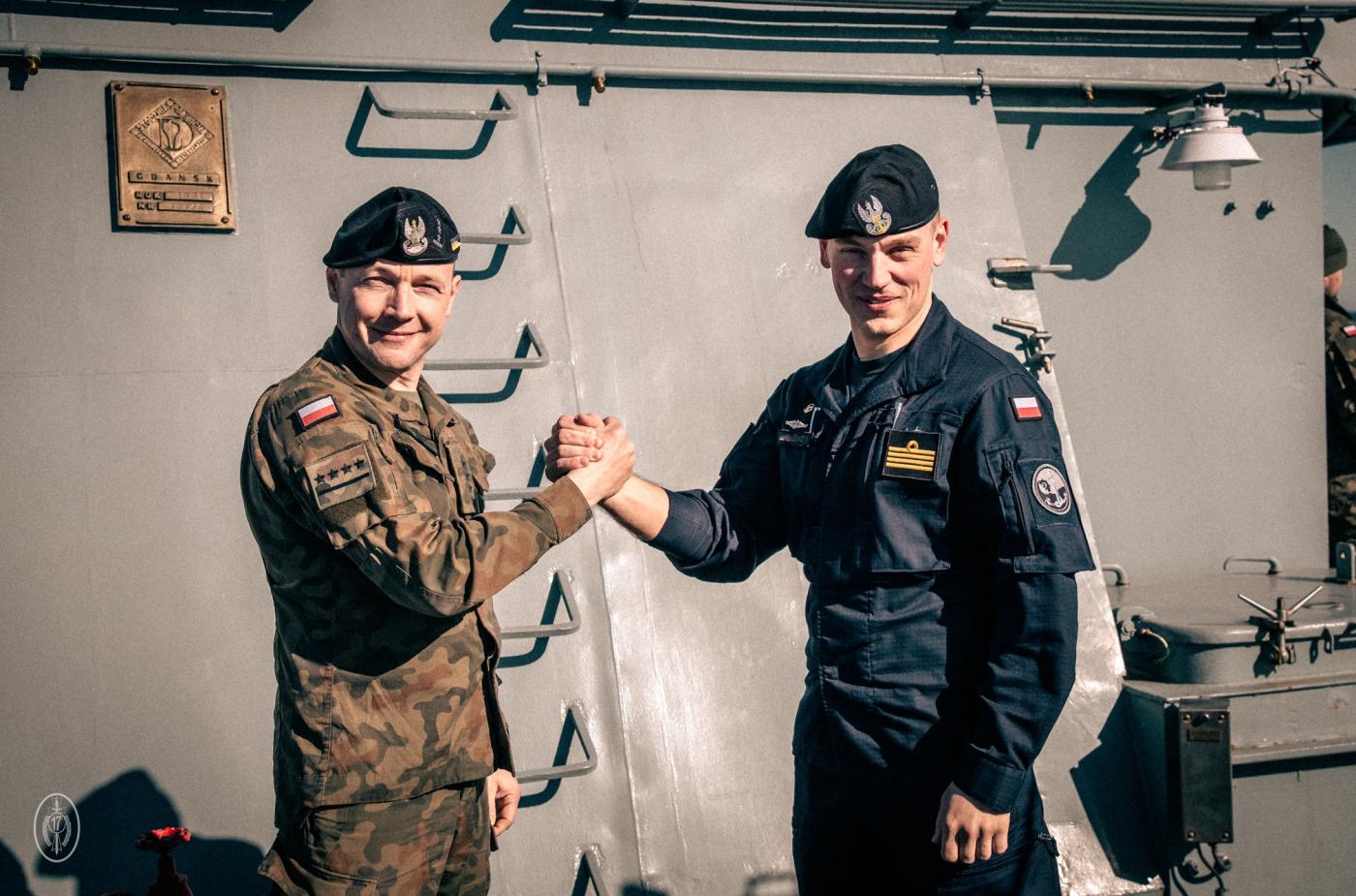
As captain Jarosław, deputy commander of the 2nd mechanized infantry battalion, emphasized, this was a valuable experience for land forces soldiers, significantly increasing their ability to conduct joint operations. The sailors, with extensive experience in naval operations, acted as instructors and coordinators for the loading and securing process of vehicles in compliance with safety standards.
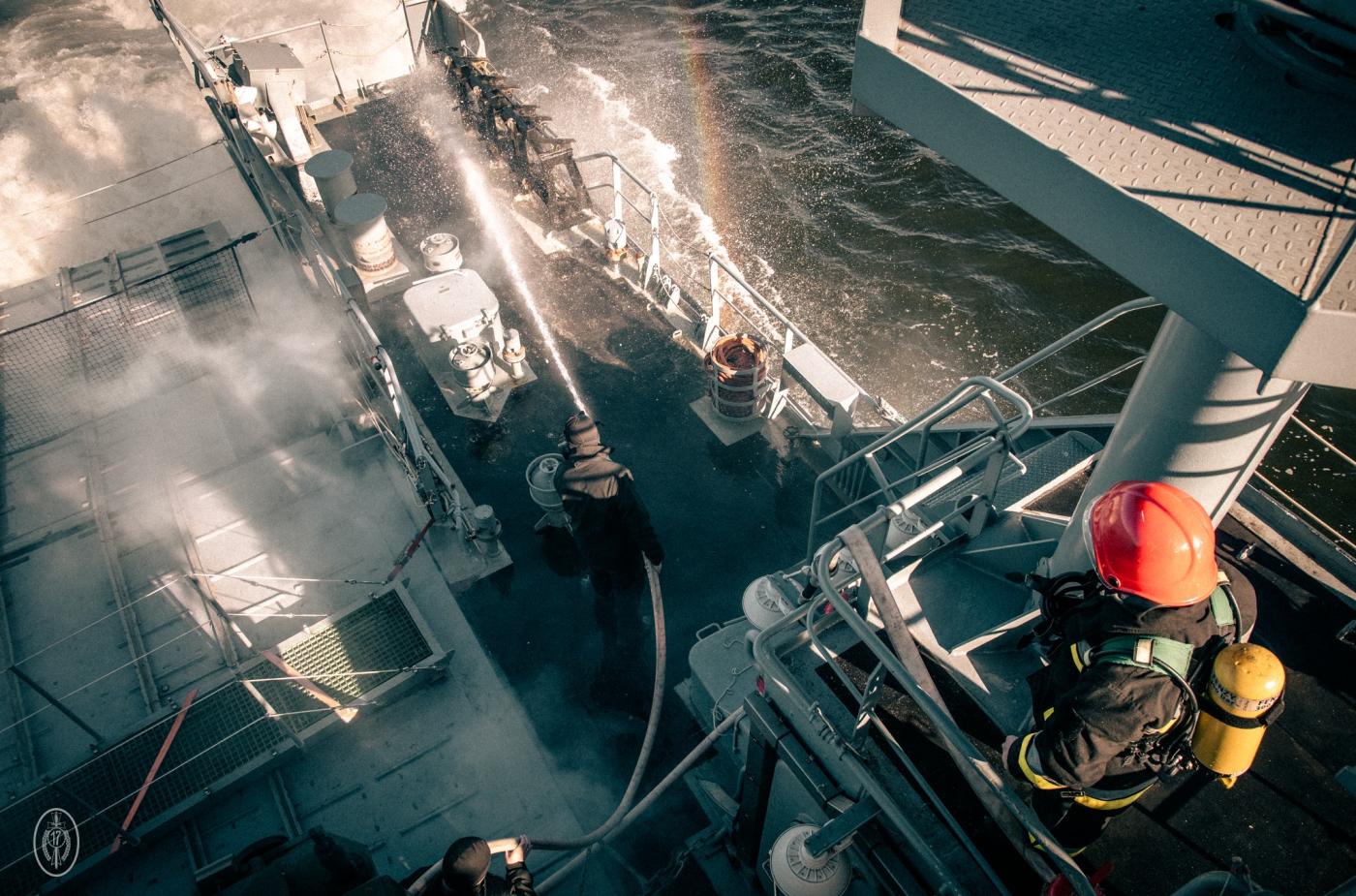
Following the loading procedures, soldiers of the 17th mechanized brigade underwent intensive training on naval operations, maritime safety, and basic rescue procedures at sea. After departing from Świnoujście, ORP Toruń set course for the Pomeranian Bay, where advanced tactical scenarios were carried out over three days.
Combat training at sea
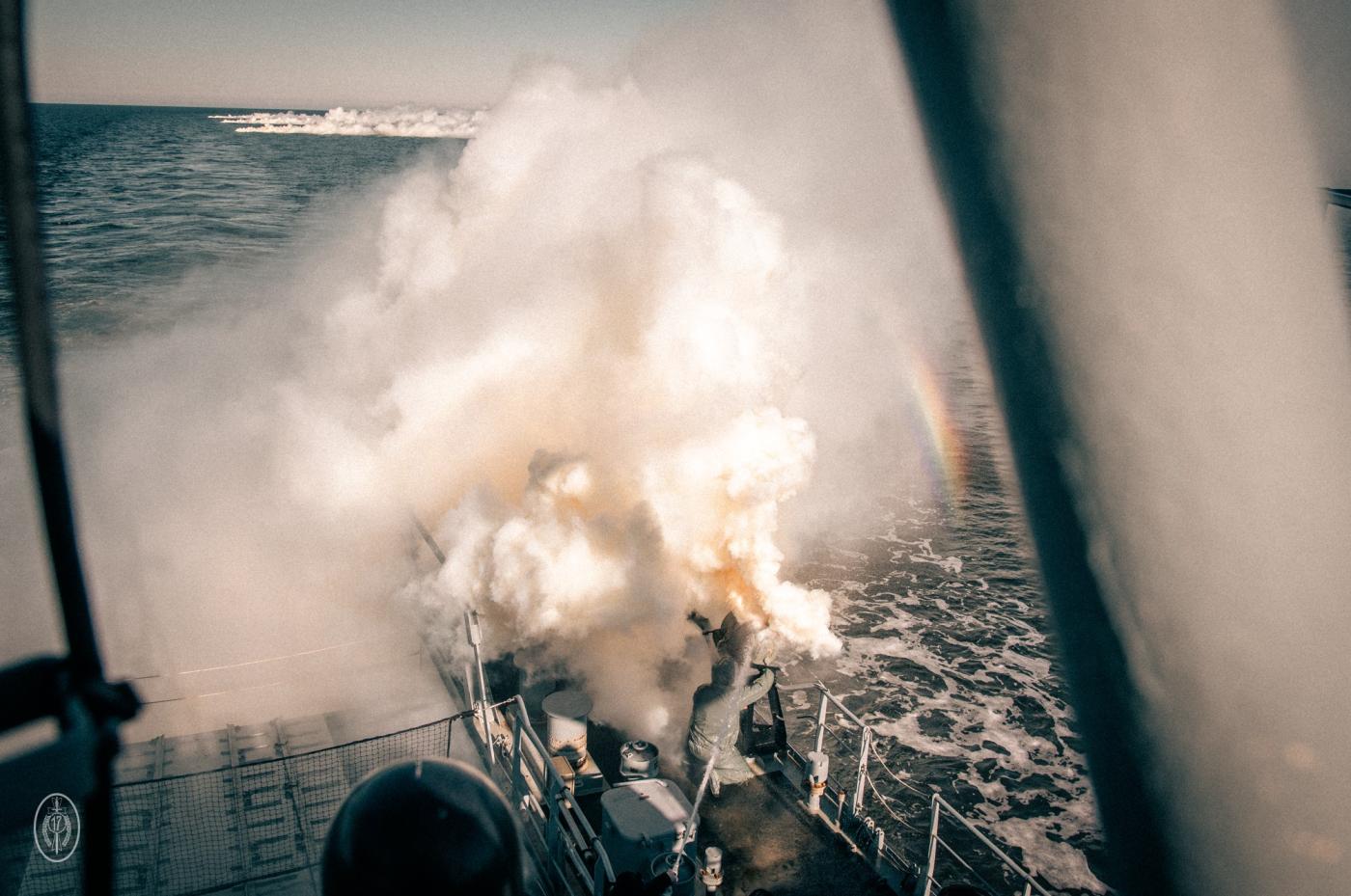
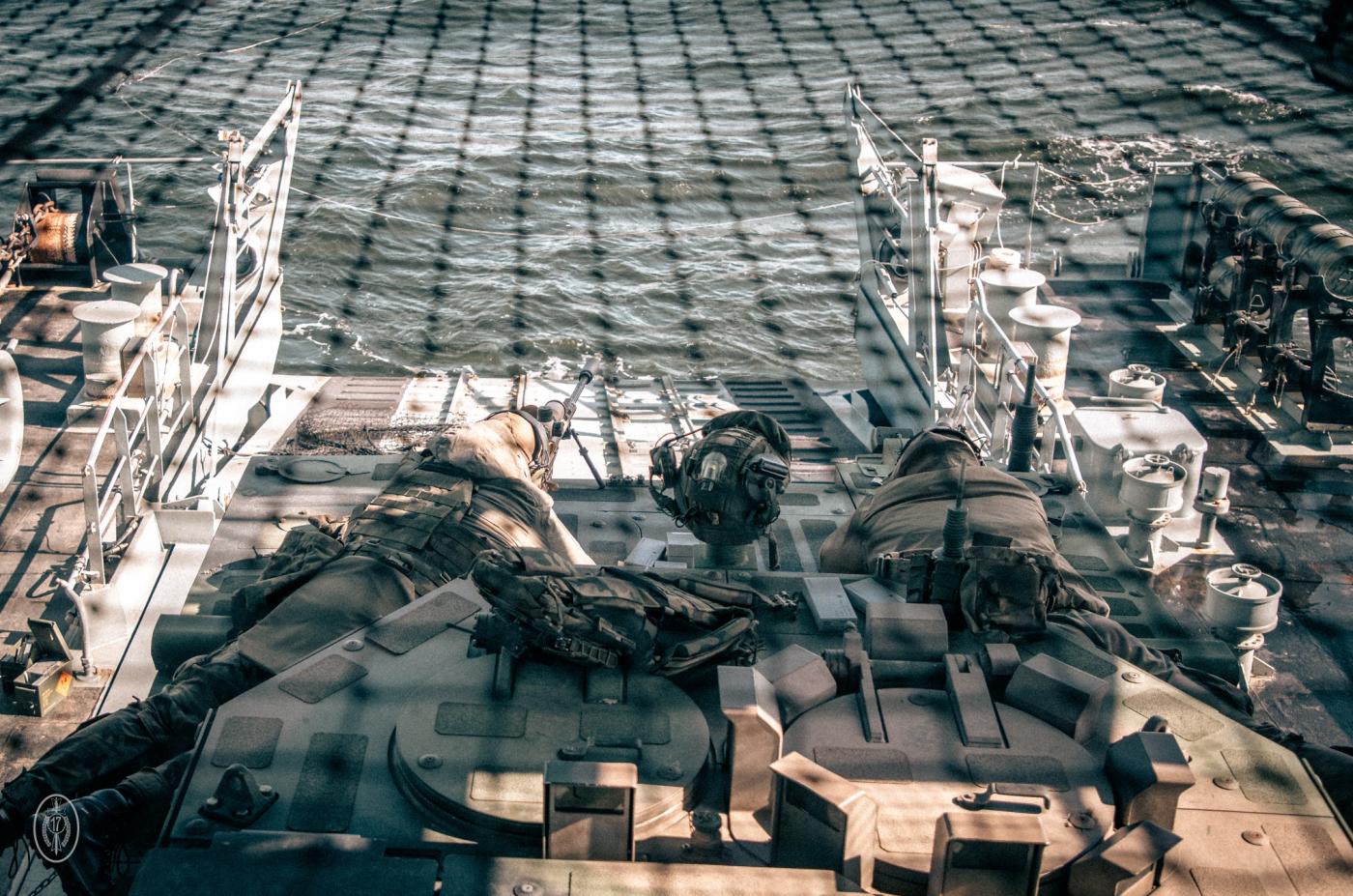
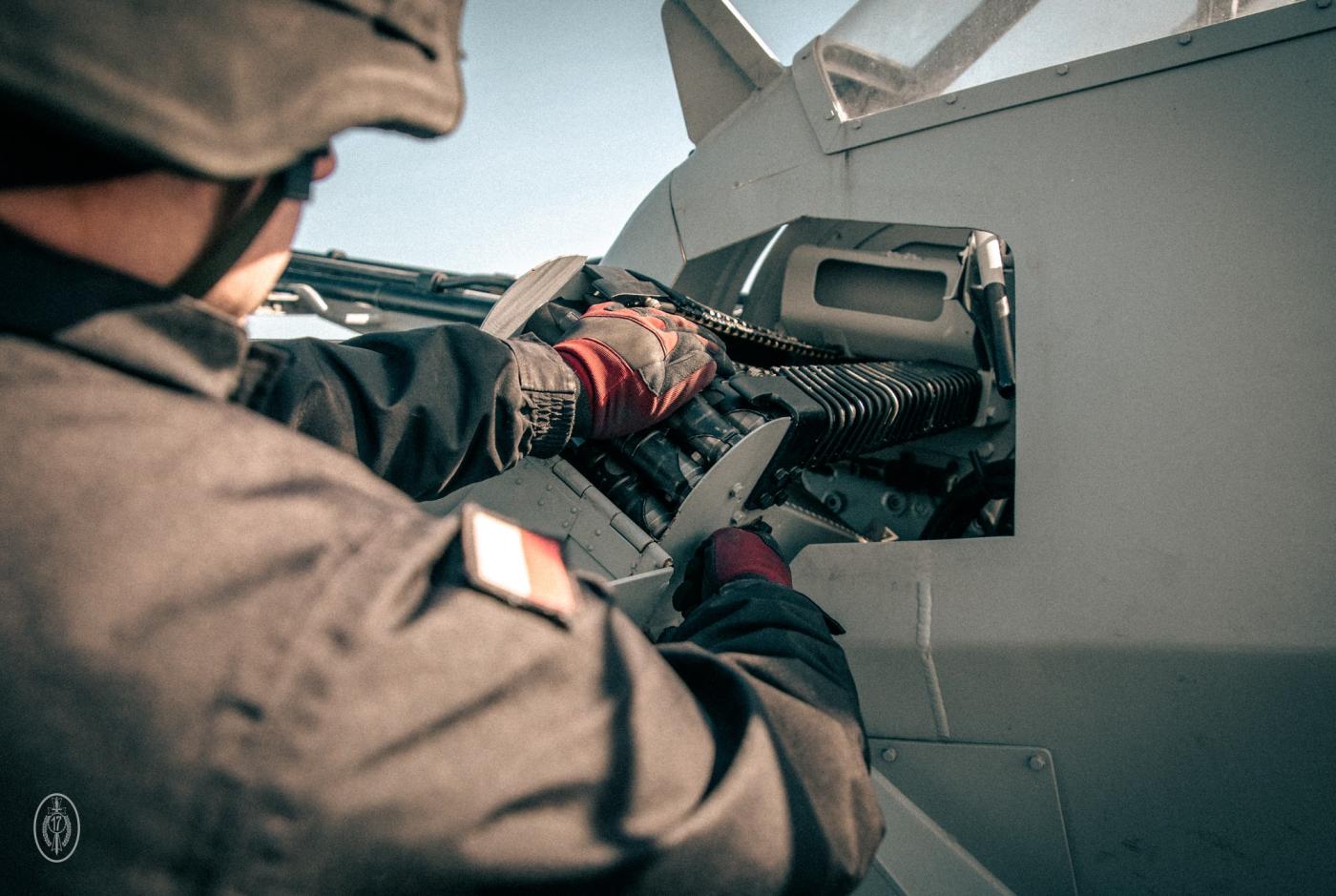
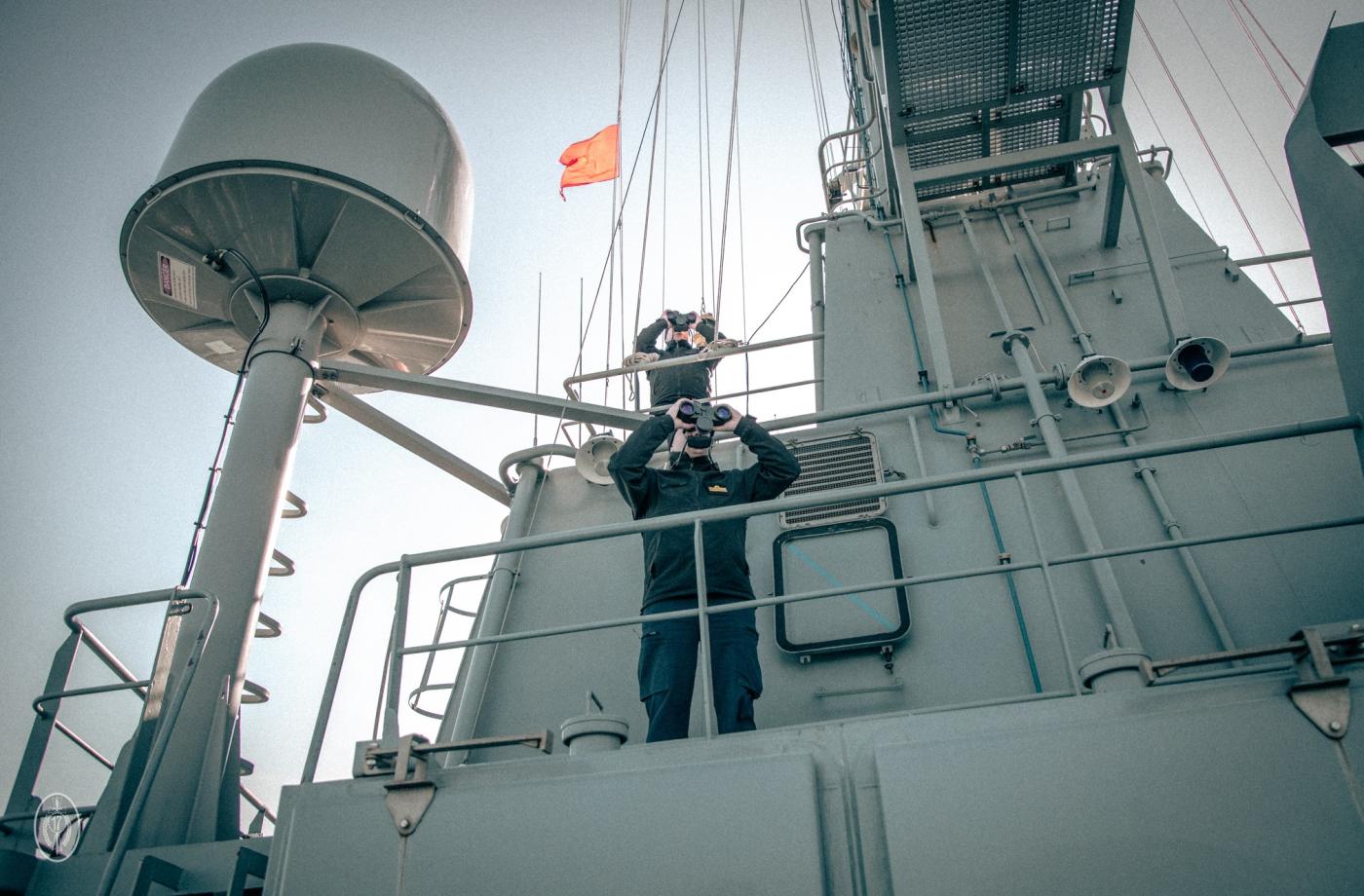
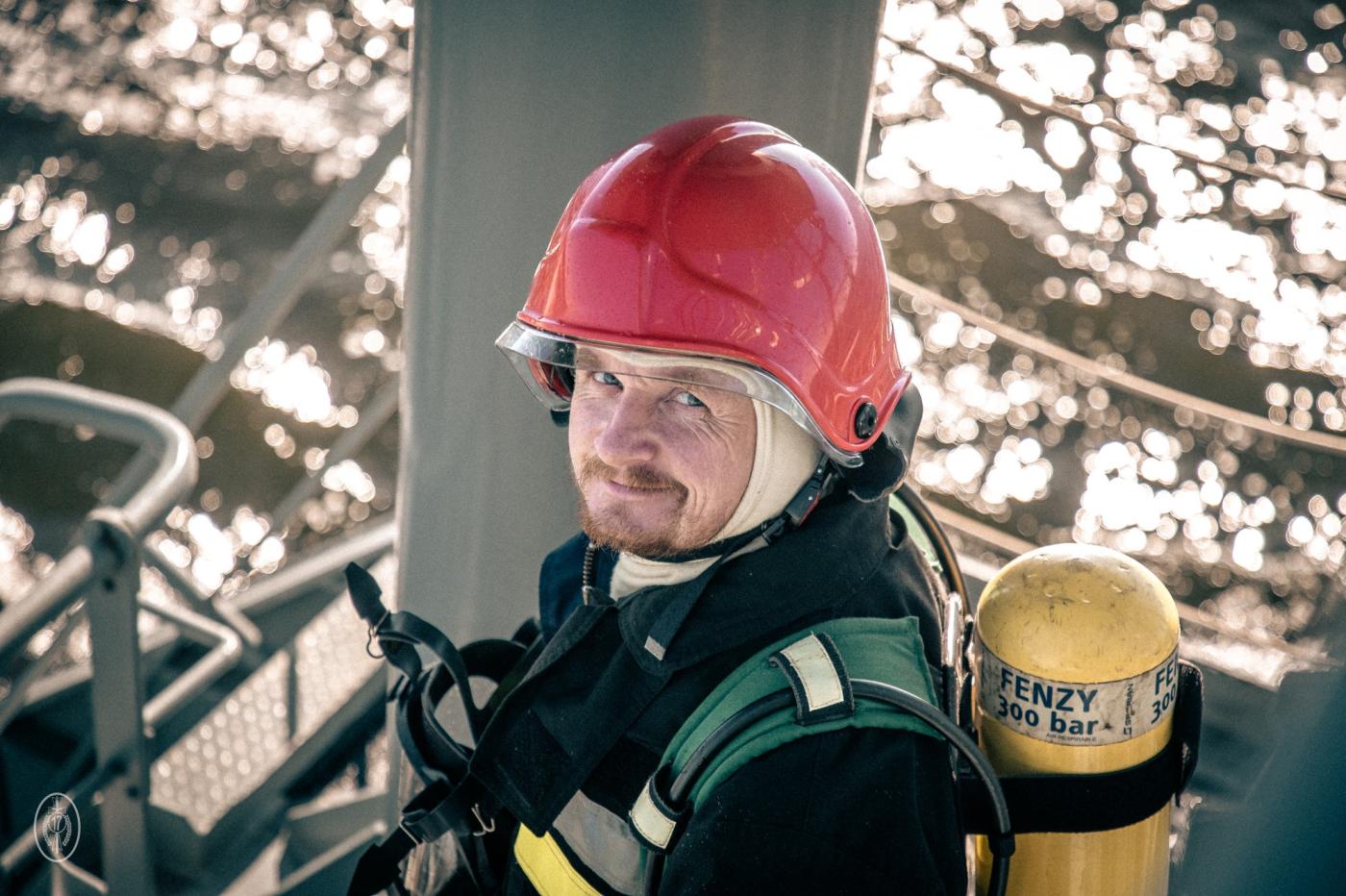
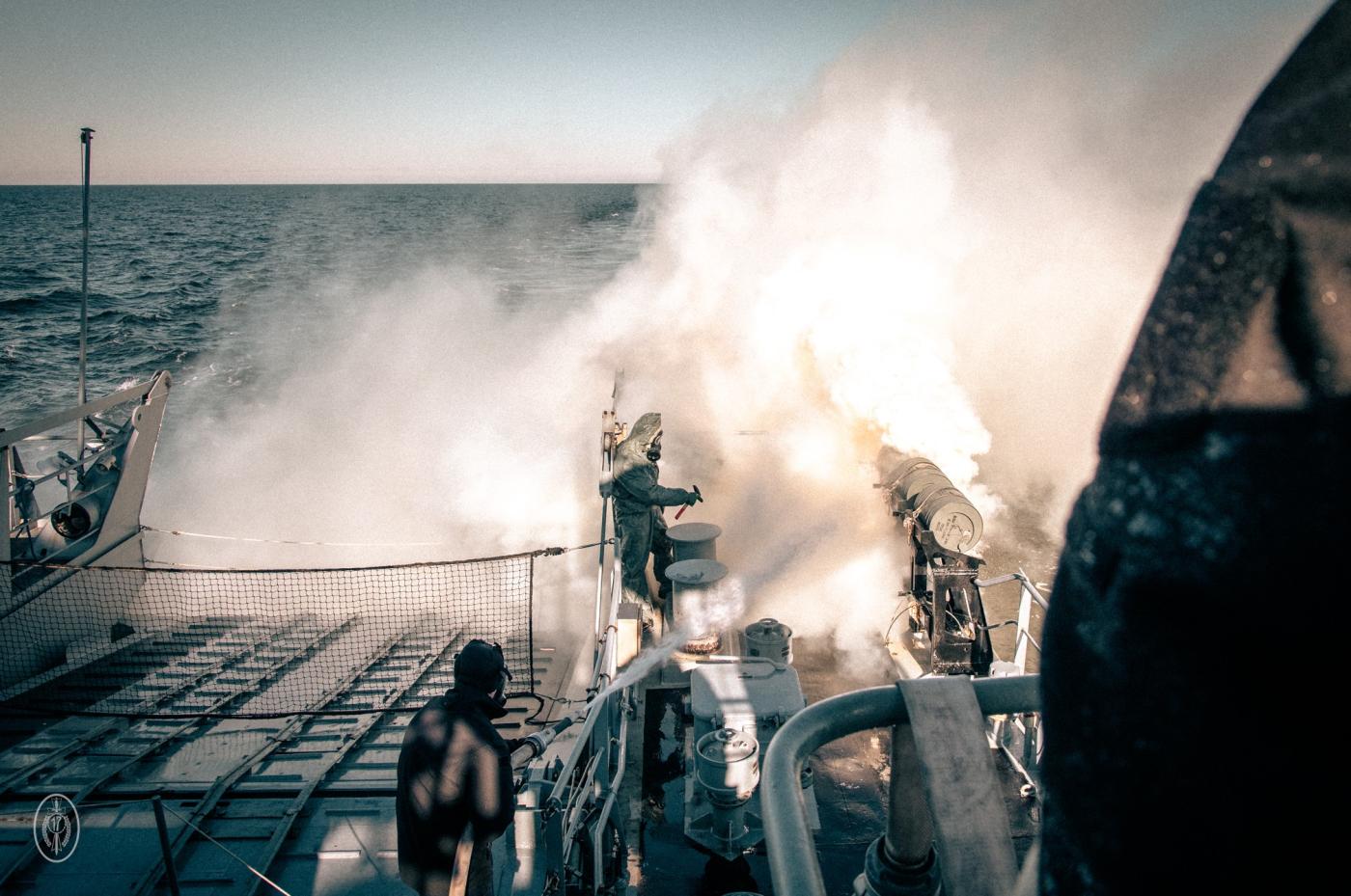
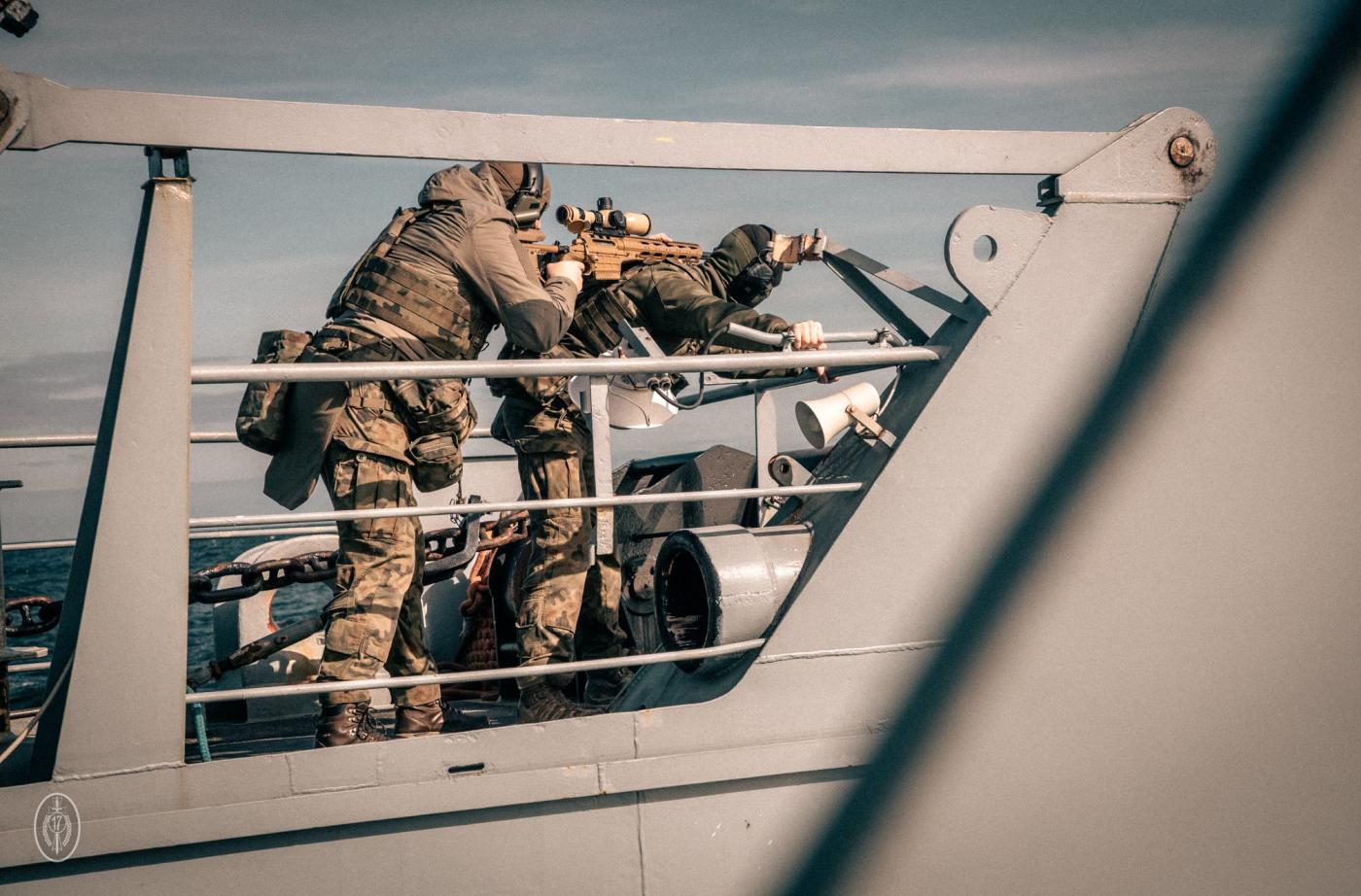
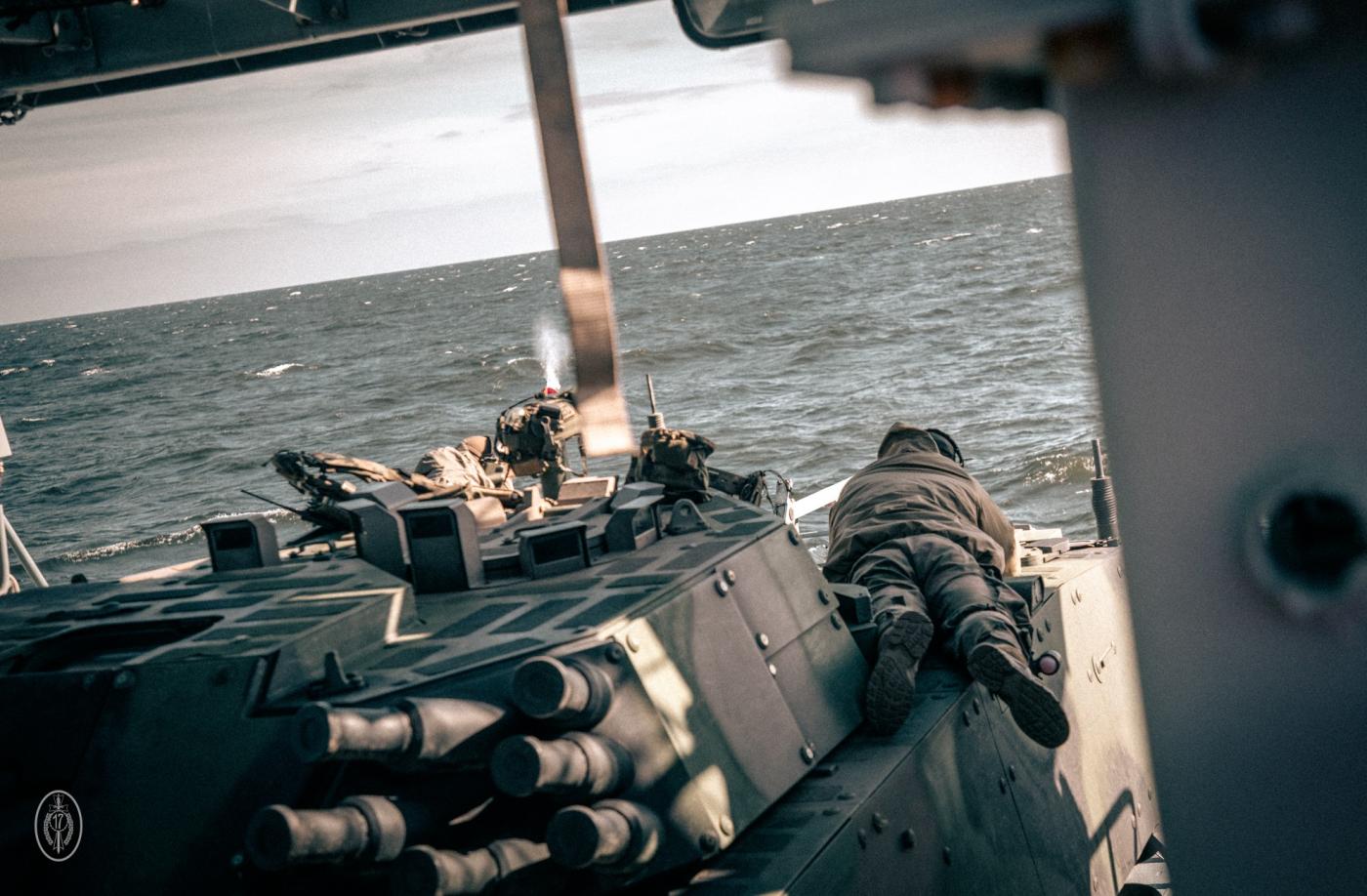
The exercises involved not only military equipment transportation but also combat operations. The ORP Toruń crew conducted a series of drills simulating various threat scenarios, including defense against surface and air units, mine countermeasures, and OPBMR (defense against weapons of mass destruction) alarms. Additionally, artillery and live-fire drills were conducted, with snipers from the 17th mechanized brigade participating for the first time in engaging targets on a naval training range.
A new level of armed forces cooperation
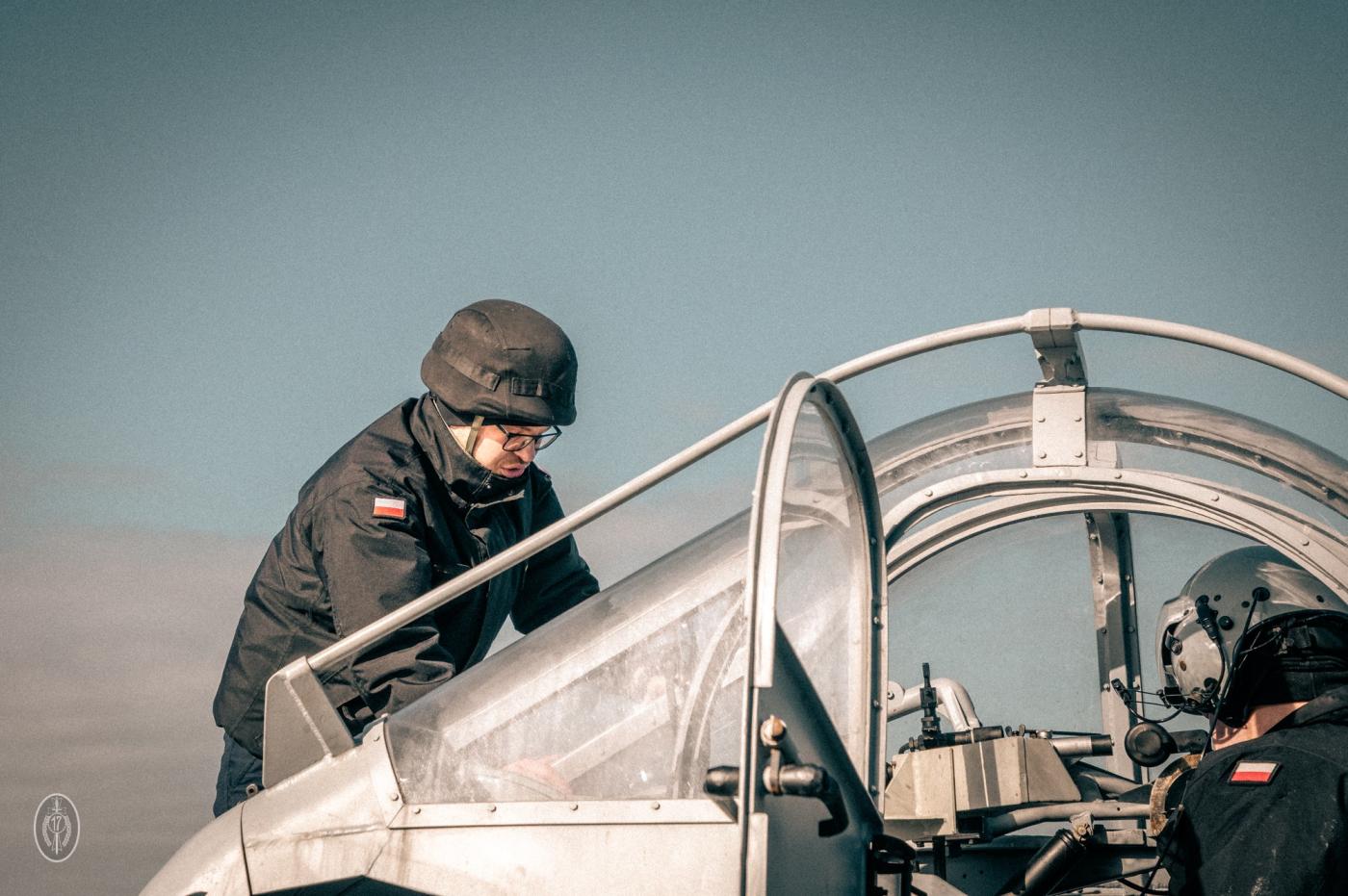
Joint training between land forces and the navy is an excellent example of the interoperability of the Polish armed forces. Combining the capabilities of both branches allows for efficient planning and execution of joint operations, which is crucial in today’s evolving security environment.
Such exercises enhance the operational readiness of both sailors and land forces, enabling them to develop proven procedures for combat conditions. The cooperation between the 8th coastal defense flotilla and the 17th mechanized brigade is a vital element in building the defensive and logistical capabilities of the armed forces in response to contemporary military challenges.
see also
Buy us a coffee, and we’ll invest in great maritime journalism! Support Gazeta Morska and help us sail forward – click here!
Kamil Kusier
redaktor naczelny
gallery















comments
Add the first comment
see also
Strait of Hormuz at a strategic crossroads: sinking of IRIS Dena and implications for maritime transport
Austal partners with Damen for local construction of LST 100 for Australian Army
The submarine contract of the decade? Canada weighs South Korea against Germany
When two powers clash, Poland must be ready to act. Military security must be the priority
Commodore Przemysław Karaś appointed deputy commander of the Maritime Operations Centre - Naval Component Command
Mine countermeasure vessel Jaskółka begins sea acceptance trials
March 1: Remembering the “cursed soldiers”. A legacy that also resonates with today’s navy
Naval Academy cadets take military oath in Gdynia
French Navy expands global operations from the Pacific to the Red Sea
Navantia and Fincantieri deepen cooperation on the european patrol corvette programme
ADVERTISEMENT
ADVERTISEMENT