Kondor over the sea: Poland’s attempt to close the maritime situational awareness gap
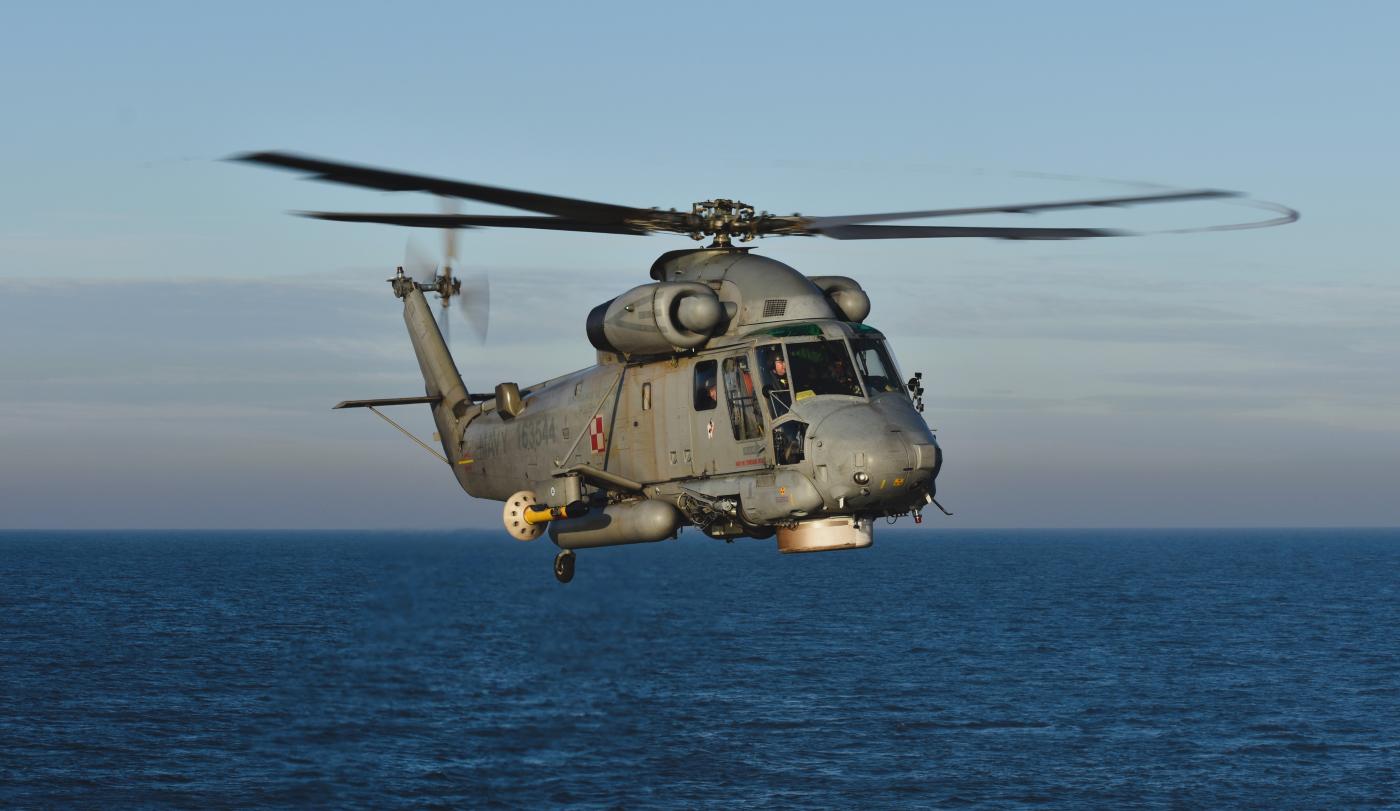
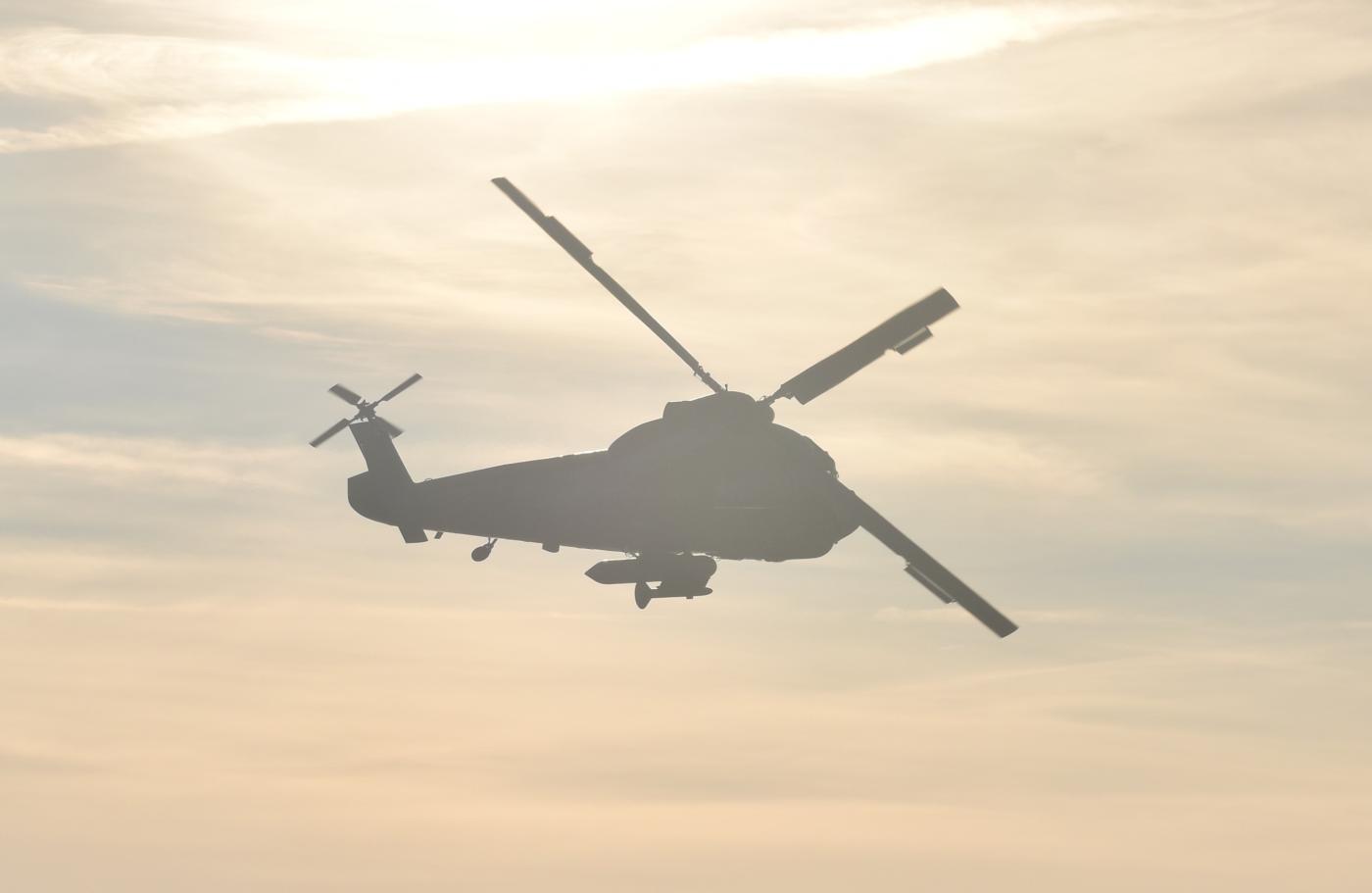
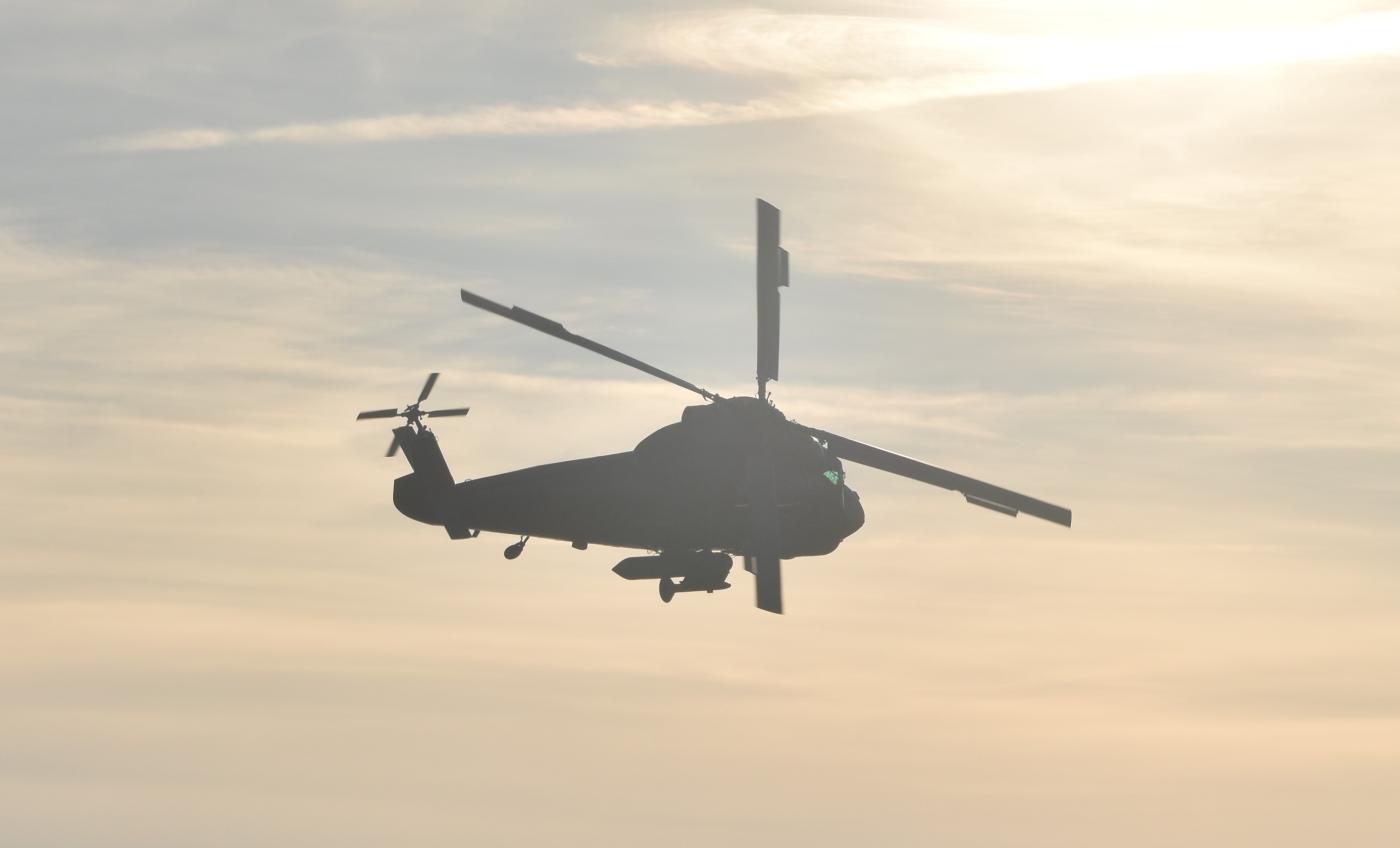
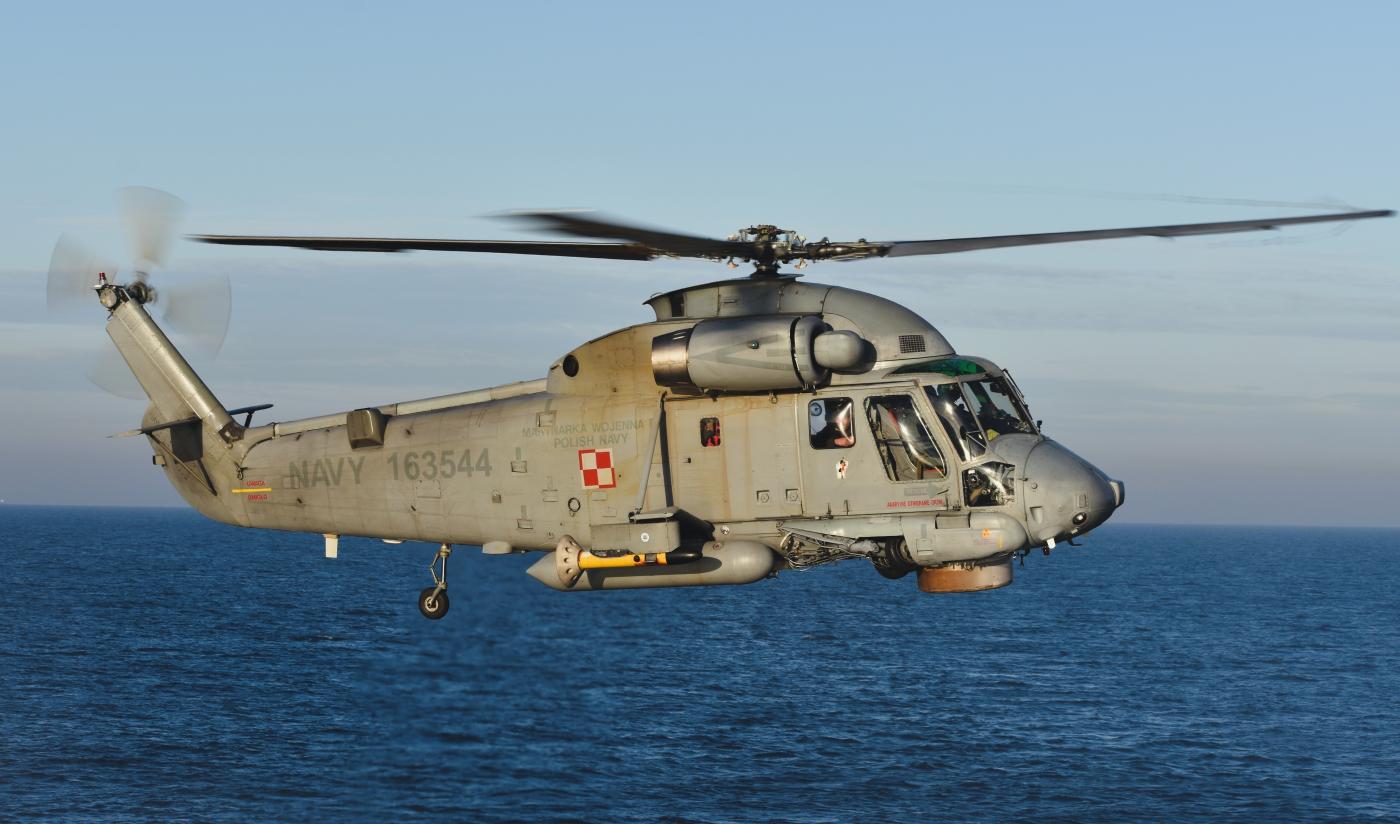
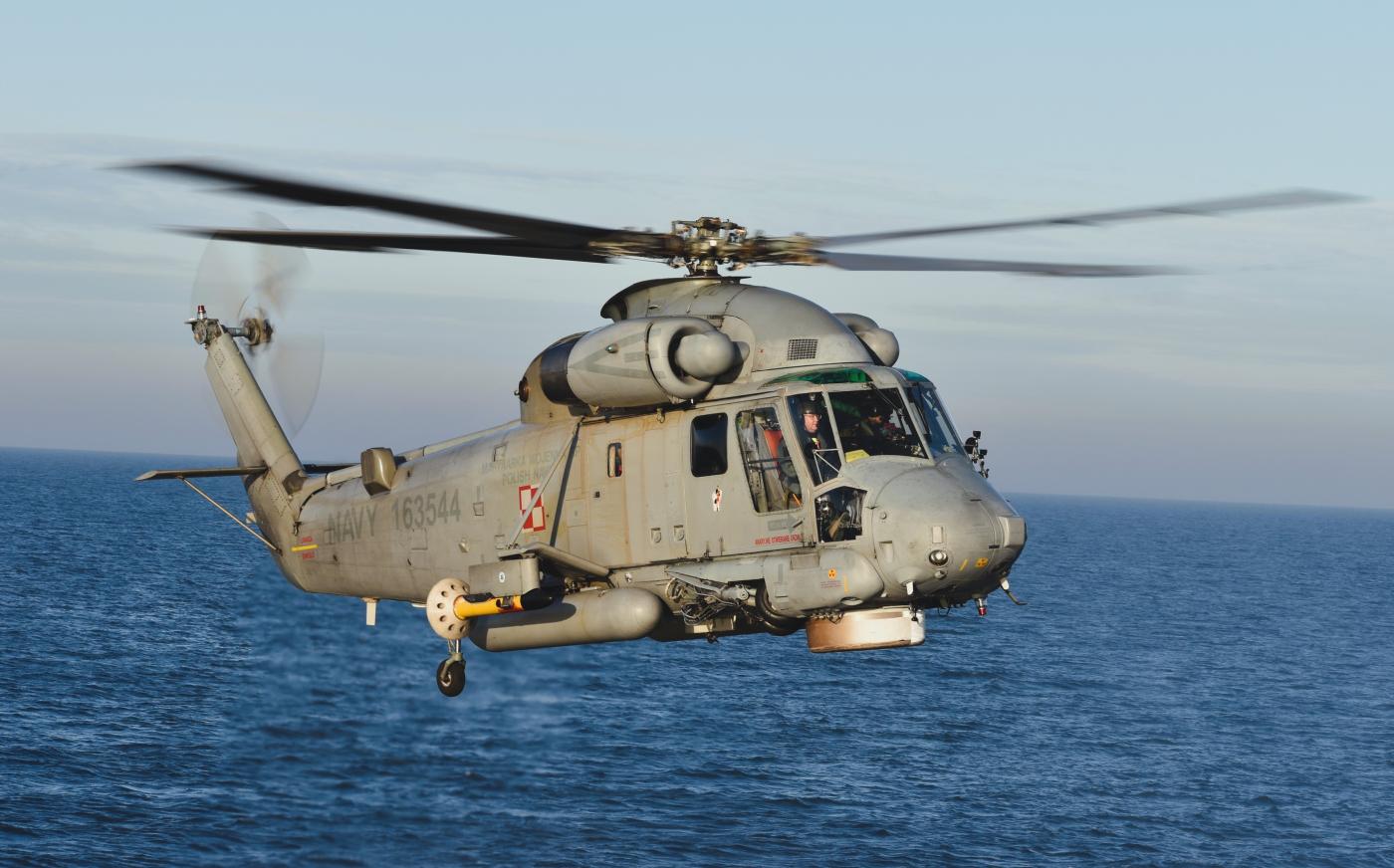
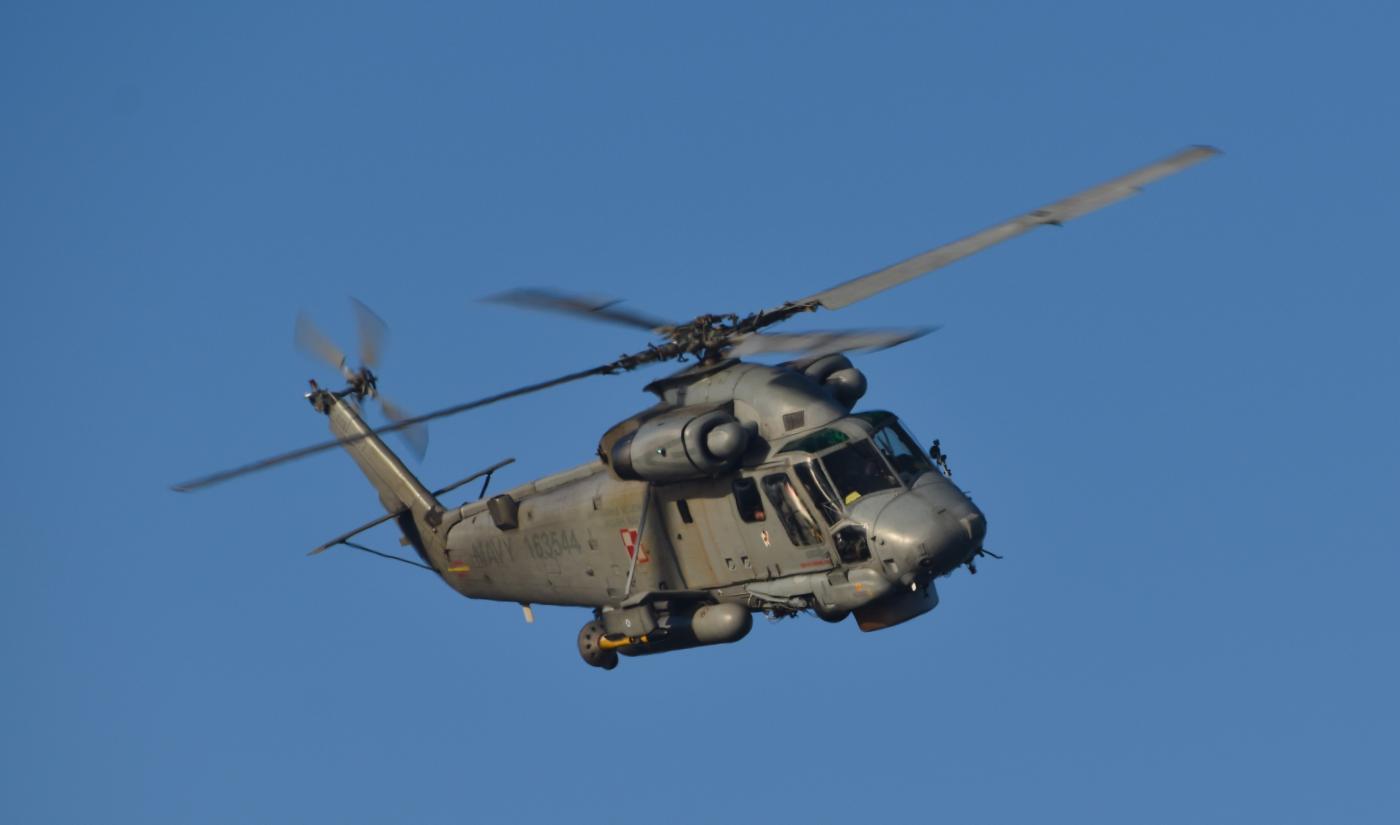
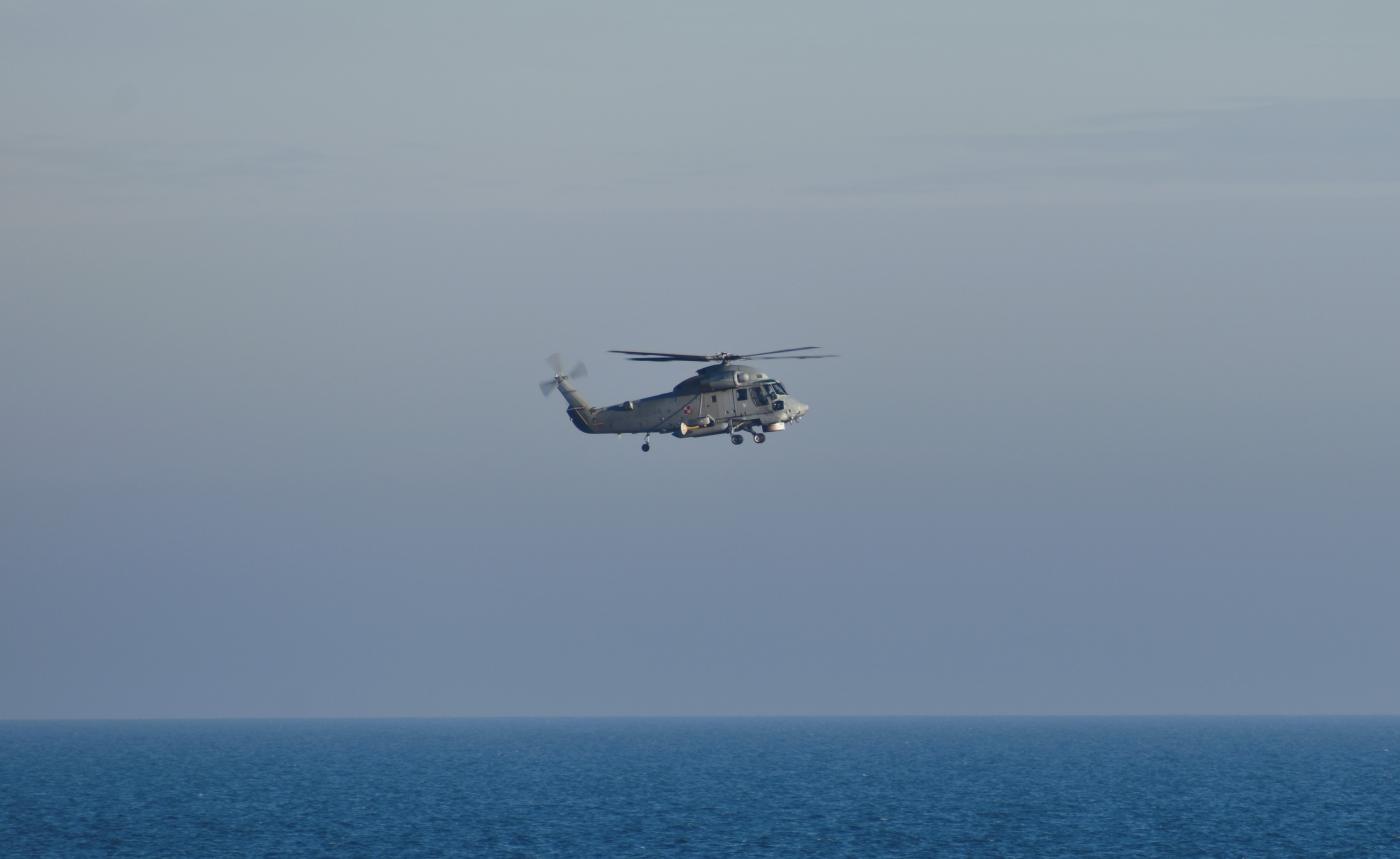
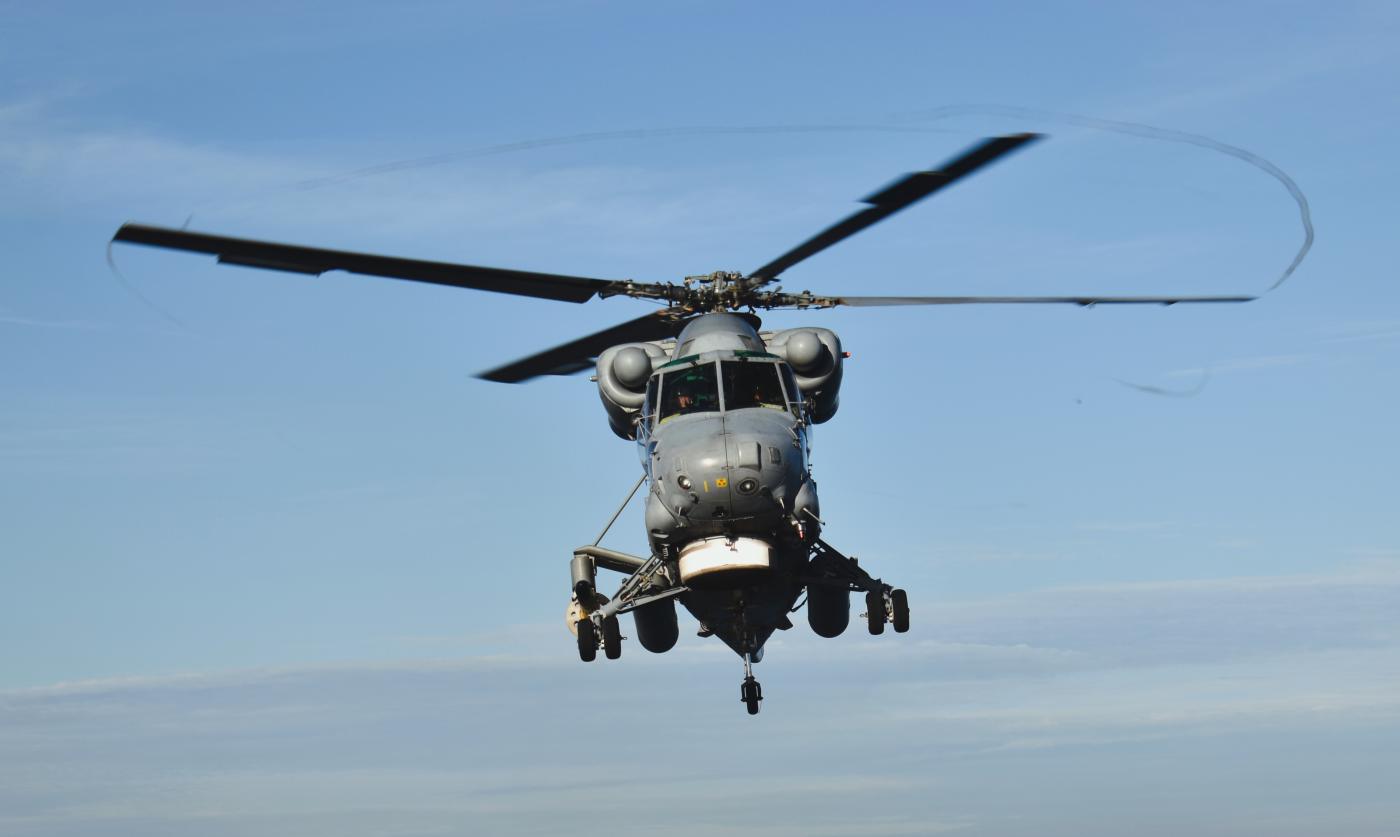
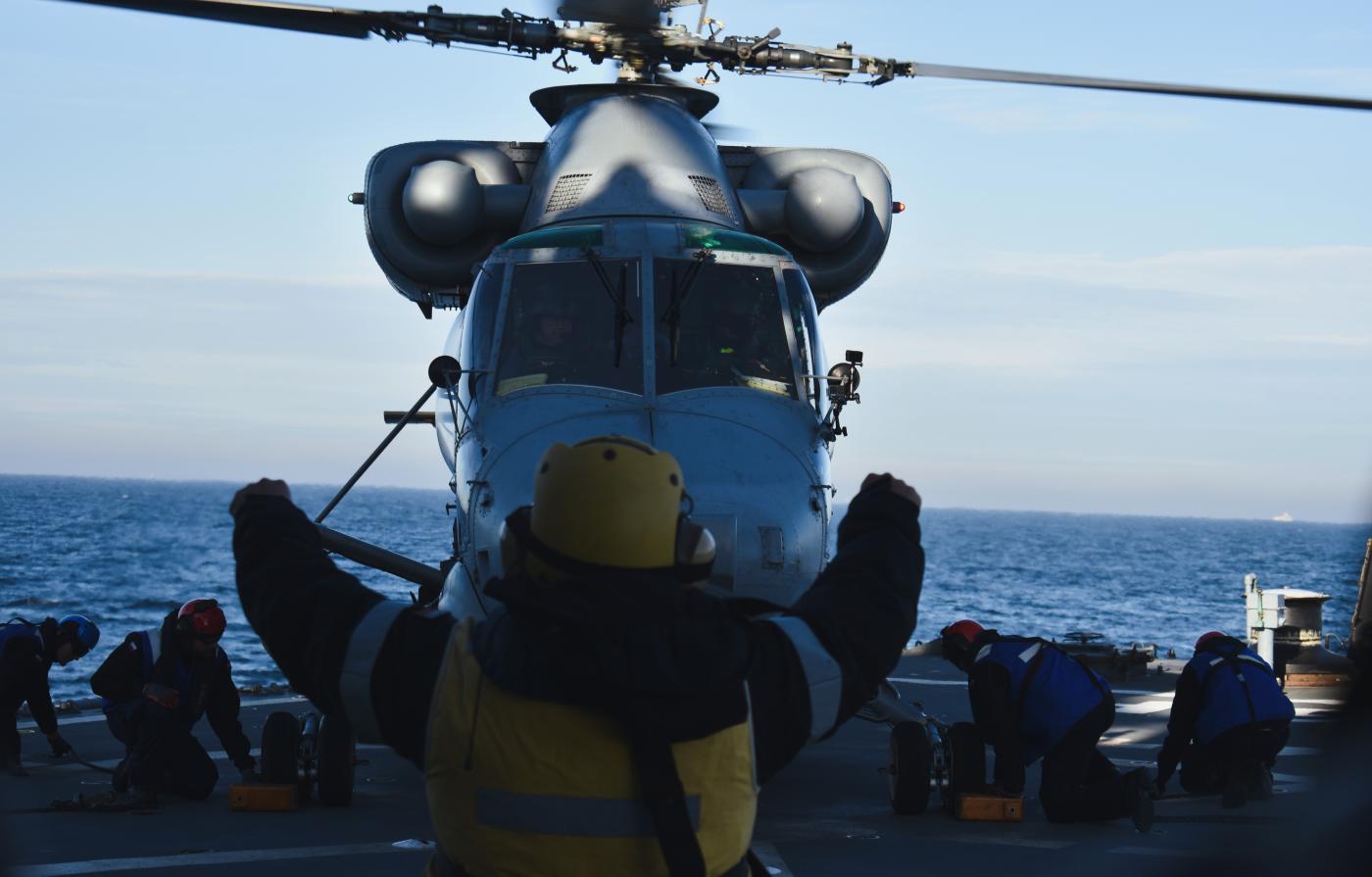
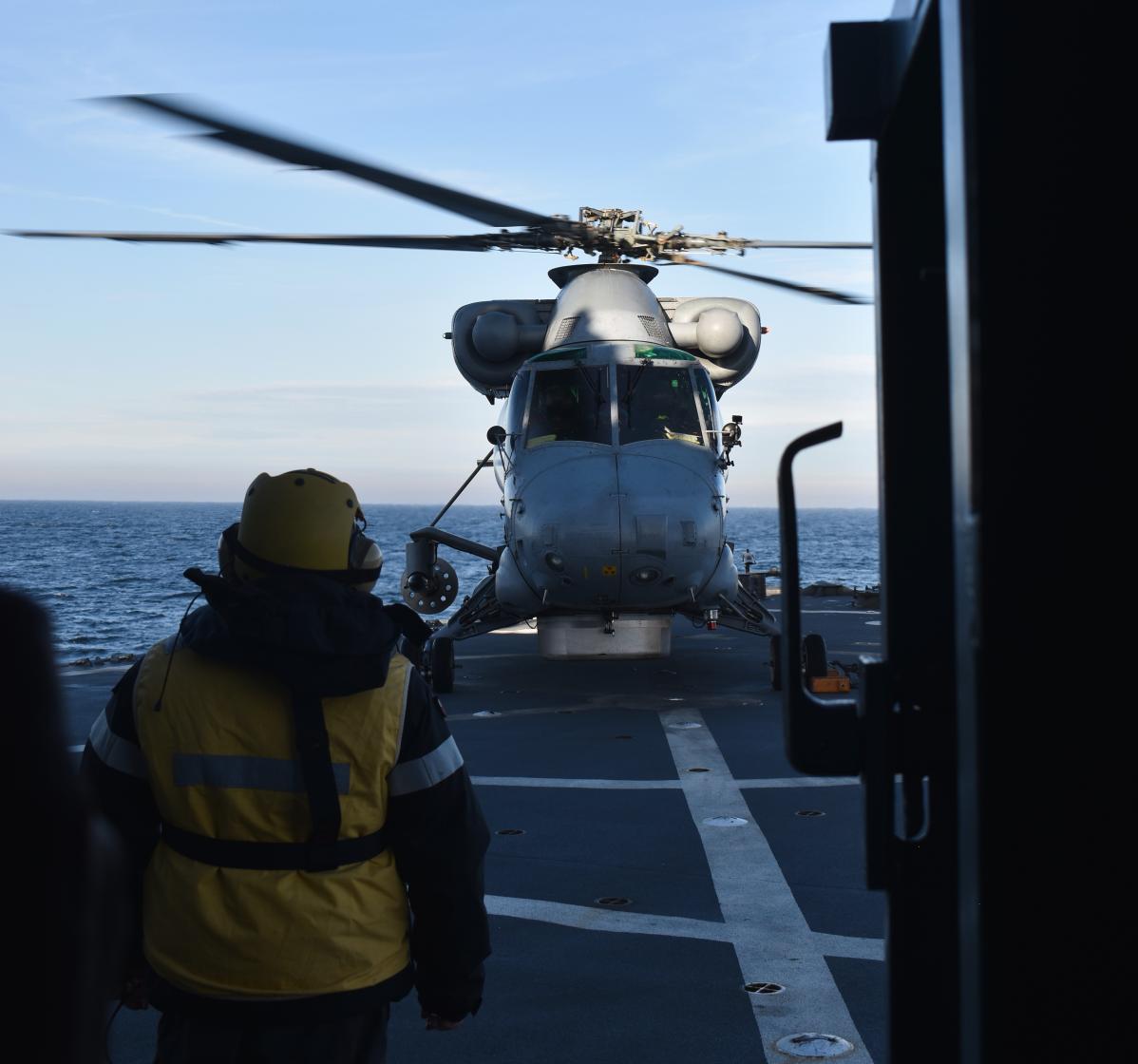
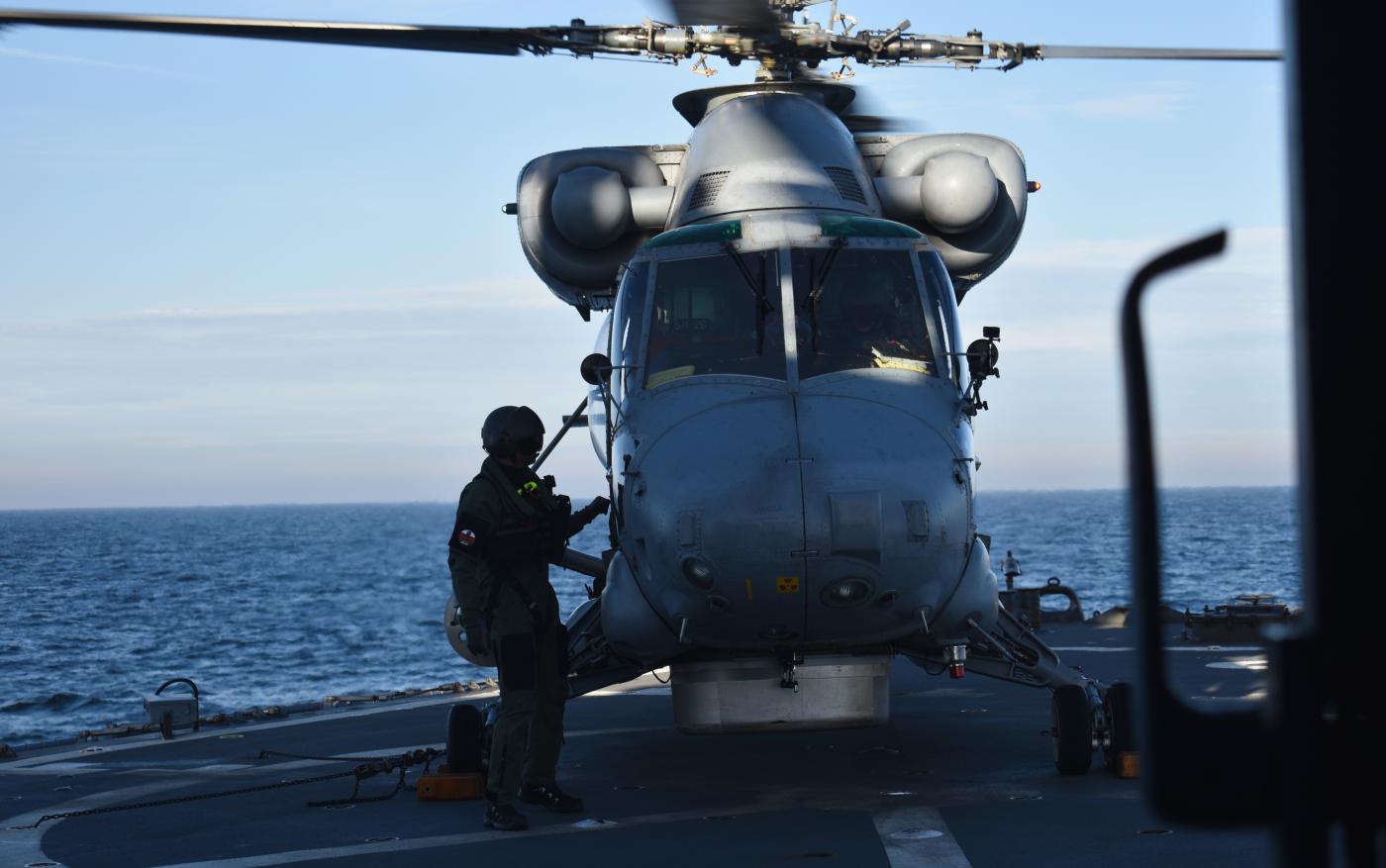
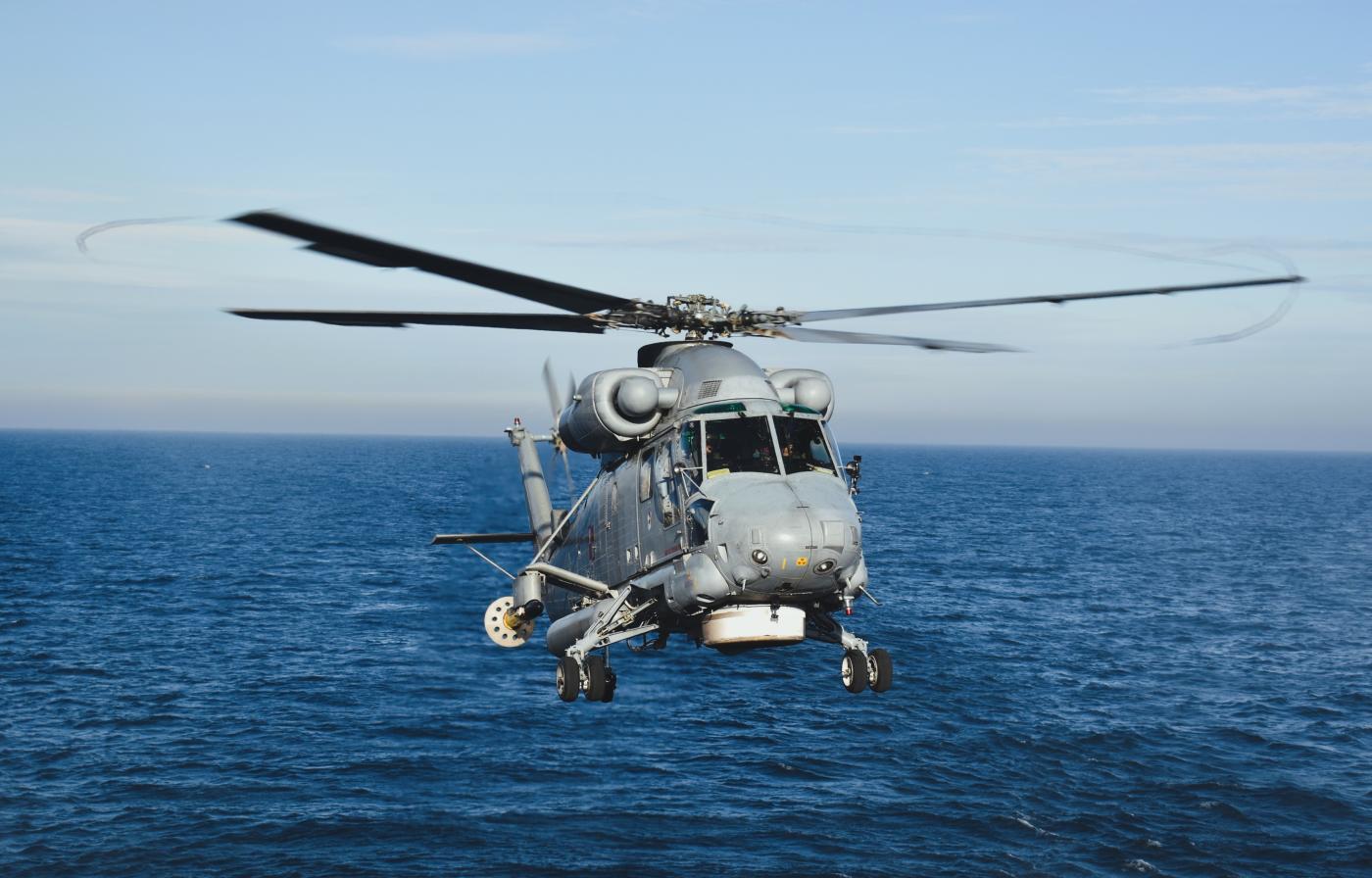
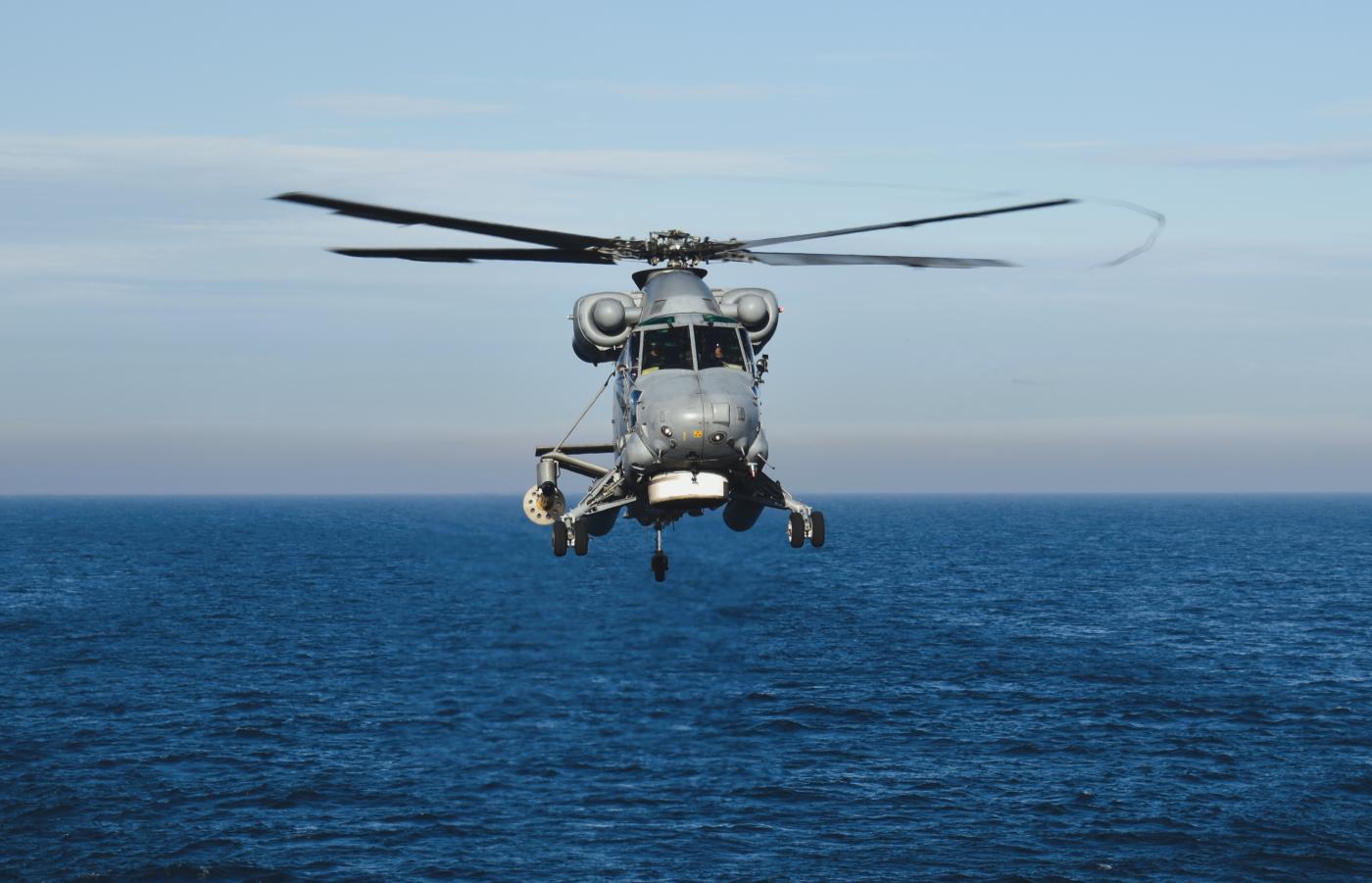
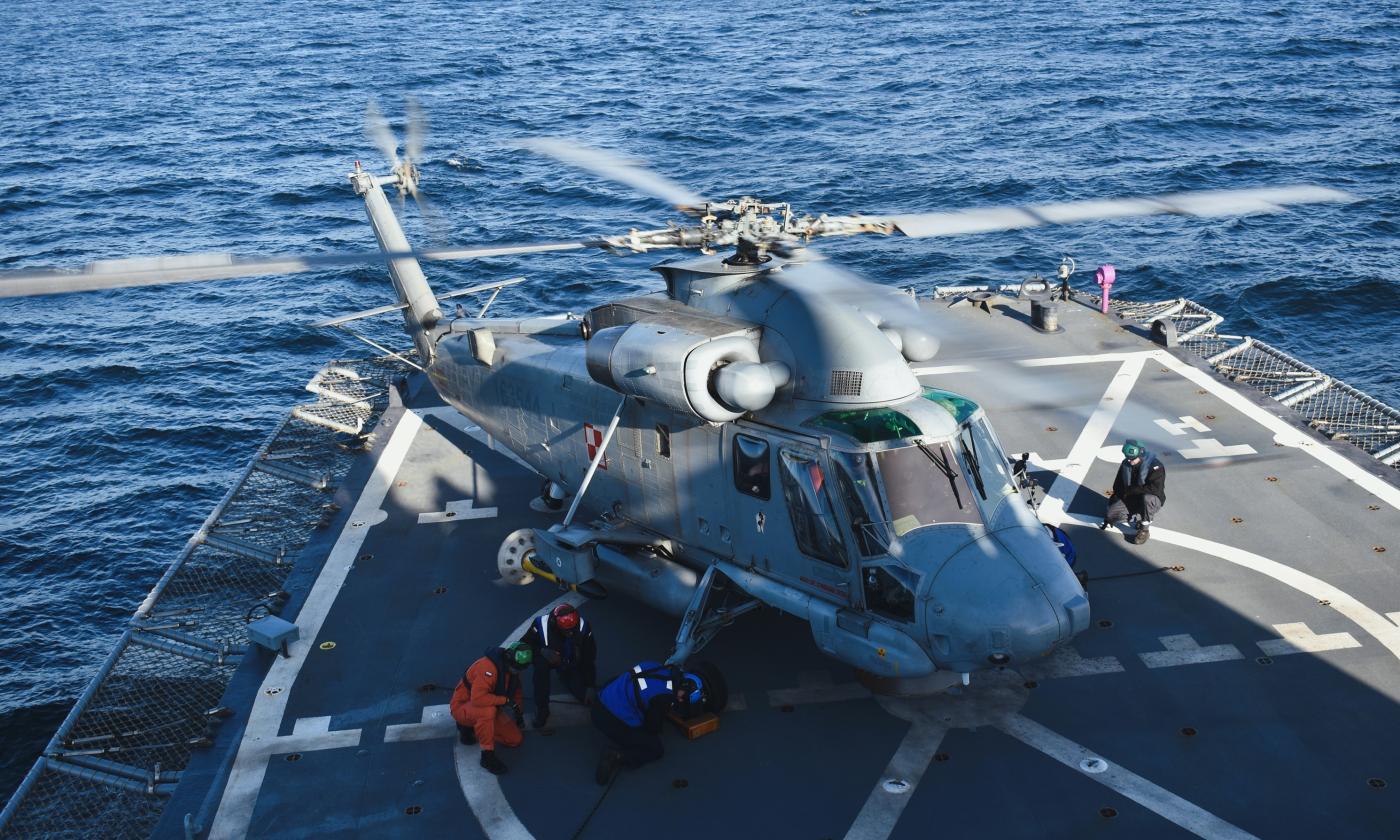
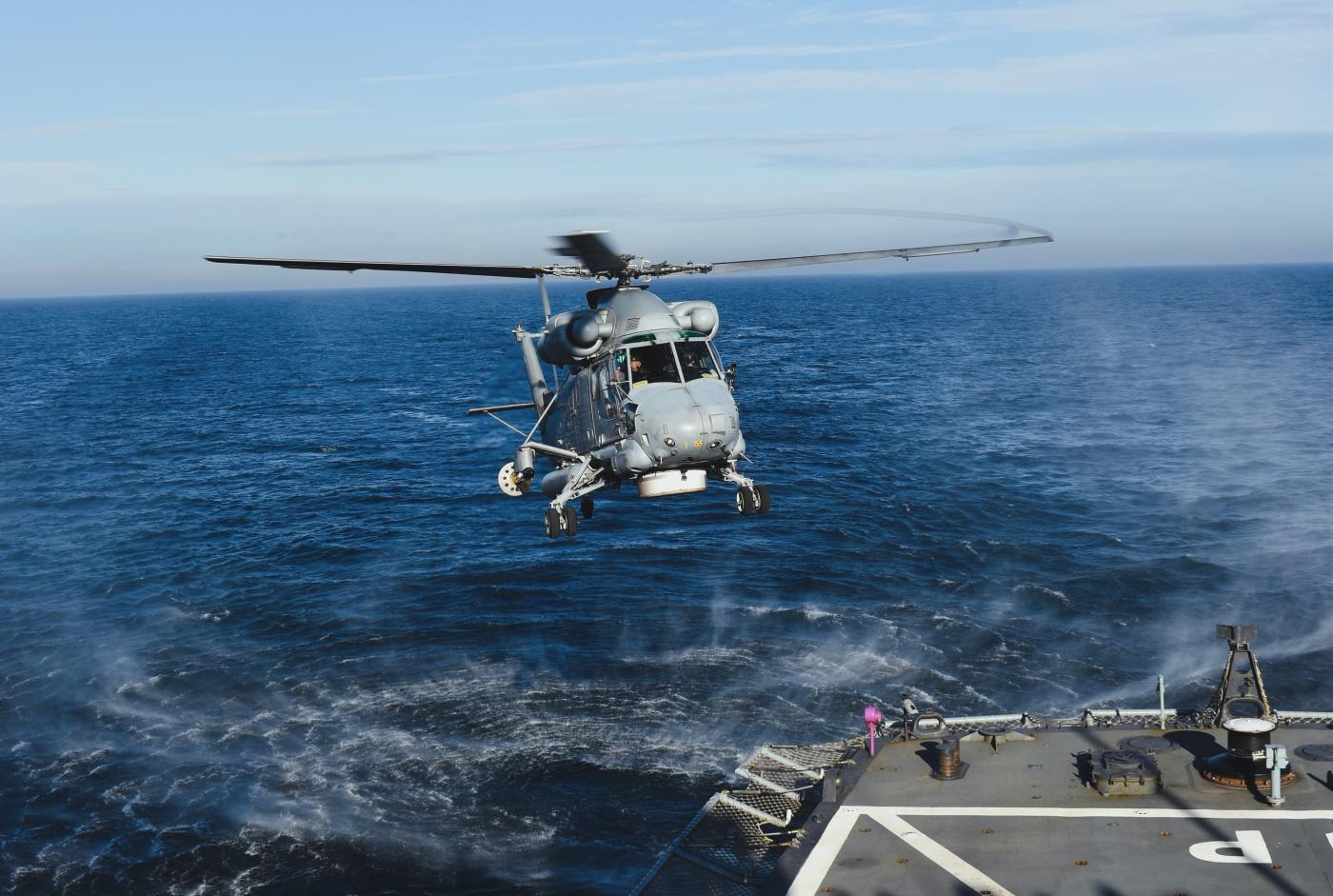
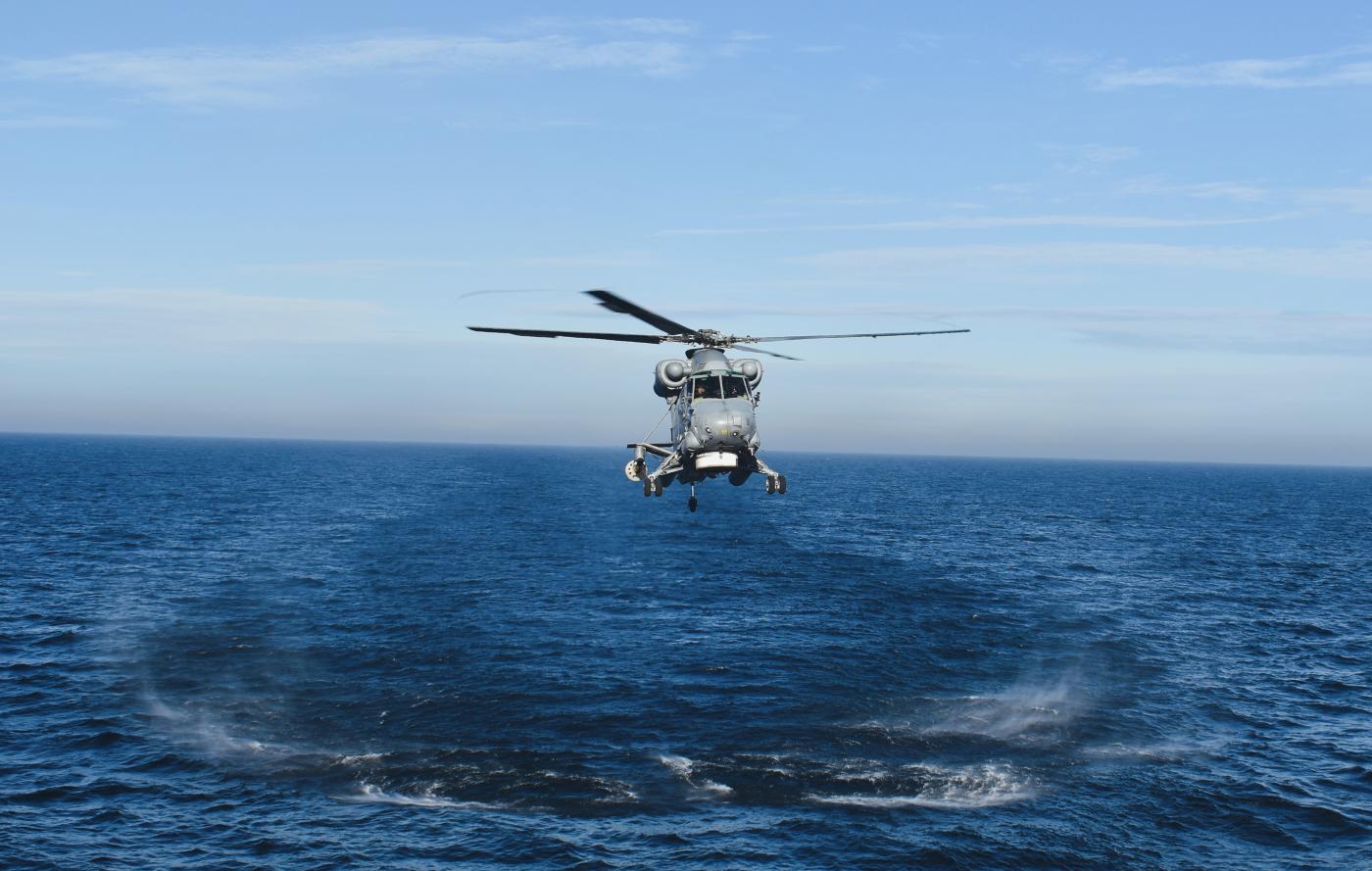
The withdrawal of the SH-2G Super Seasprite shipborne helicopters closed one of the most important chapters in the history of Polish Naval Aviation. At the same time, however, it opened a far more problematic phase: a period marked by a tangible gap in Poland’s maritime situational awareness. The Kondor programme, intended to address this shortfall, has for several years remained stuck at the requirement-definition stage. Meanwhile, the security environment in the Baltic Sea and the pace of change in the operational domain mean that the absence of an organic shipborne aviation component has become one of the most critical limitations on the Polish Navy’s combat capabilities.
aviation navy defense industry news27 december 2025 | 11:17 | Source: Gazeta Morska | Prepared by: Kamil Kusier | Print
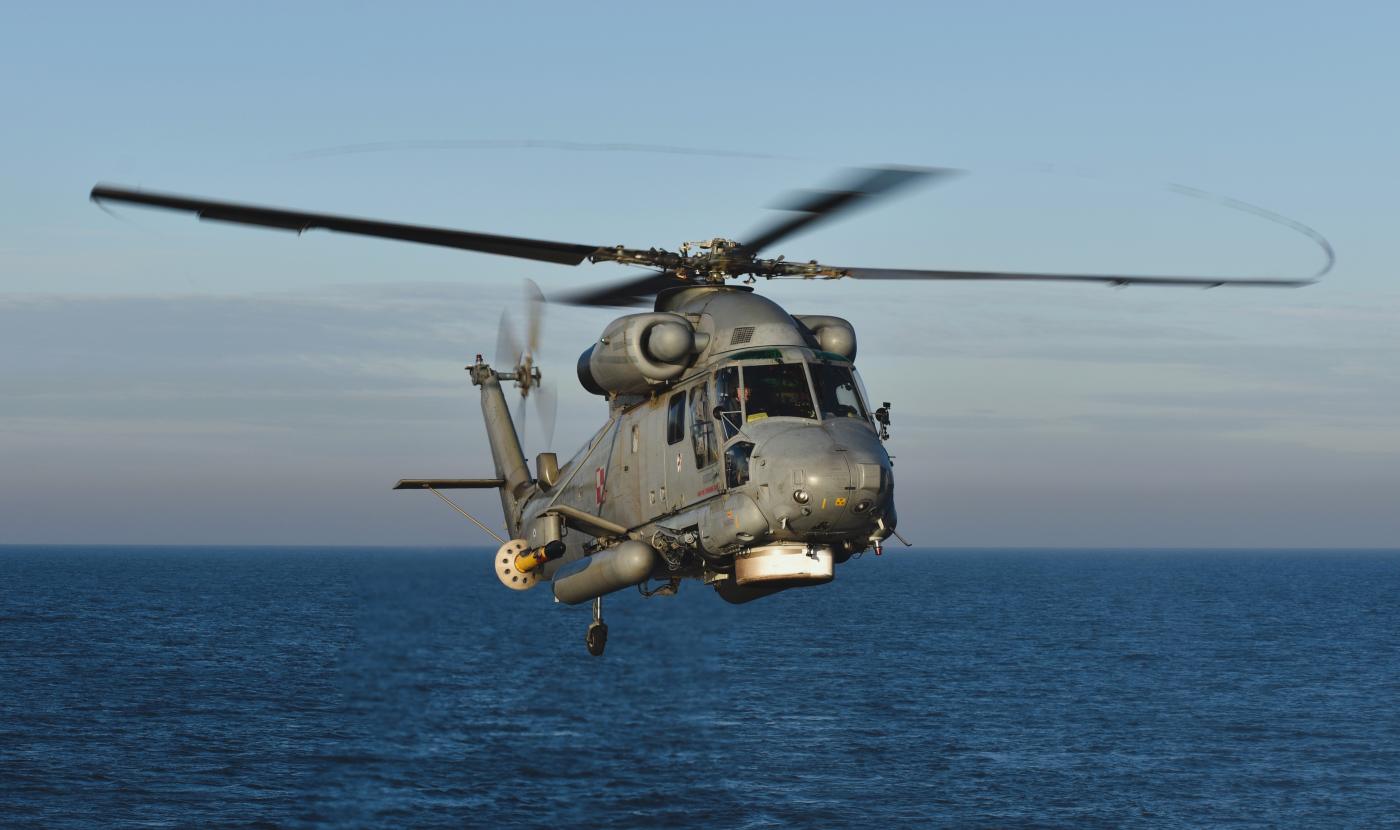
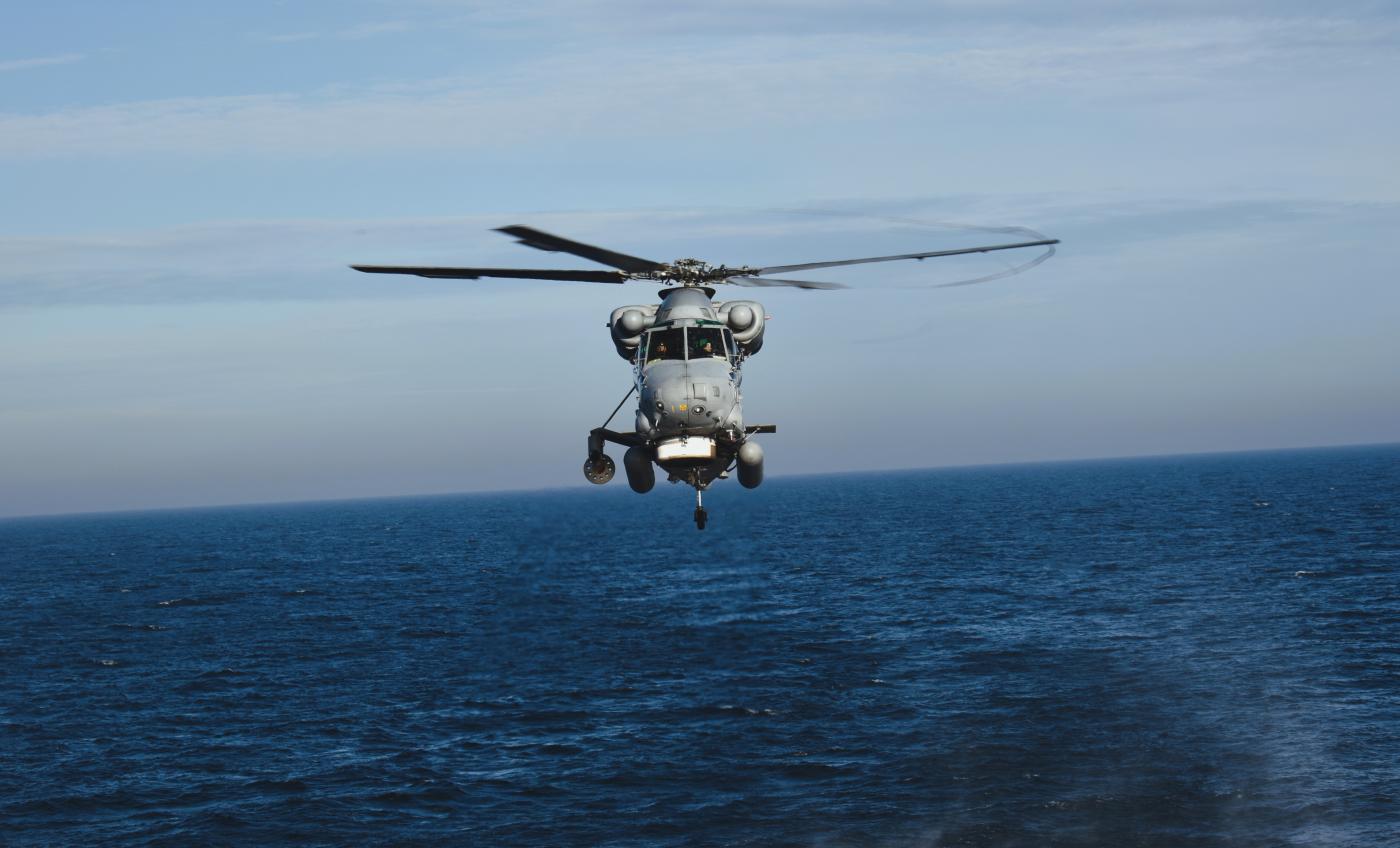
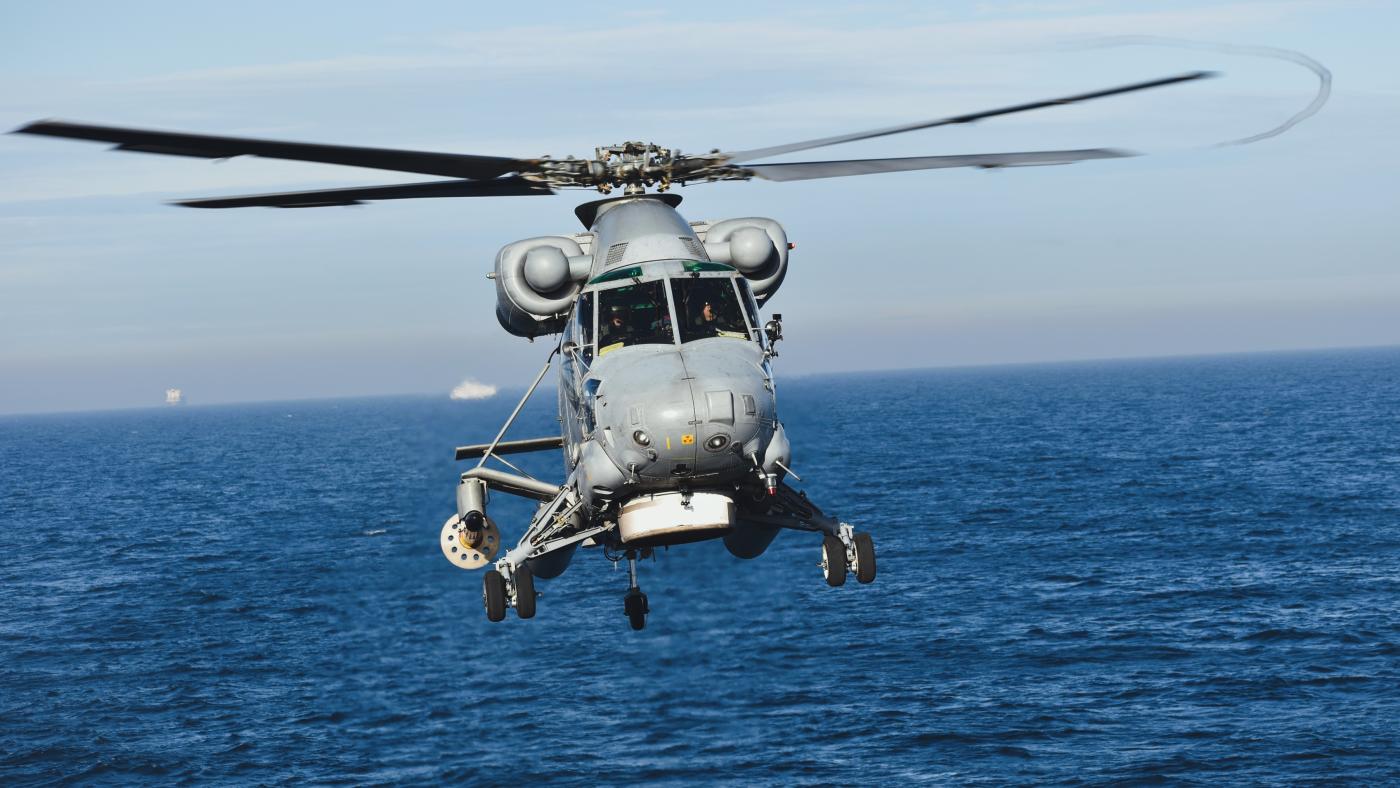
fot. Kamil Kusier / Gazeta Morska
Maritime situational awareness as the foundation of naval operations
In modern naval warfare, superiority is built not only on the number of platforms and their armament, but primarily on access to information and the ability to process it rapidly. Maritime Situational Awareness (MSA) encompasses a comprehensive picture of the maritime domain, including surface traffic, submarine activity, asymmetric threats, hybrid operations, and the protection of critical infrastructure.
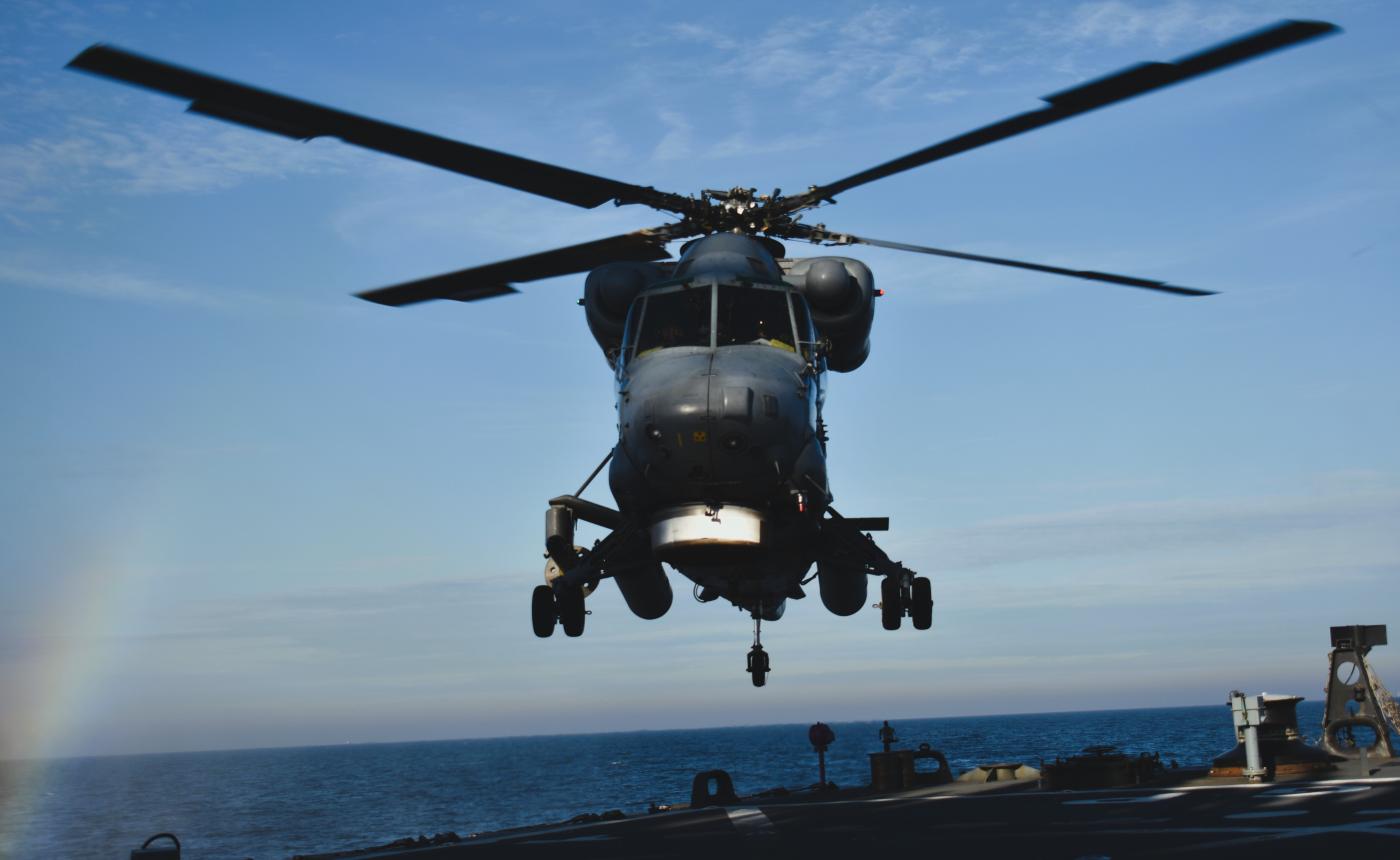
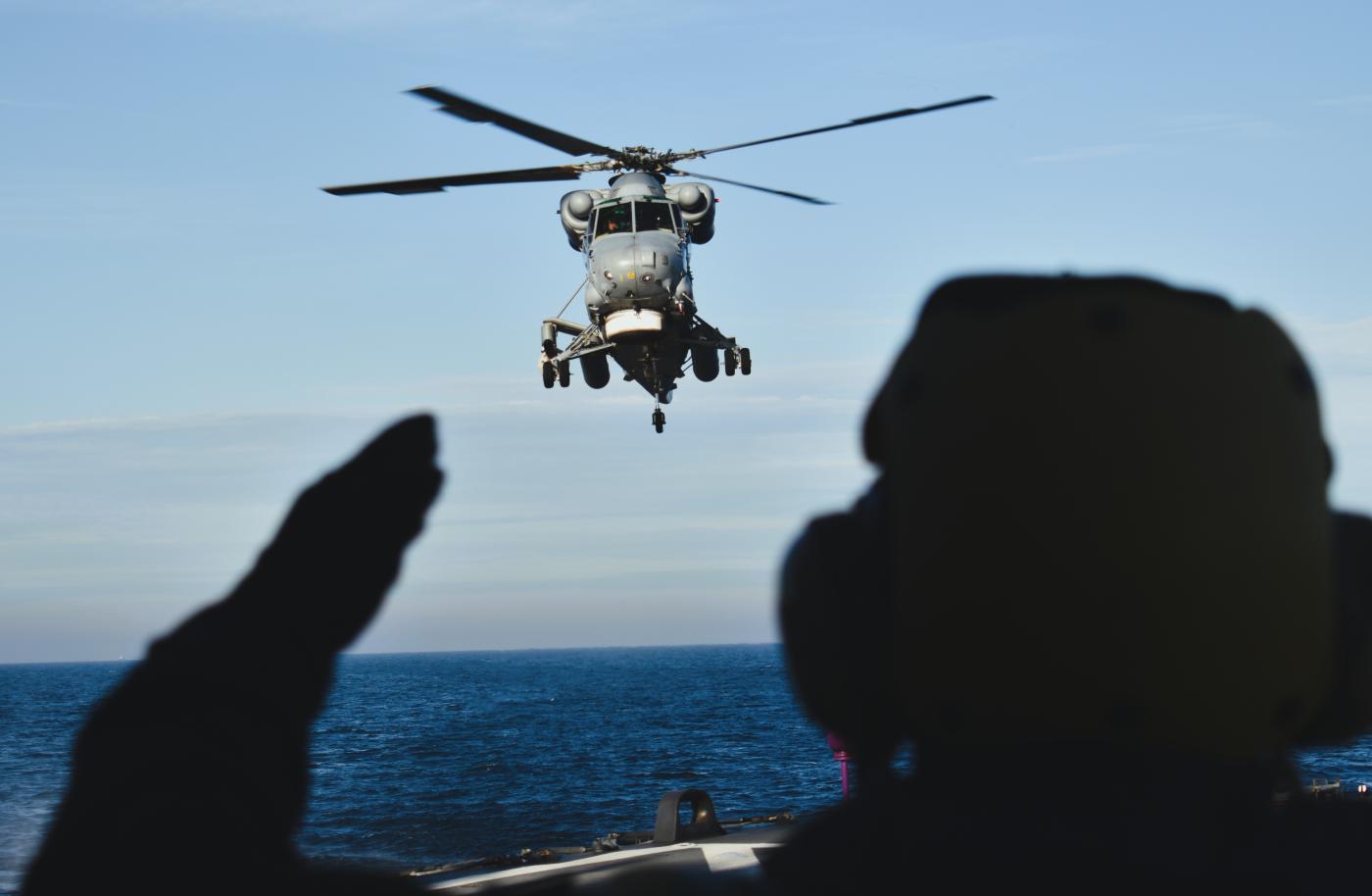
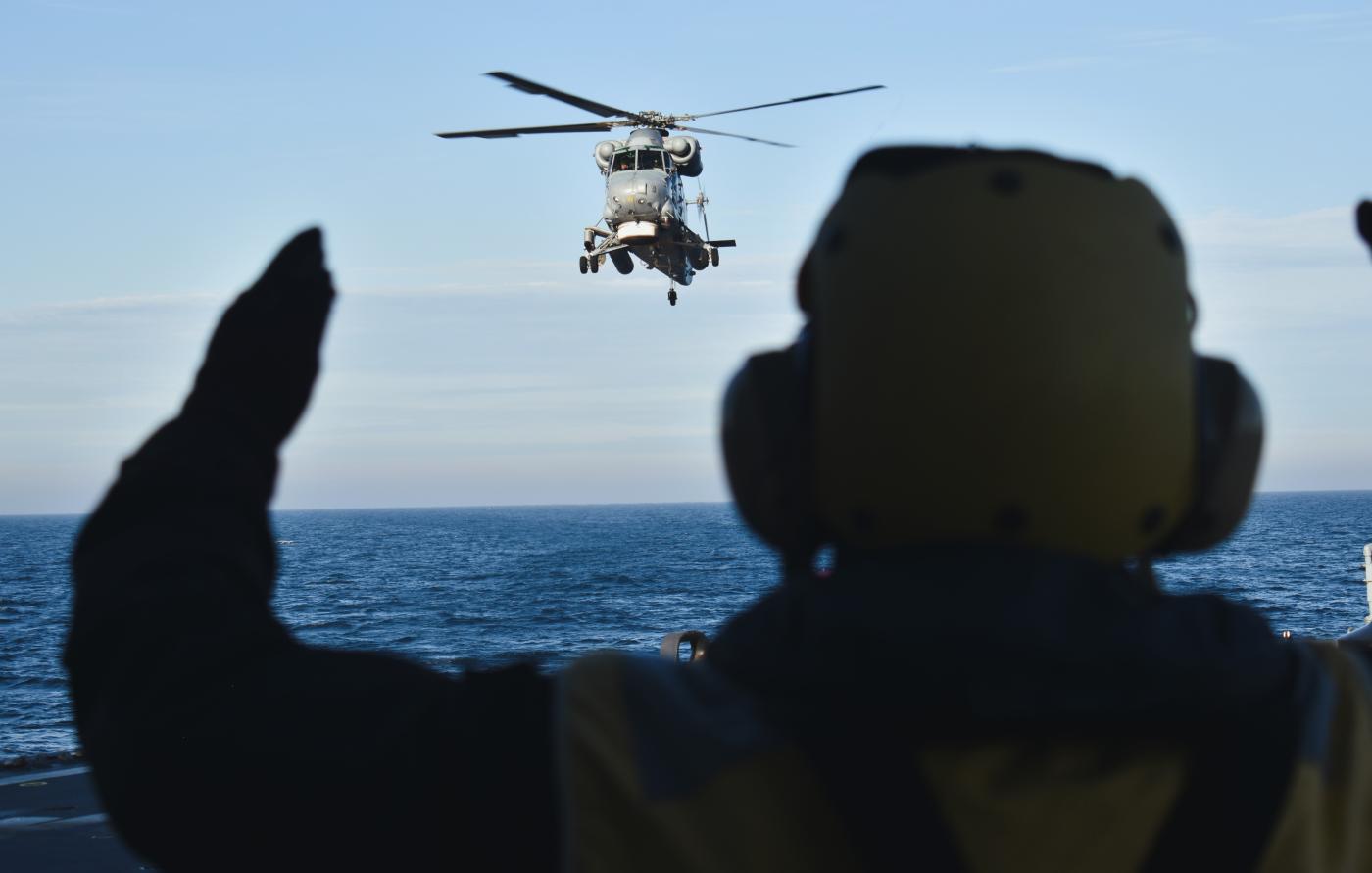
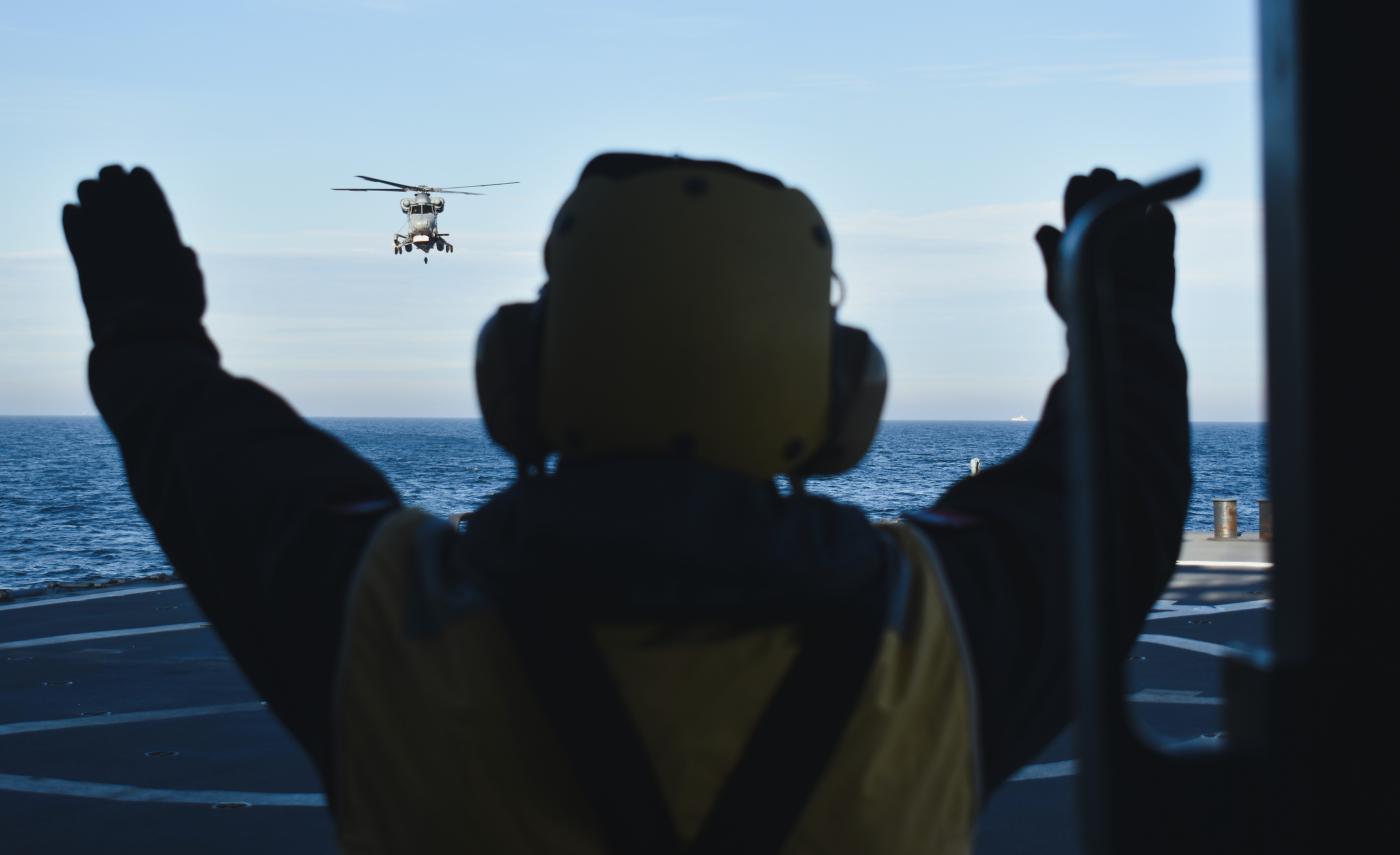
Within this system, the shipborne helicopter functions as the ship’s forward-deployed sensor — a mobile reconnaissance, surveillance, and response asset. It dramatically extends the effective reach of a frigate or corvette, enables detection beyond the radar horizon, and provides commanders with a decisive informational advantage. The absence of such a capability not only reduces tactical effectiveness but also undermines interoperability with NATO allies, for whom shipborne aviation is an operational standard.
The end of the SH-2G era and the emergence of a capability gap
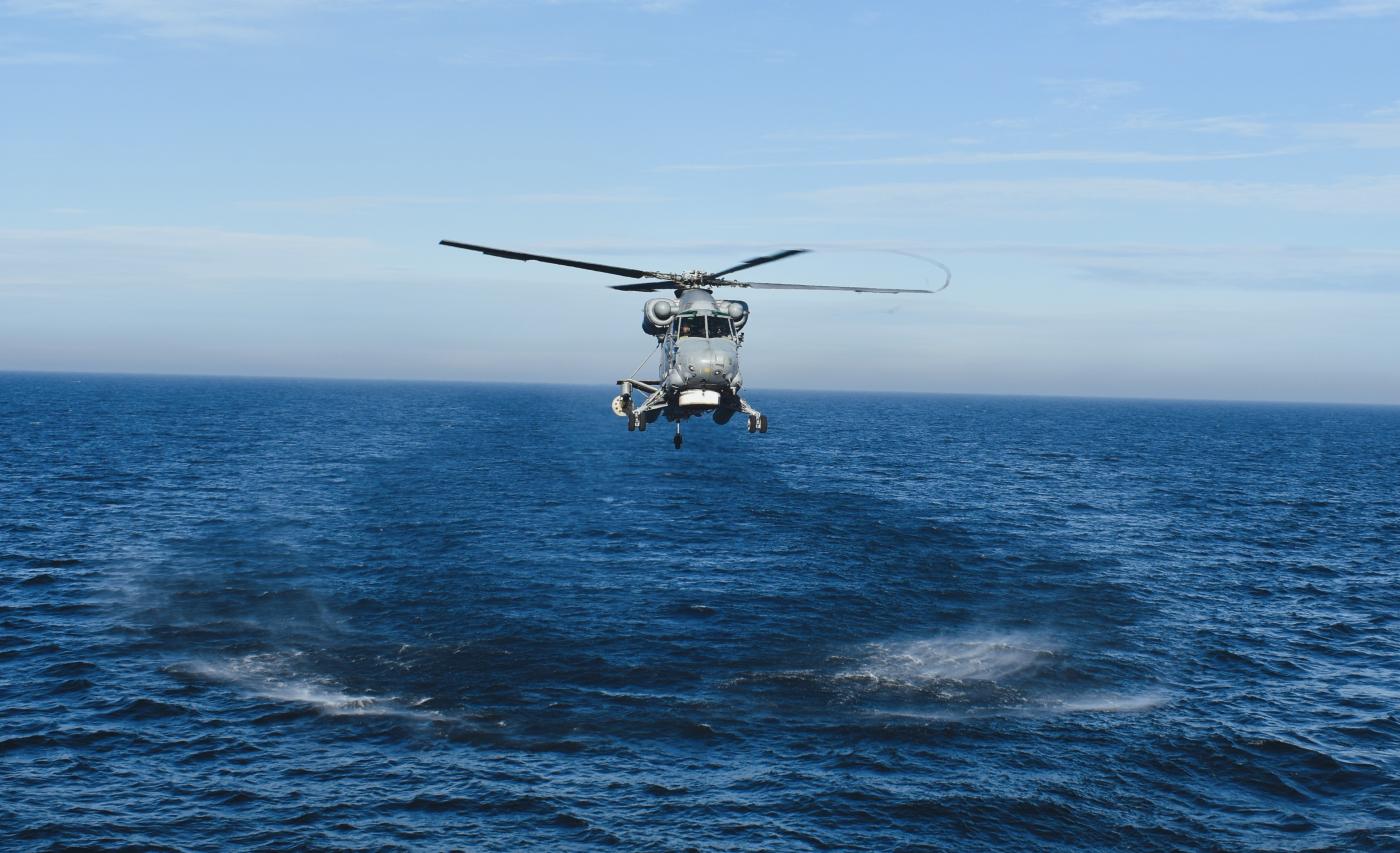
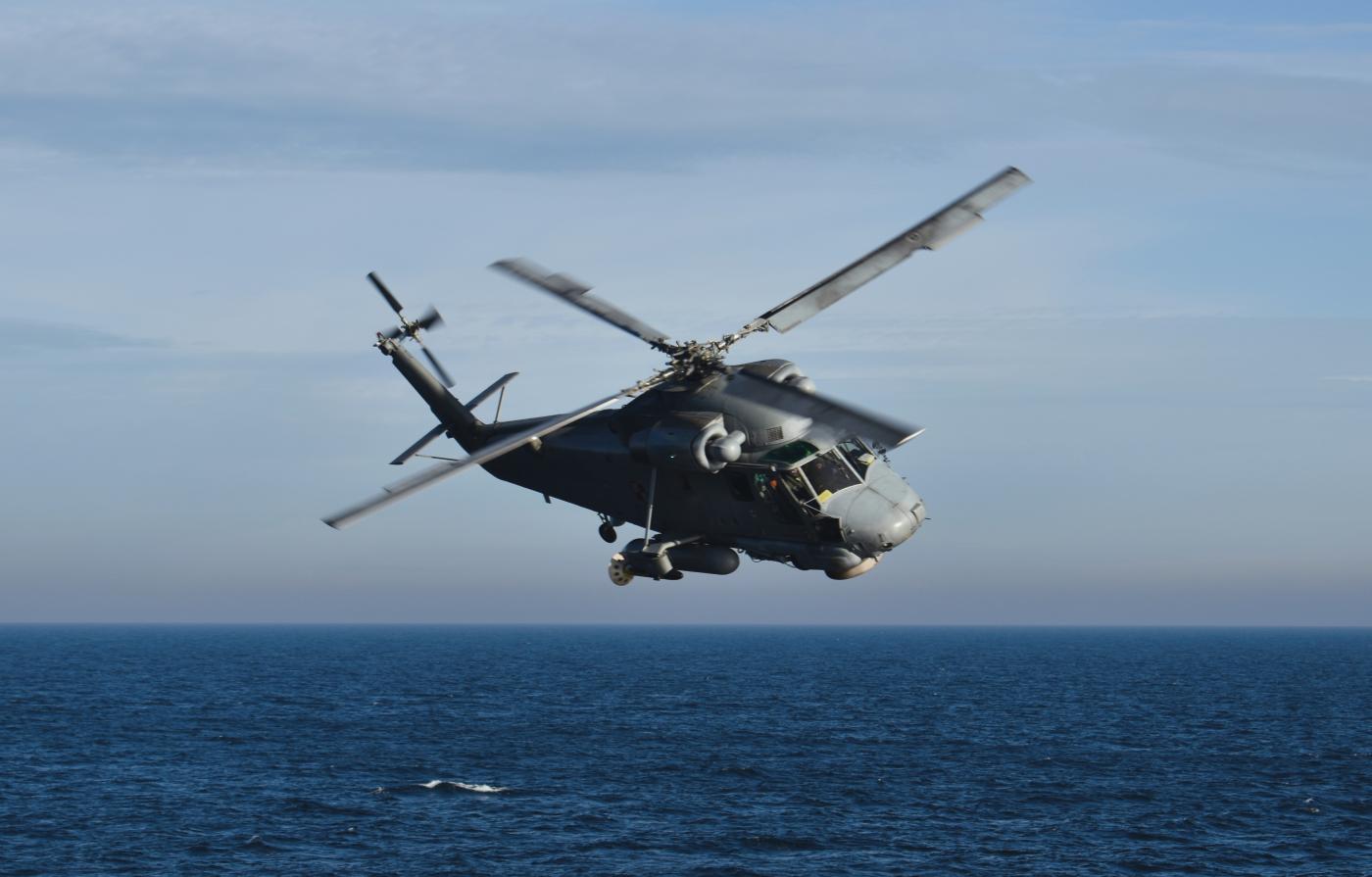
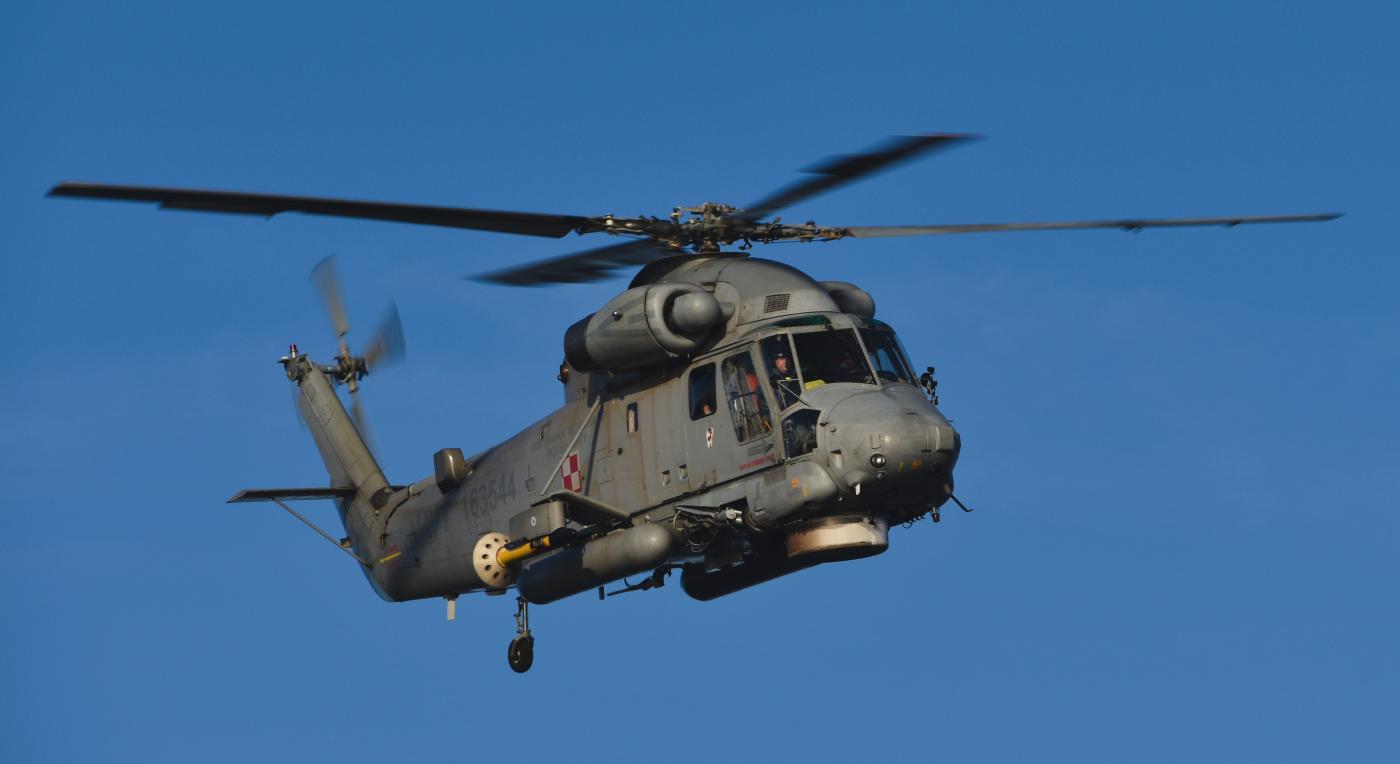
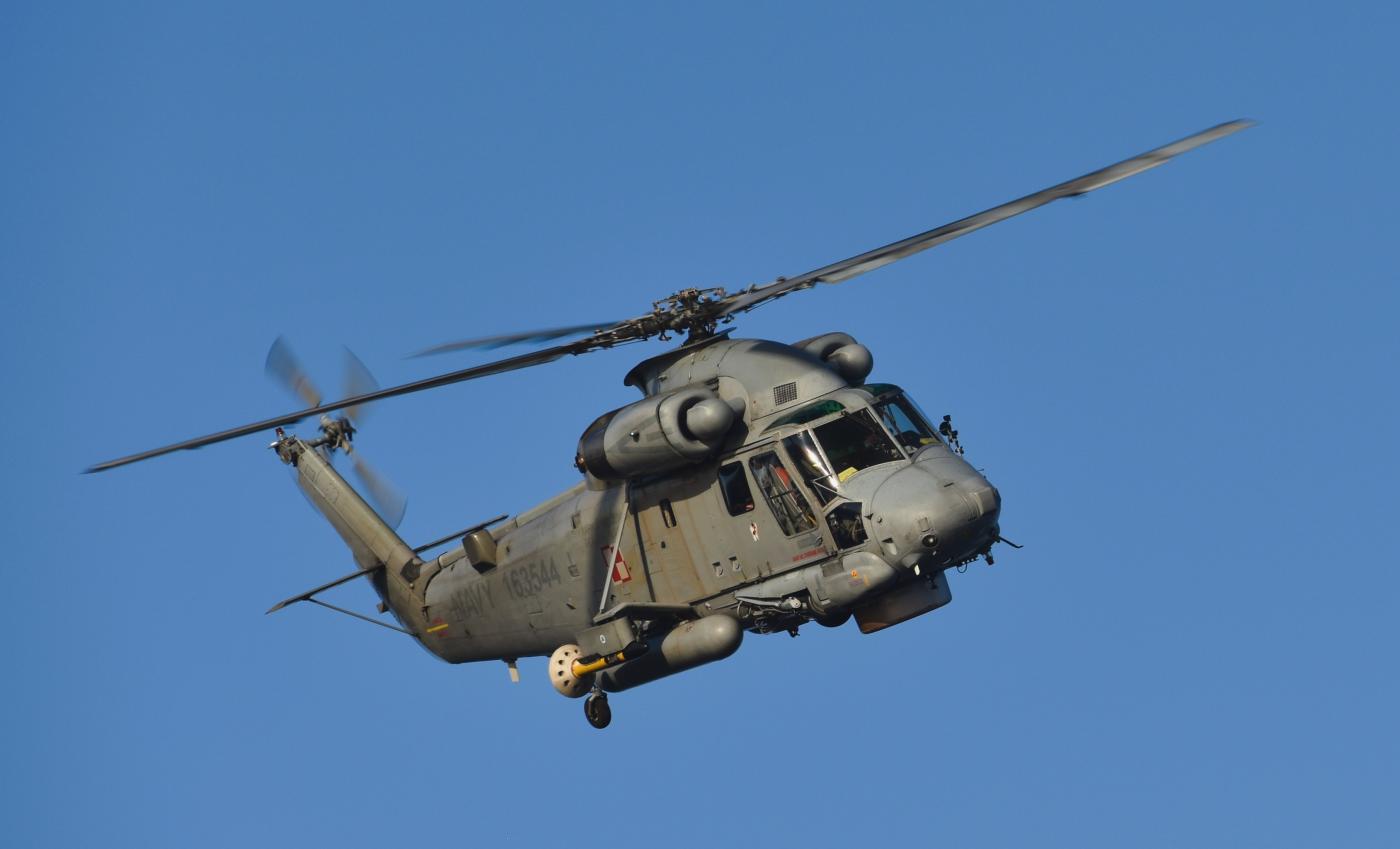
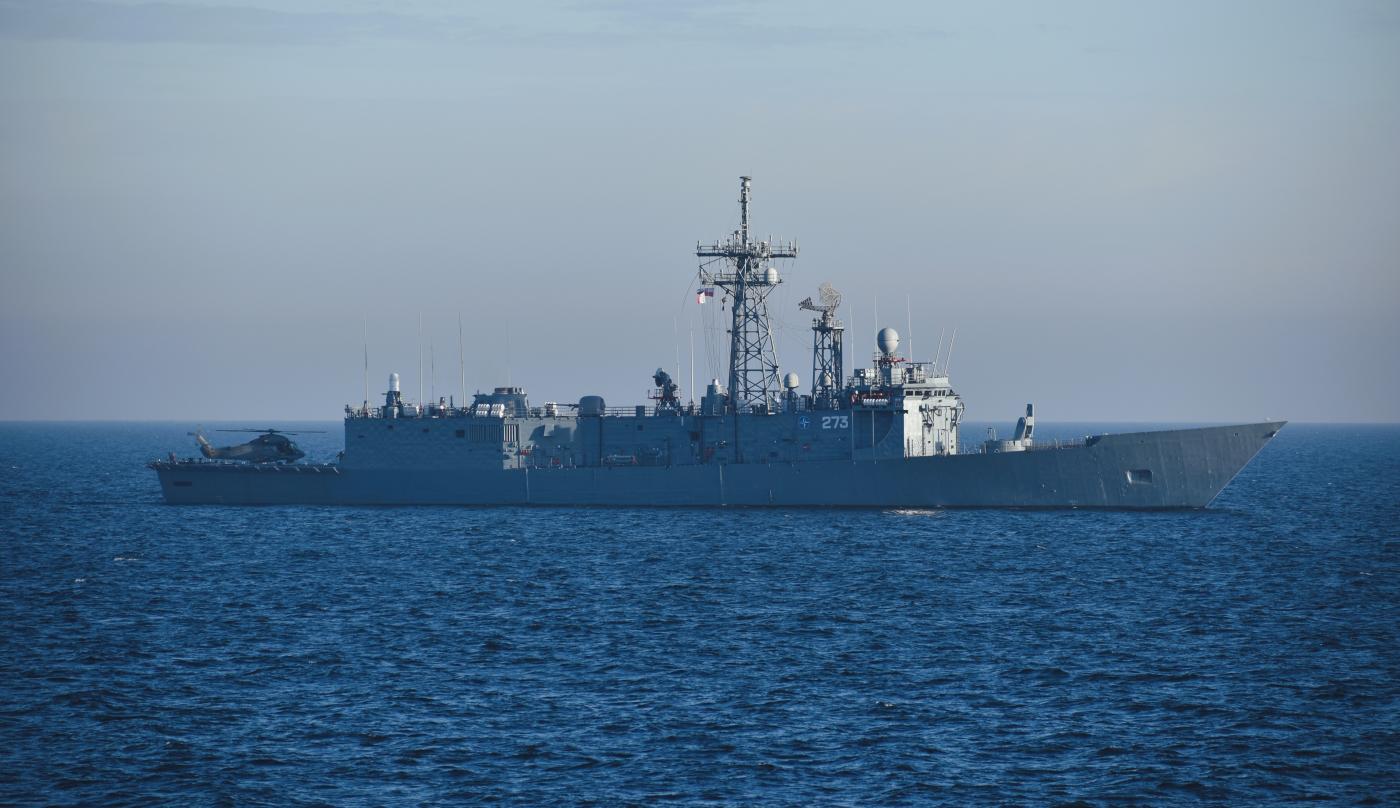
For more than two decades, the SH-2G Super Seasprite helicopters formed the backbone of Poland’s naval aviation embarked on surface combatants. Operating from missile frigates, they provided anti-submarine warfare (ASW), surface surveillance, and task group support capabilities. Their retirement — unavoidable due to airframe age, sustainment costs, and limited modernisation potential — took place without the identification of a direct successor.
In practical terms, this has deprived Polish surface combatants of an organic aviation component. In the Baltic Sea environment — shallow, congested, heavily monitored, and increasingly contested — this represents an operational rather than merely technical gap.
The Kondor programme: ambitions versus reality
The Kondor programme was conceived to deliver modern, multi-role shipborne helicopters to the Polish Navy. According to initial assumptions, these platforms were to cover a full spectrum of missions: maritime surveillance, ASW, combat support, and participation in allied operations. A key requirement was full interoperability with NATO systems and integration with shipborne combat management systems.
However, as confirmed by the Armament Agency (Agencja Uzbrojenia) in a statement provided to Gazeta Morska, the programme remains at a very early stage.
- The Multi-Role Shipborne Maritime Helicopter project for the Polish Navy is currently at the stage of defining equipment requirements, within which the parameters necessary for the equipment to meet the continuously updated needs of the Polish Armed Forces are being identified. The objective of this work is to ensure the capability for the operational use of aircraft from the multi-role frigates being acquired under the Miecznik programme.
The Armament Agency further emphasised that this process is being conducted in alignment with strategic planning documents prepared by the General Staff of the Polish Armed Forces:
- As part of the requirement-definition process, central material plans are taken into account and coherence is maintained with the ‘Conceptual Directions for the Development of Helicopter Aviation of the Polish Armed Forces’ developed by the General Staff of the Polish Armed Forces. A public procurement procedure for delivery has not yet been initiated.
Kondor in the shadow of Miecznik
This position clearly demonstrates that the Kondor programme is tightly coupled with the Miecznik programme, under which Poland is acquiring new multi-role frigates. From a system-of-systems perspective, this linkage is logical. A shipborne helicopter must be fully compatible with its host vessel — from flight deck and hangar dimensions, through communications systems, to integration with the ship’s combat management system.
At the same time, such coupling means that delays in one programme directly affect the other. A multi-role frigate without a dedicated shipborne helicopter loses a substantial portion of its operational value, particularly in ASW and reconnaissance roles. In this sense, Kondor should not be viewed as an optional add-on to Miecznik, but as an integral component of the overall capability.
The Baltic Sea as a decision-driven environment
Growing military activity in the Baltic region, the expansion of Russian A2/AD capabilities, and the increasing importance of subsea critical infrastructure all elevate rapid reconnaissance and response capabilities to the strategic level. Shipborne helicopters equipped with modern sensors represent one of the pillars of this architecture.
The absence of such capabilities forces the Polish Navy to rely on external support — either land-based aviation or allied assets. In a crisis scenario, this reliance may result in delays and reduced operational autonomy.
Time for decisions, not only analyses
The response from the Armament Agency confirms that the Kondor programme is embedded within a broader and coherent planning framework. At the same time, it explicitly indicates that no procurement procedure has yet been launched. From an operational standpoint, this means the continuation of a capability gap that cannot be bridged by conceptual documents alone.
Today, a shipborne helicopter is neither a luxury nor an optional enhancement; it is a fundamental tool of a modern navy. If Kondor is to truly take flight over Polish waters, decisions must be made that go beyond requirement definition. Otherwise, the Polish Navy will remain a force with a limited field of vision — a serious constraint in contemporary maritime warfare and deterrence.
see also
Buy us a coffee, and we’ll invest in great maritime journalism! Support Gazeta Morska and help us sail forward – click here!
Kamil Kusier
redaktor naczelny
gallery
comments
Add the first comment
see also
105th life-saving mission. Naval Aviators conduct double "Heart Action" transport
Another successful medical evacuation over the Baltic Sea. Yet another intervention at offshore wind farms
Cross-border SAR operation on the ice of the Gulf of Bothnia
French Navy increases operational activity from the Mediterranean to the Arctic
Incident at the Finnish Quay in Szczecin
55 Years of the 3rd Ship Flotilla. A pillar of the Polish Navy
Cold Response 26 concludes: NATO strengthens northern flank readiness in Arctic conditions
"Let everyone know we will prevail". Poland’s armed forces set strategic course for 2026-2039
“Army 500” and strategic transformation: Poland sets the course for long-term deterrence and allied readiness
Medical evacuation from Danish-flagged vessel Skoven off Łeba. Joint SAR operation in the Baltic Sea
ADVERTISEMENT
ADVERTISEMENT