Japan sells warships abroad for the first time
Japan, long bound by a pacifist constitution and strict export controls, is stepping onto the global defense market. For the first time in its history, Tokyo has agreed to transfer decommissioned warships to another nation – the Philippines.
worldwide defense industry news29 august 2025 | 17:21 | Source: Gazeta Morska / PAP | Prepared by: Kamil Kusier | Print
fot. Wikimedia Commons
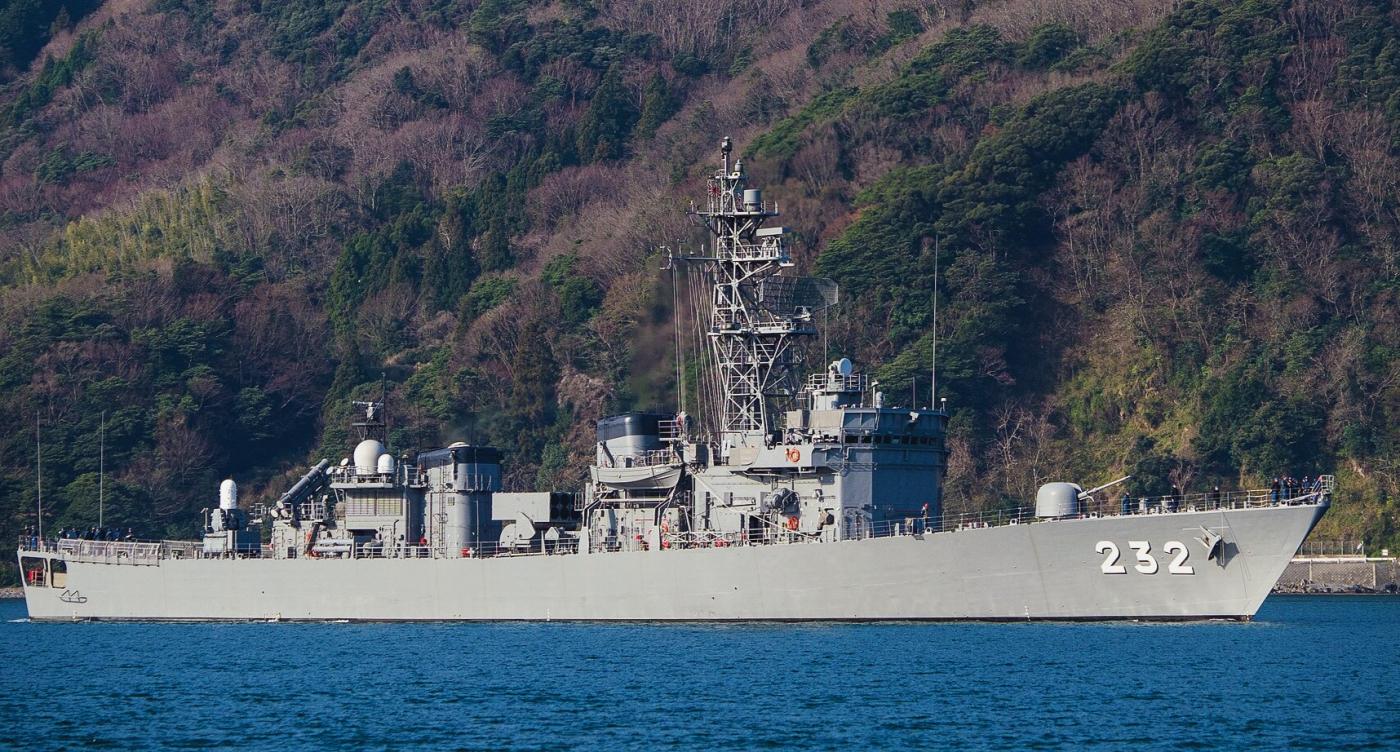
Six retired Abukuma-class destroyer escorts, along with several maritime patrol aircraft, will be delivered to Manila. According to NHK World-Japan, Philippine Navy officials have already inspected the vessels at the Sasebo naval base in Nagasaki Prefecture.
The Abukuma-class package
The 109-meter-long escorts remain fully armed with Harpoon anti-ship missiles, ASROC anti-submarine rockets, a rapid-fire 76mm gun, and torpedo launchers.
This deal marks a further deepening of Japan–Philippines defense cooperation. Manila has already received Japanese-built patrol craft and radar systems, which were immediately deployed for surveillance missions in the contested South China Sea. Additionally, under Tokyo’s official security assistance (OSA) program, the Philippines built 13 small warships with Japanese financing support.
The two nations signed a defense pact in August, set to enter into force in September.
Wider regional engagement
Japan’s defense outreach is not limited to the Philippines. In February, Indonesia received two 18-meter patrol boats optimized for shallow coastal and riverine operations. By 2028, Japan will also deliver an 85-meter offshore patrol vessel to Jakarta.
A landmark development, however, came earlier this August when Tokyo secured a major contract with Australia. Japan beat experienced shipbuilding rivals from Spain, Germany, and Italy, offering advanced frigates derived from the Mogami-class designed by Mitsubishi Heavy Industries.
Australia deal – a game changer
Under the $10 billion agreement, Australia will acquire 11 frigates. The first three will be built in Japan, while the remaining eight will be co-produced at the Perth shipyard in Western Australia.
The Mogami-class is among the most advanced multi-role frigates in the world, featuring low-observable (stealth) design. Australian defence industry minister Pat Conroy stressed that these ships rival – and in some aspects surpass – the latest vessels fielded by both China and the United States.
Japan as an emerging security supplier
“This agreement is a huge boost for Japan’s defense industry and has the potential to make the country a key security provider,” commented The Japan Times.
For decades, Japan adhered to its three principles on arms exports (1967), which effectively prohibited the transfer of lethal equipment abroad. Only in recent years has Tokyo relaxed these restrictions, enabling both joint development programs and, now, the direct export of advanced naval assets.
Buy us a coffee, and we’ll invest in great maritime journalism! Support Gazeta Morska and help us sail forward – click here!
Kamil Kusier
redaktor naczelny
comments
Add the first comment
see also
Strait of Hormuz at a strategic crossroads: sinking of IRIS Dena and implications for maritime transport
Austal partners with Damen for local construction of LST 100 for Australian Army
The submarine contract of the decade? Canada weighs South Korea against Germany
Radmor hosts delegation from the Republic of Turkey. Advancing maritime security cooperation
French Navy expands global operations from the Pacific to the Red Sea
Navantia and Fincantieri deepen cooperation on the european patrol corvette programme
Unmanned systems and naval firepower modules. WB Group showcases integrated capabilities at Enforce Tac 2026
Swedish ports record lowest ship calls in 18 years. Implications for the maritime sector
Hapag-Lloyd to acquire ZIM for $4.2bn: strategic consolidation in the container shipping market
Damen Shipyards and Blue Water Autonomy announce license for Liberty-class autonomous vessel for the U.S. Navy
ADVERTISEMENT
ADVERTISEMENT