A city designed from the sea. one hundred years of Gdynia as a project ahead of its time
Gdynia is one of the rare European examples of the 20th century where a seaport was not an addition to an existing city, but the foundation of the entire urban and economic structure. From the outset, the city was conceived as an instrument of maritime policy, with development driven by port operations, logistics, trade, and naval strategy rather than organic urban growth.
history navy ports shipbuilding industry tricity news10 february 2026 | 07:07 | Source: Gazeta Morska | Prepared by: Kamil Kusier | Print
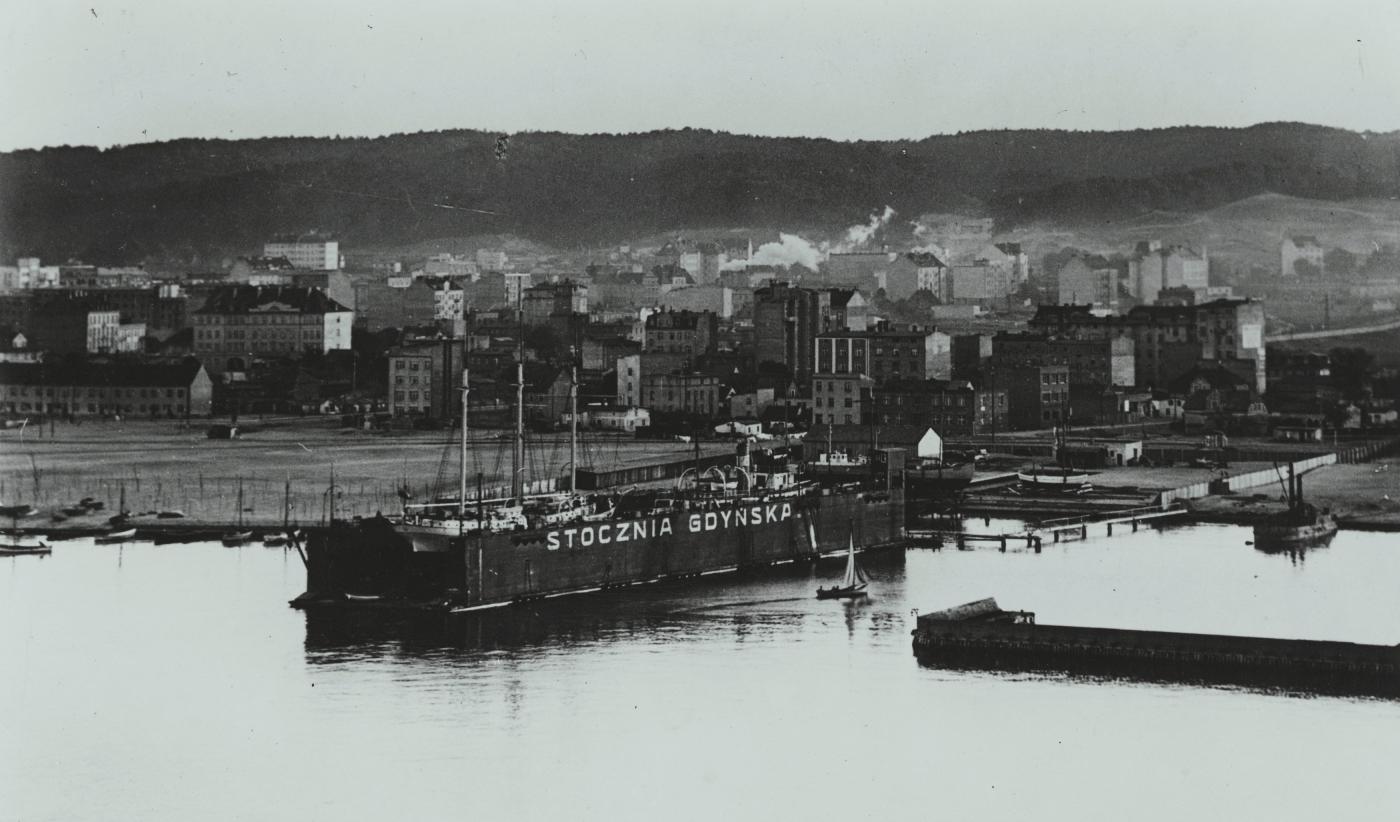
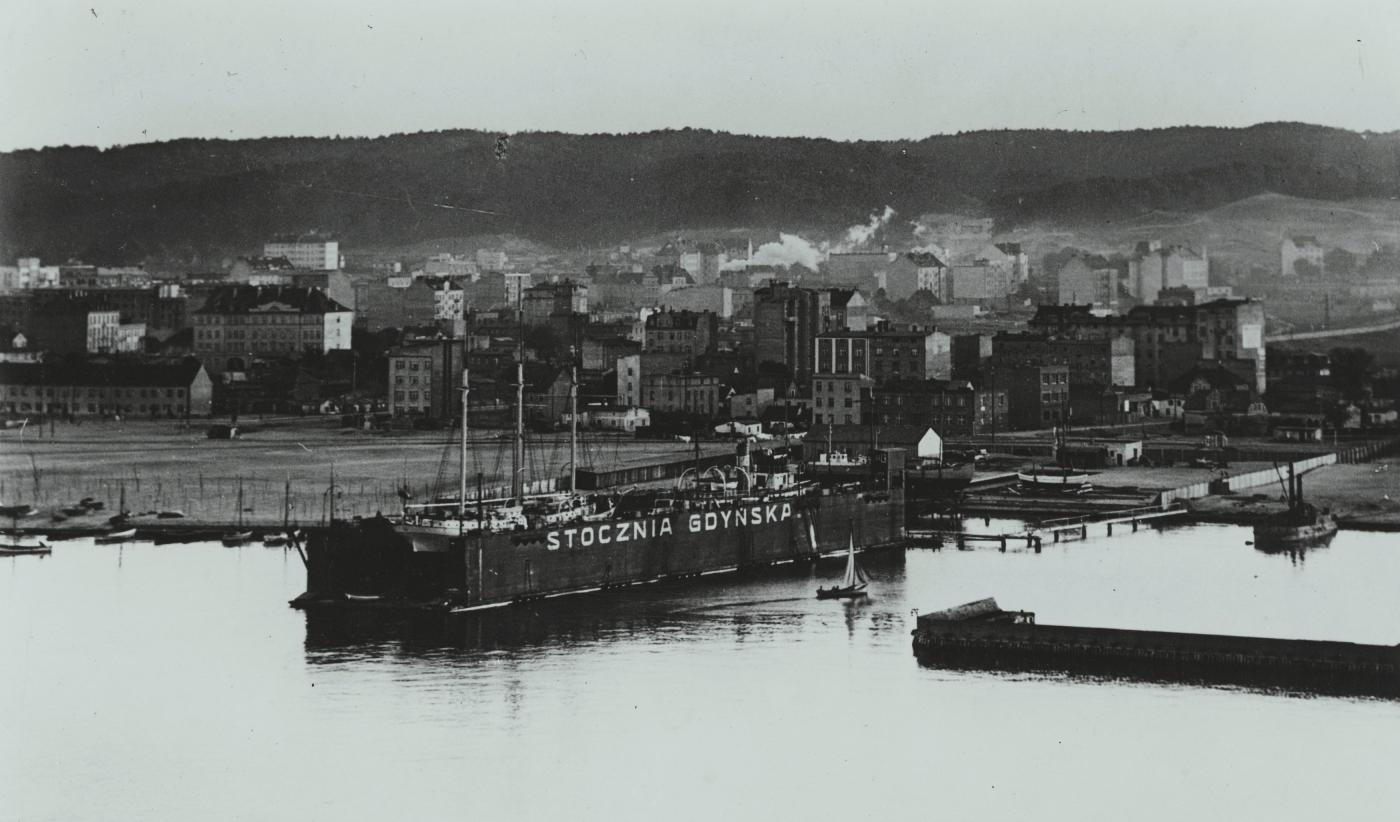
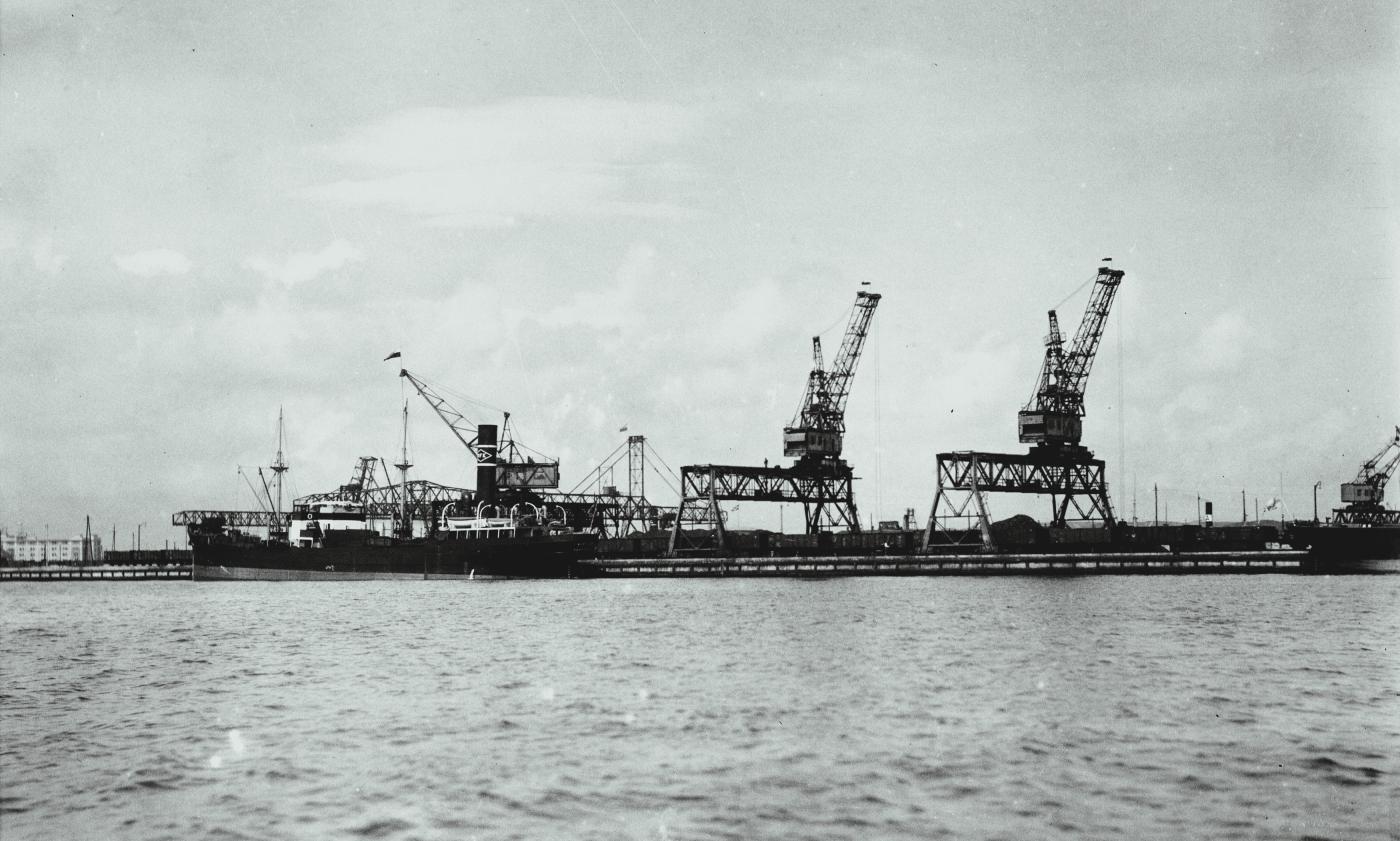
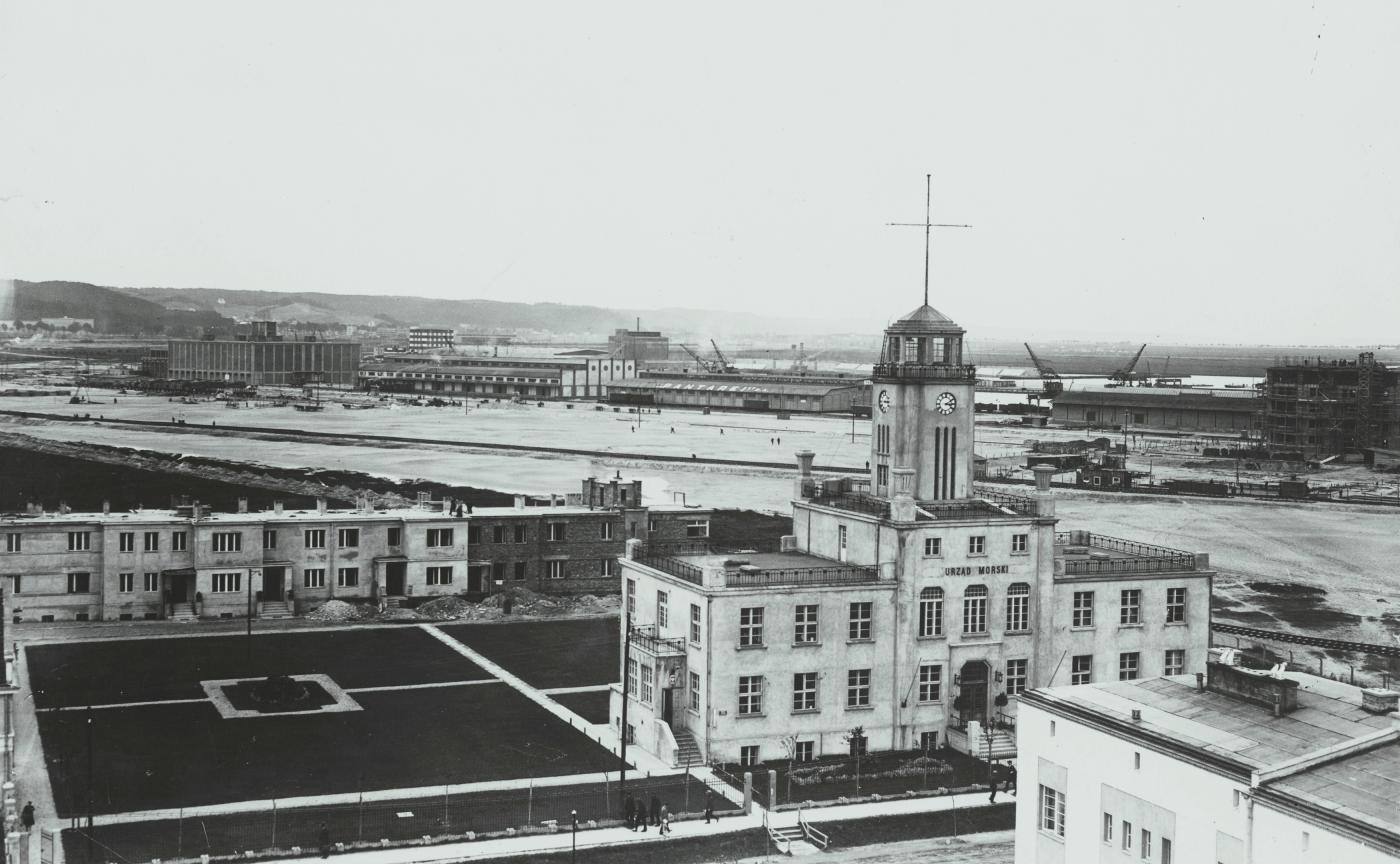
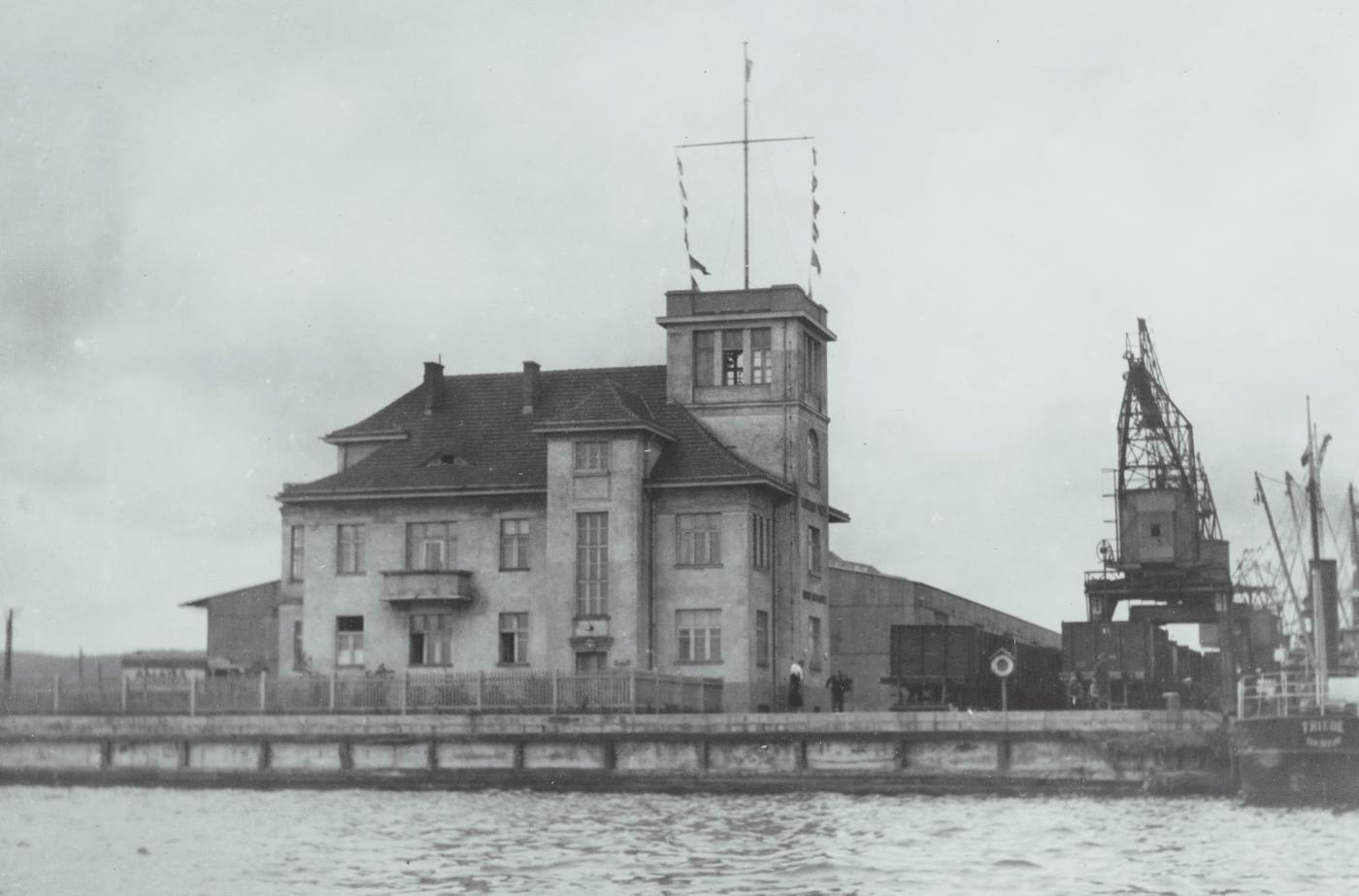
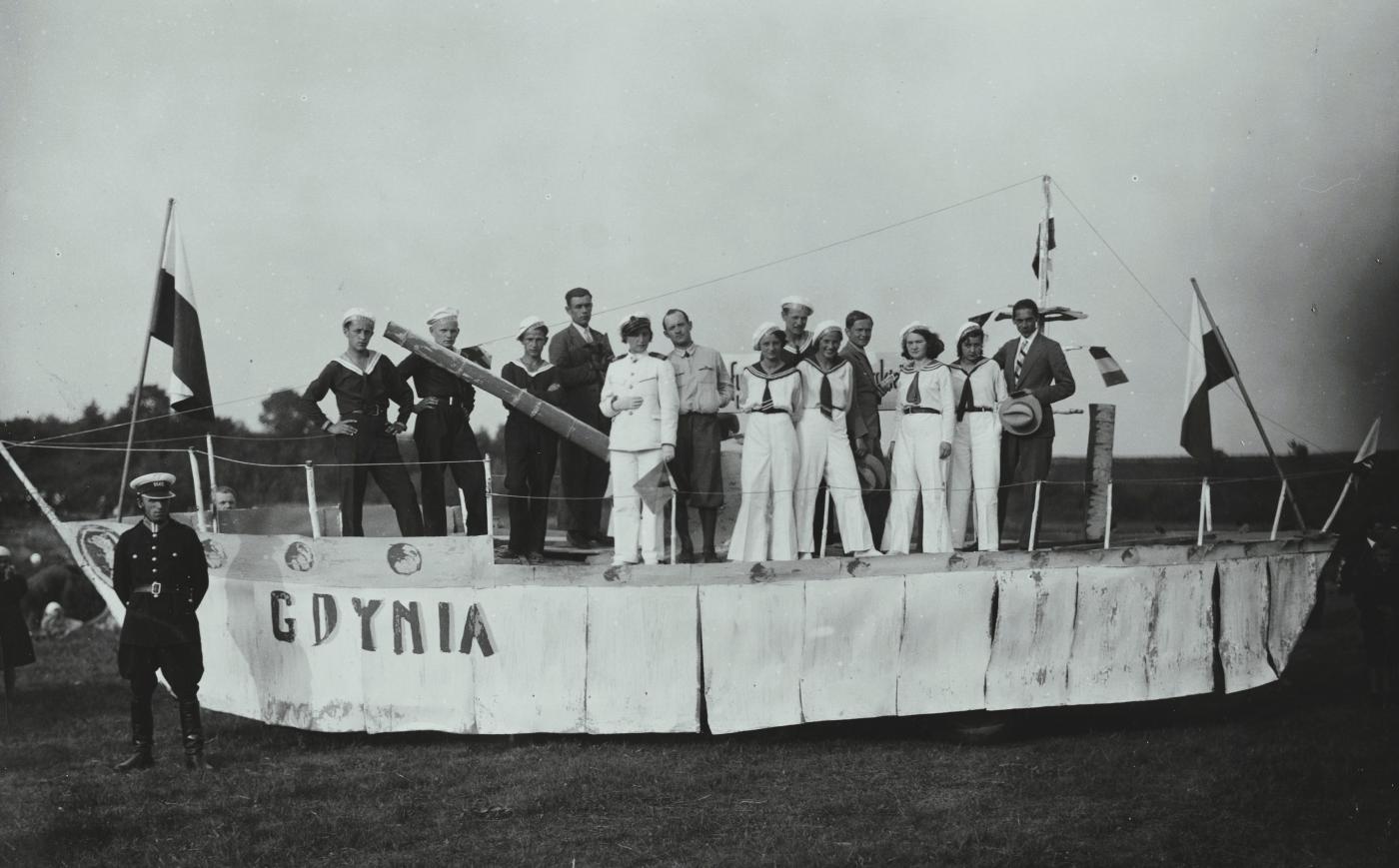
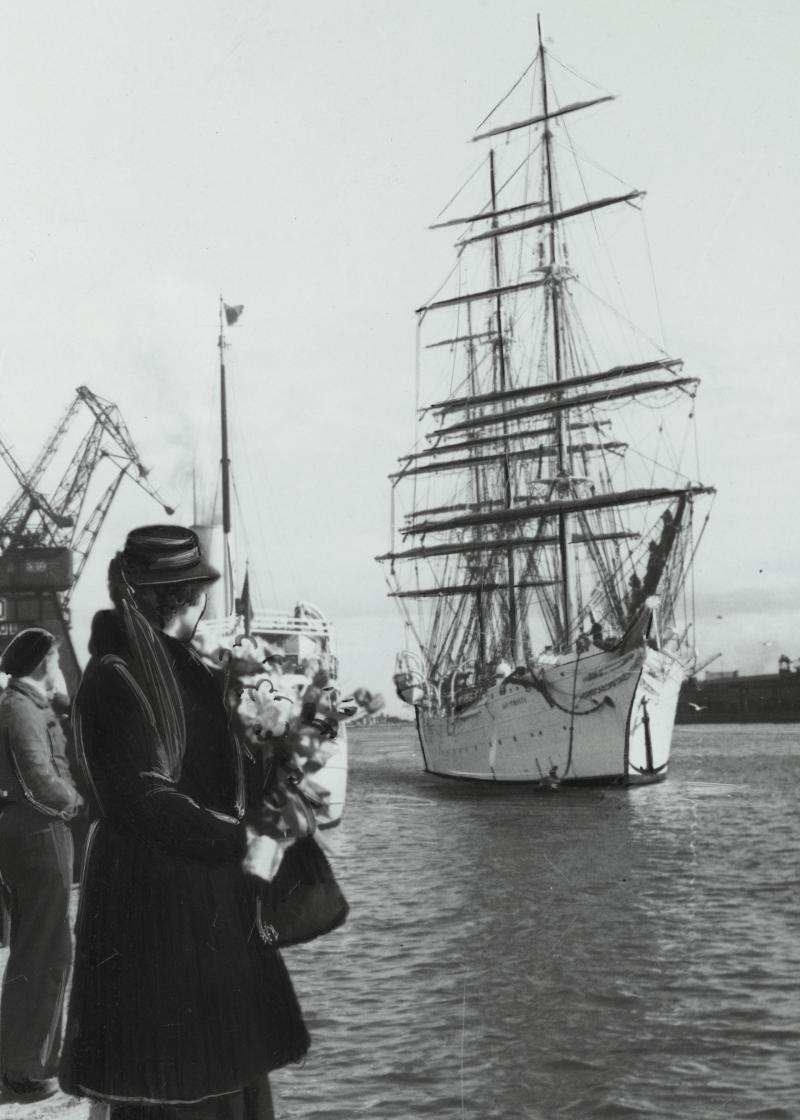
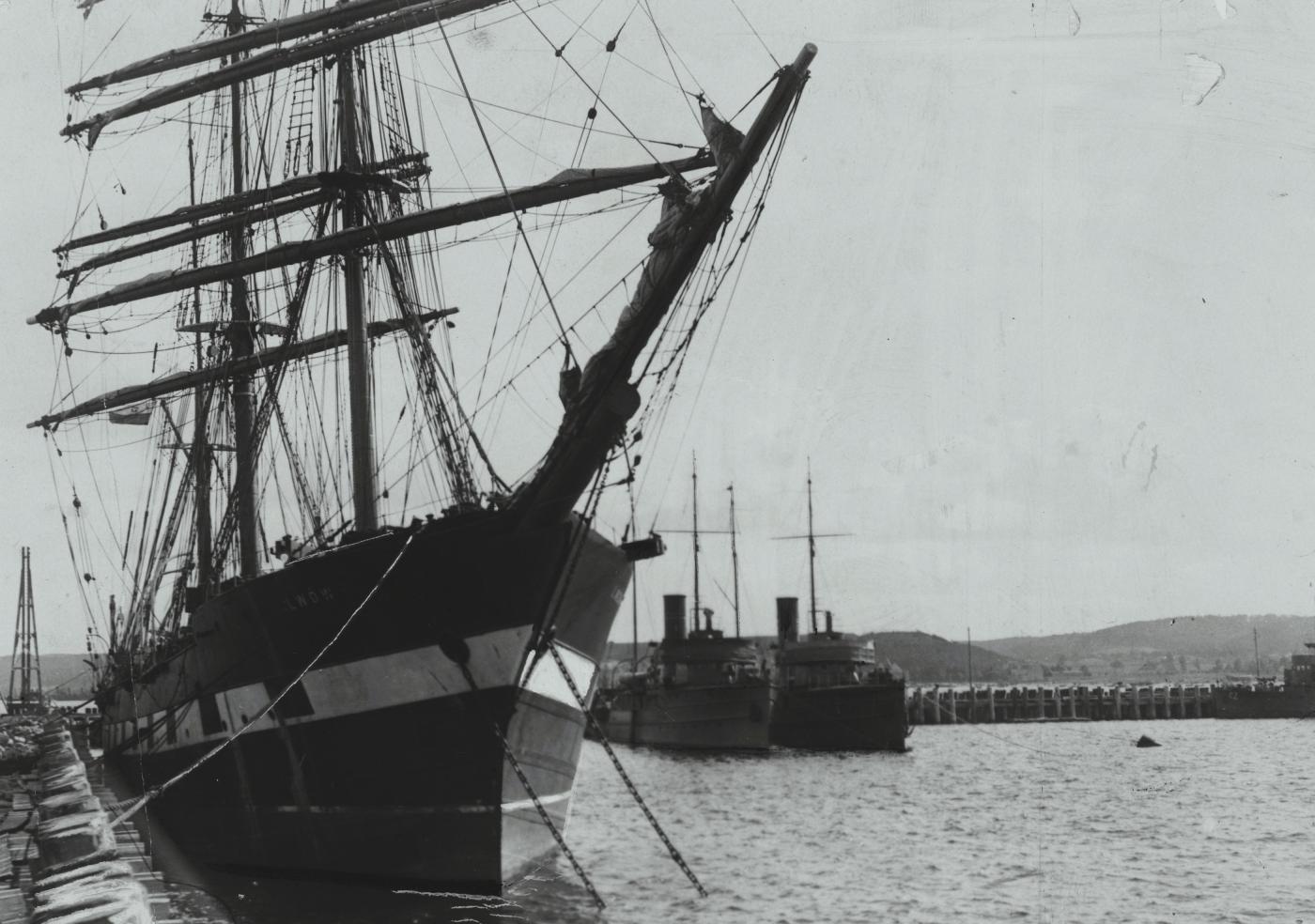
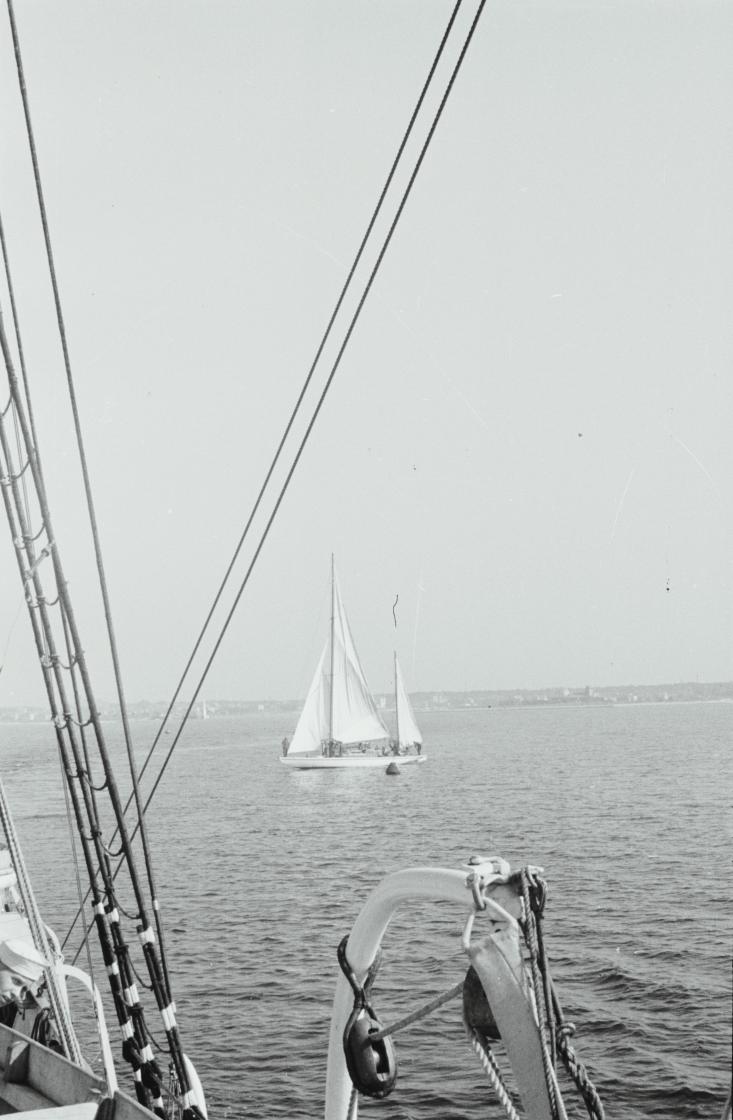
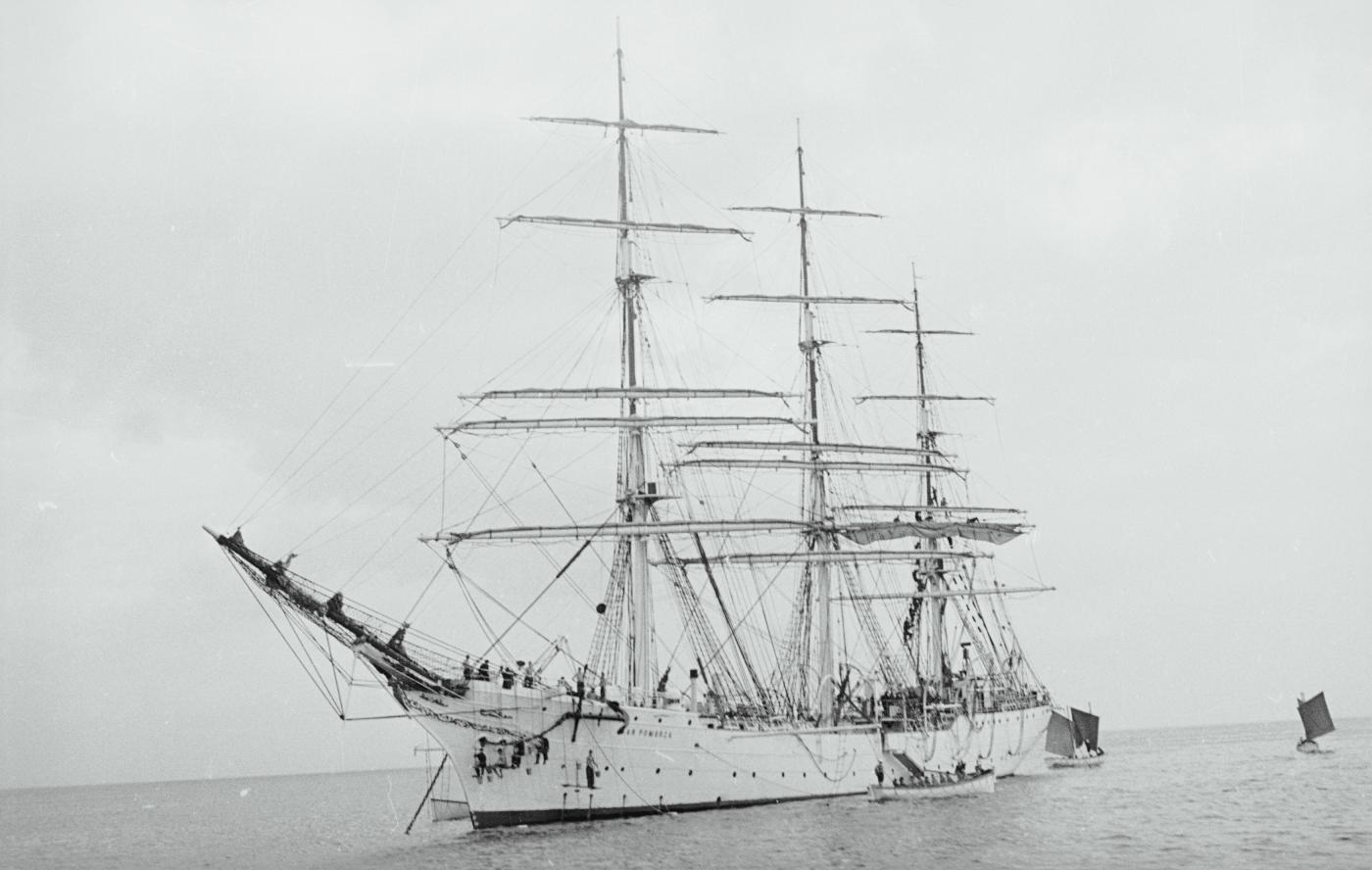
fot. Narodowe Archiwum Cyfrowe
A political and engineering decision
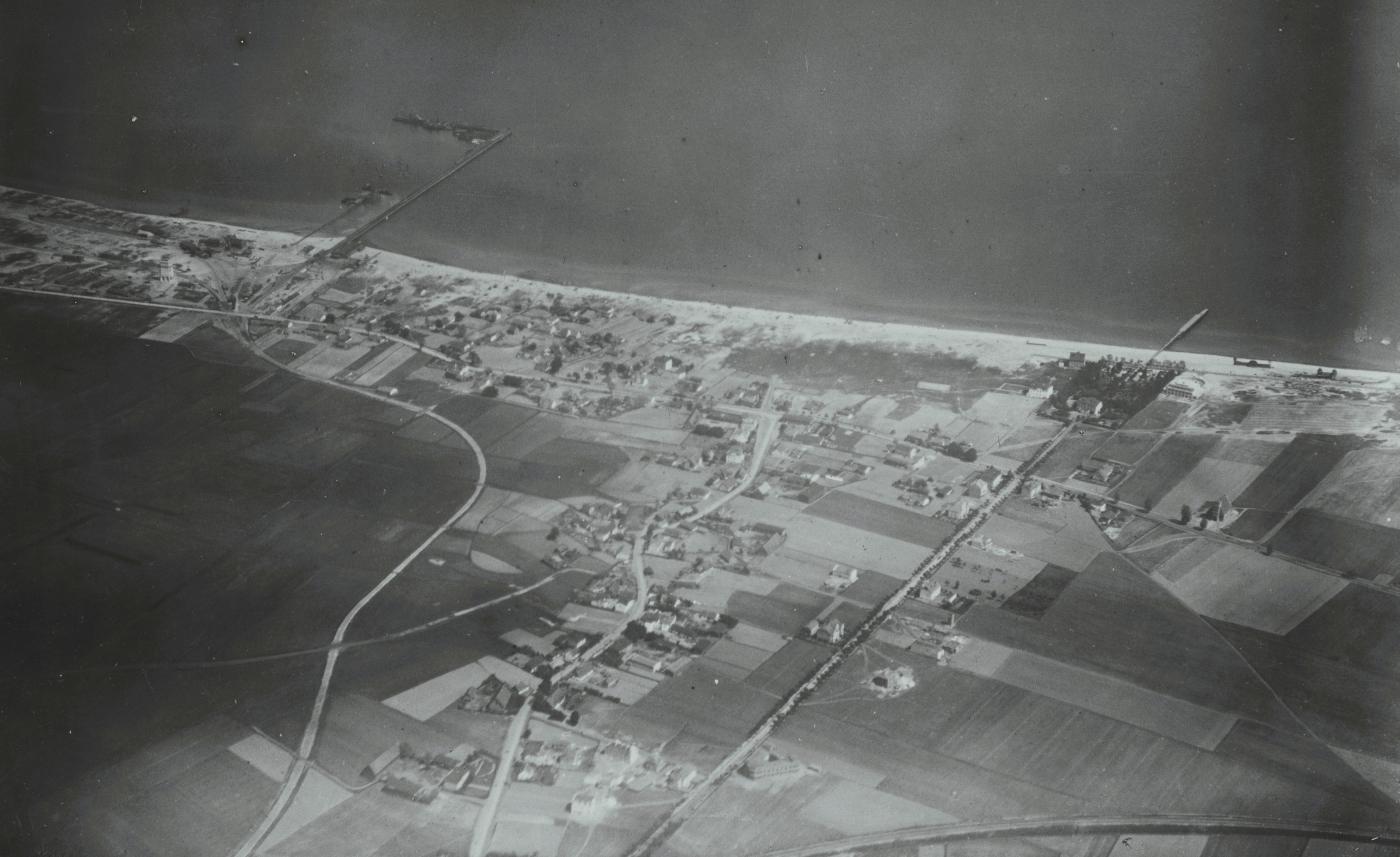
The decision to build a seaport in Gdynia was formalised by an act of the Polish parliament on 23 September 1922, in response to Poland’s limited access to maritime infrastructure due to the Free City of Danzig. The location on the Gulf of Gdańsk was chosen for its favourable hydrographic conditions, potential for rail connections with the hinterland, and strategic security considerations.
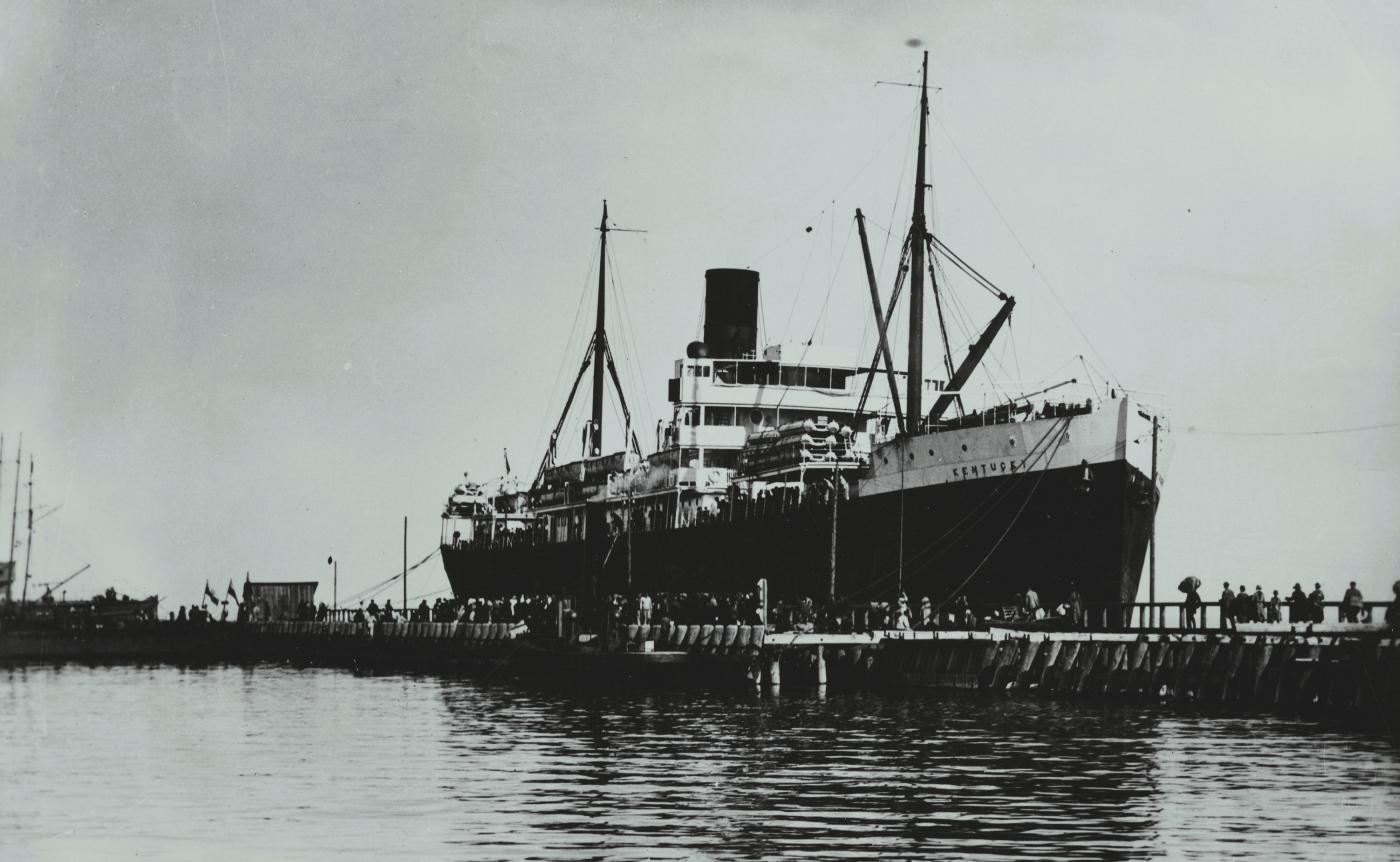
In 1923, the French ocean-going vessel Kentucky called at the provisional pier in Gdynia, marking the port’s first operational success and demonstrating its potential as a full-scale maritime hub.
A city created by the port
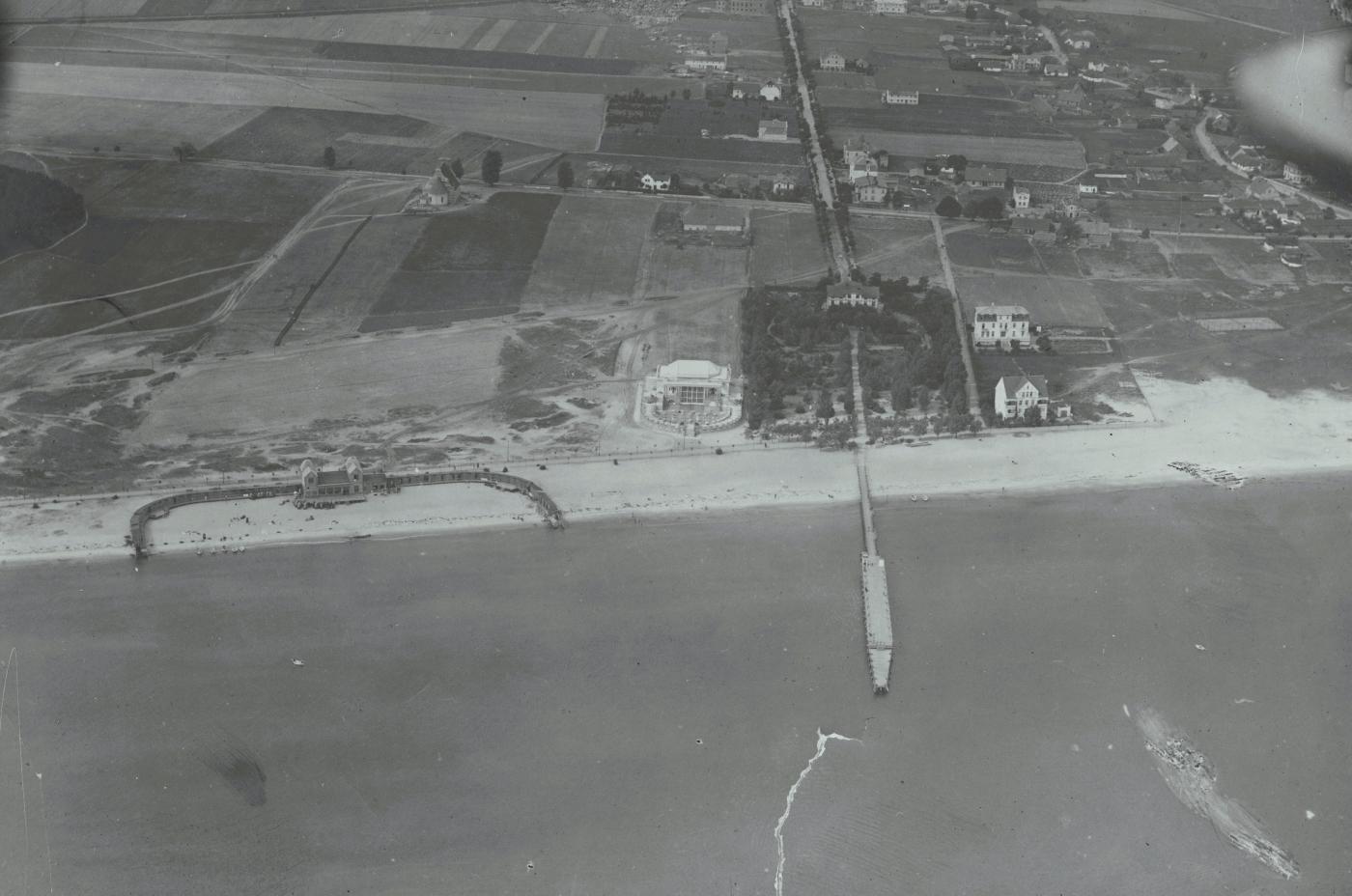
By a regulation of the Council of Ministers dated 4 March 1926, Gdynia obtained city rights. At the time of the formal establishment, the port was already under intensive use and development, and its functions were of national significance. Urban planning in Gdynia from the very beginning was subordinated to port operations, industrial infrastructure, and transport logistics.
The main maritime gateway of interwar Poland
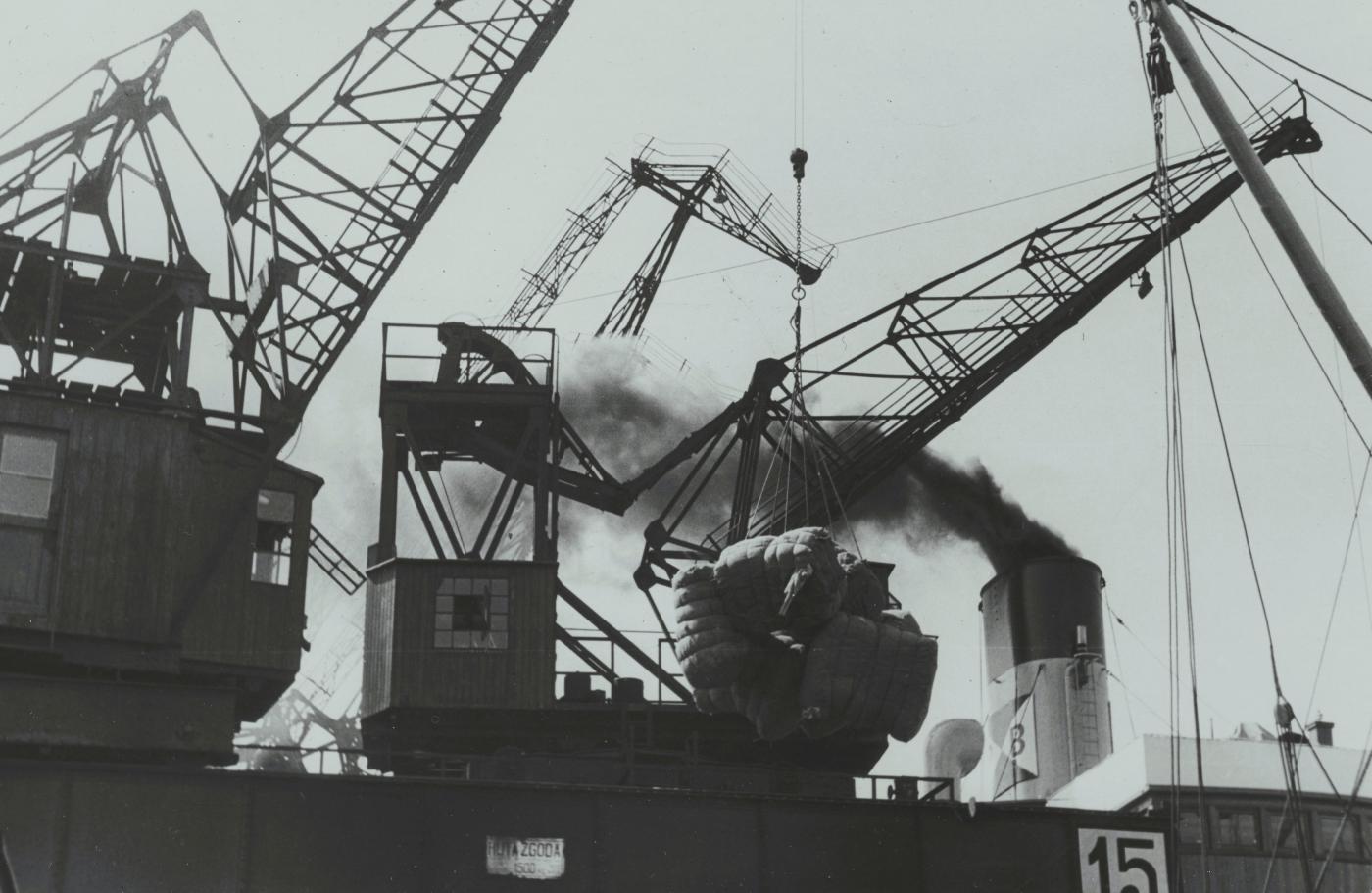
During the 1930s, Gdynia became Poland’s primary seaport, handling the majority of the country’s foreign trade by sea. The port specialised in bulk cargoes, particularly coal exports, as well as general cargo. By the late interwar period, it ranked among the most modern ports in the Baltic Sea region, both in terms of infrastructure and operational efficiency.
Base for the merchant fleet and passenger shipping
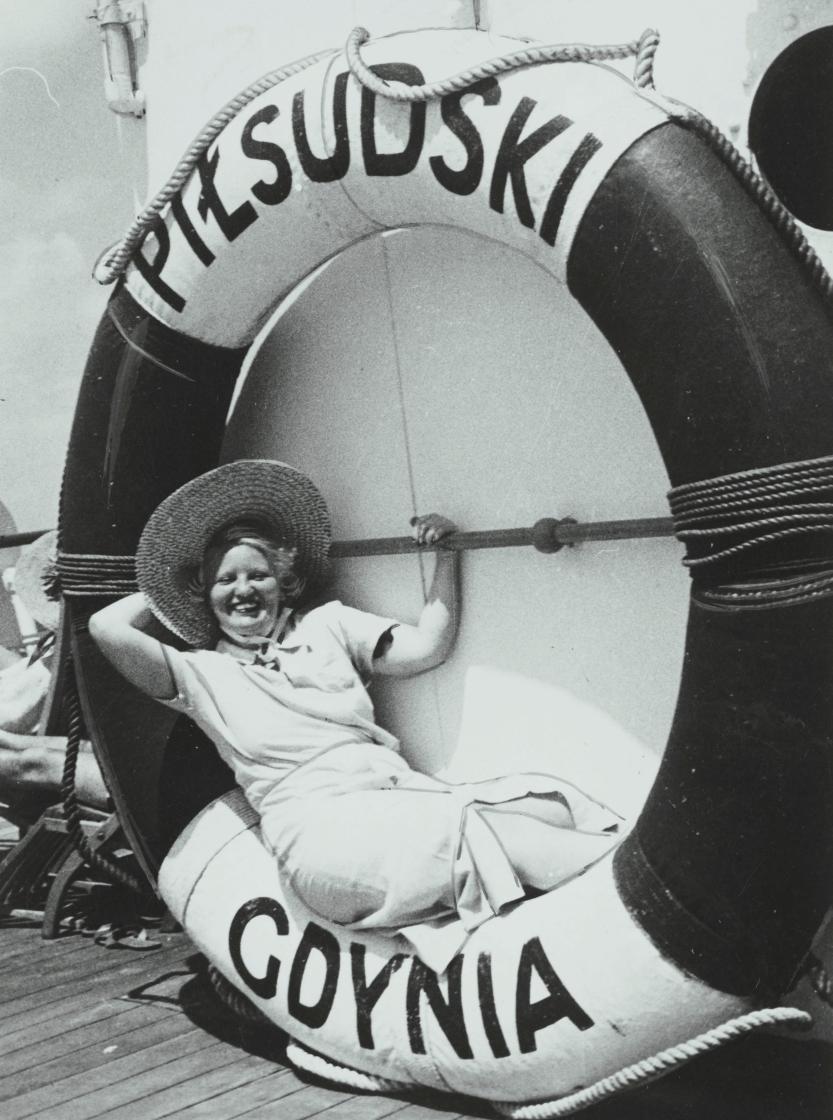
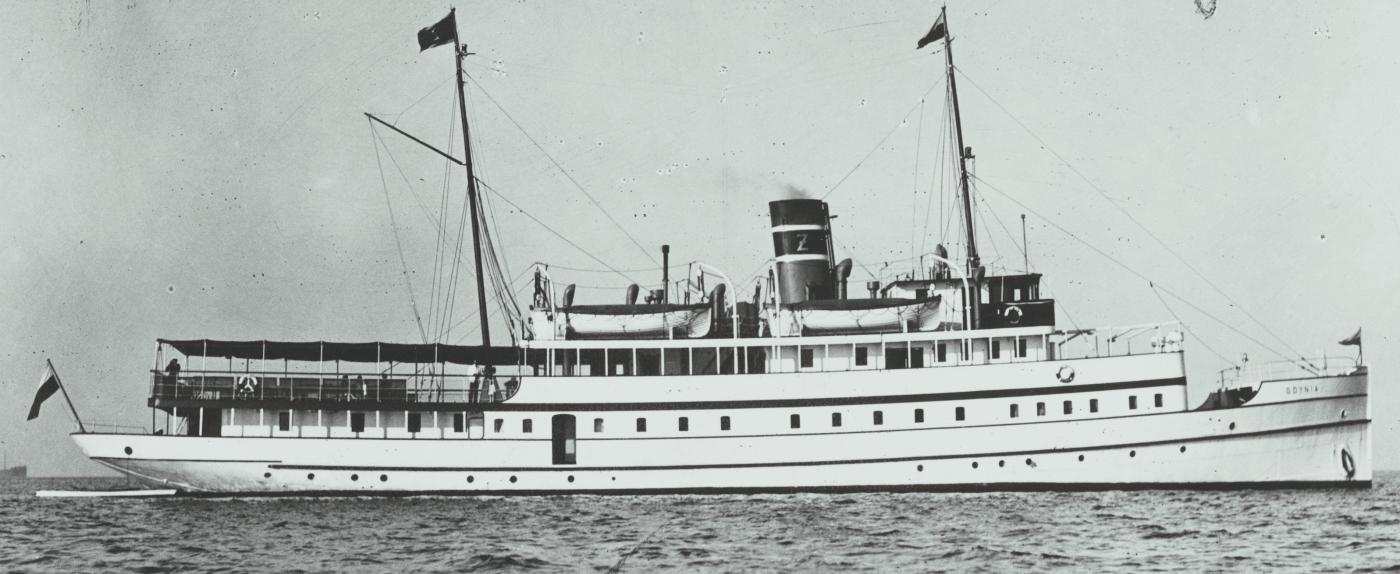
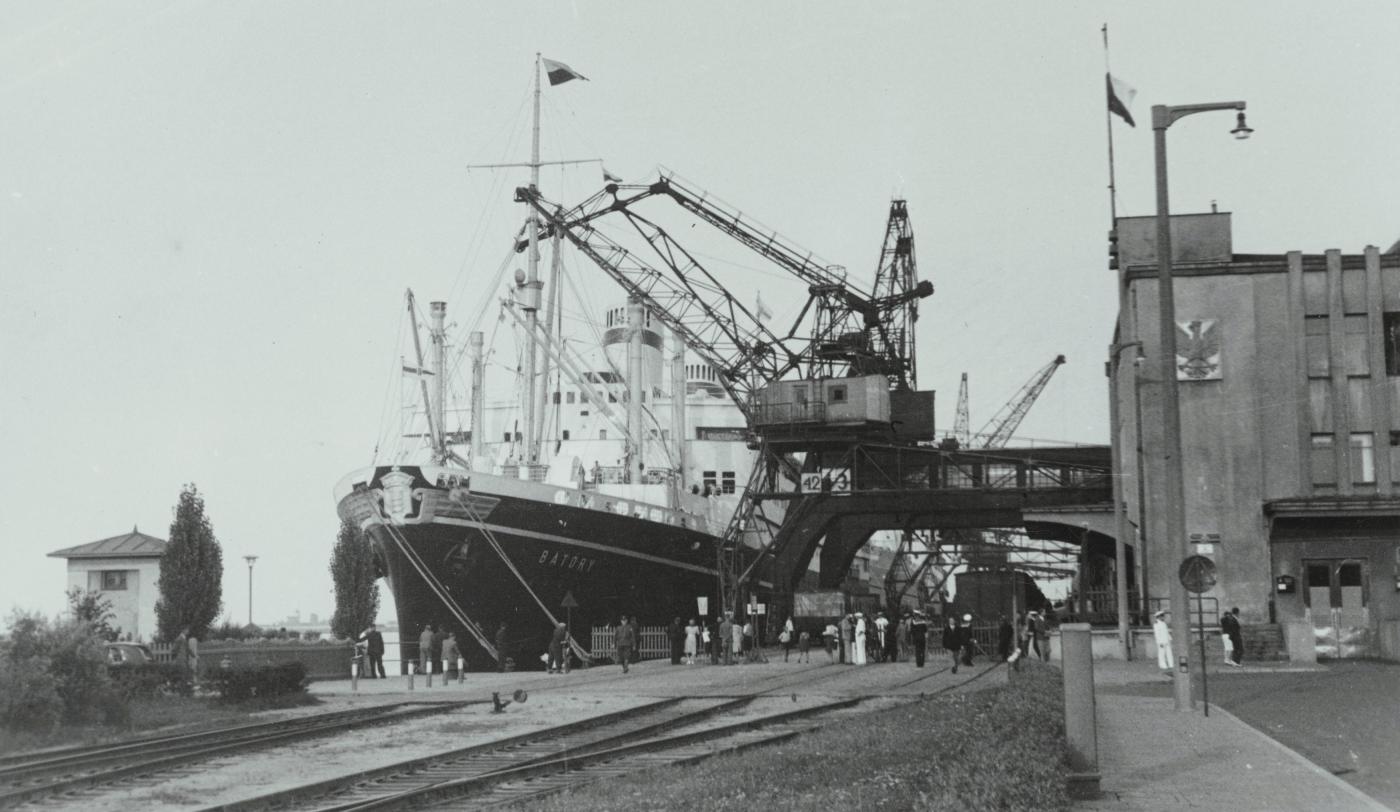
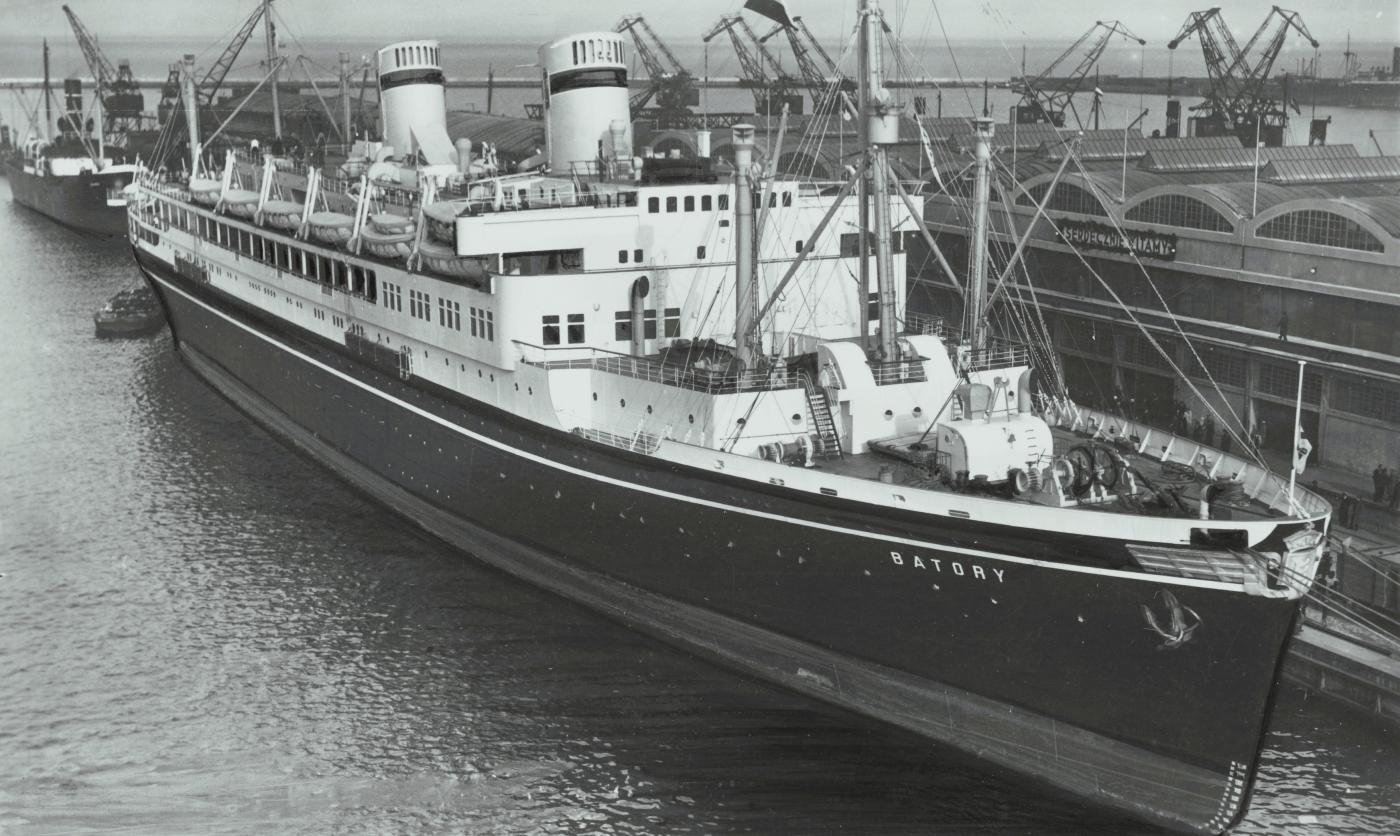
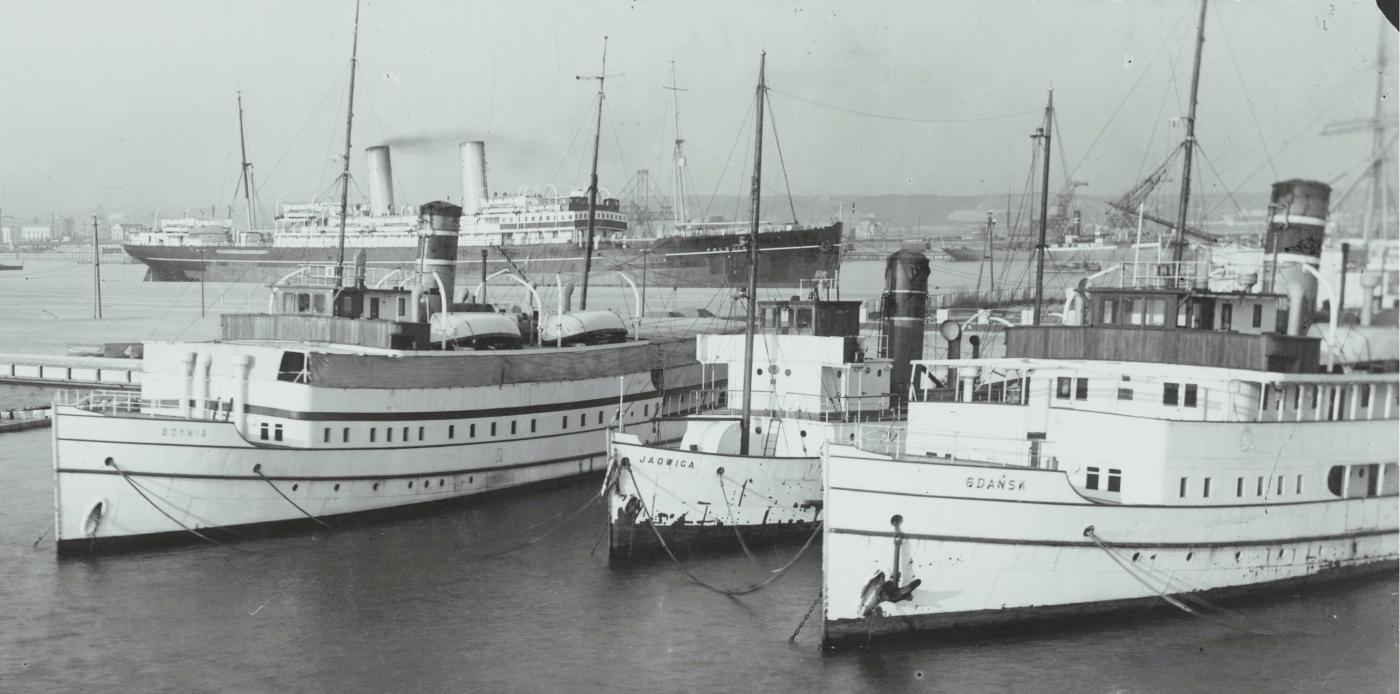
The port’s development was closely linked to the growth of the Polish merchant navy. Gdynia served as the home port for passenger liners such as Batory and Piłsudski, operating transatlantic routes. The Maritime Passenger Terminal became one of the key emigration hubs in Central and Eastern Europe, integrating passenger traffic into the port’s broader economic and social functions.
Naval port and strategic significance
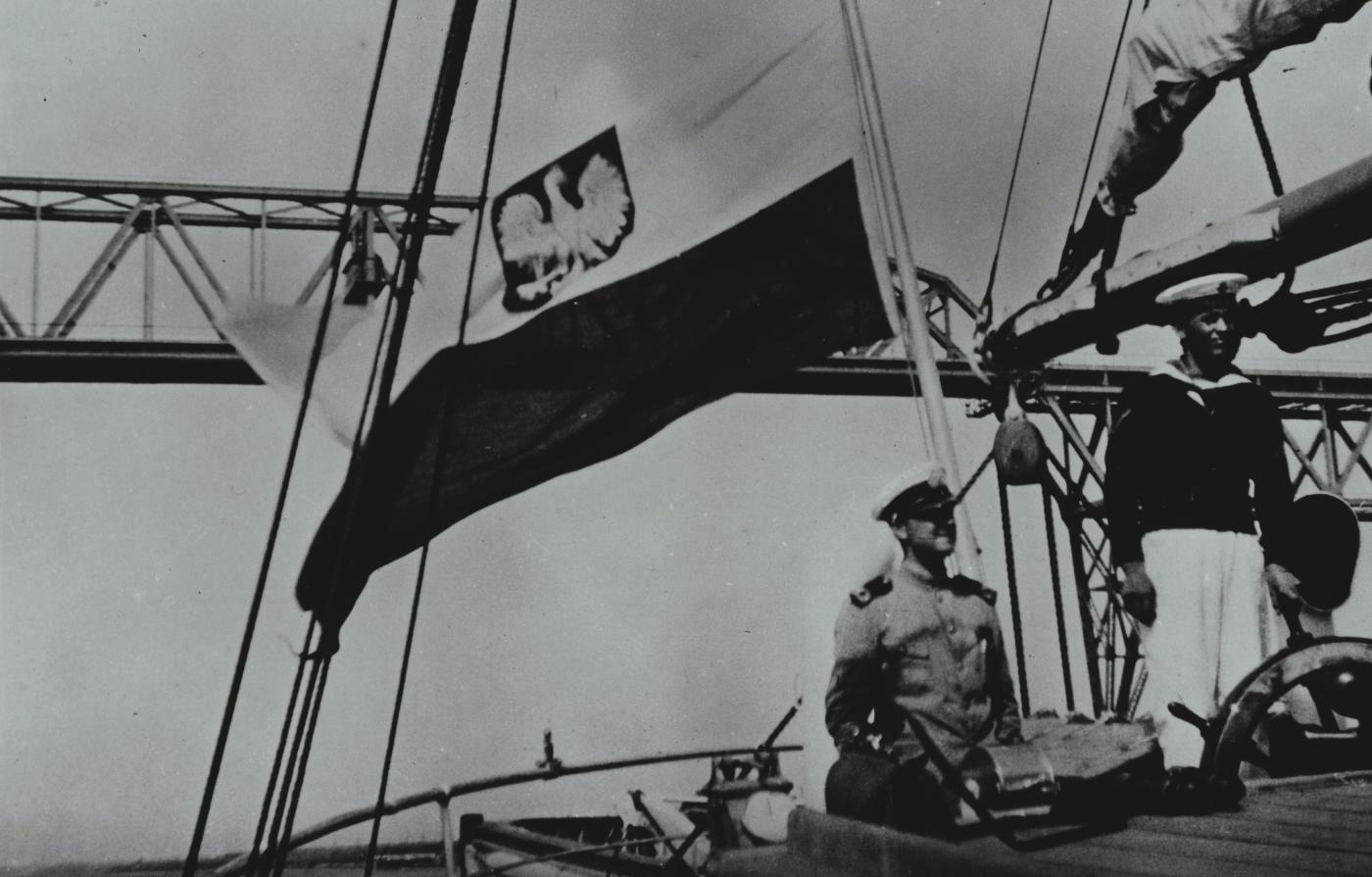
From the very beginning, Gdynia served as a strategic base for the Polish Navy, supporting the defence of the coastline and the security of maritime trade routes. During the Second World War, the port was occupied by German forces and renamed Gotenhafen, incorporated into the Kriegsmarine logistics network, and became one of the most important naval points on the Baltic. Despite the occupation, Gdynia remained a symbol of Polish maritime heritage, and the experience of Polish sailors and naval personnel contributed to the city’s enduring identity as a maritime hub.
After 1945, the port quickly returned to Polish control and was rebuilt as a base for the Polish Navy, along with its shipyards and logistical infrastructure. This post-war reconstruction restored Gdynia’s strategic significance, reaffirming its role in national security and maritime policy. Today, the port’s history underscores its continuous connection to the Polish state and its maritime sovereignty.
Post-war reconstruction and maritime industrialisation
In the decades following the war, Gdynia evolved into a centre of maritime administration, education, shipping companies, and shipbuilding, maintaining its position as one of Poland’s core maritime hubs. Modernisation programmes in the second half of the 20th century and into the 21st century allowed the port to adapt to containerisation, terminal specialisation, and integration into European transport corridors.
A century in balance
One hundred years after obtaining city rights, Gdynia remains an example of how a coherent maritime strategy and port-led development model can create a durable urban and economic structure. From the outset, port, transport, industry, education, and administration formed an integrated system that enabled rapid growth and long-term competitiveness.
Today, Gdynia continues to be a logistics and maritime hub, attracting shipping companies, investors, and technical expertise. Its ports, shipyards, research facilities, and maritime education institutions demonstrate that modern cities can develop in harmony with maritime infrastructure and national strategy.
Gdynia’s history proves that strategic thinking about the sea can shape not only trade but also cities, regions, and states. If Poland invests again in maritime development as a national priority, Gdynia could serve as a symbol of a new trend in economic growth, showing that integrating urban planning with maritime strategy is as relevant today as it was a century ago.
see also
Buy us a coffee, and we’ll invest in great maritime journalism! Support Gazeta Morska and help us sail forward – click here!
Kamil Kusier
redaktor naczelny
gallery
comments
Add the first comment
see also
137 years since the Apia cyclone in Samoa: a lesson for modern shipping
Polish Navy retires prototype minesweeper ORP Gopło after 44 years of service
Commander Maciej Janiak award. Honouring those who build maritime Poland
55 Years of the 3rd Ship Flotilla. A pillar of the Polish Navy
March 1: Remembering the “cursed soldiers”. A legacy that also resonates with today’s navy
Gdynia at 100: ceremonial city council session highlights Poland’s maritime strategy
Poland’s wedding to the sea in Puck: President Karol Nawrocki commemorates 106th anniversary
Gdynia at 100: A Strategic port city celebrates its maritime identity
106 years ago Poland “turned to the sea”. Split celebrations, one goal: a strong maritime Poland
IPN Gdańsk highlights maritime cities and port heritage in its 2026 programme
ADVERTISEMENT
ADVERTISEMENT