80 years after the Wilhelm Gustloff tragedy. The deadliest maritime disaster in history
On January 30, 2025, the world marks the 80th anniversary of the sinking of MS Wilhelm Gustloff, the worst maritime disaster ever recorded. Originally built as a German passenger liner, the ship was repurposed as a transport vessel for the Kriegsmarine during World War II. In a tragic turn of events, it was torpedoed by the Soviet submarine S-13, leading to the deaths of an estimated 9,000 to 10,000 people—most of them civilians fleeing the advancing Red Army. The scale of the disaster far exceeds that of the Titanic, where around 1,500 lives were lost.
history news30 january 2025 | 17:40 | Source: Gazeta Morska | Prepared by: Kamil Kusier | Print
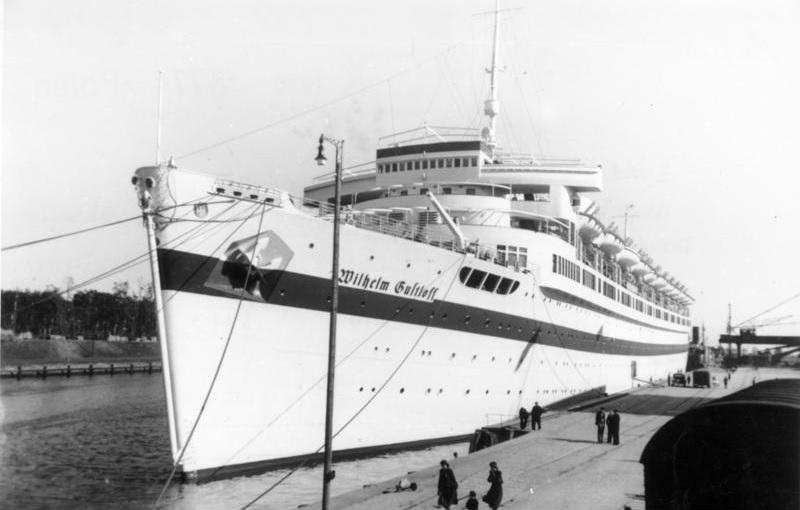
fot. Wikimedia Commons / Bundesarchiv Bild
The desperate ecape from gdynia eds in catastrophe
By early 1945, thousands of refugees, wounded soldiers, and military personnel were desperately seeking evacuation from East Prussia. As part of Operation Hannibal, the largest maritime evacuation in history, Wilhelm Gustloff was among the vessels attempting to ferry civilians and troops to safety. Although the ship was originally designed to carry around 1,900 passengers, it left port overloaded with more than 10,000 people.
On the night of January 30, the vessel was approximately 30 kilometers north of Łeba when it was spotted by the Soviet submarine S-13, commanded by Alexander Marinesko. Within minutes, three torpedoes struck the ship—one near the bow, another in a former swimming pool converted into a medical ward, and the last in the engine room. Within just 70 minutes, Wilhelm Gustloff vanished beneath the freezing Baltic waves.
A forgotten maritime tragedy
Only about 1,200 people survived the disaster, rescued by German ships patrolling nearby. Most victims perished from hypothermia, chaos on board, and the sheer intensity of the sinking. Despite the unparalleled loss of life, the tragedy remained largely overshadowed by other maritime disasters, partly because the victims were primarily German civilians and military personnel during wartime.
Eighty years later, the wreck of Wilhelm Gustloff rests at the bottom of the Baltic Sea, serving as both a war grave and a stark reminder of the horrors of World War II. For historians and maritime researchers, it remains one of the most significant, yet overlooked, maritime catastrophes of the 20th century.
Tragedy at sea. Among the victims, prisoners of German death camps
During the evacuation of German refugees from East Prussia in 1945 and the transport of prisoners from German concentration camps, a series of tragic ship sinkings occurred.
One of the deadliest disasters was the sinking of MS Goya, which carried approximately 6,000 people, mostly civilians fleeing west. A similar fate befell SS General von Steuben, where around 4,500 lives were lost.
The tragedy also extended to ships transporting prisoners from German death camps. SS Cap Arcona was attacked and sank with around 4,300 prisoners from Stutthof and Neuengamme on board. Another disaster struck SS Thielbek, resulting in the deaths of approximately 2,800 prisoners from these same camps.
An equally harrowing event was the sinking of Struma, a ship carrying Jewish refugees. A Soviet submarine attack claimed 778 lives on board.
These catastrophic events remain among the darkest chapters of World War II, serving as a grim reminder of the suffering at sea in the final months of the conflict.
Kamil Kusier
redaktor naczelny
comments
Wcale nie jest pewne że to rosyjski okręt podwodny zatopił statek Wilhelm Gustlof. Dość prawdopodobna jest wersja o sabotażu i otwartych włazach w grodziach wodoszczelnych. Niemiecki kapitan który powinien był opuścić statek jako ostatni opuścił go jako pierwszy razem ze wszystkimi oficerami statku i oni się uratowali! Czyli nikt z dowództwa statku nie koordynował akcji ratowniczej! Czyżby dowództwo statku wiedziało coś więcej?
17:44
Krzysztof Czym kierowali się Niemcy aby własny statek utopić?Tak było pełno cywilòw.
13:40
see also
March 1: Remembering the “cursed soldiers”. A legacy that also resonates with today’s navy
Gdynia at 100: ceremonial city council session highlights Poland’s maritime strategy
Poland’s wedding to the sea in Puck: President Karol Nawrocki commemorates 106th anniversary
Gdynia at 100: A Strategic port city celebrates its maritime identity
A city designed from the sea. one hundred years of Gdynia as a project ahead of its time
106 years ago Poland “turned to the sea”. Split celebrations, one goal: a strong maritime Poland
IPN Gdańsk highlights maritime cities and port heritage in its 2026 programme
December 1970: remembering the maritime workers of Gdynia
Cadet Day: tradition, heritage and the professional formation of future naval officers
Gdynia marks its centenary. A port city that shaped Poland’s maritime future
ADVERTISEMENT
ADVERTISEMENT