We played Interregnum: a new leadership and strategic communication simulator from the Polish Naval Academy
Within the halls of the Polish Naval Academy in Gdynia, a unique training system has been developed — one that bridges the worlds of strategic gaming, education, and leadership research. Interregnum – the leadership and strategic communication simulator is a modern educational tool that allows participants to assume the roles of political leaders, learning how to make decisions under uncertainty, negotiate, and manage crises. This time, we had the opportunity to experience the simulator firsthand.
education investments nato pomerania equipment and technology tricity news24 october 2025 | 12:04 | Source: Gazeta Morska | Prepared by: Kamil Kusier | Print
Interregnum | fot. Gazeta Morska
Strategy in practice
Interregnum is more than just a game. It is a leadership laboratory, a controlled environment where participants can safely make mistakes and learn how the worlds of politics, strategic communication, and international relations truly function, explains dr Łukasz Wyszyński, head of the Department of International Relations at the Polish Naval Academy.
The system consists of two key components. The first is a browser-based grand strategy game, in which participants compete for influence and resources. The second is a set of custom-designed training scenarios, developed by the Academy’s experts and tailored to specific educational objectives.
According to dr Paweł Kusiak, head of the Game and Simulation Laboratory, participants assume the roles of political leaders operating in an environment of incomplete information. They must plan, negotiate, and make strategic decisions. In practice, they learn how political theory and international relations concepts translate into real-world decision-making processes.
How the simulation works
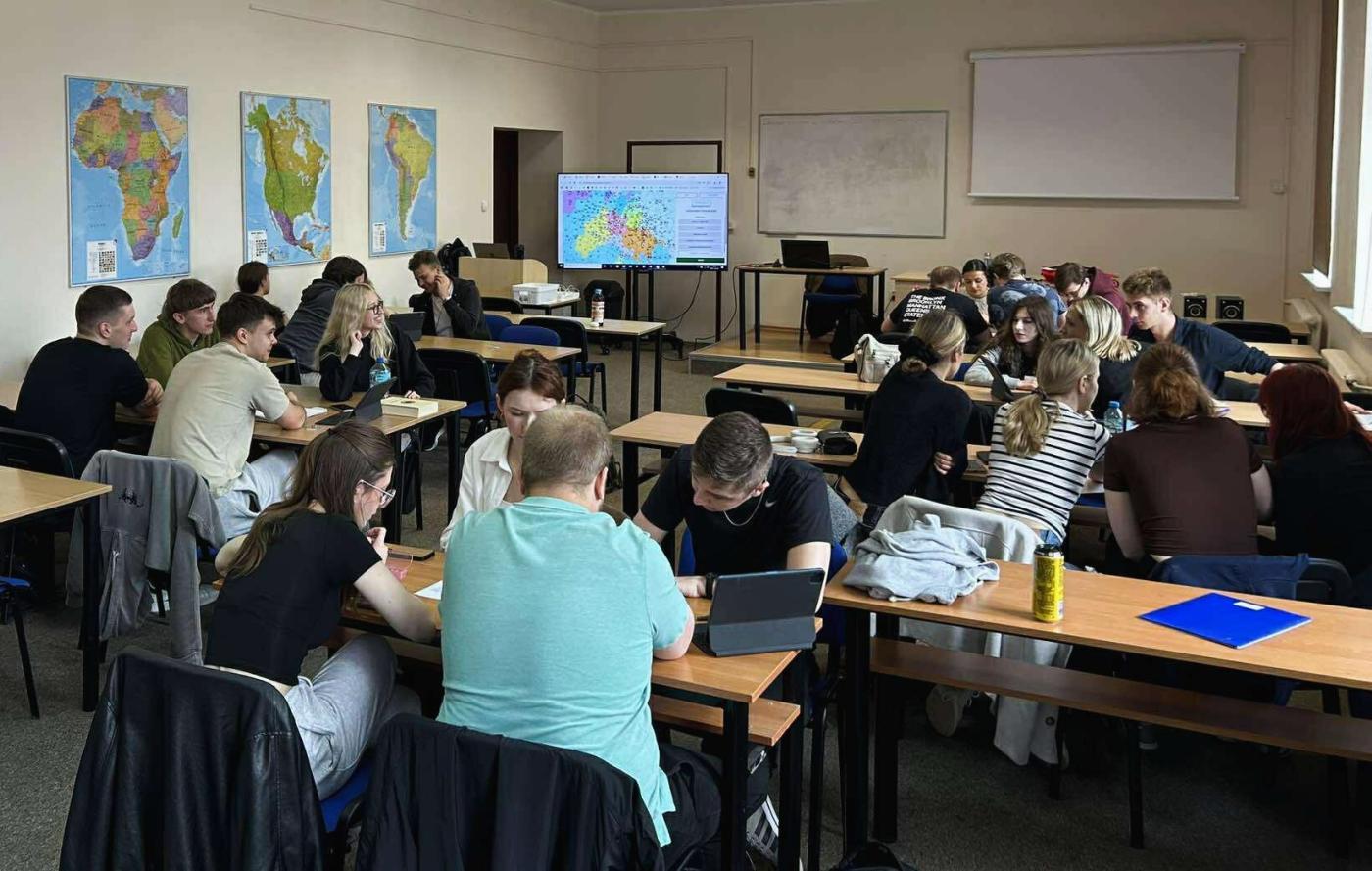
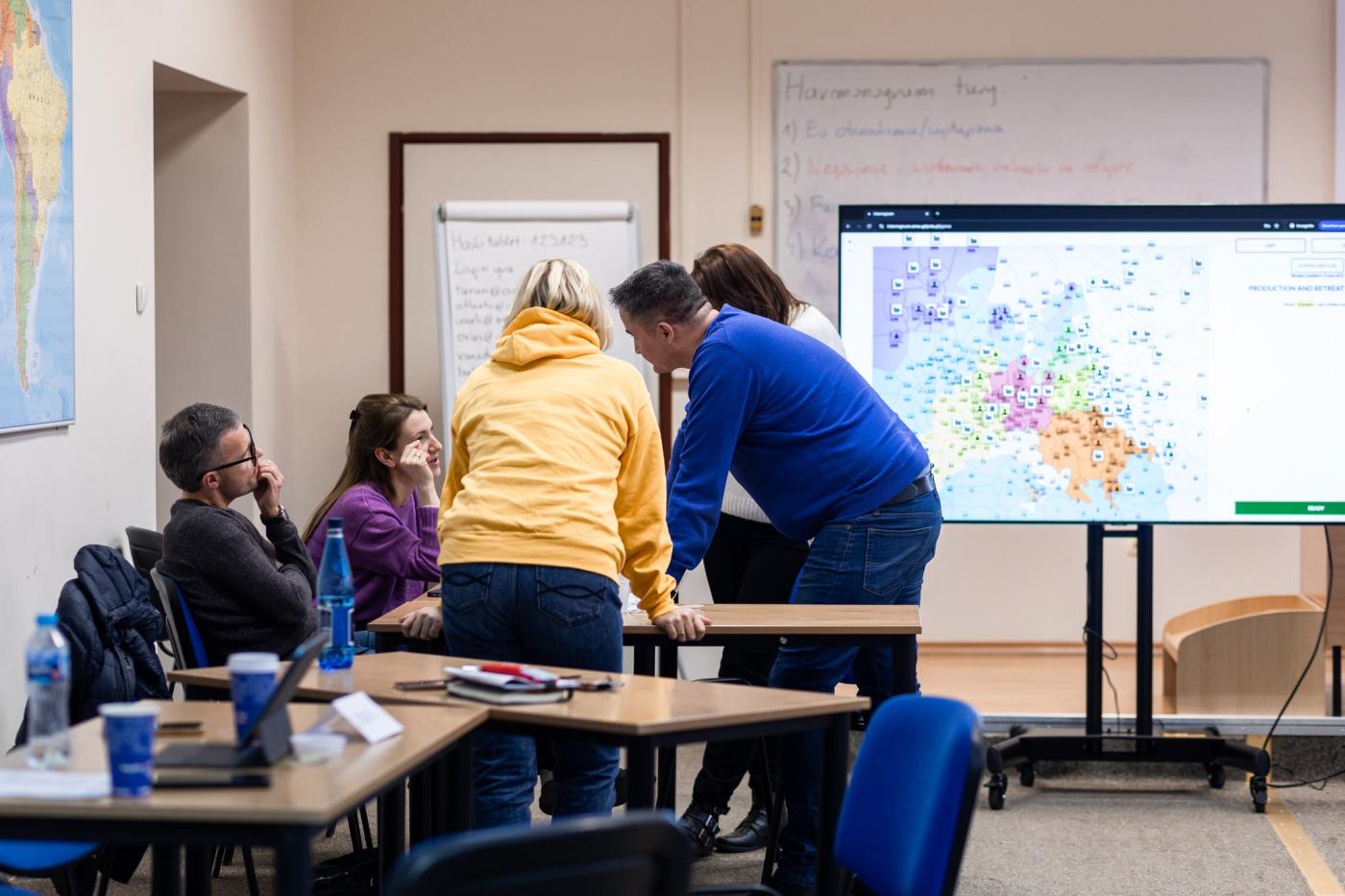
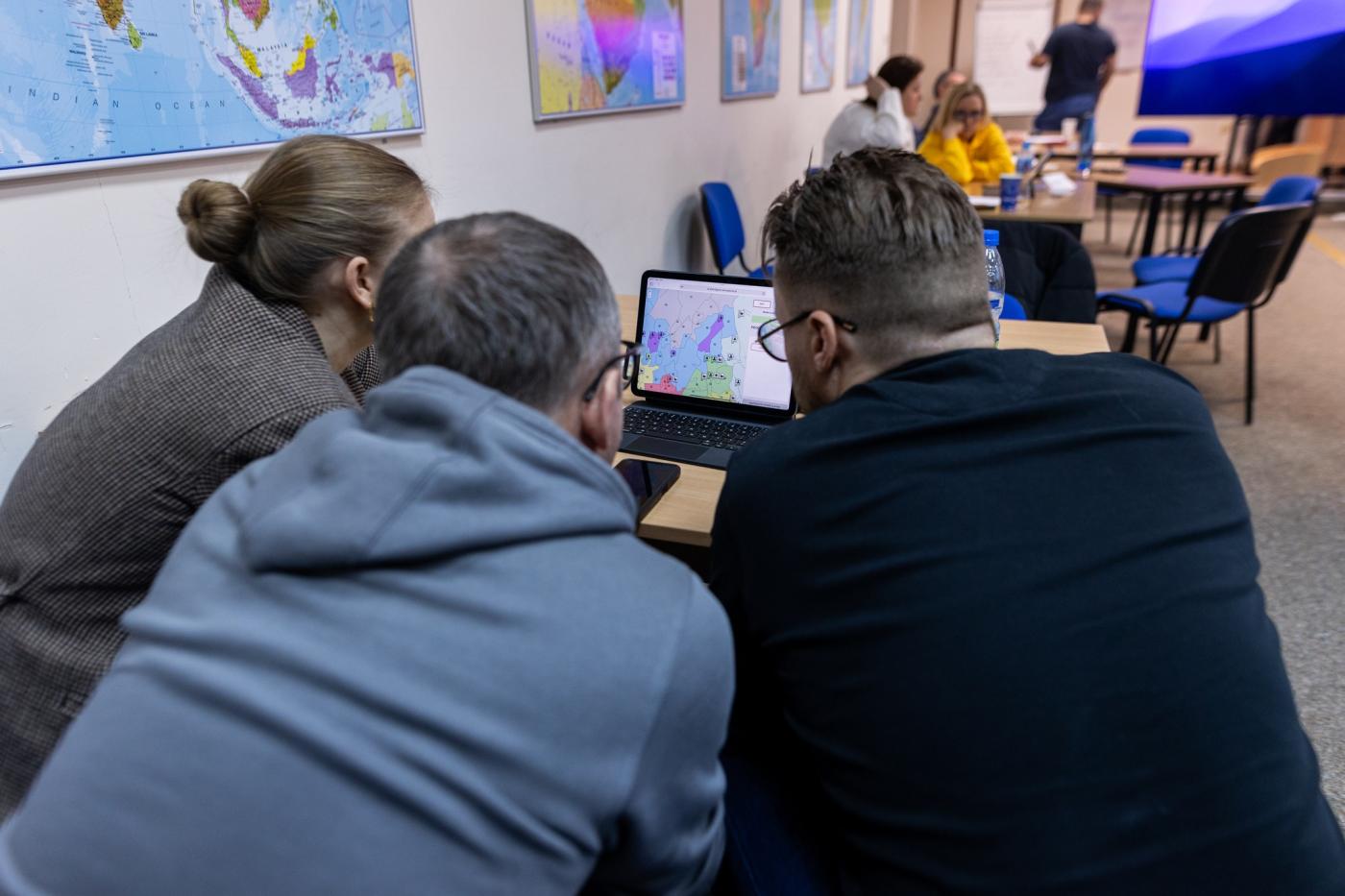
Training sessions are conducted in a classroom environment. Each participant receives a tablet and logs into the system, although it is also possible to play from a computer or smartphone.
Players — individually or in teams — command their own nation-states, pursuing strategic objectives defined by the scenario.
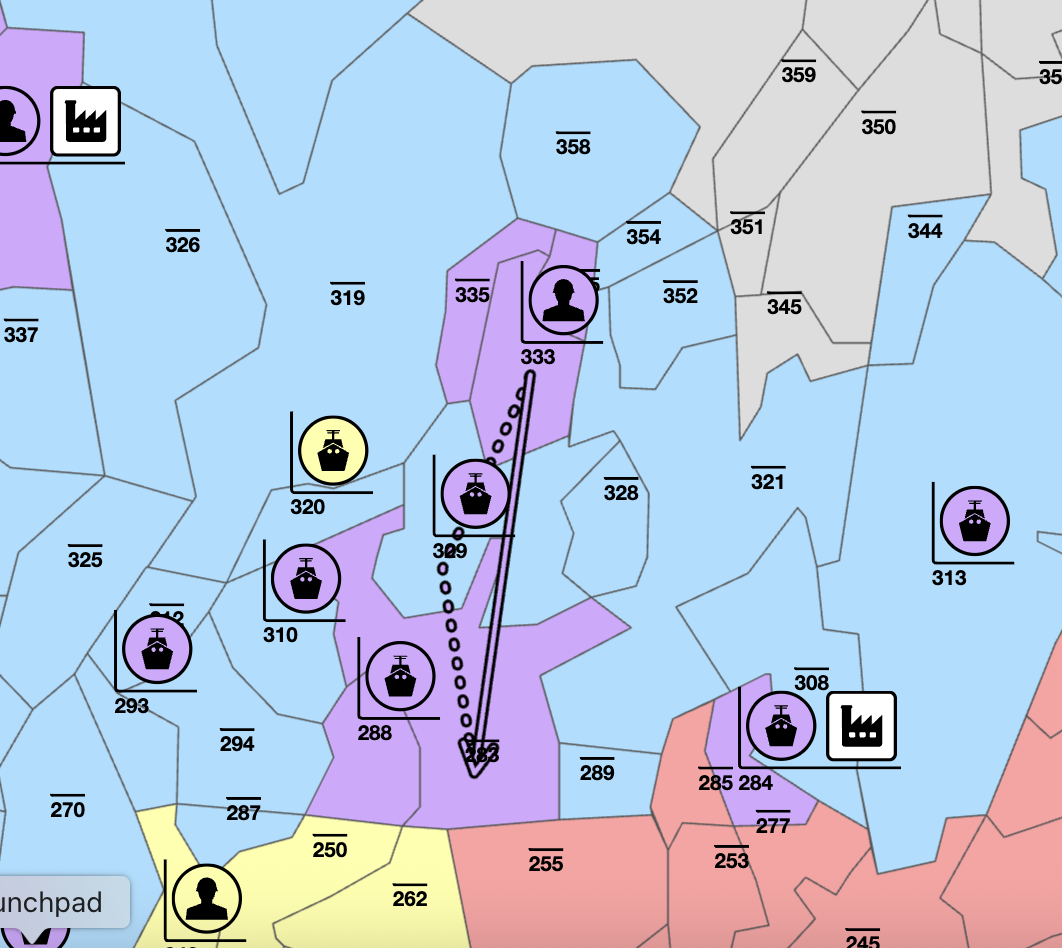
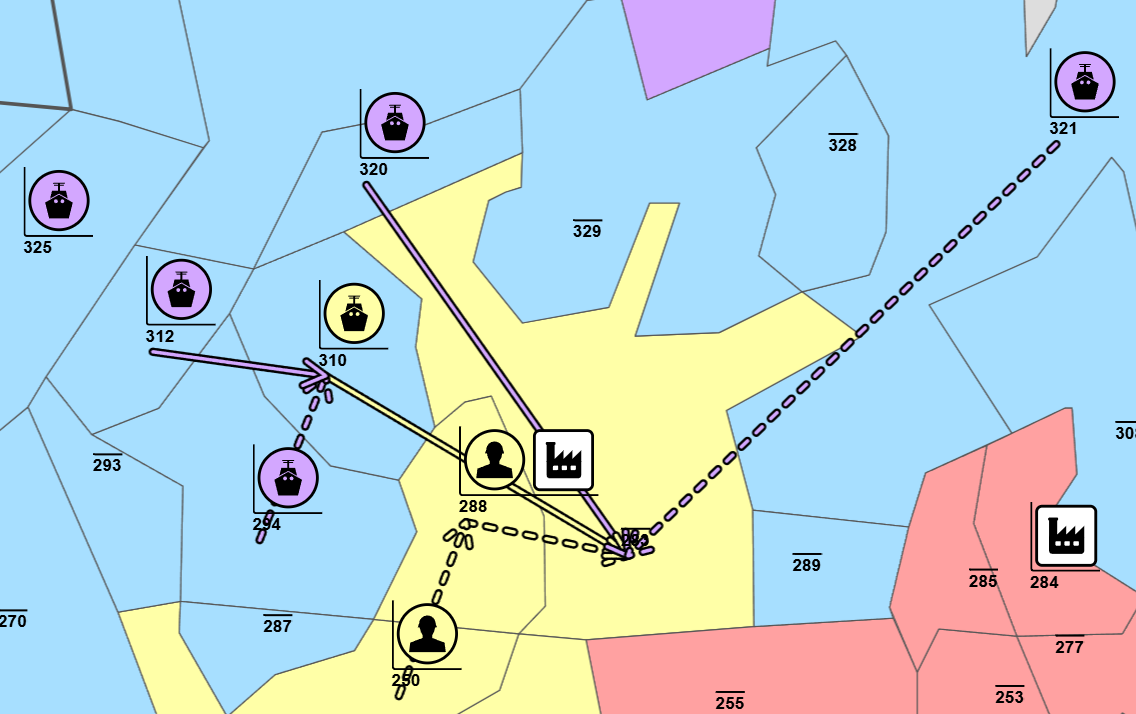
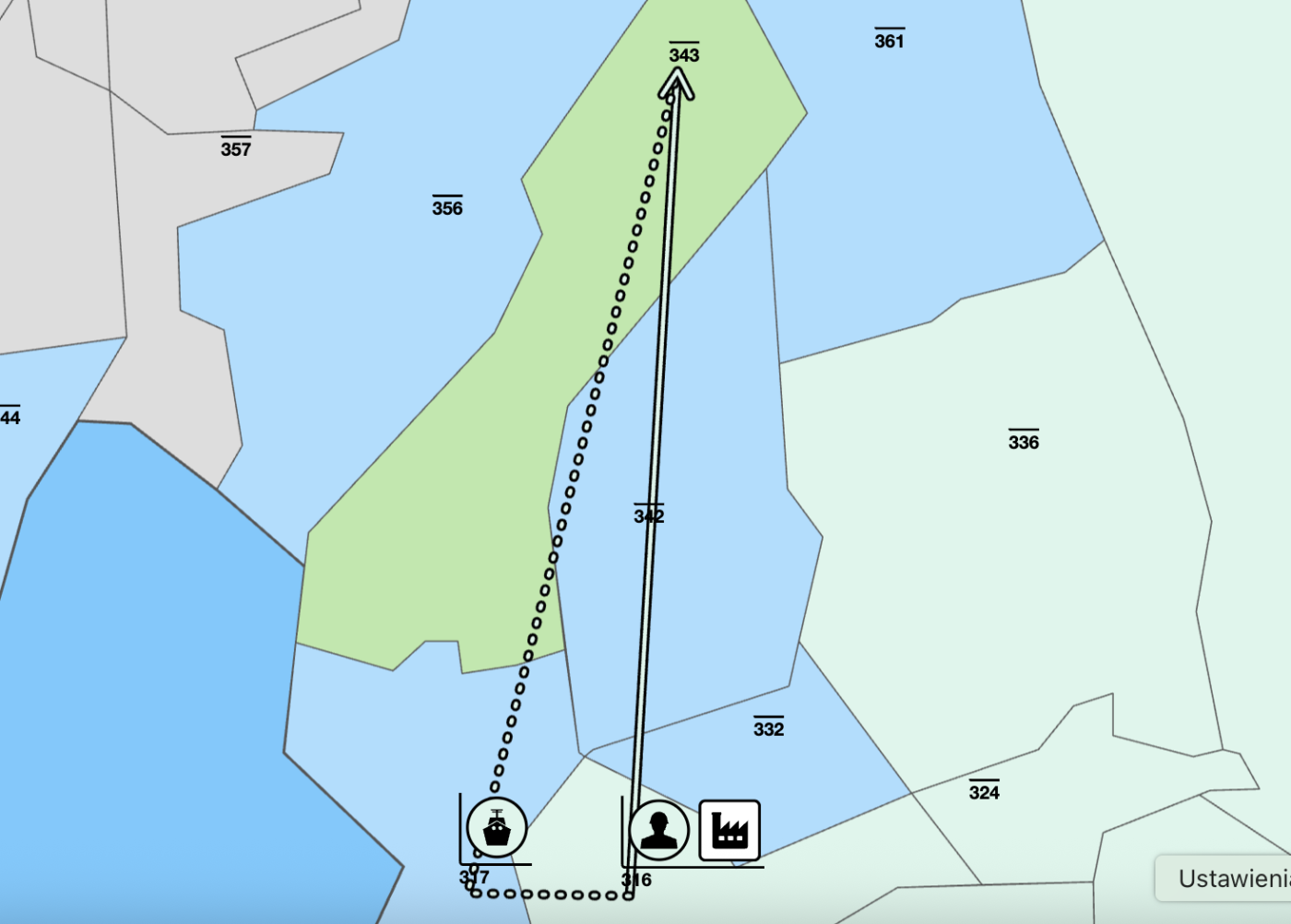
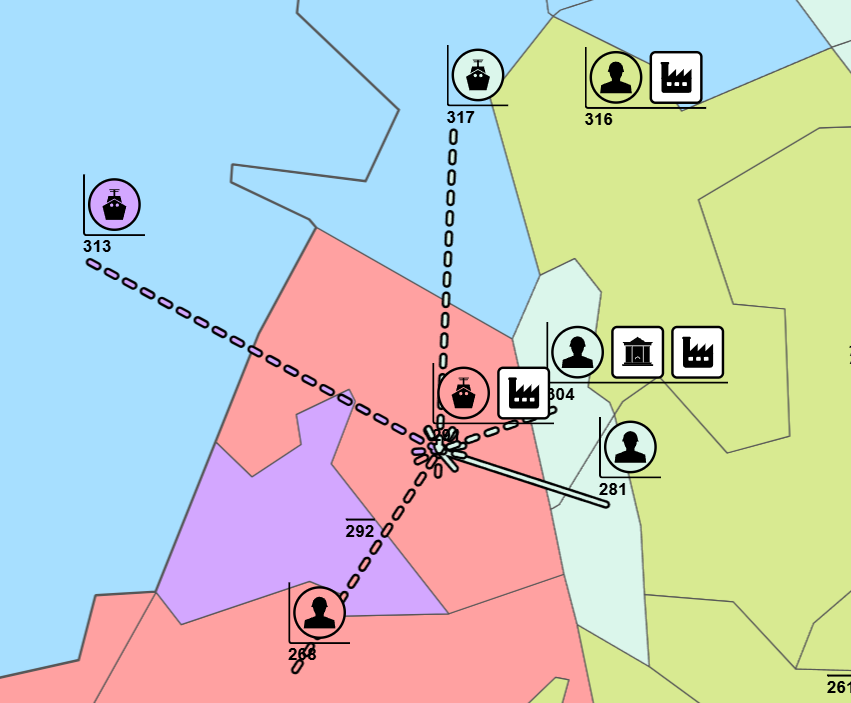
The simulation is turn-based. In each round, players negotiate, form alliances, and secretly issue orders to their units. Once all commands are submitted, the outcomes are revealed and resolved according to logical rules of support and conflict resolution.
A game administrator oversees the session, ensuring its fluency and consistency.
- Our goal was to create an environment that feels intuitive yet realistic, says dr Łukasz Wyszyński. - Players grasp the rules quickly, but understanding the complexity of political relations requires reflection and strategy.
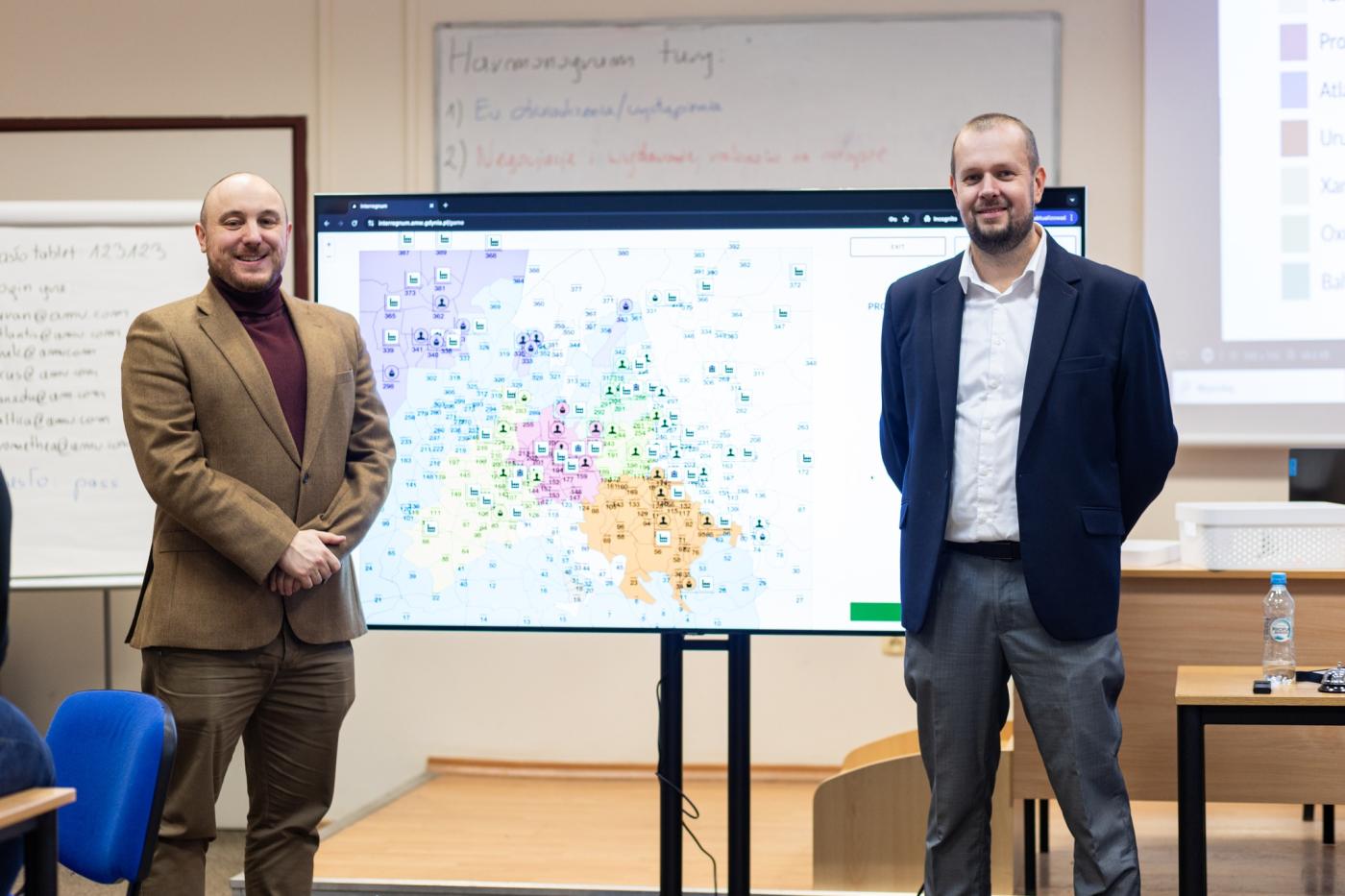
Each simulation lasts between two and six hours, depending on the scenario. Up to ten teams can participate simultaneously, guided by two facilitators — one responsible for the technical side, and the other for mentoring and analysis.
Mechanics and philosophy of the system
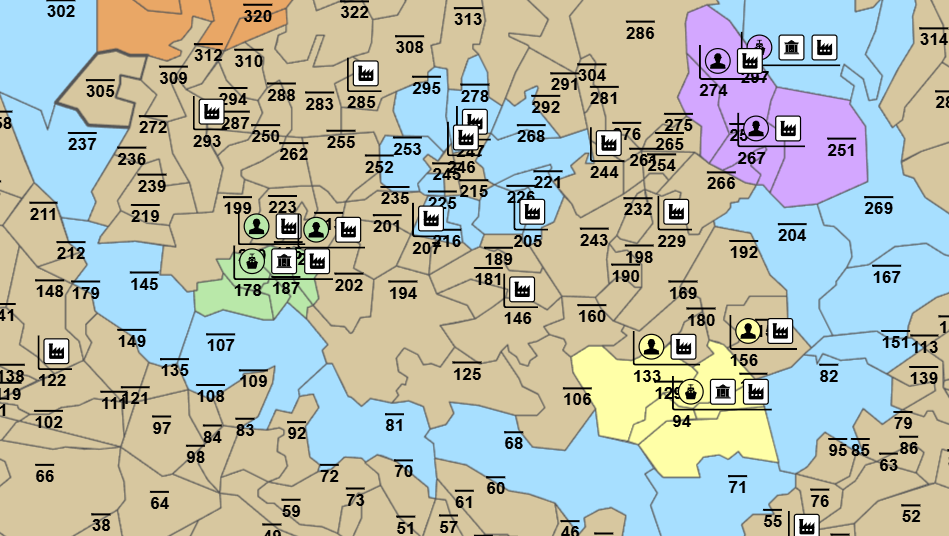
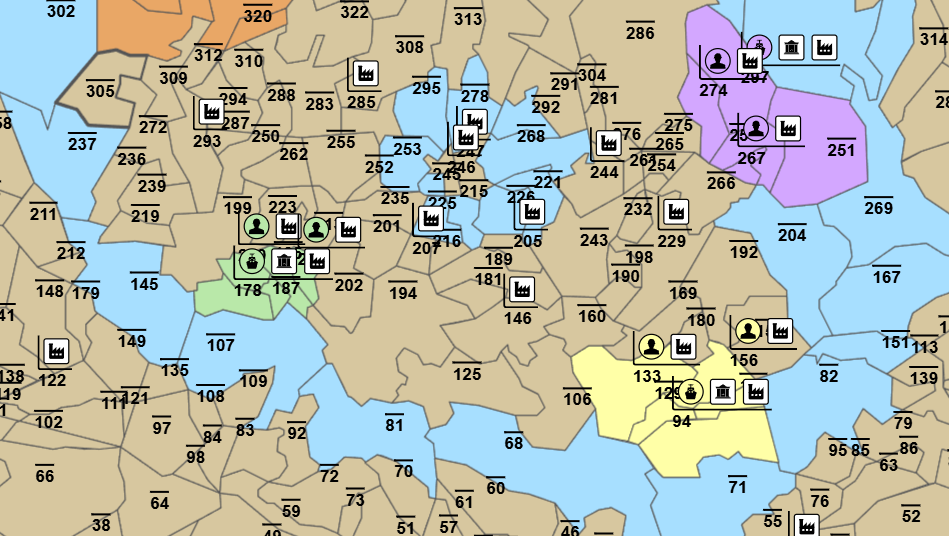
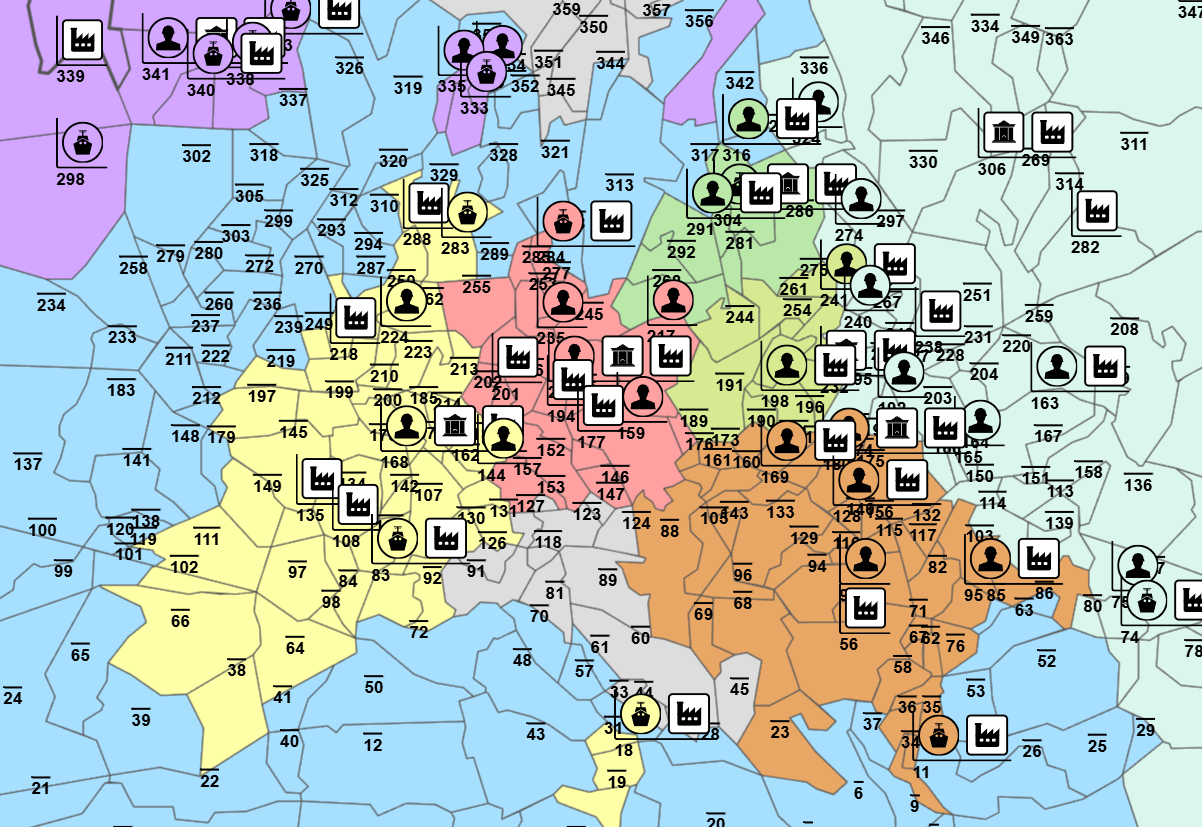
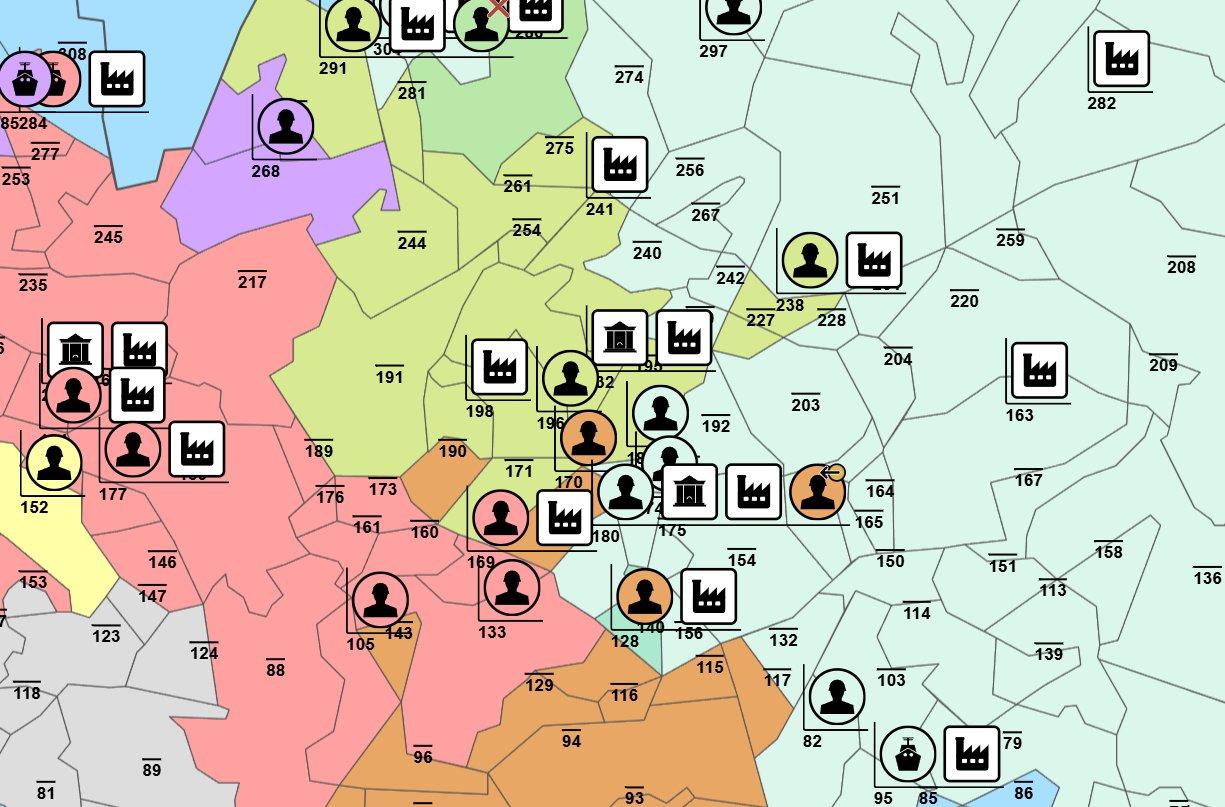
The Interregnum world map is divided into various territory types — from neutral land regions to maritime zones and player-controlled areas.
The game also features control points (factories), capitals, and both land and naval units, which can be developed, supported, and deployed to gain dominance.
As dr. Paweł Kusiak notes, Interregnum draws inspiration from the classics of strategic gaming, particularly Alan B. Calhamer’s Diplomacy (1954).
- Grand strategy is not merely about military action. It is the art of leveraging political, economic, and informational means to achieve national objectives. We wanted our students to experience that in practice, he adds.
Education through competition
Interregnum was initiated by researchers at the Polish Naval Academy and co-financed by the European Union. The system is designed to support both military and civilian education, focusing on leadership, communication, and strategic decision-making.
- The greatest value lies in experiential learning, says Łukasz Wyszyński. - This is not a lecture on decision theory — it is an experience that reshapes how participants think about leadership.
Currently, the system includes two fully developed training scenarios: an introductory one and another exploring the dynamics of power balance between asymmetric actors. Future scenarios will address concepts such as the prisoner’s dilemma, deterrence theory, offensive realism, and the Thucydides trap.
Interregnum and Daily Mare: together for the future of leadership education
The Interregnum project demonstrates that academic education can effectively combine theory and practice in a dynamic, engaging way.
The leadership and strategic communication simulator, developed in Gdynia, exemplifies how digital tools can enhance the training of naval officers, diplomats, and public managers.
At Daily Mare, we applaud initiatives that strengthen the competencies of future naval leaders.
Within the Polish Naval Academy — an institution where tradition meets innovation — students and officers learn not only command and control, but also strategic thinking, communication, and planning in complex and dynamic environments.
There is no better place to explore the art of leadership, strategic planning, and conceptual military and diplomatic decision-making than the Polish Naval Academy in Gdynia, where Interregnum has become a symbol of a new era in leadership education.
see also
Buy us a coffee, and we’ll invest in great maritime journalism! Support Gazeta Morska and help us sail forward – click here!
Kamil Kusier
redaktor naczelny
gallery
comments
Add the first comment
see also
StartupHack 3.0 at GPNT: Space and maritime technologies at the core of innovation
From Gdynia to the Atlantic. Dar Młodzieży sets sail for Sail4th 250 marking U.S. independence anniversary
The World after february 24: has it truly changed?
Poland launches research vessel project. Maritime University of Szczecin to build next-generation training ship
WAT strengthens NATO logistics capabilities. Polish military university joins elite training network
Polish universities and industry join forces to develop dual-use autonomous underwater drone swarms
Contract signed for the construction of a new training sailing vessel for Gdynia Maritime University
MON, Arka Gdynia and AMW sign letter of intent supporting "Green Industrial District - Kashubia" project
Naval Academy cadets take military oath in Gdynia
Advanced ROV trials conducted at CTO to validate subsea technologies for offshore applications
ADVERTISEMENT
ADVERTISEMENT