Watch change in the Baltic. Poland assumes command of NATO’s standing mine countermeasures group one
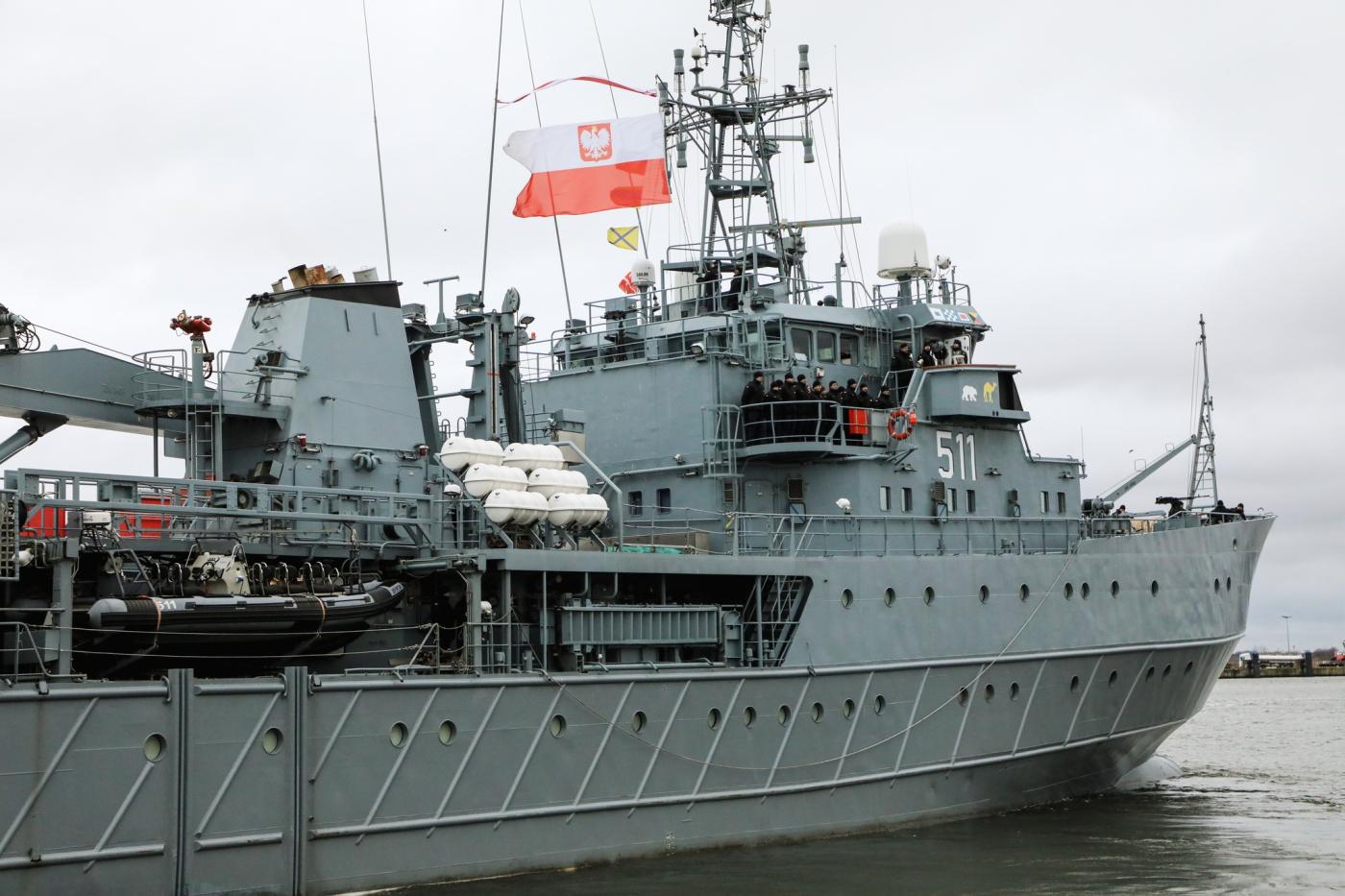
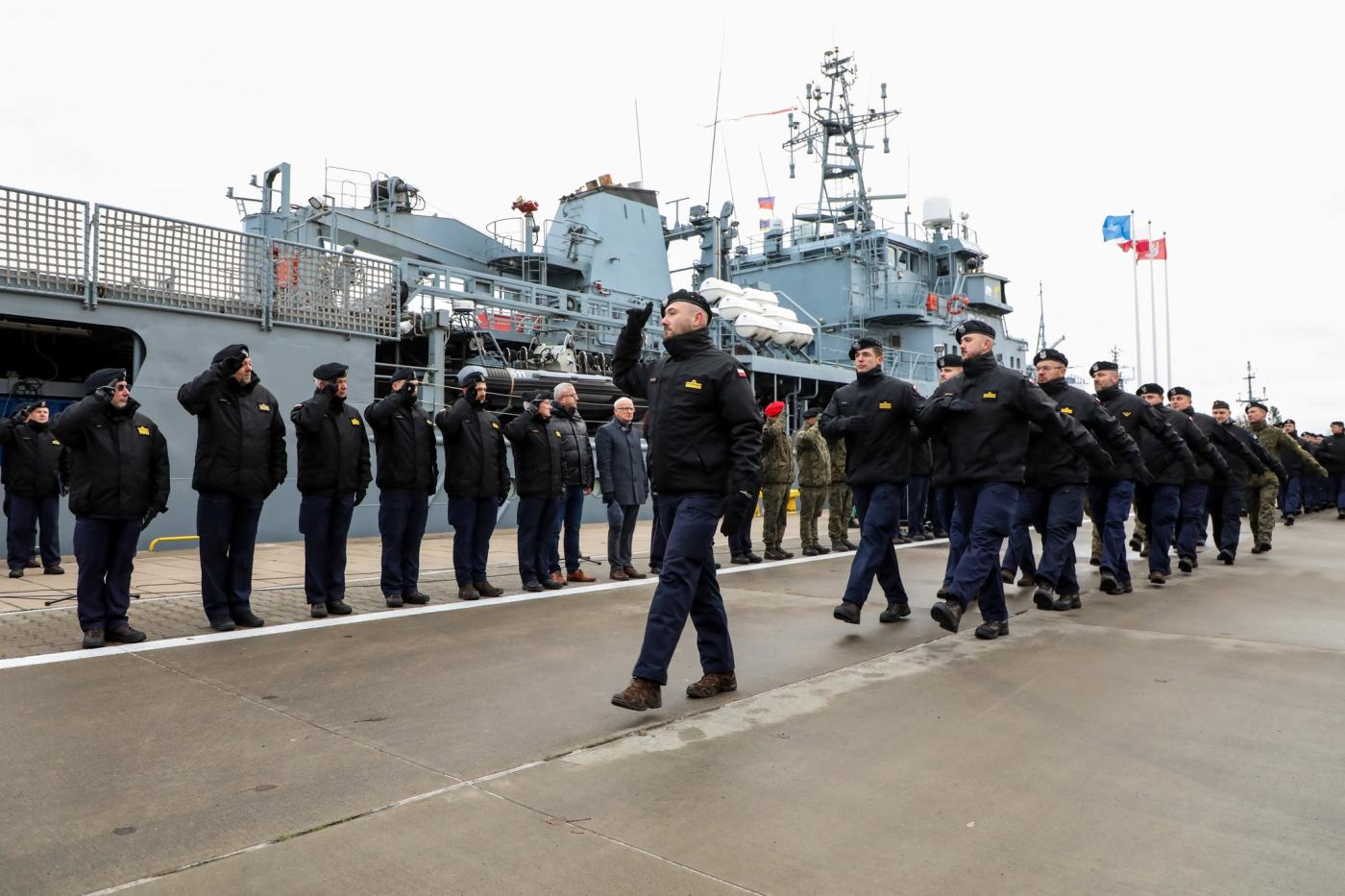
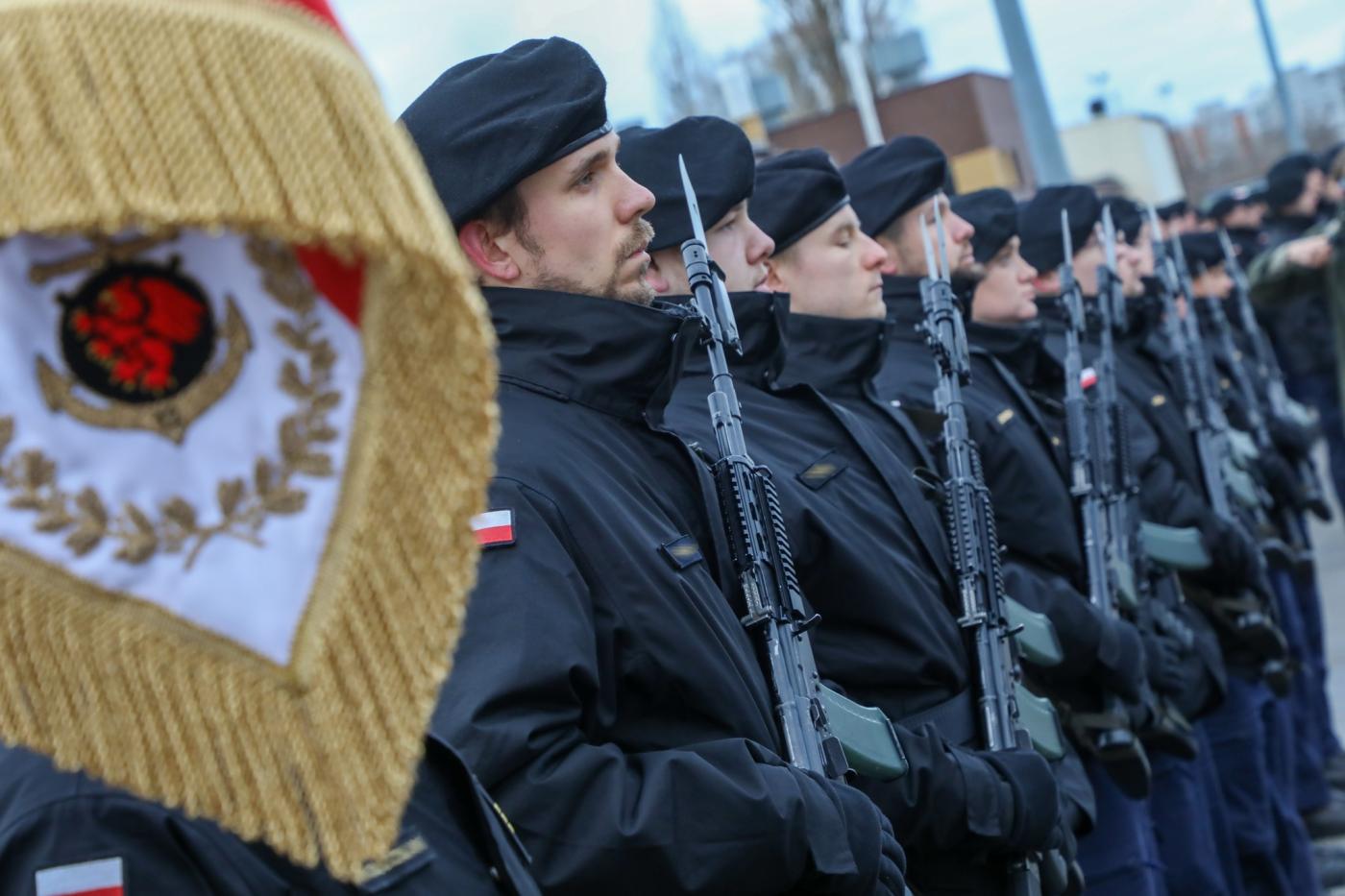
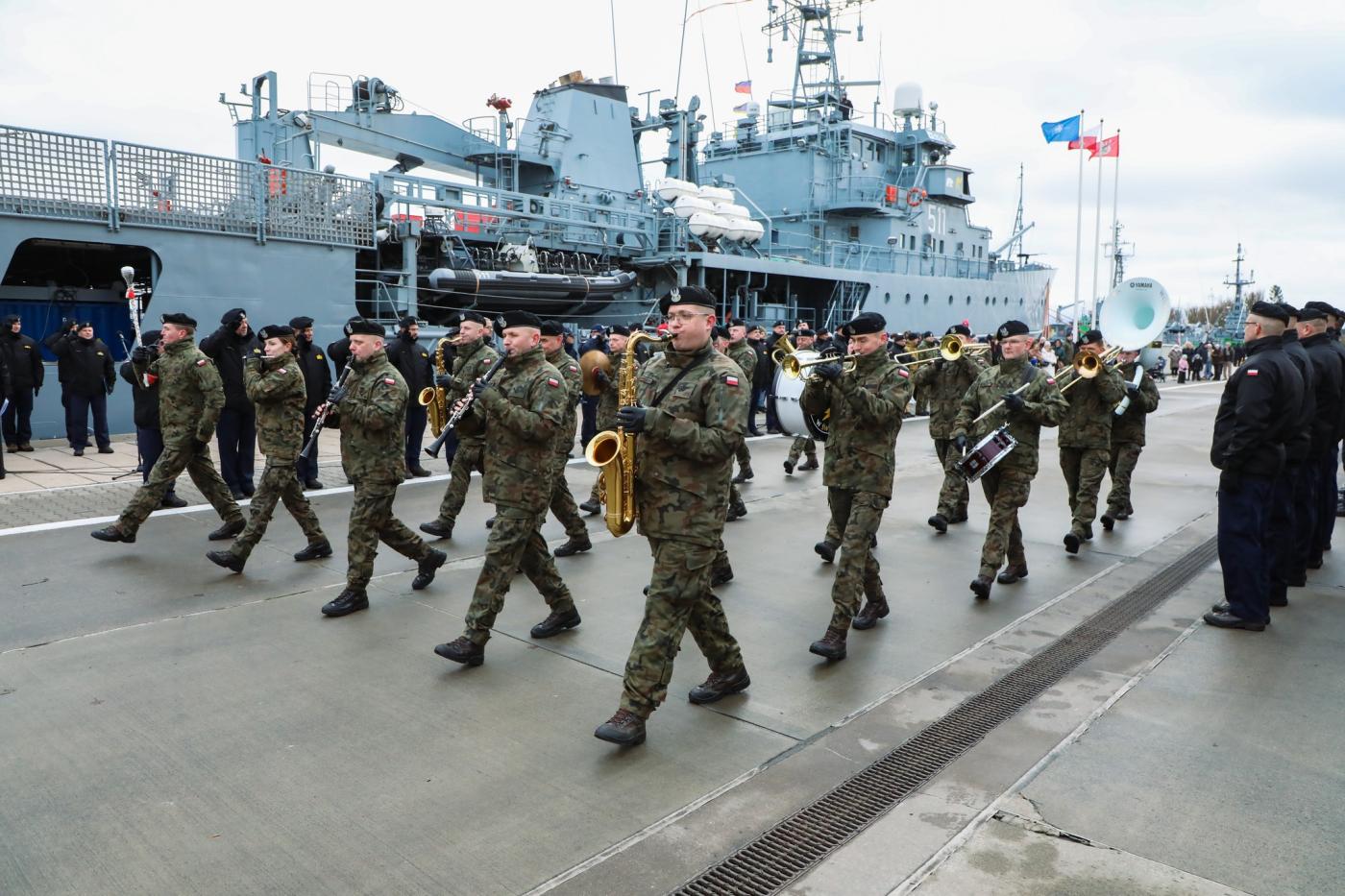
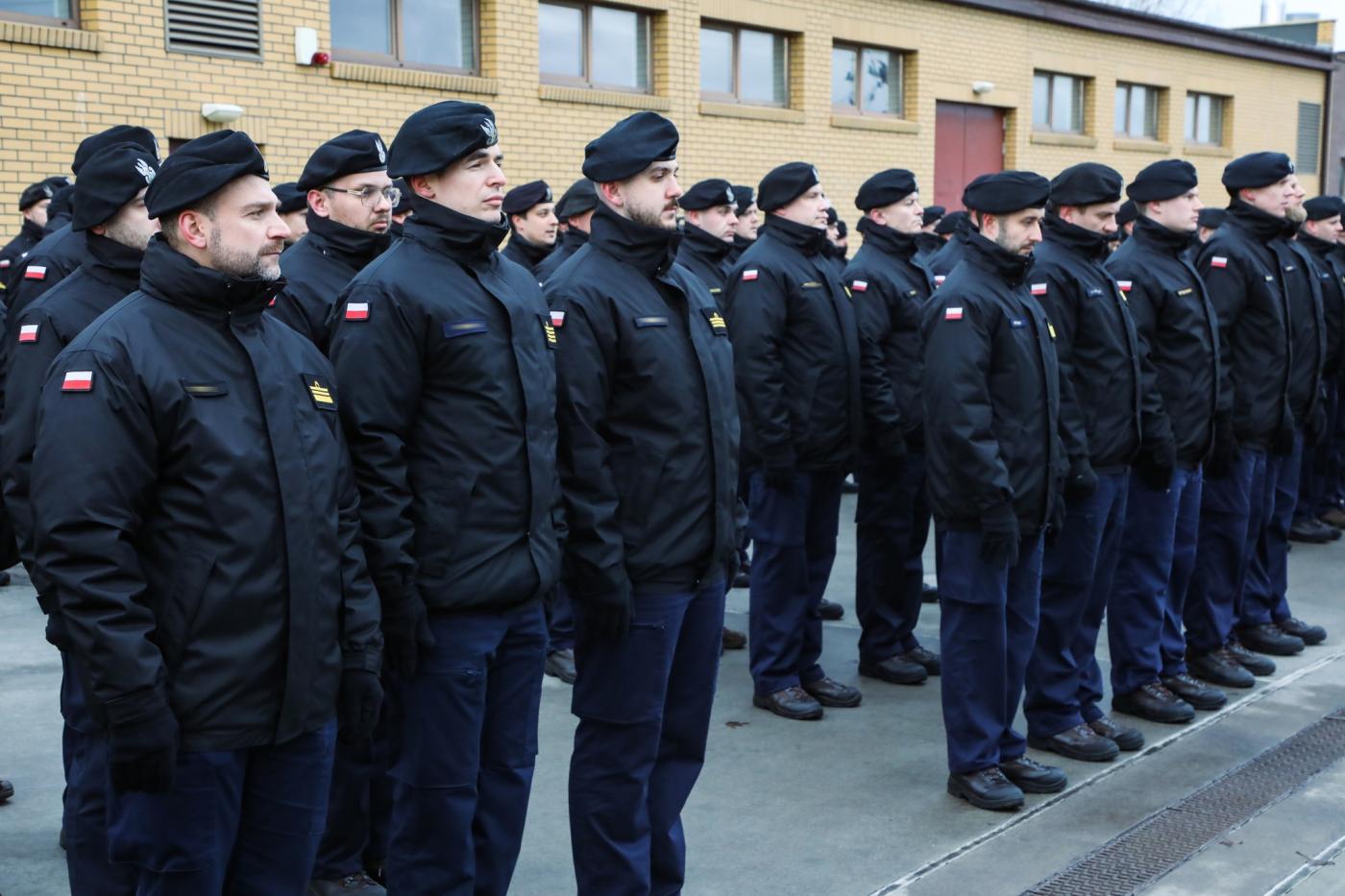
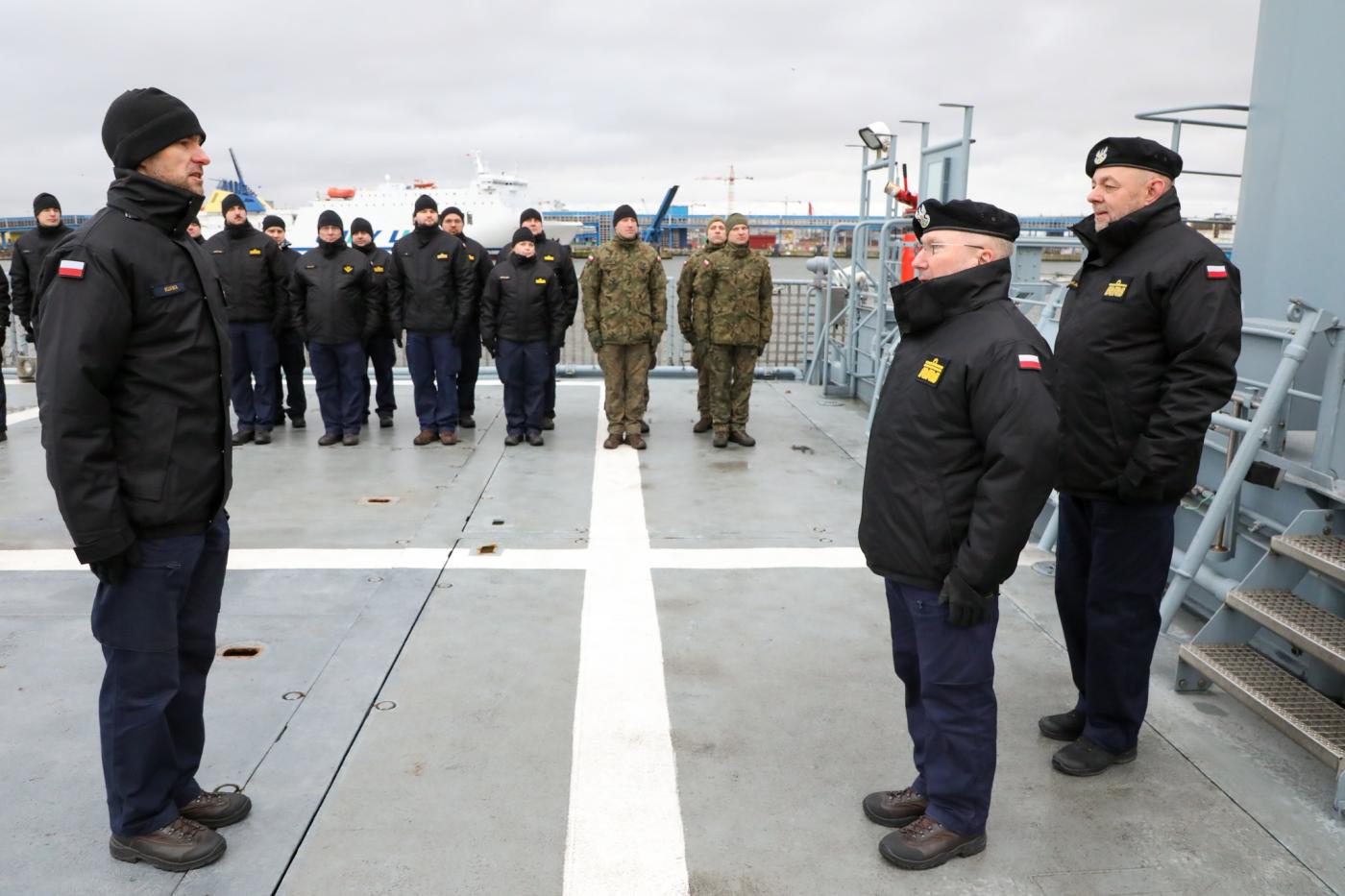
With the completion of the PKW Noteć deployment and the launch of PKW Czernicki 2026, Poland ensures continuity of its naval presence in the Baltic while assuming command responsibility within one of NATO’s most important standing maritime formations.
security navy nato news02 january 2026 | 20:53 | Source: Gazeta Morska | Prepared by: Kamil Kusier | Print
fot. Marynarka Wojenna RP
Seamless transition within NATO mine countermeasures forces
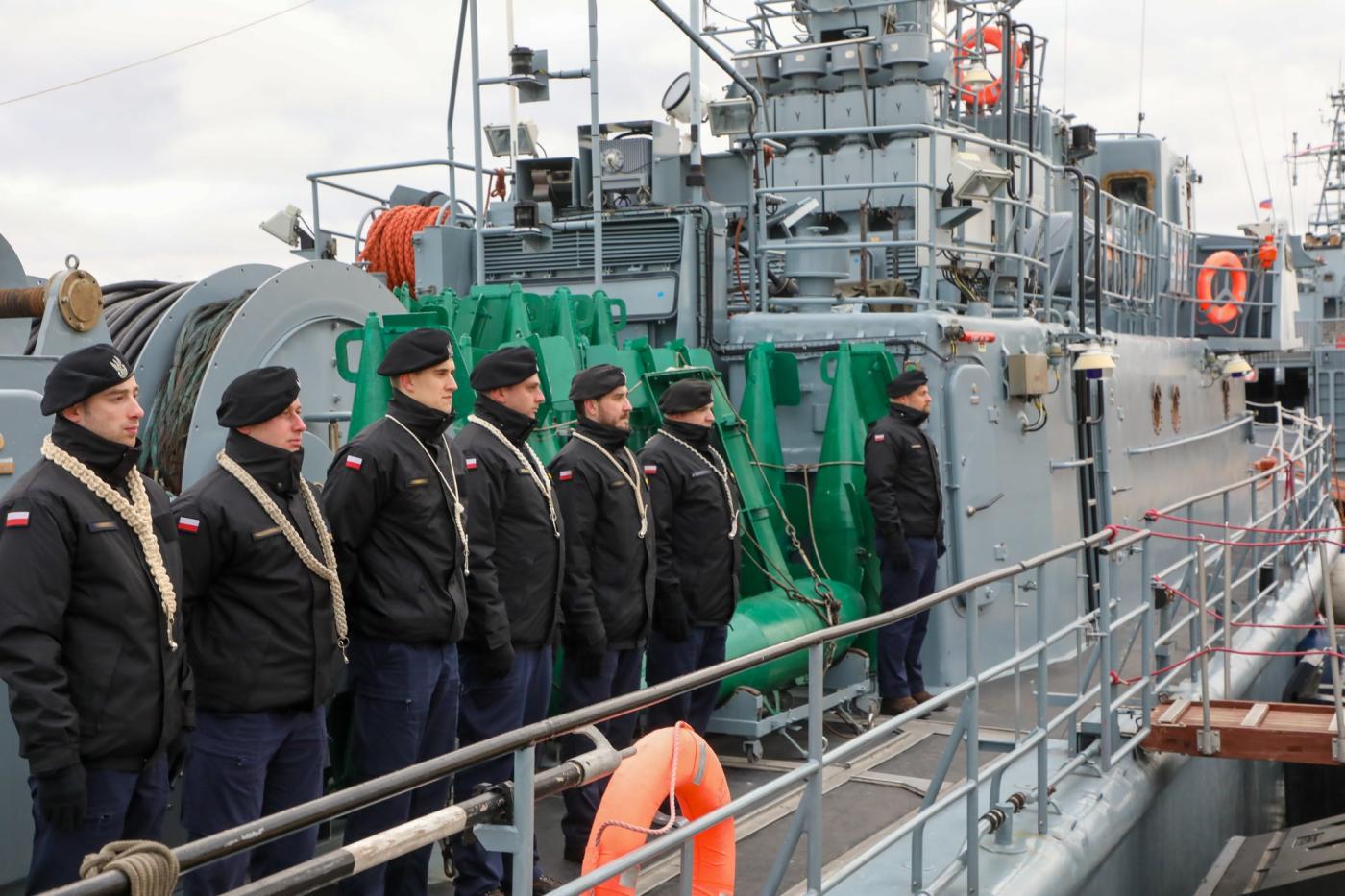
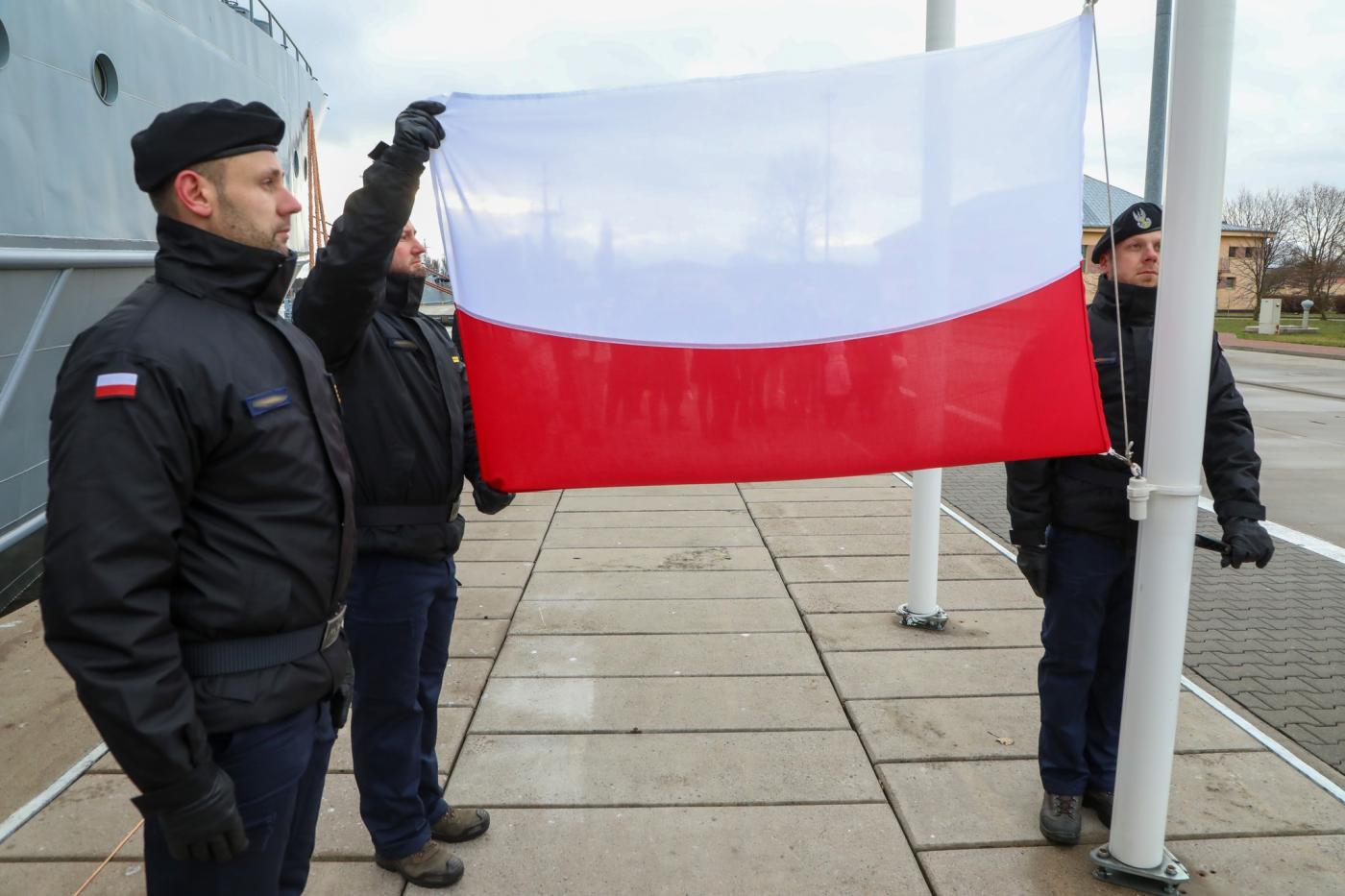
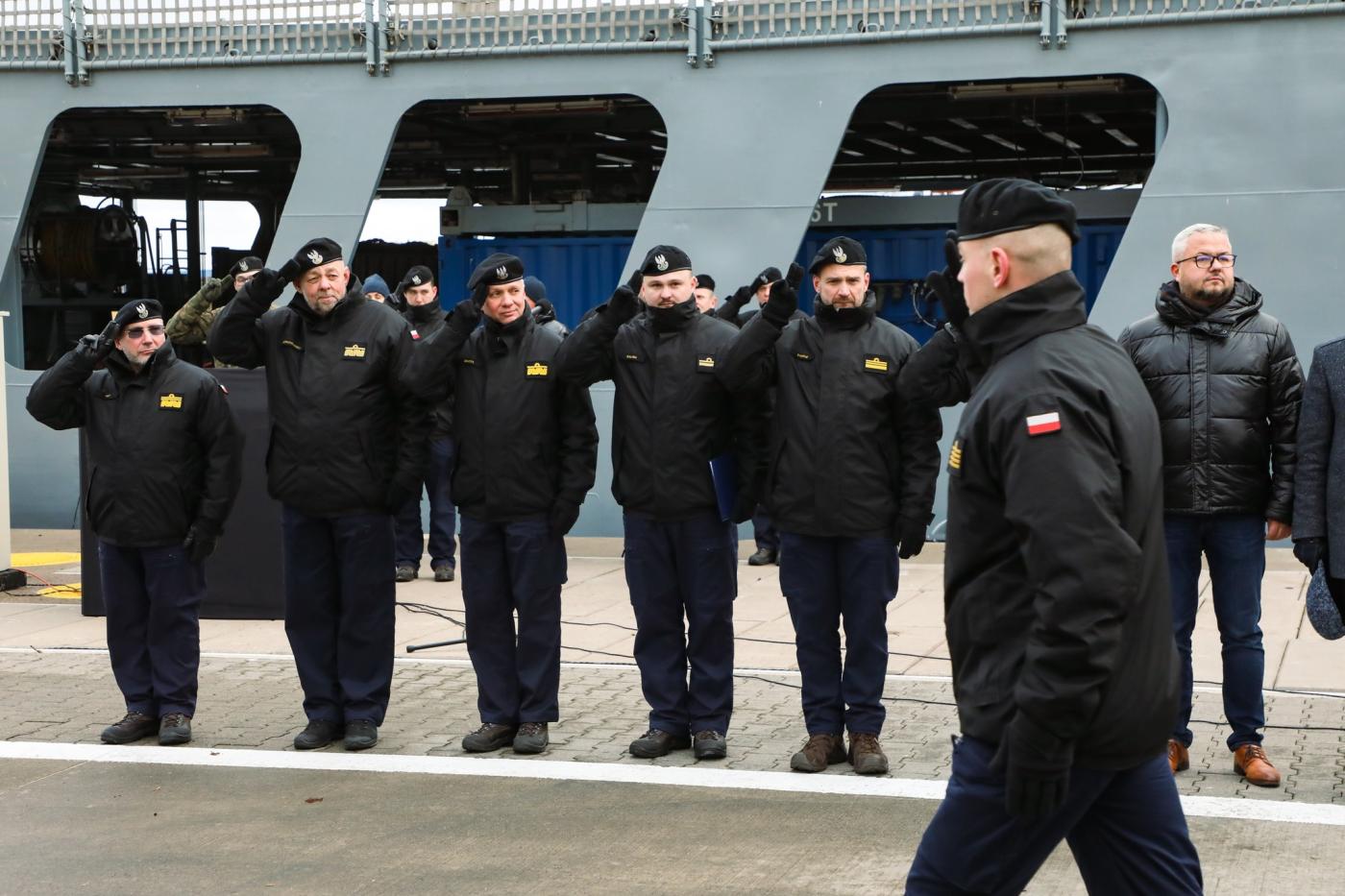
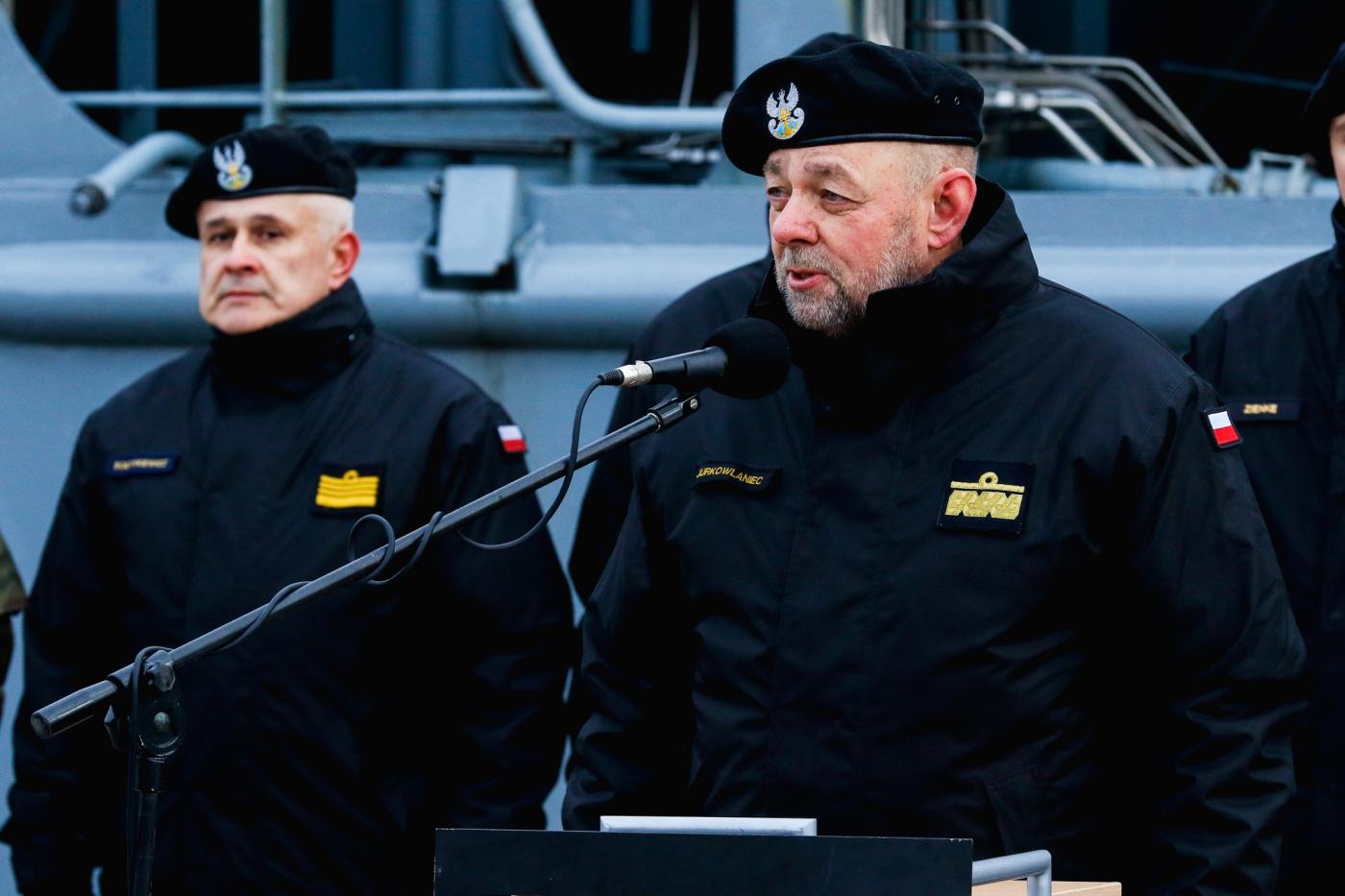
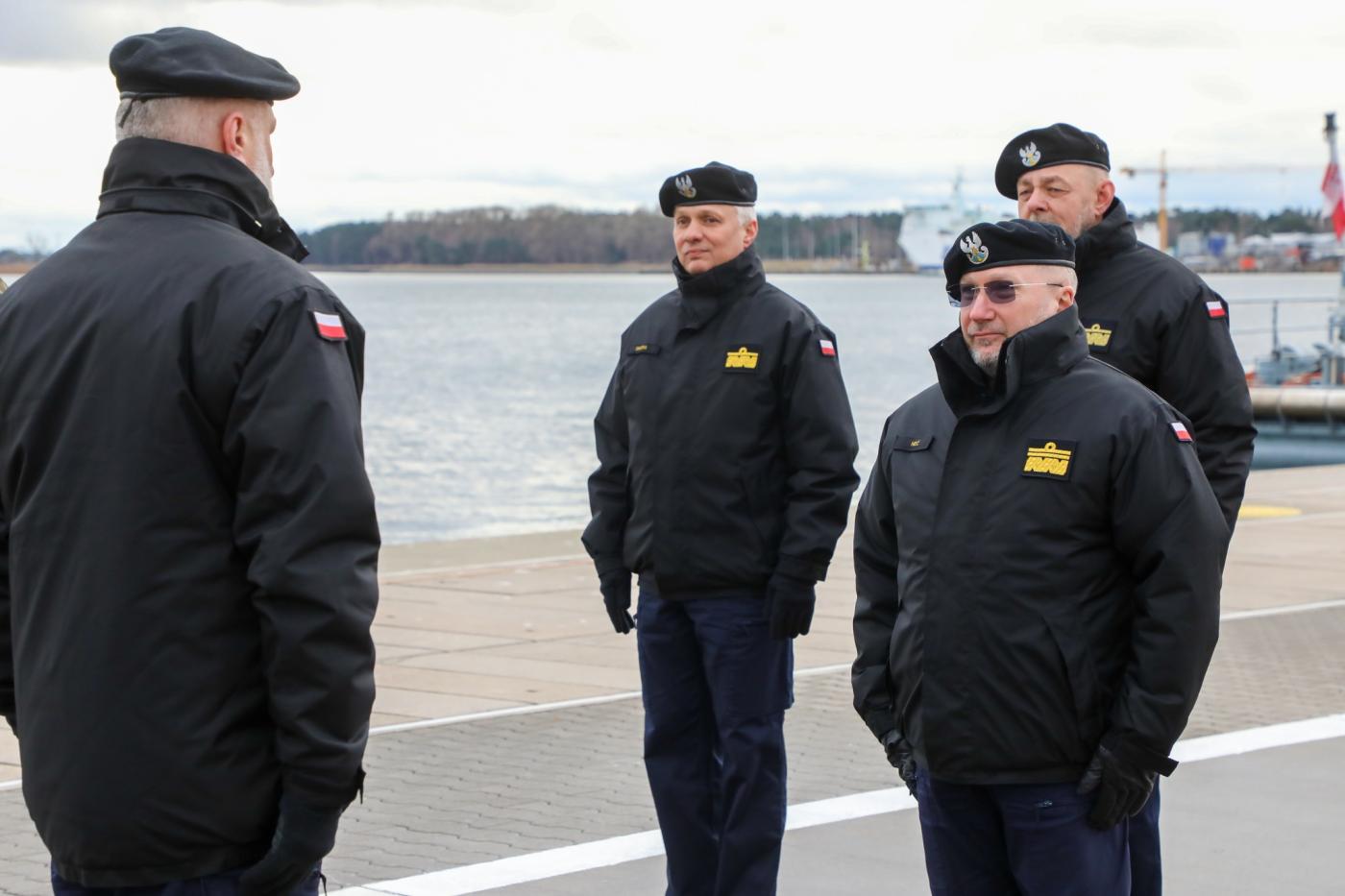
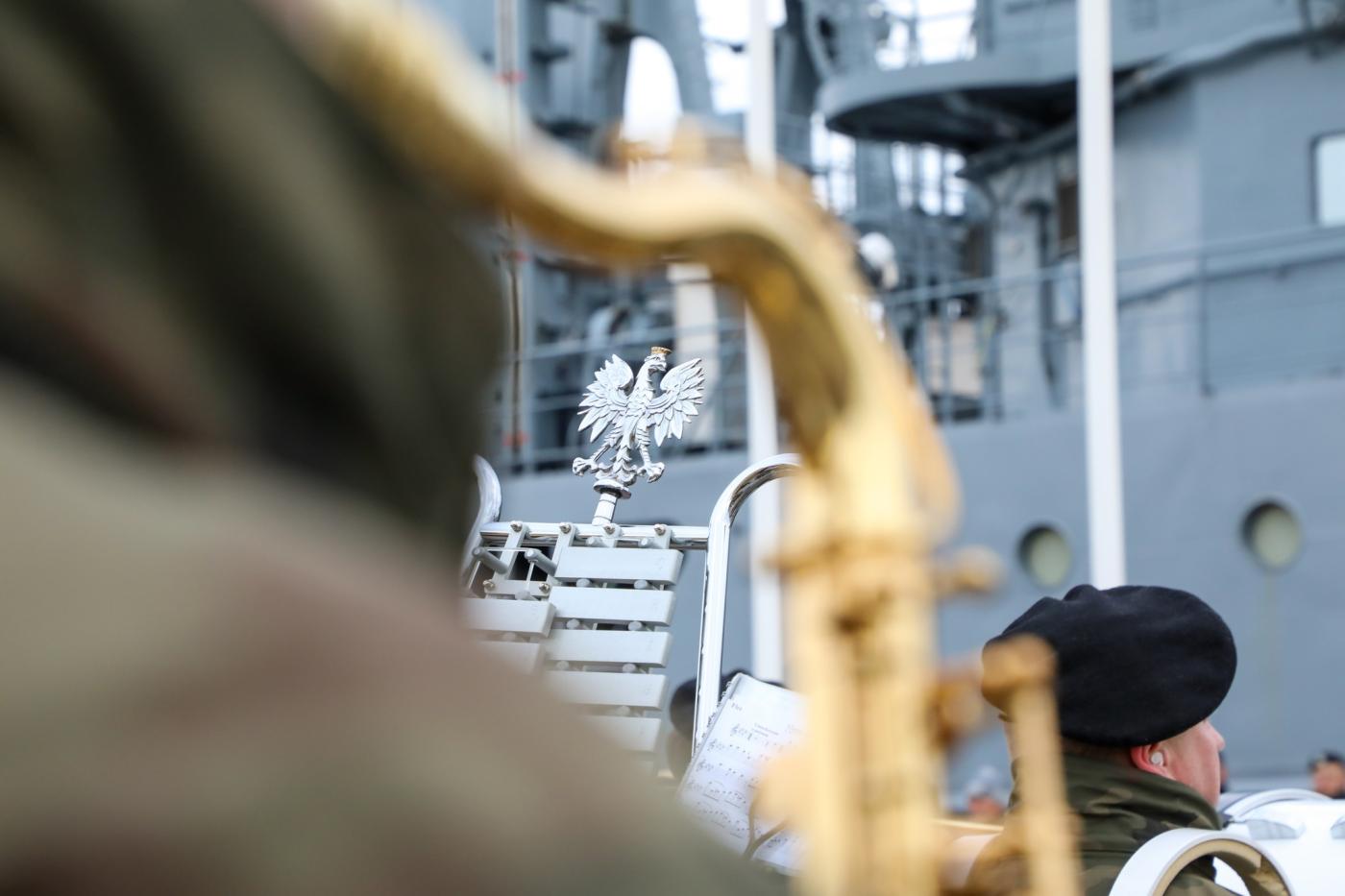
The recent watch change ceremony in NATO’s Standing Mine Countermeasures Group One (SNMCMG1) marked a smooth transition of responsibility. After six months of operational deployment, the Polish Military Contingent PKW Noteć, with the minesweeper ORP Necko, concluded its mission in the Baltic Sea.
During the deployment, Polish sailors contributed to allied mine countermeasures duties, ensuring the safety of maritime traffic, patrolling key sea lines of communication and reinforcing NATO’s presence in Northern European waters.
PKW Czernicki 2026 and the flagship role
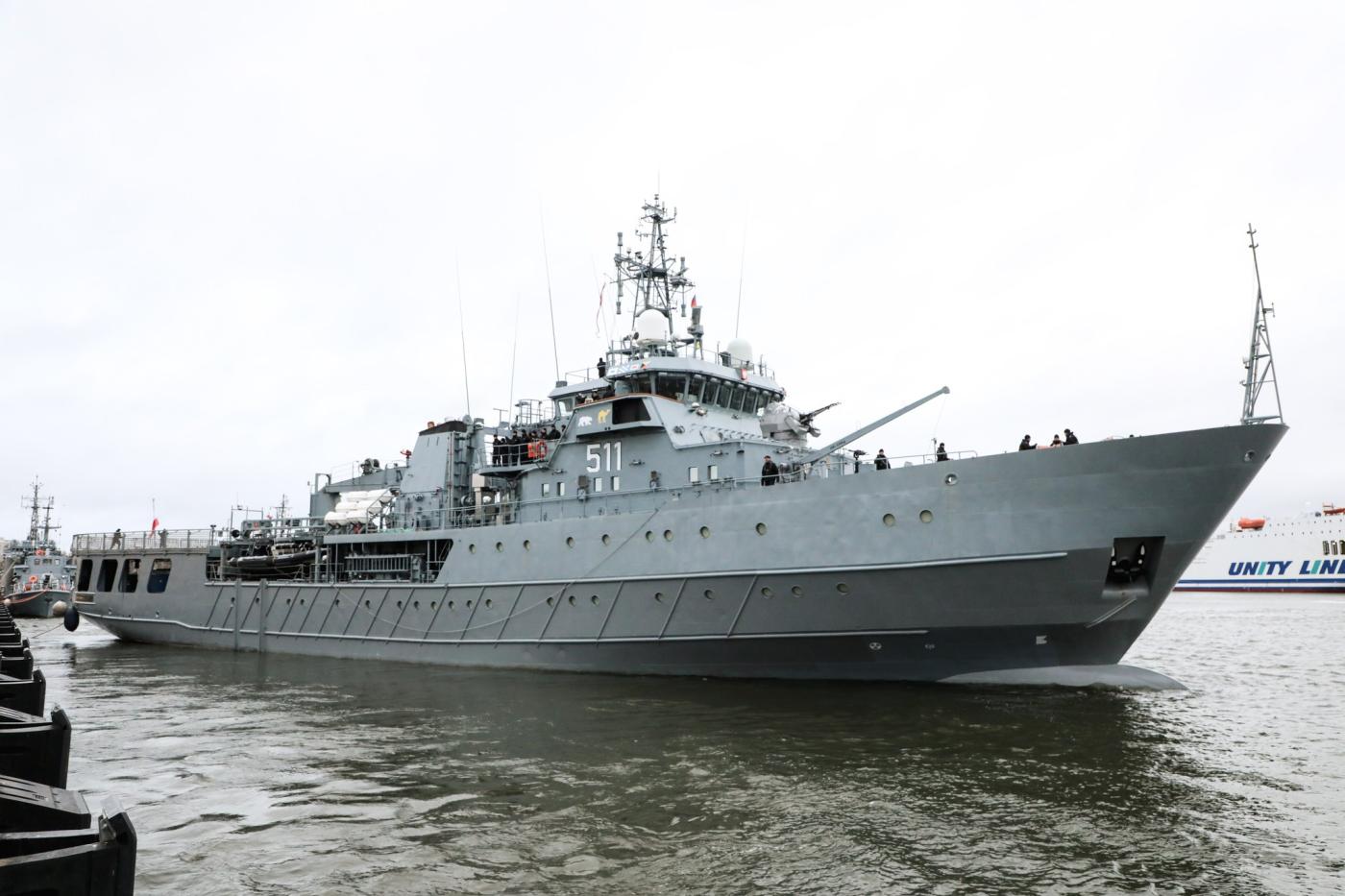
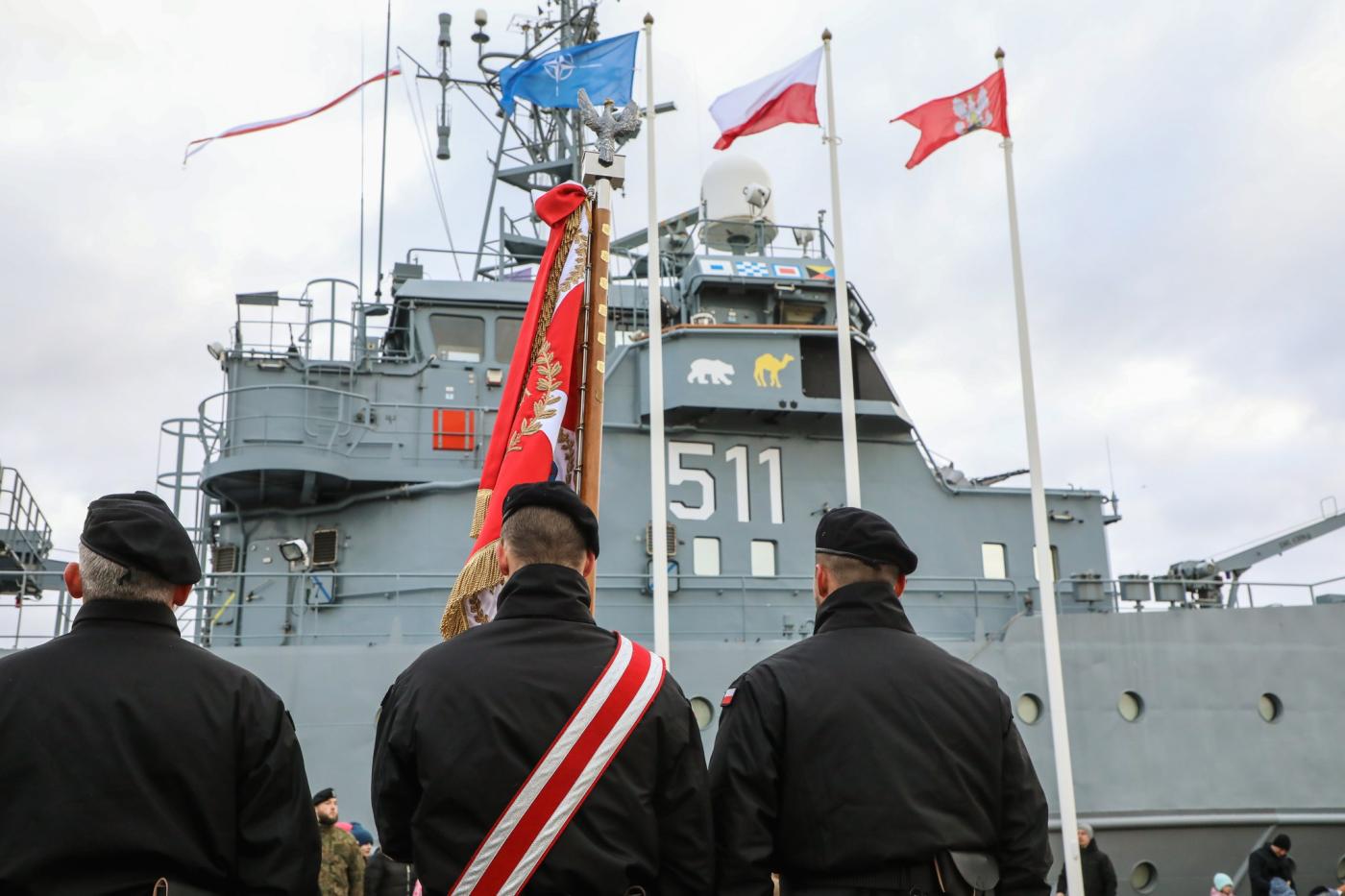
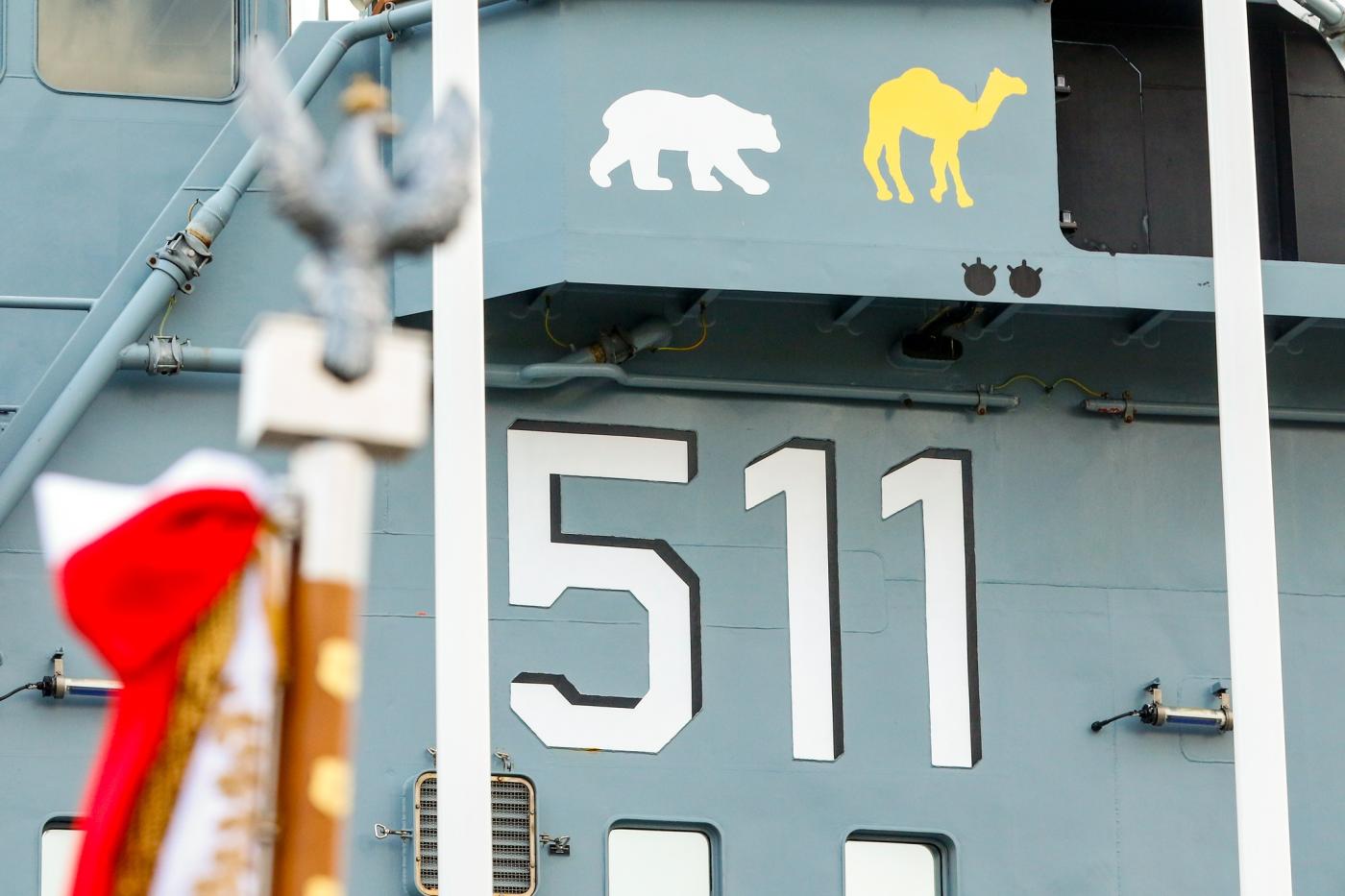
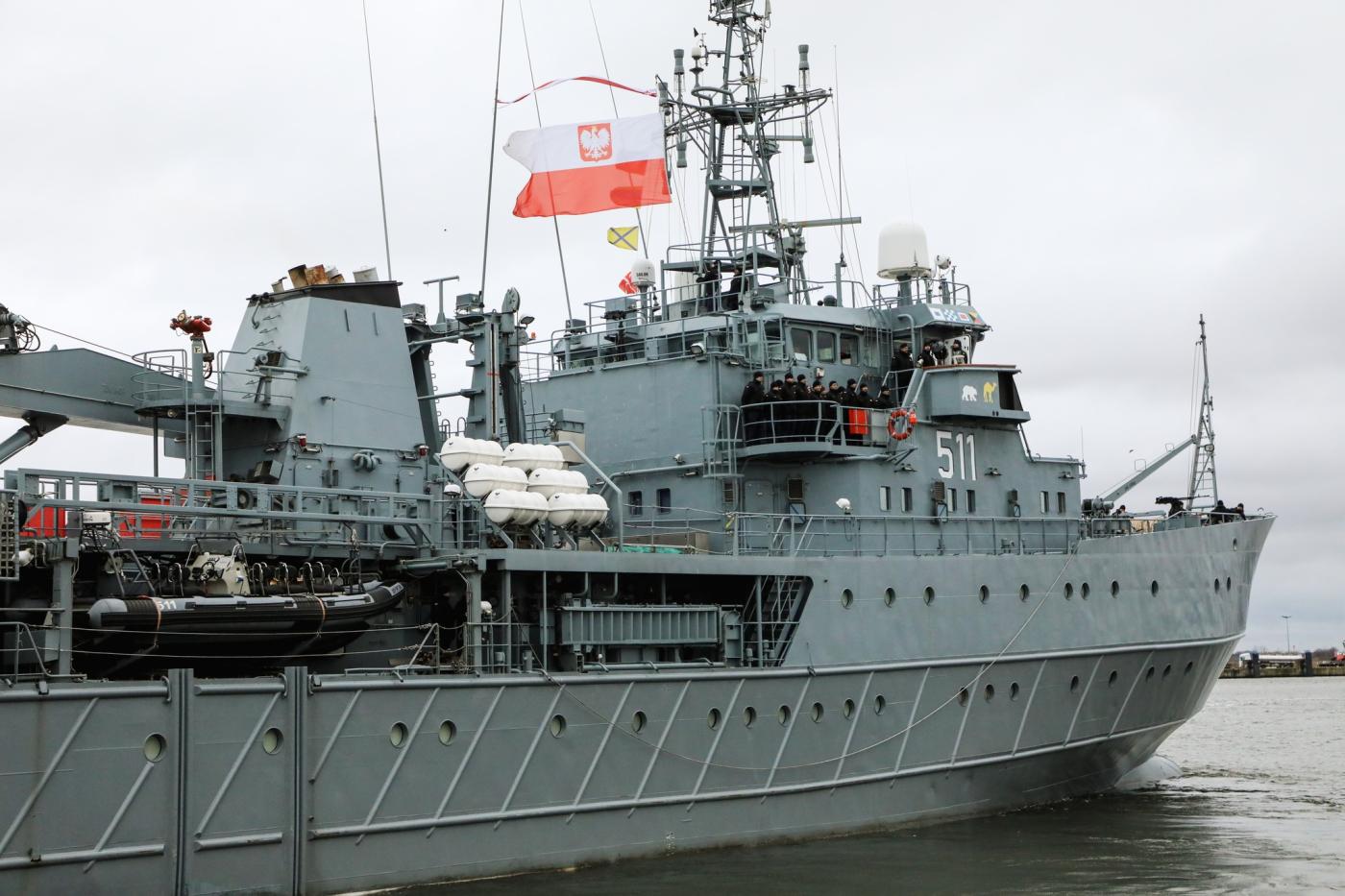
Formed on 1 January 2026 from units of the 8th Coastal Defence Flotilla, PKW Czernicki 2026 has been tasked with assuming command of SNMCMG1. The flagship of the group is ORP Kontradmirał X. Czernicki, a dedicated mine countermeasures command vessel assigned to the 2nd Transport and Mine Squadron.
Unlike minehunters and minesweepers conducting seabed operations, ORP Czernicki functions as the command and control hub of the group, providing planning, coordination and leadership for multinational naval forces.
Mine countermeasures and protection of critical infrastructure
The tasks of PKW Czernicki 2026 include the detection, identification and neutralisation of hazardous underwater objects, including unexploded ordnance dating back to the World Wars. The mission also covers the clearance of port approaches, confined waters and vital shipping routes.
Operations will extend beyond the Baltic Sea to the North Sea, the Norwegian Sea and selected areas of the Atlantic. These activities are closely aligned with NATO’s Baltic Sentry initiative, aimed at strengthening the protection of critical – particularly underwater – infrastructure.
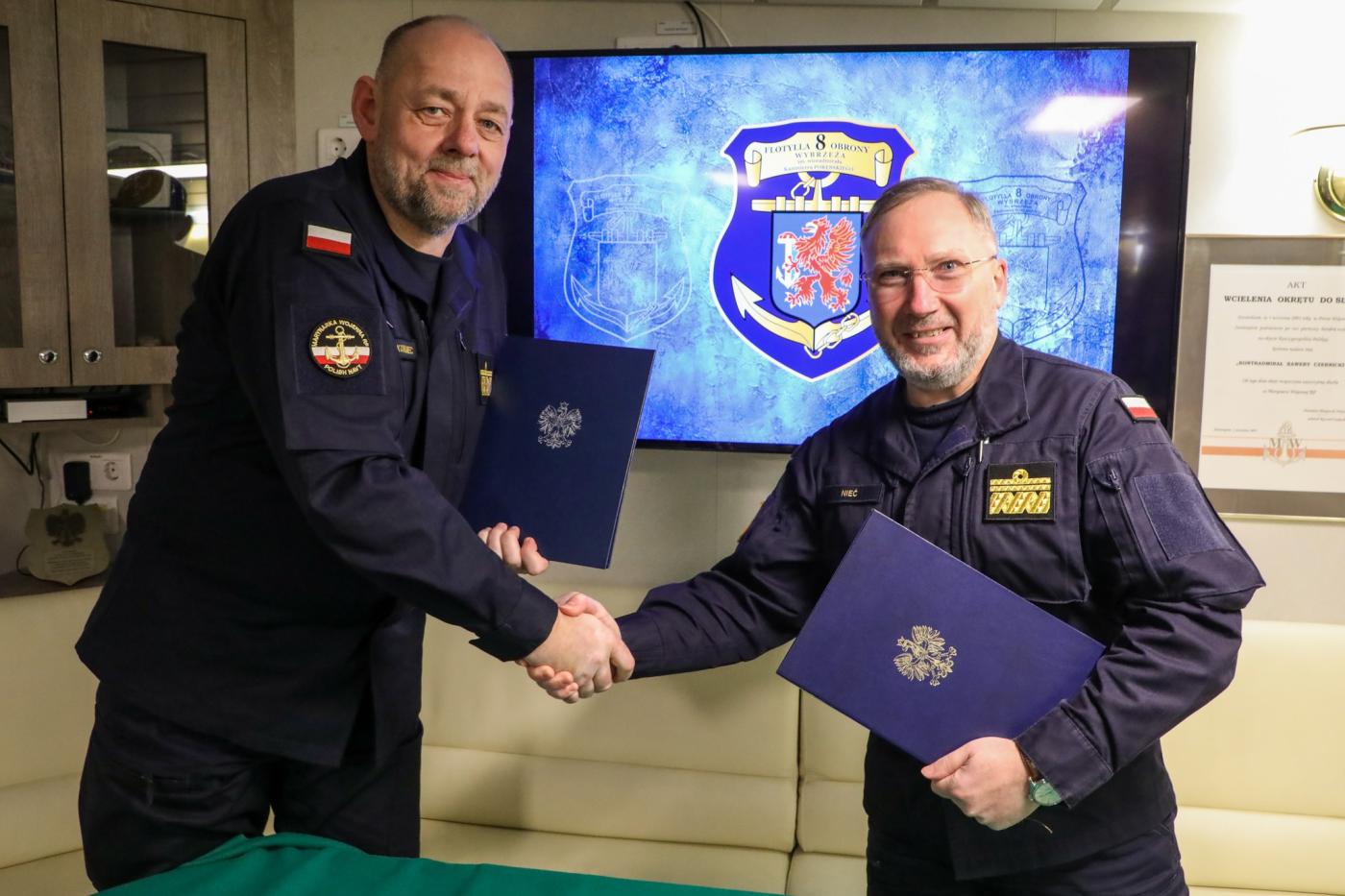
The strategic dimension of the mission was highlighted by Commander Kacper Sterne, commanding officer of PKW Czernicki, who will shortly assume command of SNMCMG1 from Latvian Navy Commander Jānis Auce:
- To czasy, w których NATO poprzez operację Baltic Sentry mówi jasno: nie ma miejsca na anonimowość – widzimy, rejestrujemy i reagujemy. Jednym z naszych kluczowych zadań będzie ochrona i monitorowanie podwodnej infrastruktury krytycznej – fundamentu bezpieczeństwa energetycznego i stabilności regionu Morza Bałtyckiego. To misja wymagająca rozwagi, profesjonalizmu i determinacji.
Proven Polish naval experience
The Polish Navy has been a consistent contributor to NATO’s mine countermeasures forces for more than two decades. Vessels from the 13th Minesweeper Squadron have repeatedly served with SNMCMG1, while ORP Kontradmirał X. Czernicki has previously acted as flagship on several occasions, including deployments with SNMCMG2 in the Mediterranean, Aegean and Black Seas.
PKW Czernicki 2026 therefore represents both operational continuity and Poland’s established credibility as a framework nation capable of leading complex multinational naval formations.
see also
Buy us a coffee, and we’ll invest in great maritime journalism! Support Gazeta Morska and help us sail forward – click here!
Kamil Kusier
redaktor naczelny
gallery
comments
Add the first comment
see also
Radmor hosts delegation from the Republic of Turkey. Advancing maritime security cooperation
French Navy expands global operations from the Pacific to the Red Sea
"Let everyone know we will prevail". Poland’s armed forces set strategic course for 2026-2039
“Army 500” and strategic transformation: Poland sets the course for long-term deterrence and allied readiness
Medical evacuation from offshore vessel in the Baltic. Rescue 511 helicopter and m/s Huragan deployed
Karol Nawrocki: “The strength of the republic lies in its armed forces”. Security requires national unity
Human trafficking, money laundering, millions frozen. Successful operation by border guard and tax administration
Evening SAR operation in the Baltic. Two kitesurfers stranded offshore
Medical evacuation from sailing ship in Gdynia port. 17-year-old safely transported
Medical evacuation from Danish-flagged vessel Skoven off Łeba. Joint SAR operation in the Baltic Sea
ADVERTISEMENT
ADVERTISEMENT