









Ustka port and Gdańsk terminal. Strategic bases for offshore wind energy
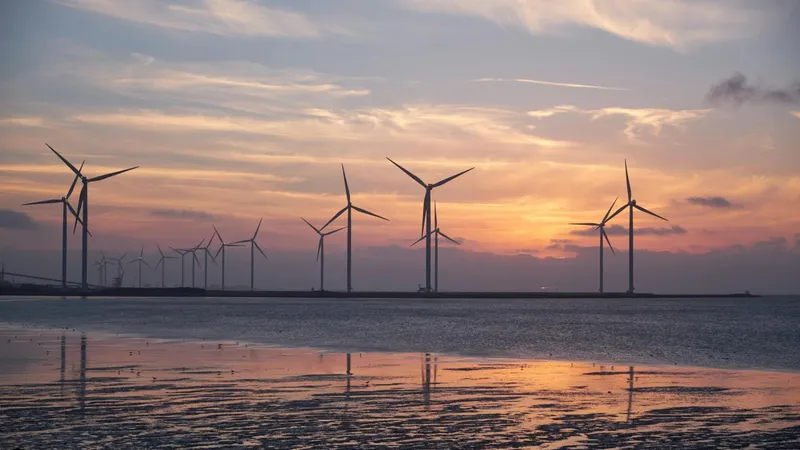
PGE Baltica, a leader in Polish offshore wind energy, has obtained permission to build an operations and maintenance base in the port of Ustka. This is a key element in servicing the Baltica 2 and 3 farms, which are expected to provide Poland with 2.5 GW of capacity by 2030. Meanwhile, an installation terminal for turbines is being developed in the port of Gdańsk.
In brief
PGE Baltica has obtained a building permit for an operations and maintenance base in the port of Ustka for the Baltica 2 and Baltica 3 offshore wind farms. The Baltica 2 and Baltica 3 farms are to give Poland 2.5 GW of capacity by 2030, and the Ustka base will manage the turbines and infrastructure for 30 years. An installation terminal for transporting and assembling towers, blades and generators is being built in parallel in the Port of Gdańsk, jointly with the Port of Gdańsk Authority. PGE Baltica's investments are intended to create jobs and bring Polish companies into the offshore sector.
Poland on the verge of an Eeergy revolution. PGE Baltica’s offshore projects lead the way
PGE Baltica’s offshore wind projects are setting the course for Poland’s energy transformation, with ports in Ustka and Gdańsk poised to become pivotal hubs. These investments will support turbine operations, logistics, and create sustainable jobs.
Strategic projects: Ustka and Gdańsk Ports
The decision to construct an operations and maintenance base in Ustka and an installation terminal in Gdańsk marks critical steps in the development of the Baltica 2 and 3 wind farms. These projects represent Poland’s largest offshore wind energy initiative, with a total capacity of 2.5 GW, set to be operational by 2030, meeting the energy needs of millions of households.
- Port of Ustka: This site will serve as the maintenance base for turbines and infrastructure over a 30-year period. Equipped with modern technical, administrative, and logistical facilities, it will boost local economic development and create new jobs. Proximity to wind farms ensures swift and efficient service, reducing turbine downtime.
- Port of Gdańsk: The installation terminal will handle the transport and assembly of key turbine components, including towers, blades, and generators. Developed in collaboration with the Gdańsk Port Authority, it will become a key logistical hub for Poland’s offshore wind sector.
Economic and social impact
These investments go beyond energy production. Integrating Polish ports into the offshore energy sector strengthens Poland’s role in the European energy transition. Partnerships with local companies enhance the domestic renewable energy industry and build expertise in the sector.
Energy independence and climate goals
The Baltica 2 and 3 projects are part of Poland’s strategy to reduce reliance on fossil fuels and achieve climate neutrality. For PGE Baltica, this is a milestone that positions Poland as a leader in offshore wind energy in the Baltic Sea region.
Source: Gazeta Morska · Compiled by: Kamil Kusier
Related articles
 Shipbuilding industry Ex-Enterprise towed to Mobile under $418.5m contract. Test case for Nimitz-class disposal begins
 Maritime economy Poland’s constitutional crisis is also a maritime story
 Safety and rescue Polish SAR’s new rescue vessel Mistral launched at Kewatec in Finland
 Investments Port of Gdańsk opens T5 offshore installation terminal, bringing Baltica 2 logistics home from Bornholm
 Maritime economy Bursztyn Unity to raise the Polish flag, but crew terms remain an open question
 Energy and offshore Bałtyk 2 and 3 offshore wind: all 100 foundations installed, export cables laid
Comments (0)
The discussion is moderated by the editors: a comment appears after review. Your e-mail address is not published.
Nobody has commented on this article yet.