The Jan Heweliusz ferry disaster. 33 years after one of Poland’s worst maritime tragedies
On 14 January, 33 years have passed since the sinking of the ferry Jan Heweliusz, one of the most serious maritime disasters in the history of Poland and the Baltic Sea. During the night of 13 to 14 January 1993, in hurricane conditions between Rügen and Bornholm, 55 crew members and passengers lost their lives. The tragedy remains a symbol not only of the power of the sea, but also of systemic failures in maritime safety.
security worldwide west pomerania maritime rescue news14 january 2026 | 09:49 | Source: Gazeta Morska | Prepared by: Kamil Kusier | Print
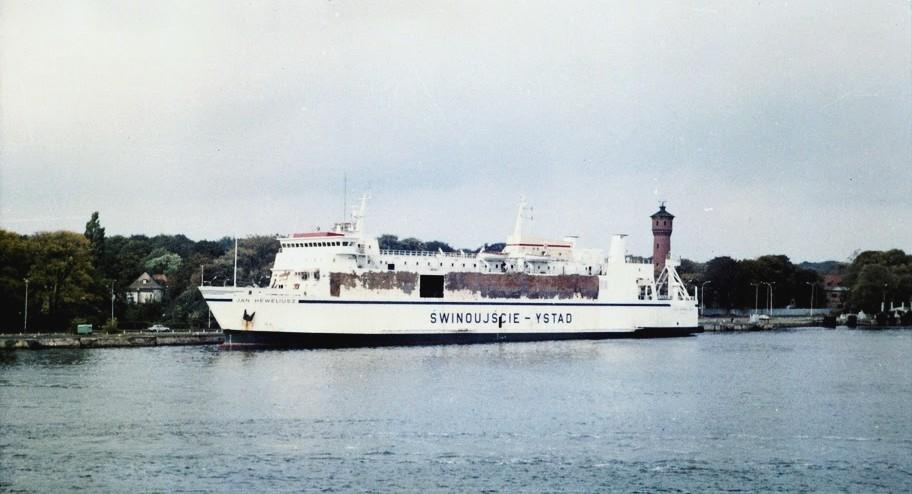
fot. Wikimedia
The loss of Jan Heweliusz fundamentally changed how Europe looks at the safety of ro ro ferries. Yet many questions remain open to this day.
A ferry operating at the limits of stability
Jan Heweliusz was a rail and vehicle ro ro ferry designed to carry railway wagons, trucks and cars on the Świnoujście to Ystad route, one of the most important maritime links between Poland and Scandinavia.
Already in the 1980s the vessel had a reputation among seafarers as difficult and sensitive. The ferry had a very high freeboard and a high centre of gravity. It had also undergone several structural modifications, including after a major fire in 1986. Such features made the ship particularly vulnerable to loss of stability in heavy weather.
Ro ro ferries are structurally exposed to a dangerous phenomenon known as the free surface effect. When water enters the vehicle deck or when cargo shifts, stability can be lost within minutes.
The night of the disaster
On the night of 13 to 14 January 1993 the southern Baltic was hit by hurricane Junior. Winds reached Beaufort force 12 and waves exceeded six metres. Despite these conditions, Jan Heweliusz left port.
On board were ten railway wagons, twenty eight trucks and sixty four people. During the voyage the ferry began to list heavily. Cargo most likely shifted and seawater entered the ship, further reducing stability. The vessel was no longer able to recover from the growing heel.
Around 05:00 the list became critical and within minutes the ferry capsized. In water close to one degree Celsius survival time was extremely short. Only nine people were rescued. Fifty five died.
Why did Jan Heweliusz sink?
The technical mechanism of the disaster is not disputed. Jan Heweliusz lost stability due to a combination of extreme weather, vulnerable ro ro design and the movement of heavy cargo.
Key contributing factors included the decision to sail in hurricane conditions, insufficient securing of trucks and wagons and the free surface effect in tanks and flooded decks. The same basic mechanism caused the loss of the ferry Estonia in the Baltic Sea just one year later.
Responsibility and unanswered questions?
While the physical cause of the sinking is clear, institutional responsibility has never been fully resolved. After the tragedy, investigations were conducted by Maritime Chambers, government commissions and prosecutors.
In 2005, however, the European Court of Human Rights ruled that the Polish investigations did not meet standards of independence and fairness. In practice no senior decision makers were held accountable for allowing the ferry to sail in such extreme conditions.
The key question remains why a vessel with known stability problems was allowed to depart when other ships stayed in port.
A turning point for ferry safety
The Jan Heweliusz disaster became a turning point for maritime safety in Poland and the wider Baltic region. Regulations on stability, cargo securing and weather related sailing decisions were tightened. The tragedy contributed to a broader European reassessment of ro ro ferry risks.
A Netflix documentary that revived the national debate
In recent years the story of Jan Heweliusz has returned to public attention through a Netflix documentary series that reignited a nationwide debate in Poland about the disaster and maritime safety.
For many viewers it was the first time they had encountered the story. For the maritime industry it served as a reminder that the lessons of Jan Heweliusz remain relevant more than three decades later.
see also
Buy us a coffee, and we’ll invest in great maritime journalism! Support Gazeta Morska and help us sail forward – click here!
Kamil Kusier
redaktor naczelny
comments
Add the first comment
see also
Commodore Przemysław Karaś appointed deputy commander of the Maritime Operations Centre - Naval Component Command
Radmor hosts delegation from the Republic of Turkey. Advancing maritime security cooperation
French Navy expands global operations from the Pacific to the Red Sea
"Let everyone know we will prevail". Poland’s armed forces set strategic course for 2026-2039
“Army 500” and strategic transformation: Poland sets the course for long-term deterrence and allied readiness
Medical evacuation from offshore vessel in the Baltic. Rescue 511 helicopter and m/s Huragan deployed
Karol Nawrocki: “The strength of the republic lies in its armed forces”. Security requires national unity
Human trafficking, money laundering, millions frozen. Successful operation by border guard and tax administration
Evening SAR operation in the Baltic. Two kitesurfers stranded offshore
Medical evacuation from sailing ship in Gdynia port. 17-year-old safely transported
ADVERTISEMENT
ADVERTISEMENT