“Army 500” and strategic transformation: Poland sets the course for long-term deterrence and allied readiness
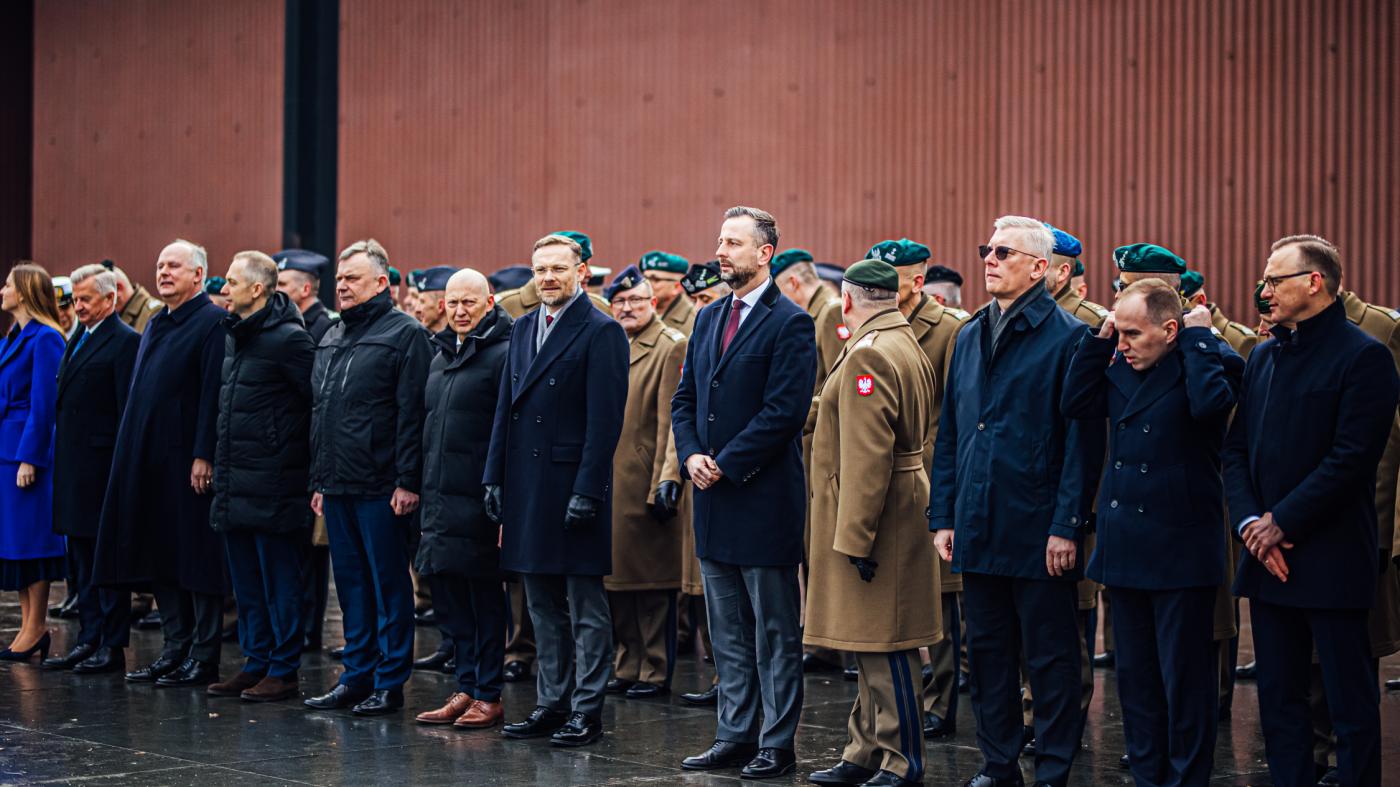
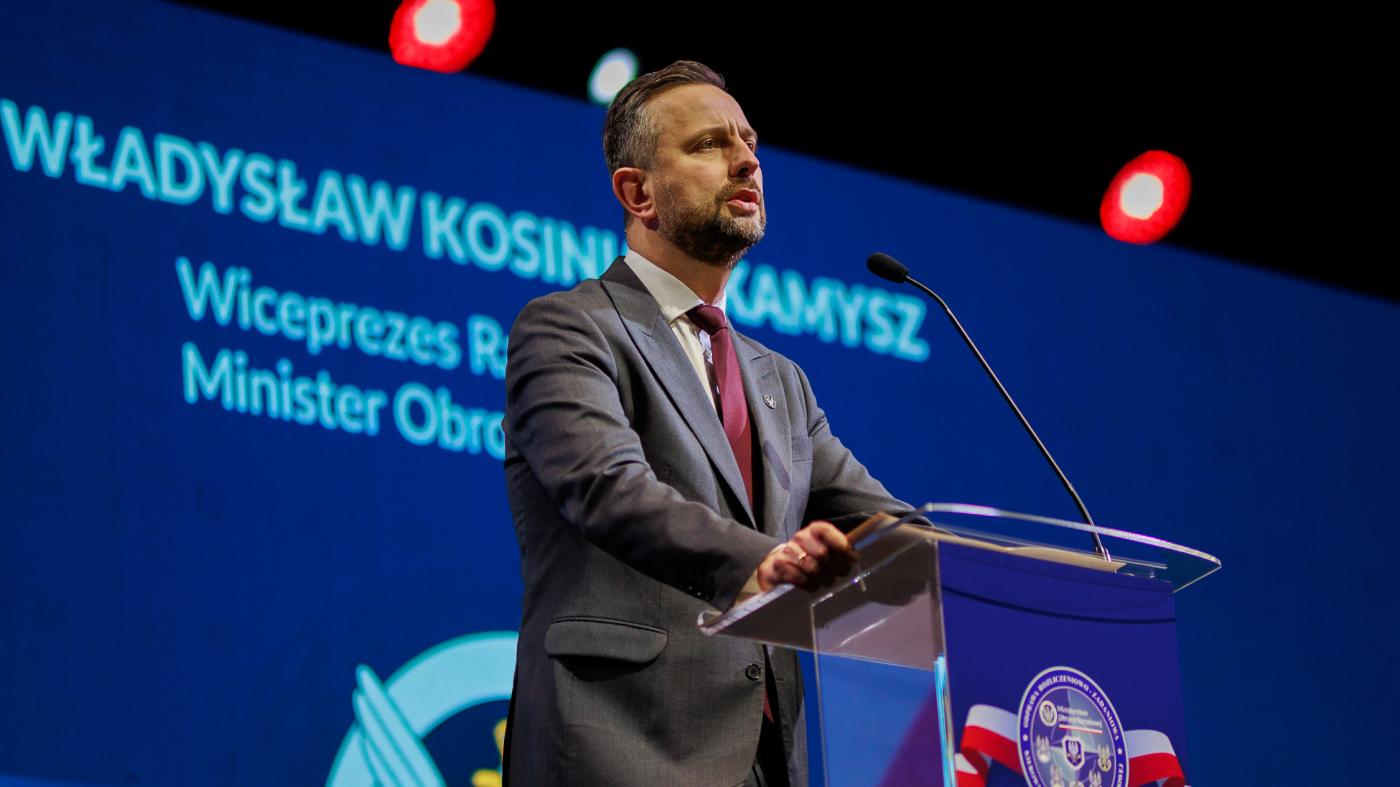
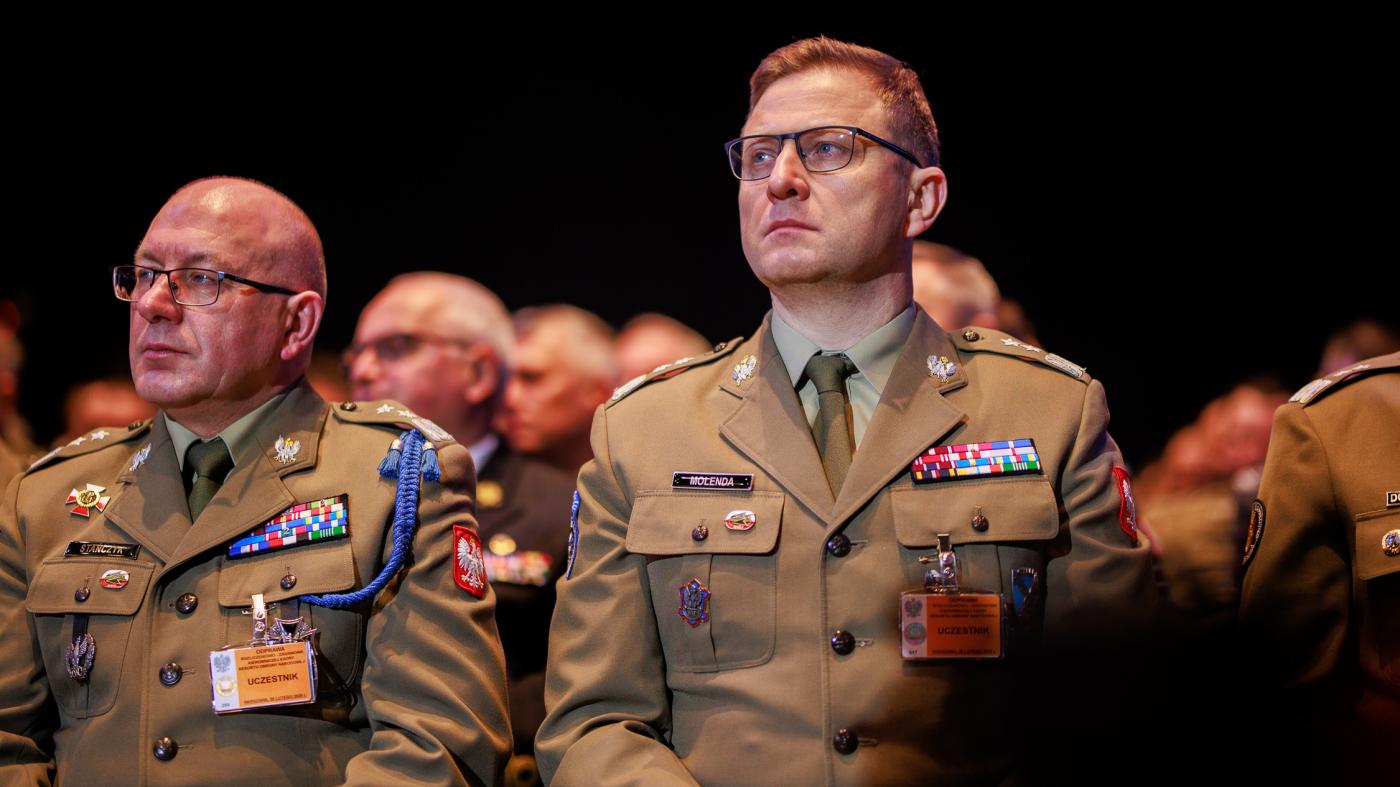
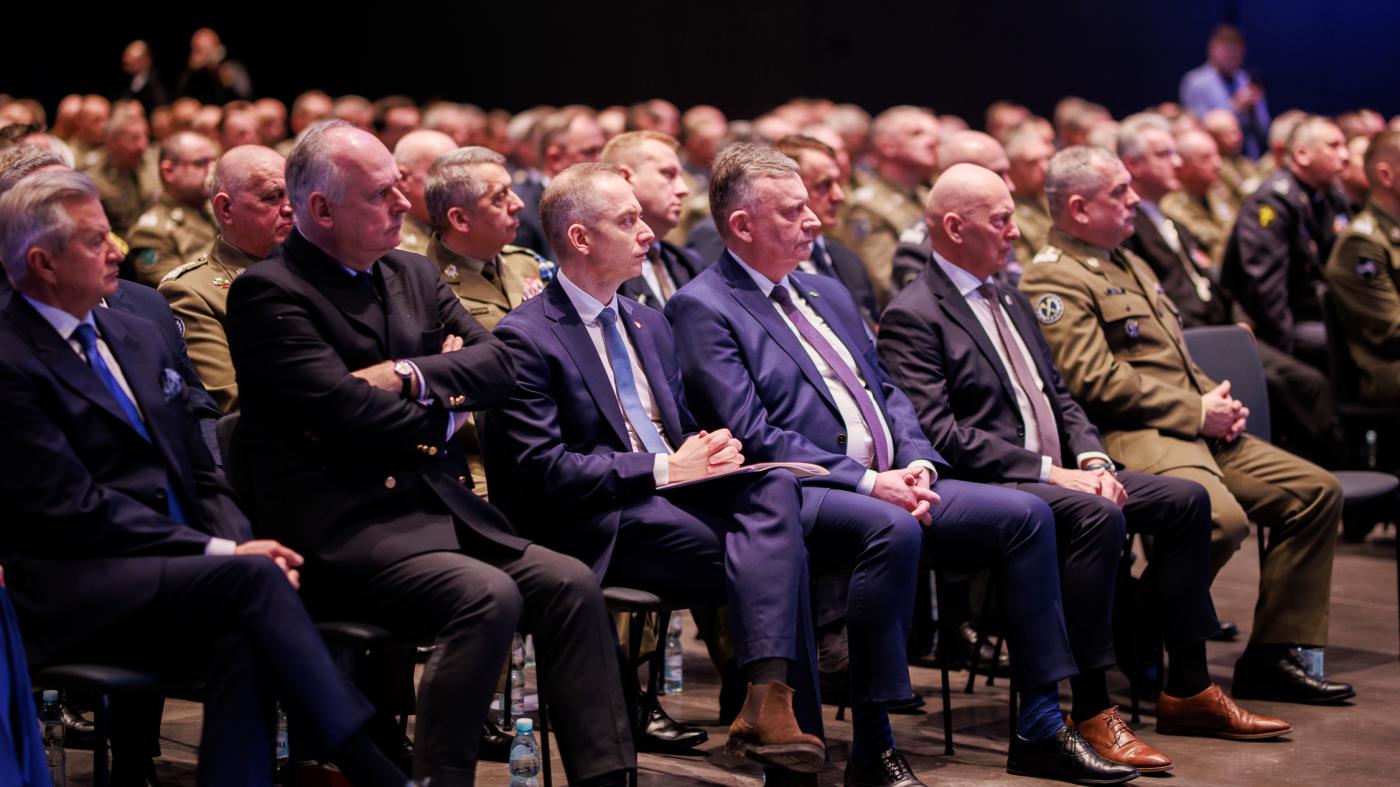
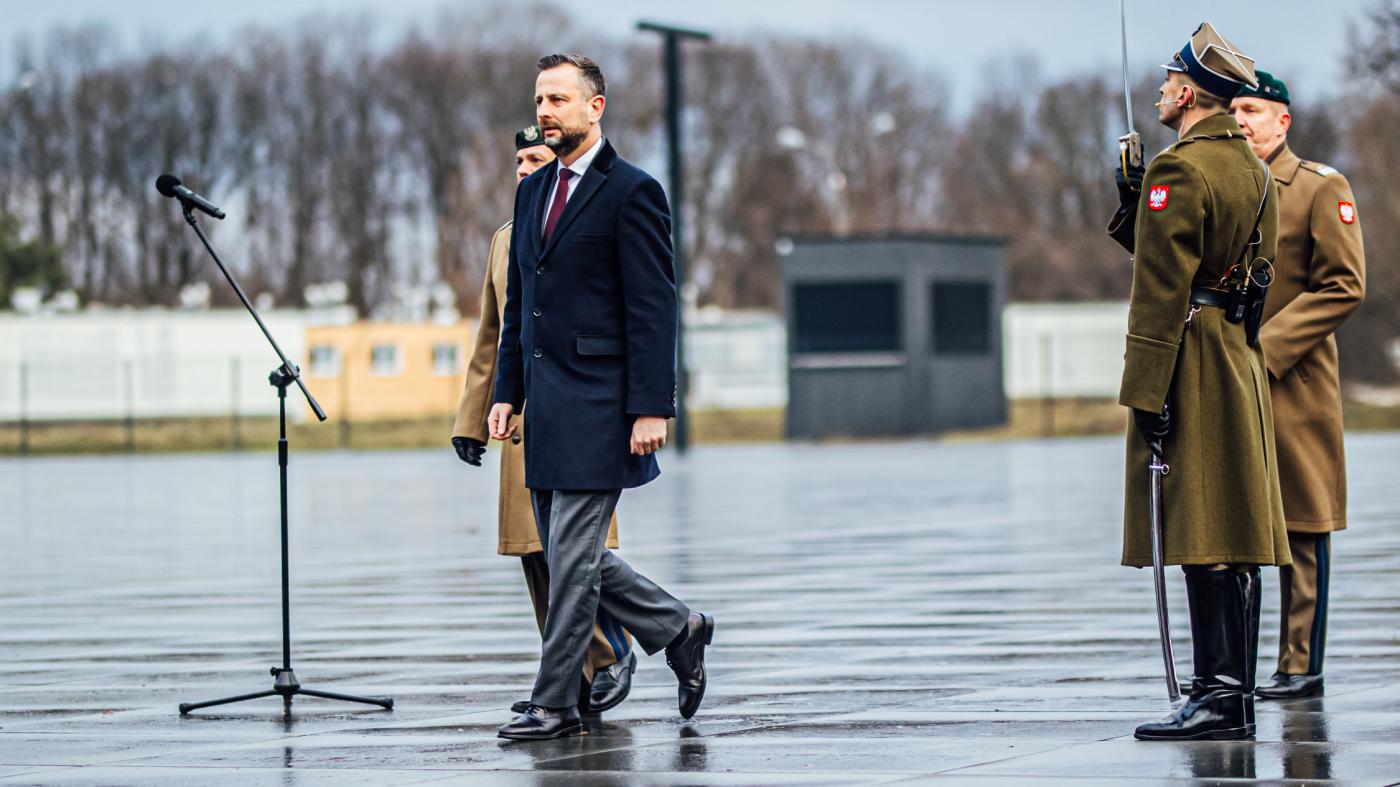
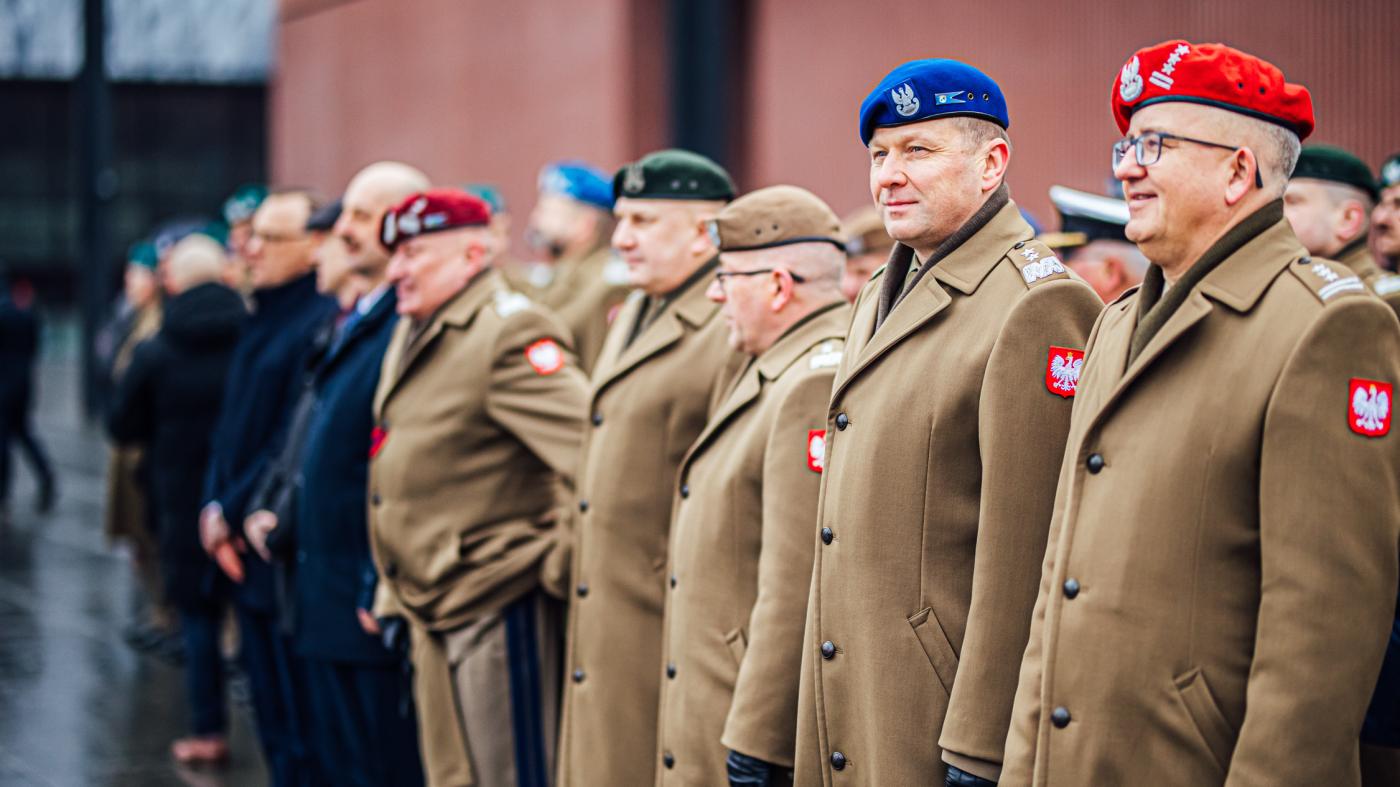
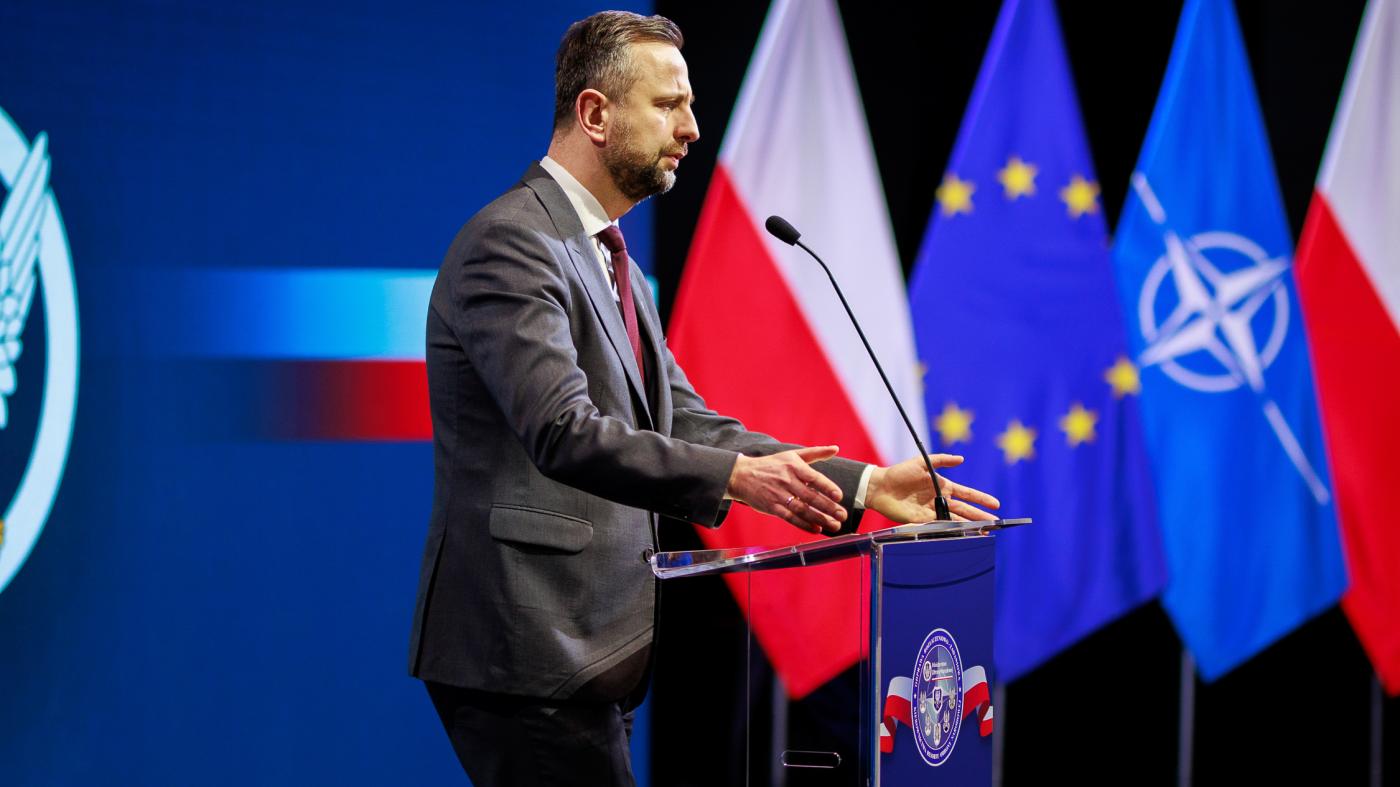
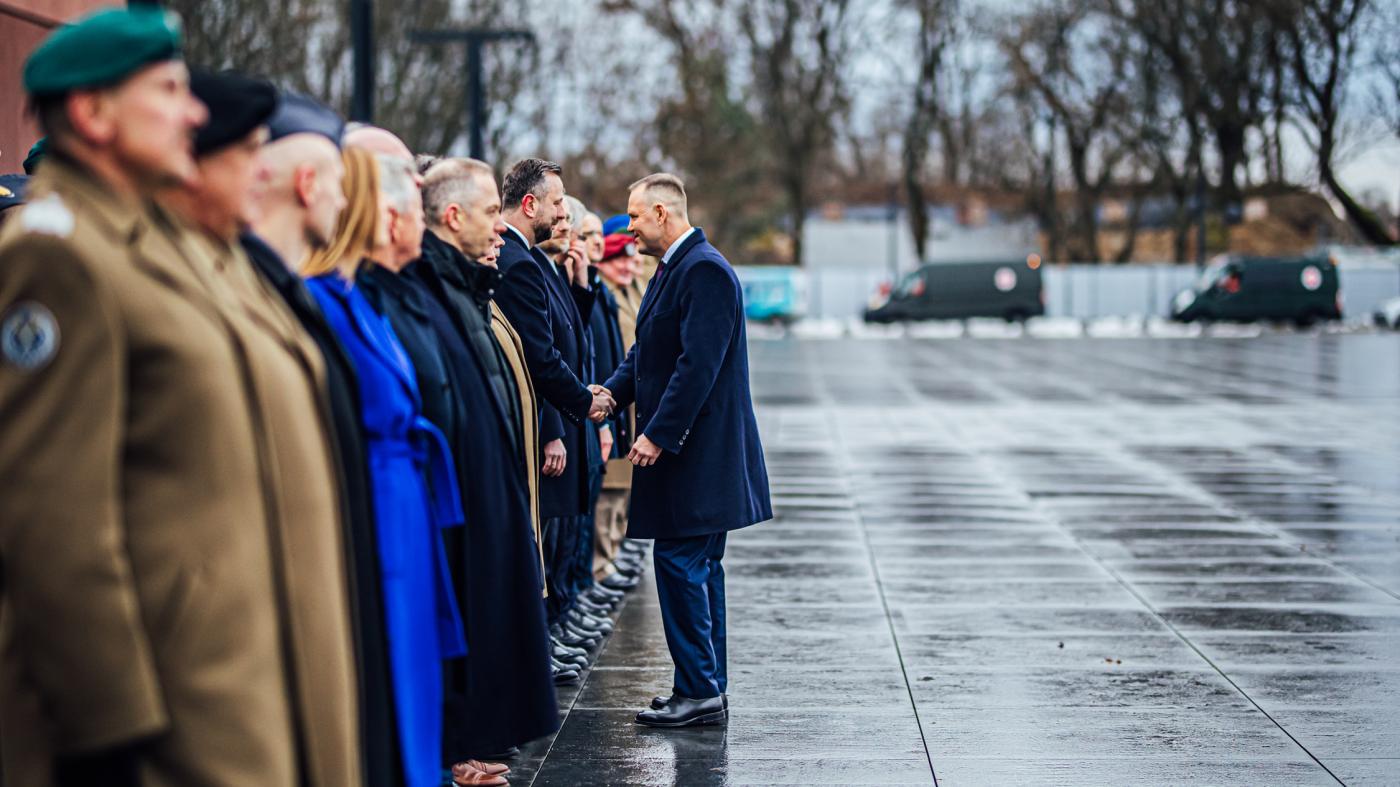
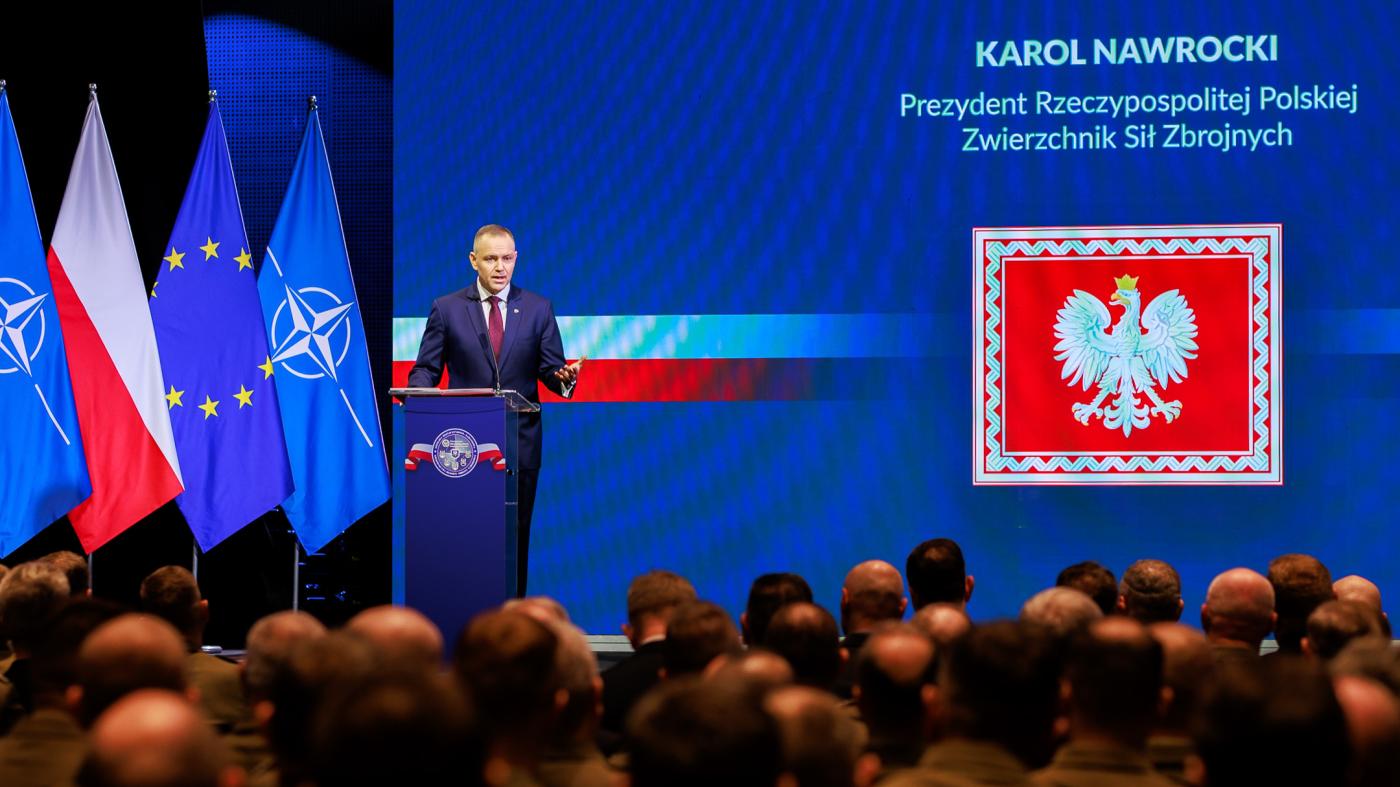
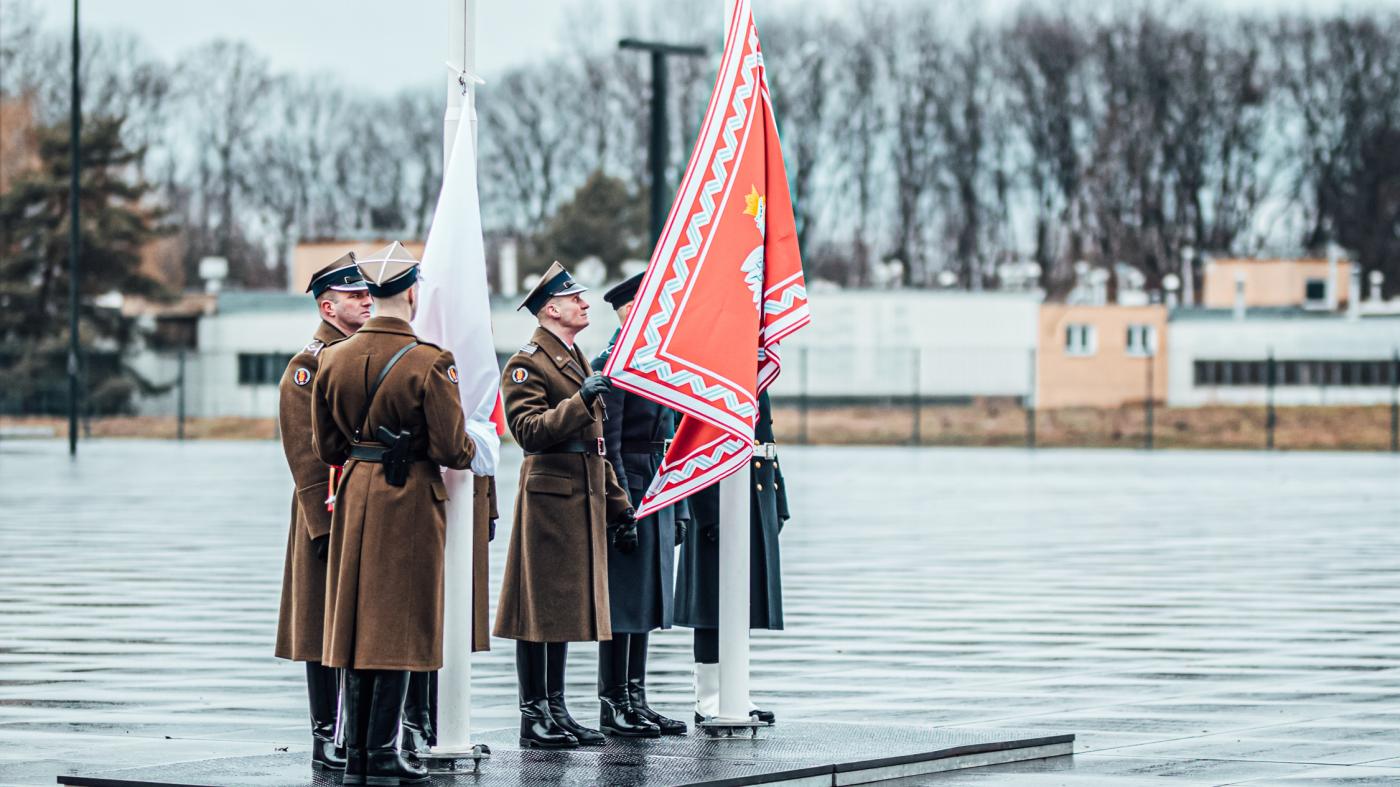
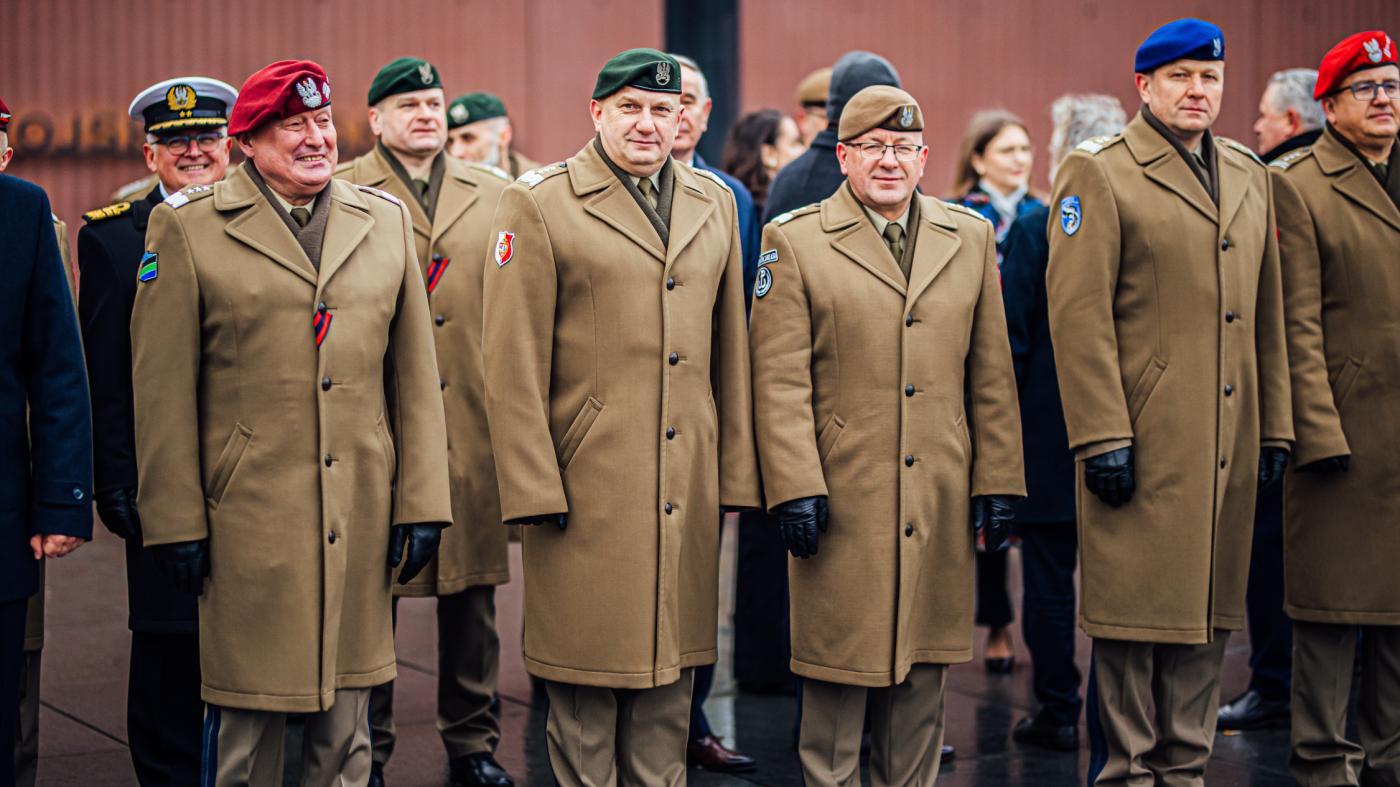
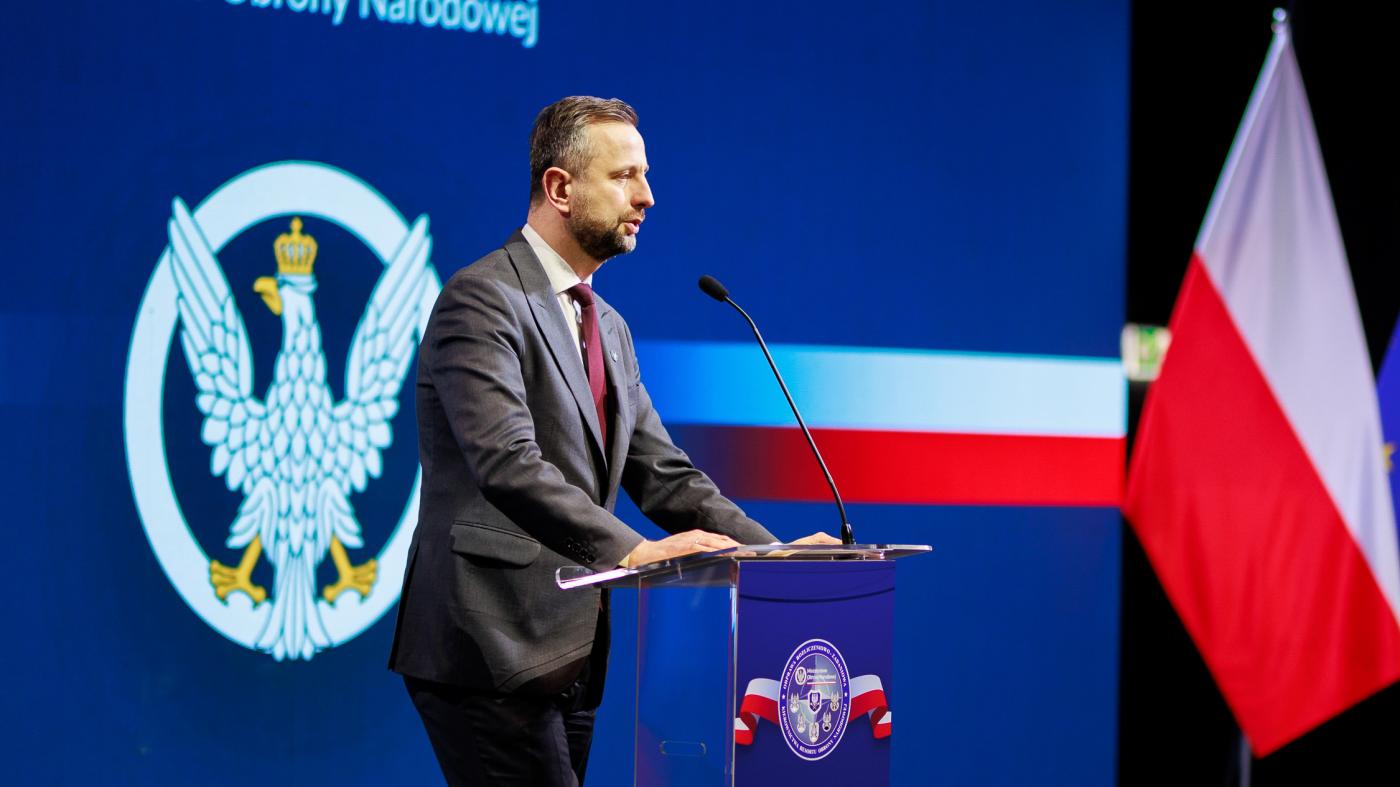
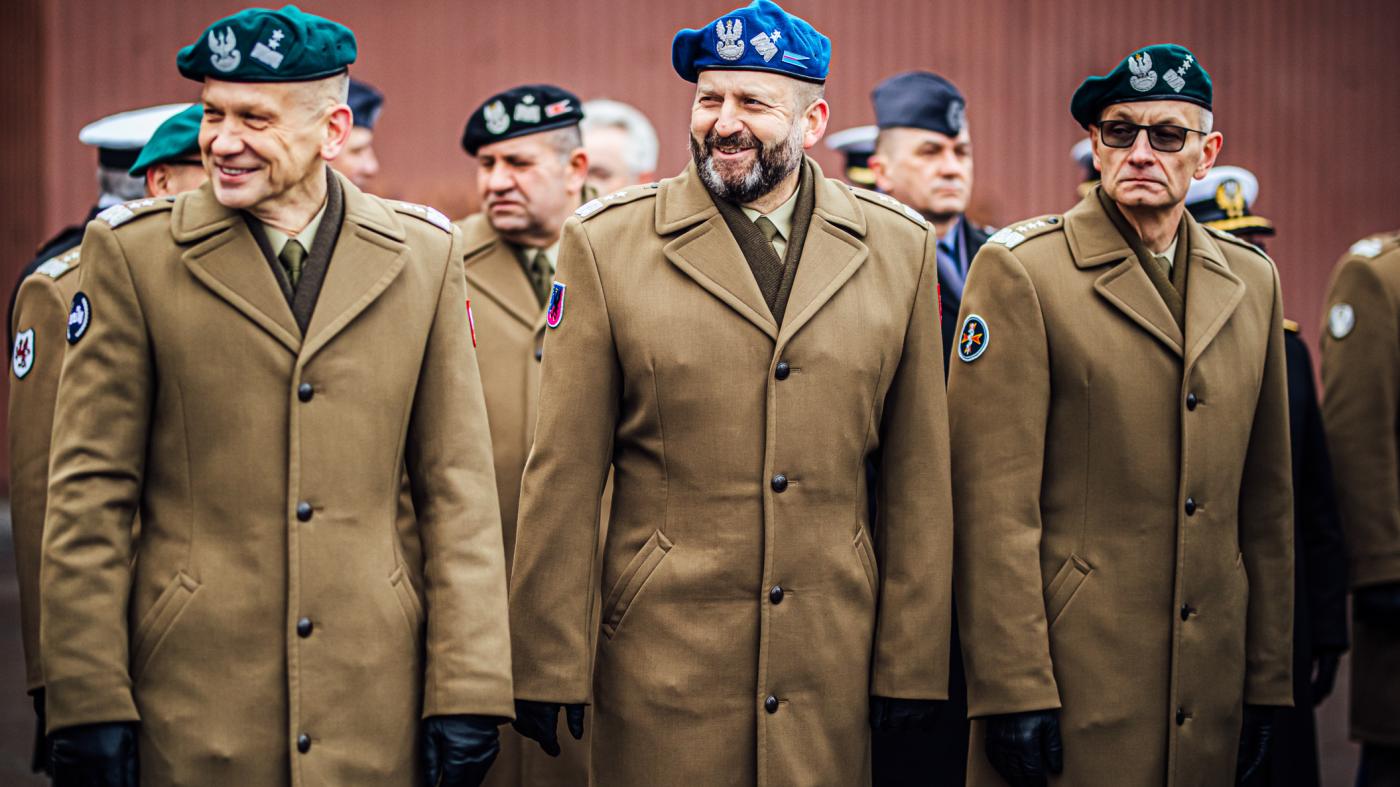
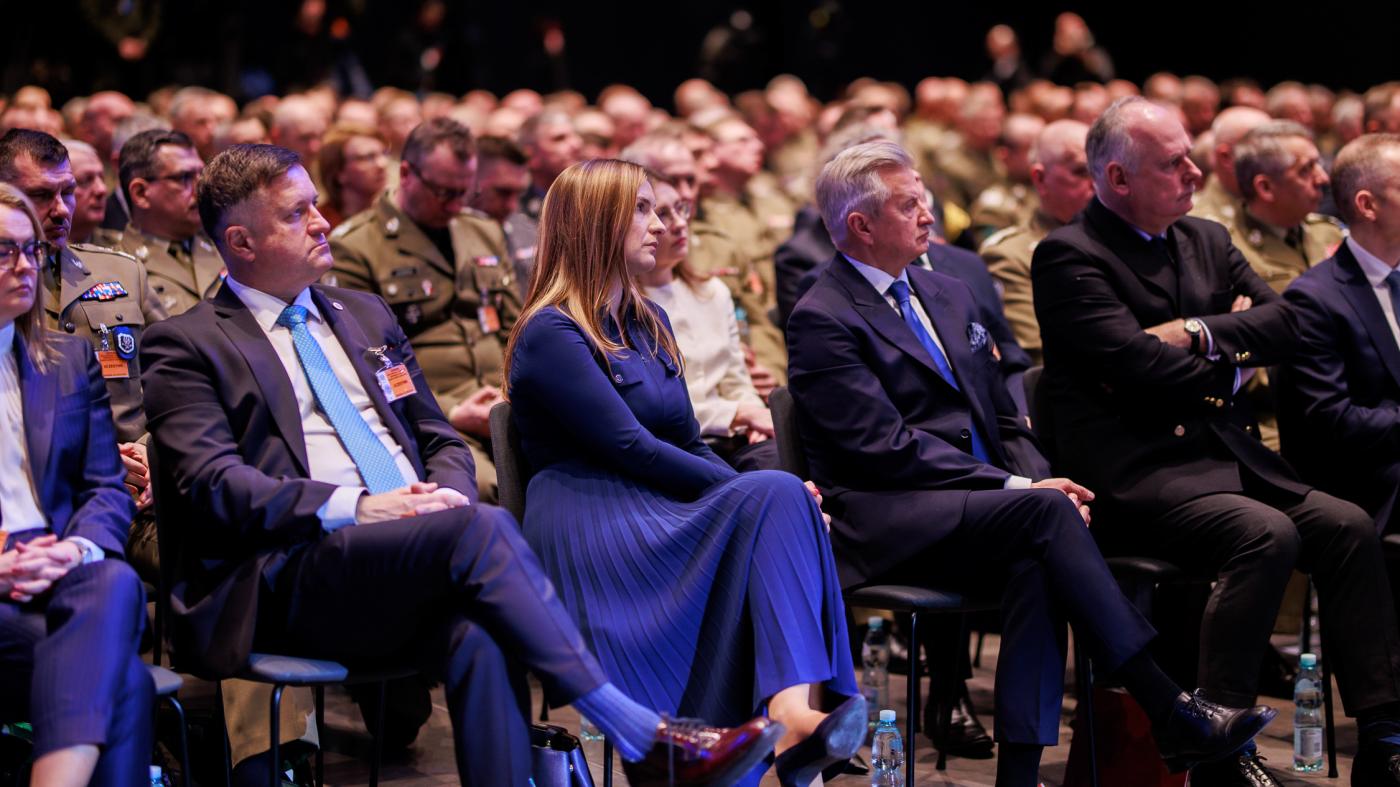
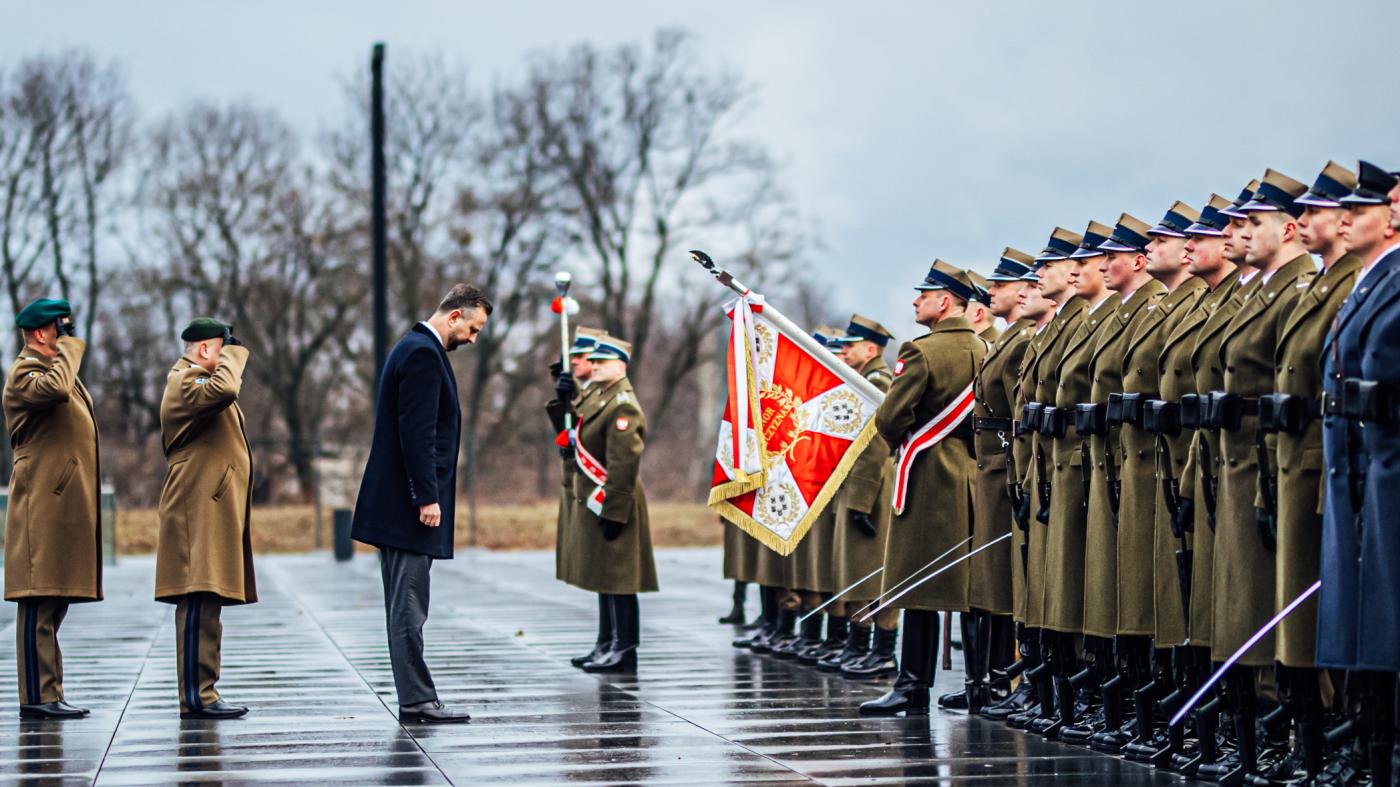
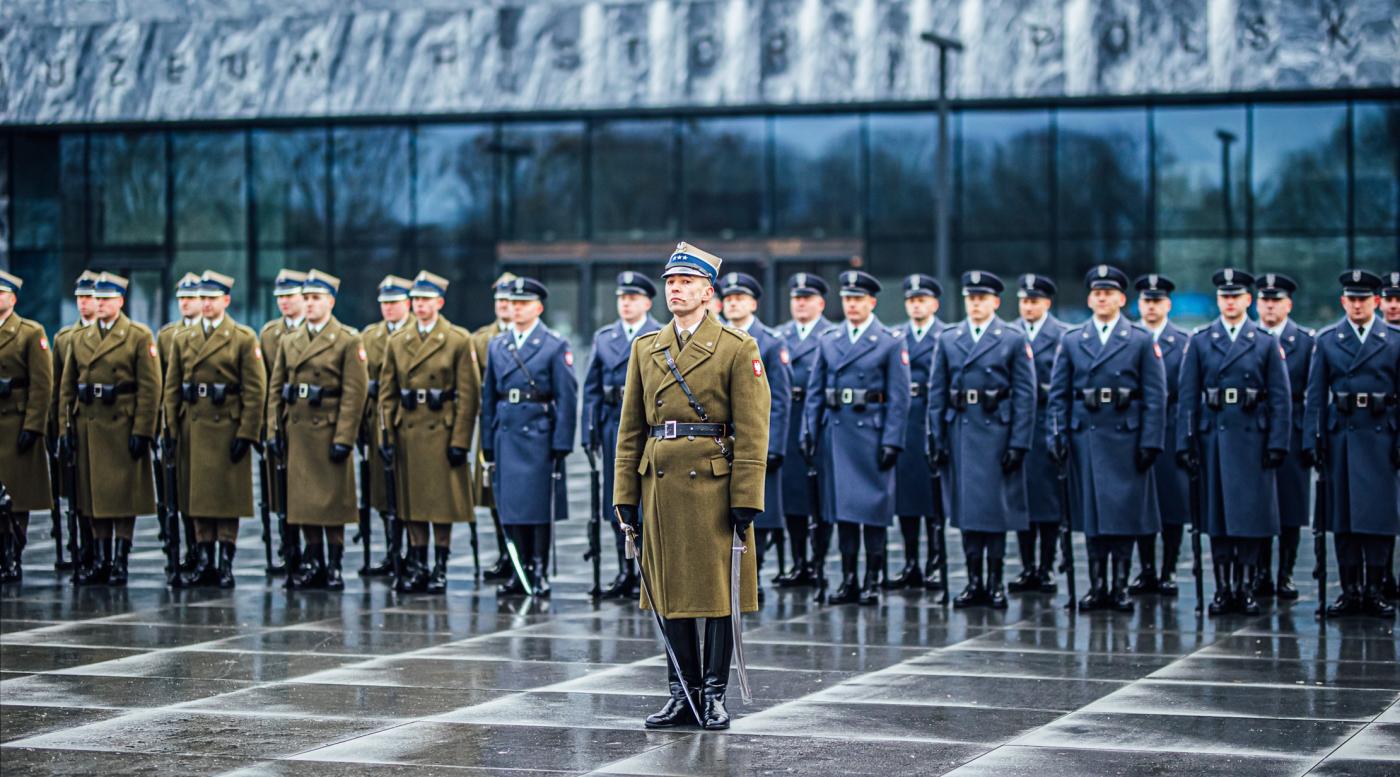
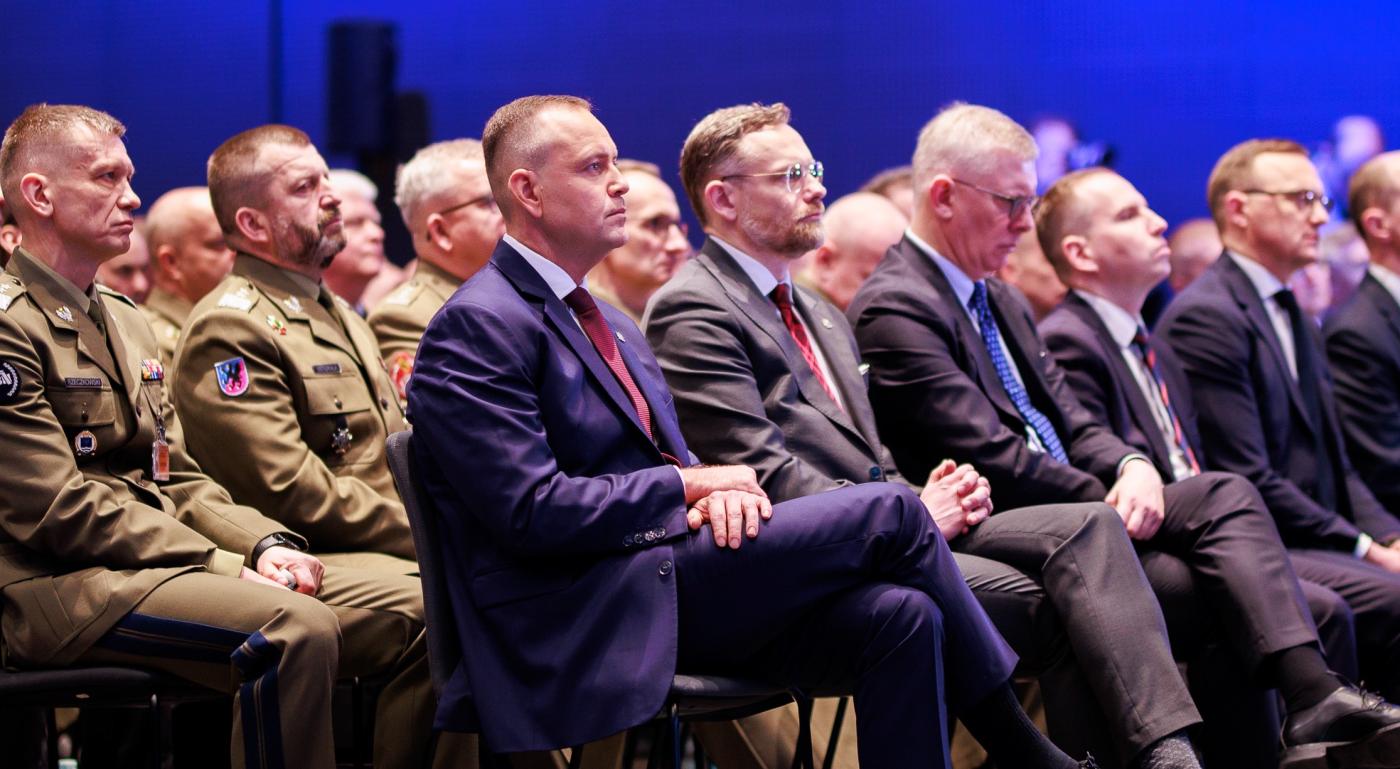
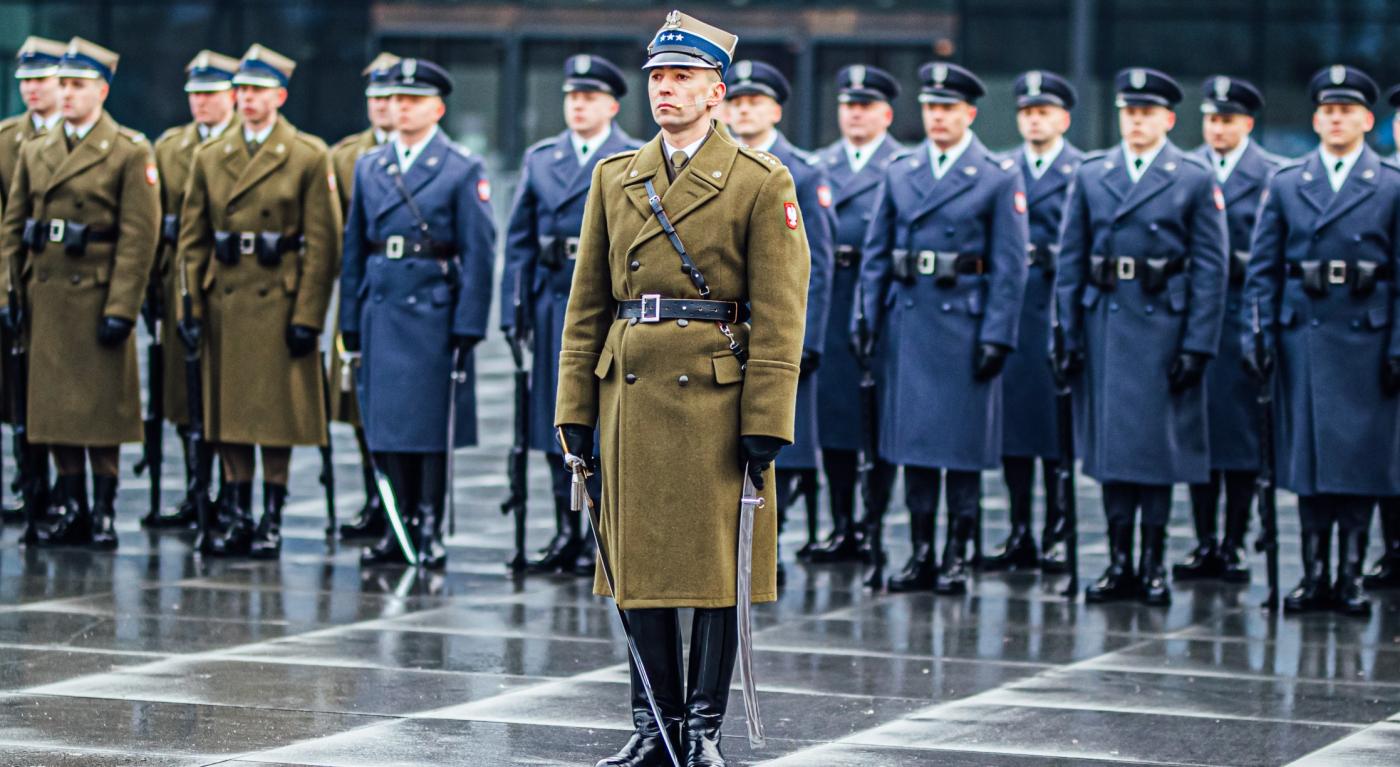
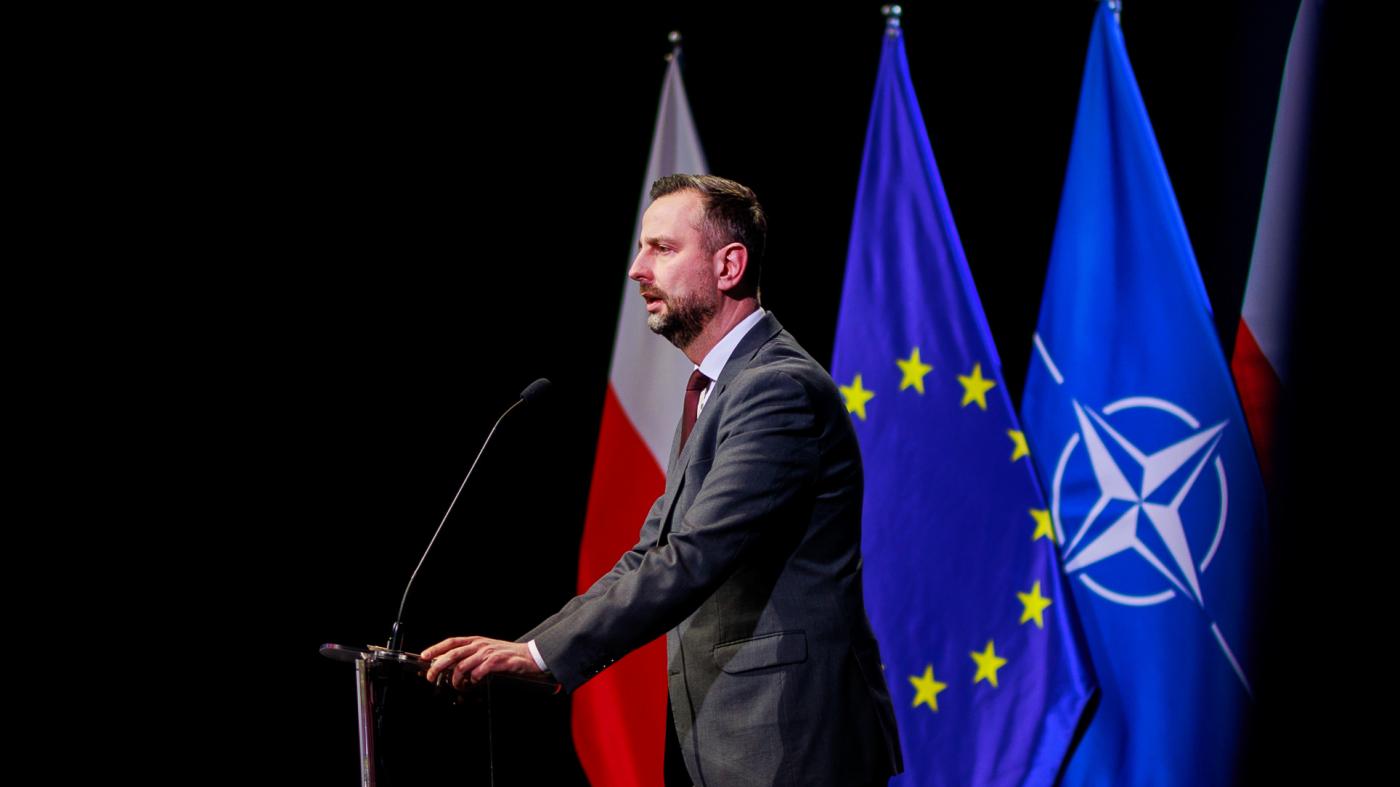
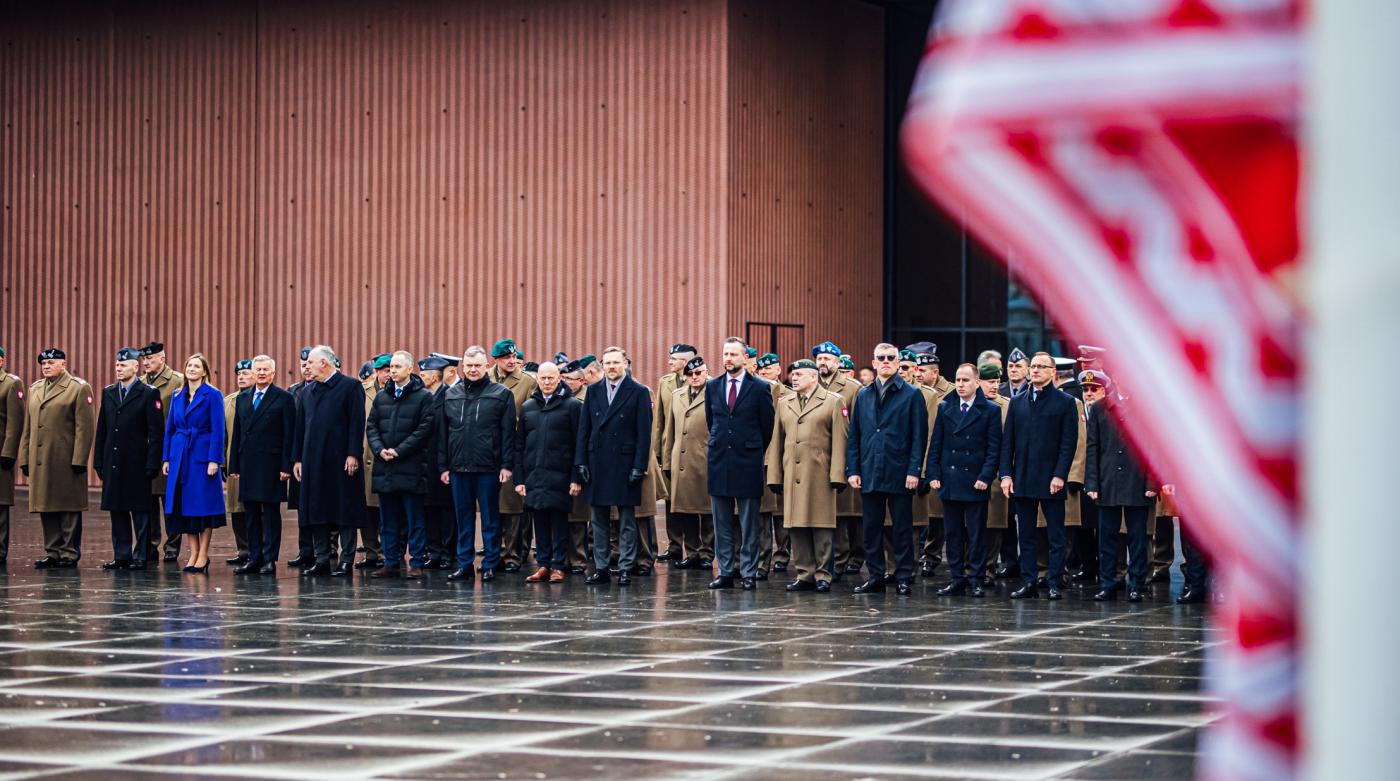
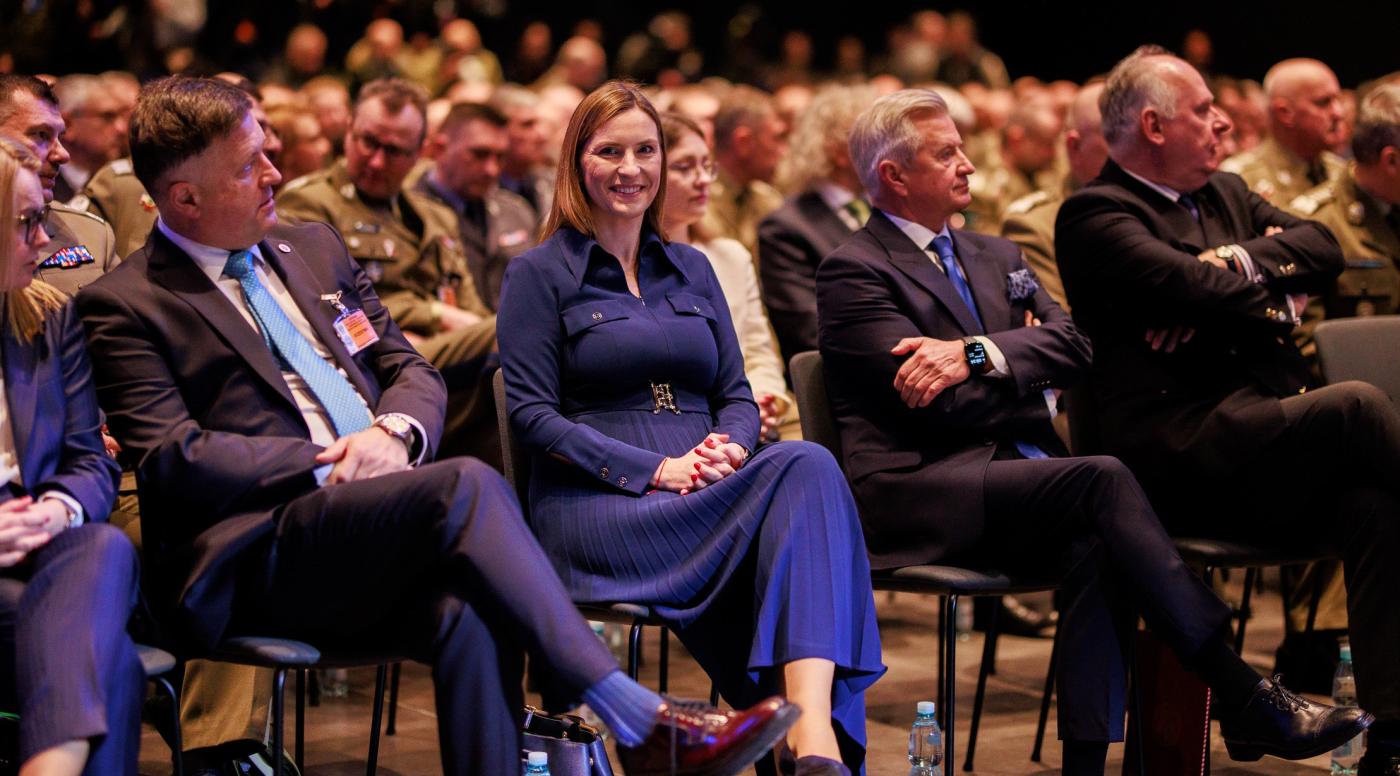
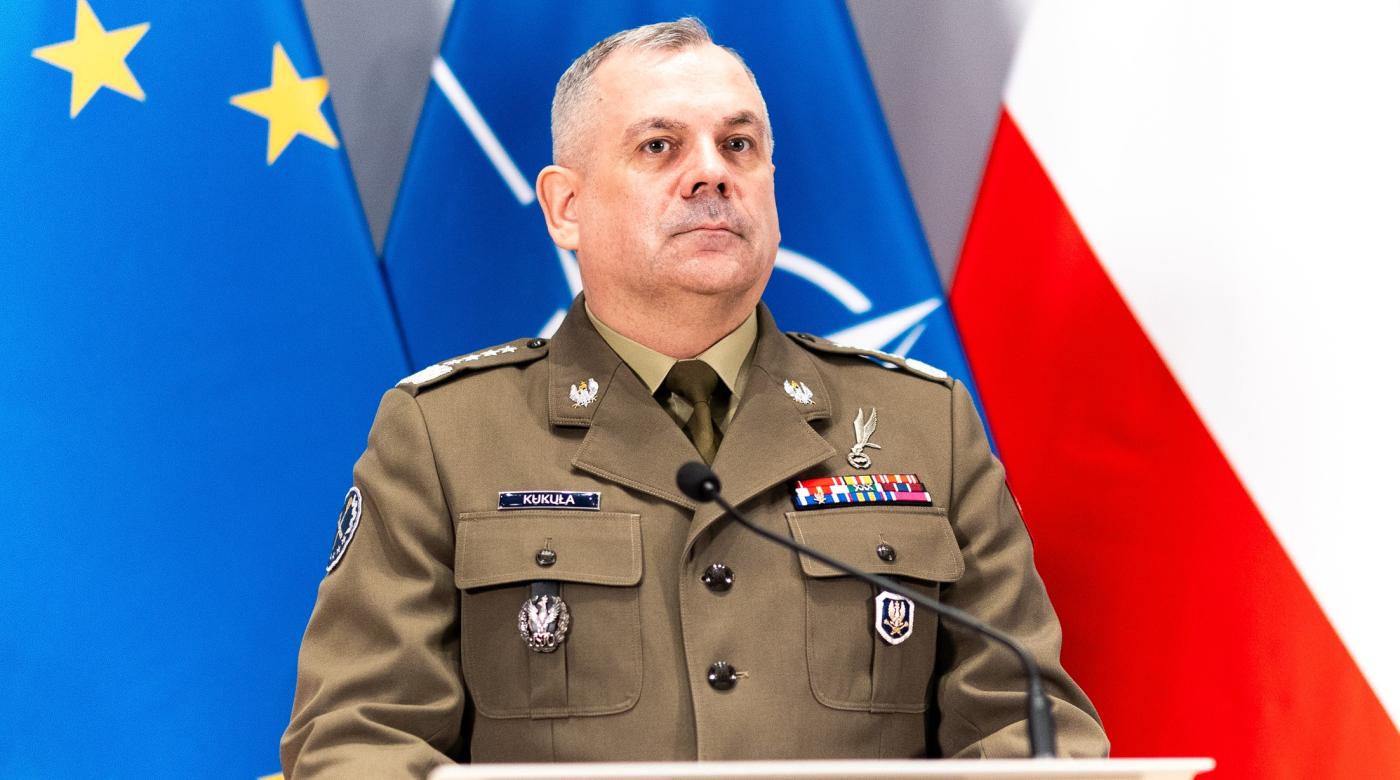
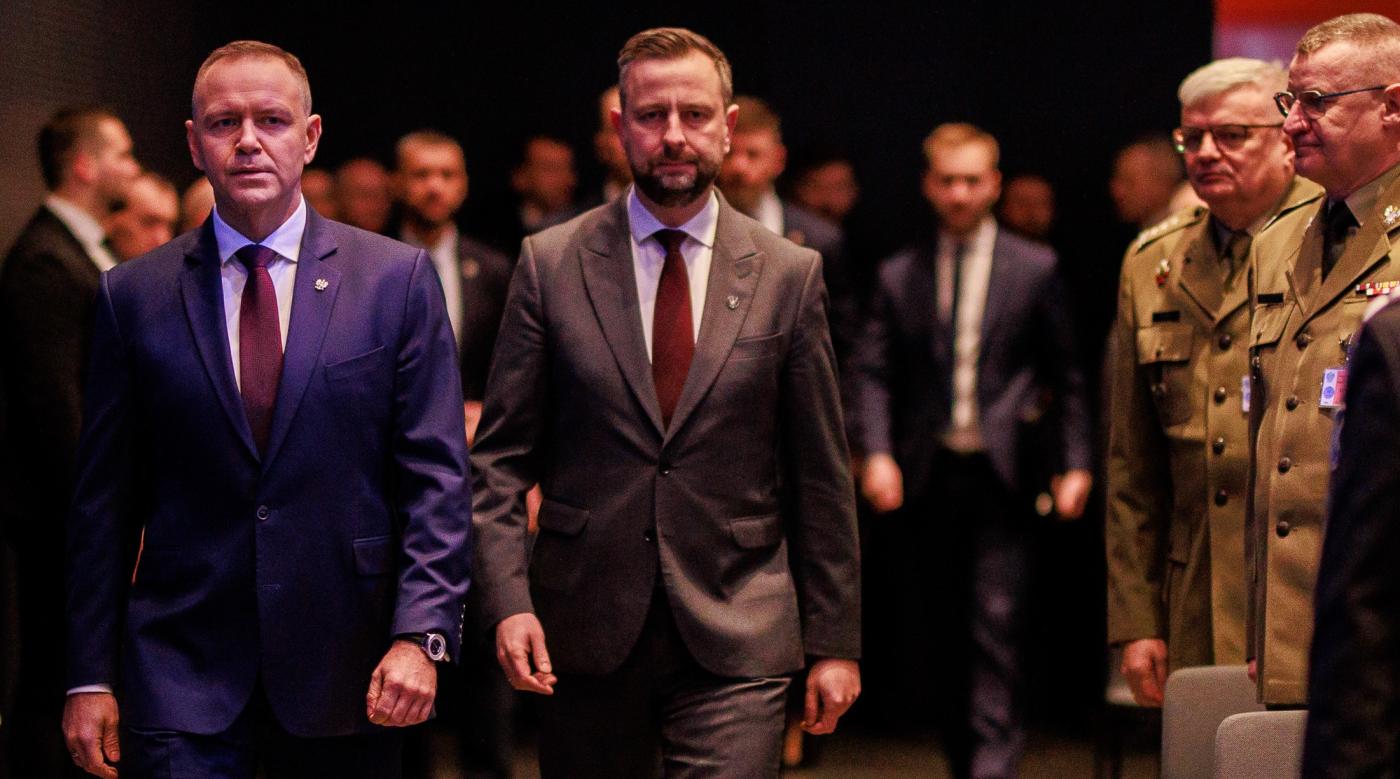
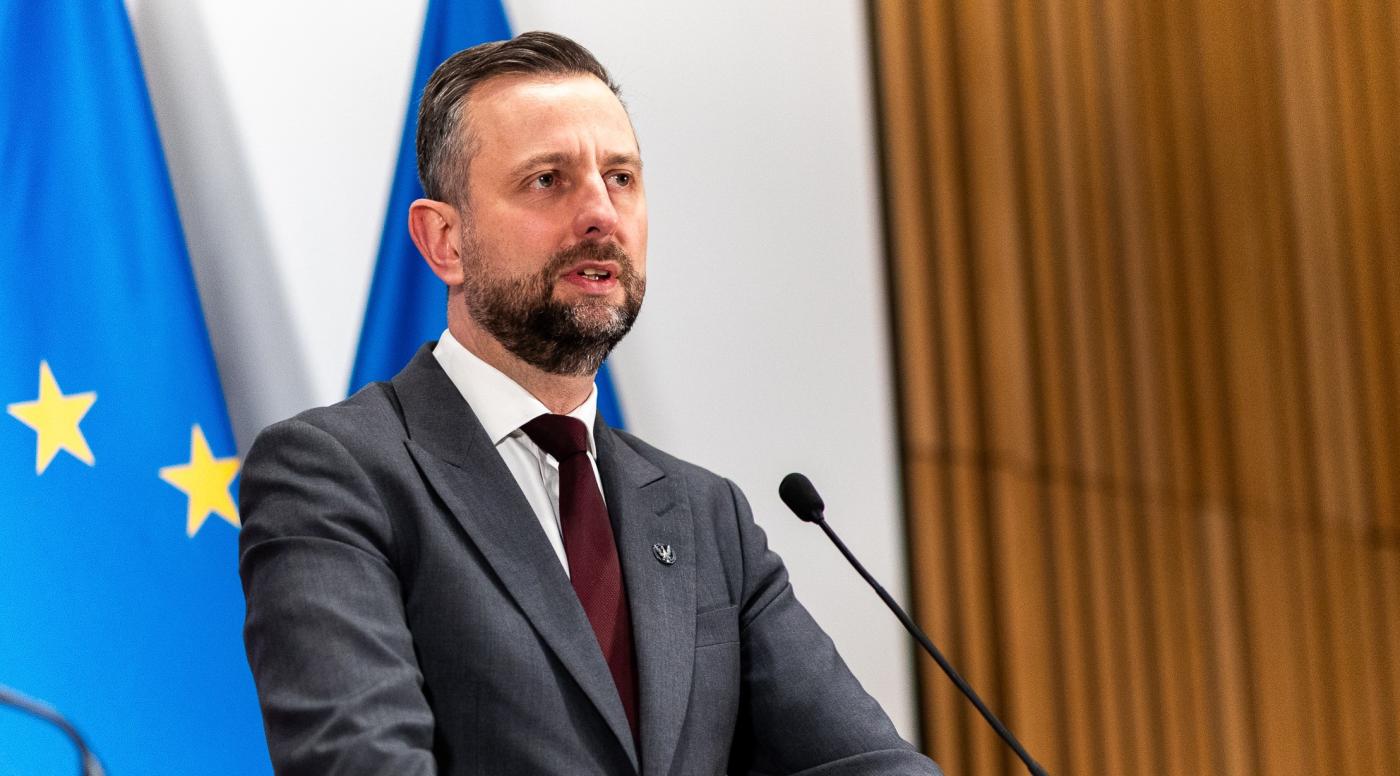
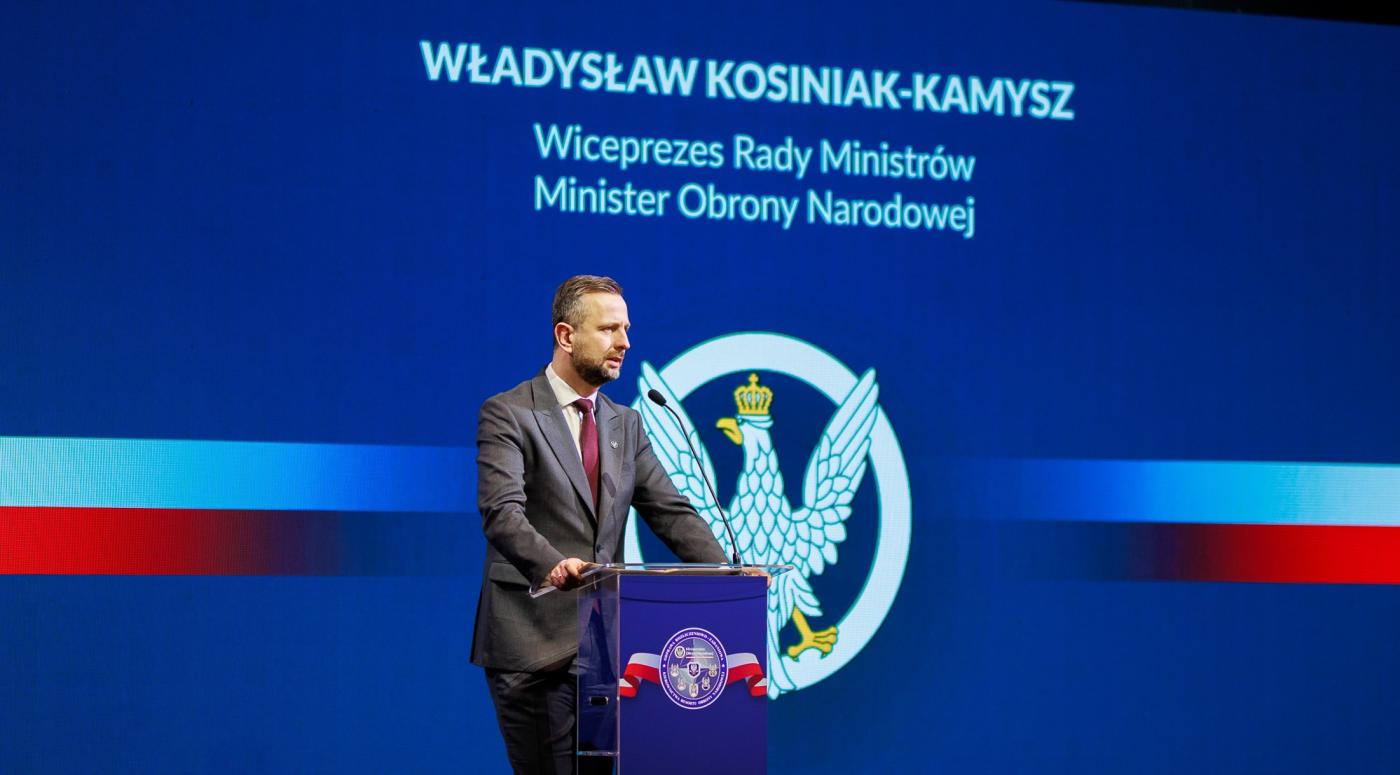
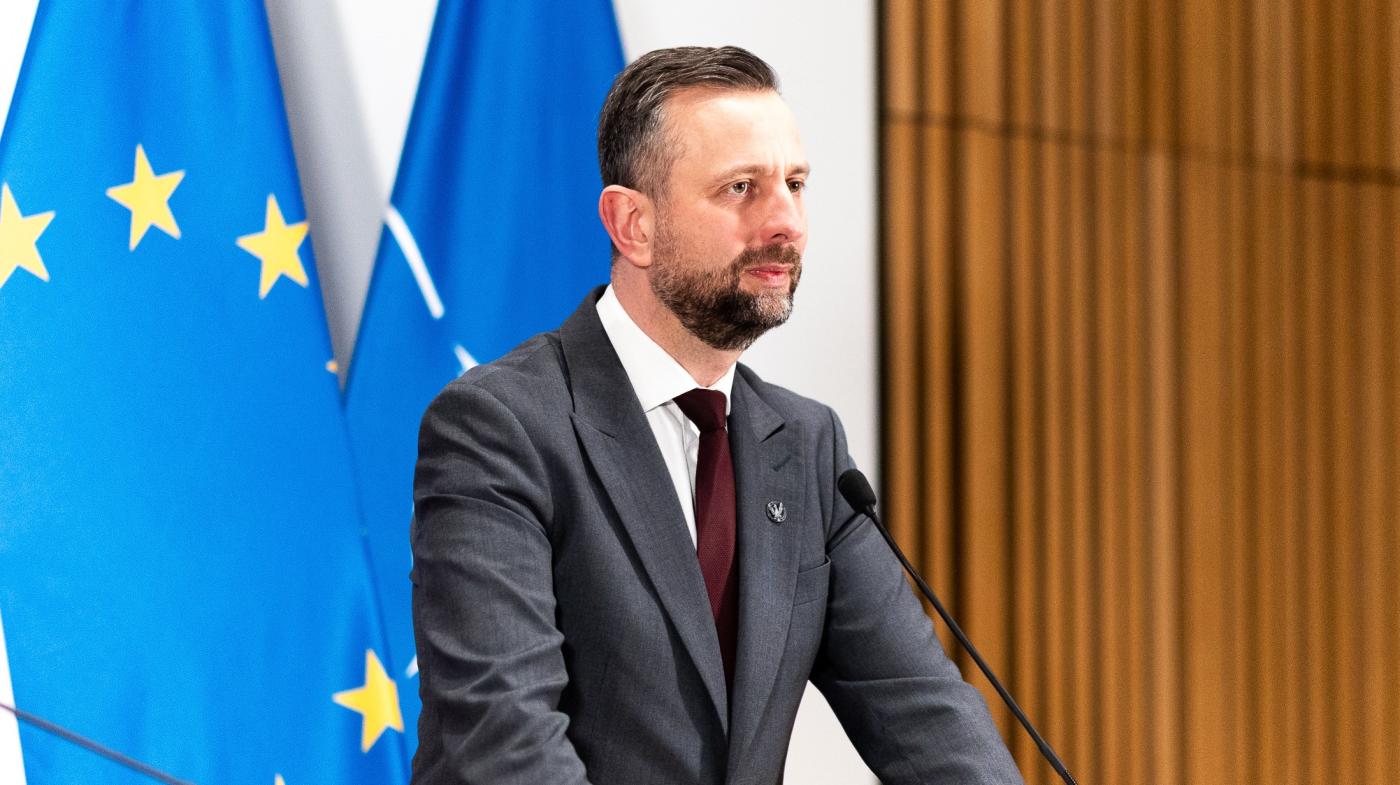
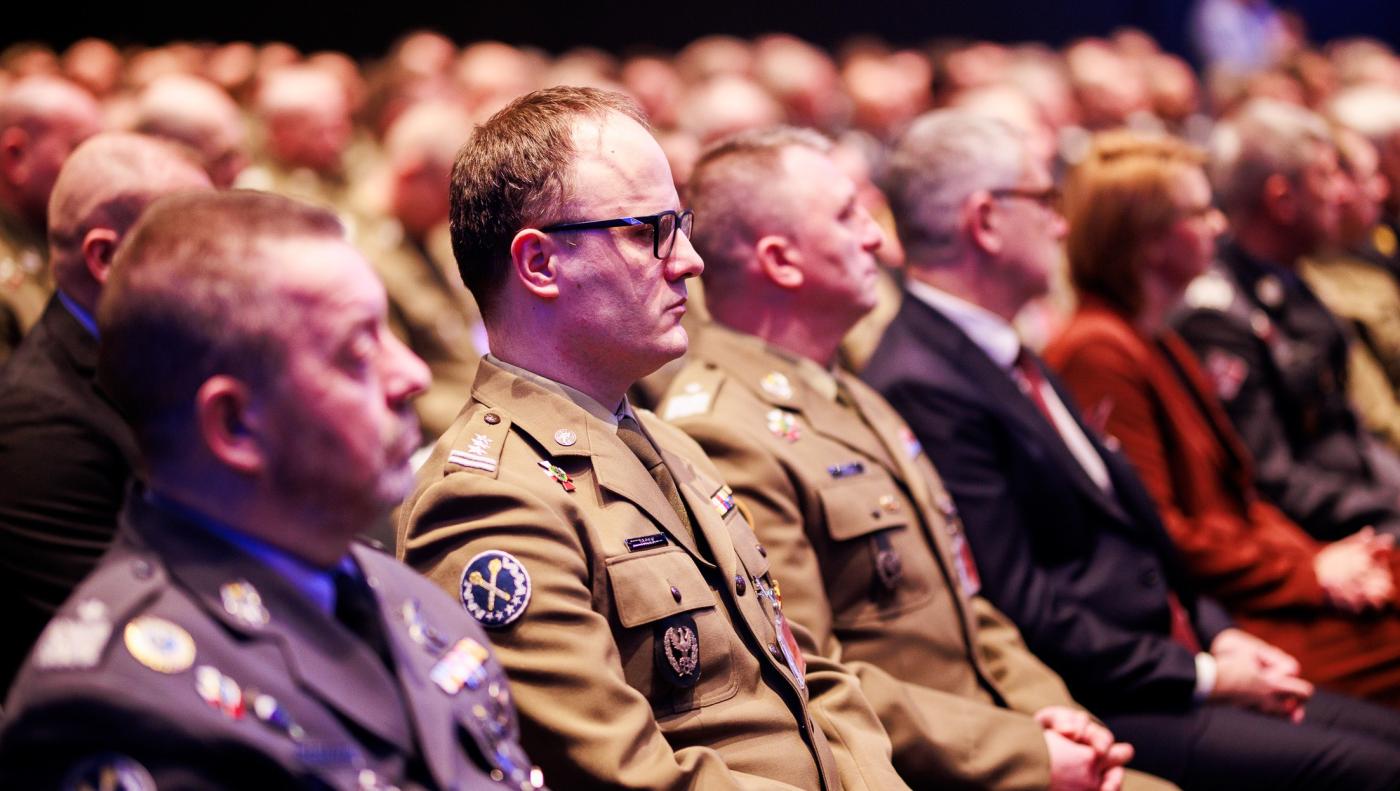
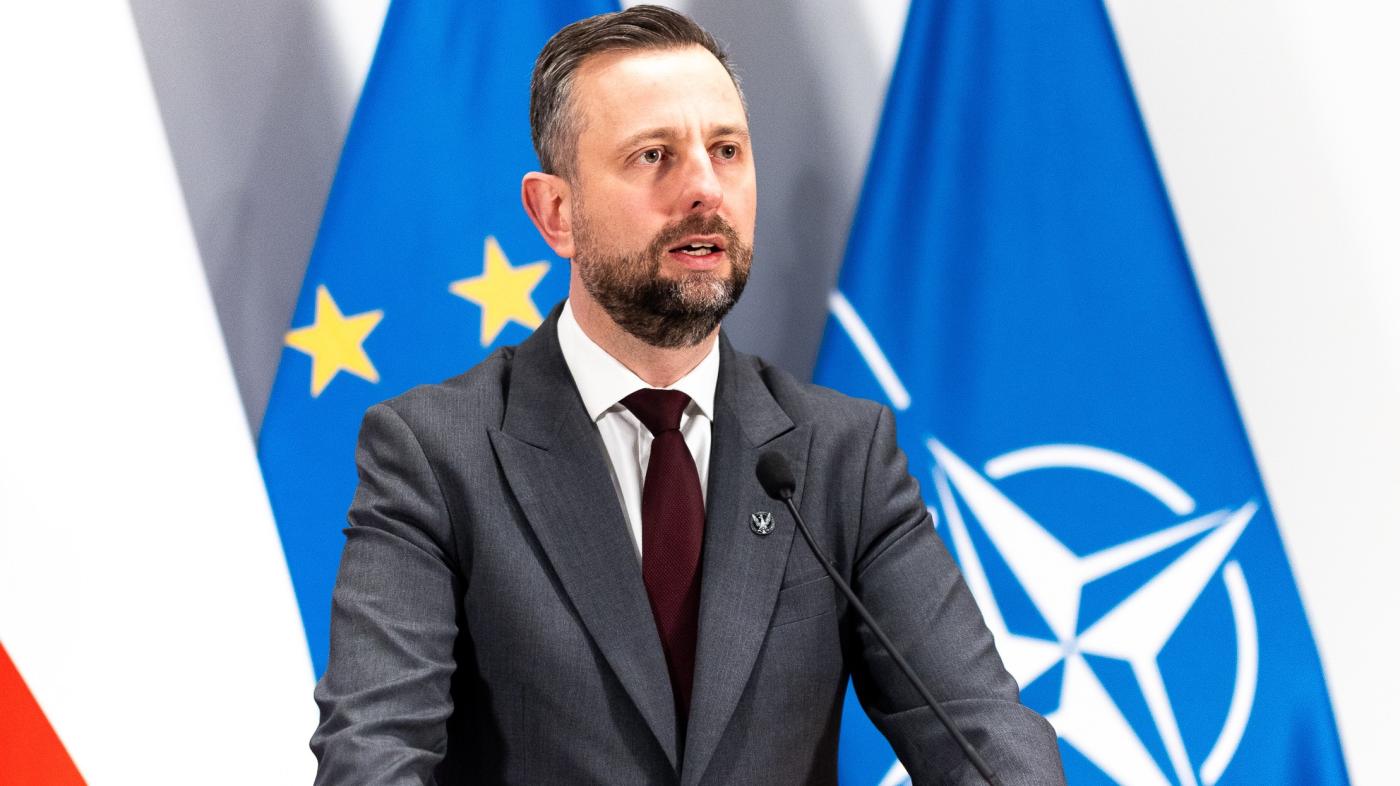
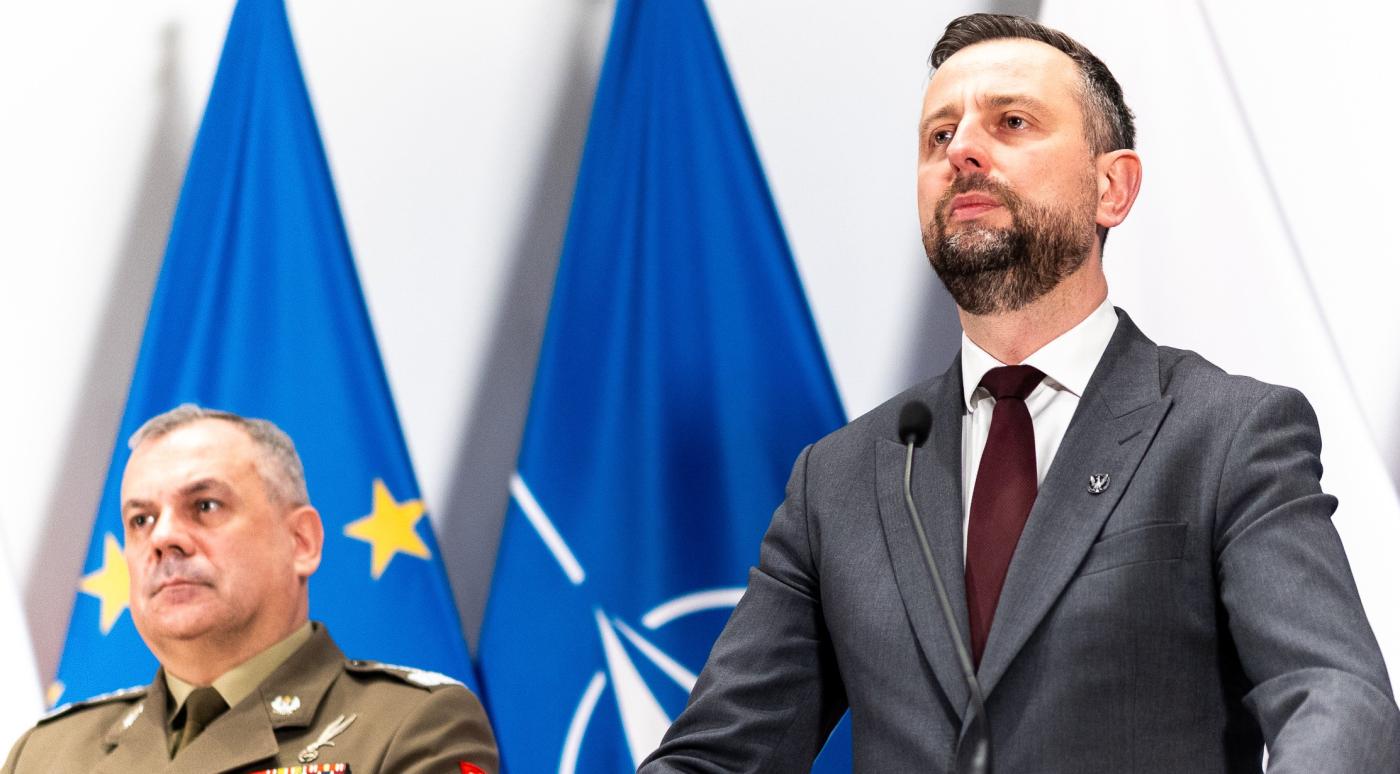
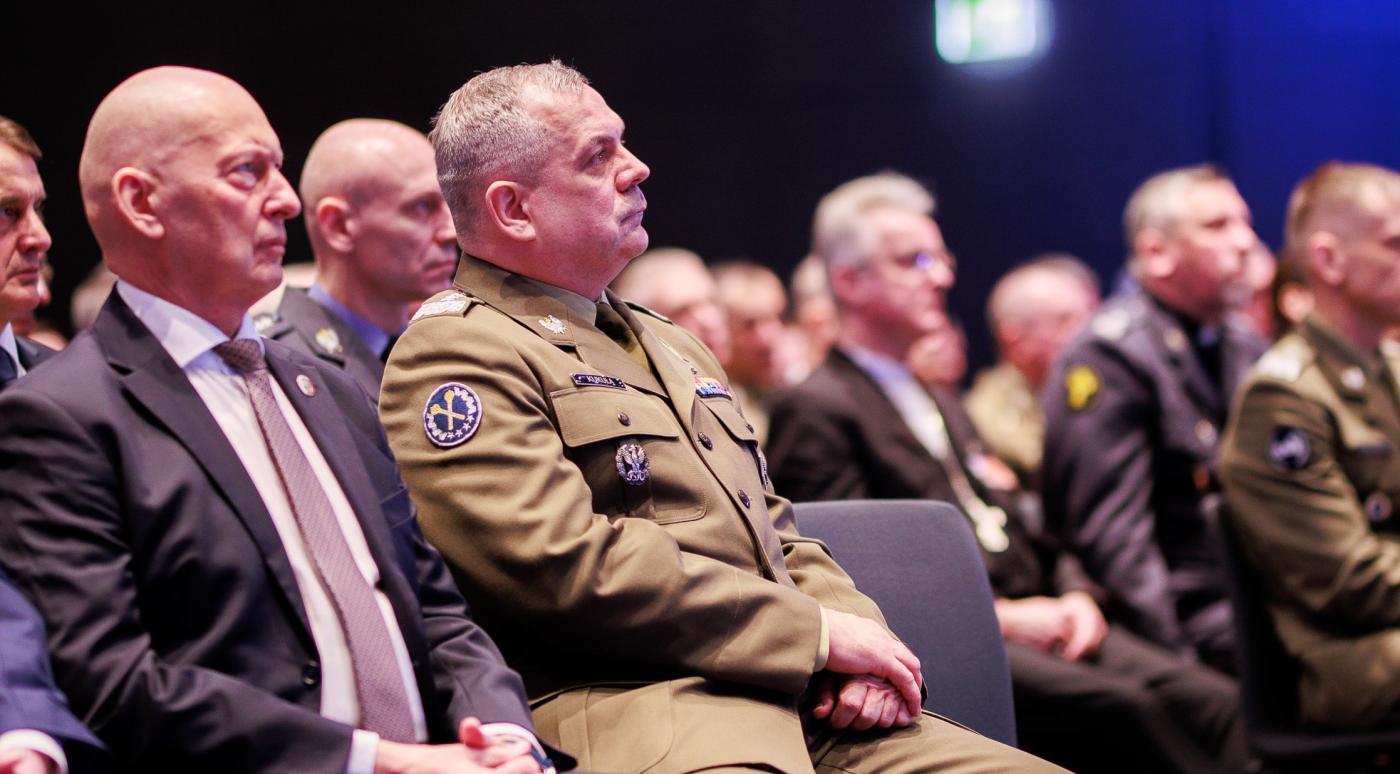
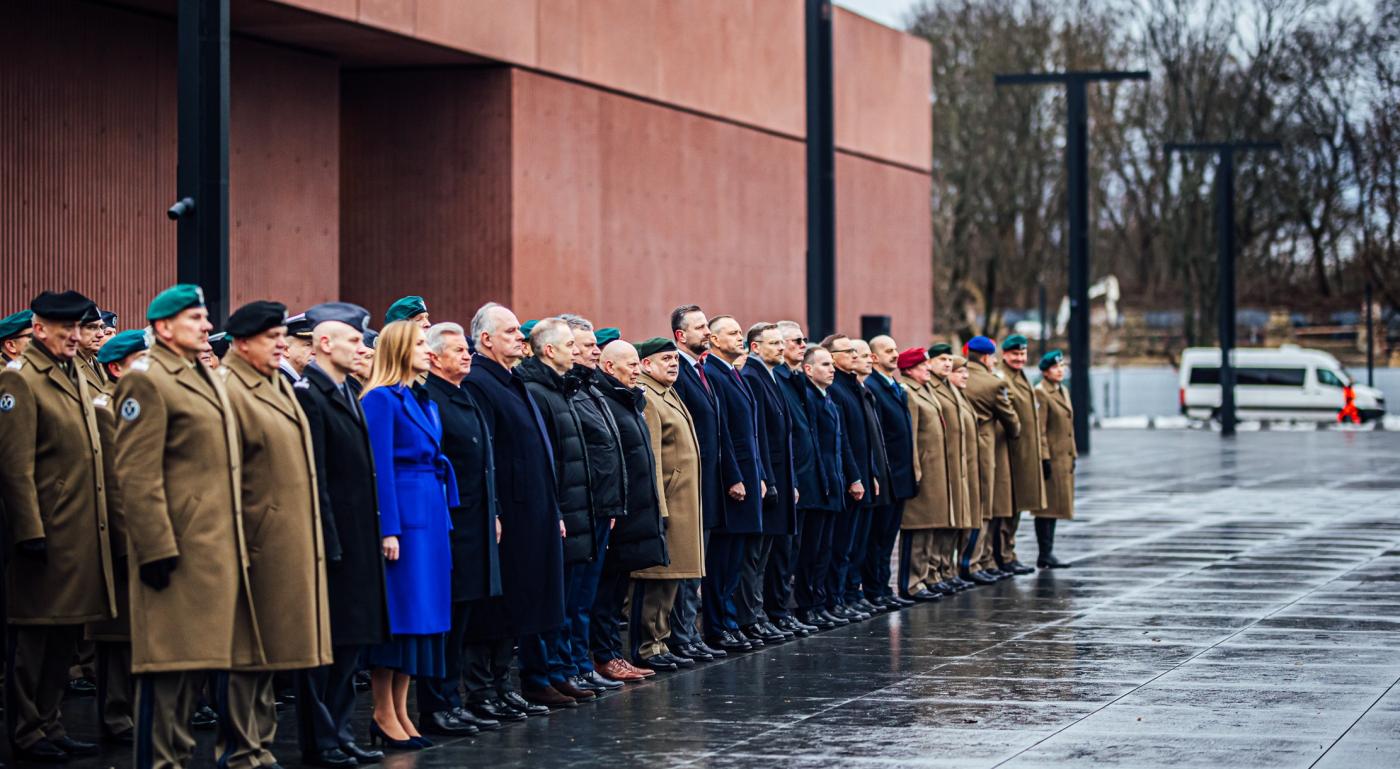
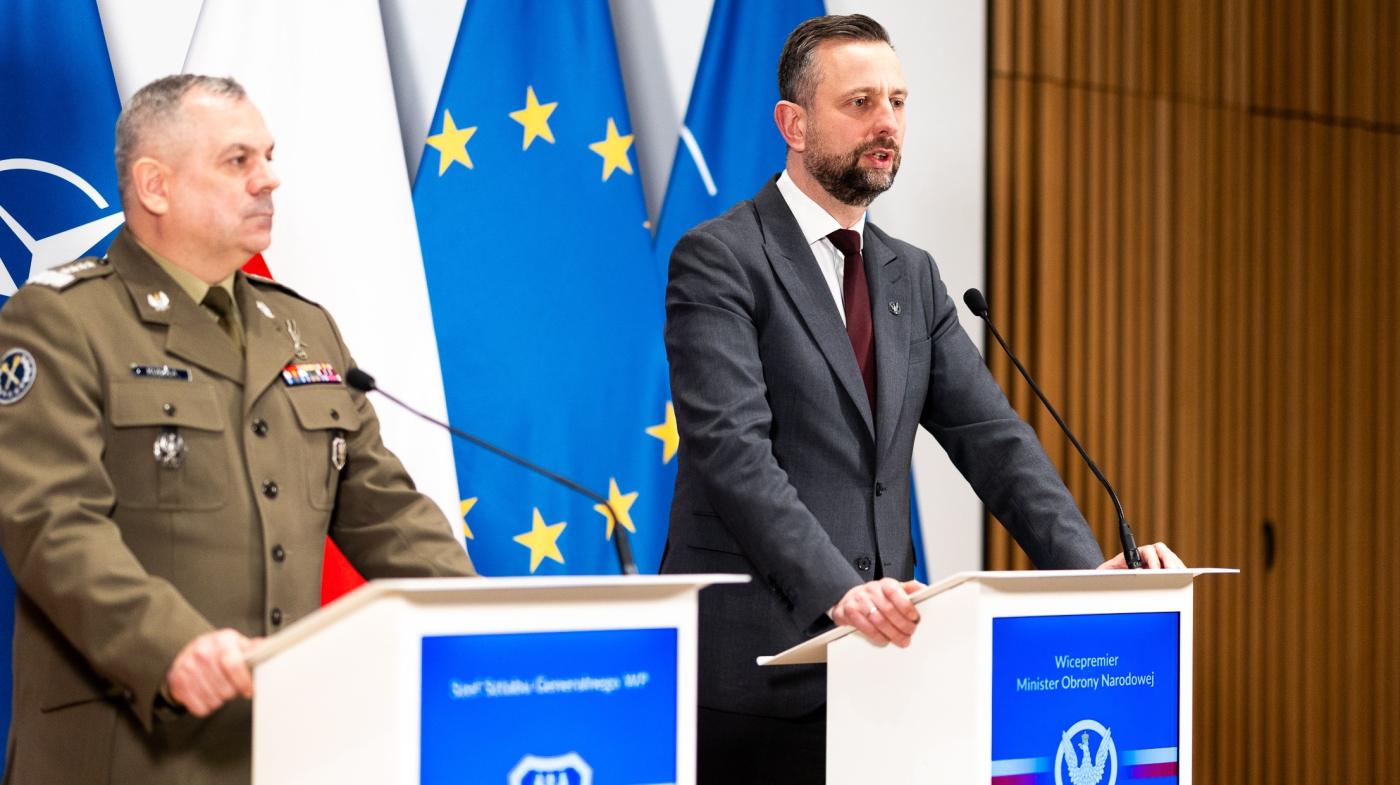
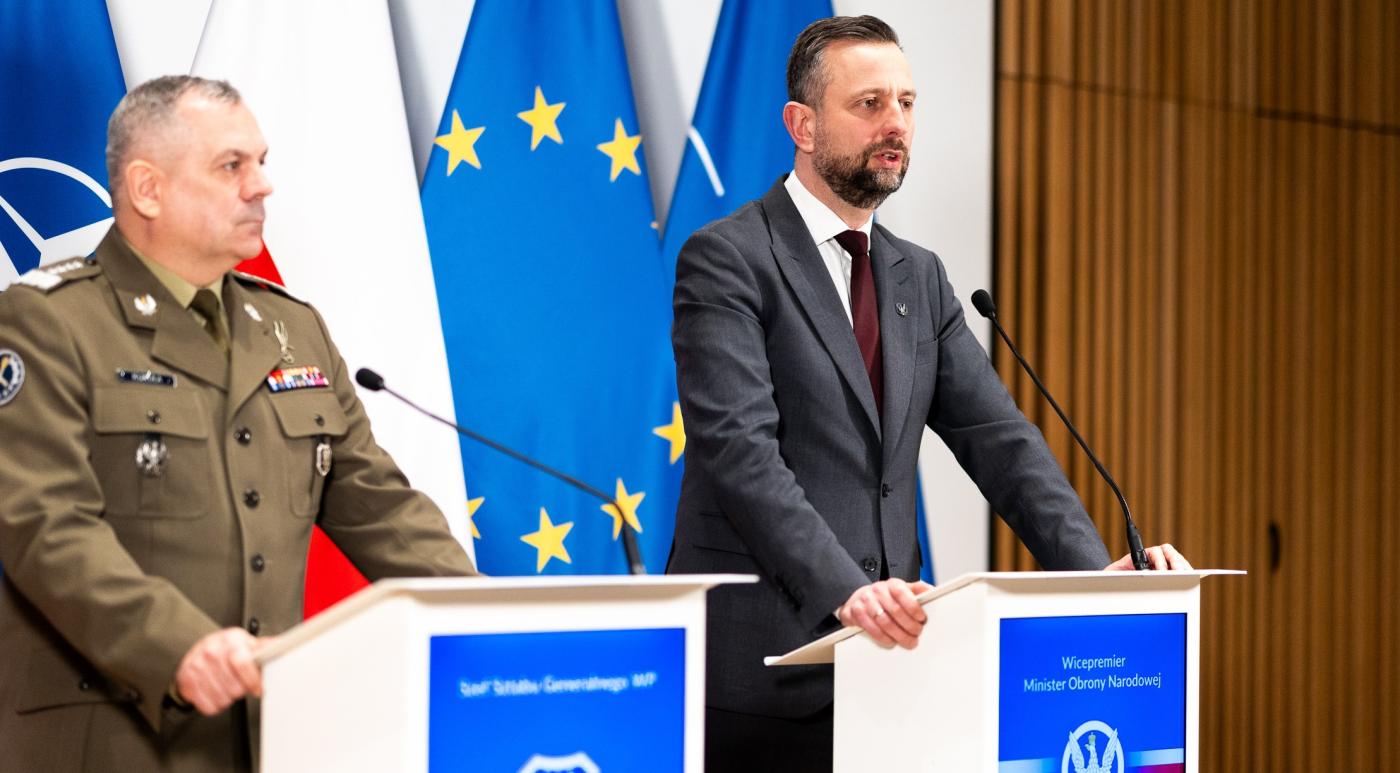
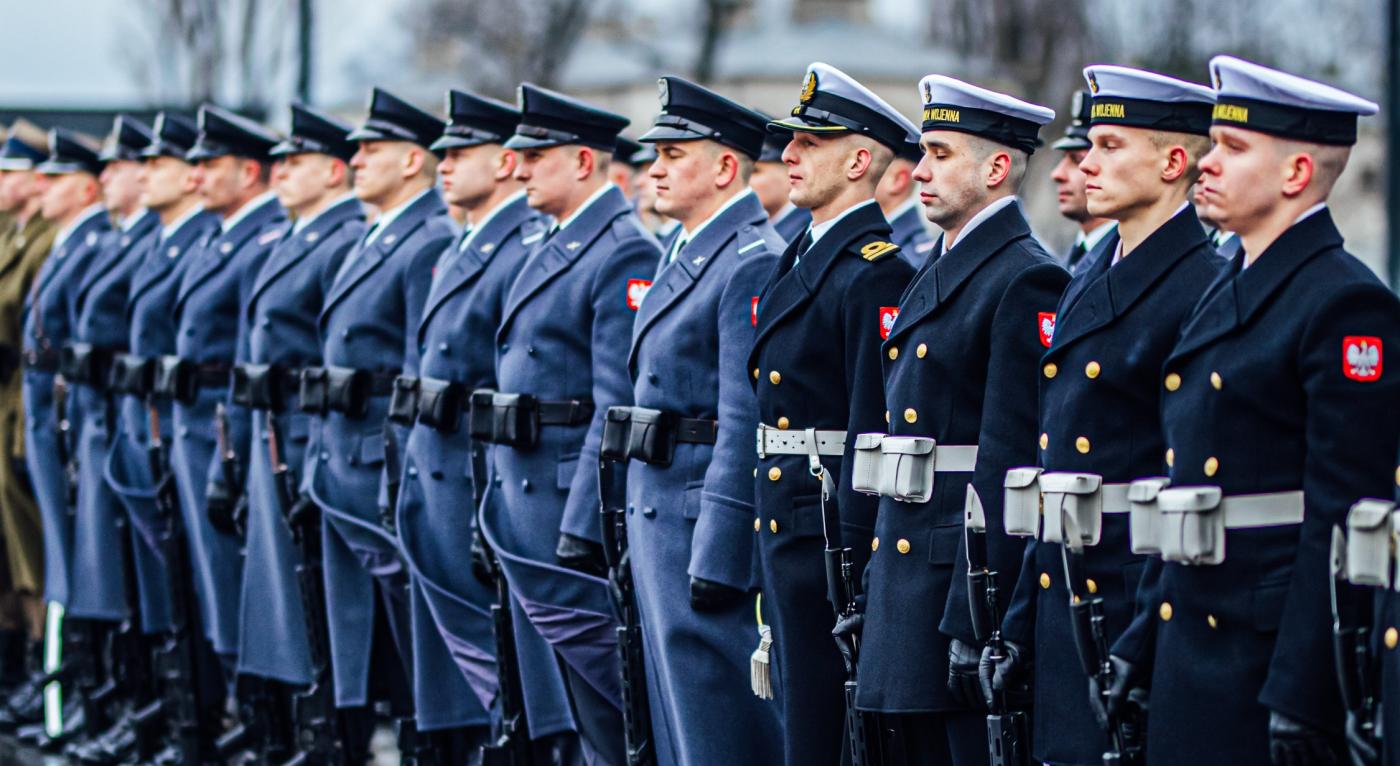
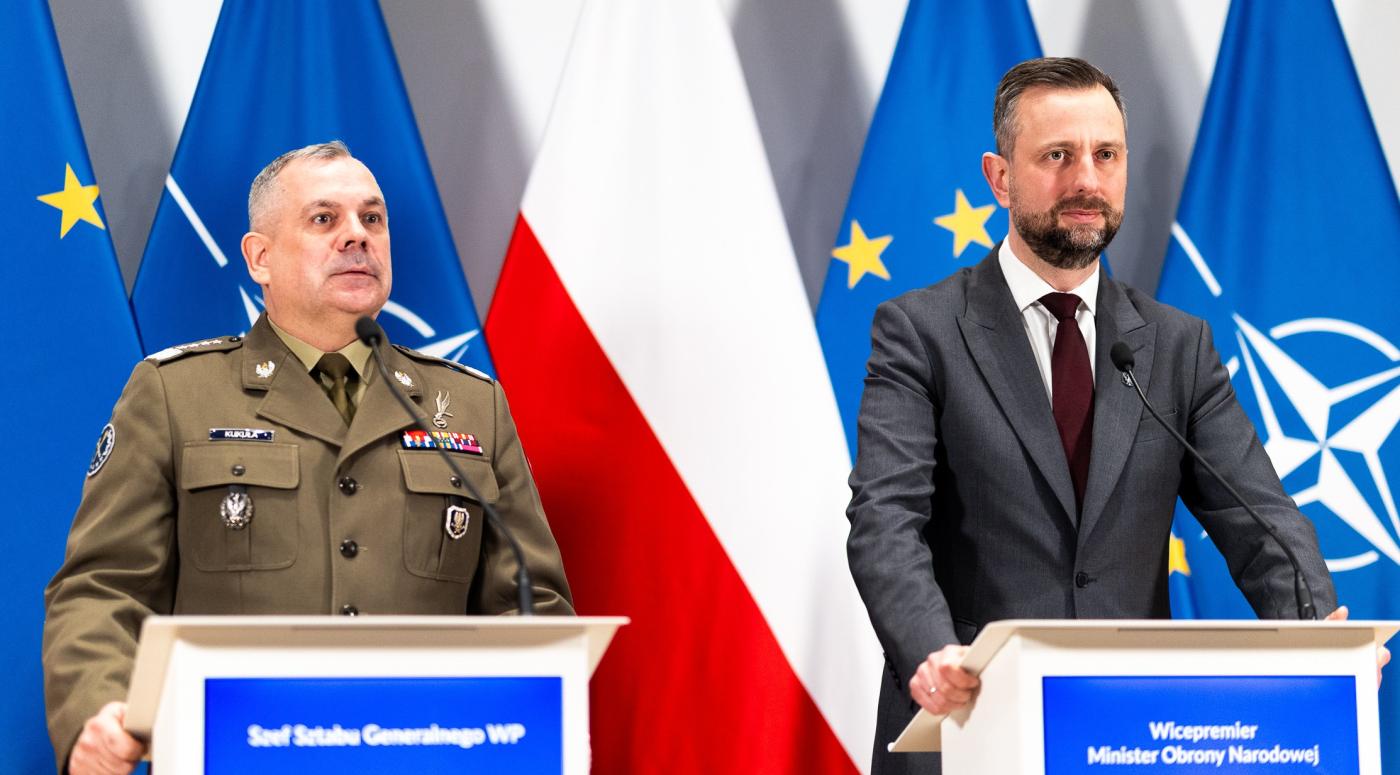
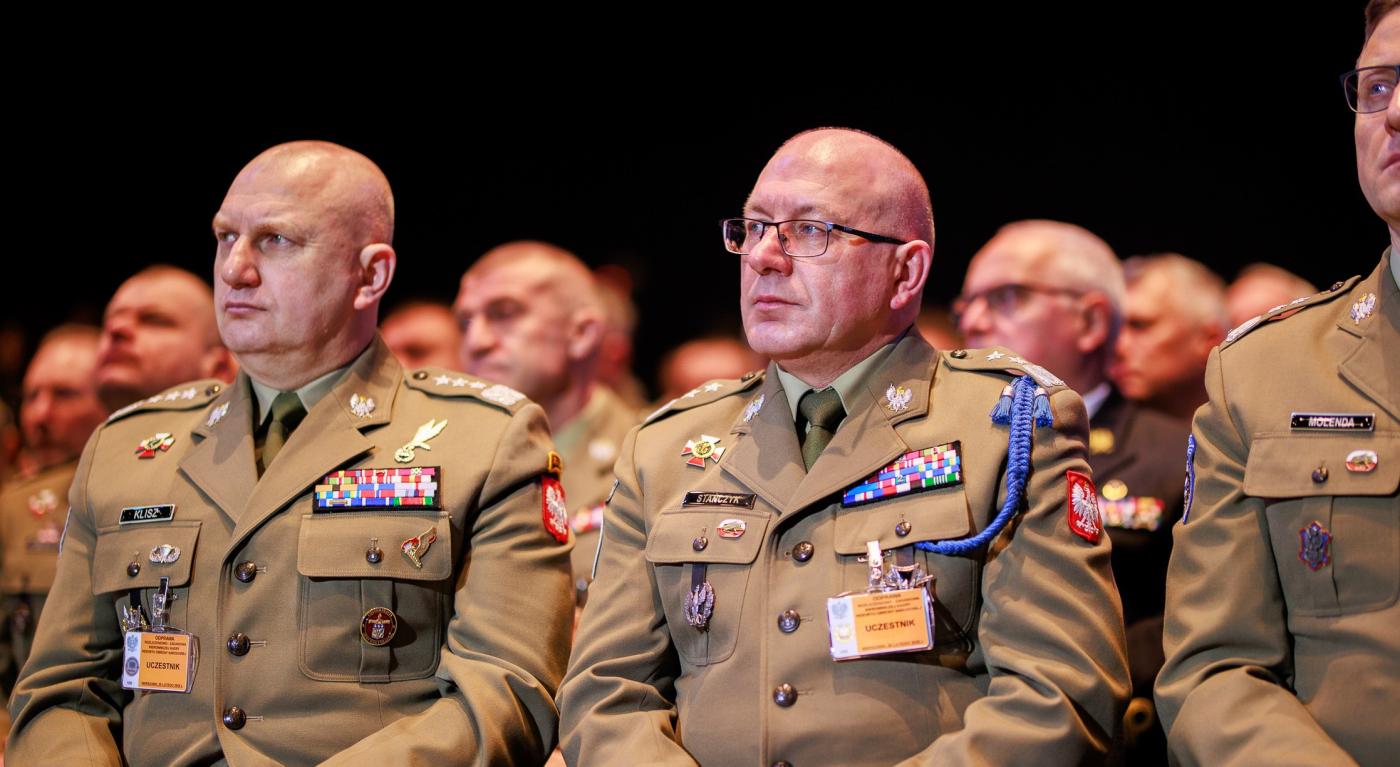
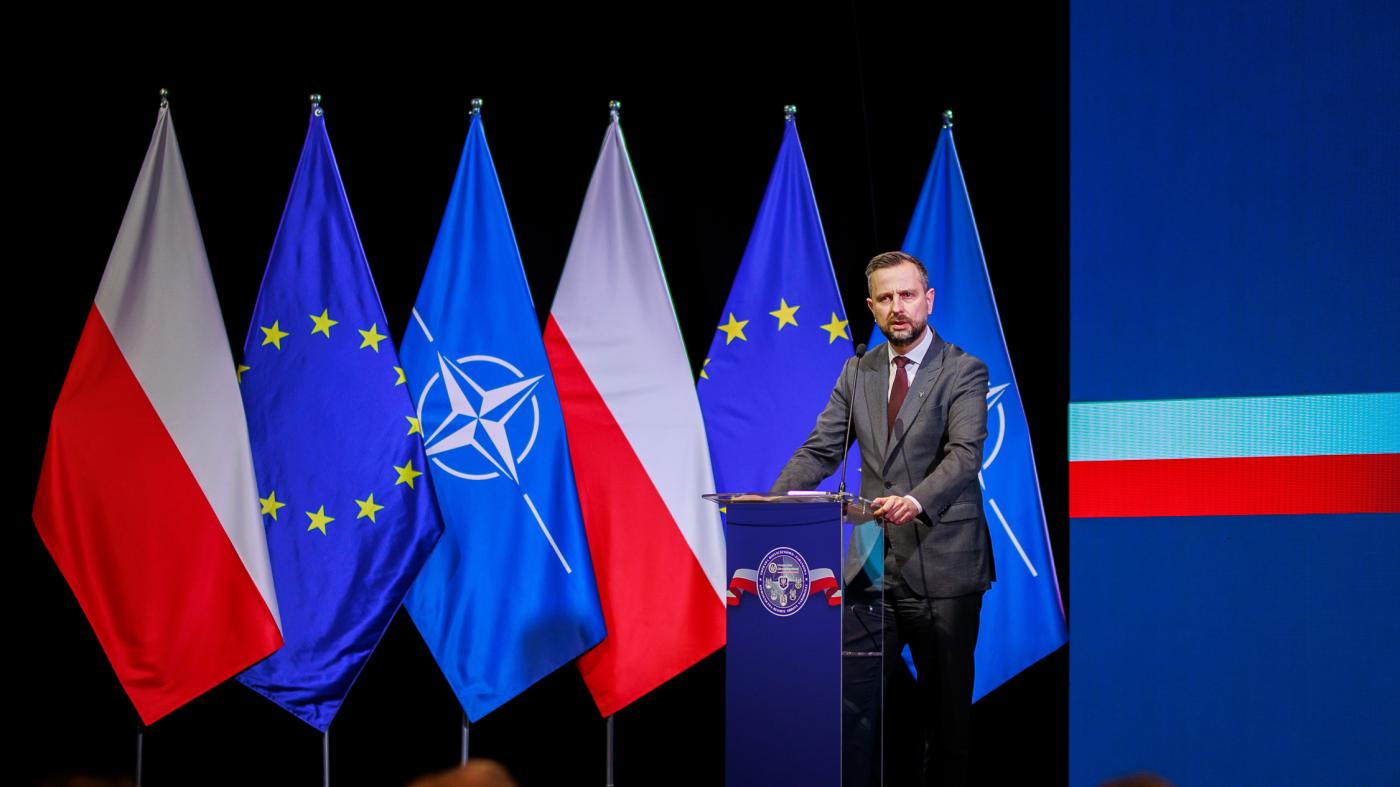
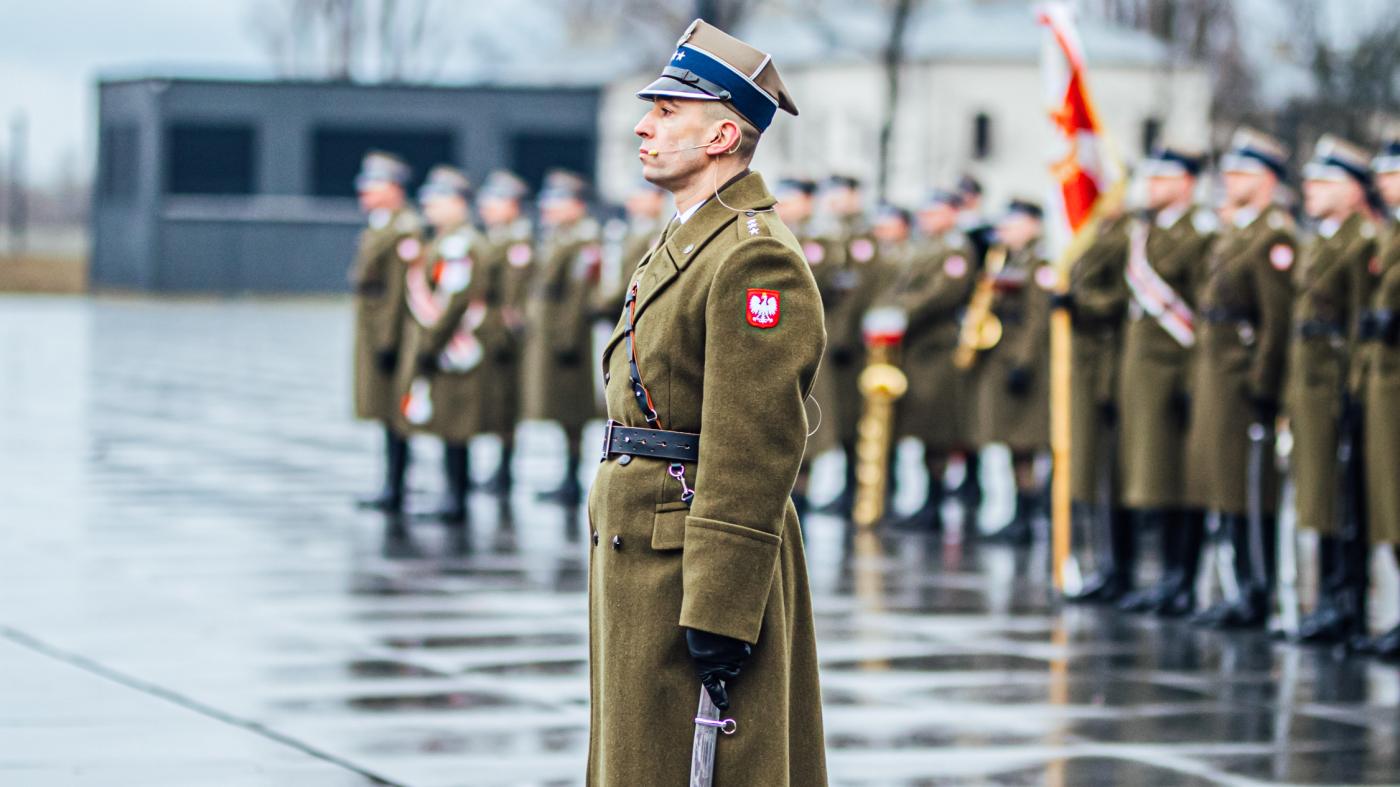
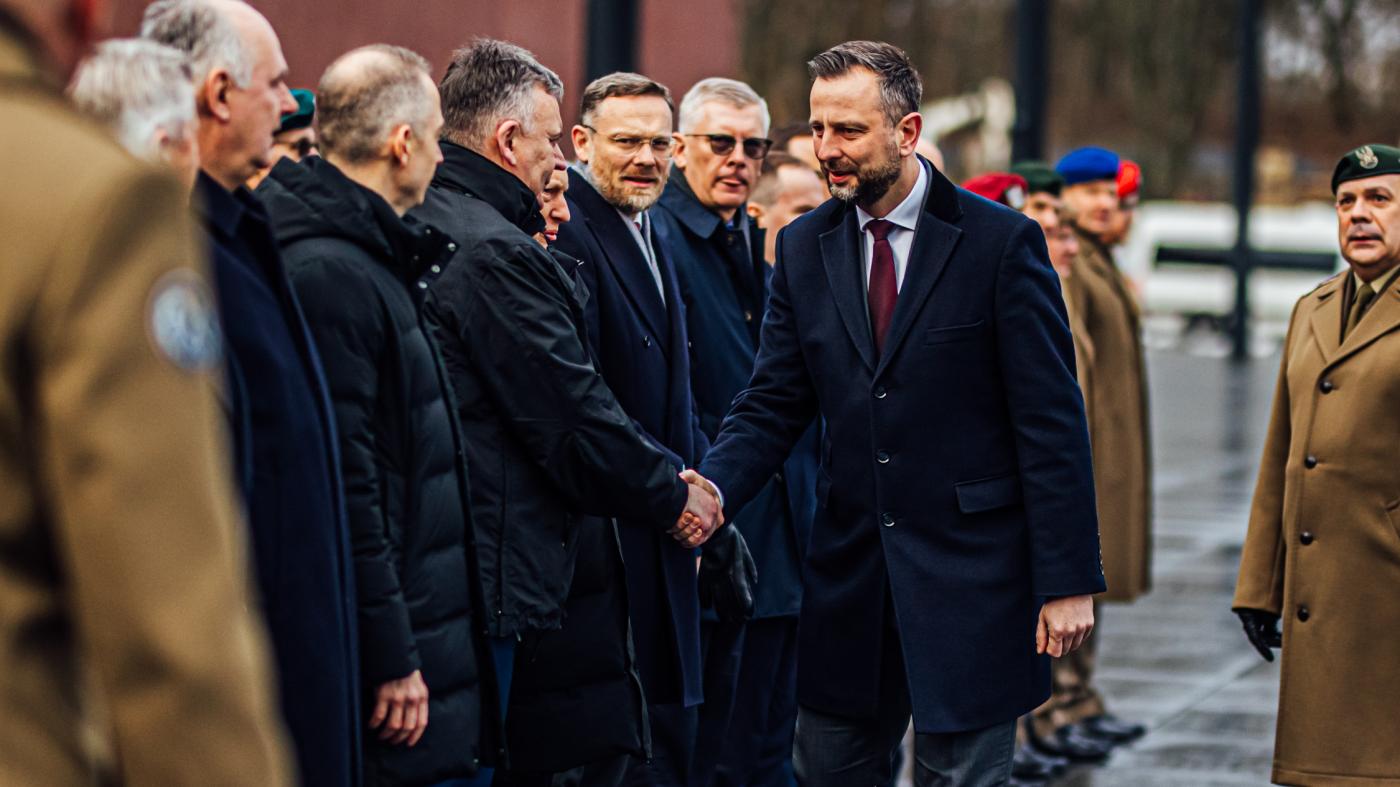
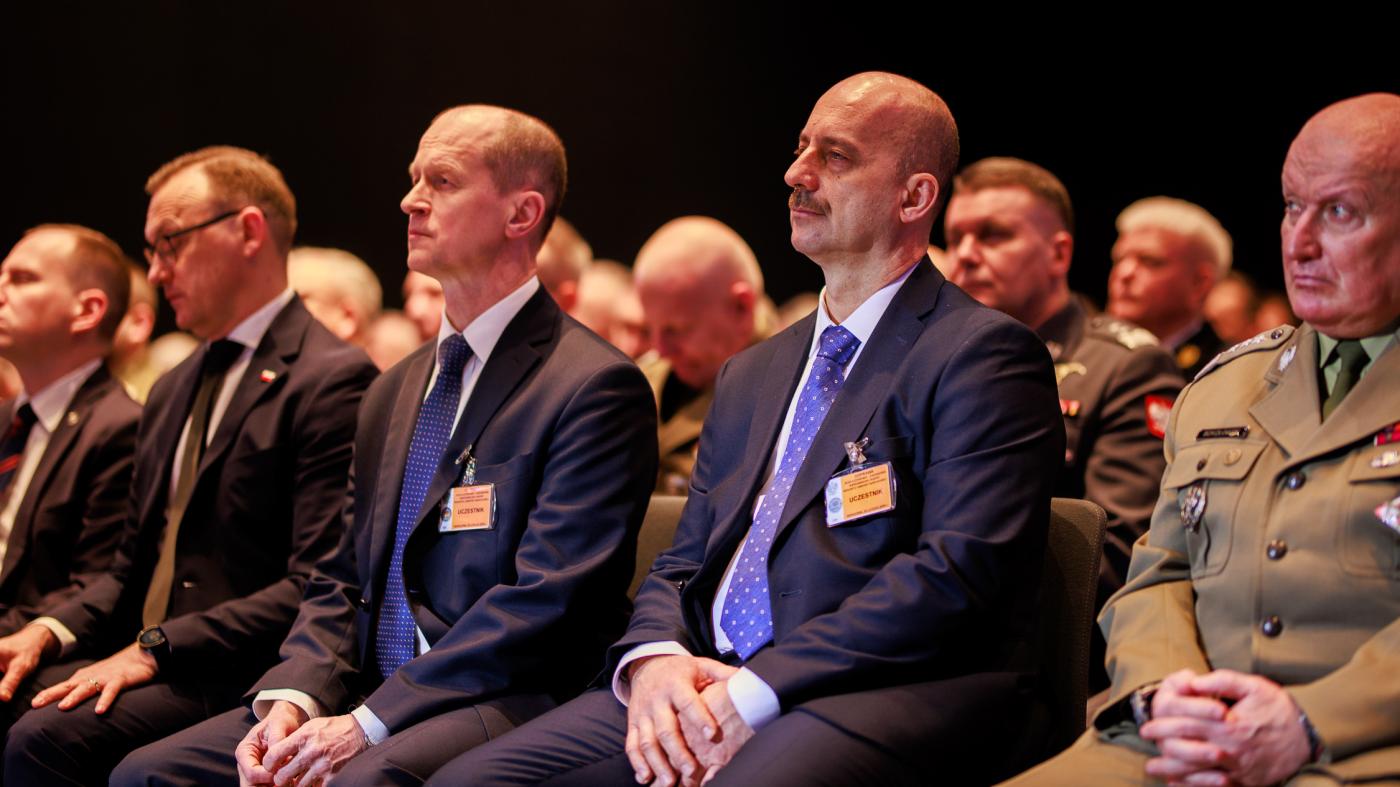
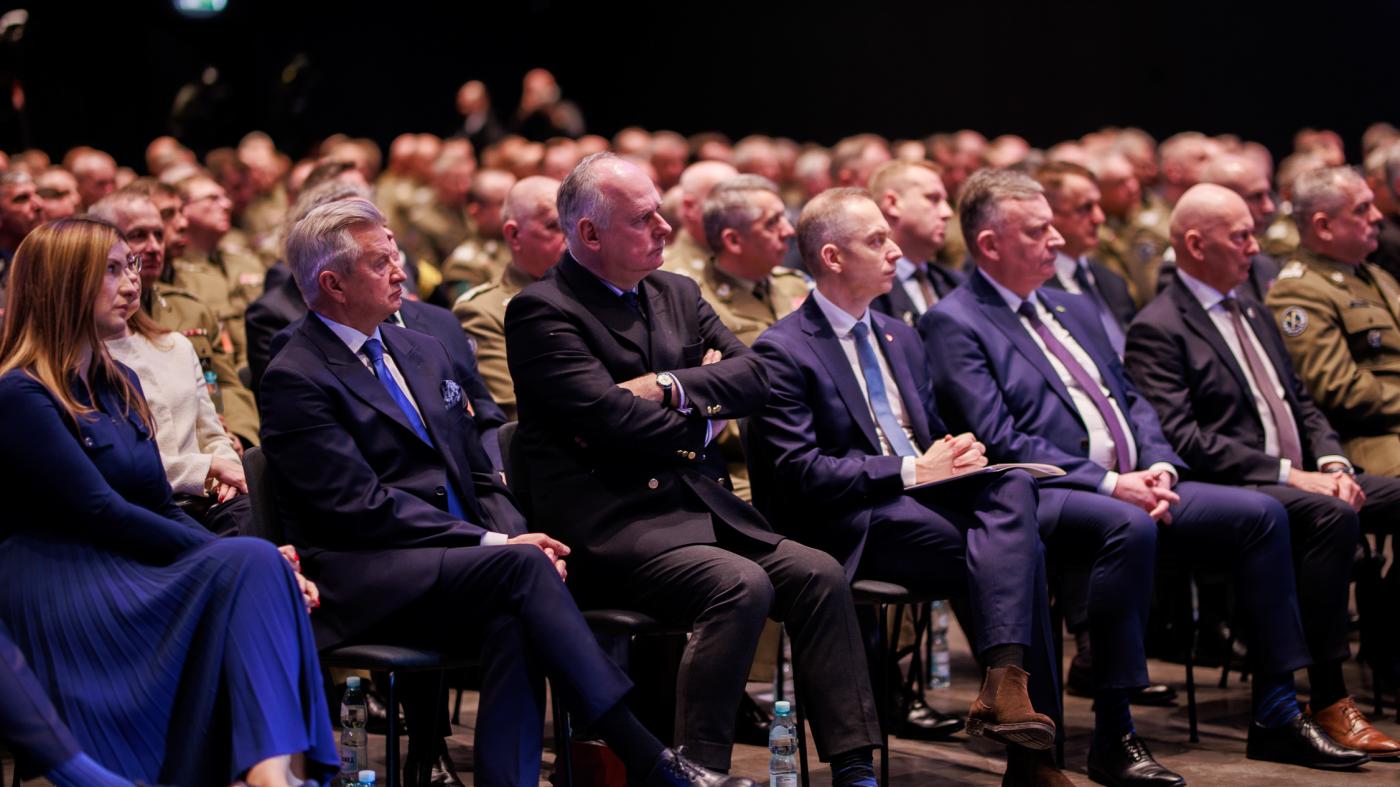
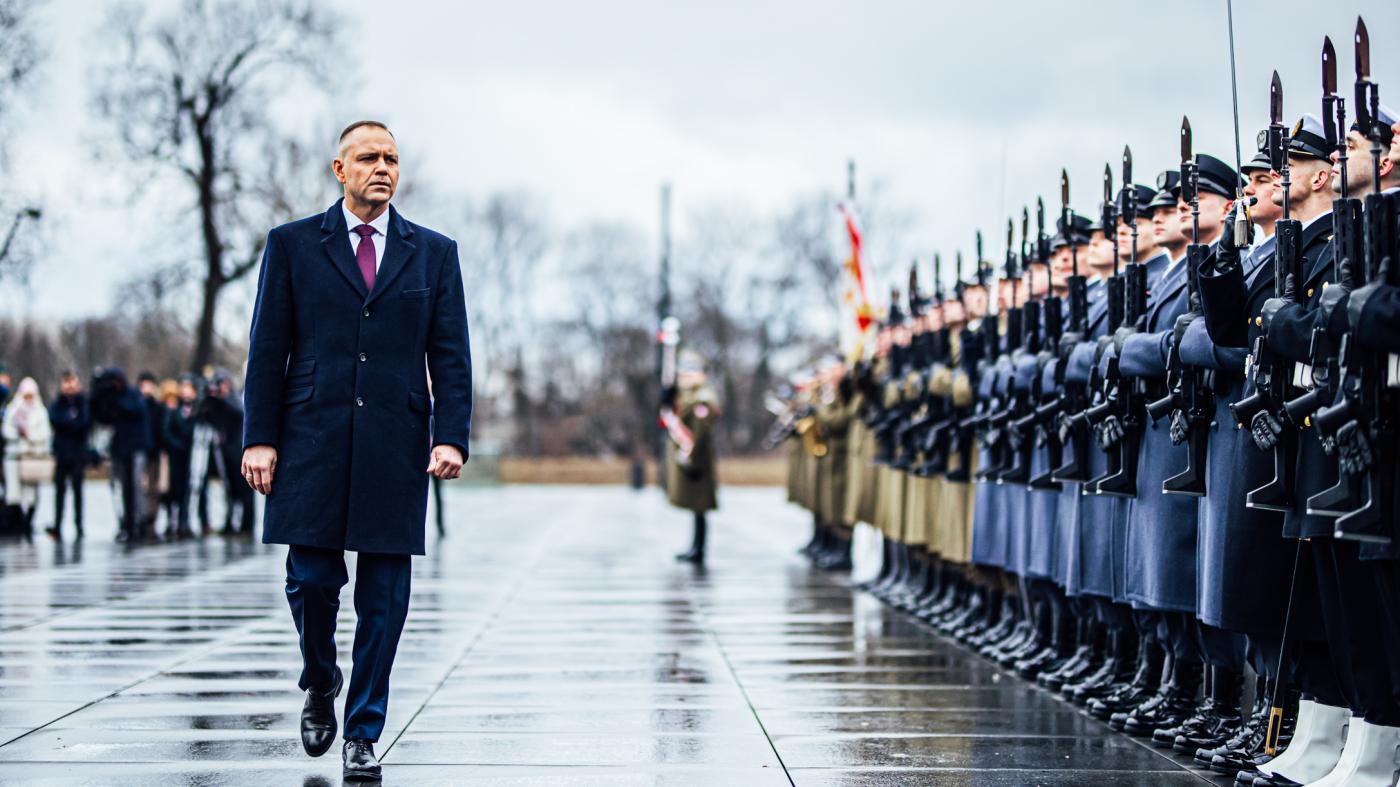
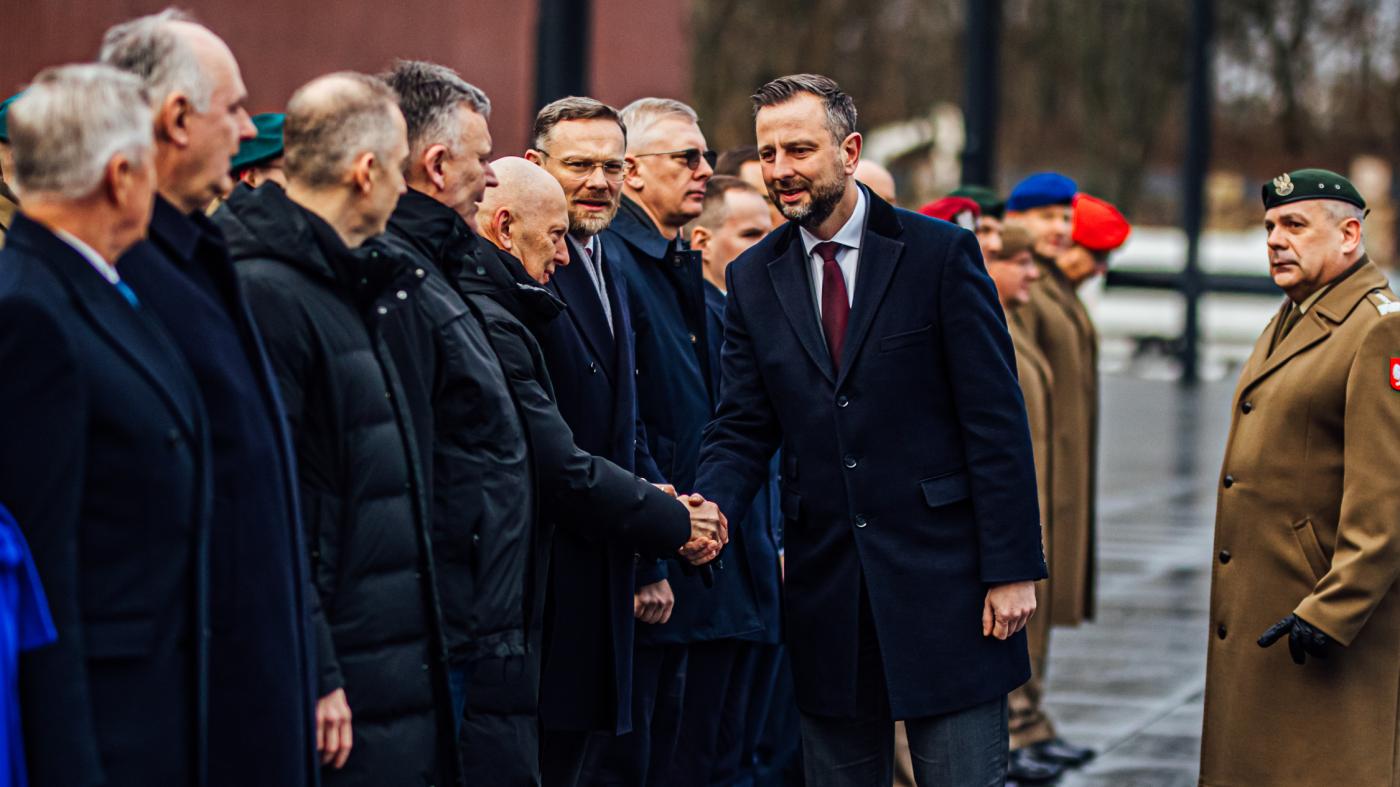
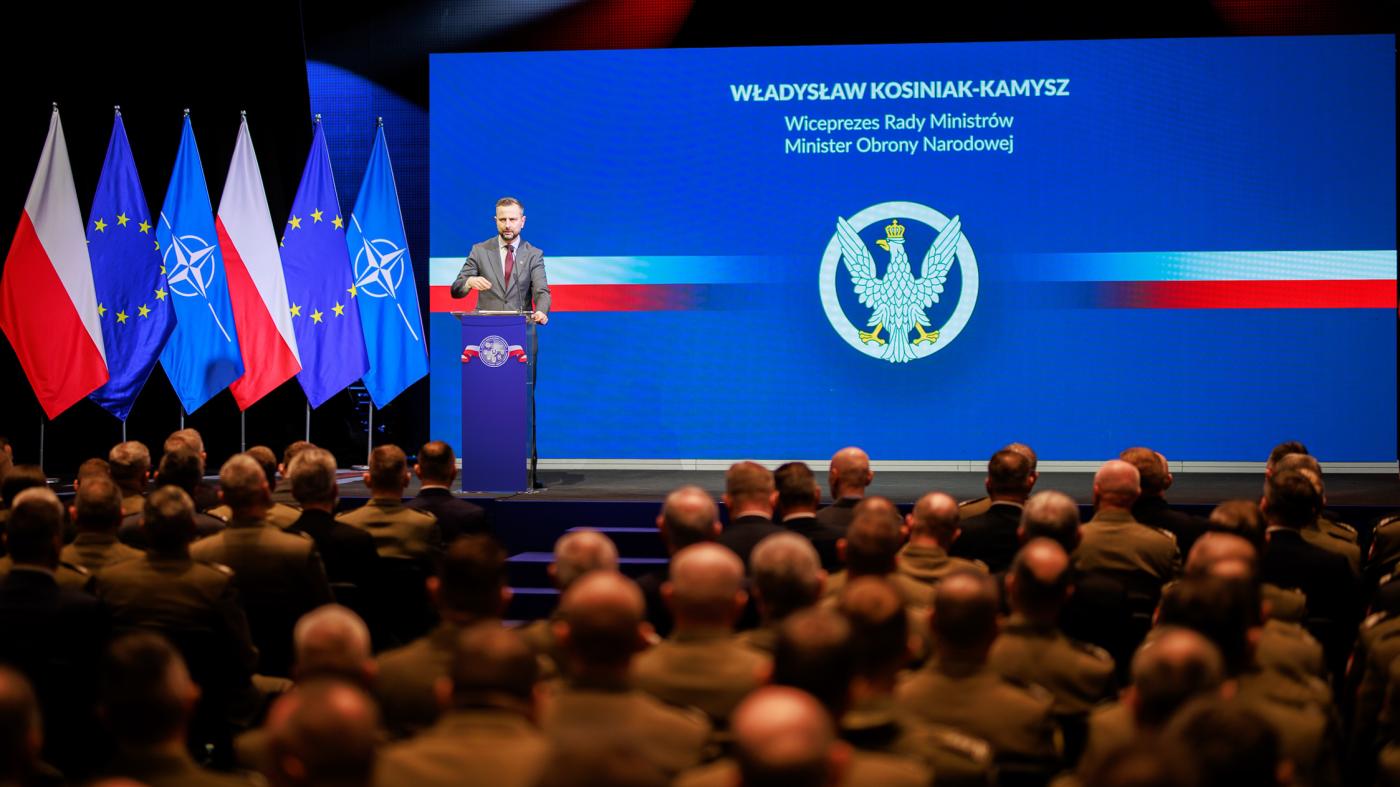
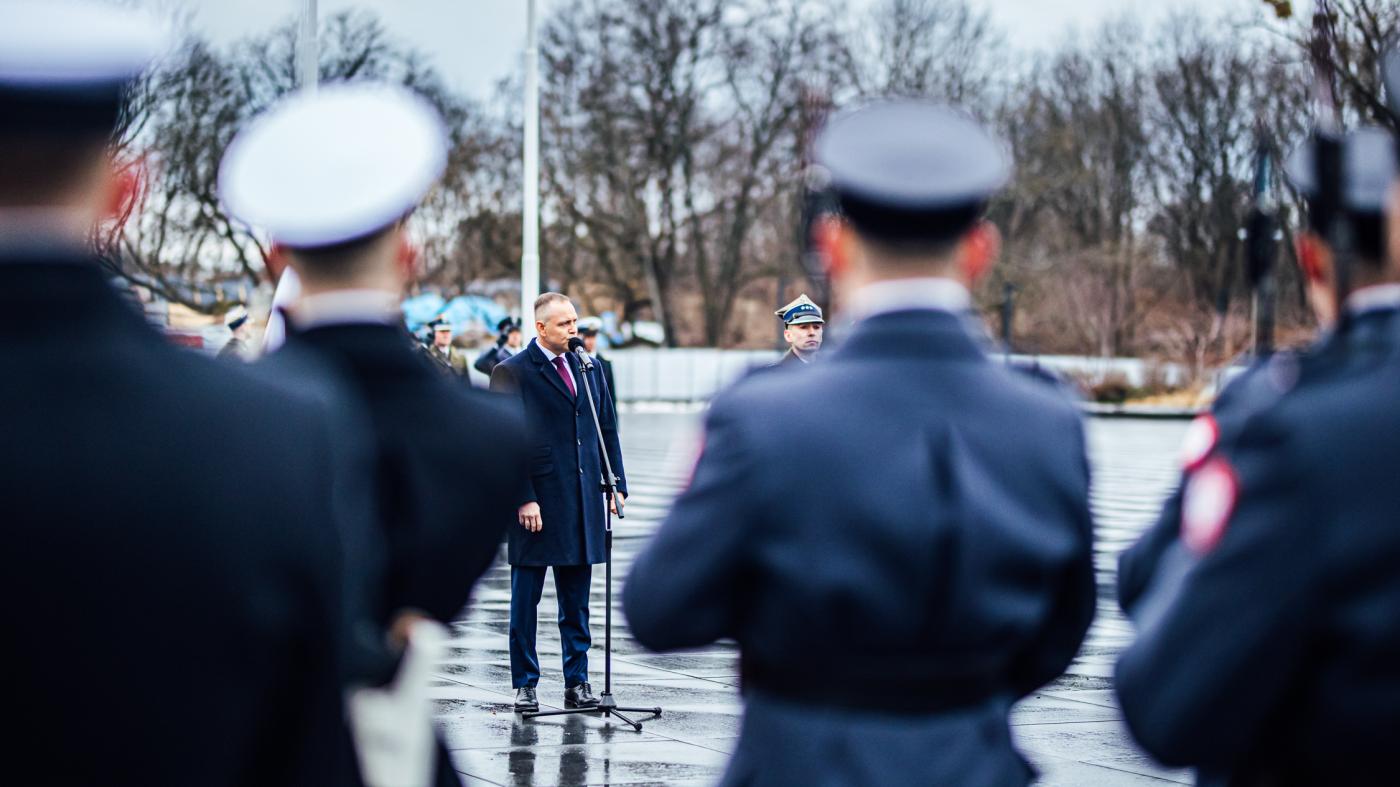
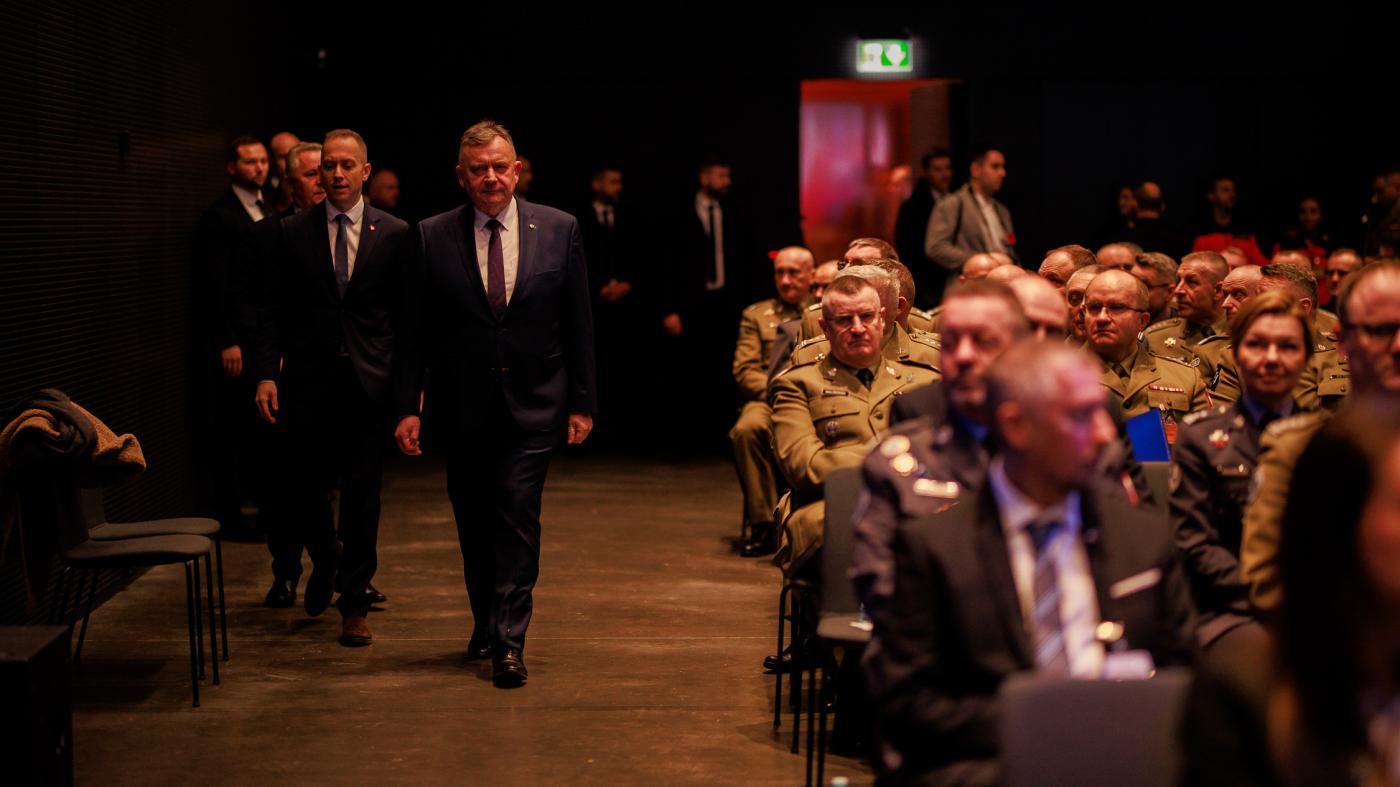
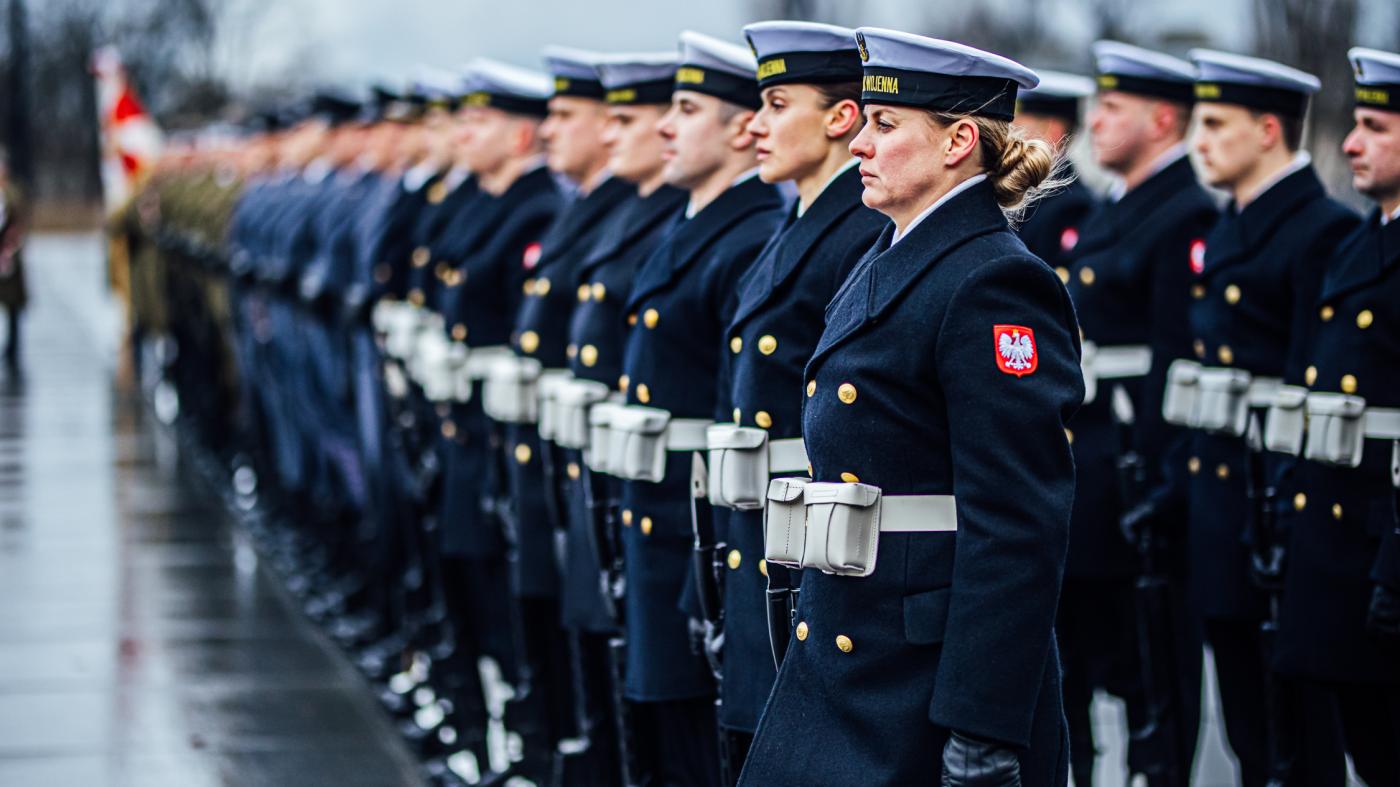
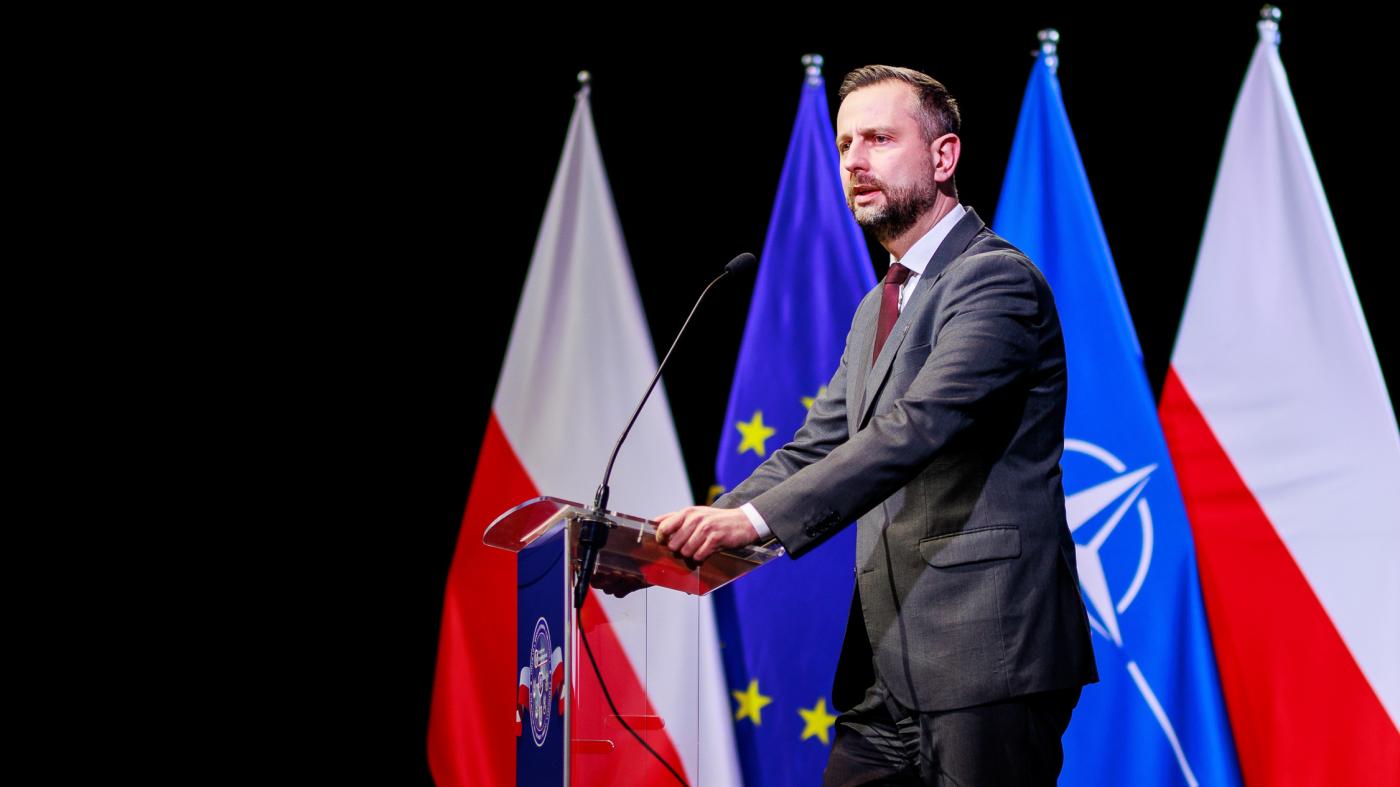
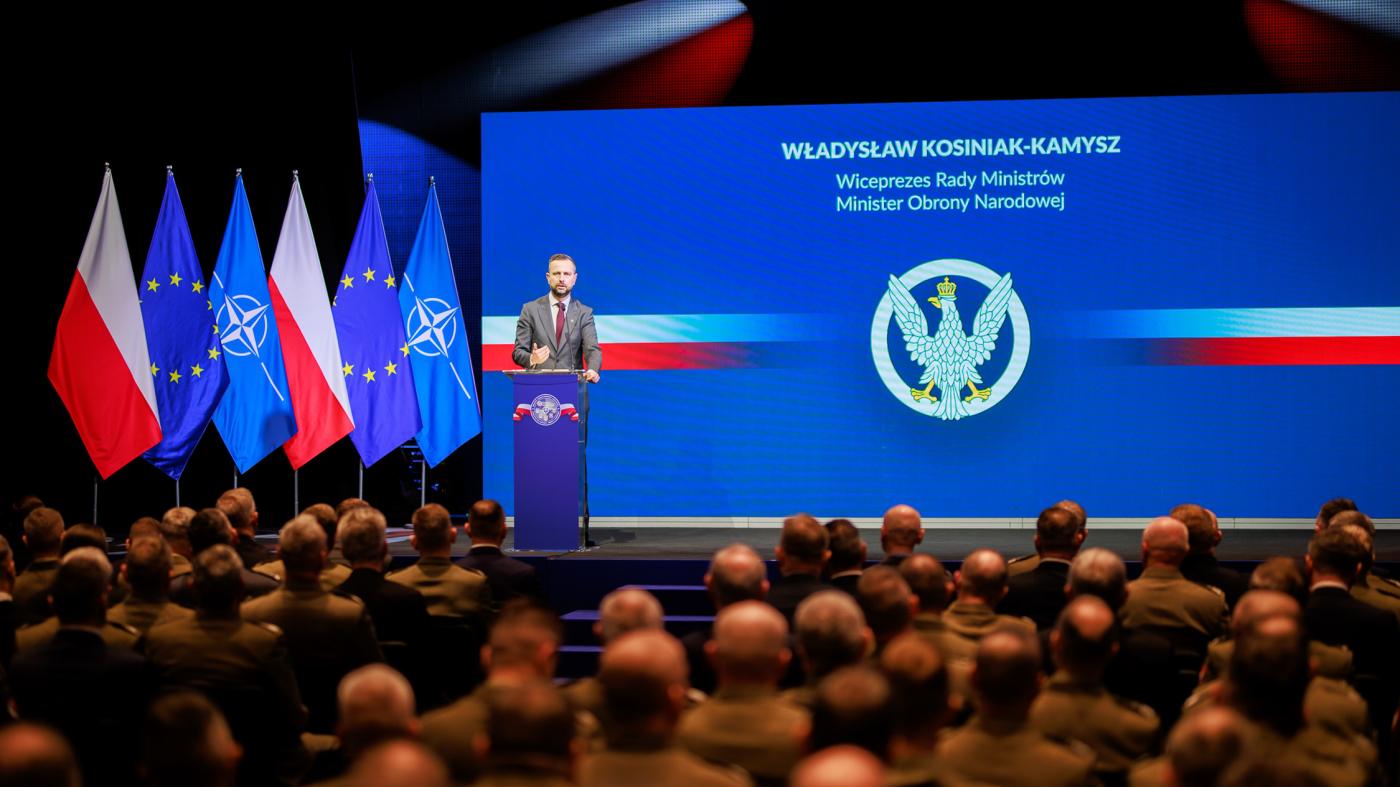
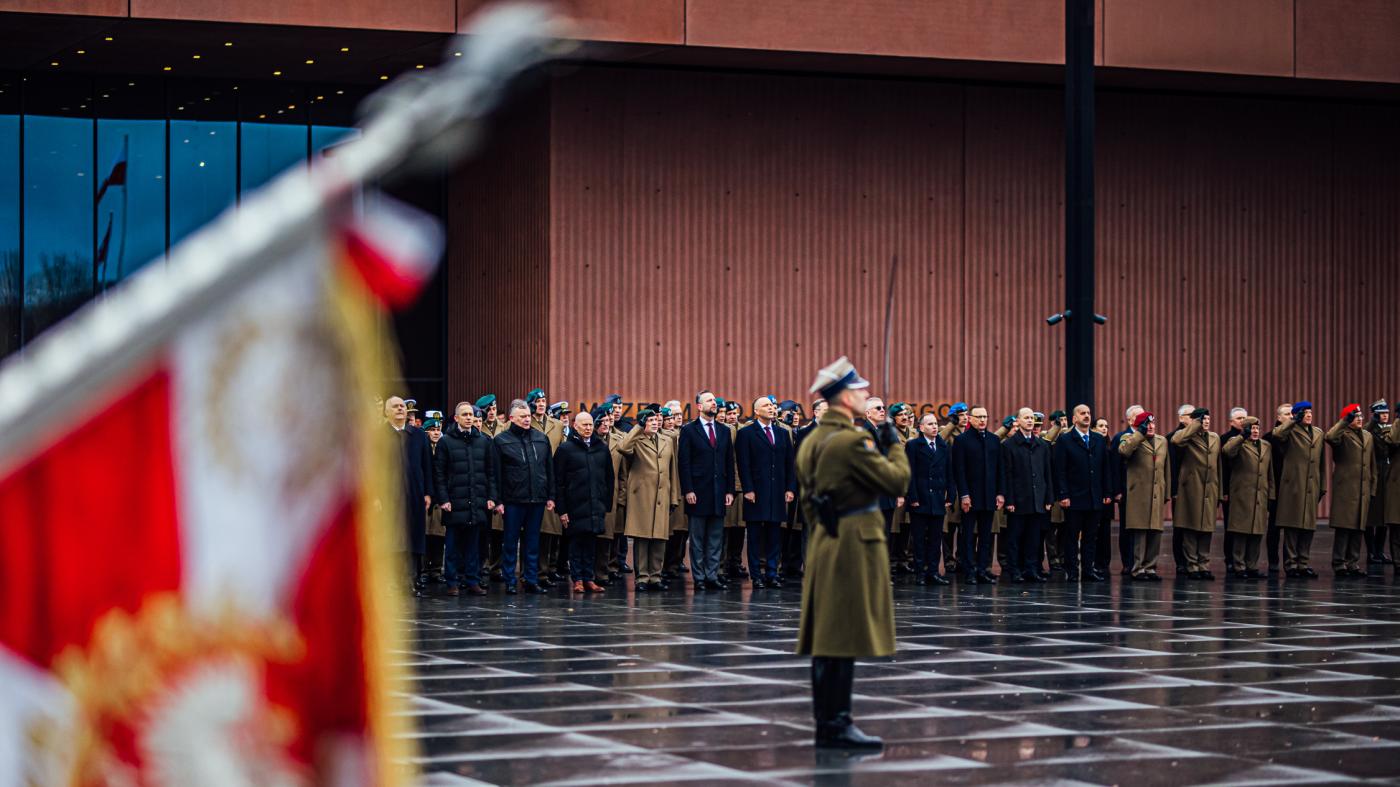
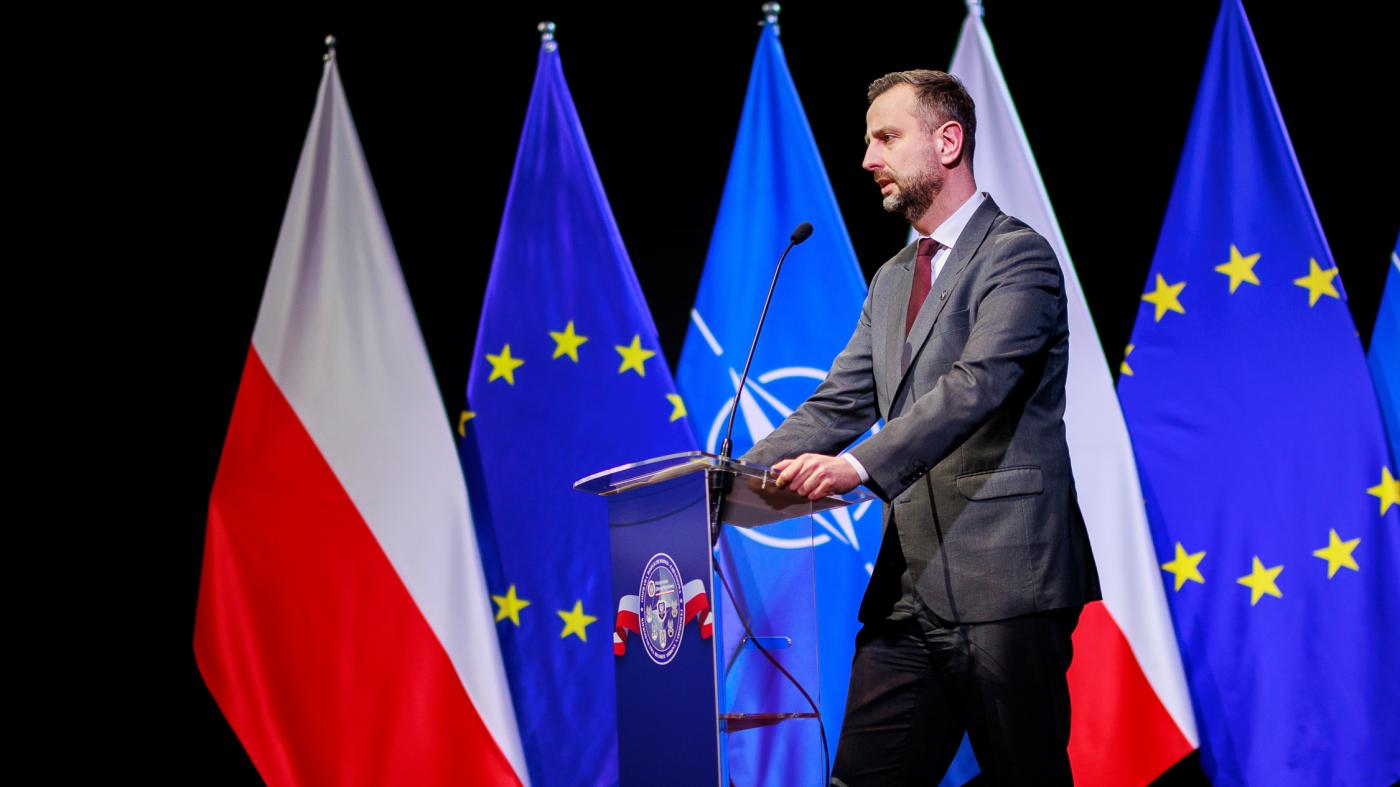
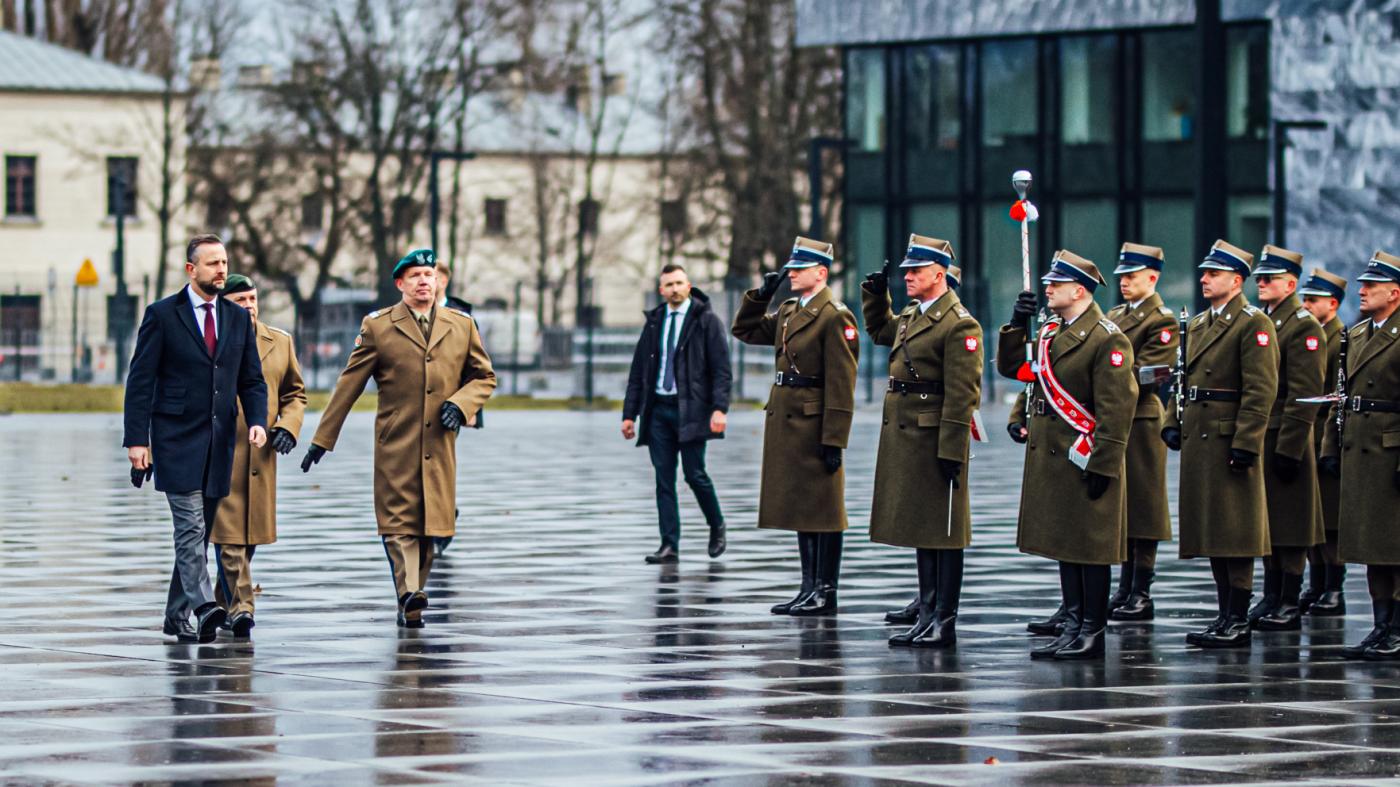
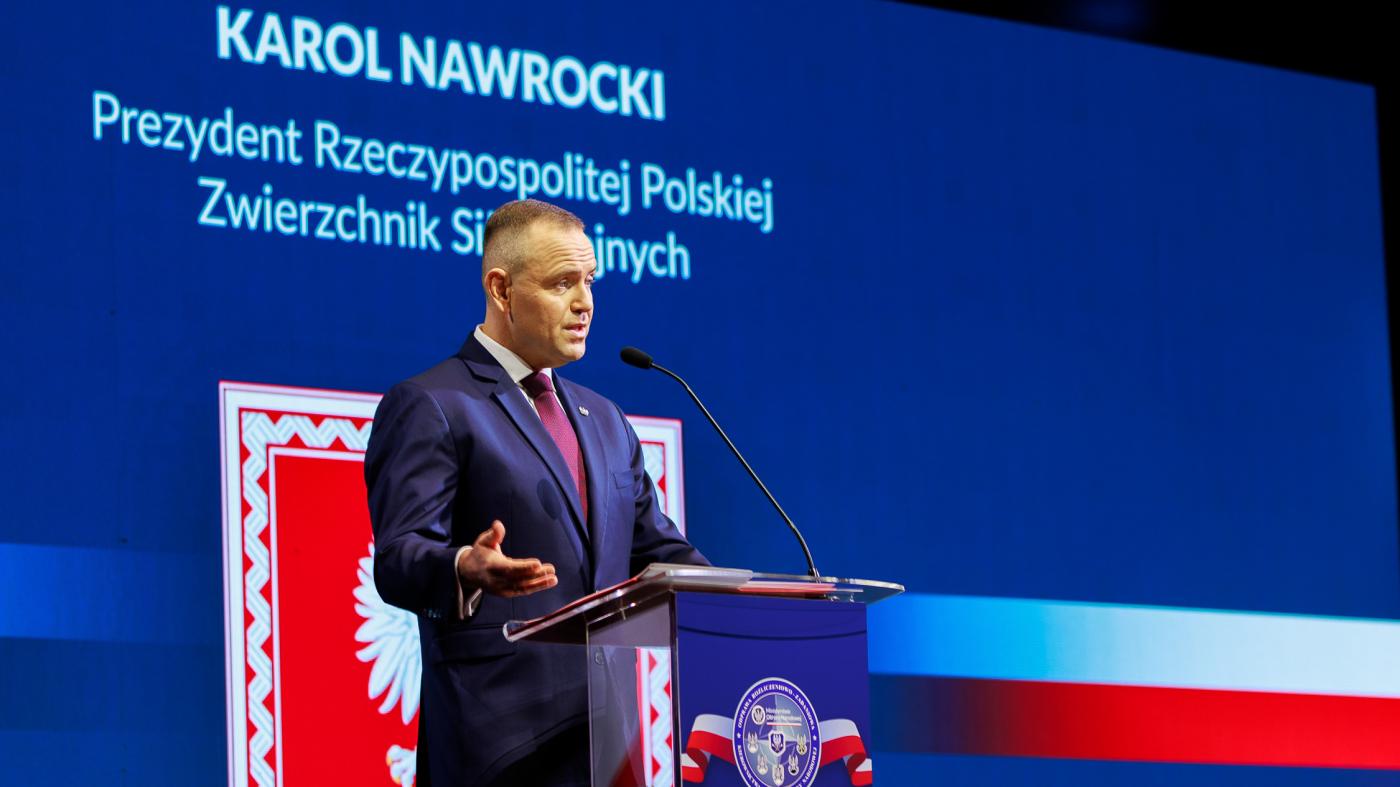
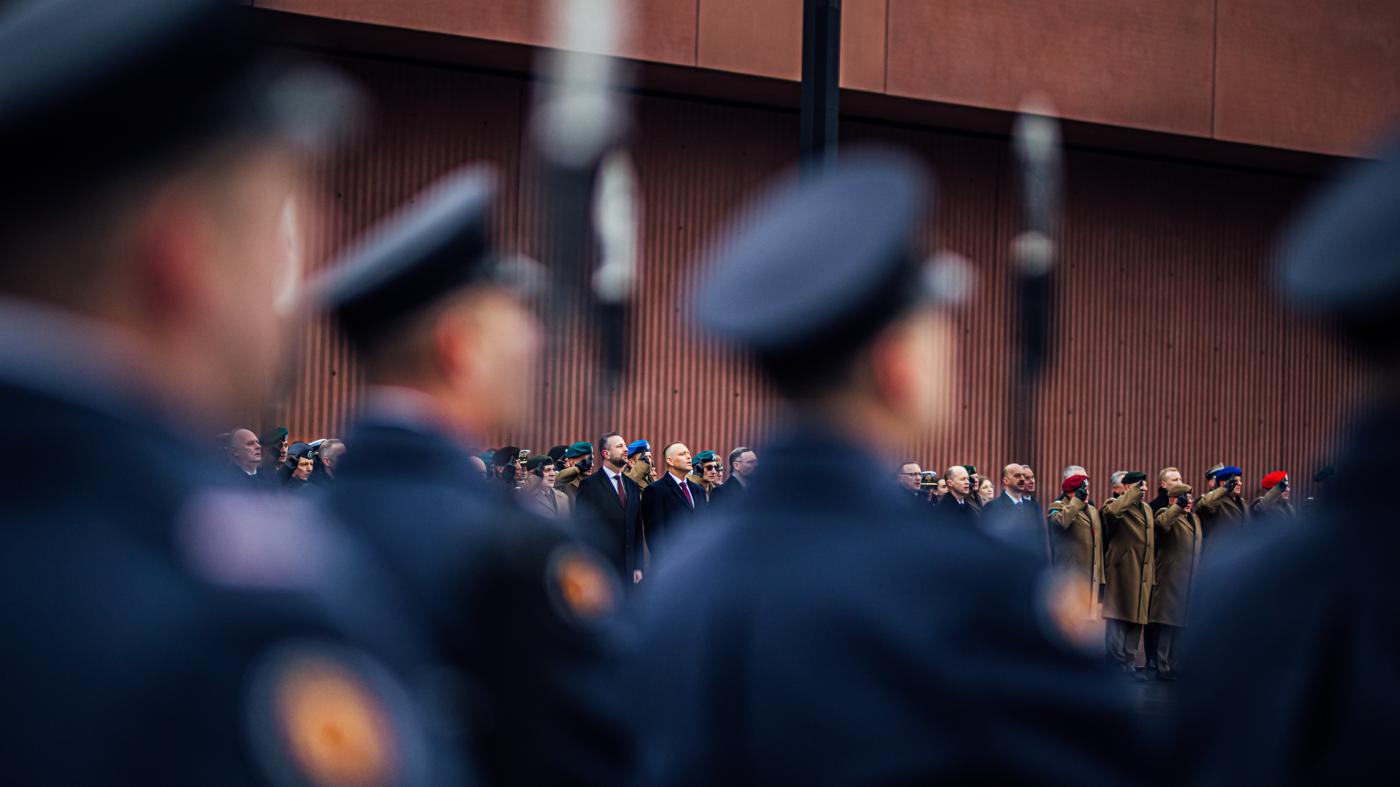
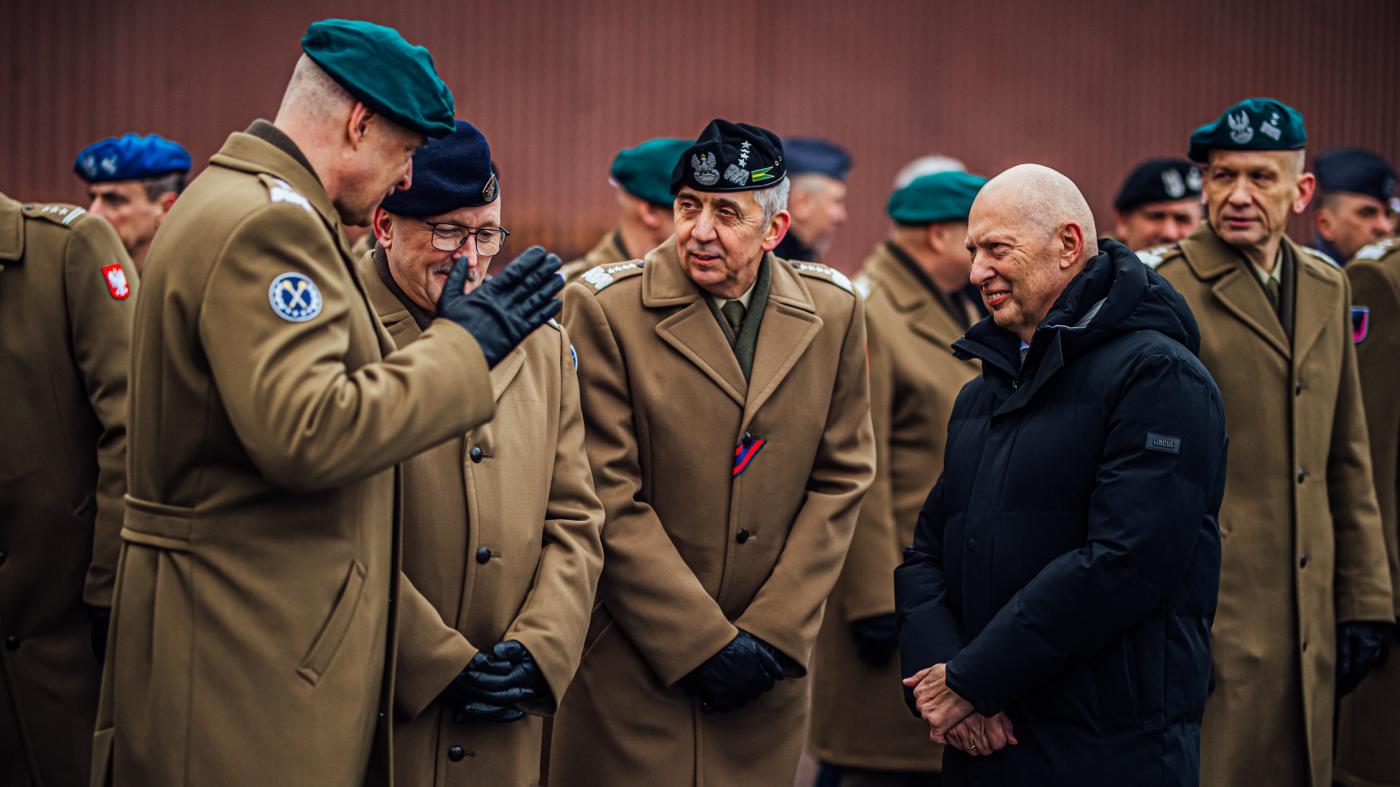
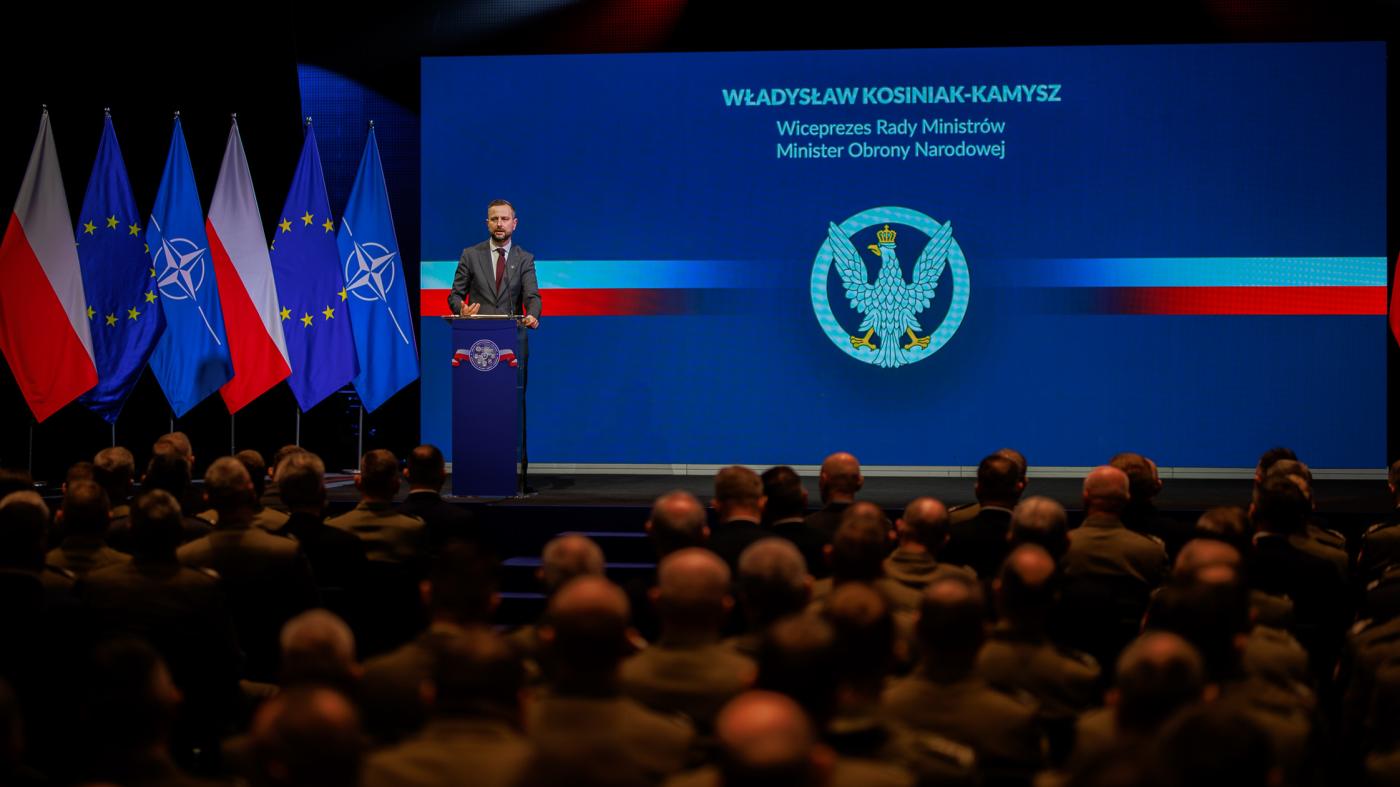
On 25 February 2026, at the Muzeum Wojska Polskiego in Warsaw’s Citadel, Poland’s Ministry of National Defence (MON) convened a high-level accountability and task-setting conference for senior civilian and military leadership. The meeting, attended by Deputy Prime Minister and Minister of National Defence Władysław Kosiniak-Kamysz and Chief of the General Staff Gen. Wiesław Kukuła, outlined the strategic trajectory of the Polish Armed Forces for 2026 and the years ahead.
security aviation navy politics news25 february 2026 | 21:55 | Source: Gazeta Morska | Prepared by: Kamil Kusier | Print
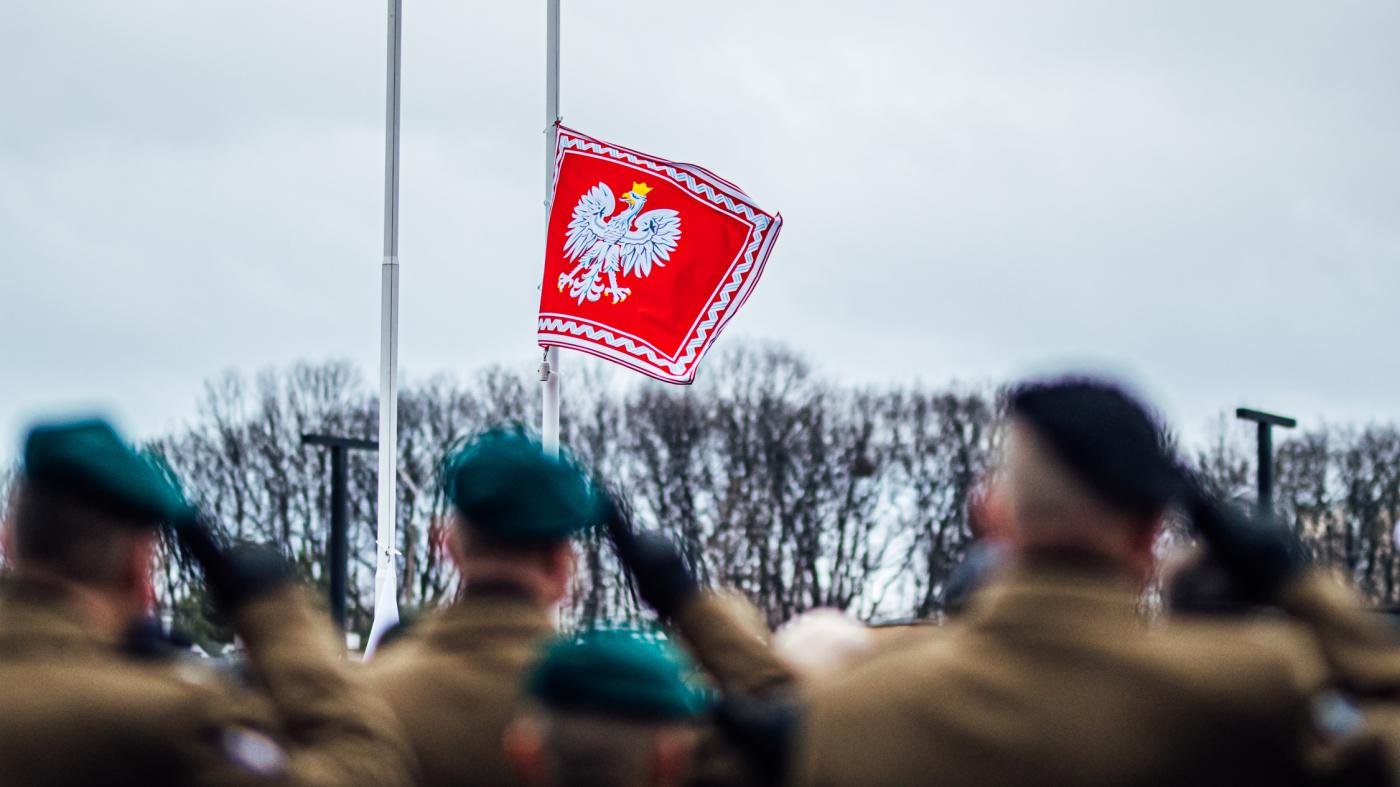
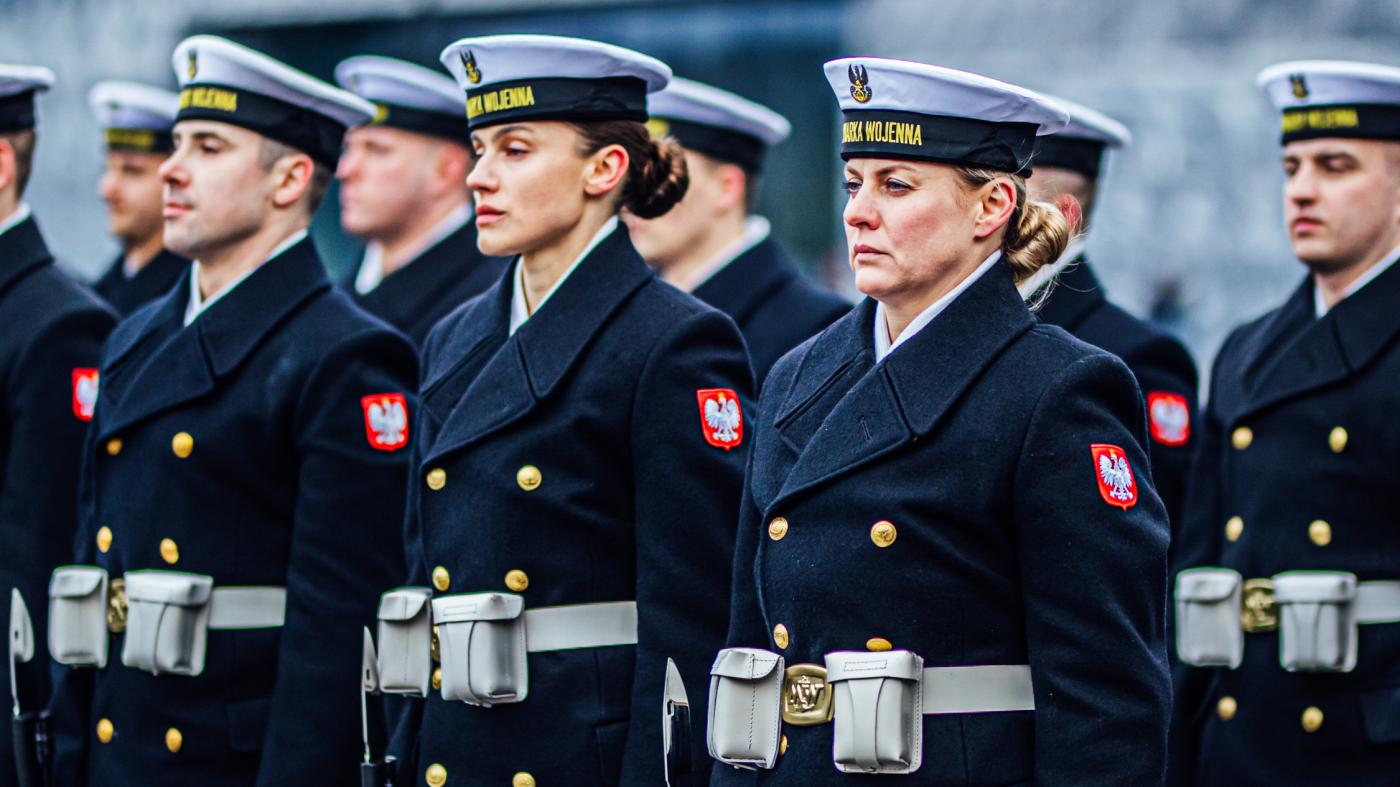
fot. Krzysztof Niedziela / MON
Although the President of the Republic of Poland participated in his role as Supreme Commander, the core strategic messaging focused on force expansion, structural transformation, technological acceleration and the reinforcement of NATO’s eastern flank — all of which carry significant implications for the Baltic maritime domain.
“Army 500”: from political slogan to strategic architecture
At the centre of the briefing was confirmation that Poland is pursuing a long-term objective of building a 500,000-strong armed force — combining professional troops, Territorial Defence Forces, officer cadets and a reinforced reserve component.
- Army 500, a half-million-strong army, is a strategic goal for the coming years that we will implement. This includes professional forces, territorial defence, cadets and — importantly this year — the reserve. Together with the General and the entire armed forces, we will place strong emphasis on a high-readiness reserve. But for this to become reality, the quality of service must be at the highest level. The attractiveness of service, of training, and care for reservists must meet the highest standards. We have work to do here, and this is a lesson drawn from recent years. There has never been such a strong emphasis on the reserve before, stated Deputy Prime Minister Kosiniak-Kamysz.
This declaration signals structural evolution rather than a purely numerical increase. The concept integrates active-duty forces with an operationally viable reserve pool capable of rapid mobilization. For NATO planners, it confirms Poland’s intention to anchor substantial land-force capacity on the Alliance’s north-eastern flank — a move with direct maritime and logistical ramifications in the Baltic theatre.
Beyond uniforms: national resilience and civil preparedness
The minister underscored that the “Army 500” concept extends beyond uniformed personnel.
- In addition to Army 500, there are defence trainings — universal for civilians, for companies, for various institutions: both individual and group-based, for which we are prepared. Strategic tasks mean transformation. Beyond management — and I share the views expressed — the quality of management, the command system, its structure, strategic documents. I believe all of this is on the right track.
This broader resilience model reflects a shift toward comprehensive national defence, aligning military expansion with civil preparedness and industrial mobilization capacity. For maritime stakeholders, this implies deeper integration of ports, shipyards, offshore infrastructure operators and logistics companies into defence contingency frameworks.
Drones, space, ai and long-range precision strike
One of the most consequential elements of the briefing concerned capability development. Poland’s defence leadership identified drone systems, counter-drone solutions, space assets, artificial intelligence and long-range precision strike as priority vectors.
- Drones and anti-drone systems, space and artificial intelligence, long-range precision strike. These issues are absolutely crucial, not only for 2026 but for many years ahead. Another matter is preparation for the summit in Ankara. Financing and achieving financial contributions were addressed at the summit in The Hague. In Ankara, we will summarize our allied operational capabilities.
For the Baltic Sea region, this modernization track carries significant operational implications. The maritime battlespace increasingly includes unmanned surface and aerial systems, hybrid threats to subsea infrastructure and long-range strike envelopes capable of shaping anti-access/area denial dynamics. Poland’s emphasis on technological acceleration suggests a multidomain approach in which maritime, air, land, cyber and space capabilities are tightly integrated.
Two security vectors on nato’s eastern flank
Kosiniak-Kamysz also articulated a dual-vector approach to eastern flank security: a northern axis centred on the Baltic Sea and Nordic-Baltic cooperation, and a southern axis linking Turkey and Romania.
- Two security vectors on the eastern flank: the northern one — the Baltic Sea and strategic partnership with Scandinavia and the Baltic states; the southern one — Turkey and Romania, taking into account all our neighbours in the European Union and NATO, including the Federal Republic of Germany, which has sent, for example, its Eurofighters to defend Polish airspace. Another issue is strong cooperation with the United States and industrial cooperation with South Korea. That is the international situation. Further topics include service quality, strategic documents, armament, modernization, force size — all of this will be subject to further analysis and strategic decisions, also in the context of development and cooperation between the armed forces and the defence industry.
For maritime analysts, the northern vector is particularly relevant. The Baltic Sea is no longer a peripheral theatre but a strategically dense operational space encompassing LNG terminals, offshore wind farms, subsea cables, naval transit routes and forward-deployed NATO assets. Enhanced Nordic-Baltic integration, combined with Polish force expansion, reinforces deterrence depth across the basin.
Five lines of effort for 2026
Chief of the General Staff Gen. Wiesław Kukuła detailed five principal lines of effort guiding the Polish Armed Forces in 2026:
- The first foundation is combat readiness — maintaining the ability to respond immediately. This is the capacity to answer all threats that may arise today in our security environment. The second is transformation — all long-term projects developed consistently before us. The third line is crisis operations and support to society. In this direction, we will continue to maintain engagement at a level of up to 10,000 soldiers daily. The fourth line of effort concerns allied and coalition operations. As I said in my speech — we are focused on regional security, but it is strongly interdependent with global security. Therefore, we must actively participate in all processes related to global security. (…) We must continue to actively engage as a credible member of the North Atlantic Alliance. That is the condition of continuity. Finally, the fifth line — support for Ukraine, which this year looks different than in previous years. We are primarily focused on training Ukrainian soldiers, but also on military advisory support, delivery of equipment and its servicing, and maintaining the logistical hub represented by us in Rzeszów. These five lines define our tasks this year.
For the maritime sector, these lines intersect directly with logistics, mobility corridors and host-nation support. Sustaining large-scale readiness and allied interoperability depends on port throughput, rail-maritime interfaces and resilient supply chains — particularly in scenarios involving reinforcement of the eastern flank.
Russia as the persistent structural threat
In his strategic assessment, Gen. Kukuła emphasized that the primary regional threat vector remains the Russian Federation, whose long-term objectives have not fundamentally changed.
- If I had to characterize the past year and our actions in one sentence, I would say without hesitation that it was a year in which the Armed Forces fulfilled their constitutional tasks while simultaneously implementing the largest transformation in the state’s history. These tasks were carried out in an unfavourable security environment that fundamentally changed in 2022 and is currently undergoing an unstable geopolitical revaluation. We, as soldiers, always begin our analysis with an assessment of threats. In 2025, these did not undergo fundamental changes. From an allied perspective, global security is currently defined to the highest degree by the situation in Central and Eastern Europe, the Middle East and the Indo-Pacific region. (…) The actions of the Russian Federation in 2025 have not changed and are defined by two vectors. The first vector — intentions — remains unchanged and was clearly expressed in the correspondence conducted by Minister Lavrov with NATO and the European Union at the turn of 2021 and 2022. The intention of the Russian Federation remains to halt NATO enlargement and withdraw Alliance forces and infrastructure from Central and Eastern Europe. (…) The second vector concerns the operationalization of its own power, mainly military. It might seem that this vector would significantly weaken due to losses and the costs of aggression against Ukraine. However, our and allied intelligence data indicate that the Russian Federation is organizing and developing its potential for conventional war with NATO. Further acceleration of these preparations will occur immediately after Russia achieves politically, strategically and operationally acceptable objectives in Ukraine.
For Baltic maritime security, this assessment reinforces the necessity of sustained deterrence posture, including naval presence, intelligence, surveillance and reconnaissance coverage, and protection of critical undersea infrastructure.
Implications for the maritime domain
The strategic direction announced in Warsaw confirms that Poland is positioning itself as a central military actor on NATO’s north-eastern flank. The “Army 500” objective, combined with technological modernization and reinforced allied integration, will inevitably increase demands on maritime infrastructure and defence-industrial capacity.
Key implications for the maritime sector include:
- expanded host-nation support responsibilities in Baltic ports,
- greater integration of unmanned and counter-unmanned systems in littoral defence,
- strengthened Nordic-Baltic interoperability,
- an increased role for shipyards and defence manufacturers in transformation projects,
- elevated importance of subsea infrastructure protection and offshore energy security.
As the Baltic Sea evolves into a strategically dense operational environment, Poland’s force expansion and transformation agenda represent not only a national defence milestone but also a structural shift in regional security architecture.
“Army 500” is therefore more than a force-size benchmark - it is a multi-domain deterrence framework designed to ensure readiness for every scenario, anchored in allied cohesion and supported by industrial and maritime resilience.
see also
Buy us a coffee, and we’ll invest in great maritime journalism! Support Gazeta Morska and help us sail forward – click here!
Kamil Kusier
redaktor naczelny
gallery
comments
Add the first comment
see also
Defence.Hub strengthens capabilities in technologies supporting maritime infrastructure security
Damen to build 13 SAR units for Turkey. Strengthening search and rescue in the Aegean Sea
Sebastian Kluska, director of MSPiR SAR: No room for improvisation at sea. Skills and judgment matter
MS Kapitan Poinc to deploy FRB 850 in Baltic SAR upgrade
105th life-saving mission. Naval Aviators conduct double "Heart Action" transport
Another successful medical evacuation over the Baltic Sea. Yet another intervention at offshore wind farms
Fishing trip on Vistula Lagoon cut short due to missing certificates
Drifting tanker near Malta highlights risks linked to the global “shadow fleet”
Cross-border SAR operation on the ice of the Gulf of Bothnia
Body recovered from the waters of Puck Bay near Babie Doły in Gdynia
ADVERTISEMENT
ADVERTISEMENT