Shell sells SPDC, focusing on deepwater exploration and liquefied gas
Shell has announced the completion of the sale of The Shell Petroleum Development Company of Nigeria Limited (SPDC) to the Renaissance consortium. This decision aligns with the company’s strategy to simplify its presence in Nigeria by exiting onshore oil production in the Niger Delta and redirecting future investments toward deepwater projects and integrated gas initiatives. The transaction marks another step in Shell’s global transformation aimed at achieving net-zero emissions by 2050.
business power engineering maritime economy worldwide news14 march 2025 | 10:07 | Source: Gazeta Morska | Prepared by: Kamil Kusier | Print
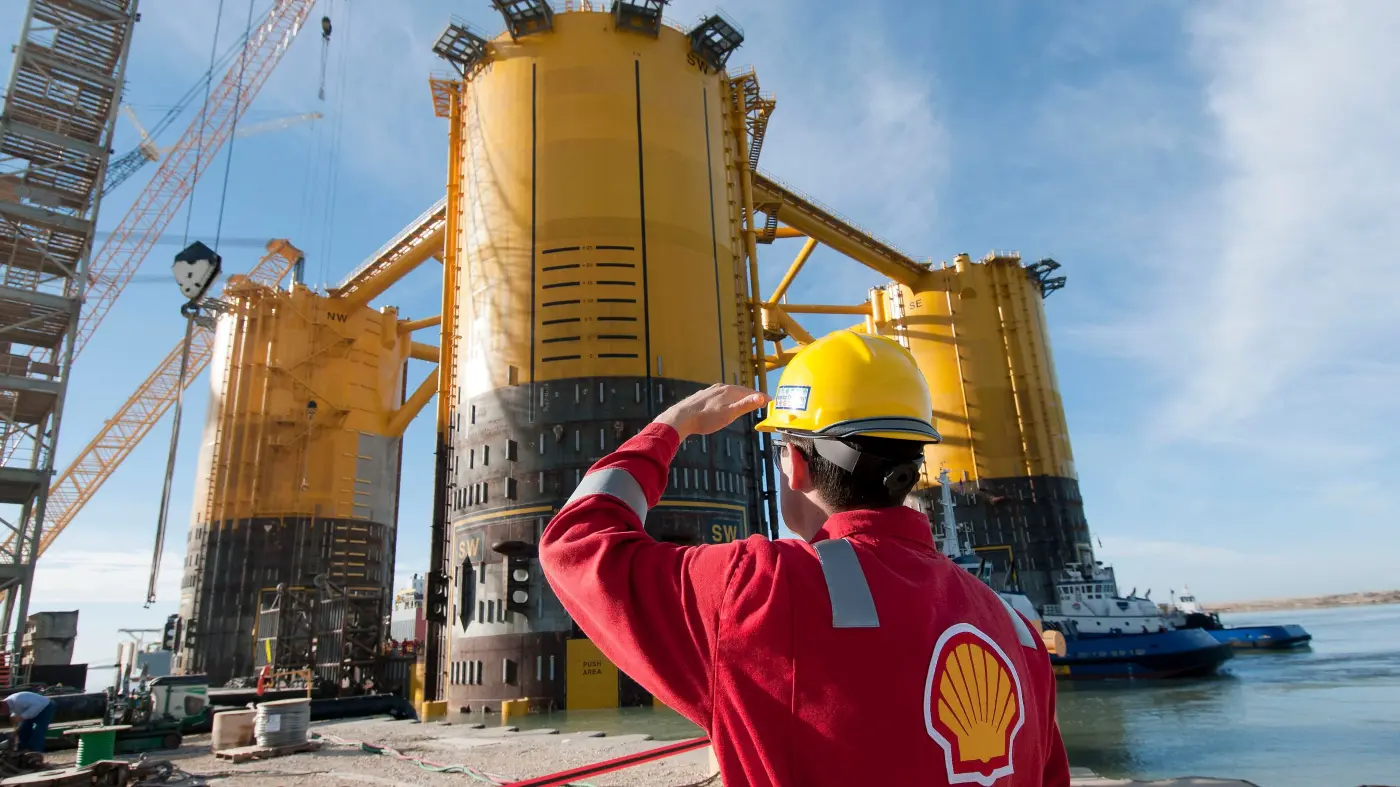
fot. SPDC ? The Shell Petroleum Development Company of Nigeria
New owner of SPDC – ownership structure in the joint venture
Under the deal, the Renaissance consortium has acquired a 30% stake in the informal SPDC Joint Venture (SPDC JV). The remaining ownership is structured as follows:
- Nigerian National Petroleum Corporation (NNPC) – 55%,
- Total Exploration and Production Nigeria Ltd – 10%,
- Agip Energy and Natural Resources (Nigeria) Limited – 5%.
Renaissance comprises five companies, including four Nigerian exploration and production firms—ND Western, Aradel Energy, First E&P, and Waltersmith—alongside the international energy group Petrolin. The consortium aims to sustain SPDC’s operations while reinforcing local presence in Nigeria’s oil sector.
Shell’s strategy in Nigeria – a leap into deepwater
Shell is steadily executing its plan to optimize its portfolio in Nigeria. Following the SPDC sale, the company intends to focus on deepwater projects, such as the Bonga field, and investments in liquefied natural gas (LNG), which are pivotal to its long-term decarbonization goals. Shifting to more sustainable energy sources will enable Shell to supply natural gas to global markets while reducing CO2 emissions. Nigeria’s deepwater projects already account for a significant portion of Shell’s regional oil and gas output, with further expansion set to solidify its leadership in West Africa.
Transaction with no major financial impact
Shell has stated that the SPDC sale will not significantly affect the company’s asset value. The firm continues its policy of cautious expansion, prioritizing operational efficiency and sustainable investments. While the transaction’s value has not been disclosed, analysts suggest it frees up capital for Shell to pursue forward-looking projects aligned with its climate objectives.
Global context – Shell and the energy transition
The SPDC sale is part of a broader transformation in the energy sector, as Shell adapts its portfolio to evolving market conditions and rising sustainability demands. The company is intensifying efforts in natural gas and renewable energy, gradually moving away from traditional onshore oil production. In its press release, Shell emphasized that such moves are critical to achieving its ambitious net-zero emissions target by 2050. The divestment in Nigeria may signal to other oil giants the need to accelerate their own decarbonization strategies.
The future of SPDC under Renaissance and its impact on Nigeria
The acquisition of SPDC by Renaissance opens a new chapter for a company that has been a cornerstone of Nigeria’s onshore oil production for over half a century. The consortium has pledged to continue operations in the Niger Delta, emphasizing sustainable development—through infrastructure upgrades and reduced environmental impact—and closer collaboration with local communities long affected by oil extraction. For Nigeria, the deal could mean greater local control over natural resources, though its economic impact will hinge on Renaissance’s ability to effectively manage SPDC. Meanwhile, Shell’s shift to offshore projects creates opportunities for new players onshore while reinforcing its role in technologically advanced, lower-emission market segments.
Buy us a coffee, and we’ll invest in great maritime journalism! Support Gazeta Morska and help us sail forward – click here!
Kamil Kusier
redaktor naczelny
comments
Add the first comment
see also
Navantia and Fincantieri deepen cooperation on the european patrol corvette programme
Galeon Yachts and Meyer Shank Racing: merging luxury yachts with motorsport expertise
Unmanned systems and naval firepower modules. WB Group showcases integrated capabilities at Enforce Tac 2026
Swedish ports record lowest ship calls in 18 years. Implications for the maritime sector
February in Szczecin’s shiprepair sector. Ice, overhauls and North Sea expansion
Advanced ROV trials conducted at CTO to validate subsea technologies for offshore applications
University of Gdańsk and PGZ Naval Shipyard join forces for innovation and security
Stadt Naval to deliver electric propulsion system for Polish rescue vessel Ratownik
Gdańsk port’s Basen Górniczy to gain modern port infrastructure
First month of Jantar Unity operations. Polsca ferry paves the way for Batory program units
ADVERTISEMENT
ADVERTISEMENT