Russian Navy presence in the Mediterranean reduced to single submarine
The Russian Navy’s presence in the Mediterranean Sea has reached its lowest point in years, now reduced to a single Kilo-class submarine, the Novorossiysk, supported only by a tug and a surveillance vessel. This marks a significant decline from previous years when Russia maintained a more robust naval force in the region.
navy worldwide nato news06 august 2025 | 10:10 | Source: Gazeta Morska / PAP | Prepared by: Tadeusz Brzozowski | Print
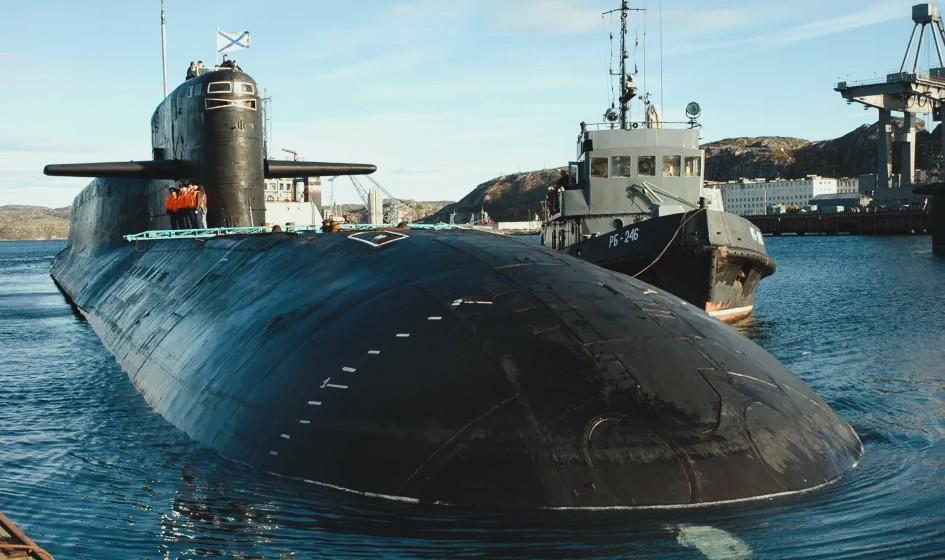
fot. Marynarka Wojenna Rosji
Earlier this week, the Bojkij corvette, along with the cargo ship Sparta and tanker General Skobelev—part of the so-called “Syrian Express” logistics route—began their departure from the Mediterranean. Once they pass through the Strait of Gibraltar, likely by Wednesday, no Russian surface combatants will remain in the area.
According to Maritime Executive, the Soobrazitelnyy corvette also left the region on July 3. Before entering the Atlantic, the convoy is expected to refuel near Morocco using the Russian Navy’s fleet oiler Vyazma, which is being closely monitored by the Moroccan Navy.
The remaining Russian unit, the Novorossiysk submarine, arrived from the Baltic Sea in late June and has since operated between Libya and Syria. Its movements have been tracked through the accompanying tug Yakov Grebelsky, indicating continued logistical dependence.
Russia’s naval intelligence presence is now represented solely by the Viktor Leonov, an advanced reconnaissance ship equipped with sonar, signal intercept systems, and deep-sea equipment. The vessel replaced the Kildin, which had operated off NATO’s southern flank for nearly two years. Their capabilities raise long-standing concerns over the security of undersea cables and energy pipelines in the region.
A major factor in the Russian Navy’s shrinking role in the Mediterranean is the loss of its access to a permanent base. On July 13, DP World, a global logistics firm based in Dubai, assumed control of Syria’s Tartus port—Russia’s only consistent naval logistics hub in the Mediterranean. Without a permanent base, Russian ships are now forced to rely on ad-hoc support via port calls in Algeria, eastern Libya, or offshore replenishment.
Russia had also aimed to expand its footprint into the Red Sea via Port Sudan. However, these plans suffered a serious setback after rebel drone strikes targeted the proposed site on May 6.
In contrast to Russia’s declining posture, NATO forces—particularly the U.S. Navy—remain active in the Mediterranean. The USS Gerald R. Ford carrier strike group, accompanied by destroyers USS Winston S. Churchill and USS Bainbridge, continues regular patrols and operations in the region.
The dramatic reduction of the Russian Navy in the Mediterranean highlights both logistical difficulties and shifting geopolitical realities. With no permanent base and limited strategic partnerships, Russia’s maritime influence in the region is now more symbolic than operational.
Buy us a coffee, and we’ll invest in great maritime journalism! Support Gazeta Morska and help us sail forward – click here!
Kamil Kusier
redaktor naczelny
comments
Add the first comment
see also
Stadt Naval to deliver electric propulsion system for Polish rescue vessel Ratownik
Medical evacuation from Danish-flagged vessel Skoven off Łeba. Joint SAR operation in the Baltic Sea
Damen Shipyards and Blue Water Autonomy announce license for Liberty-class autonomous vessel for the U.S. Navy
ITS Virginio Fasan and USS Bulkeley conduct PASSEX in eastern Mediterranean
NATO strengthens operations in the north: alliance boosts Arctic presence
100 years of Gdynia: PGZ Naval Shipyard at the heart of Poland’s Baltic security strategy
Poland’s wedding to the sea in Puck: President Karol Nawrocki commemorates 106th anniversary
Gdynia at 100: A Strategic port city celebrates its maritime identity
A city designed from the sea. one hundred years of Gdynia as a project ahead of its time
106 years ago Poland “turned to the sea”. Split celebrations, one goal: a strong maritime Poland
ADVERTISEMENT
ADVERTISEMENT