Russia’s silent retreat - last submarine leaves the Mediterranean as naval influence crumbles
Russia has quietly withdrawn its only conventional submarine from the Mediterranean Sea, marking a symbolic retreat from a region where the Kremlin once projected significant naval power. On Sunday, the Krasnodar—a diesel-electric Kilo-class submarine—departed the Mediterranean, escorted by the naval tug Yevgeny Churov, en route back to its home base in the Baltic Fleet.
security navy worldwide news29 april 2025 | 11:25 | Source: PAP / Gazeta Morska | Prepared by: Kamil Kusier | Print
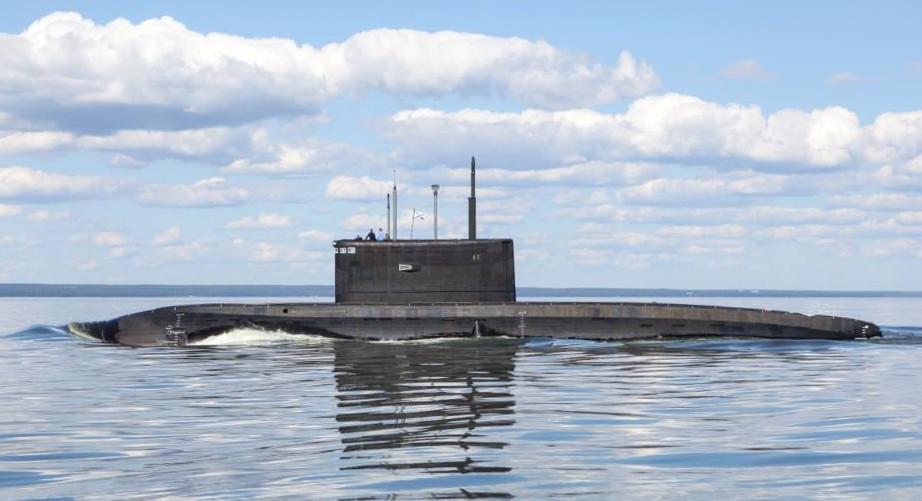
fot. Wikimedia Commons
The withdrawal comes just months after the Krasnodar had entered the region in early February, only to find itself ineffective and heavily monitored. According to Italian maritime tracking portal Italmilradar, NATO aircraft, drones, and surface vessels maintained constant surveillance over the sub, especially in the eastern Mediterranean near Syria.
Its deployment was hampered further by the loss of Russia's logistical foothold in the region. The long-standing Russian naval base in Tartus became inaccessible following the overthrow of Syrian dictator Bashar al-Assad in December last year. Without access to the Tartus facility—formally known as the 720th Material-Technical Support Point—Russian naval units lost vital port support, fueling, and maintenance capabilities.
The Krasnodar's operations were so constrained that it reportedly waited in vain for permission to dock in Tartus. Denied entry, the sub and its tug turned westward toward Algeria, Russia’s only remaining regional ally with naval infrastructure capable of servicing the vessel.
Diesel-electric submarines like the Krasnodar require frequent port visits for refueling and upkeep. Without Tartus, sustaining long-term submarine deployments in the Mediterranean is logistically unfeasible for the Russian Navy.
Currently, the Russian naval footprint in the Mediterranean has shrunk to just three vessels: a frigate, a corvette, and an intelligence-gathering ship—a far cry from Moscow’s ambitions of a robust blue-water presence in the region.
Buy us a coffee, and we’ll invest in great maritime journalism! Support Gazeta Morska and help us sail forward – click here!
Kamil Kusier
redaktor naczelny
comments
Add the first comment
see also
Strait of Hormuz at a strategic crossroads: sinking of IRIS Dena and implications for maritime transport
The submarine contract of the decade? Canada weighs South Korea against Germany
When two powers clash, Poland must be ready to act. Military security must be the priority
Commodore Przemysław Karaś appointed deputy commander of the Maritime Operations Centre - Naval Component Command
Radmor hosts delegation from the Republic of Turkey. Advancing maritime security cooperation
French Navy expands global operations from the Pacific to the Red Sea
"Let everyone know we will prevail". Poland’s armed forces set strategic course for 2026-2039
“Army 500” and strategic transformation: Poland sets the course for long-term deterrence and allied readiness
Medical evacuation from offshore vessel in the Baltic. Rescue 511 helicopter and m/s Huragan deployed
Karol Nawrocki: “The strength of the republic lies in its armed forces”. Security requires national unity
ADVERTISEMENT
ADVERTISEMENT