Port of Gdańsk launches strategic border control hub investment
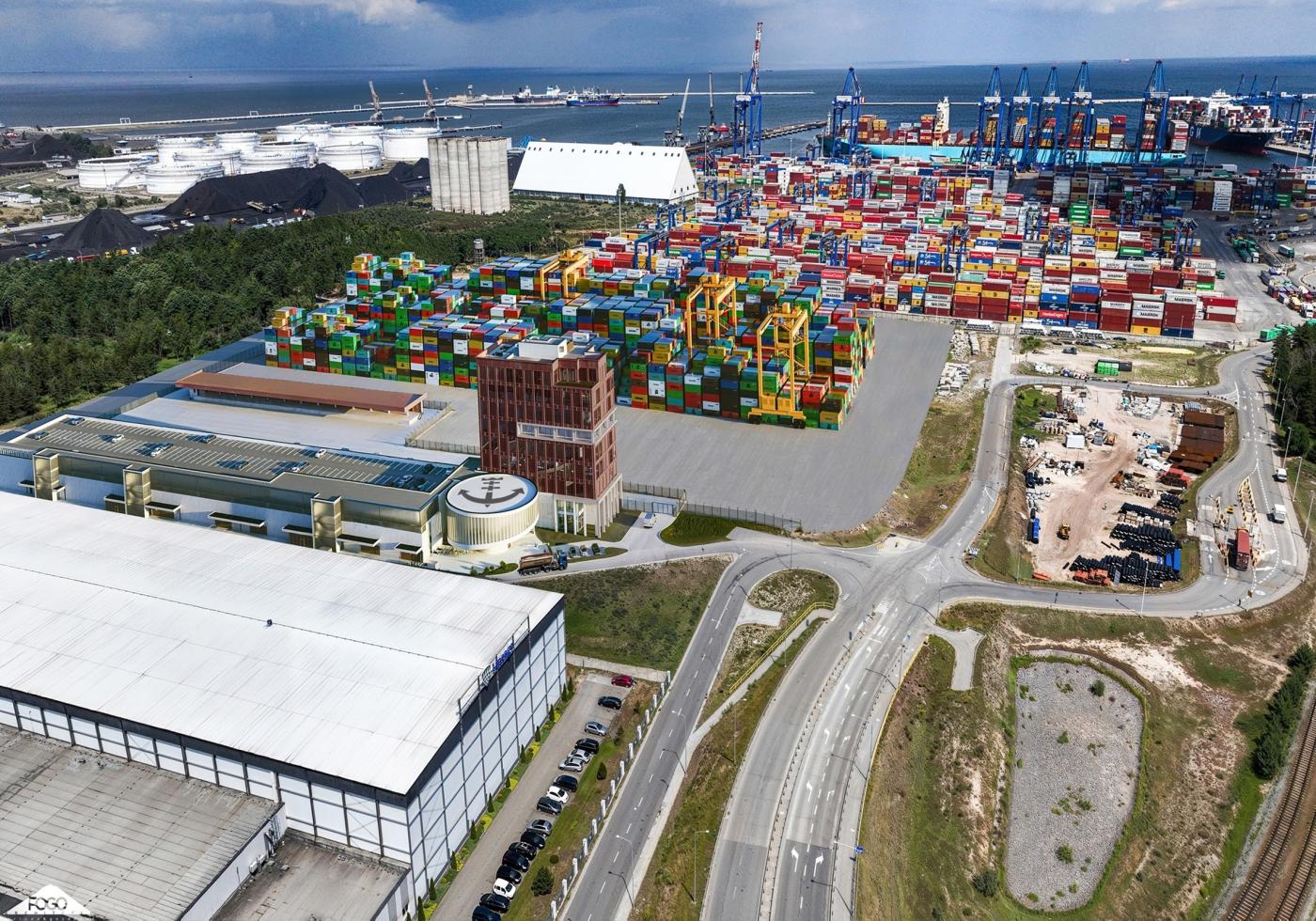
The Port of Gdańsk is set to strengthen its position as a key gateway to Europe with the development of a state-of-the-art integrated border control point (ZPKG). Situated on a 2-hectare site along Kontenerowa Street—adjacent to the Baltic Hub container terminal and Pago cold storage facilities—the project is a critical step toward streamlining control procedures in response to the surging cargo volumes handled at the port.
business maritime economy pomerania ports tricity news28 may 2025 | 19:41 | Source: Gazeta Morska | Prepared by: Kamil Kusier | Print
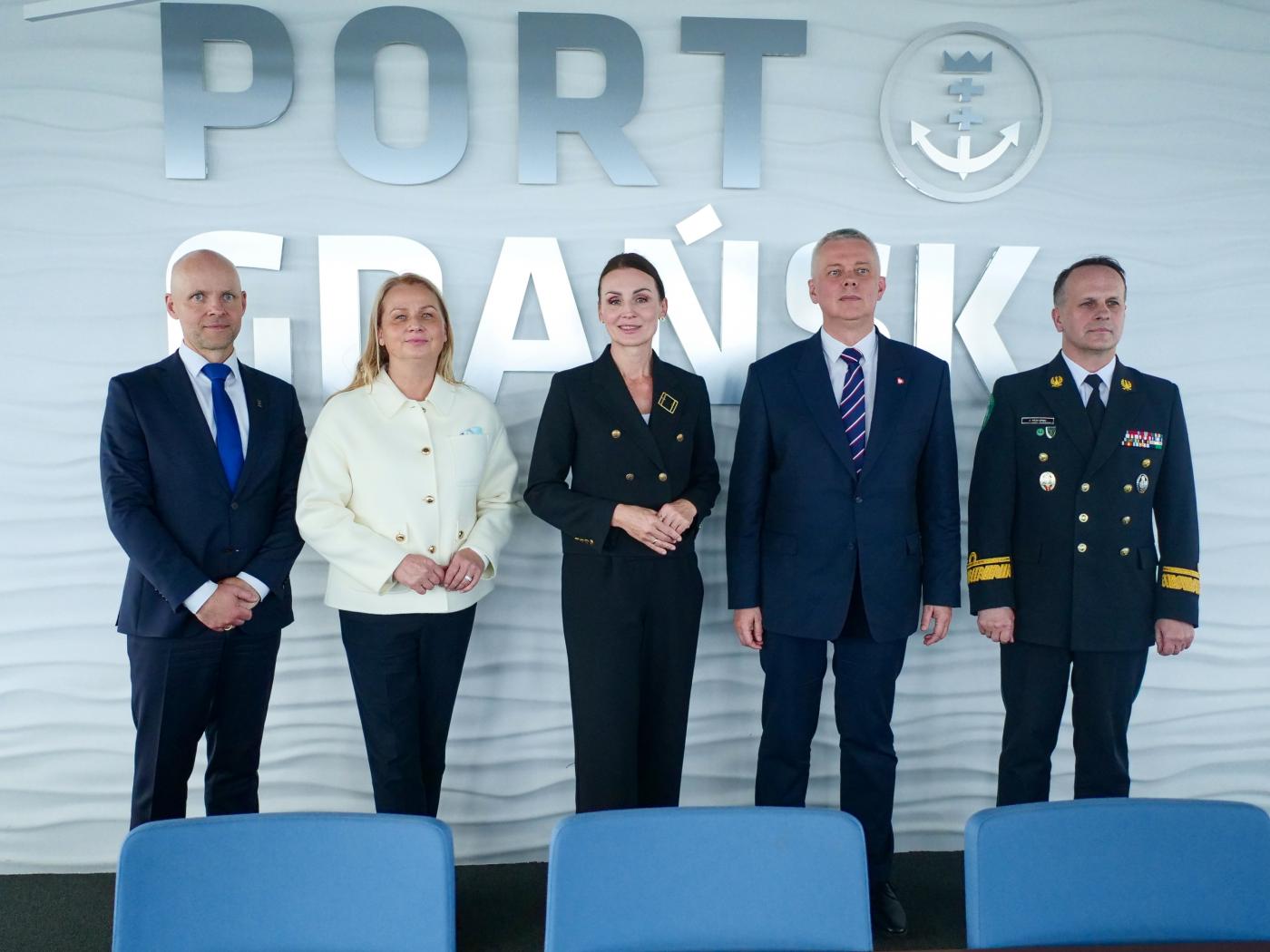
fot. Port Gdańsk
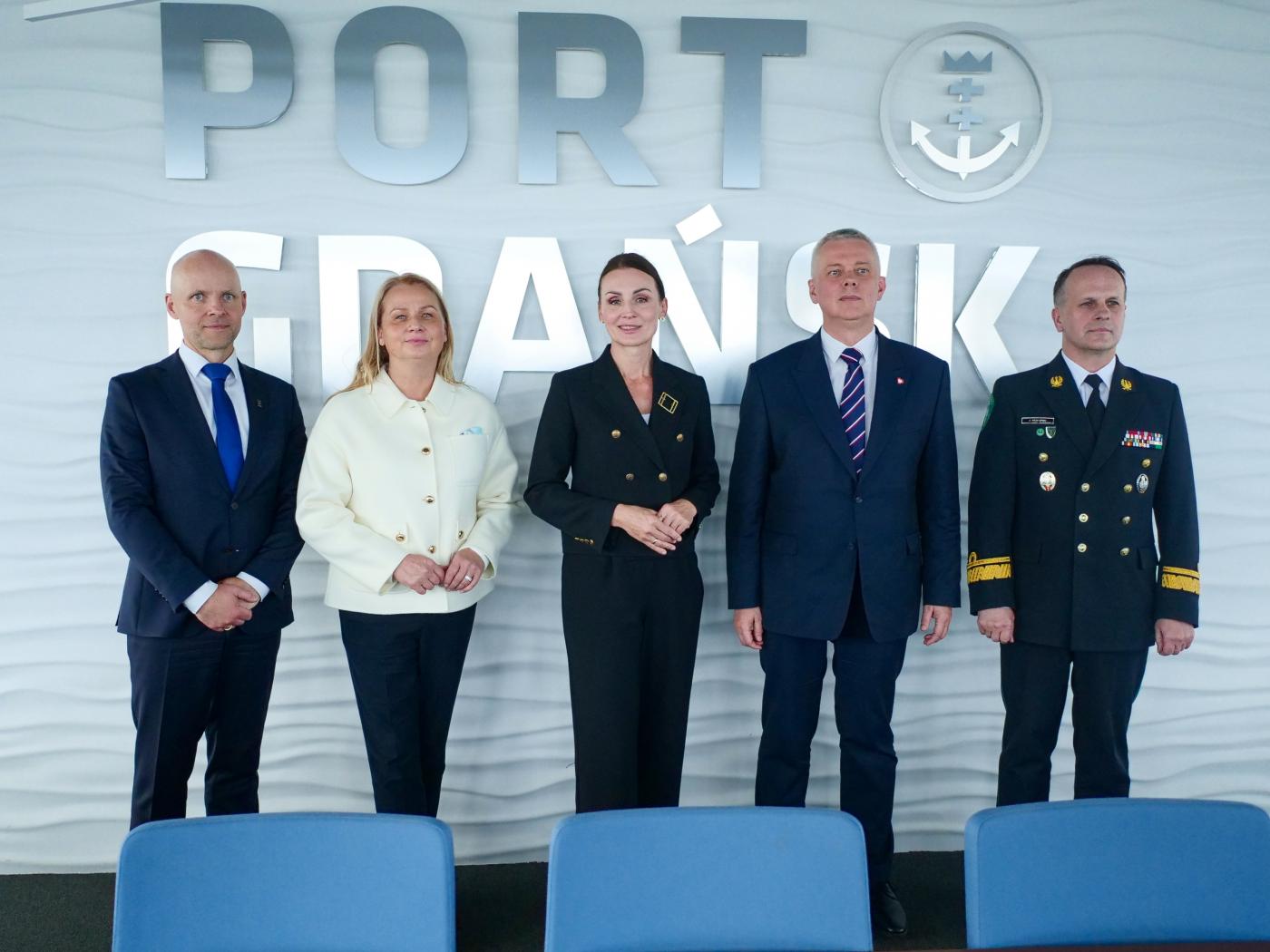
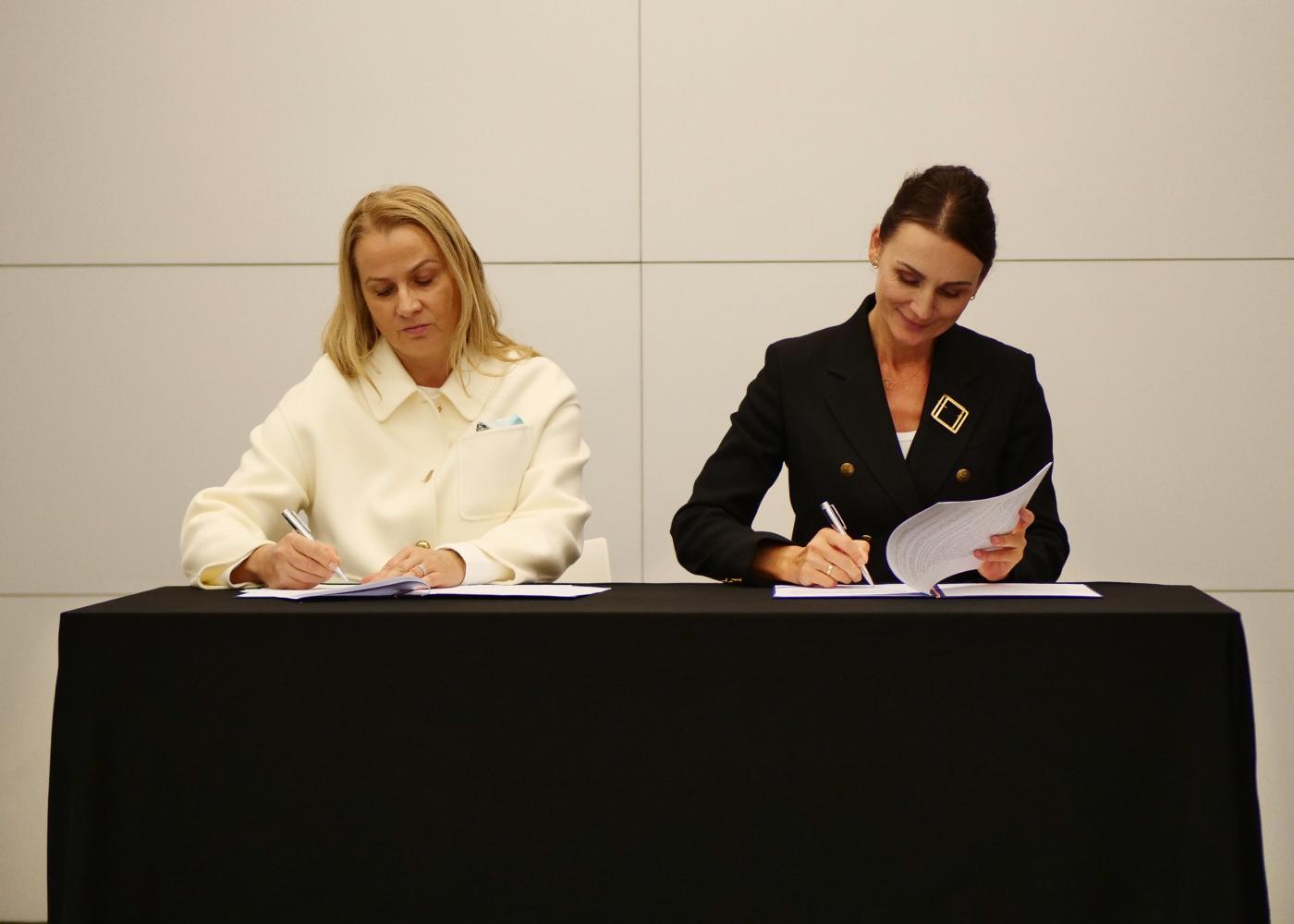
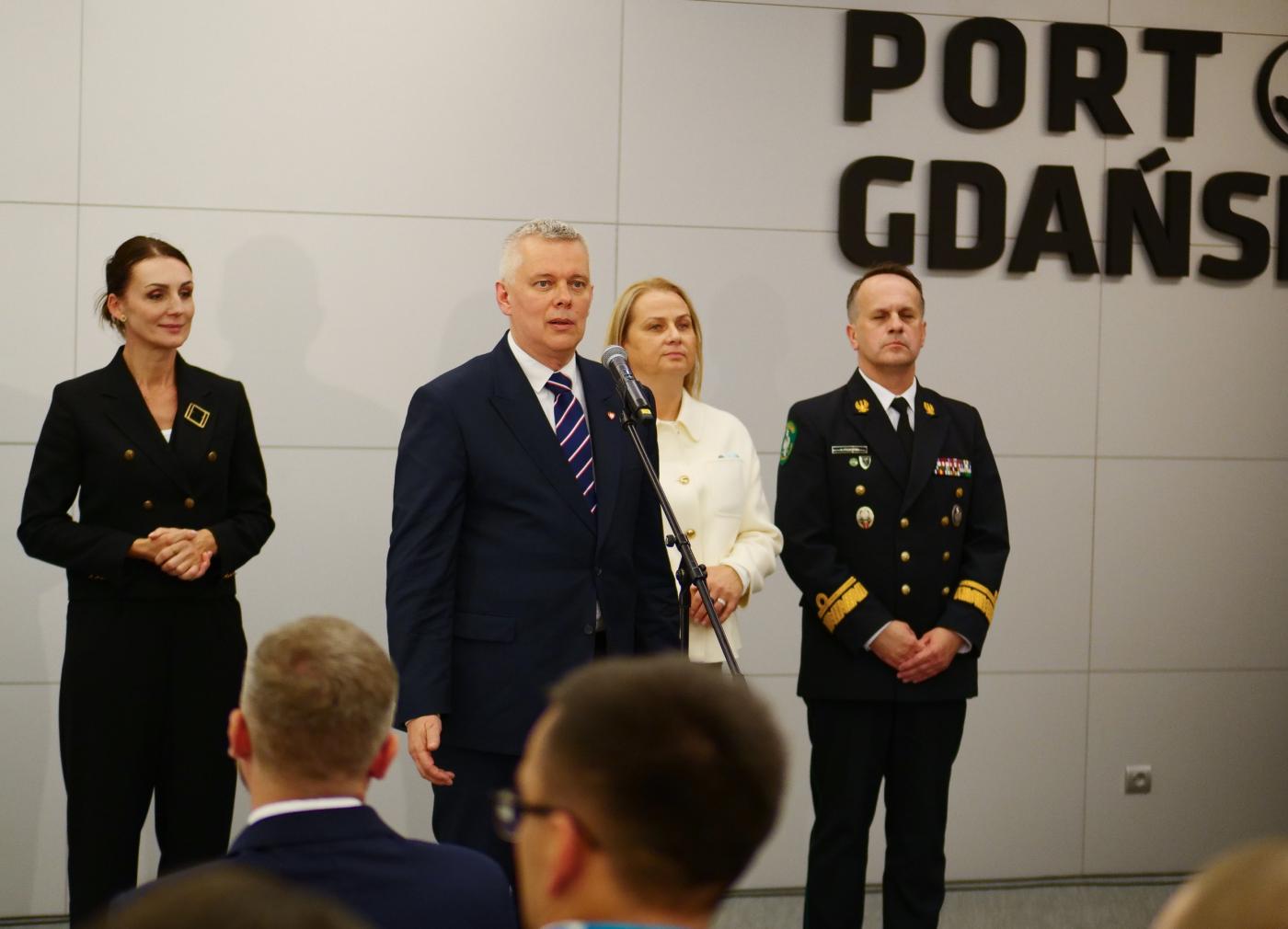
On 28 May, a ceremonial signing marked the launch of the investment’s first phase. Beata Rutkiewicz, Pomeranian voivode, and Dorota Pyć, president of the Port of Gdańsk Authority, formalized the agreement for the preparation of design and cost documentation. The event was attended by Poland’s minister of the interior and administration, Tomasz Siemoniak.
– This project is a strategic investment not only for the Port of Gdańsk but for the entire maritime economy in Poland – said minister Siemoniak. – The port’s contribution to the national budget is staggering—44 billion PLN annually, nearly equaling our ministry’s entire budget. Polish ports must remain competitive, and projects like this help ensure that.
Centralized border control for efficiency
Currently, various control services operate across dispersed locations in Gdańsk. The new ZPKG will centralize the operations of multiple key agencies—including the National Revenue Administration, border veterinary inspectorate, sanitary and epidemiological station, and agricultural product inspection authorities—under one roof. The facility is designed to support 235 staff per shift and will significantly boost efficiency in customs and sanitary inspections for containerized cargo entering the EU via the Baltic Hub.
– This is a vital development not only for the port but for the entire region and country – said port president Dorota Pyć. – By unifying the efforts of border services, we will increase operational resilience and align with our long-term vision of becoming a sustainable, technology-driven port.
Infrastructure fit for the future
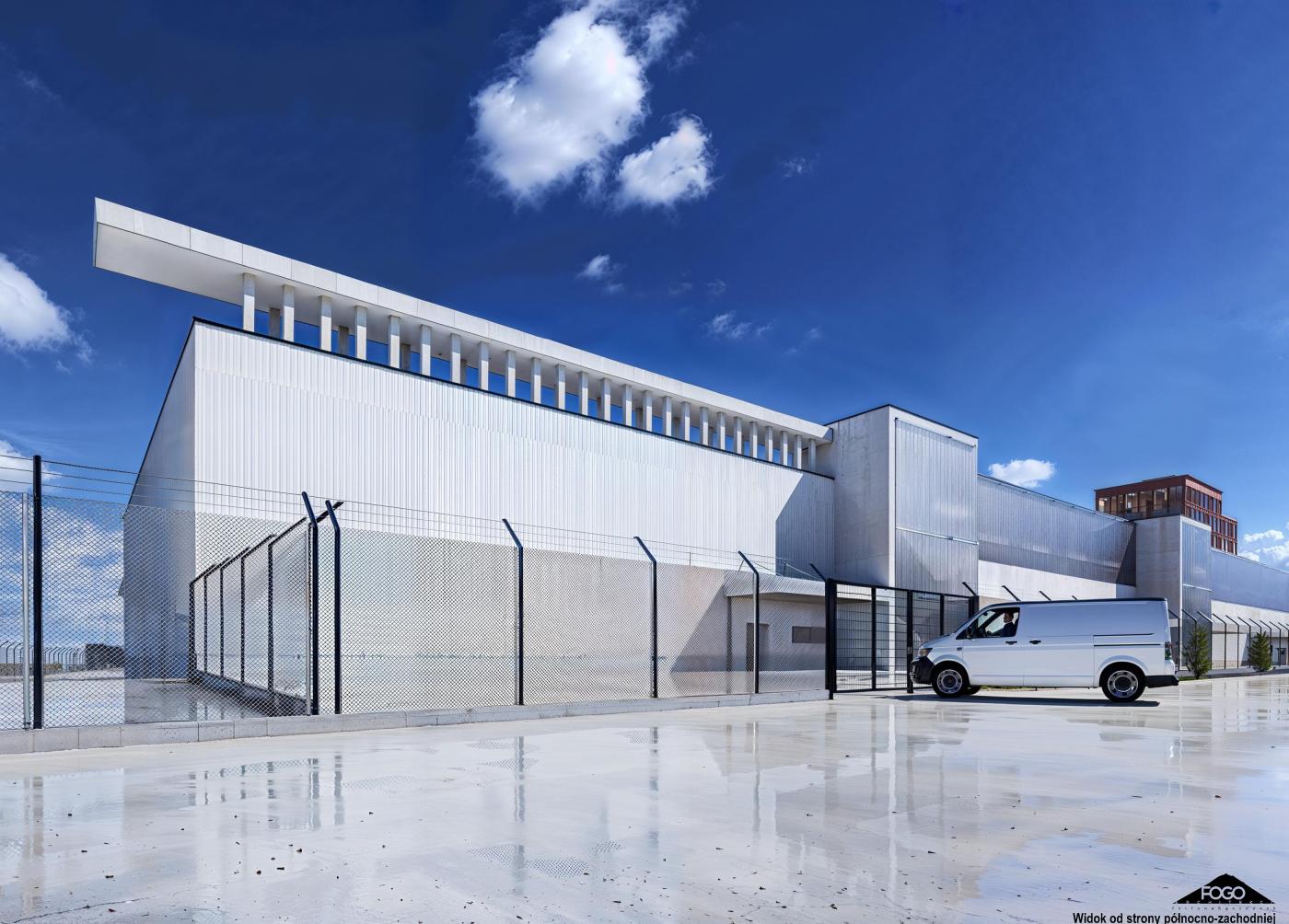
The project, designed by FOGO Architekci, features a nine-story administrative building (6,200 m²) and a three-story inspection hall (9,200 m²). A covered security inspection zone, rooftop parking for 230 vehicles with spiral ramp access, and direct, gated access to the Baltic Hub terminal will ensure seamless logistics. Renewable energy sources will be integrated into the infrastructure, with surplus energy fed back into the grid—aligning with the port’s commitment to sustainability.
Site preparation work has already been completed, including land leveling and the relocation of a post-war bunker to the Mrągowo region. The ZPKG facility will also include security fencing, internal road connections, and full integration with port operations.
Phased execution and investment outlook
The ZPKG is listed under Poland’s long-term investment plan for border crossings. Phase I, involving documentation and design, is estimated at PLN 6.4 million (net), while Phase II, covering full construction and fit-out, is projected at PLN 157 million (net). Completion is slated for 2030.
This development marks another milestone in the Port of Gdańsk’s transformation into a resilient and future-ready logistics hub—poised to meet the growing demands of global maritime trade.
Buy us a coffee, and we’ll invest in great maritime journalism! Support Gazeta Morska and help us sail forward – click here!
Kamil Kusier
redaktor naczelny
gallery





comments
Add the first comment
see also
Navantia and Fincantieri deepen cooperation on the european patrol corvette programme
Galeon Yachts and Meyer Shank Racing: merging luxury yachts with motorsport expertise
Unmanned systems and naval firepower modules. WB Group showcases integrated capabilities at Enforce Tac 2026
Swedish ports record lowest ship calls in 18 years. Implications for the maritime sector
February in Szczecin’s shiprepair sector. Ice, overhauls and North Sea expansion
Advanced ROV trials conducted at CTO to validate subsea technologies for offshore applications
University of Gdańsk and PGZ Naval Shipyard join forces for innovation and security
Stadt Naval to deliver electric propulsion system for Polish rescue vessel Ratownik
Gdańsk port’s Basen Górniczy to gain modern port infrastructure
First month of Jantar Unity operations. Polsca ferry paves the way for Batory program units
ADVERTISEMENT
ADVERTISEMENT