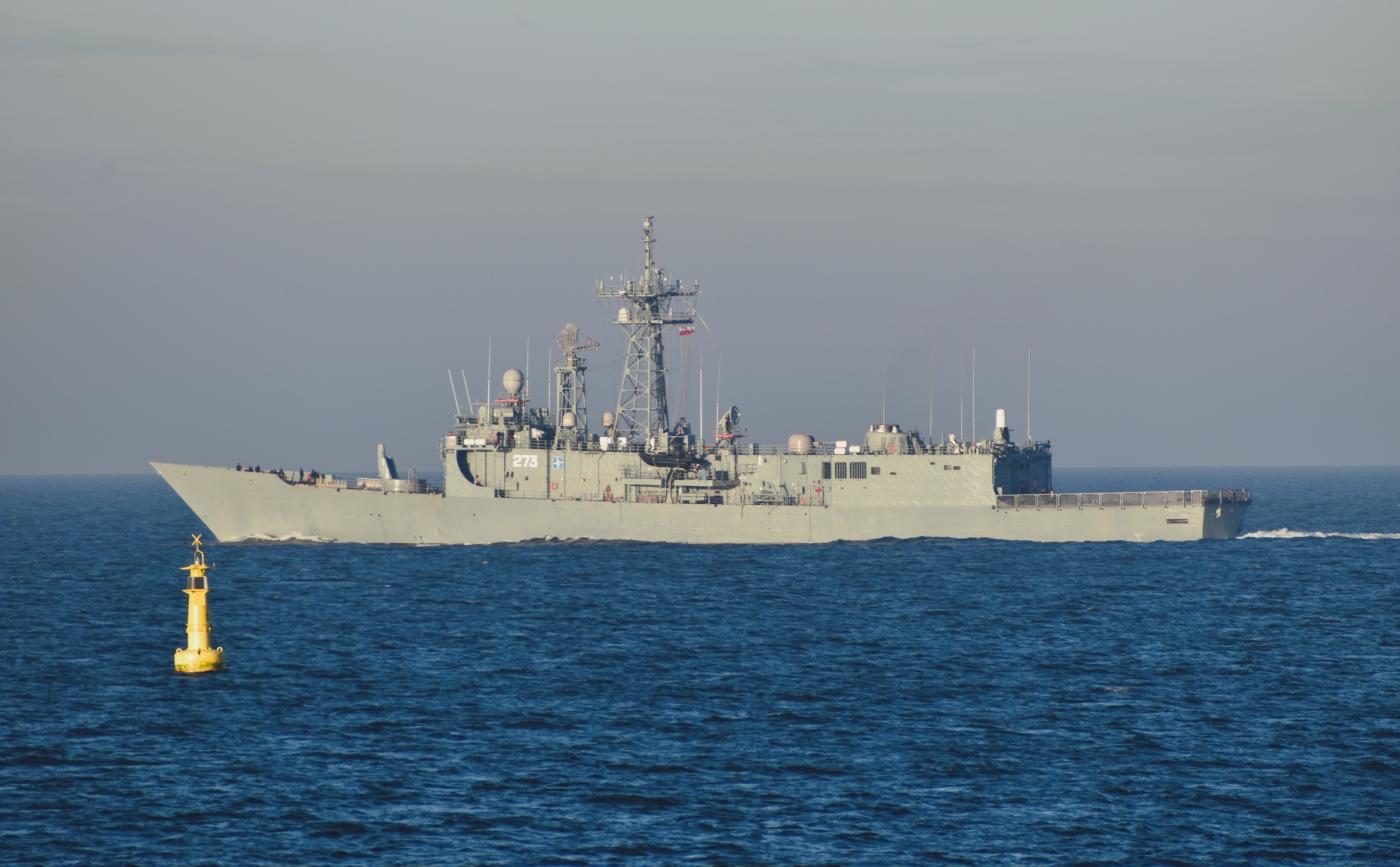
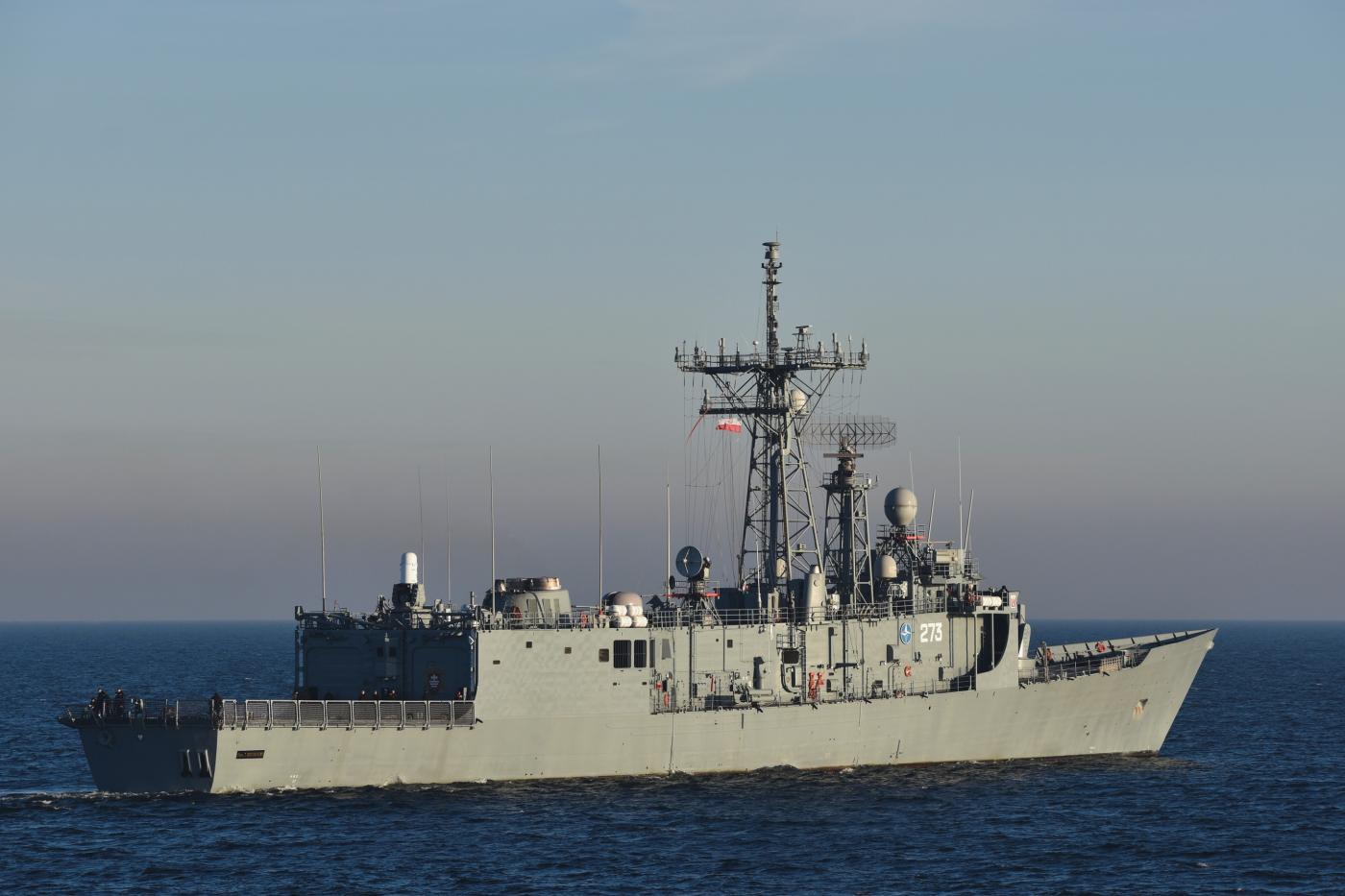
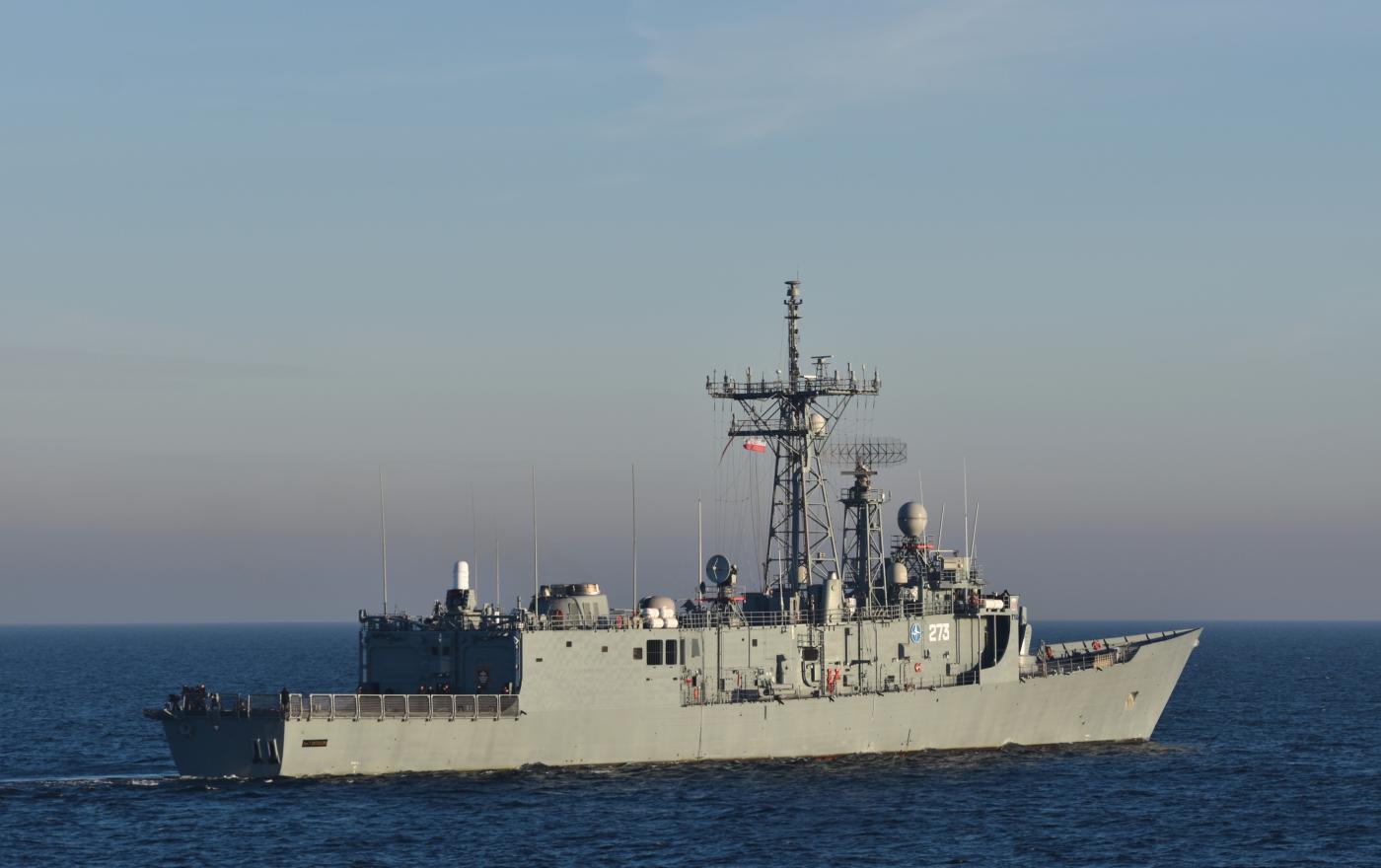
Polish frigate ORP Gen. T. Pułaski conducts torpedo training in the Baltic Sea
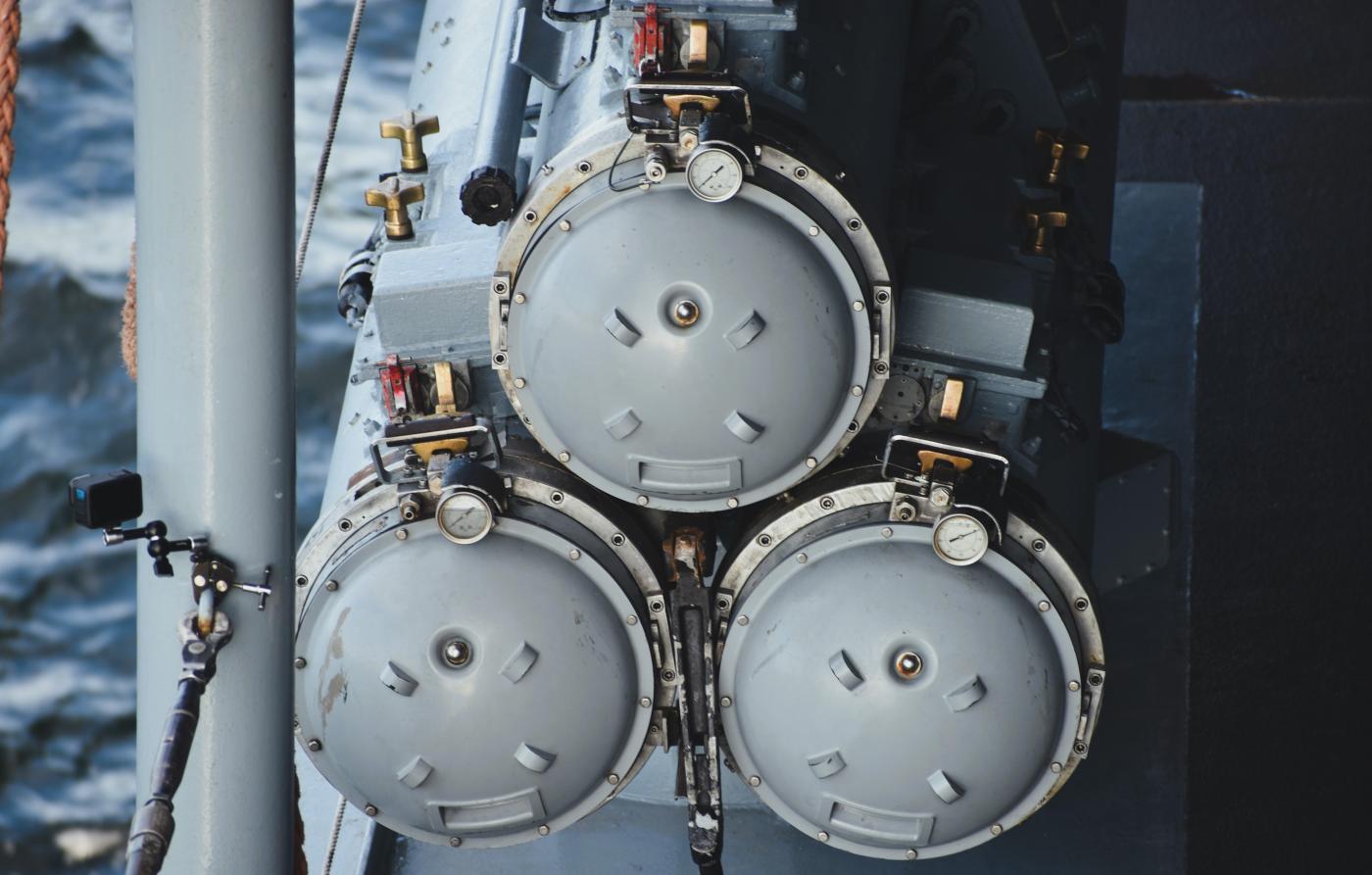
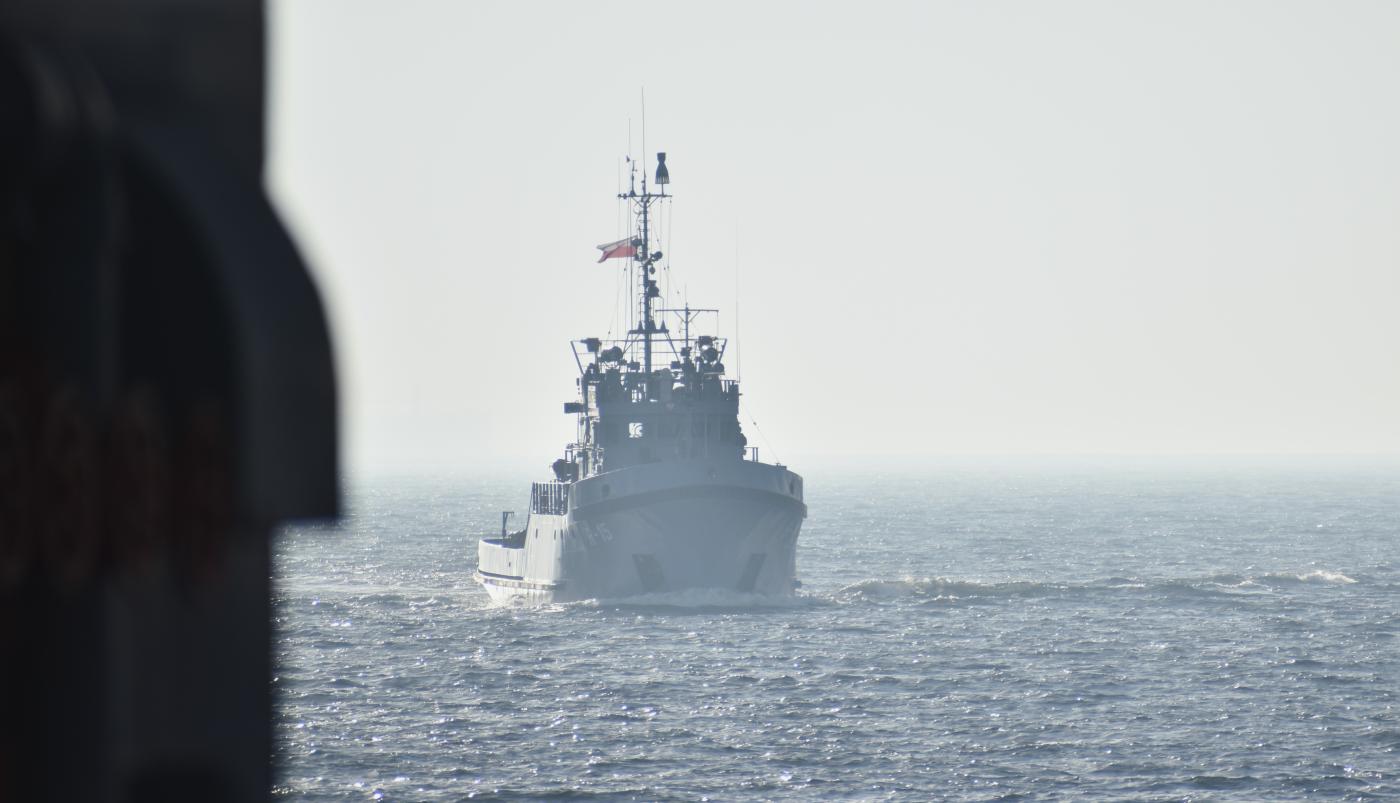
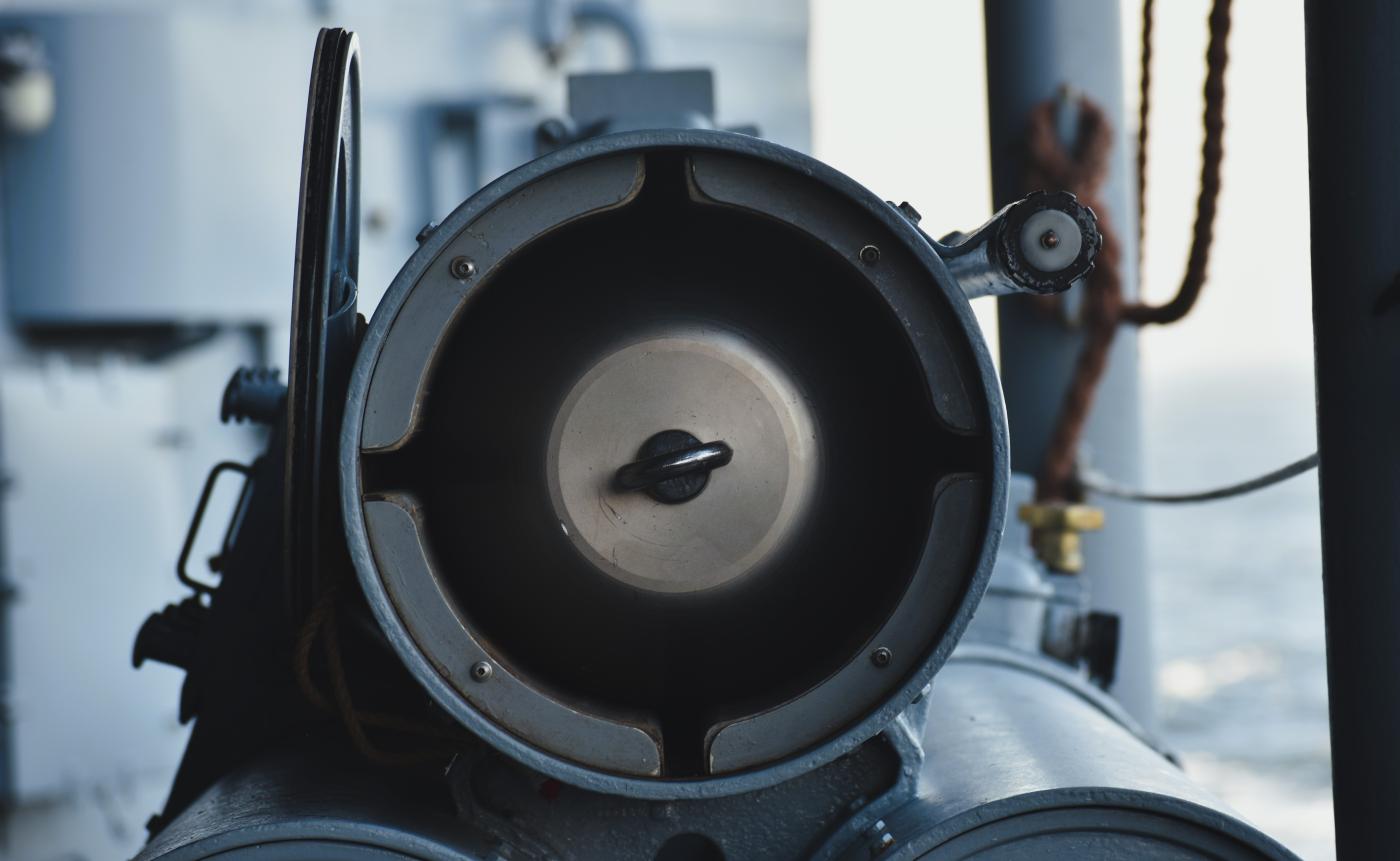
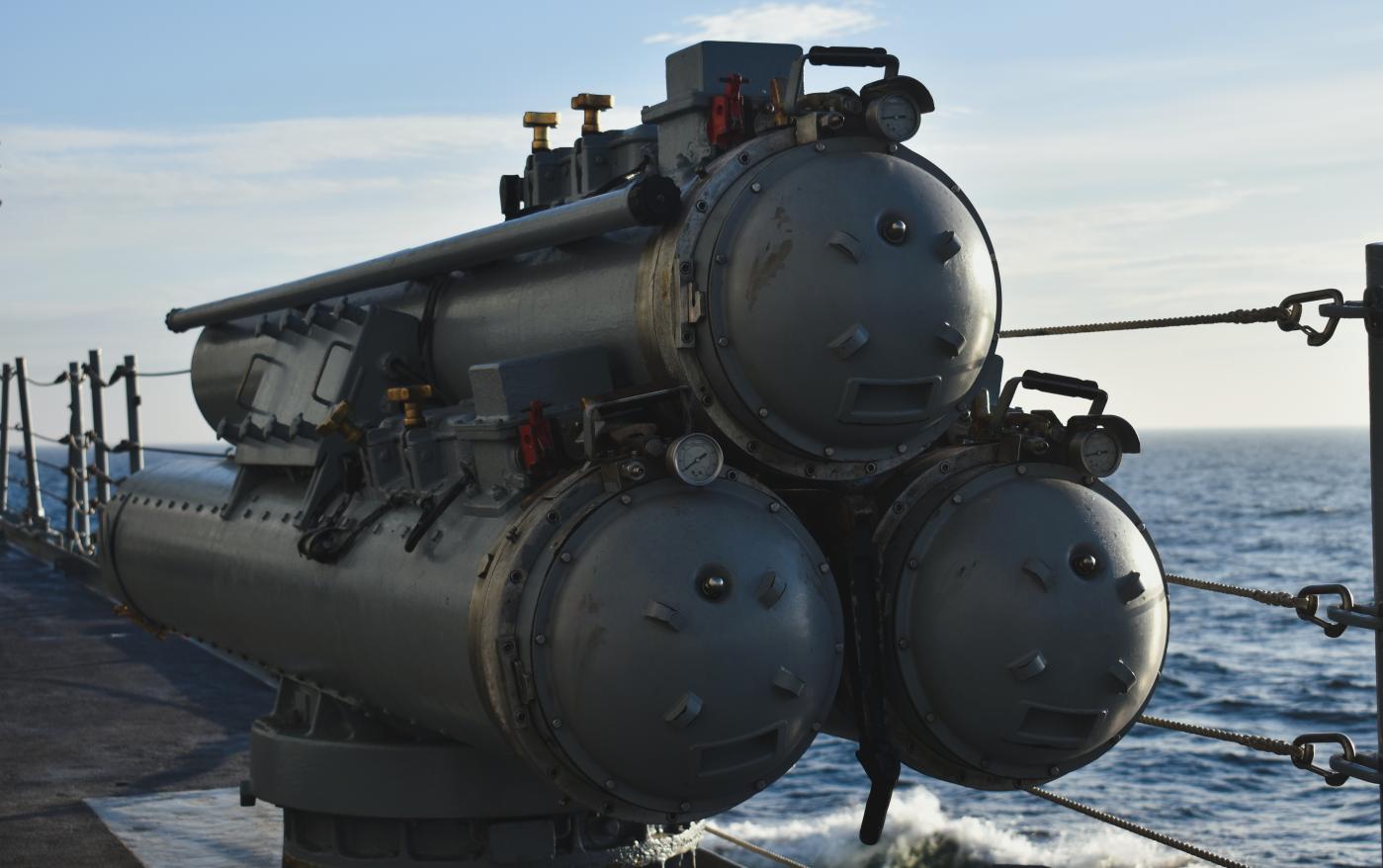
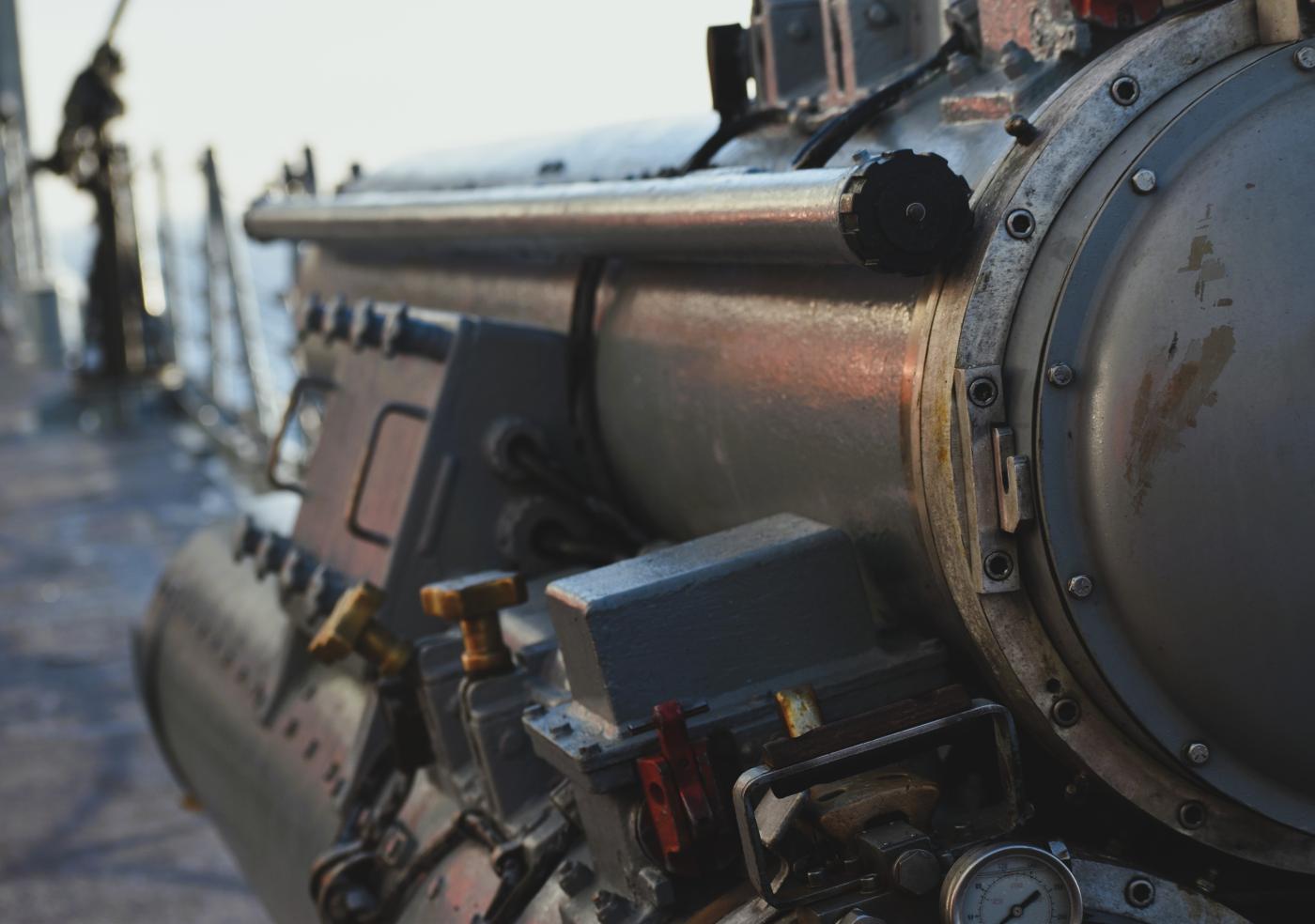
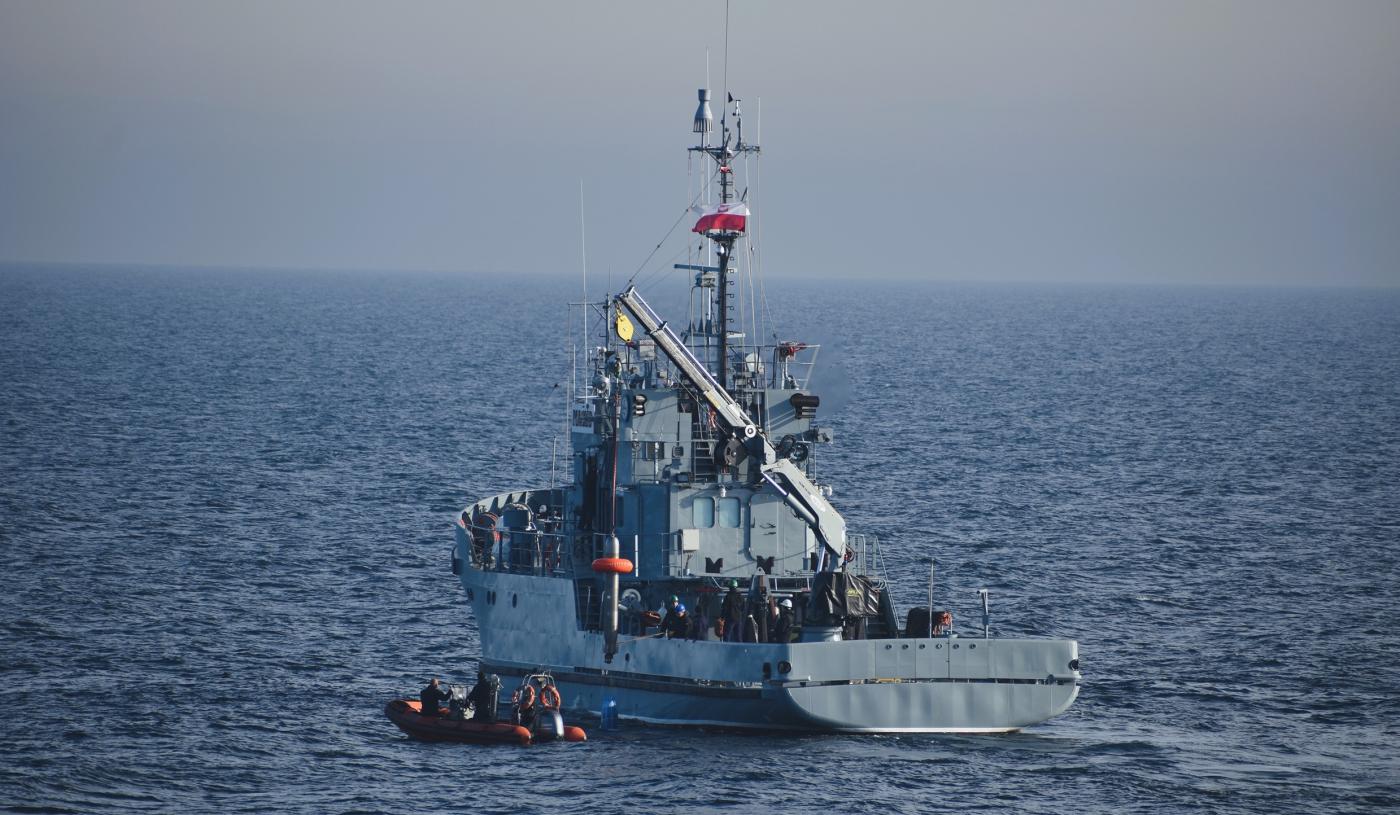
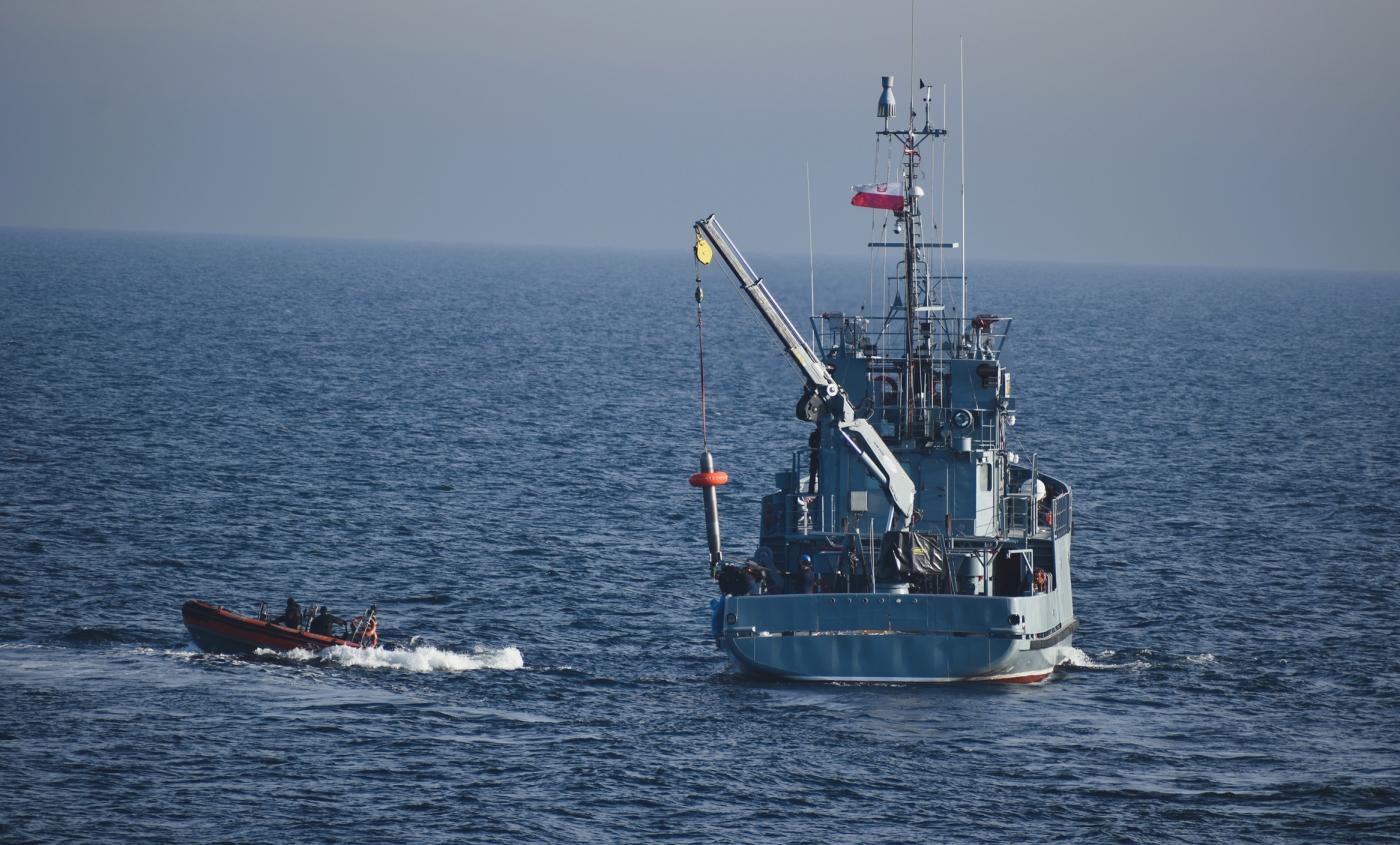
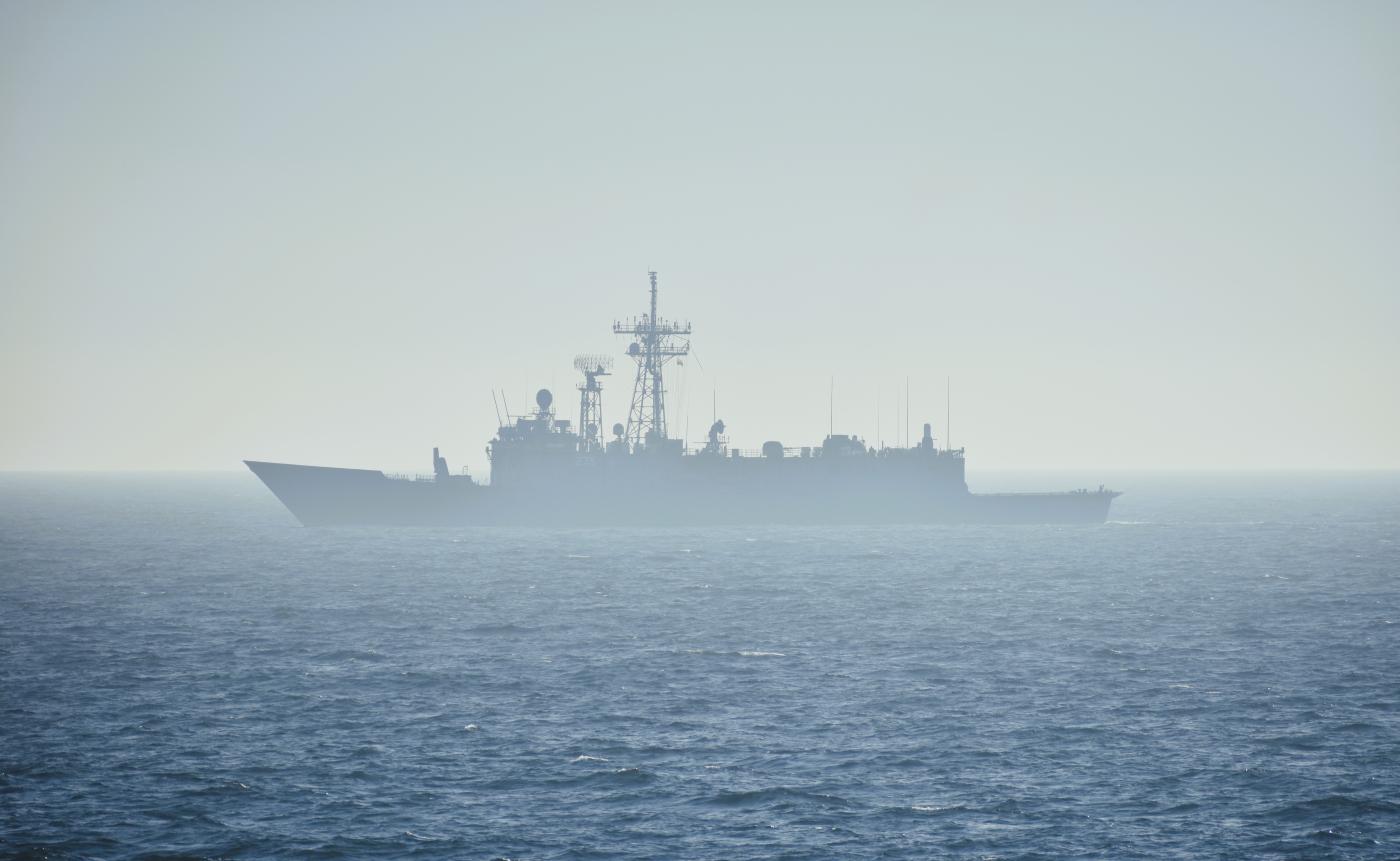
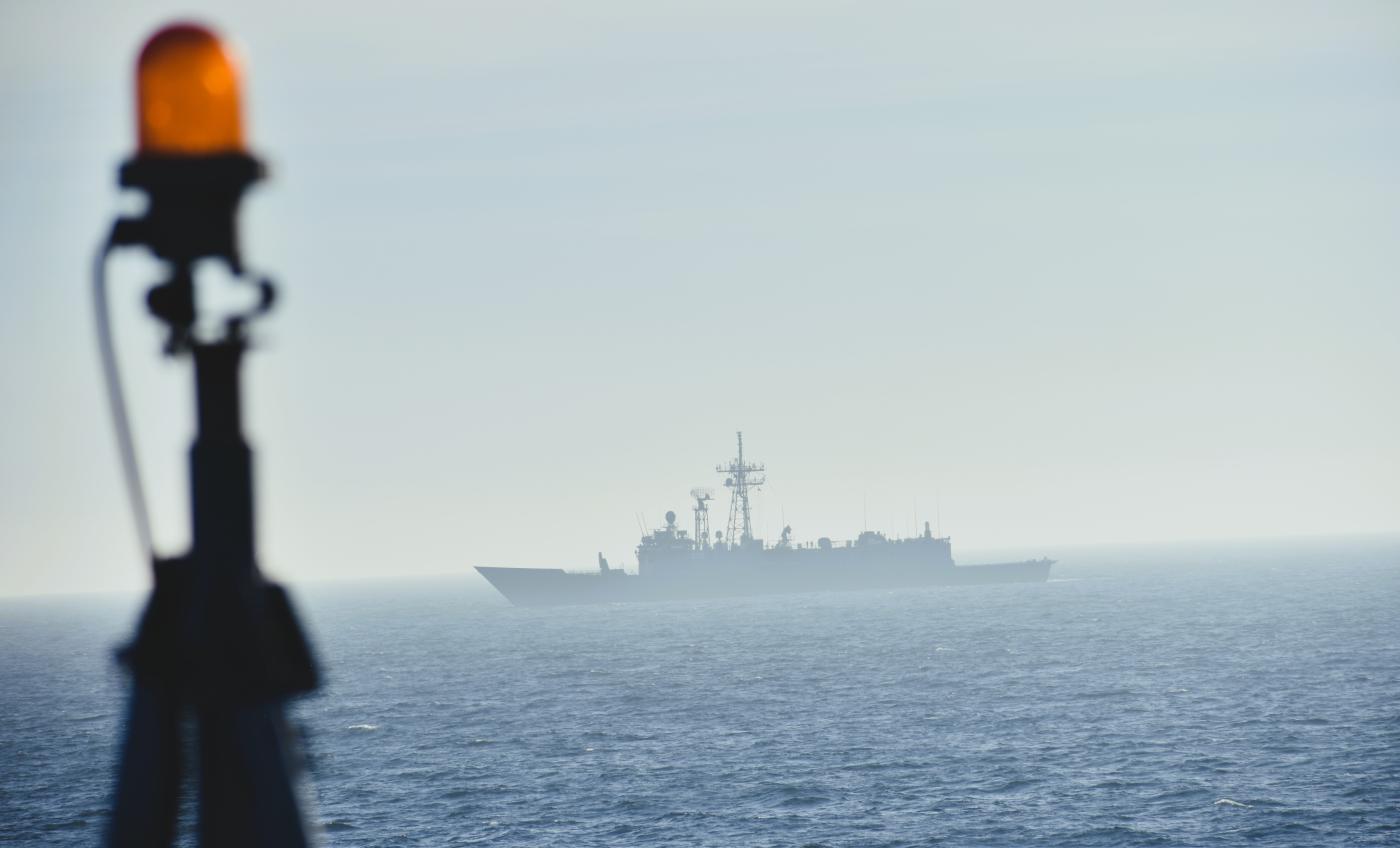
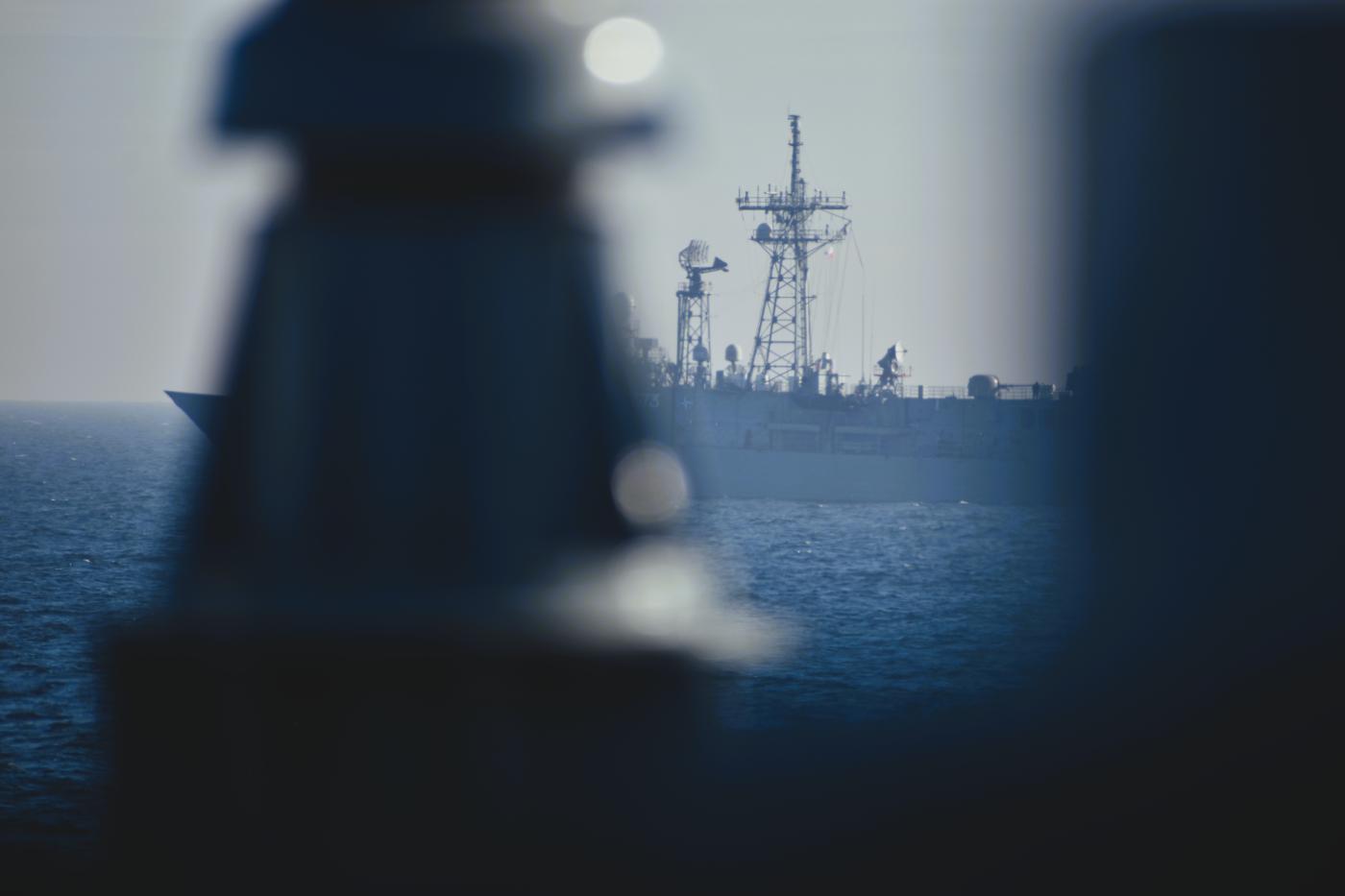
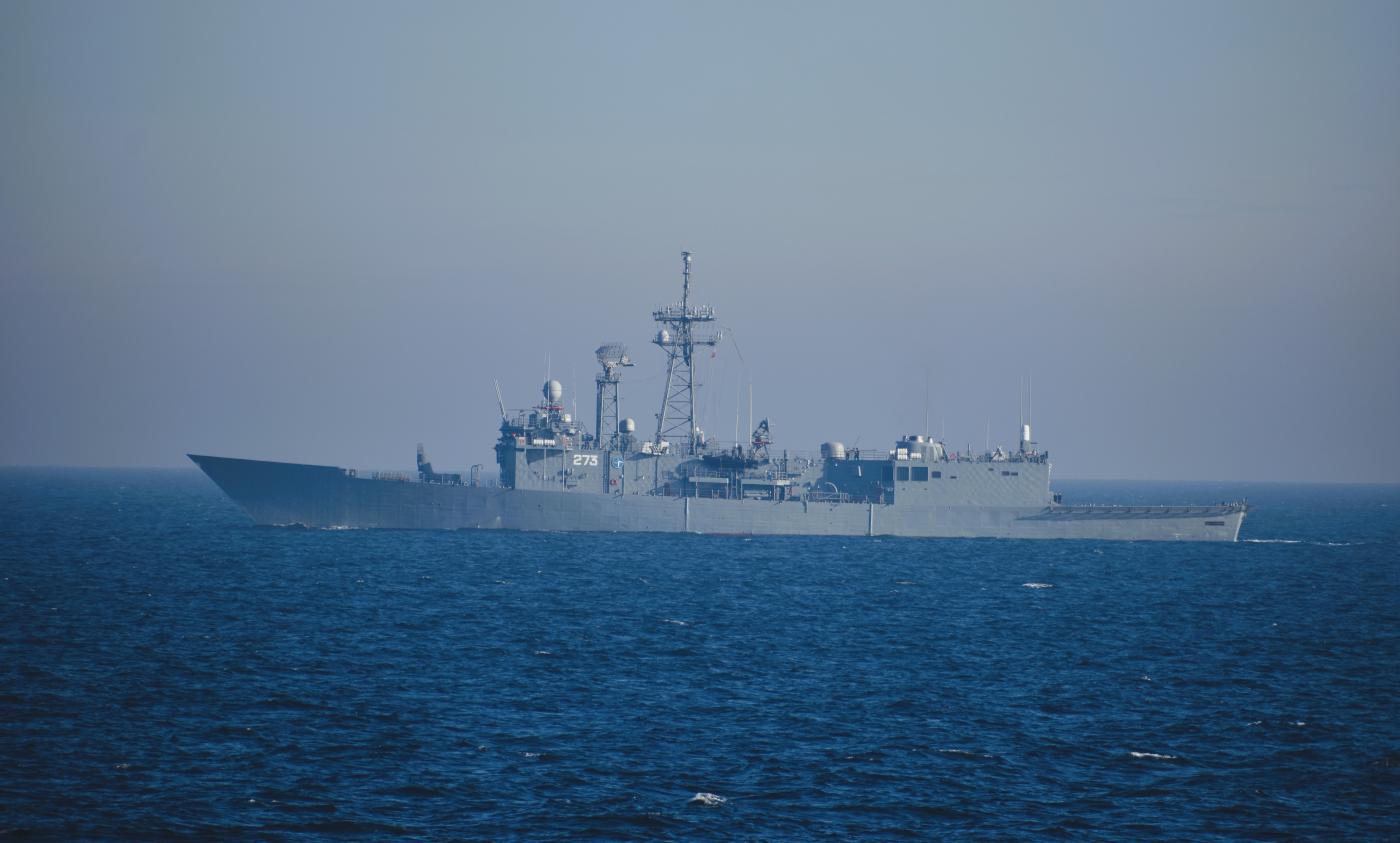
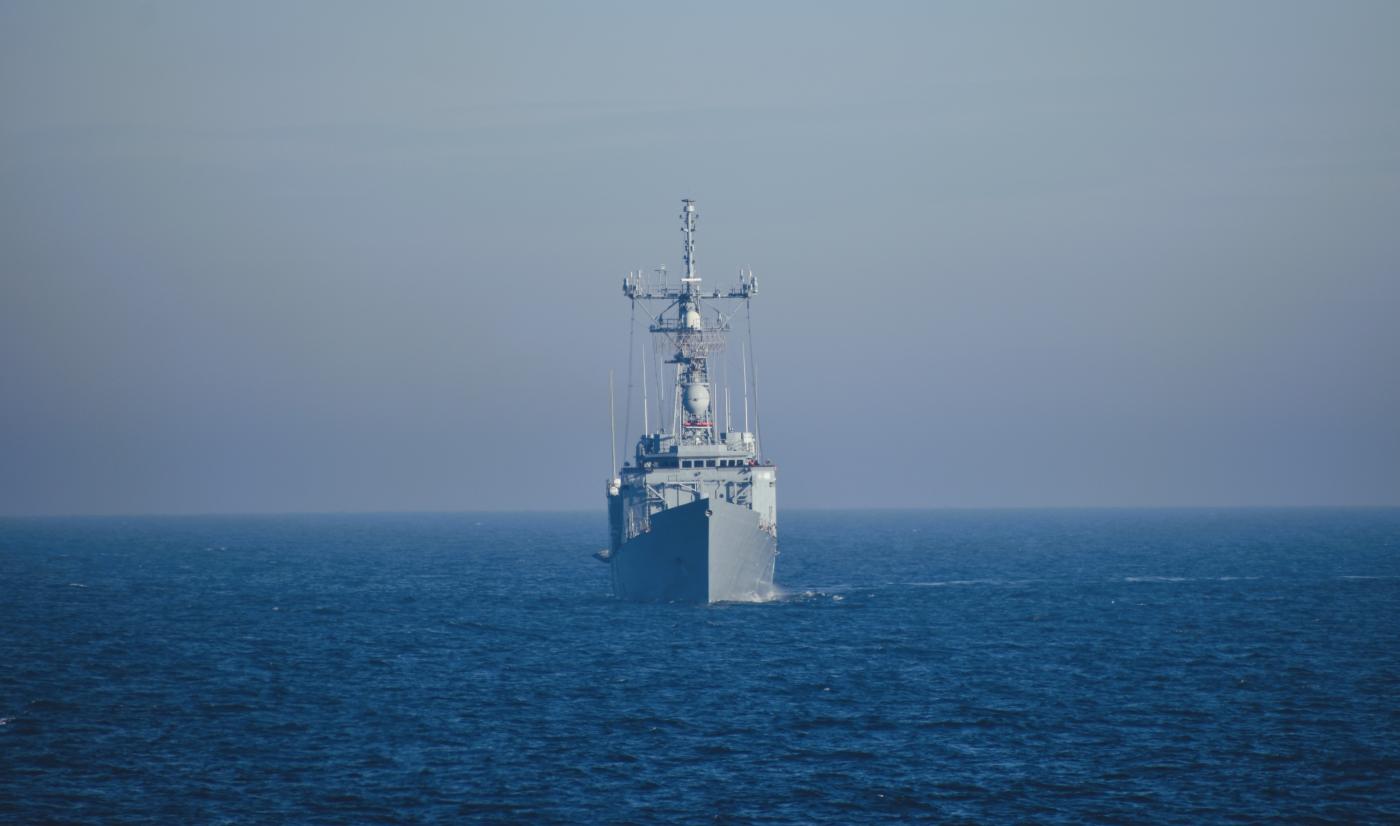
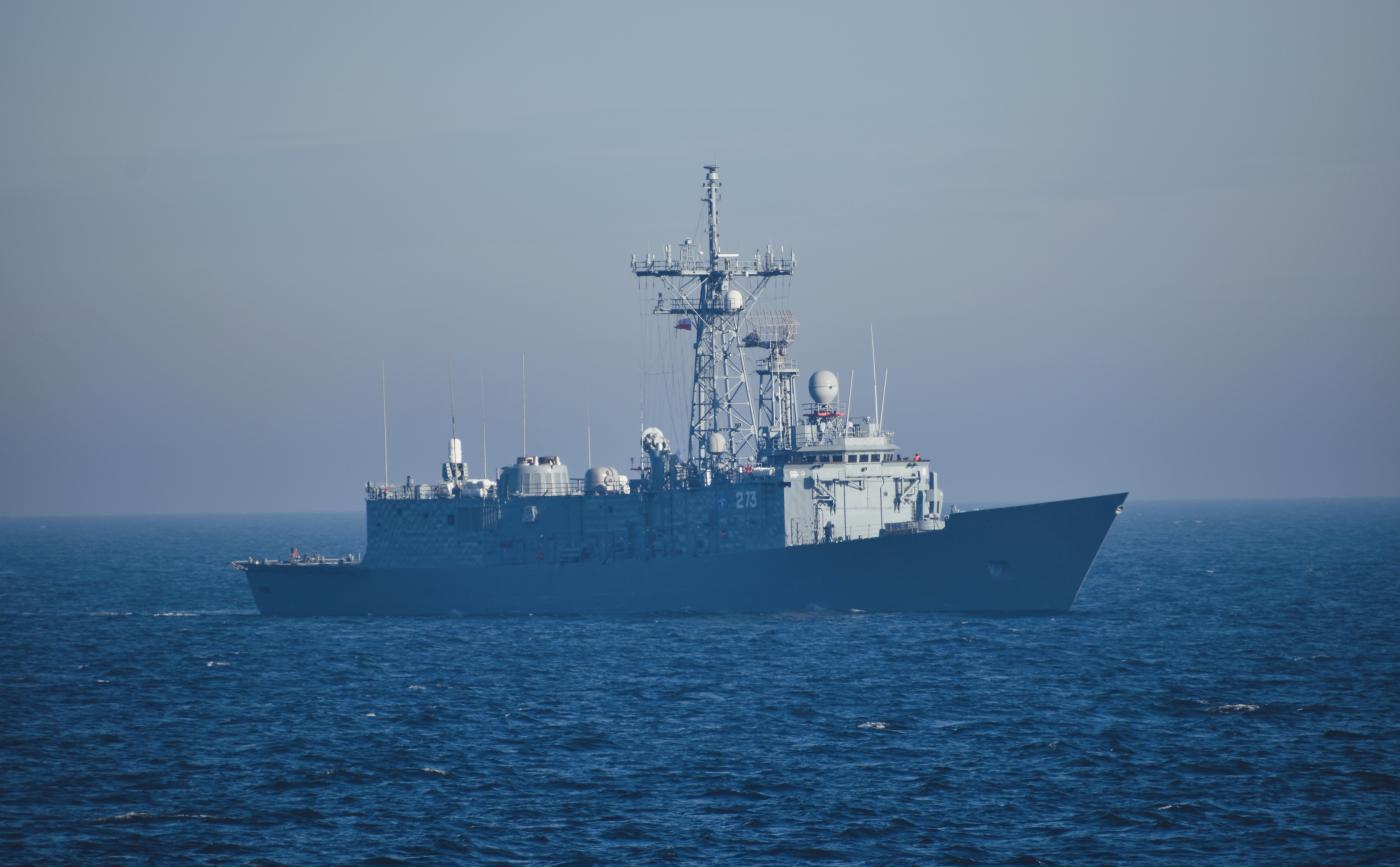
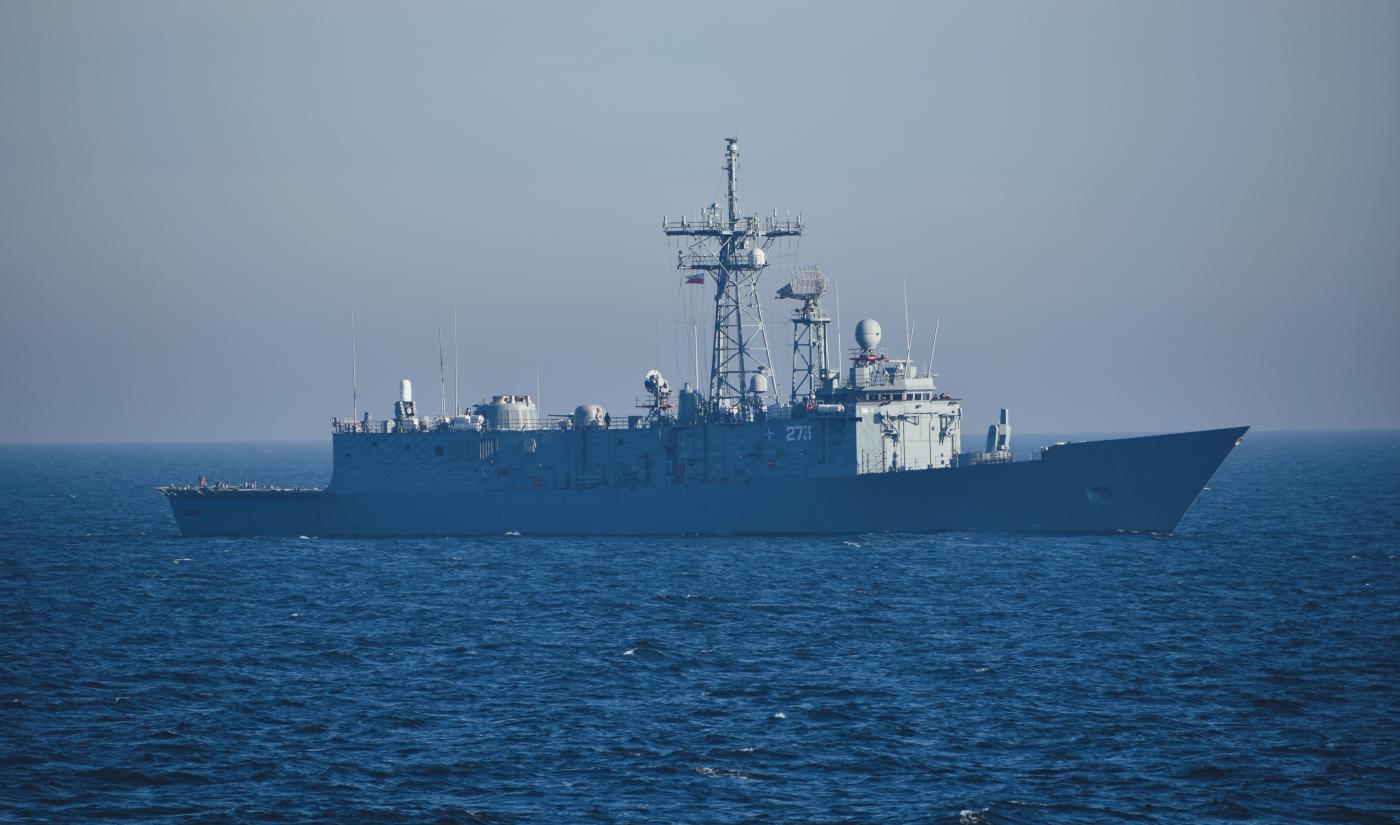
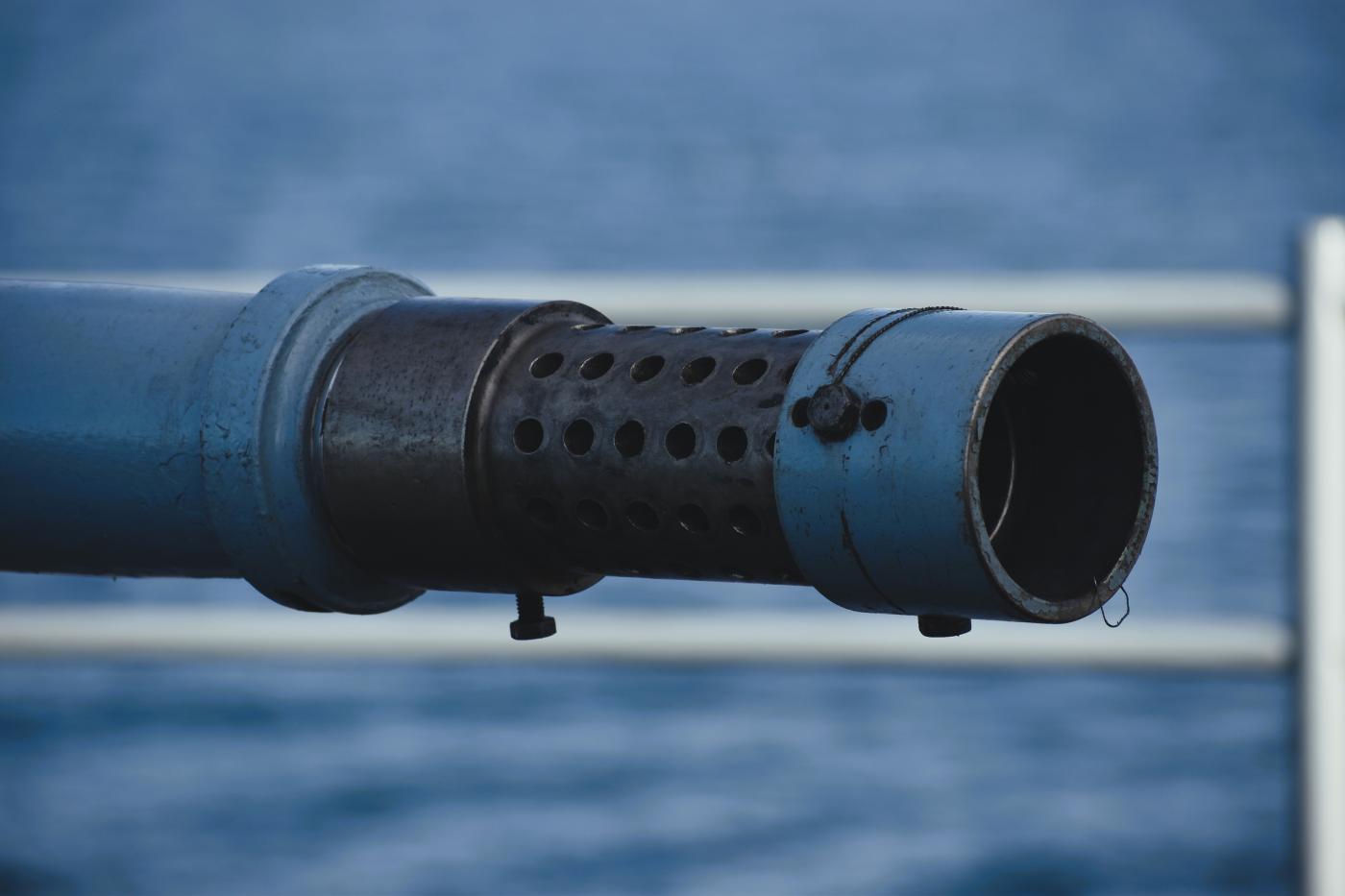
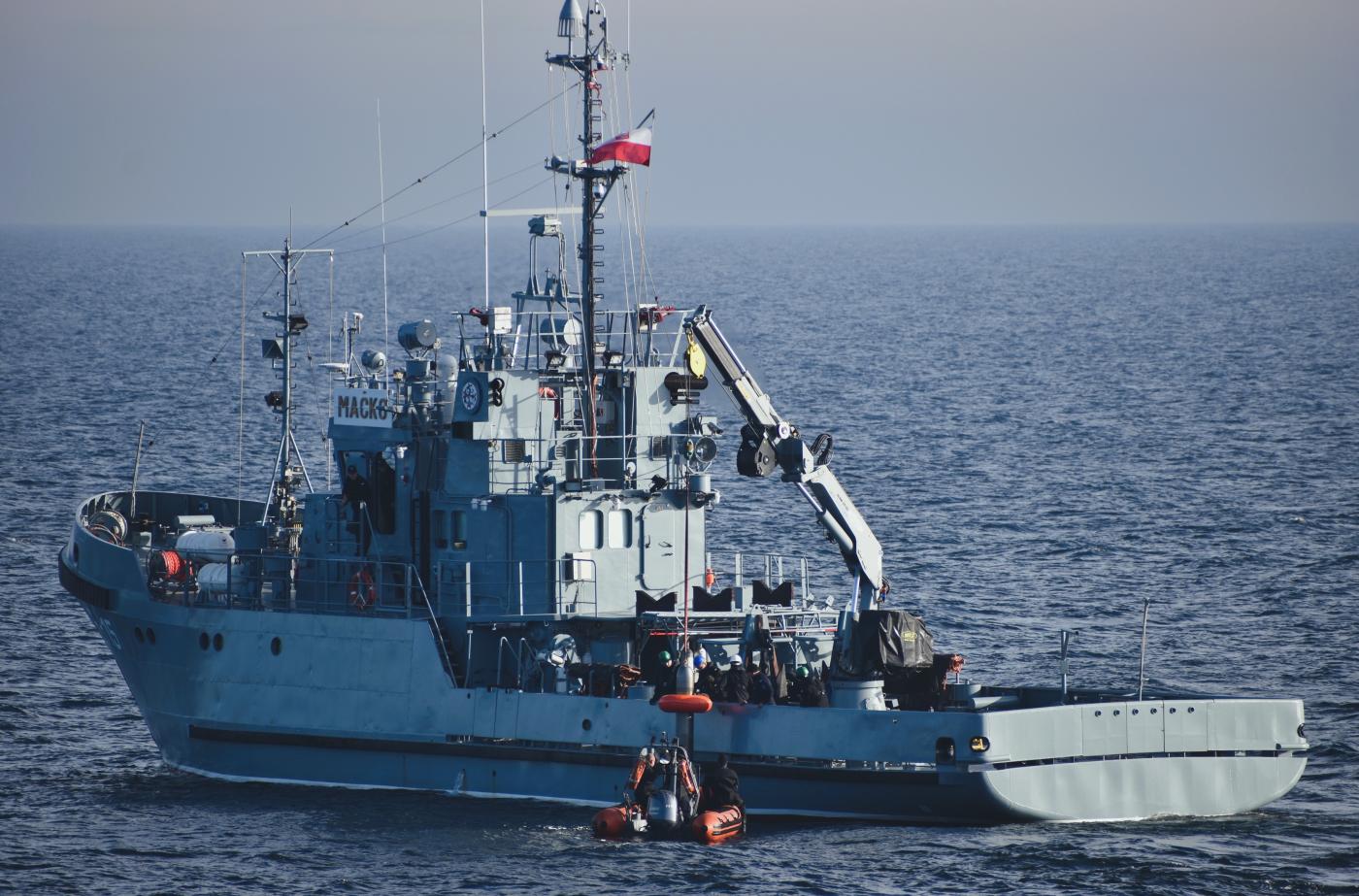
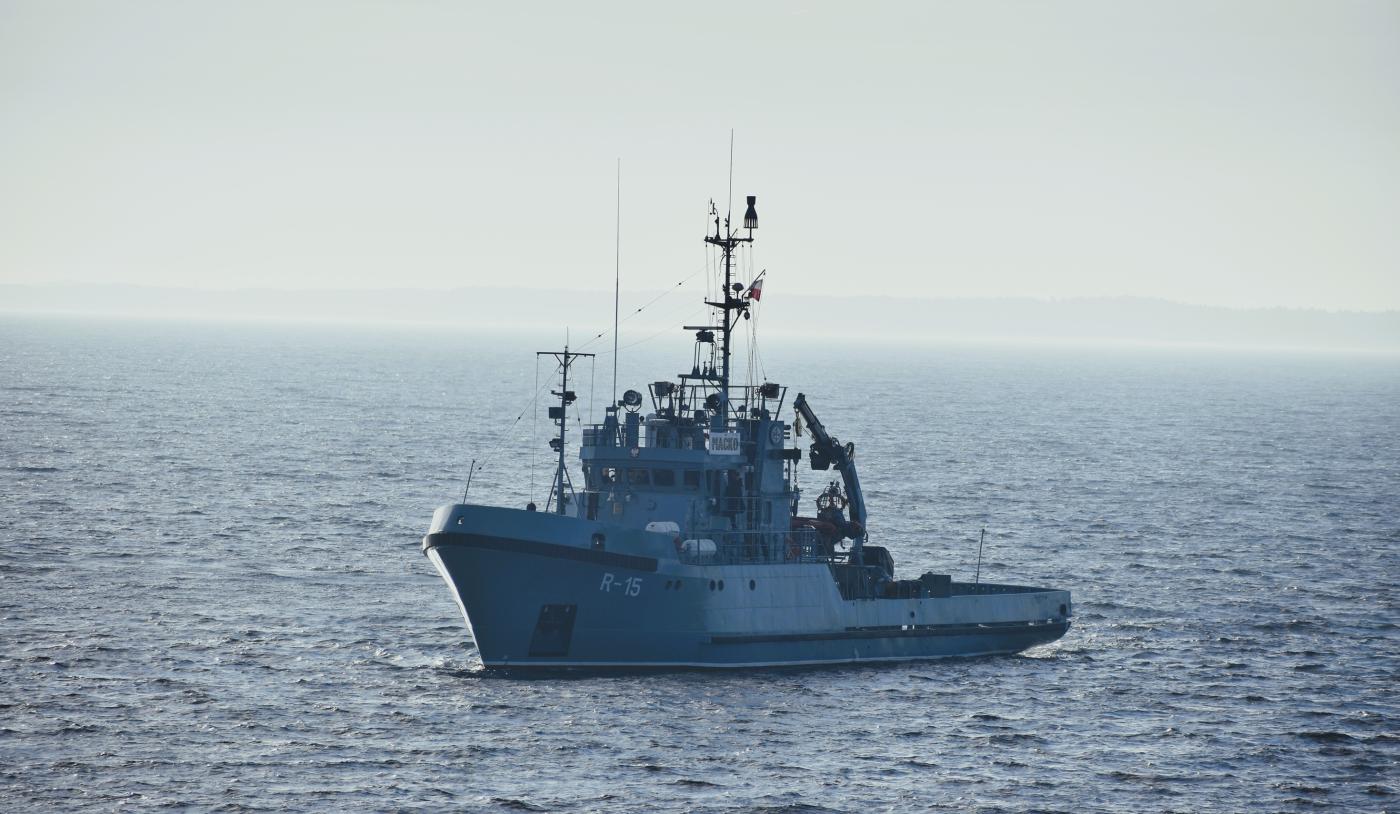
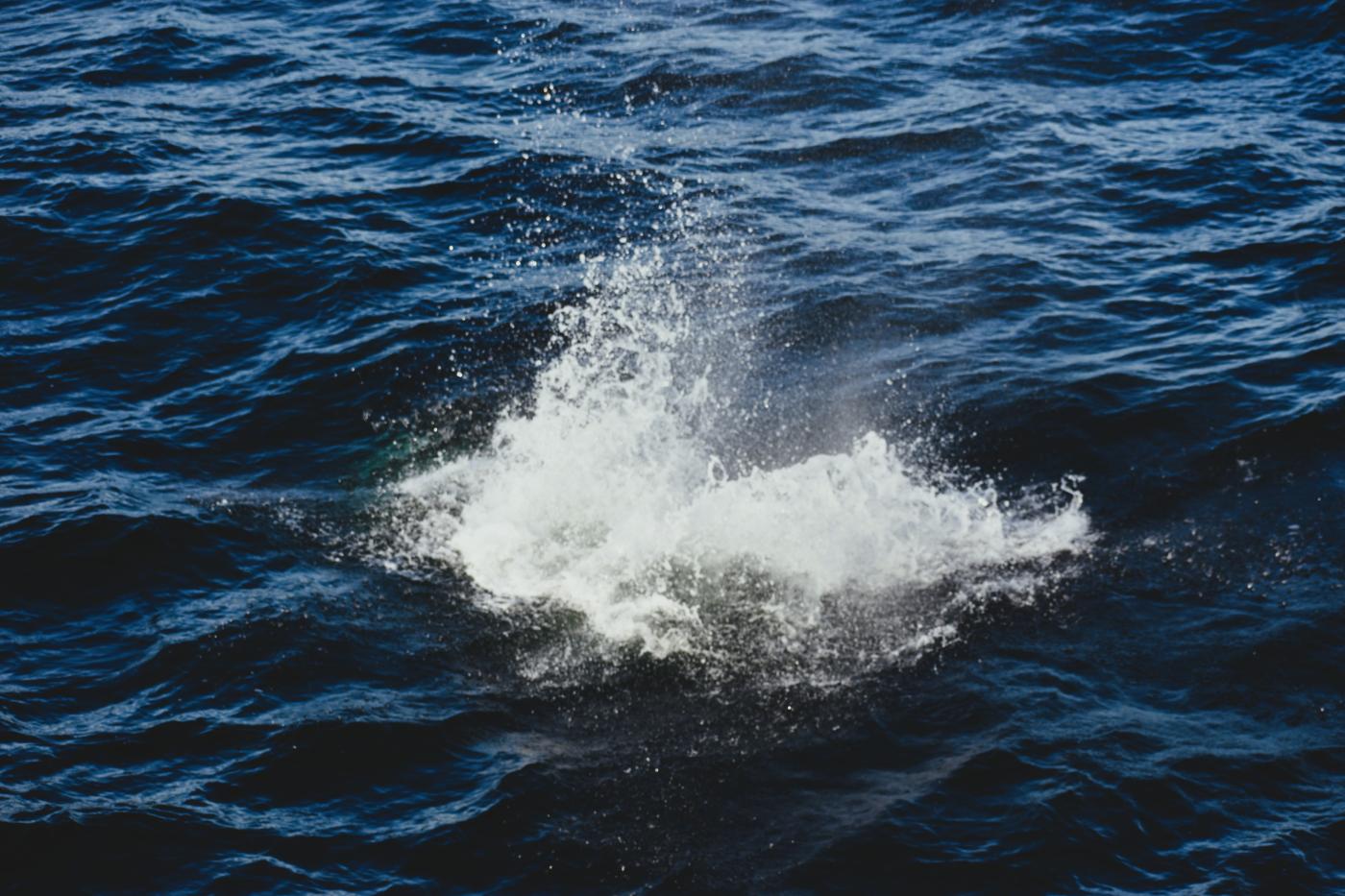
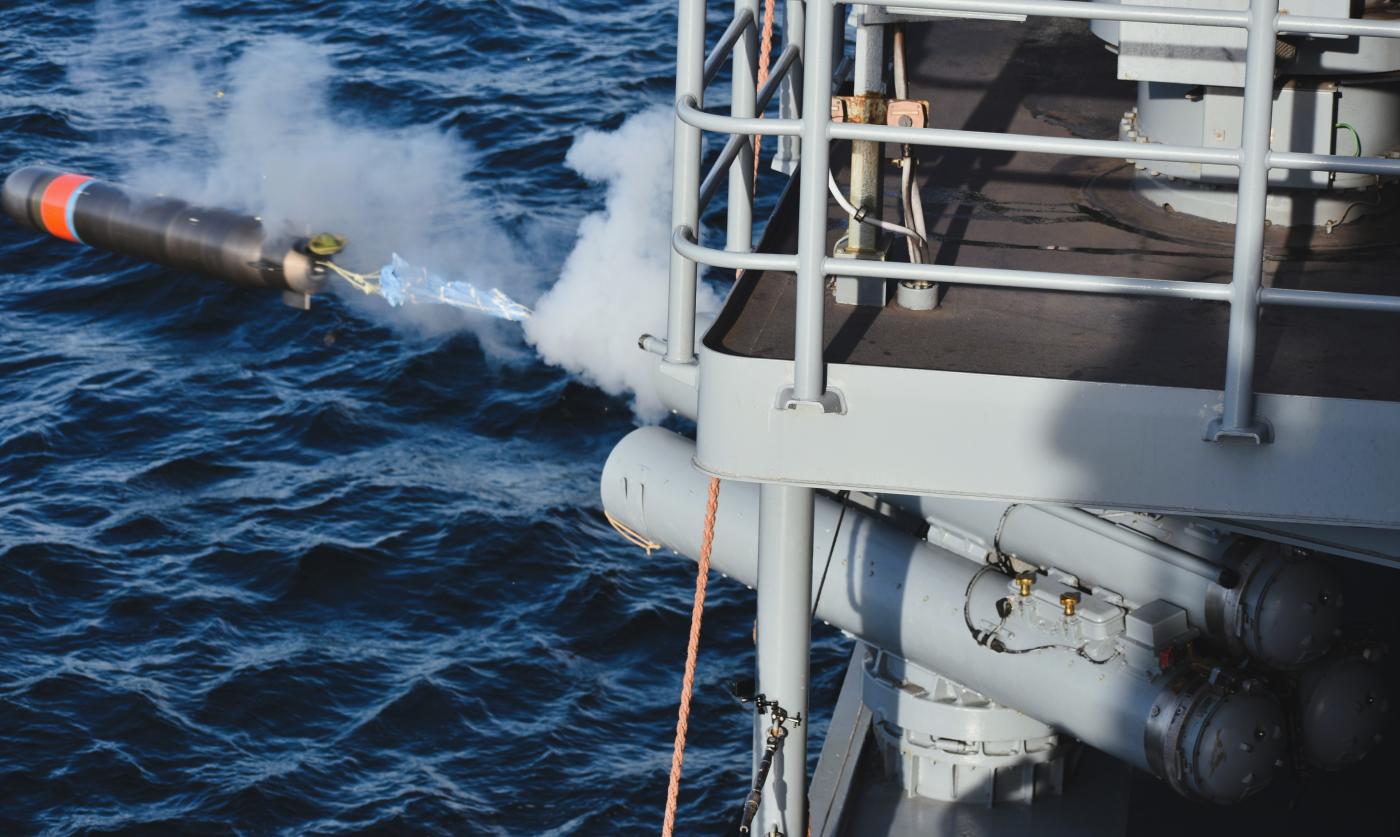
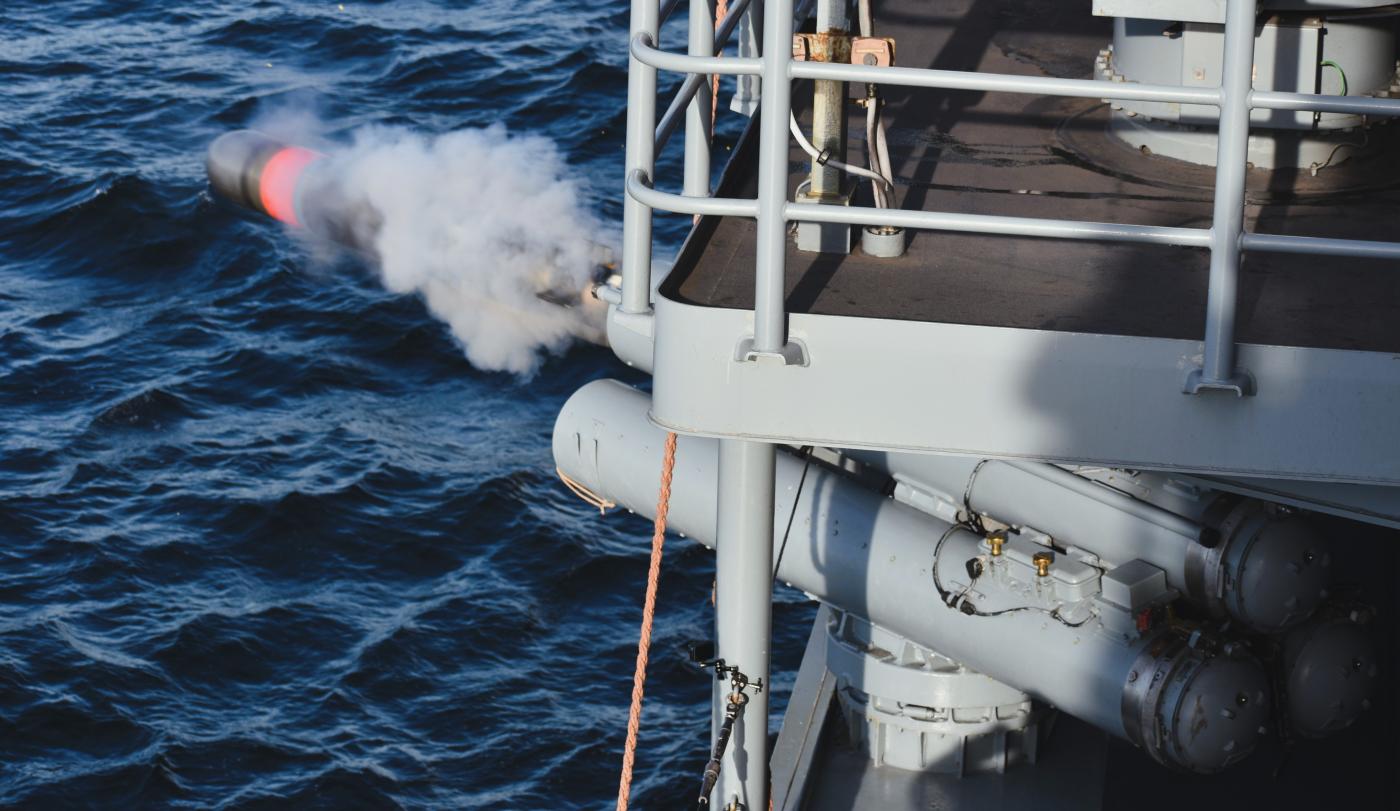
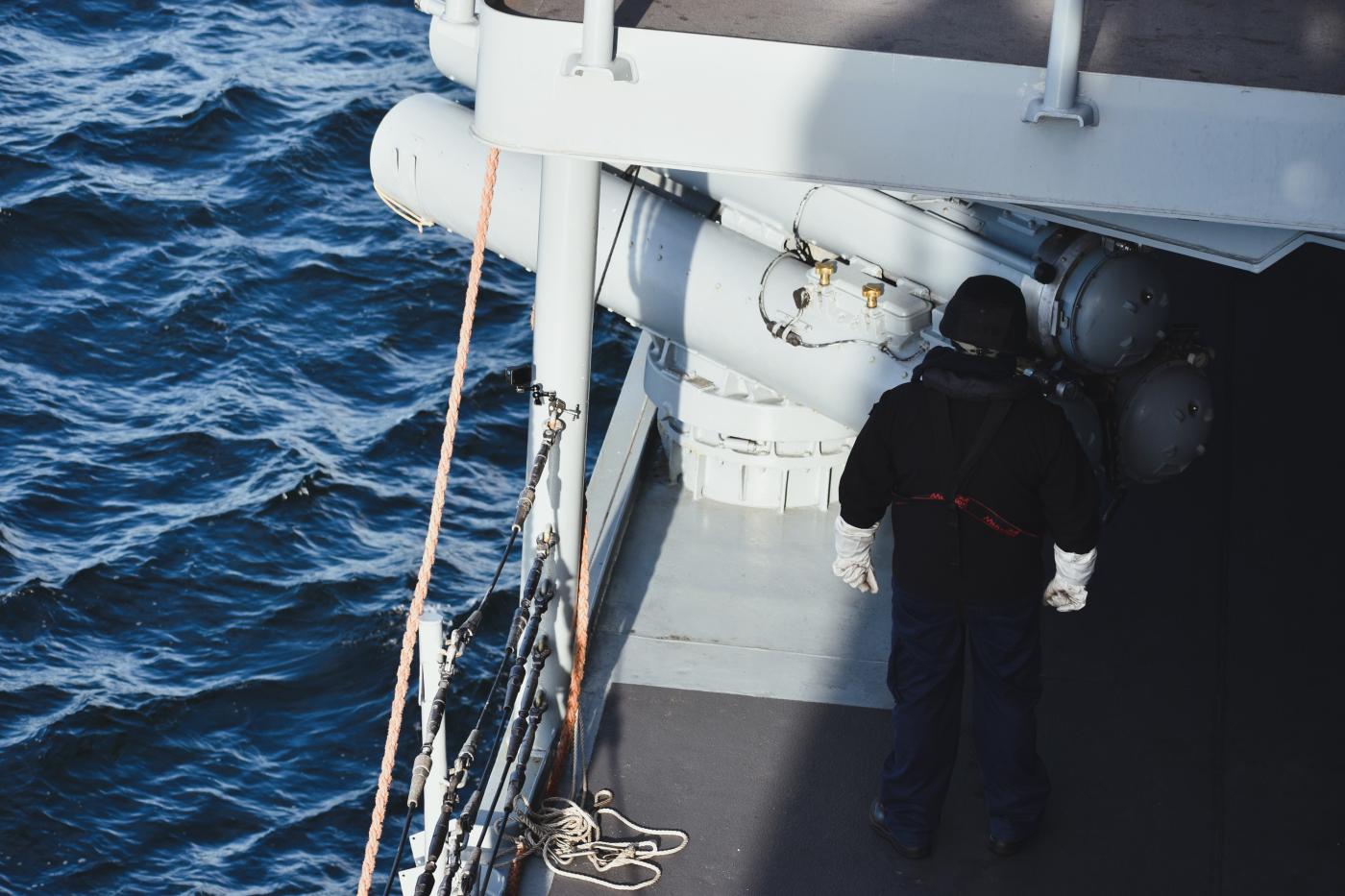
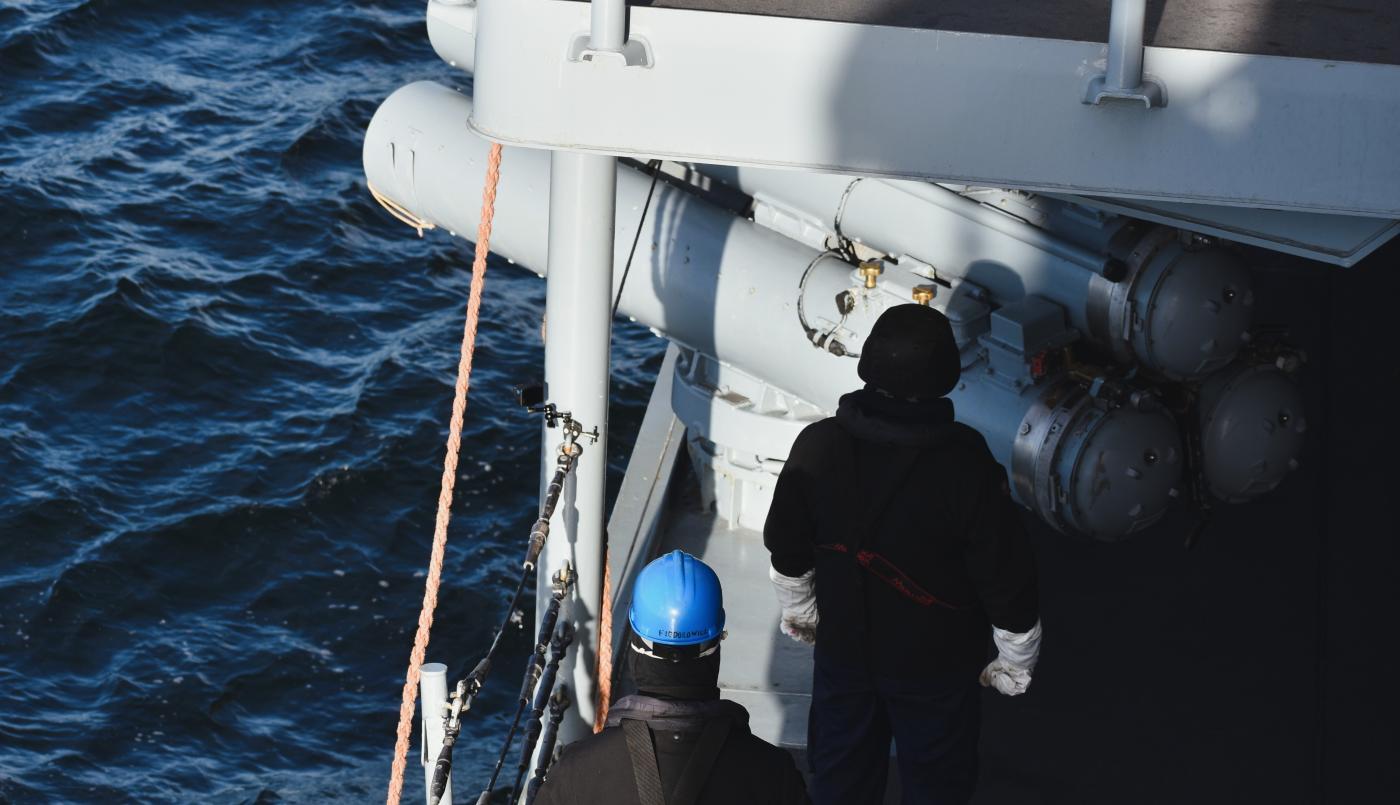
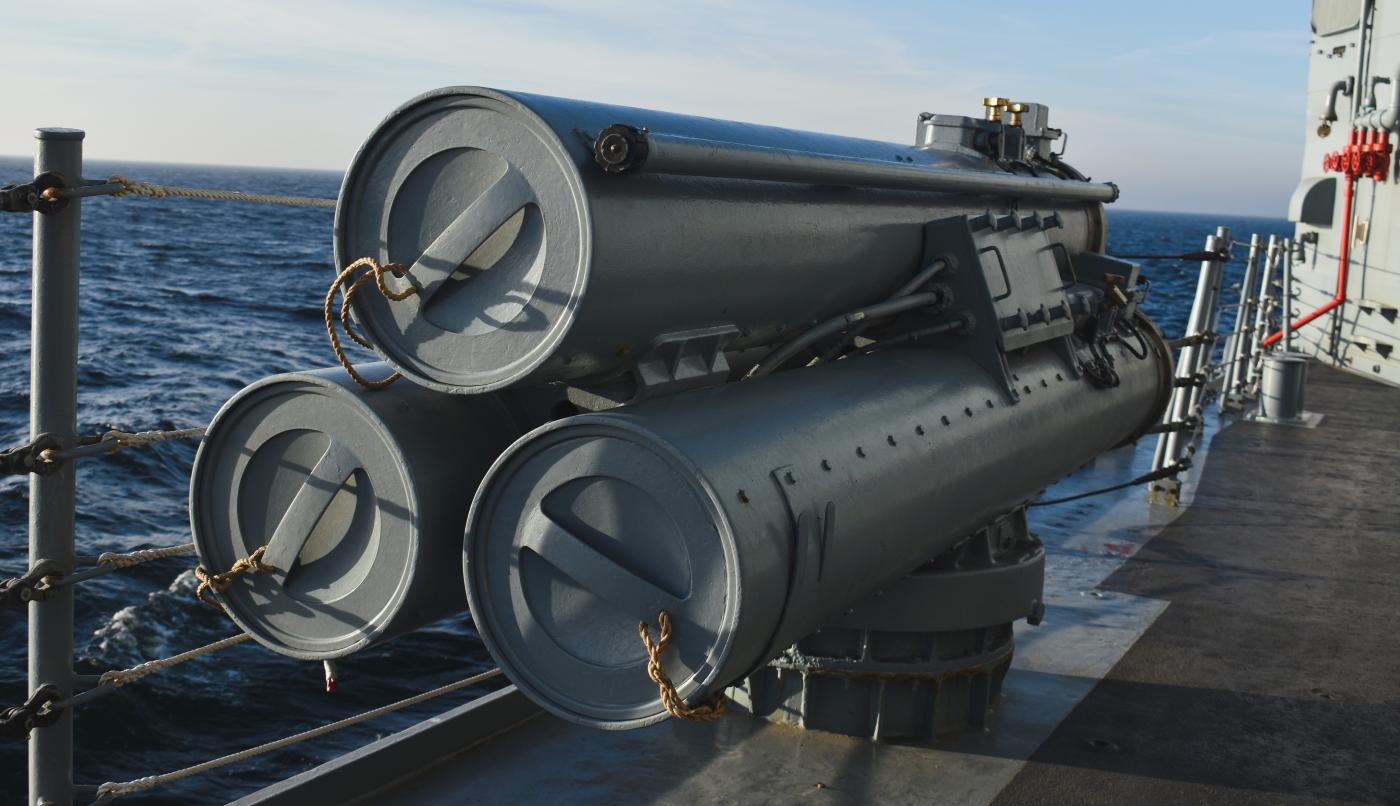
The crew of the Polish Navy’s frigate ORP Gen. T. Pułaski recently conducted a training torpedo firing exercise in the Baltic Sea, employing a MU-90 Impact lightweight torpedo. The operation was supported by the rescue cutter ORP Maćko (R-15) of Project 500, whose crew successfully recovered the exercise torpedo after completion of the firing sequence.
security navy nato news09 november 2025 | 14:12 | Source: Gazeta Morska | Prepared by: Kamil Kusier | Print
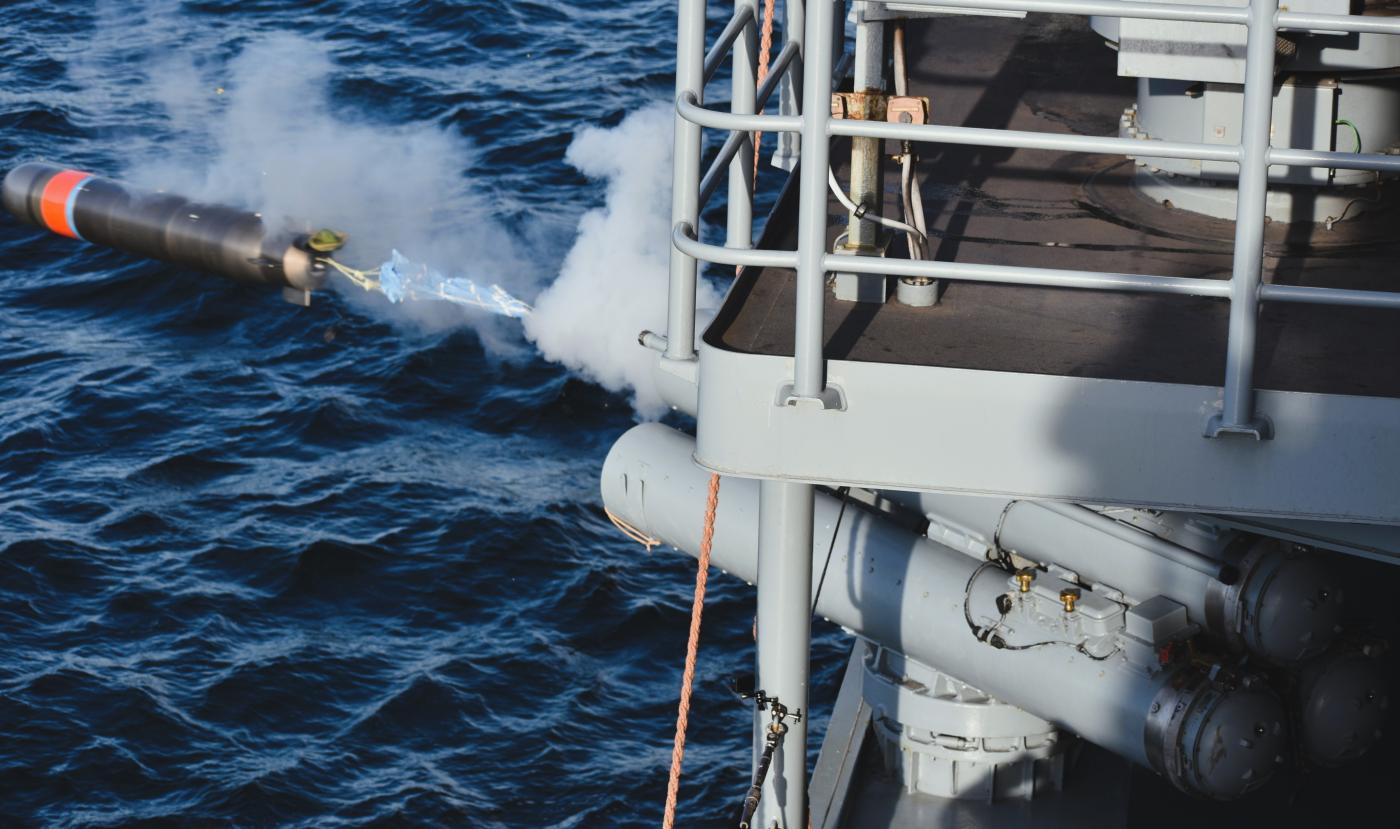
fot. Kamil Kusier / Gazeta Morska
The purpose of the exercise was to enhance crew proficiency in anti-submarine warfare (ASW) and to validate procedures and knowledge acquired during port-based training. The drill was carried out in real maritime conditions using fully operational onboard combat and sensor systems.
MU-90 Impact – advanced lightweight torpedo
The MU-90 Impact is a new-generation lightweight torpedo (LWT) developed by the Franco-Italian consortium EuroTorp (DCNS, WASS, Thales). It serves as the primary ASW weapon of the Polish Navy’s Oliver Hazard Perry-class frigates and ASW helicopters.
Designed to engage modern, deep-diving submarines, the MU-90 features a sophisticated active/passive acoustic homing system capable of simultaneously tracking up to 12 targets. Operating in a “fire-and-forget” mode, the torpedo autonomously seeks and engages its target after launch, requiring no further operator input.
Key technical data (MU-90 Impact):
- Caliber: 324 mm
- Length: 2.85 m
- Weight: approx. 304 kg
- Warhead: approx. 32 kg PBX-3
- Range: up to 25 km
- Speed: over 50 knots
- Operating depth: up to 1000 m
- Propulsion: electric (aluminum-silver oxide battery, emission-free)
For this exercise, a training variant of the torpedo was used, equipped with onboard recorders and telemetry modules for post-mission analysis of trajectory, acoustic conditions, and guidance performance.
Support from rescue cutter ORP Maćko
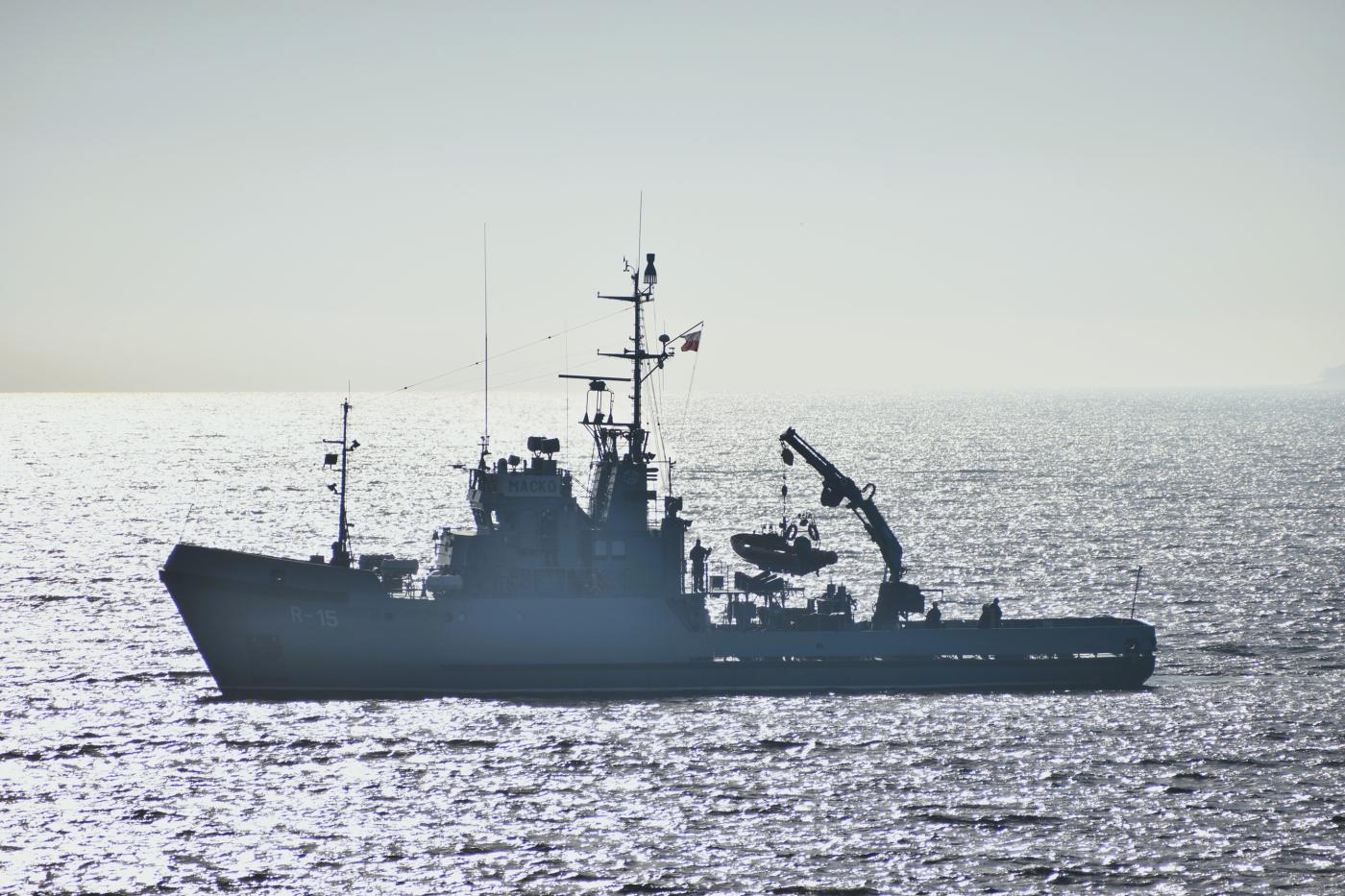
The rescue cutter ORP Maćko (R-15), belonging to Project 500, provided technical and recovery support during the operation. Its primary role was to locate and retrieve the exercise torpedo after completion of the firing.
The vessel is fitted with a deck crane, diving and underwater equipment, and modern navigation and communication systems, enabling effective cooperation with combat units during fleet training and recovery operations.
Training and operational readiness
Torpedo training exercises form a vital part of the ASW training cycle for Polish Navy frigate crews, combining theoretical instruction ashore with hands-on experience at sea.
Such live-fire drills improve coordination between sonar operators, ASW weapons officers, navigation teams, engineering personnel, and communications specialists.
These exercises are conducted under the supervision of the Maritime Operations Centre – Naval Component Command in Gdynia and represent an important contribution to maintaining the operational readiness and ASW capabilities of the Polish Navy.
Buy us a coffee, and we’ll invest in great maritime journalism! Support Gazeta Morska and help us sail forward – click here!
Kamil Kusier
redaktor naczelny
gallery
comments
Add the first comment
see also
Strait of Hormuz at a strategic crossroads: sinking of IRIS Dena and implications for maritime transport
The submarine contract of the decade? Canada weighs South Korea against Germany
When two powers clash, Poland must be ready to act. Military security must be the priority
Commodore Przemysław Karaś appointed deputy commander of the Maritime Operations Centre - Naval Component Command
Radmor hosts delegation from the Republic of Turkey. Advancing maritime security cooperation
French Navy expands global operations from the Pacific to the Red Sea
"Let everyone know we will prevail". Poland’s armed forces set strategic course for 2026-2039
“Army 500” and strategic transformation: Poland sets the course for long-term deterrence and allied readiness
Medical evacuation from offshore vessel in the Baltic. Rescue 511 helicopter and m/s Huragan deployed
Karol Nawrocki: “The strength of the republic lies in its armed forces”. Security requires national unity
ADVERTISEMENT
ADVERTISEMENT