Naftoport expansion strengthens Poland’s energy security
Poland’s Port of Gdańsk is entering a new phase of strategic development with the launch of construction for a sixth crude oil handling berth at Naftoport, the country’s key oil terminal. The project, a collaboration between Naftoport, part of the PERN Capital Group, and the Port of Gdańsk Authority, represents both an operational upgrade and a significant step in securing Poland’s long-term energy independence.
business power engineering maritime economy investments pomerania ports tricity news13 november 2025 | 14:12 | Source: Gazeta Morska | Prepared by: Kamil Kusier | Print
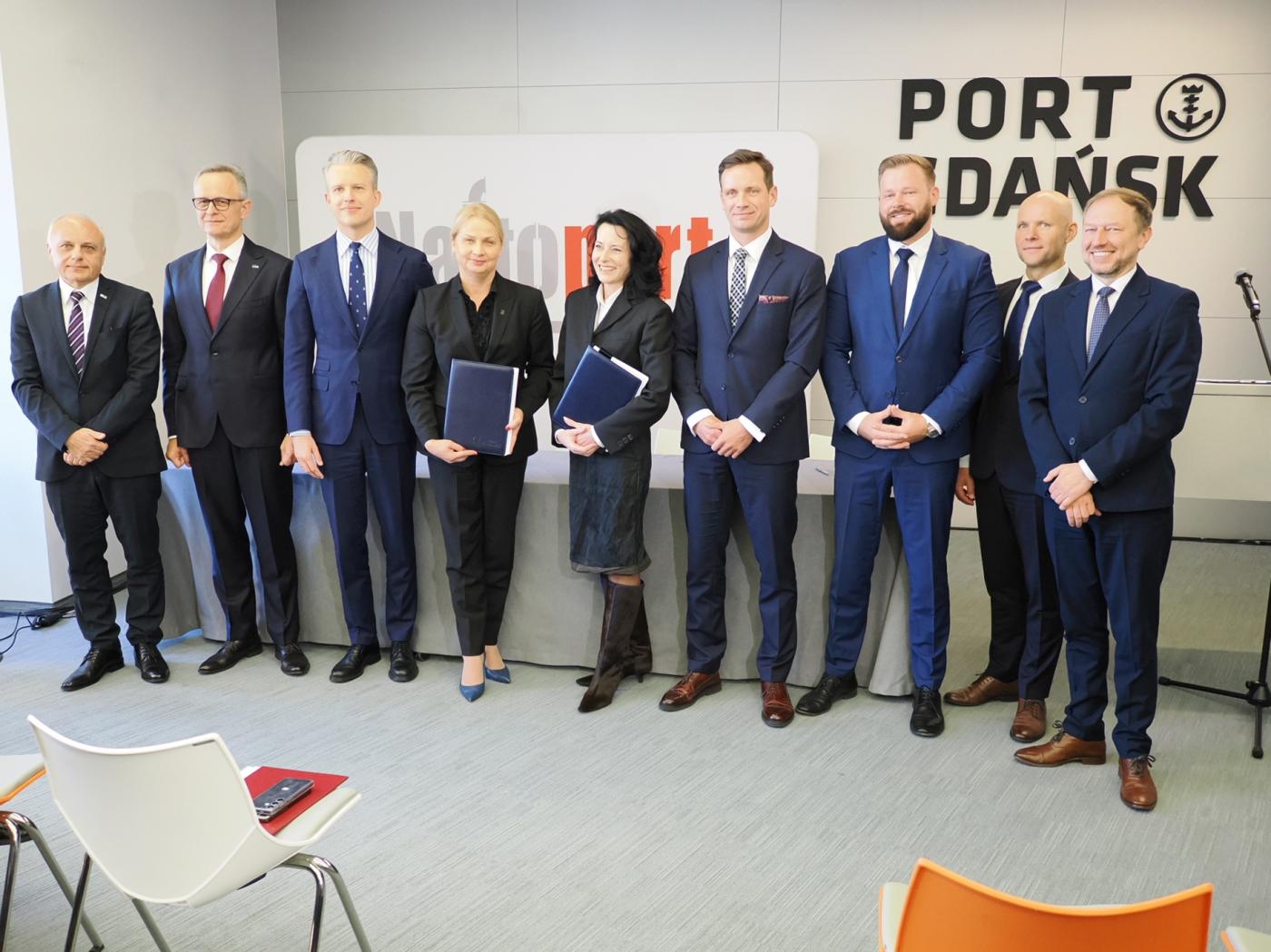
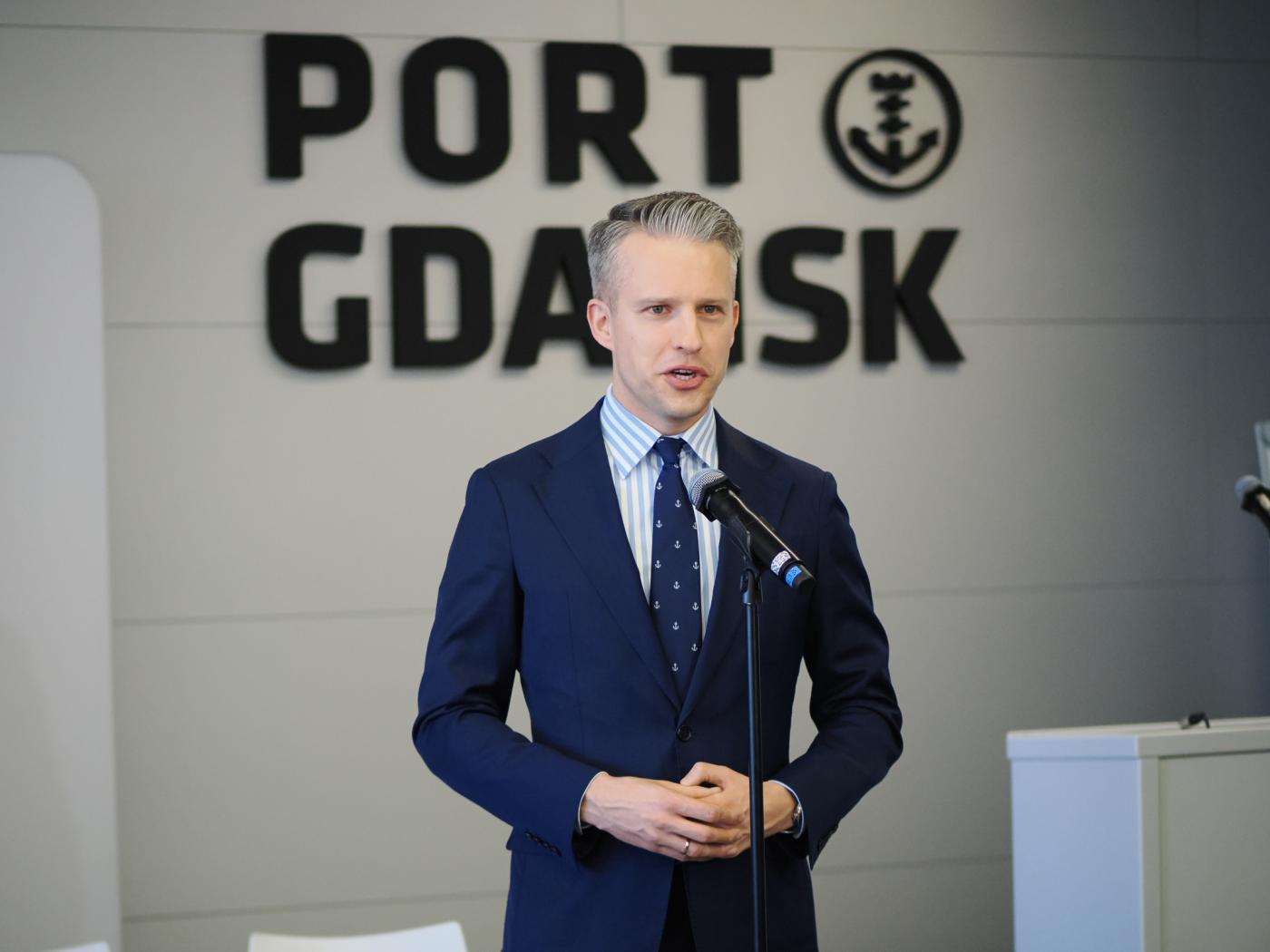
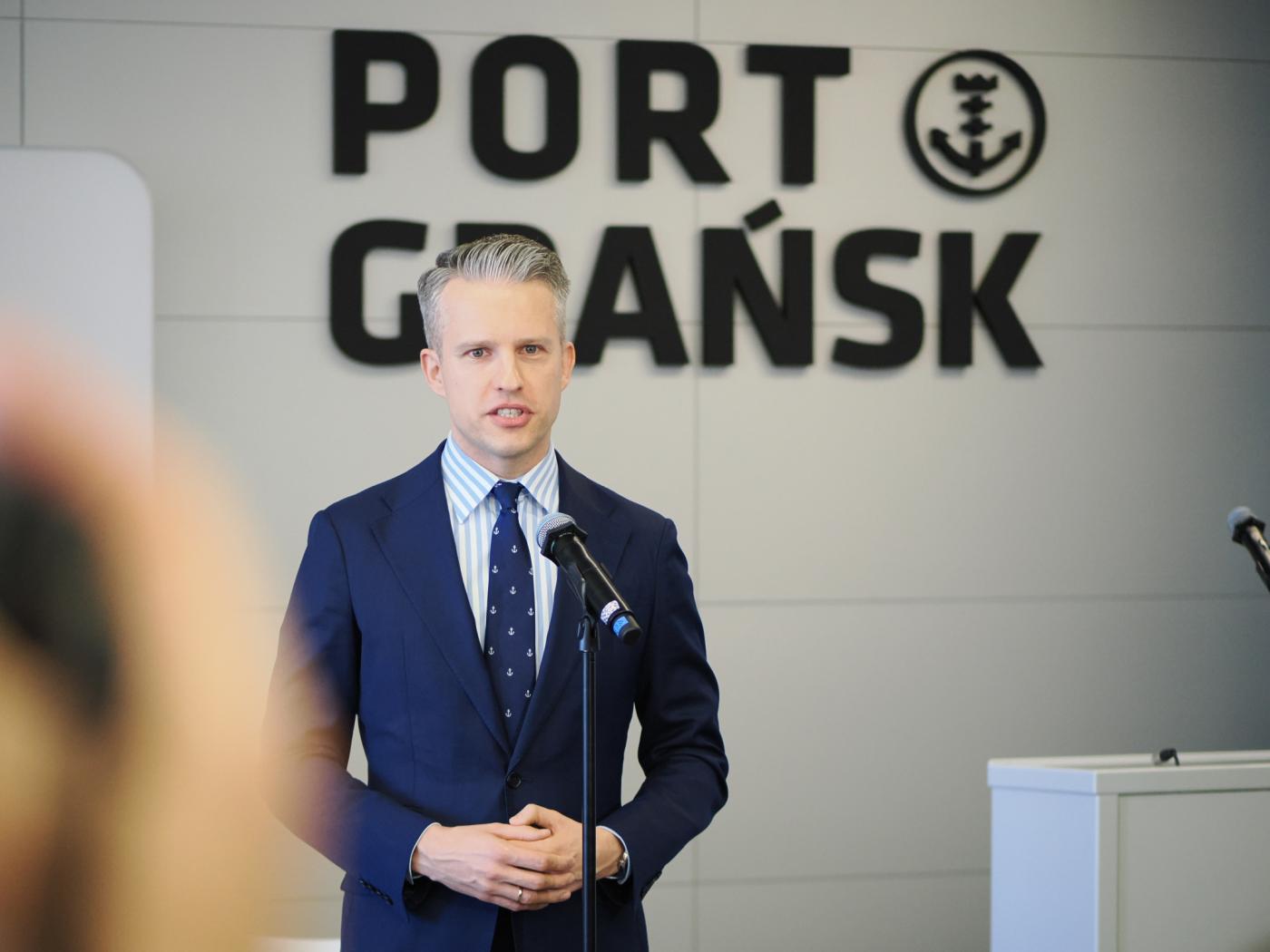
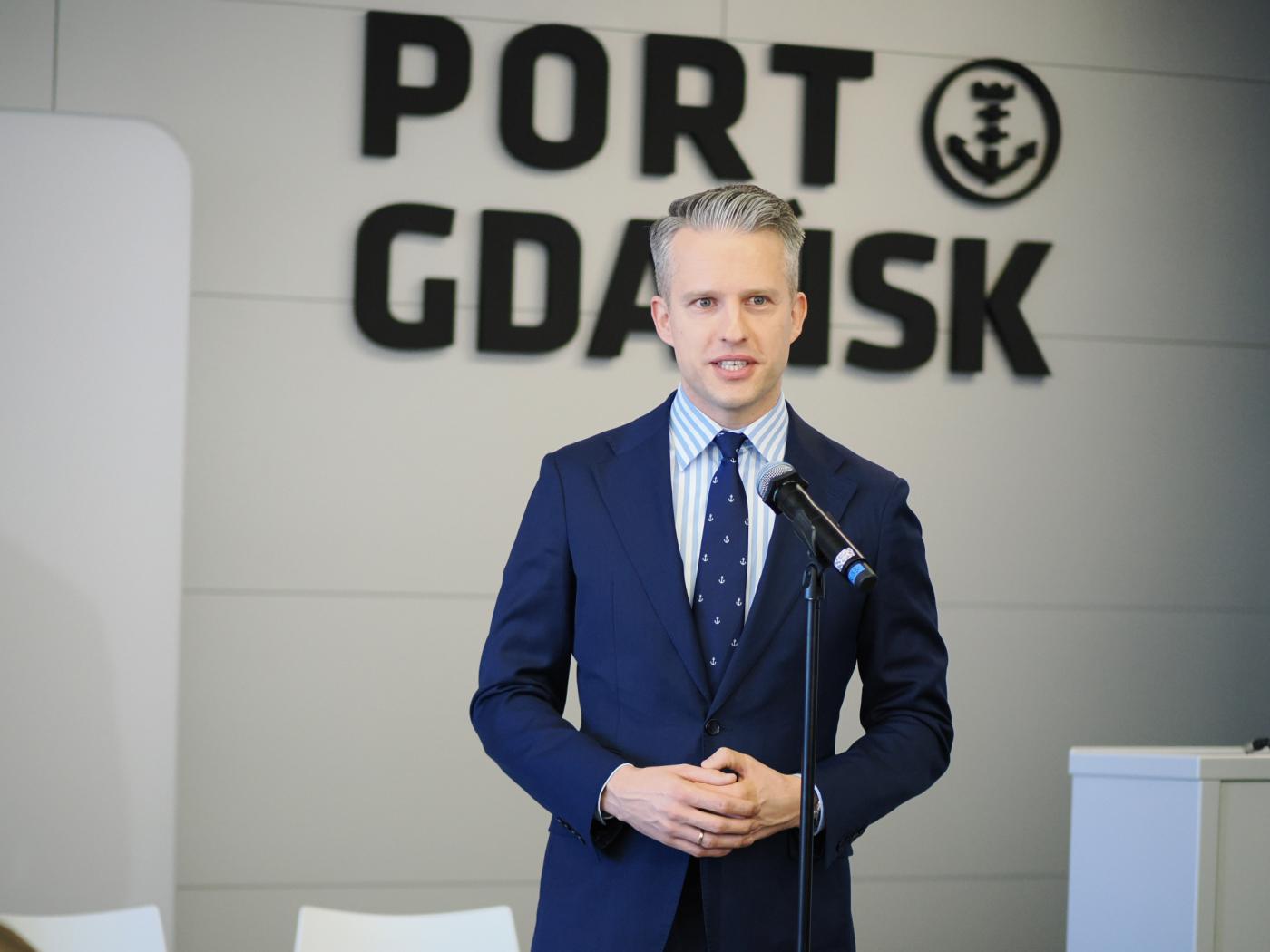
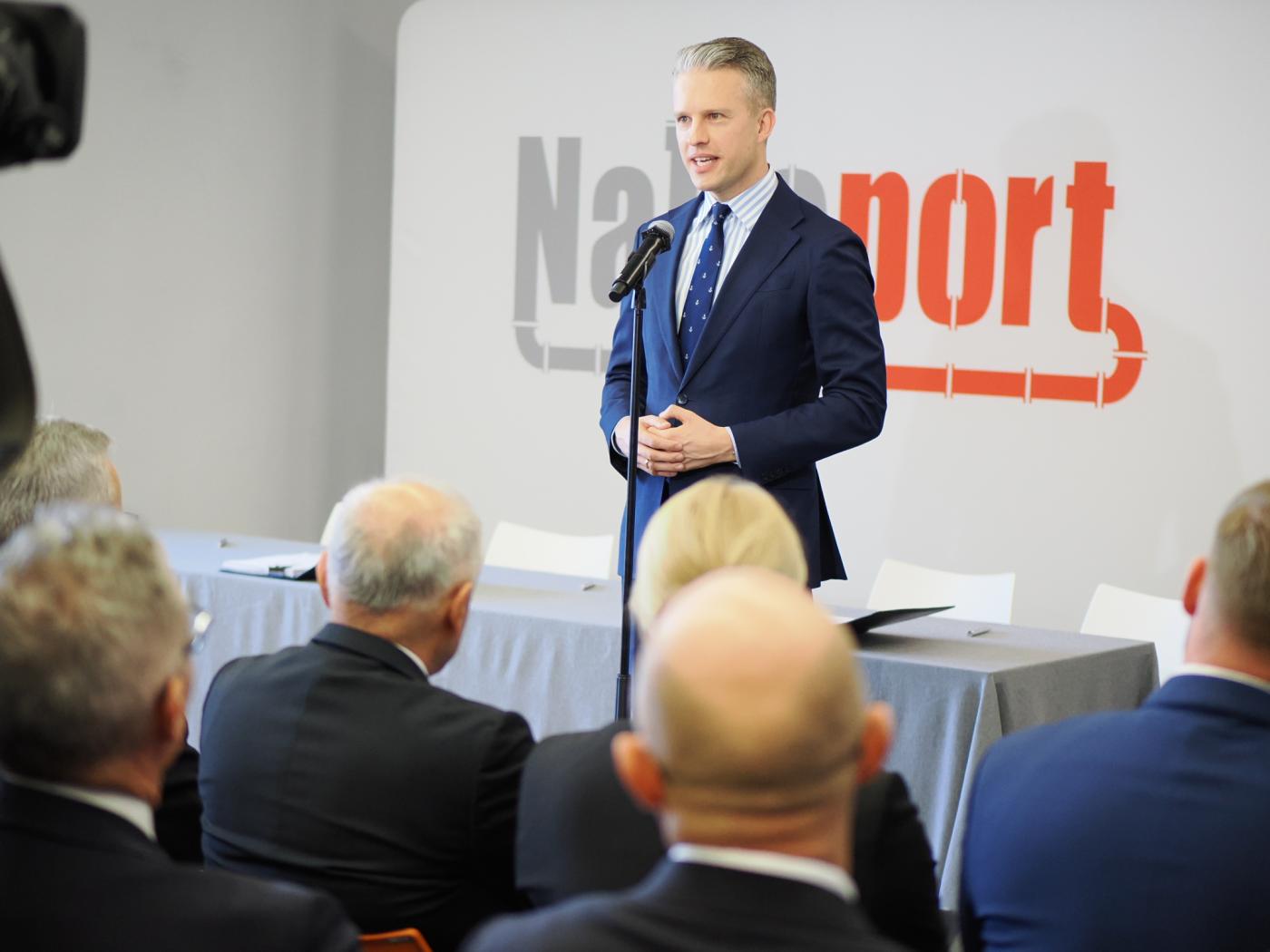
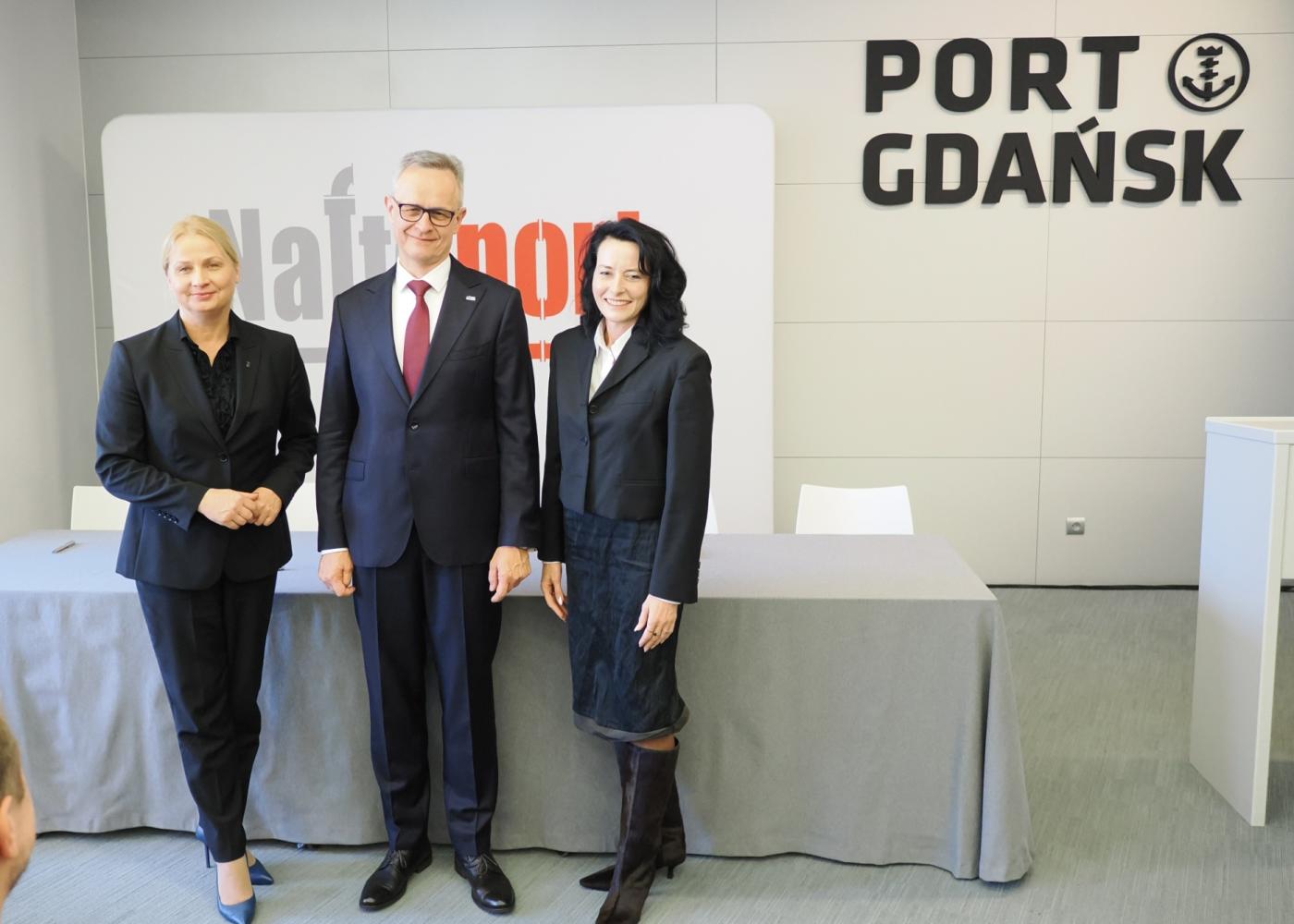
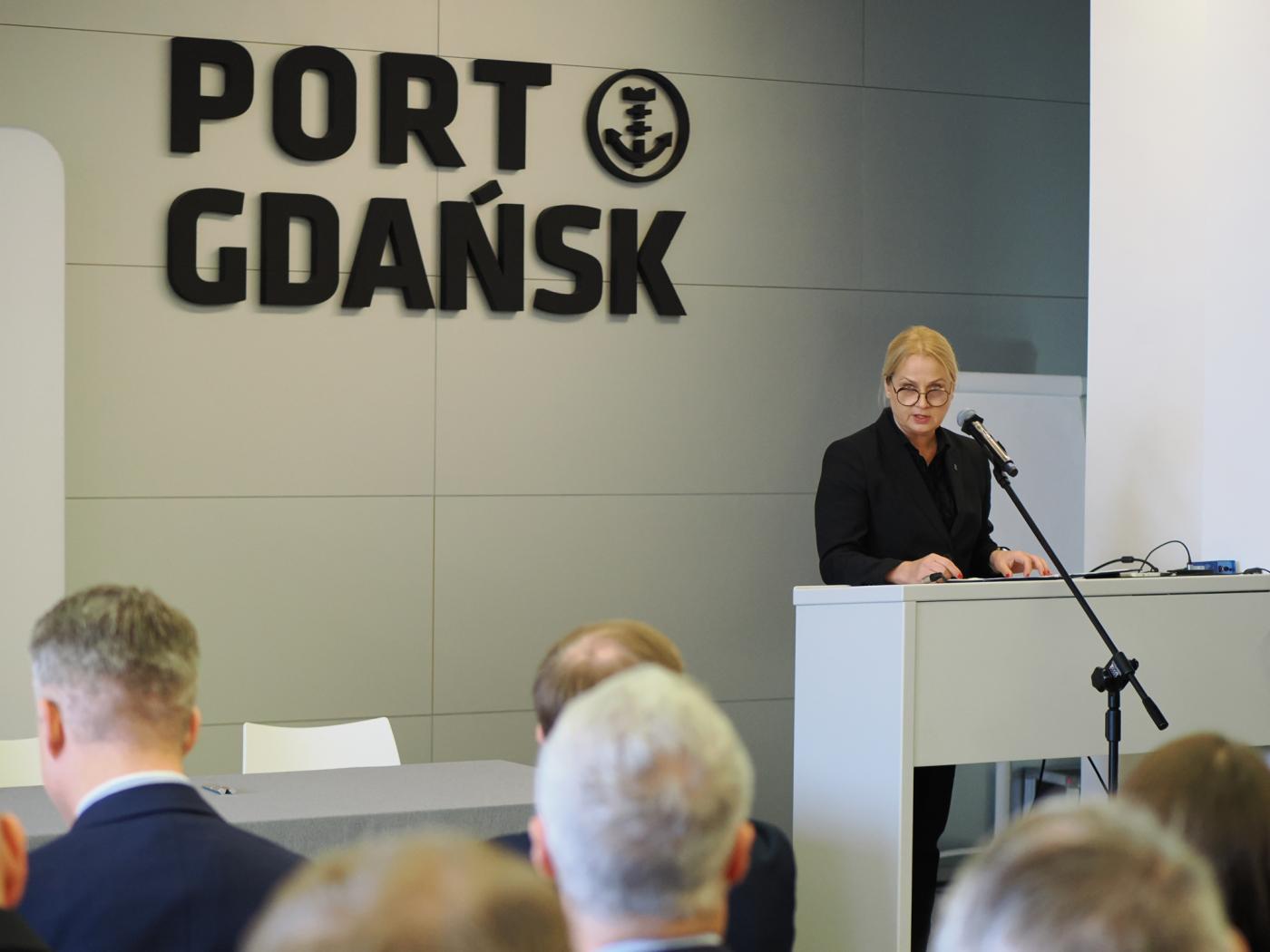
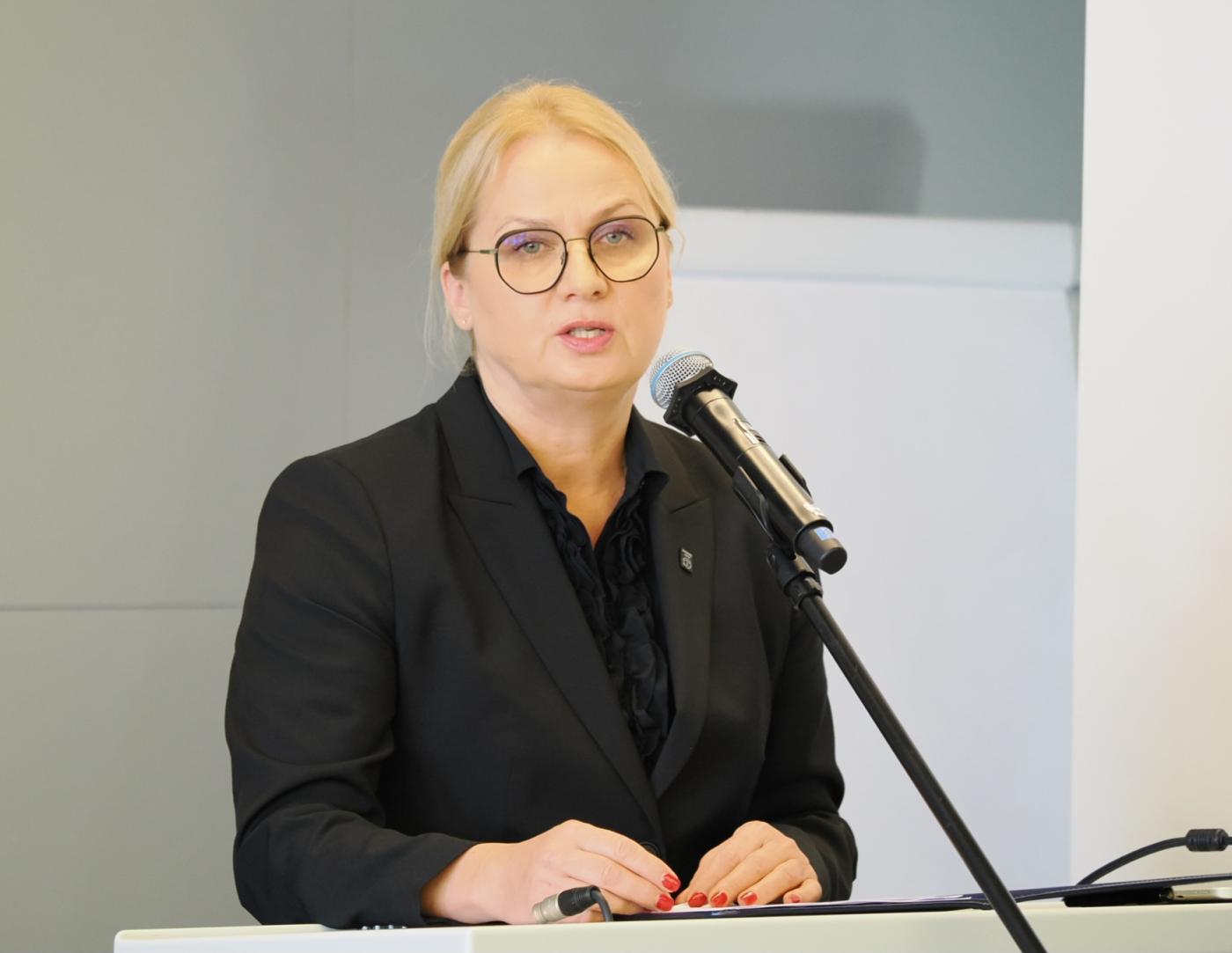
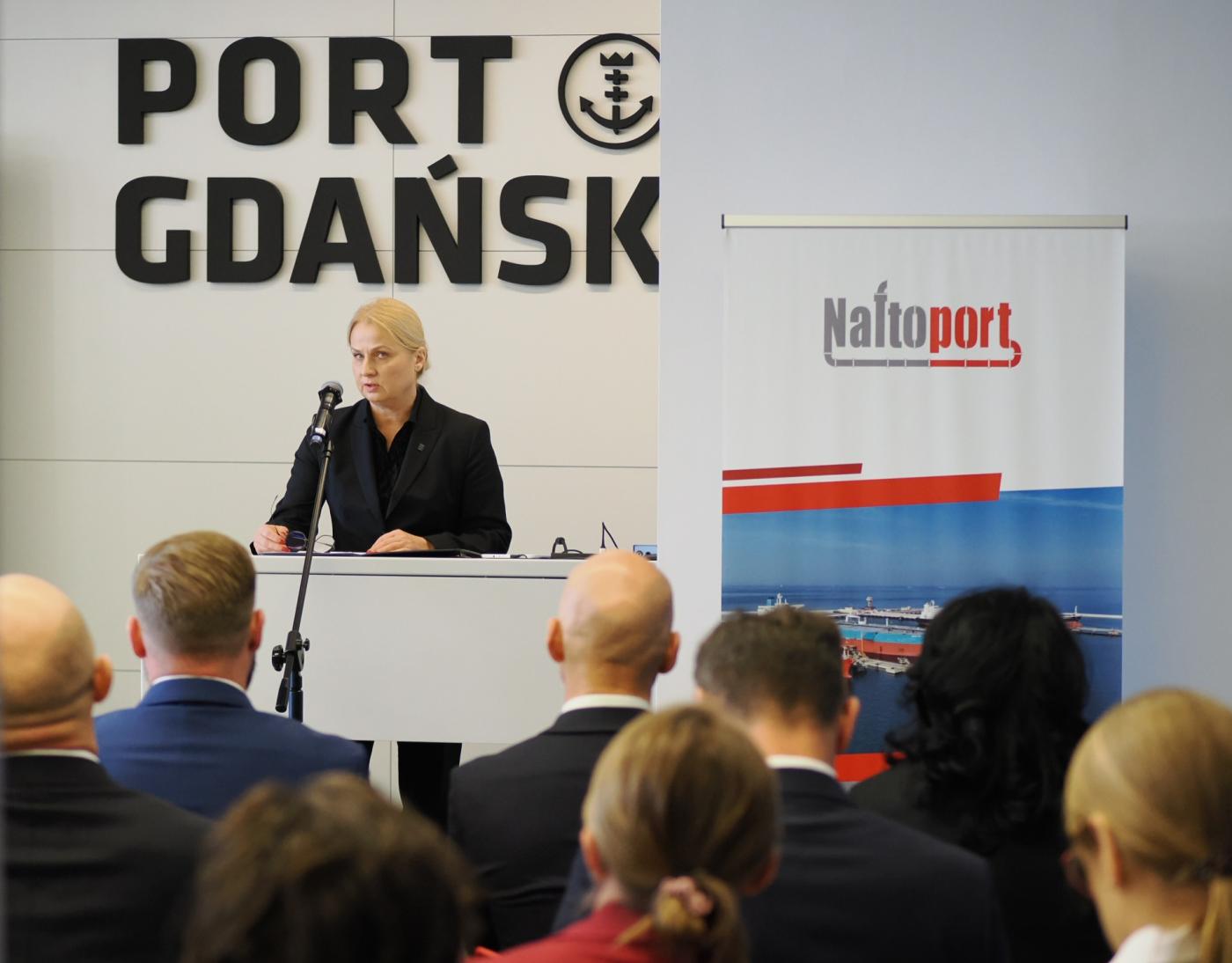
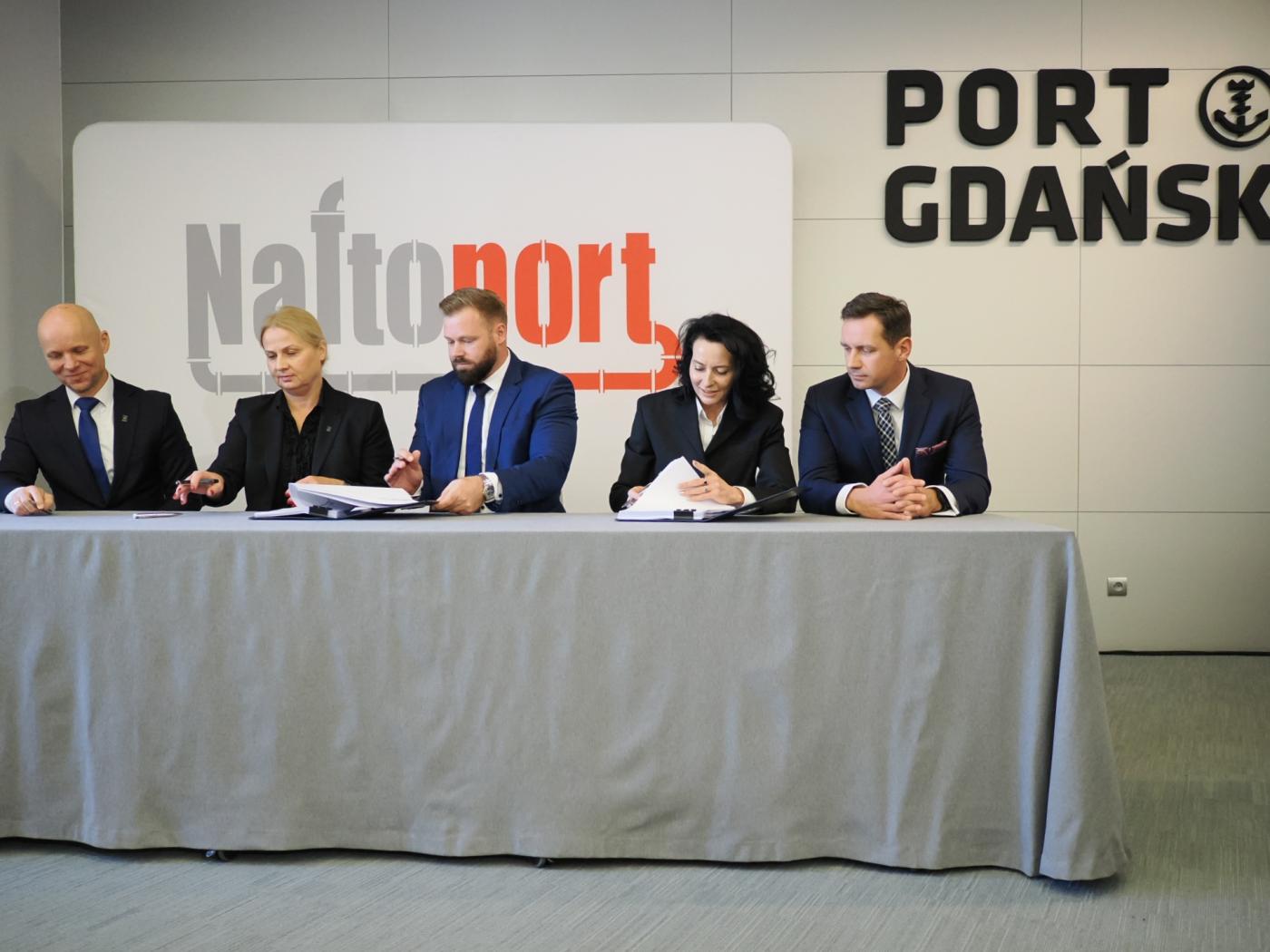
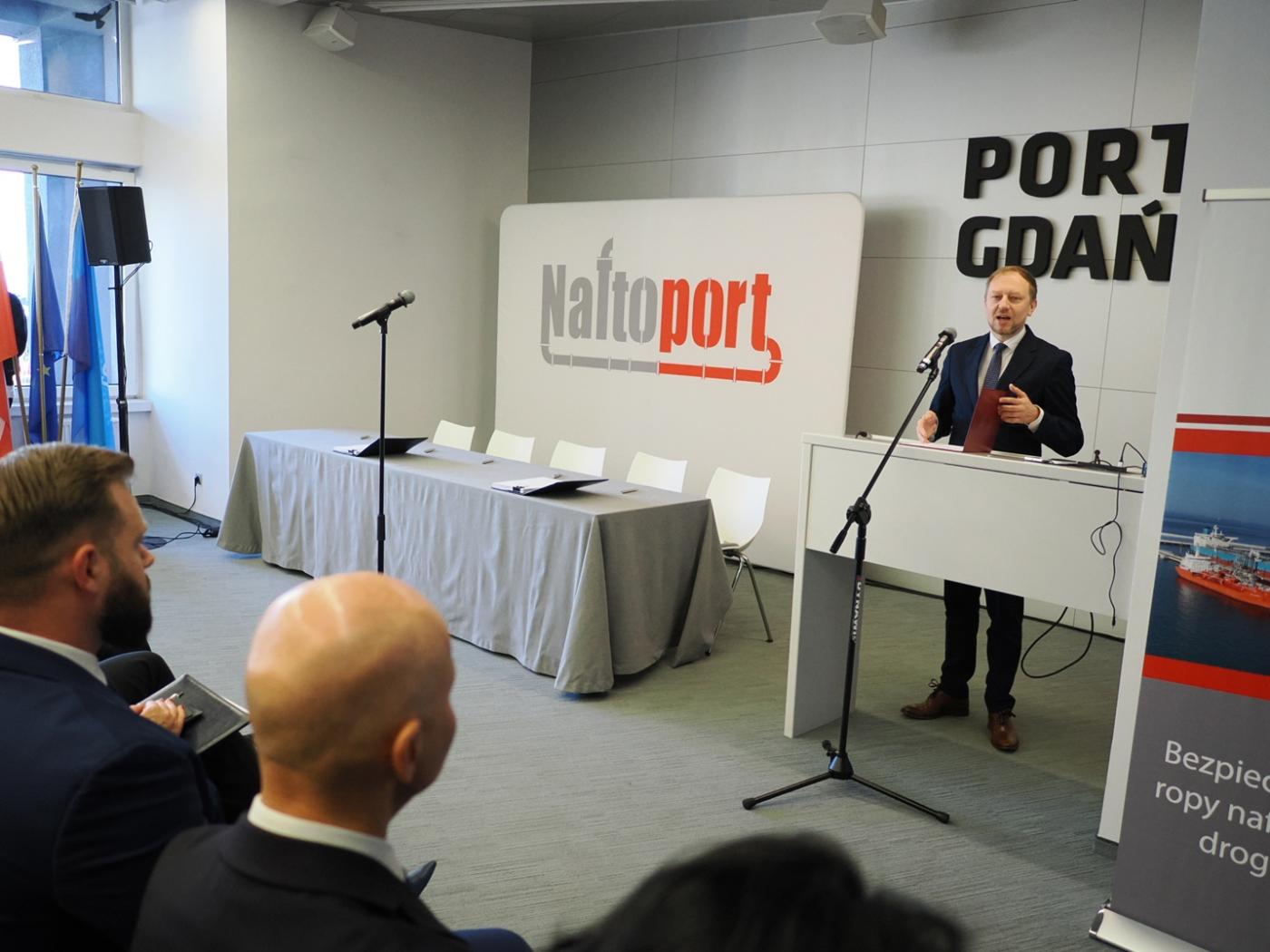
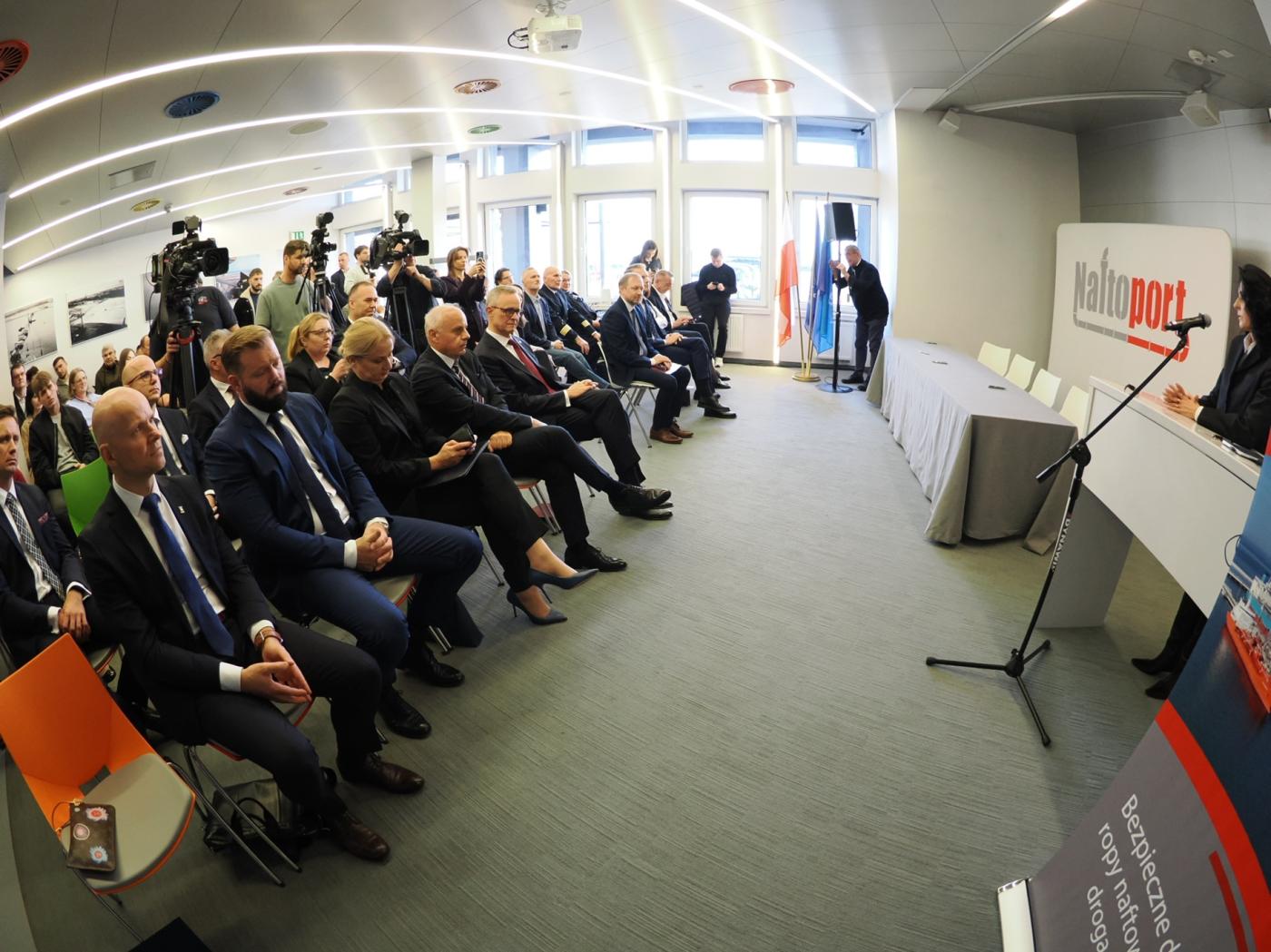
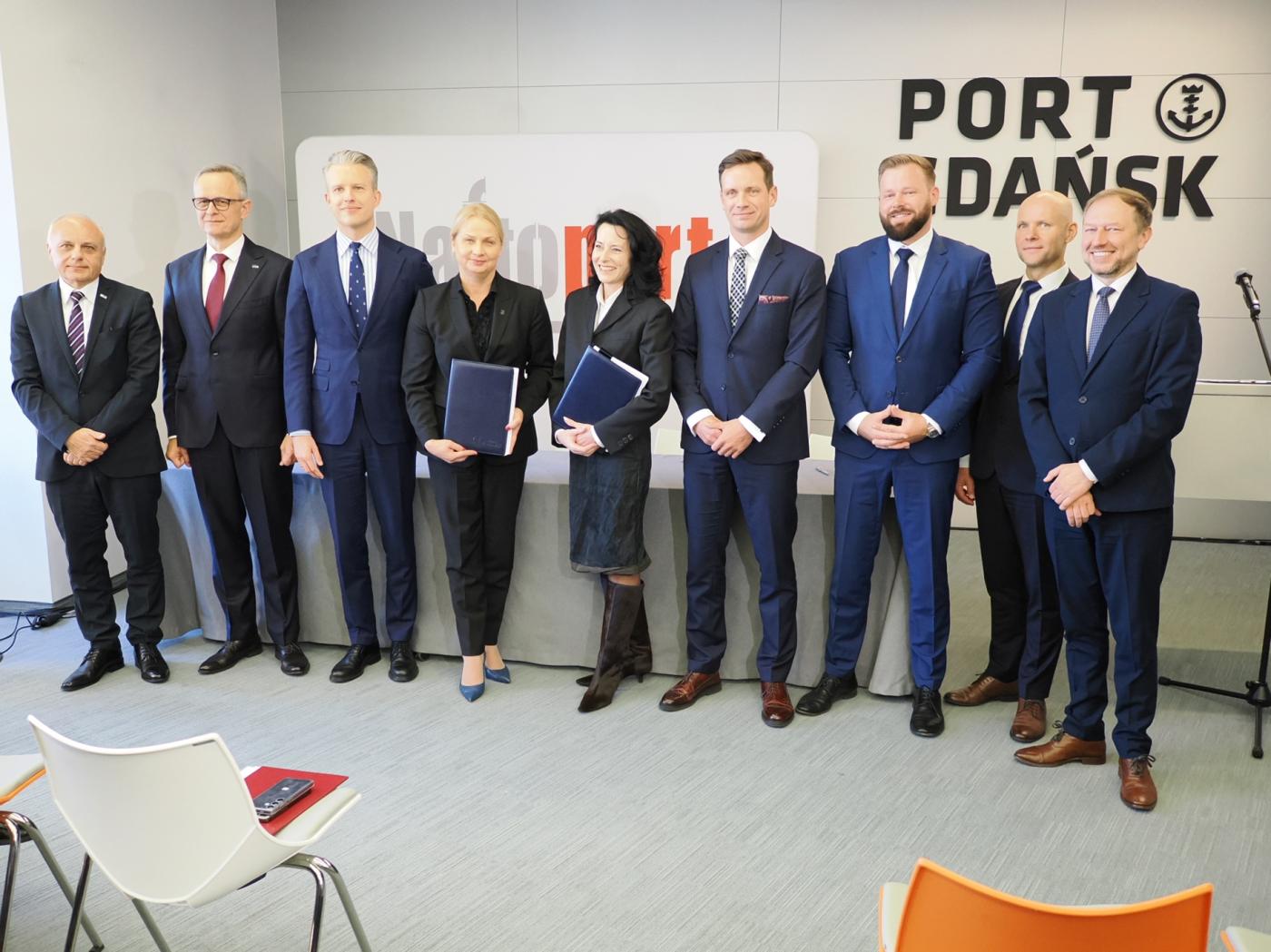
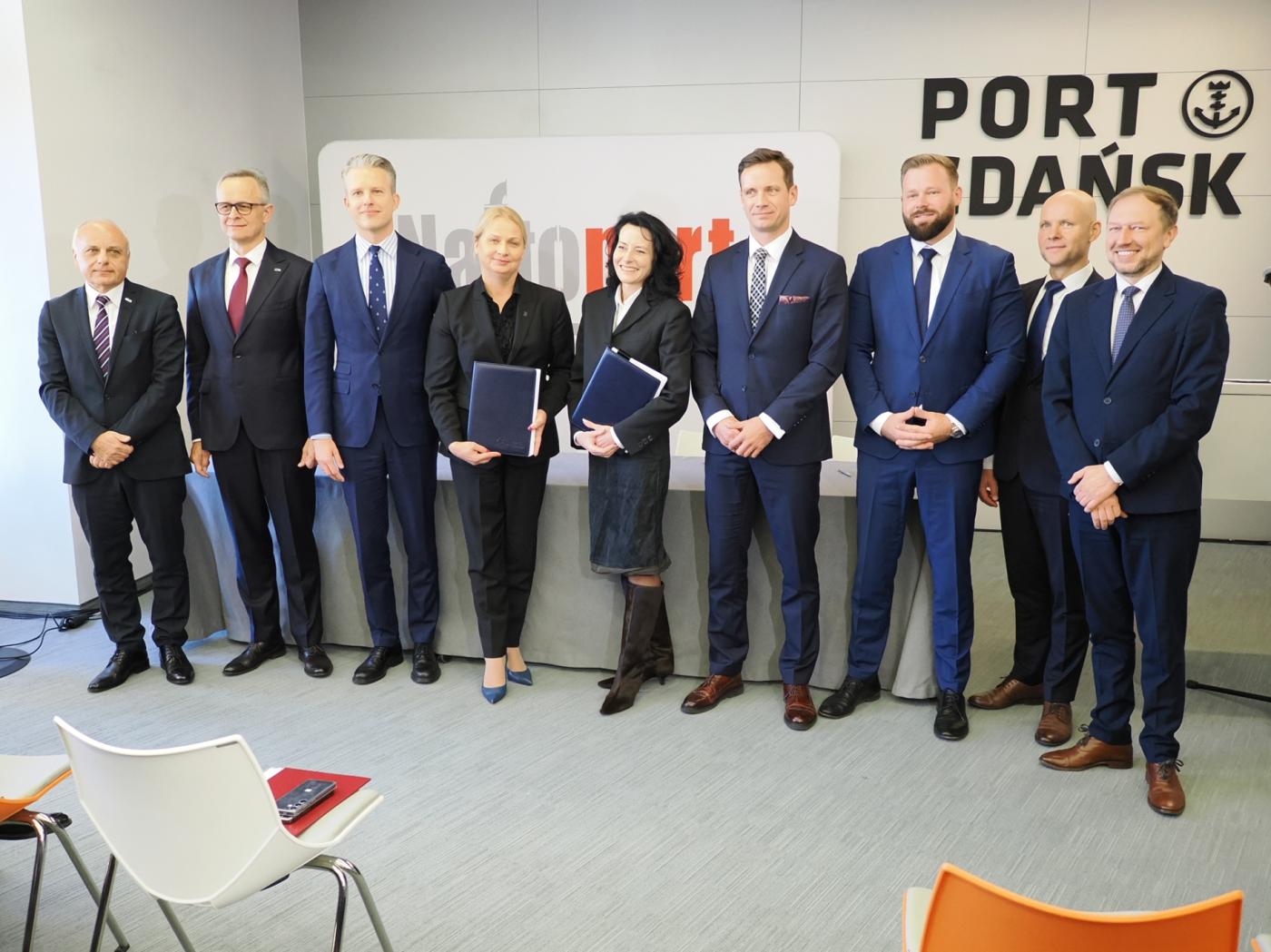
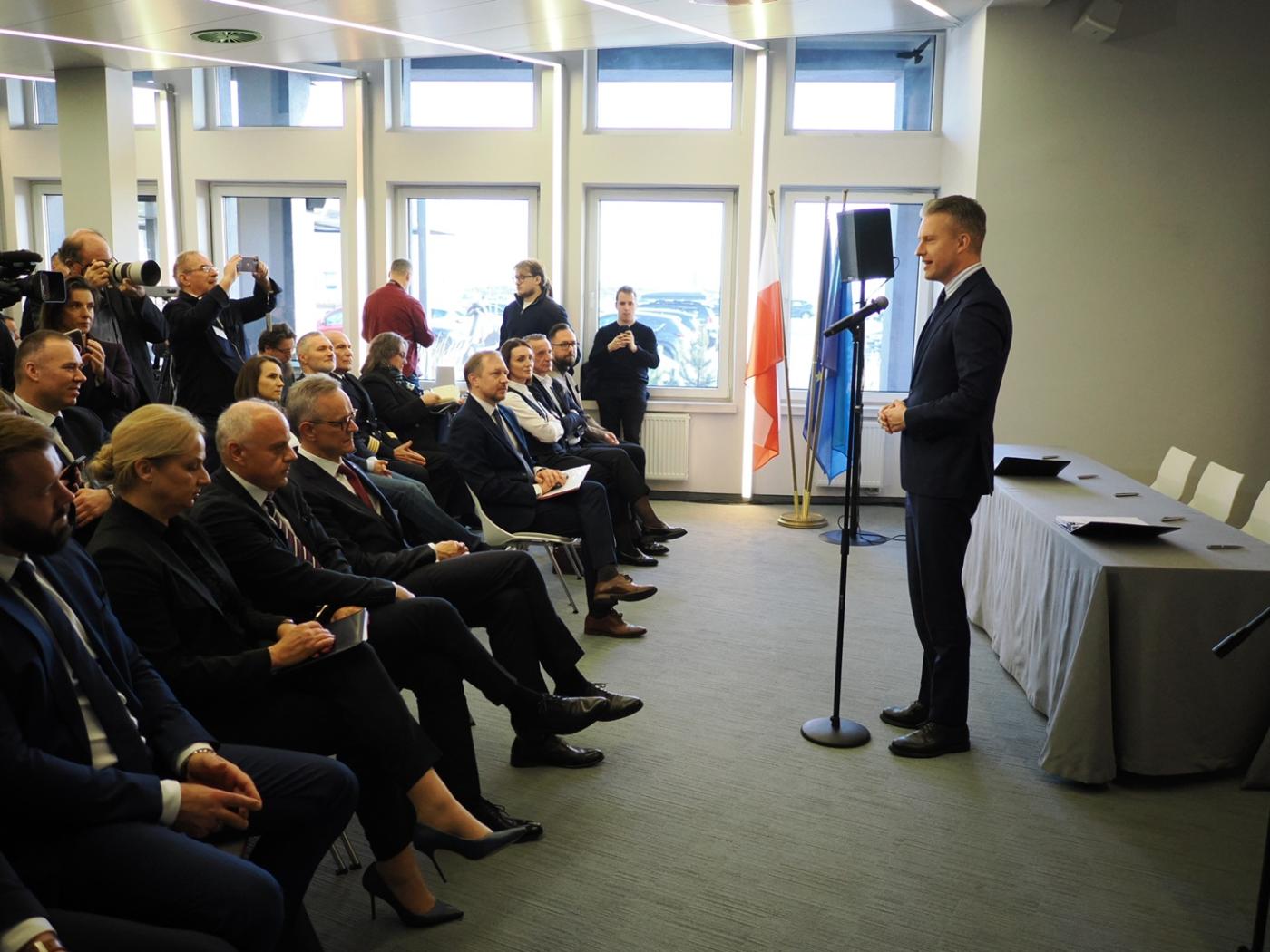
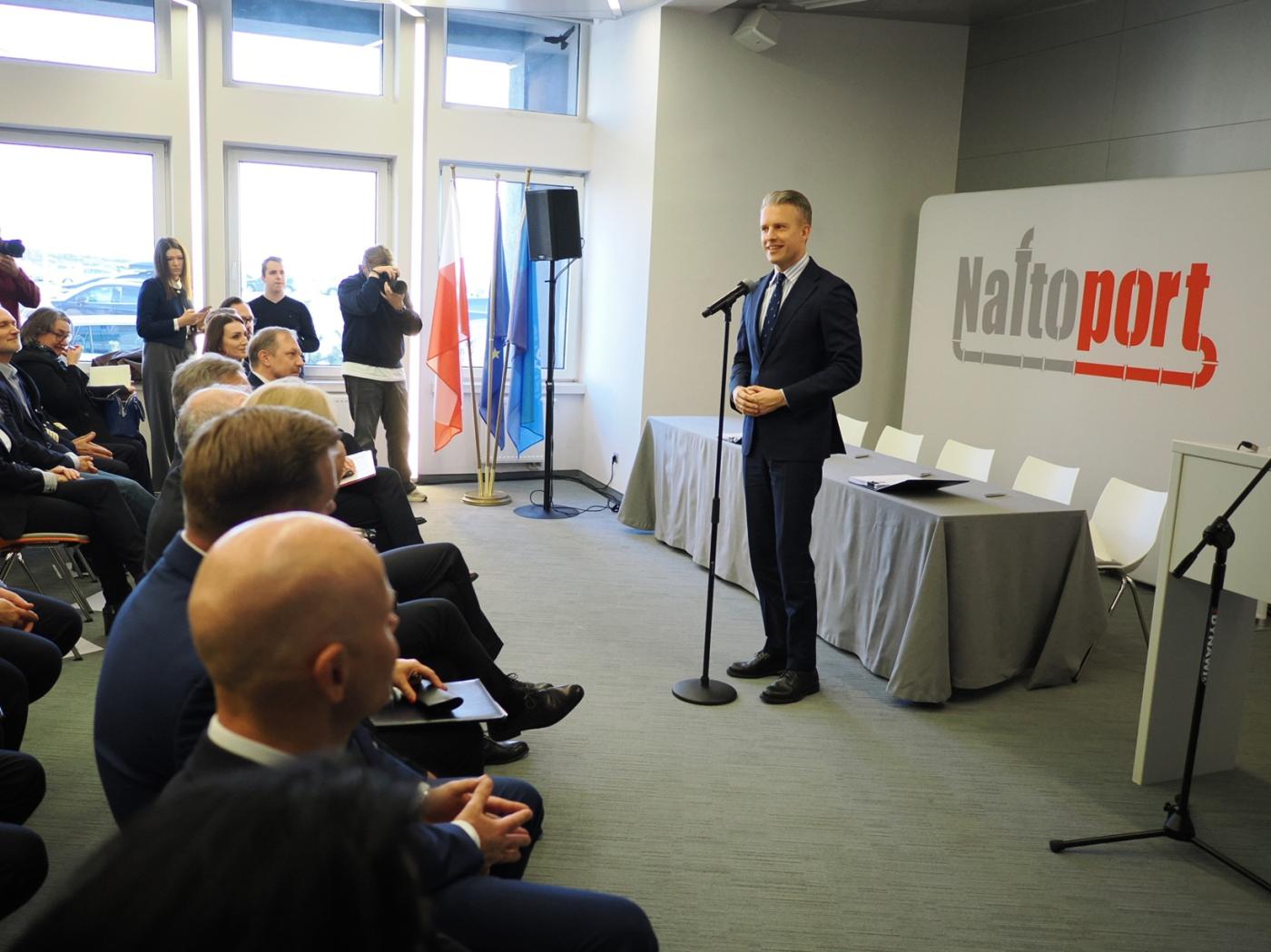
fot. Port Gdańsk
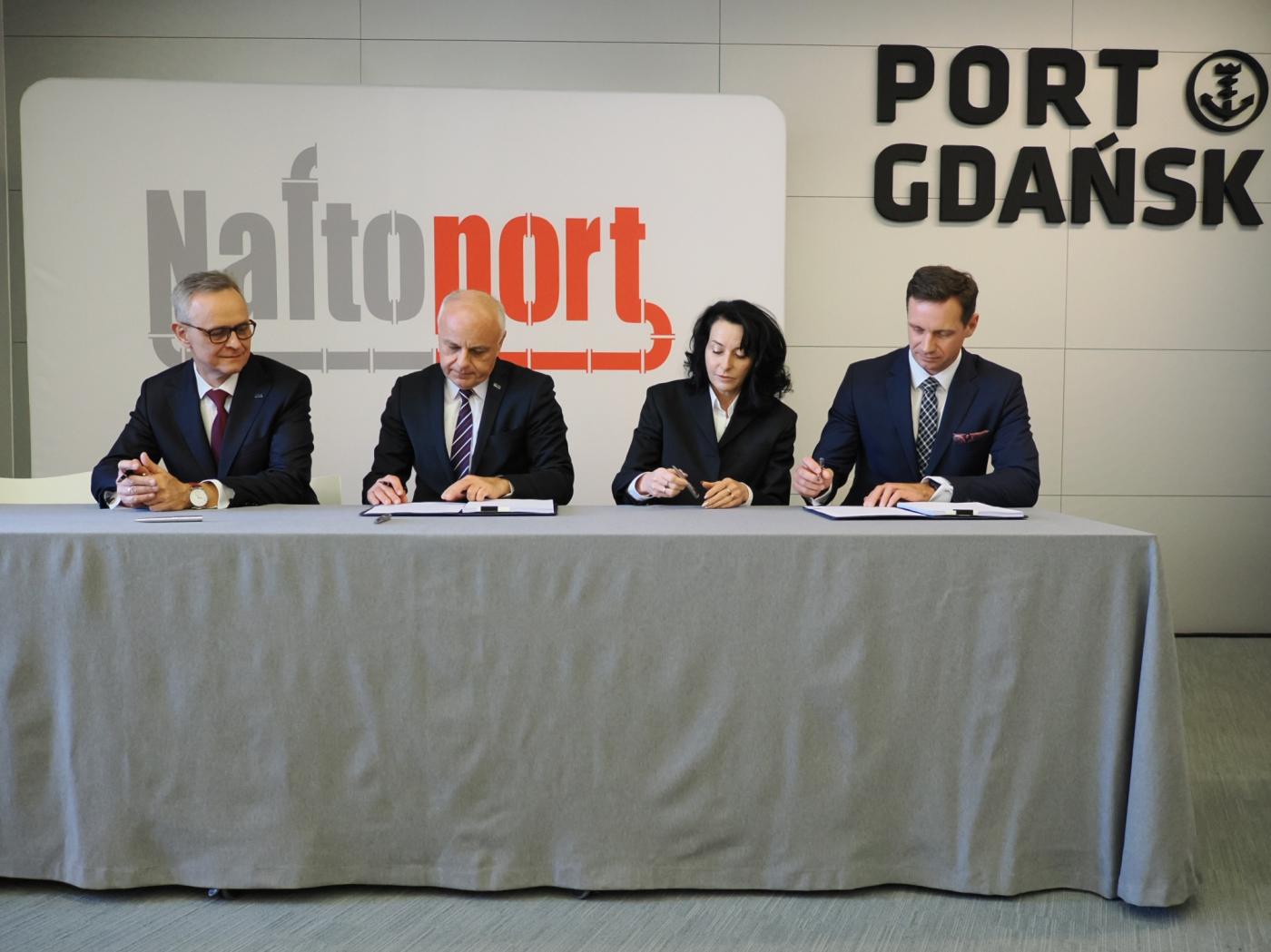
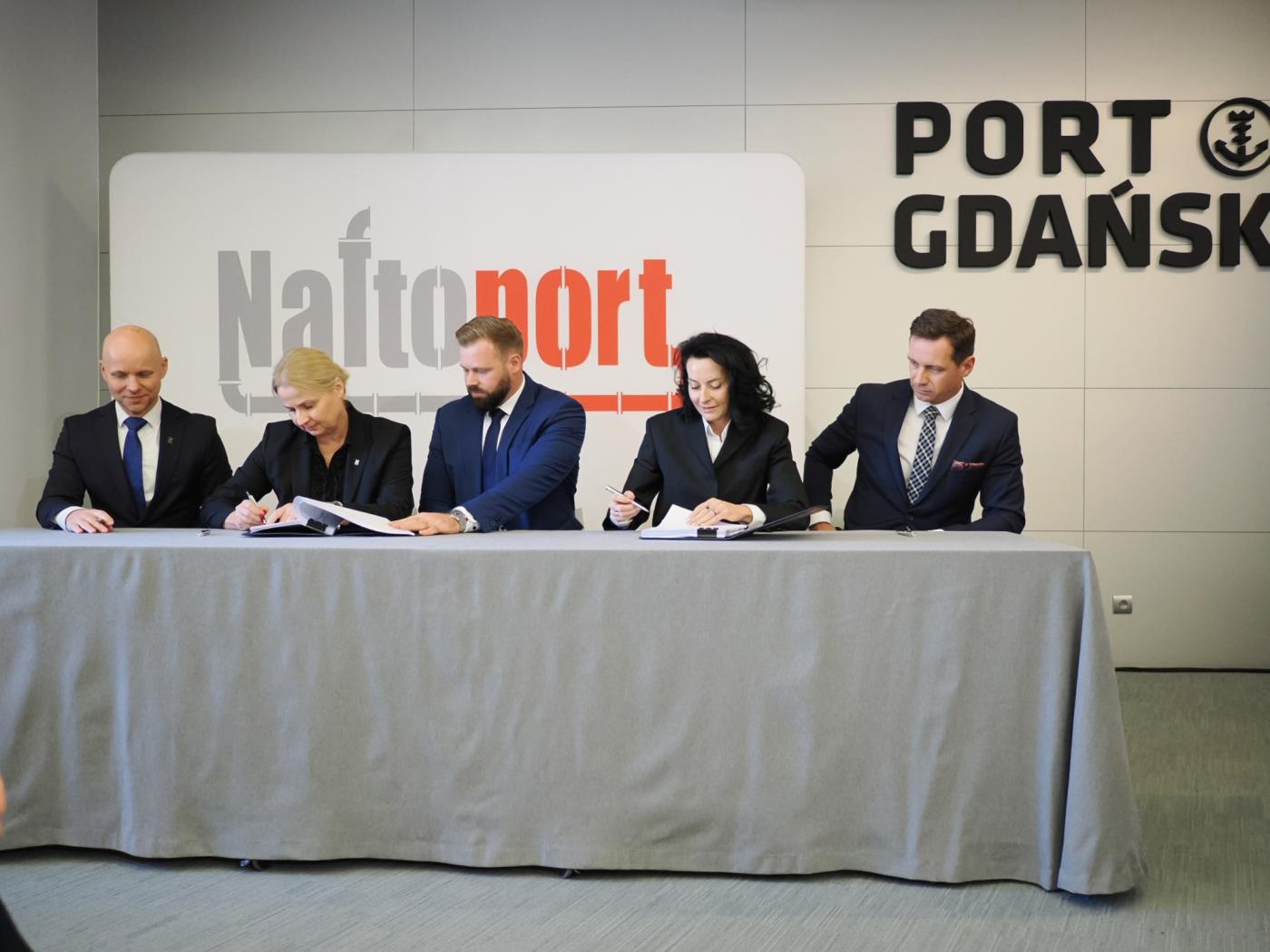
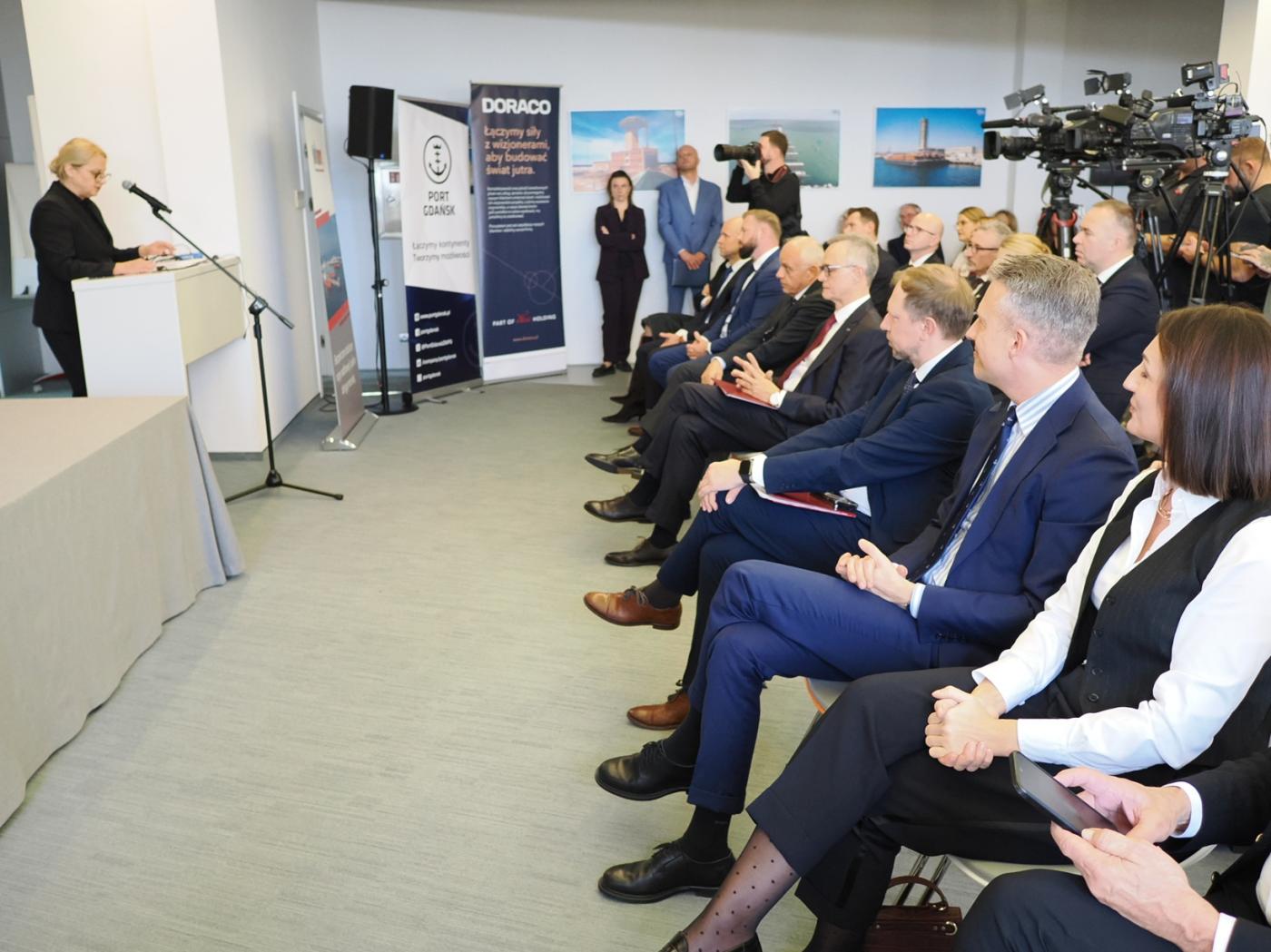
An agreement for the project was recently signed with DORACO, a leading Polish construction firm specializing in complex hydrotechnical and strategic infrastructure projects. The new berth, designated “W,” will enhance Naftoport’s operational capacity, enabling it to handle larger tankers and higher volumes, while reinforcing the resilience of the national energy system.
A cornerstone of national energy resilience
Naftoport is a critical node in Poland’s energy infrastructure, handling the import and export of crude oil and refined products, and supplying refineries in Gdańsk and Płock. It also serves as a transit hub for Central European markets. With growing global energy volatility, the terminal’s expansion goes beyond a local infrastructure upgrade; it is a strategic initiative strengthening national security.
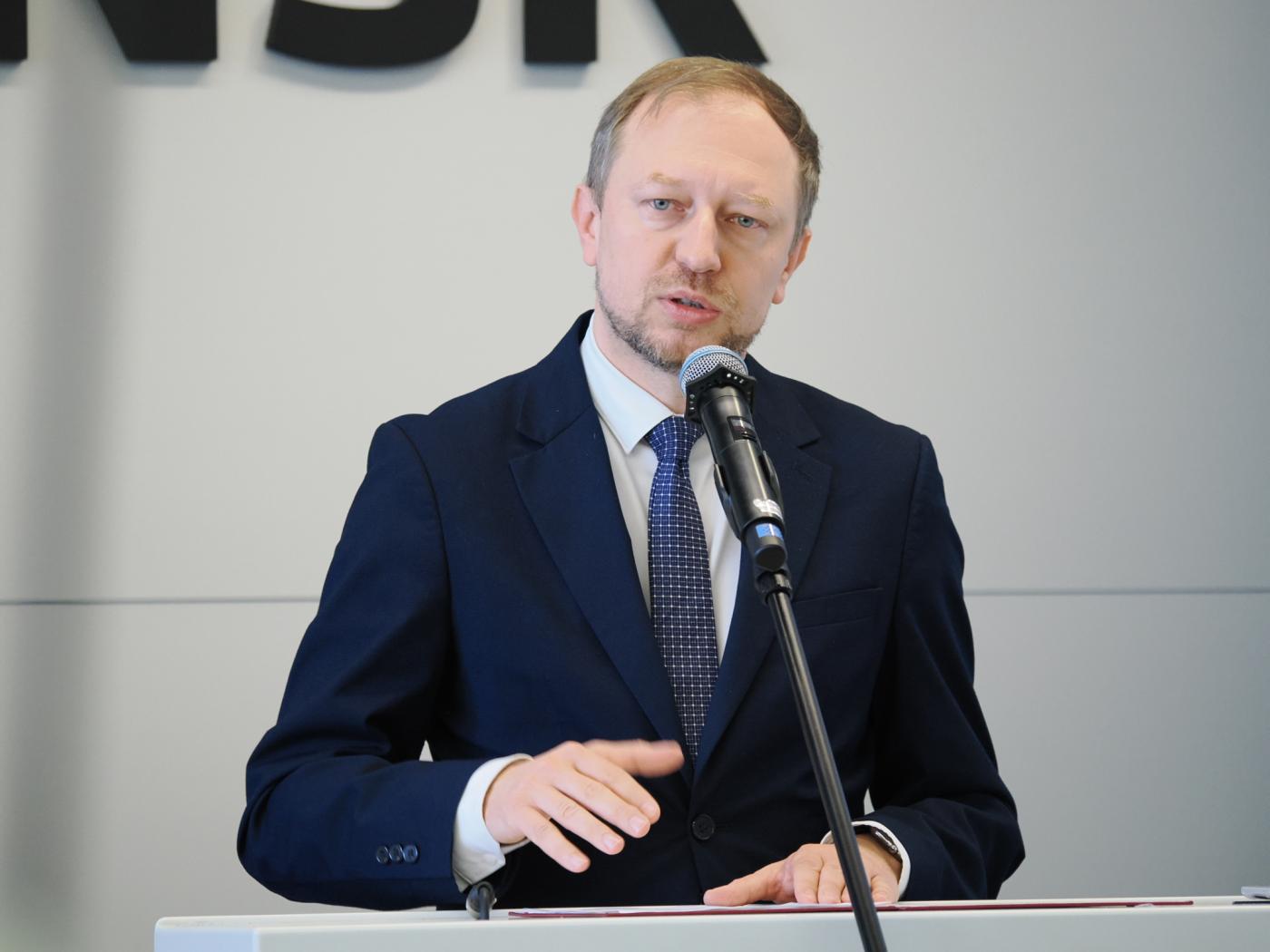
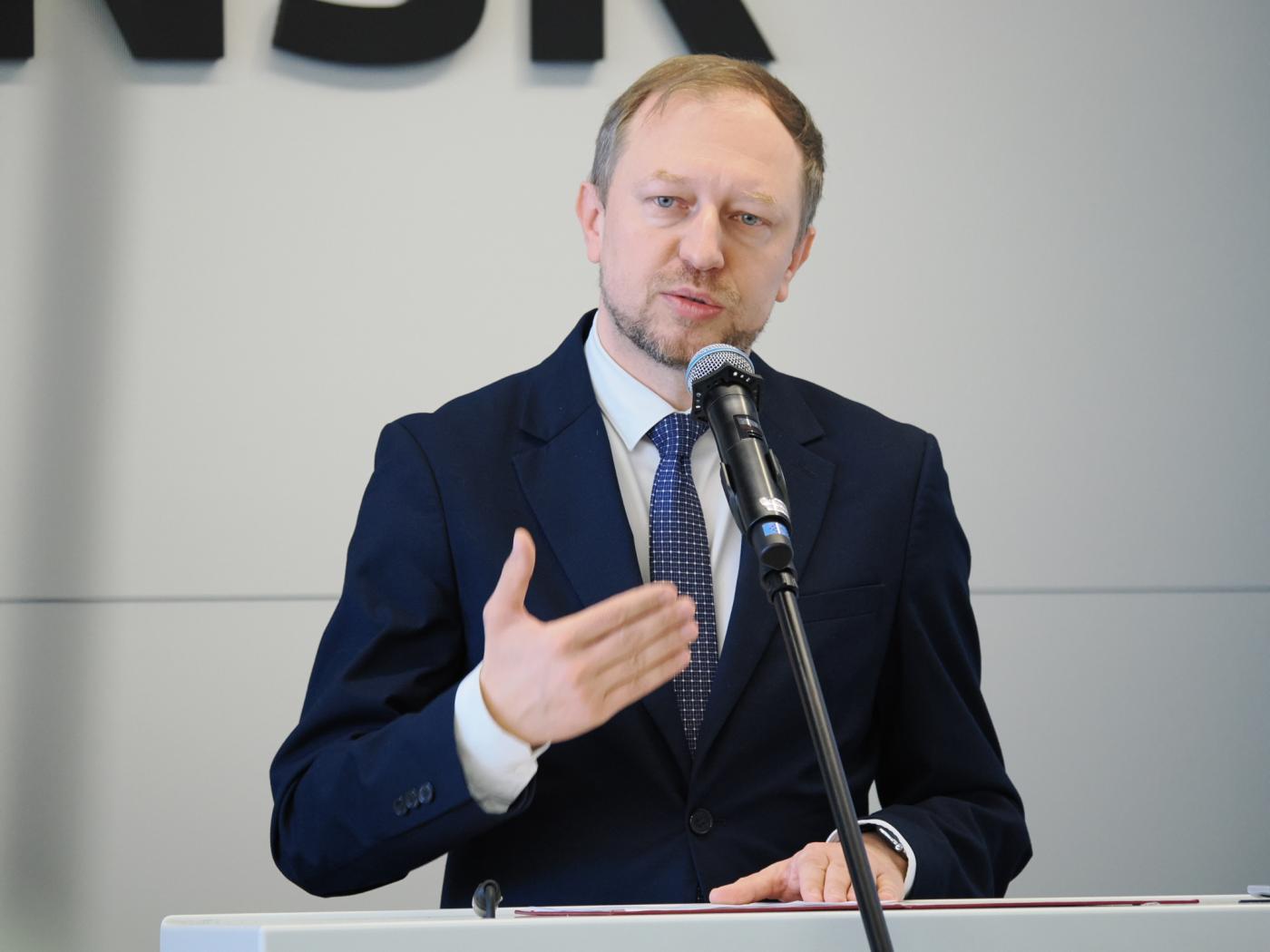
– The terminal is already a key component of the country’s energy infrastructure. Expanding its capacity is crucial, particularly in the wake of geopolitical disruptions such as the war in Ukraine and the interruption of supplies from the east, said Wojciech Wrochna, government plenipotentiary for strategic energy infrastructure. – Diversifying supply sources and reducing dependence on energy coercion is our clear strategic direction. This project significantly boosts our resilience and allows for a more stable, secure energy system independent of Russian resources.
Port of Gdańsk as an energy hub
The expansion of Naftoport reinforces Gdańsk’s position as a central energy hub in the Baltic region. The project complements other strategic developments in the area, including an FSRU gas terminal, an offshore wind farm installation terminal, and the infrastructure supporting Poland’s first nuclear power plant.
– Poland is steadily becoming a Baltic energy hub, said Arkadiusz Marchewka, Deputy Minister of Infrastructure. – The construction of berth ‘W’ is part of a broader initiative to enhance regional energy security. The Port of Gdańsk is no longer just a commercial gateway; it is a strategic asset for the country’s energy independence.
Modern infrastructure for future fuels
Berth “W” will be the second at Naftoport capable of accommodating VLCCs (Very Large Crude Carriers) over 300 meters in length with a 15-meter draft. Its capacity will reach approximately 9 million tons per year, allowing simultaneous handling of up to four large tankers and reducing unloading cycles.
The project includes construction of a new quay, pipeline overpasses, access roads, technical infrastructure, and environmental protection systems. The upgrade ensures that Naftoport remains future-proof, capable of supporting evolving energy markets and the transition toward new fuel types.
– We are building infrastructure that meets today’s challenges and tomorrow’s energy needs. This investment strengthens both regional supply continuity and Poland’s energy security, said Dorota Pyć, President of the Port of Gdańsk.
DORACO delivers strategic national capability
DORACO, the general contractor, has 35 years of experience in complex hydrotechnical and industrial projects across Poland, including major port facilities, offshore projects, and strategic infrastructure.
– Today, Poland’s sovereignty is based on energy independence and domestic construction capabilities. By delivering this project, we combine both elements, supporting a national supply chain rooted in Polish engineering and subcontracting, said Angelika Cieślowska, DORACO CEO. – Local content is not a bonus; it is the backbone of the project. The more strategic initiatives executed by Polish companies, the stronger the country’s energy and supply security becomes.
Economic impact and timeline
The total cost of the expansion is approximately PLN 455 million net, with PLN 239 million financed by Naftoport and PLN 216 million by the Port of Gdańsk Authority. Completion and operational start are planned for the second half of 2028.
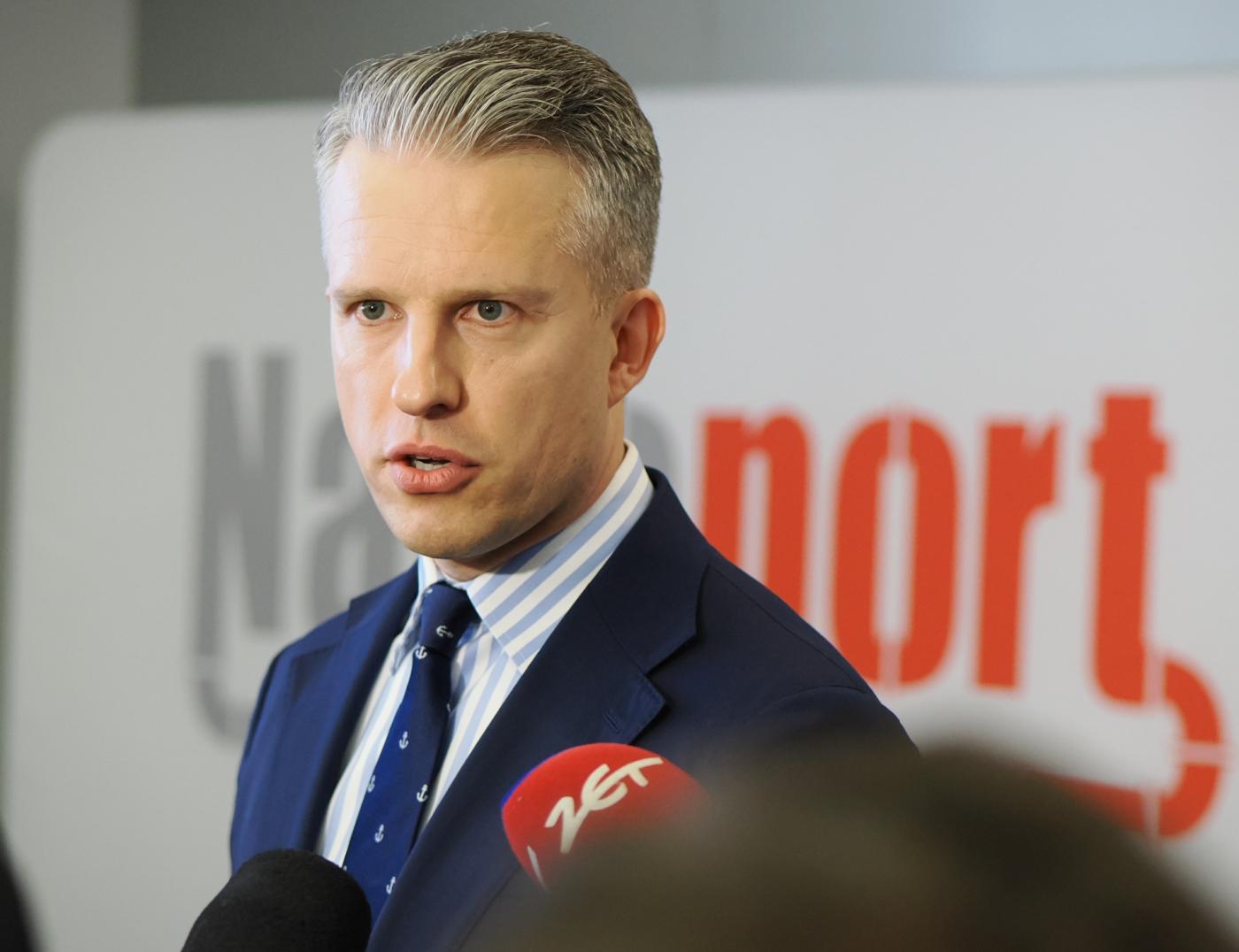
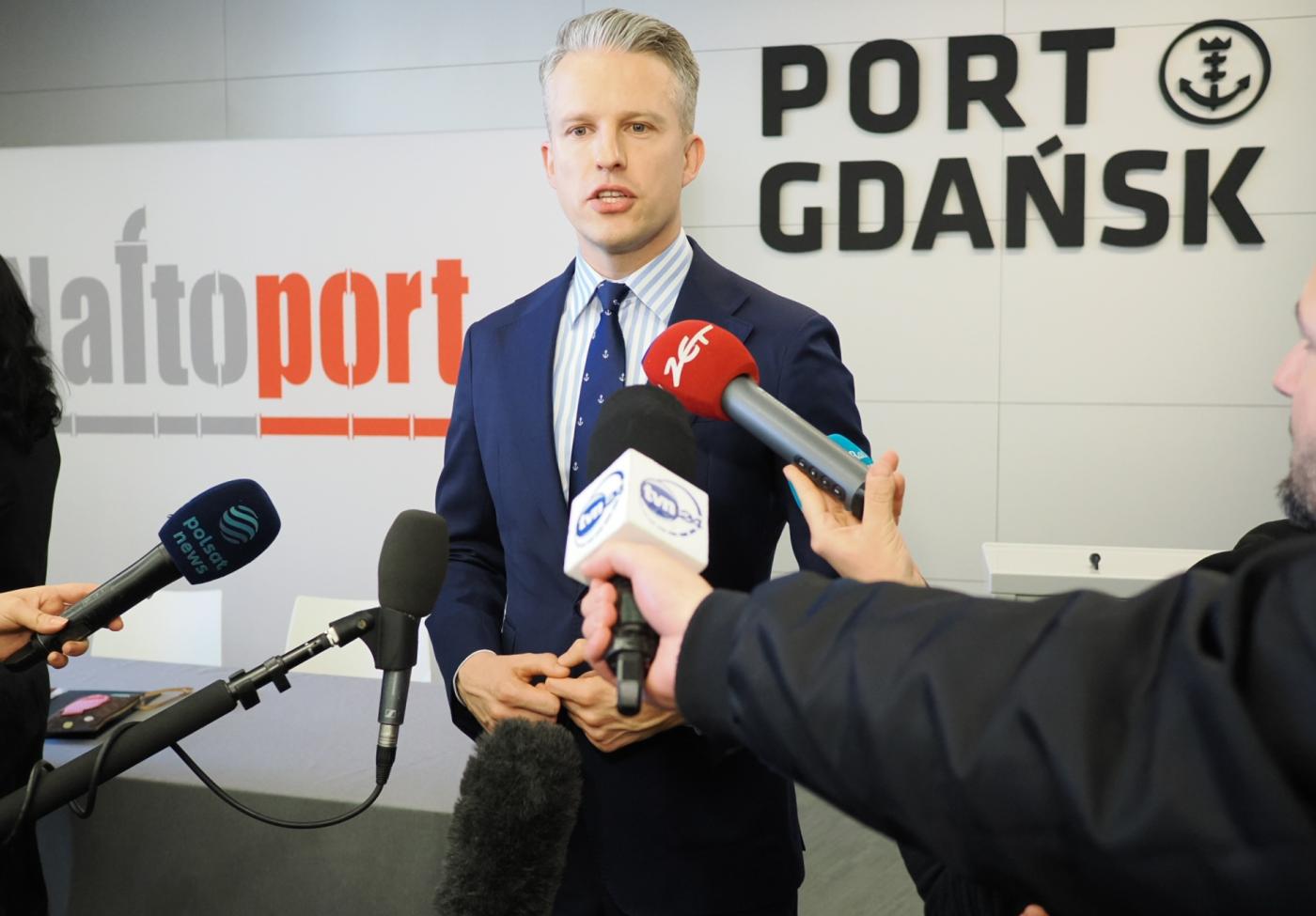
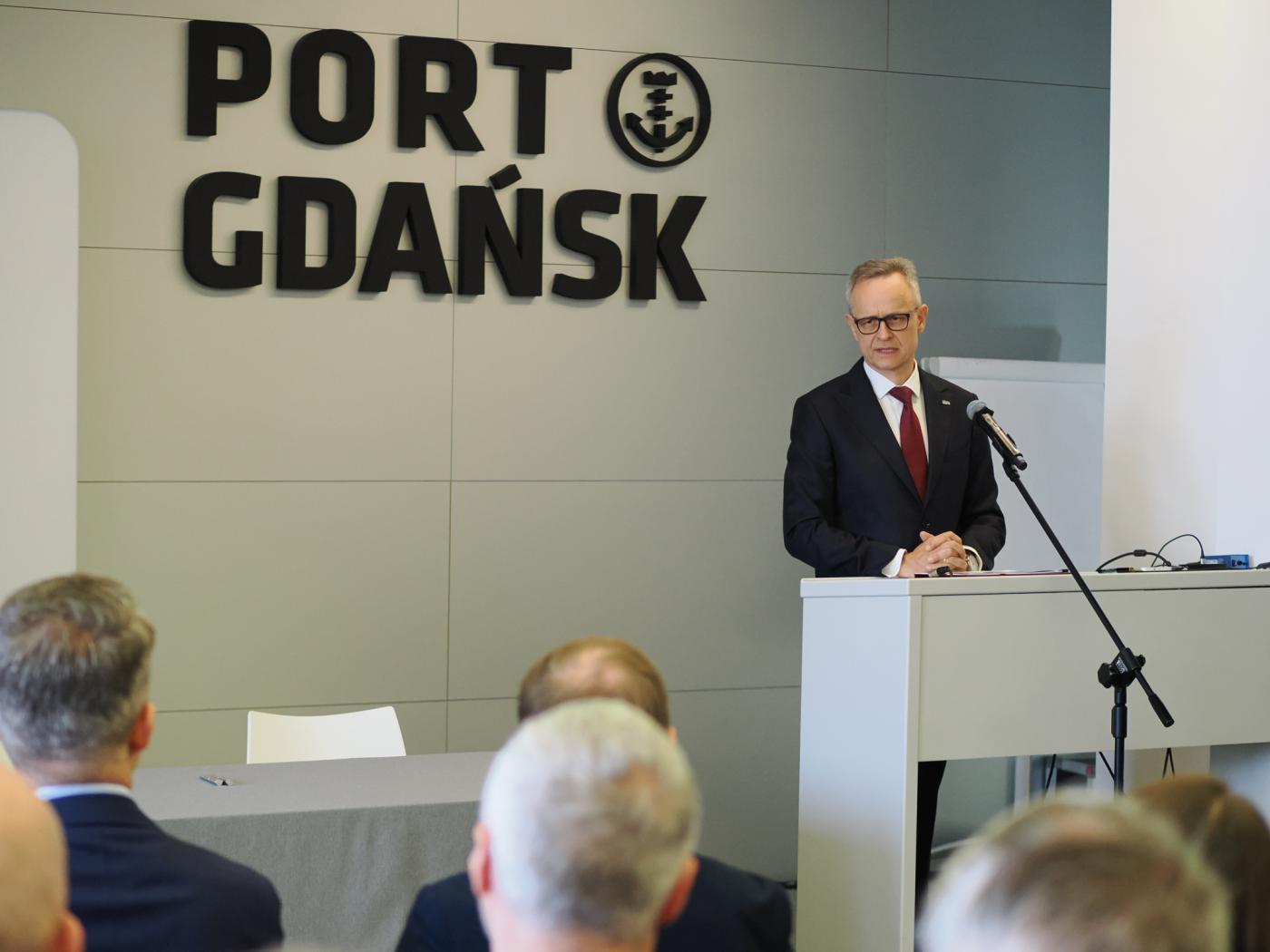
– This is an investment in national resilience. It ensures Poland’s energy supply remains secure and its infrastructure prepared for unpredictable global events, emphasized Daniel Betke, President of Naftoport.
Beyond its energy role, the expansion is expected to generate new jobs and contracts for local construction and hydrotechnical sectors, boosting the regional economy.
Securing Poland’s future on the Baltic
The Naftoport expansion exemplifies Poland’s commitment to strategic infrastructure, national energy independence, and economic resilience. With enhanced capacity and modernized facilities, the Port of Gdańsk strengthens its position as a leading Baltic energy hub, ensuring secure and continuous access to crude oil and fuels for years to come.
Buy us a coffee, and we’ll invest in great maritime journalism! Support Gazeta Morska and help us sail forward – click here!
Kamil Kusier
redaktor naczelny
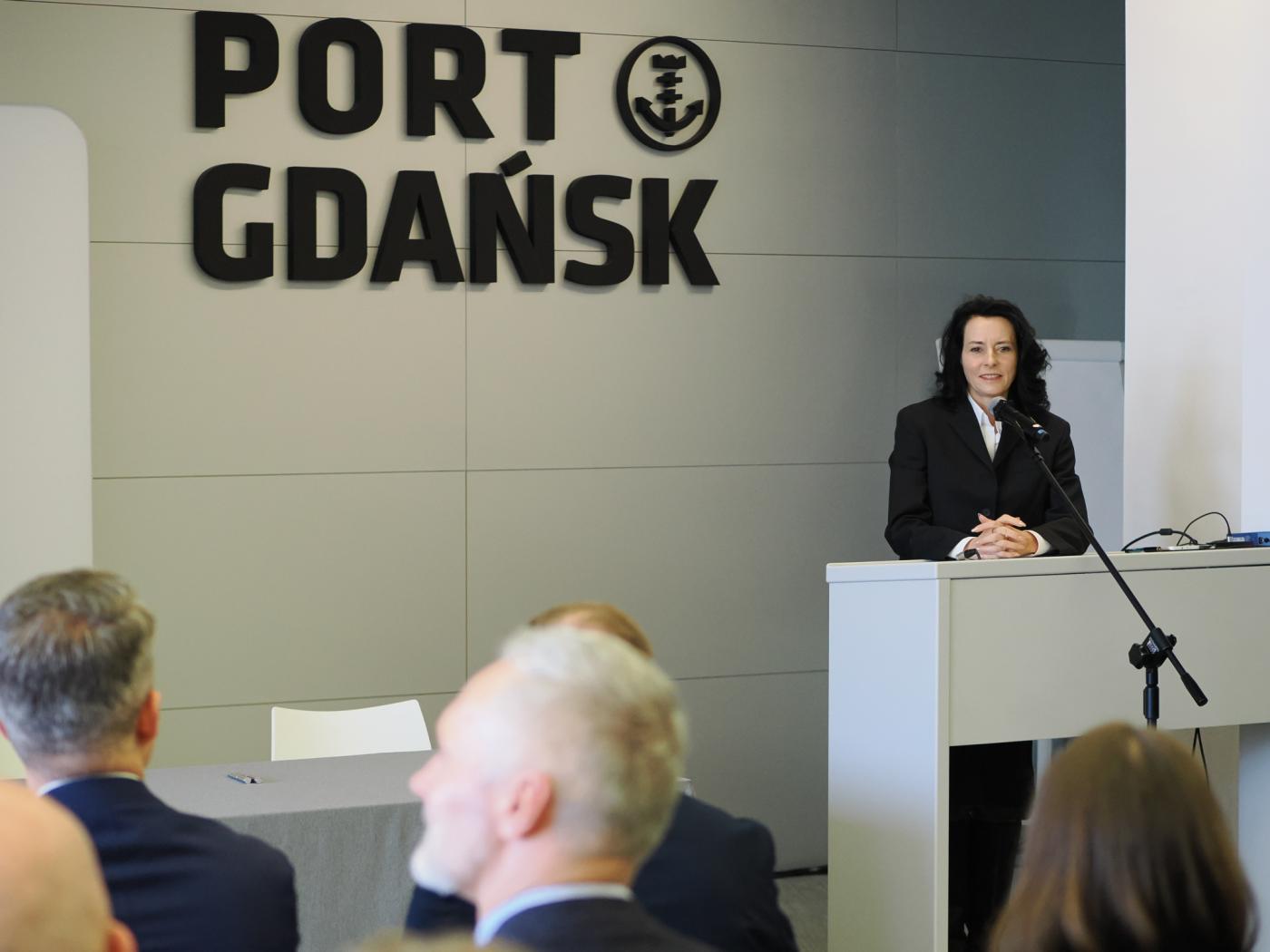
gallery


comments
Add the first comment
see also
Navantia and Fincantieri deepen cooperation on the european patrol corvette programme
Galeon Yachts and Meyer Shank Racing: merging luxury yachts with motorsport expertise
Unmanned systems and naval firepower modules. WB Group showcases integrated capabilities at Enforce Tac 2026
Swedish ports record lowest ship calls in 18 years. Implications for the maritime sector
February in Szczecin’s shiprepair sector. Ice, overhauls and North Sea expansion
Advanced ROV trials conducted at CTO to validate subsea technologies for offshore applications
University of Gdańsk and PGZ Naval Shipyard join forces for innovation and security
Stadt Naval to deliver electric propulsion system for Polish rescue vessel Ratownik
Gdańsk port’s Basen Górniczy to gain modern port infrastructure
First month of Jantar Unity operations. Polsca ferry paves the way for Batory program units
ADVERTISEMENT
ADVERTISEMENT