New measurement range vessels strengthen the Polish Navy’s technical fleet
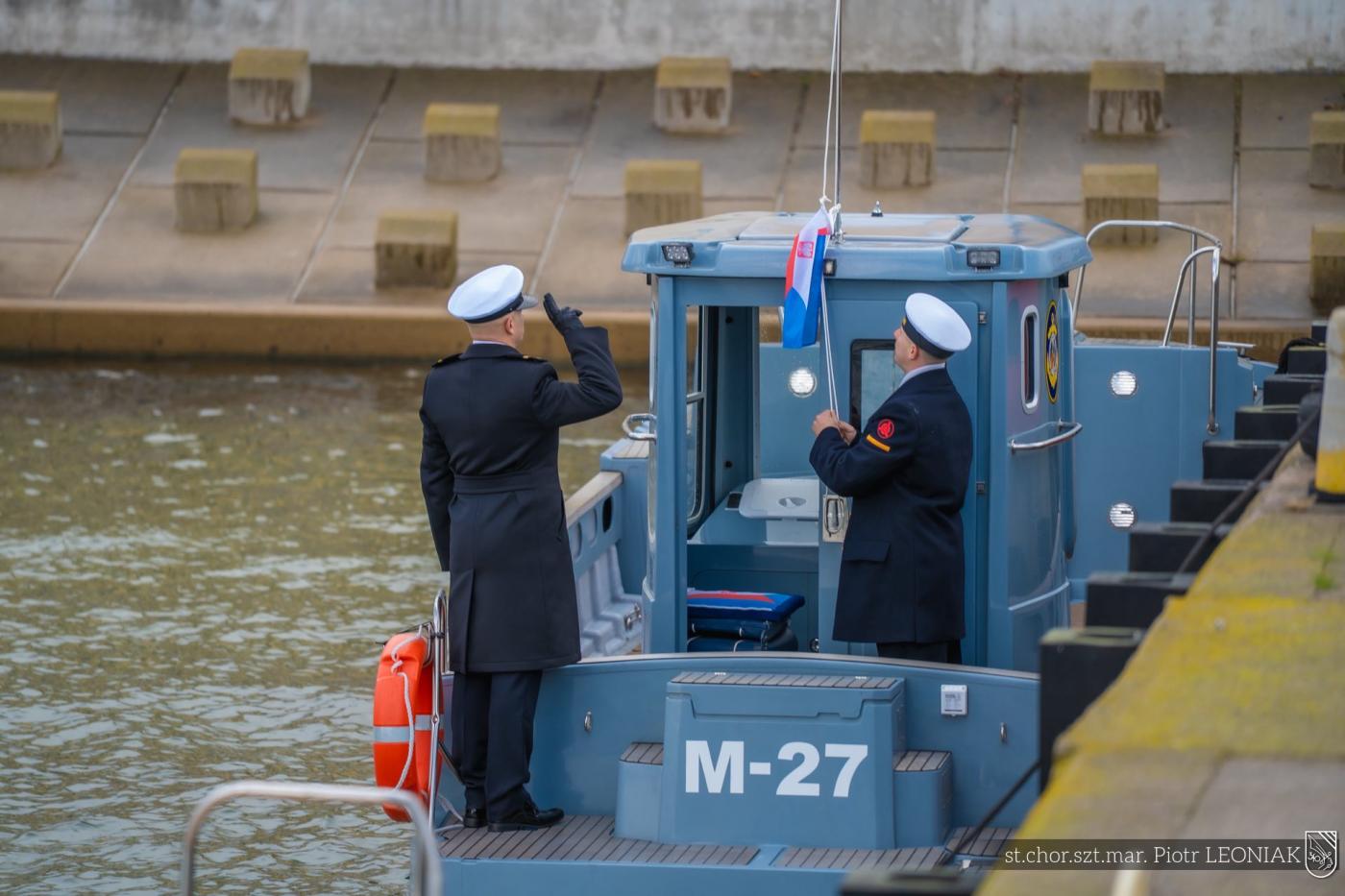
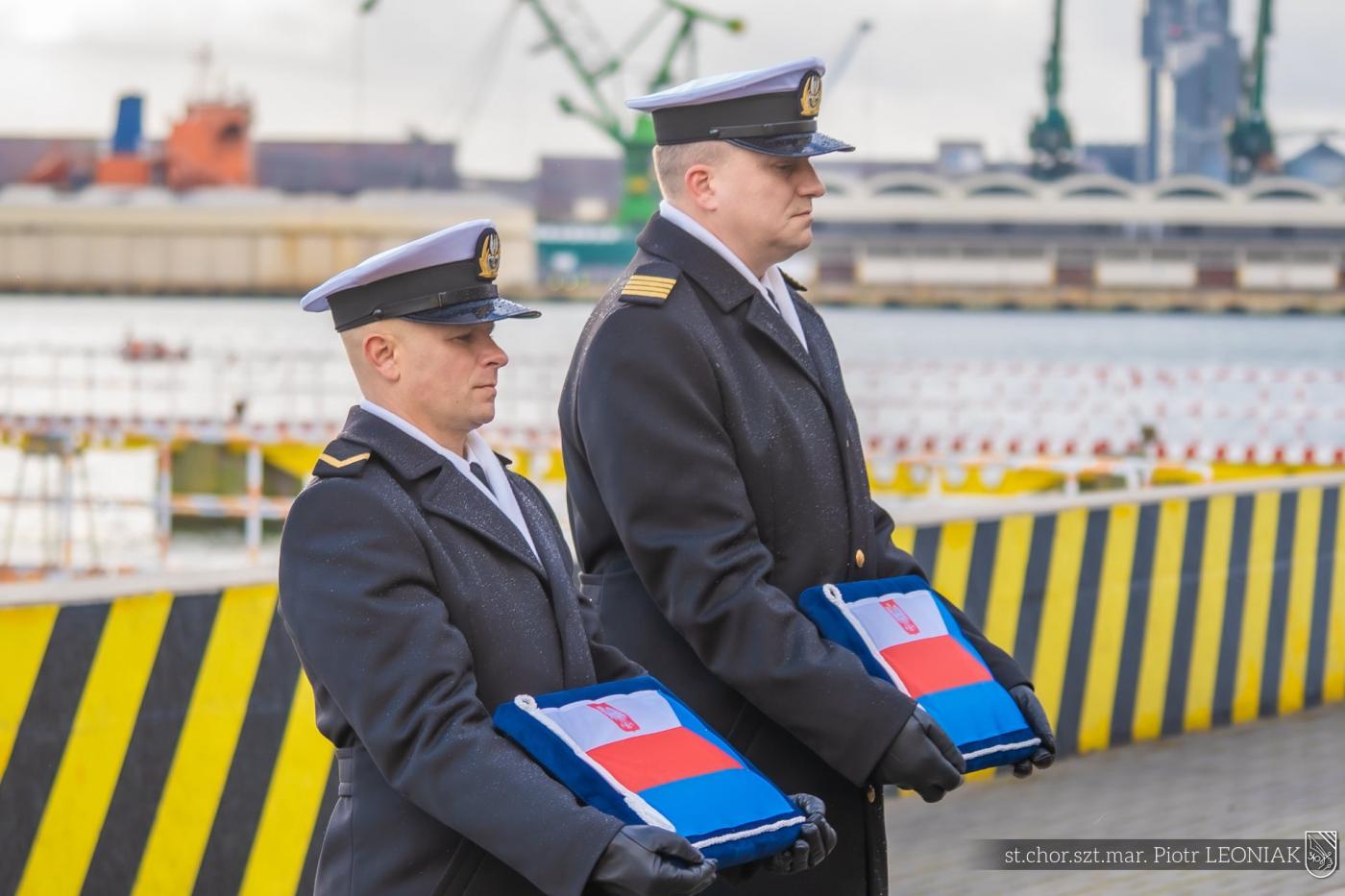
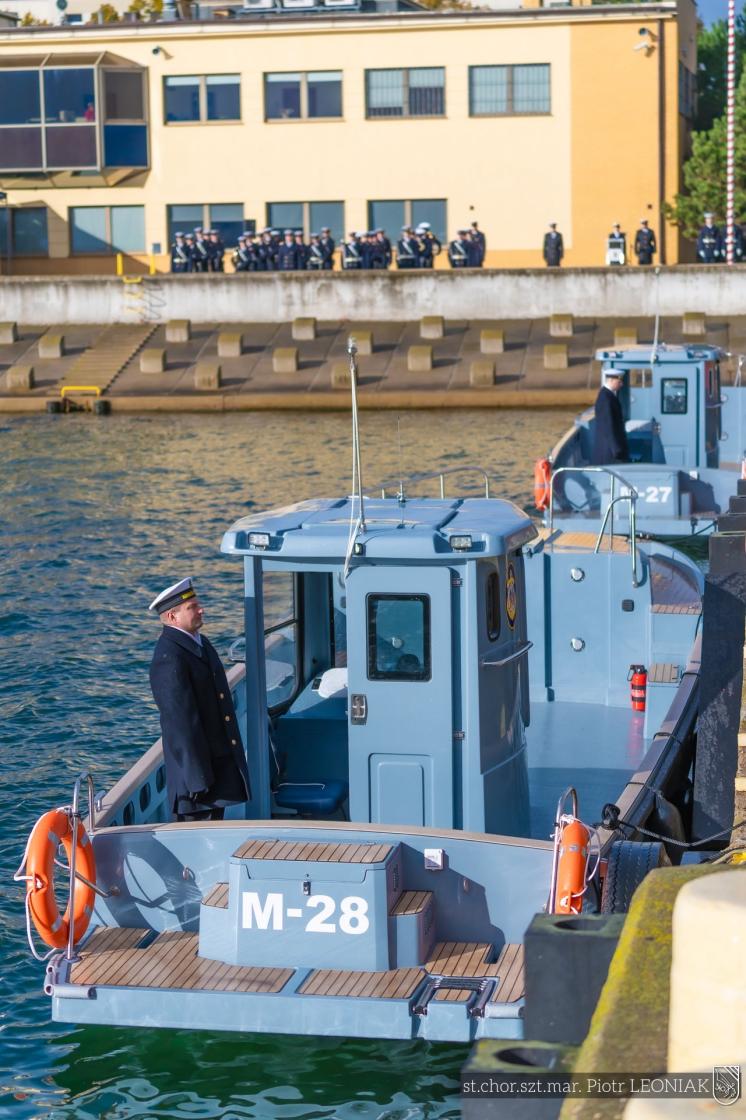
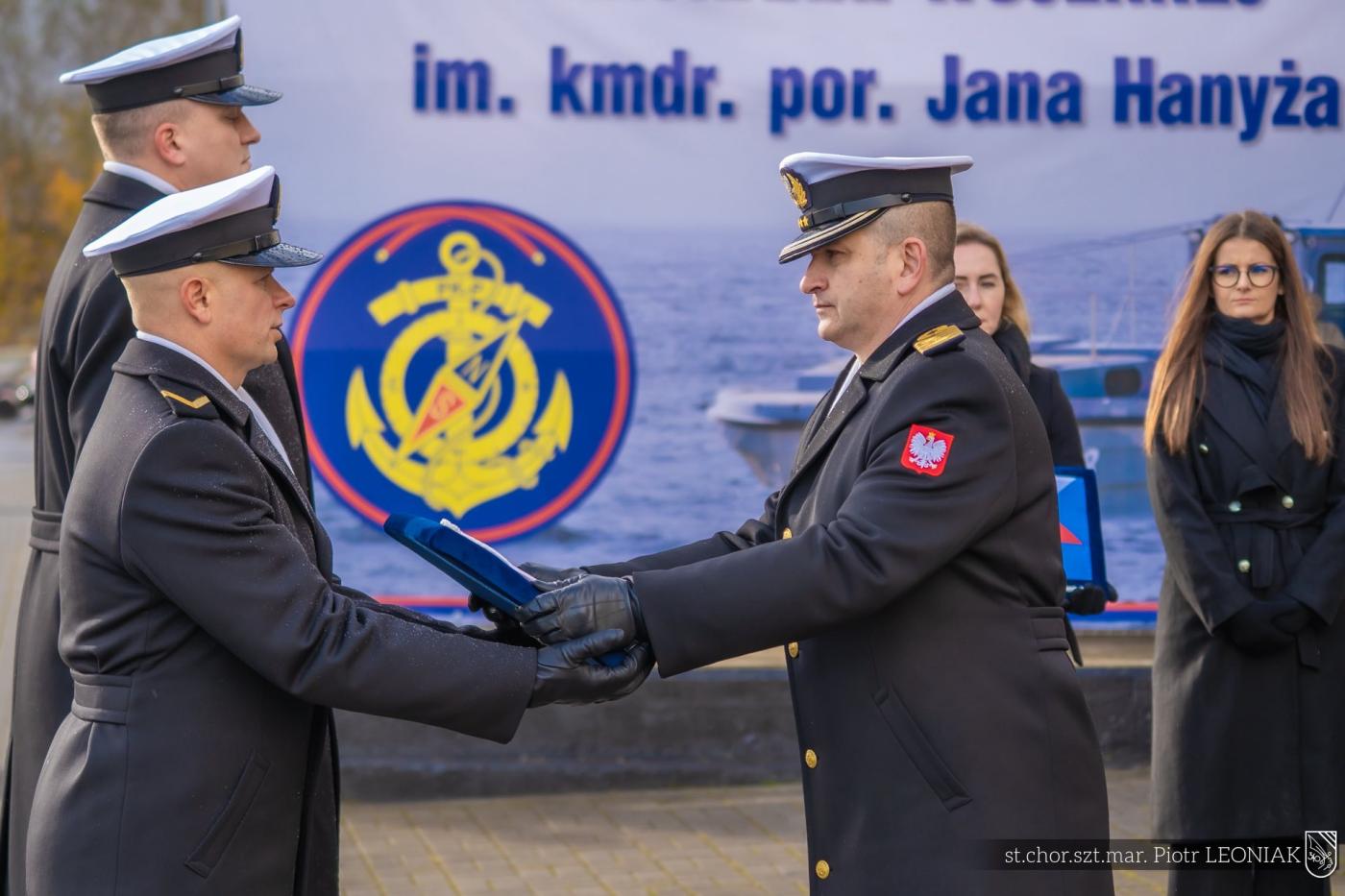
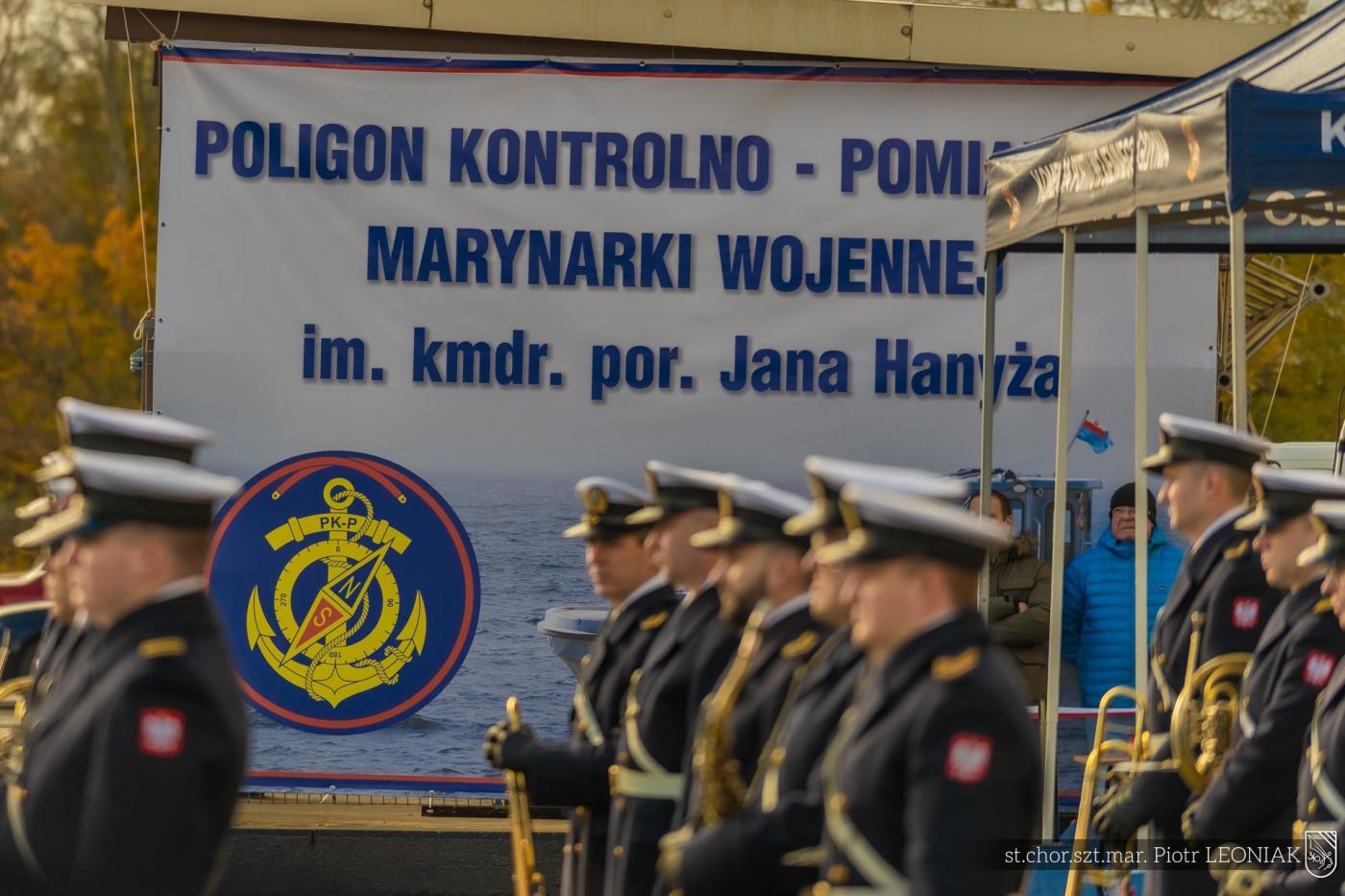
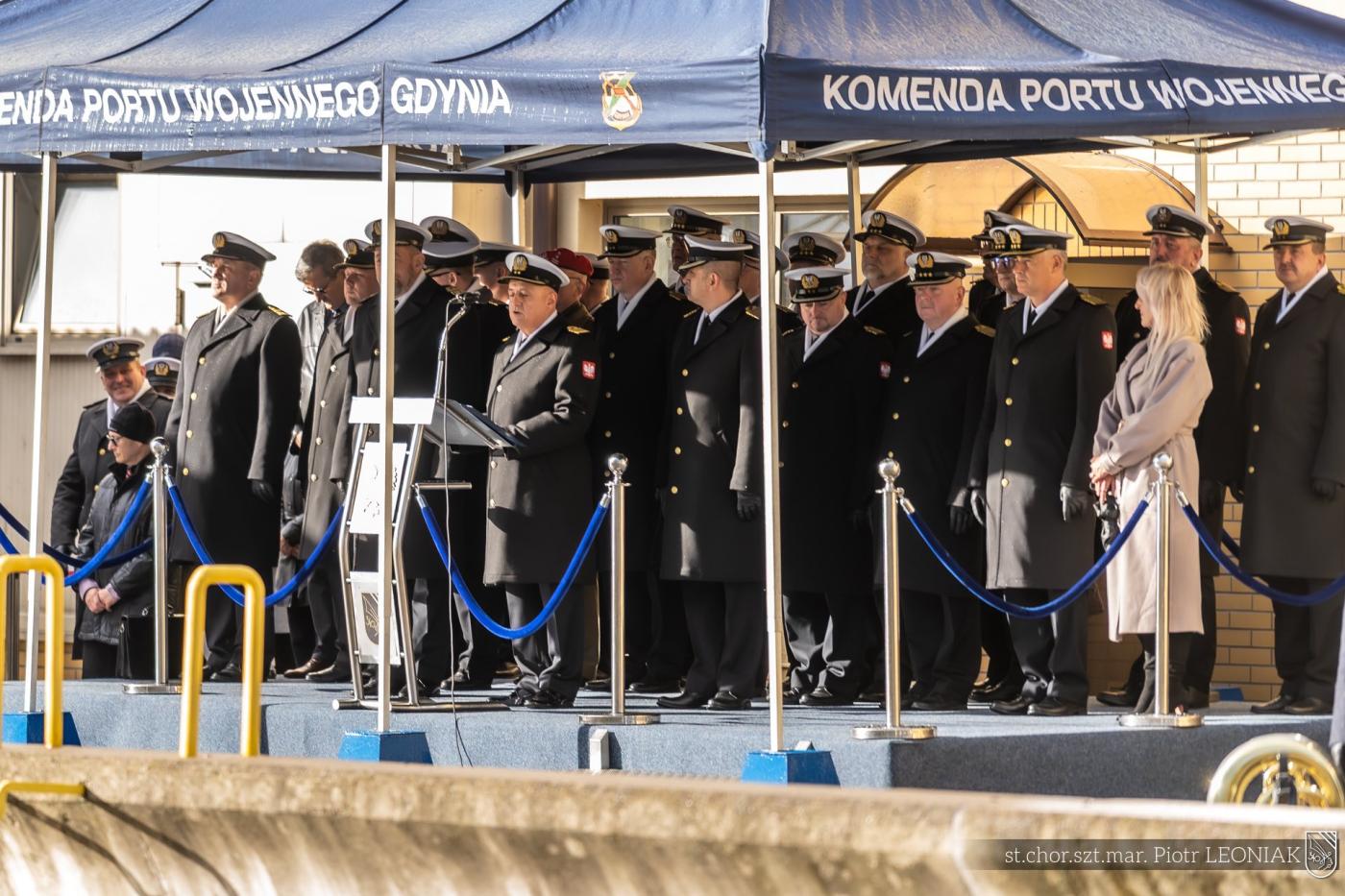
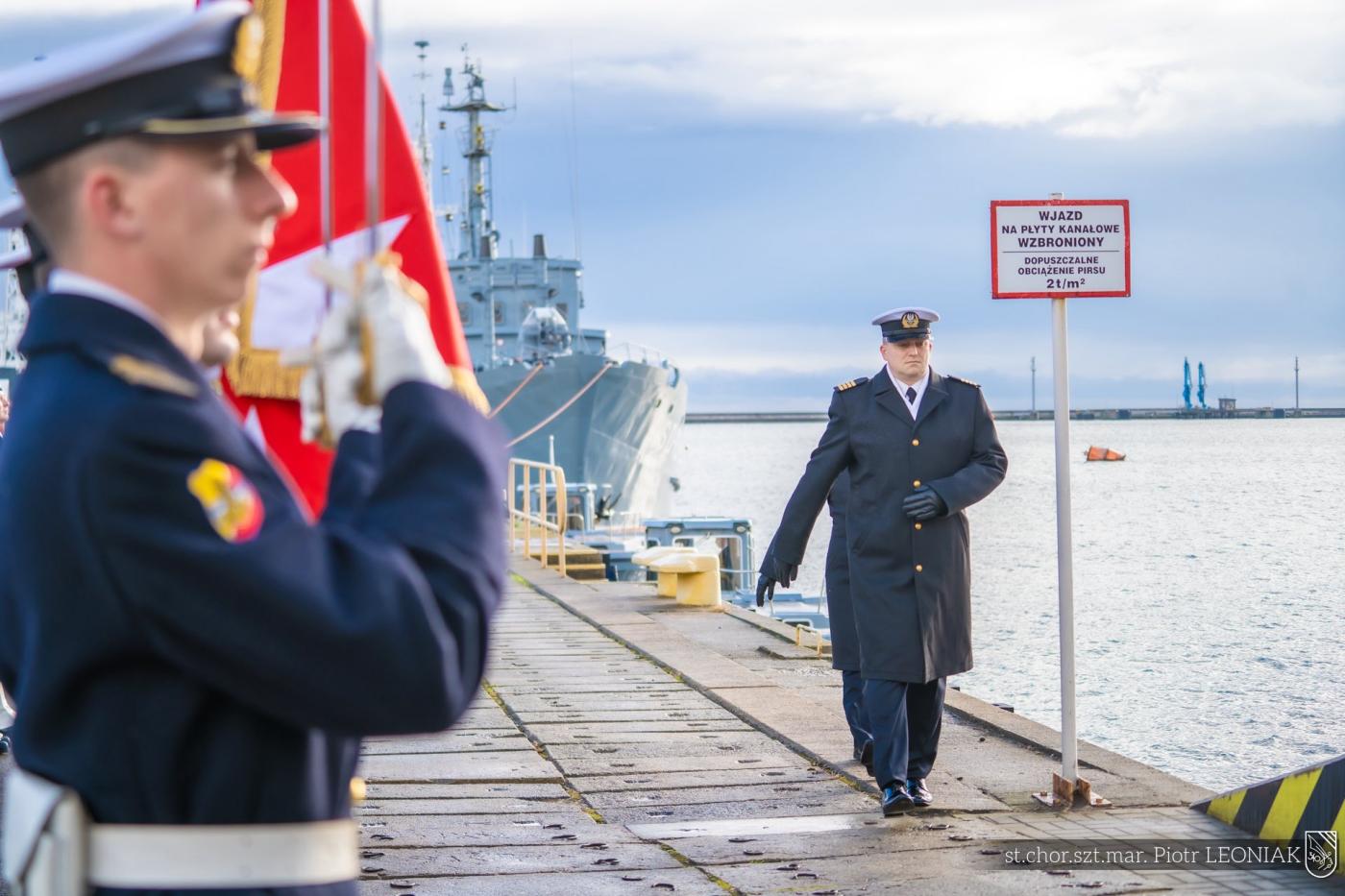
Small in size but significant in impact — that’s how the two new vessels, M-27 and M-28, can be described as they officially joined the Polish Navy’s Control and Measurement Range (Poligon Kontrolno-Pomiarowy Marynarki Wojennej, PKP MW). The ceremony of raising auxiliary ensigns took place in Gdynia, with representatives of the 3rd Flotilla of Ships and the Navy Command in attendance.
security navy pomerania equipment and technology tricity news29 october 2025 | 07:07 | Source: Gazeta Morska | Prepared by: Kamil Kusier | Print
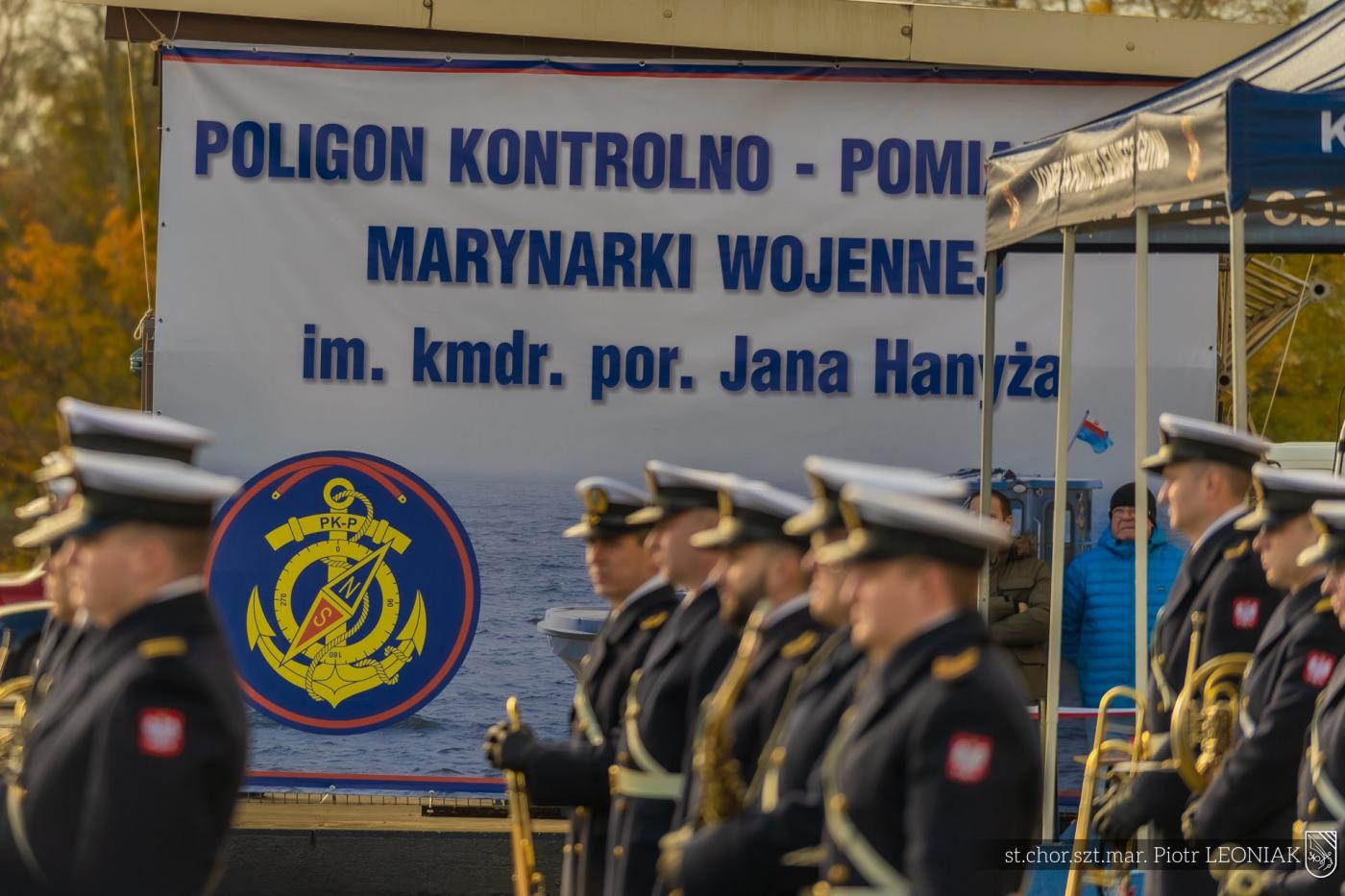
fot. st. chor. szt. mar. Piotr Leoniak / 3 FO / MW RP
Enhancing the Navy’s invisible shield
While not combat units, M-27 and M-28 play a crucial role in one of the most technically demanding areas of naval operations — the reduction and monitoring of ships’ physical signatures.
The Control and Measurement Range is a specialized support unit responsible for measuring, analysing, and minimising ships’ physical fields — including magnetic, electric, and acoustic emissions.
Such work directly contributes to fleet survivability: by properly controlling these physical signatures, vessels become less detectable to naval mines and modern sensor systems. In practice, this means safer operations and reduced risk when operating in contested maritime environments.
Purpose-built craft for technical operations
The newly introduced boats are designed for supporting field measurements, deploying sensors, and assisting in the demagnetisation process of naval vessels. Their lightweight, non-metallic construction allows them to safely manoeuvre in close proximity to ships undergoing magnetic calibration or physical field compensation procedures.
Compact, agile, and equipped for precise technical work, M-27 and M-28 will expand the operational flexibility of the PKP MW. They will also improve the ability to service, calibrate, and maintain the Polish Navy’s physical field reduction infrastructure — a key component of modern naval warfare support.
Technical modernisation through specialised assets
The commissioning of these new vessels reflects a broader effort by the Polish Navy to modernise not only its combat capabilities but also its technical and measurement infrastructure.
While public attention often focuses on frigates, minehunters, or submarines, it is units like PKP MW that ensure these ships remain “invisible” to threats and ready for operational deployment.
According to Navy officials, “These are not combat ships, nor are they the largest, but the potential they bring to the Navy’s operations is of great importance.”
The integration of M-27 and M-28 strengthens the Navy’s ability to sustain its fleet safely and effectively — a silent but vital contribution to national defence at sea.
see also
Buy us a coffee, and we’ll invest in great maritime journalism! Support Gazeta Morska and help us sail forward – click here!
Kamil Kusier
redaktor naczelny
gallery


comments
Add the first comment
see also
Strait of Hormuz at a strategic crossroads: sinking of IRIS Dena and implications for maritime transport
The submarine contract of the decade? Canada weighs South Korea against Germany
When two powers clash, Poland must be ready to act. Military security must be the priority
Commodore Przemysław Karaś appointed deputy commander of the Maritime Operations Centre - Naval Component Command
Radmor hosts delegation from the Republic of Turkey. Advancing maritime security cooperation
French Navy expands global operations from the Pacific to the Red Sea
"Let everyone know we will prevail". Poland’s armed forces set strategic course for 2026-2039
“Army 500” and strategic transformation: Poland sets the course for long-term deterrence and allied readiness
Medical evacuation from offshore vessel in the Baltic. Rescue 511 helicopter and m/s Huragan deployed
Karol Nawrocki: “The strength of the republic lies in its armed forces”. Security requires national unity
ADVERTISEMENT
ADVERTISEMENT