New cogeneration source underway in Elbląg
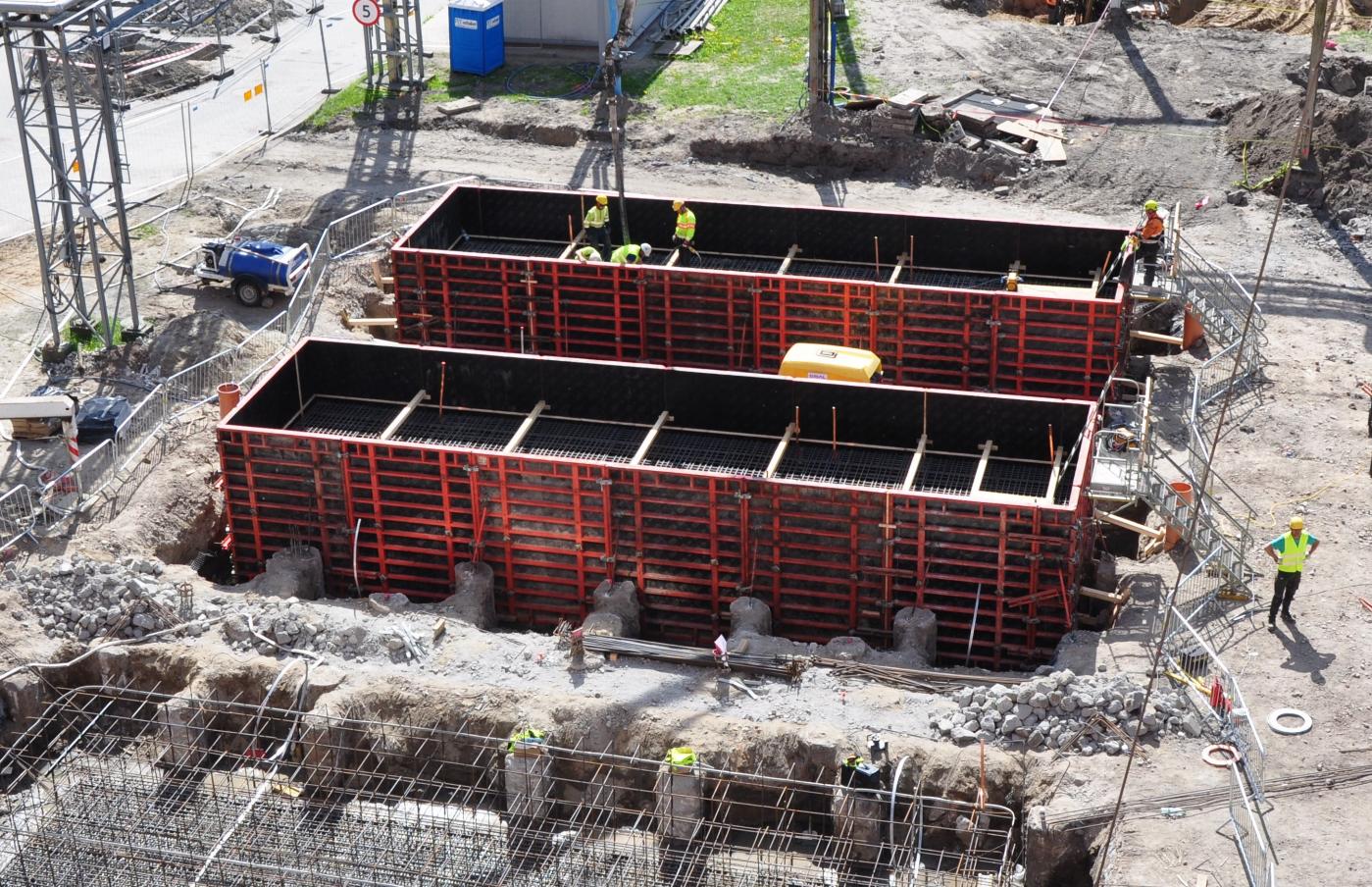
Energa Kogeneracja, part of the ORLEN Group, continues its strategic investment in the Elbląg combined heat and power plant (CHP), aiming to decarbonize the facility and bring it in line with EU environmental regulations. The latest milestone in the project is the completion of foundations for new gas engine units, paving the way for construction of the cogeneration system buildings, where the generating units are set to be installed by the end of this year.
business power engineering news26 may 2025 | 21:41 | Source: Gazeta Morska | Prepared by: Kamil Kusier | Print
fot. Energa
Three engines, dual output
The new cogeneration unit will be powered by three gas engines capable of delivering approximately 30 MW of thermal energy and 30 MW of electric power. Once operational, the system will support Elbląg’s heating needs while contributing to cleaner, more efficient energy production.
Solid foundations for a heavy-duty system
To prepare the site, nearly 450 cubic meters of concrete were poured over the course of approximately 50 concrete truck deliveries. This marks the end of the preparatory phase and the beginning of the building phase of the project.
Construction of all cogeneration buildings will require around 1,100 m³ of concrete and 190 tonnes of high-grade reinforcing steel. Ground stabilization was a critical component due to the total engine weight—around 480 tonnes—and the expected vibrations during operation. A total of 220 concrete piles, each up to 12 meters long and with diameters ranging from 45 to 63 cm, were installed using CMC/CFA piling technology.
Final stage of a larger decarbonization plan
This gas engine cogeneration system marks the final stage of the Elbląg CHP’s decarbonization investment program. The modernization effort began in 2022 with the commissioning of a 114 MWt gas-fired peak and reserve boiler house, featuring three gas boilers. The site also includes a biomass-fired CHP unit, offering 42 MWt of thermal capacity and 25 MWe of electrical output.
Historically reliant on coal-fired boilers, the plant began phasing them out in response to tightening EU emissions standards, particularly the Industrial Emissions Directive (IED) of 2010 and its subsequent BAT conclusions. By 2020, two coal boilers were decommissioned. A third unit was modernized and downgraded to below 50 MWt, thus falling under regulations for medium combustion plants and extending its permitted operational lifespan.
This comprehensive upgrade reinforces Energa Kogeneracja’s commitment to clean energy transition while securing reliable and efficient heat supply for the region.
Buy us a coffee, and we’ll invest in great maritime journalism! Support Gazeta Morska and help us sail forward – click here!
Kamil Kusier
redaktor naczelny
comments
Add the first comment
see also
Austal partners with Damen for local construction of LST 100 for Australian Army
The submarine contract of the decade? Canada weighs South Korea against Germany
Bechtel signs contract with Doraco for Poland’s first nuclear power plant
When two powers clash, Poland must be ready to act. Military security must be the priority
MON, Arka Gdynia and AMW sign letter of intent supporting "Green Industrial District - Kashubia" project
Mine countermeasure vessel Jaskółka begins sea acceptance trials
PEJ relocates headquarters to Pomerania. A strategic step in Poland’s nuclear power development
Radmor hosts delegation from the Republic of Turkey. Advancing maritime security cooperation
3D-printed catamaran: robotic manufacturing sets course for the future of small craft
Navantia and Fincantieri deepen cooperation on the european patrol corvette programme
ADVERTISEMENT
ADVERTISEMENT