M3 Amphibious System: Latvia Demonstrates Next-Level Mobility Across Water Obstacles
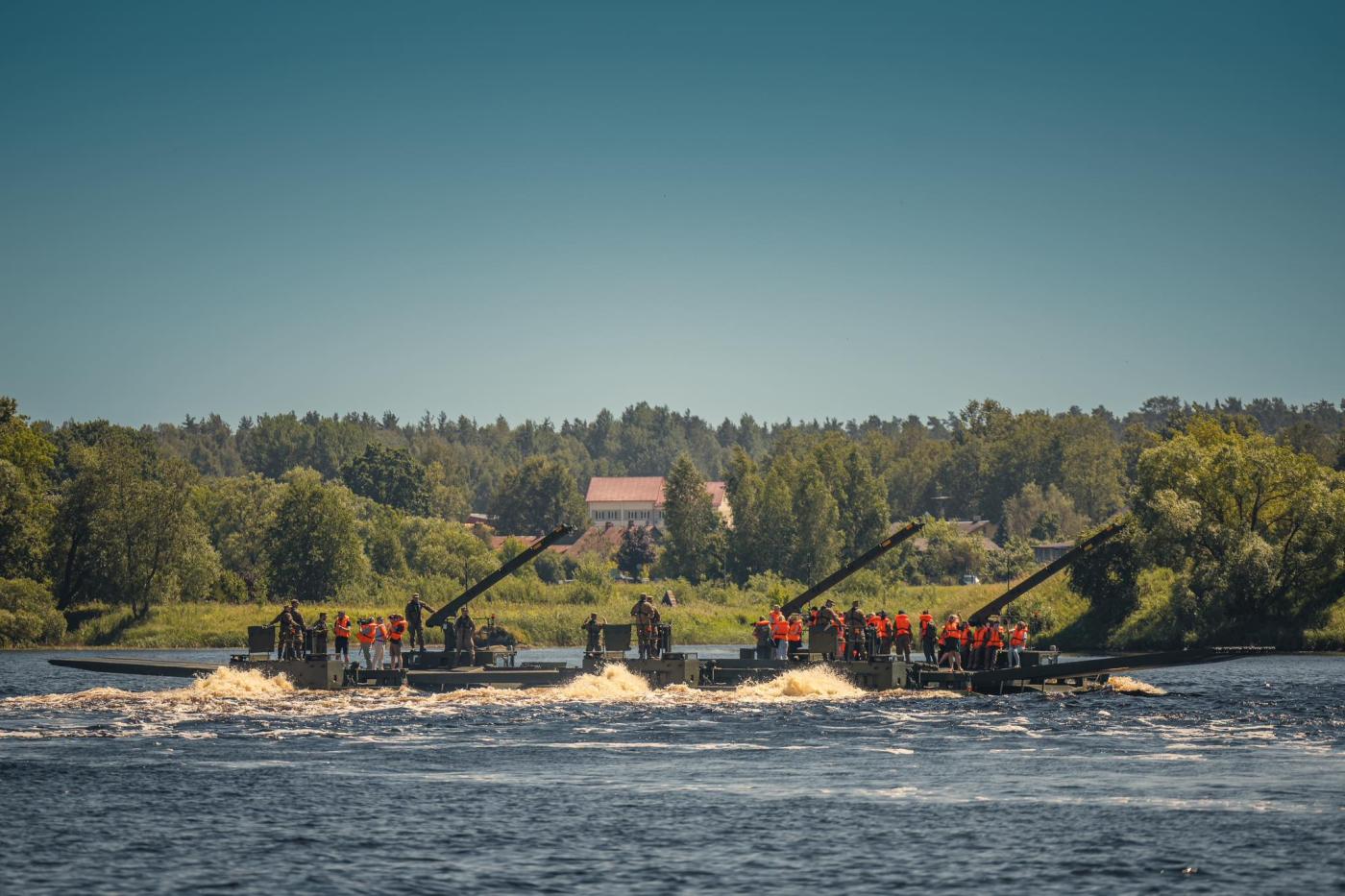
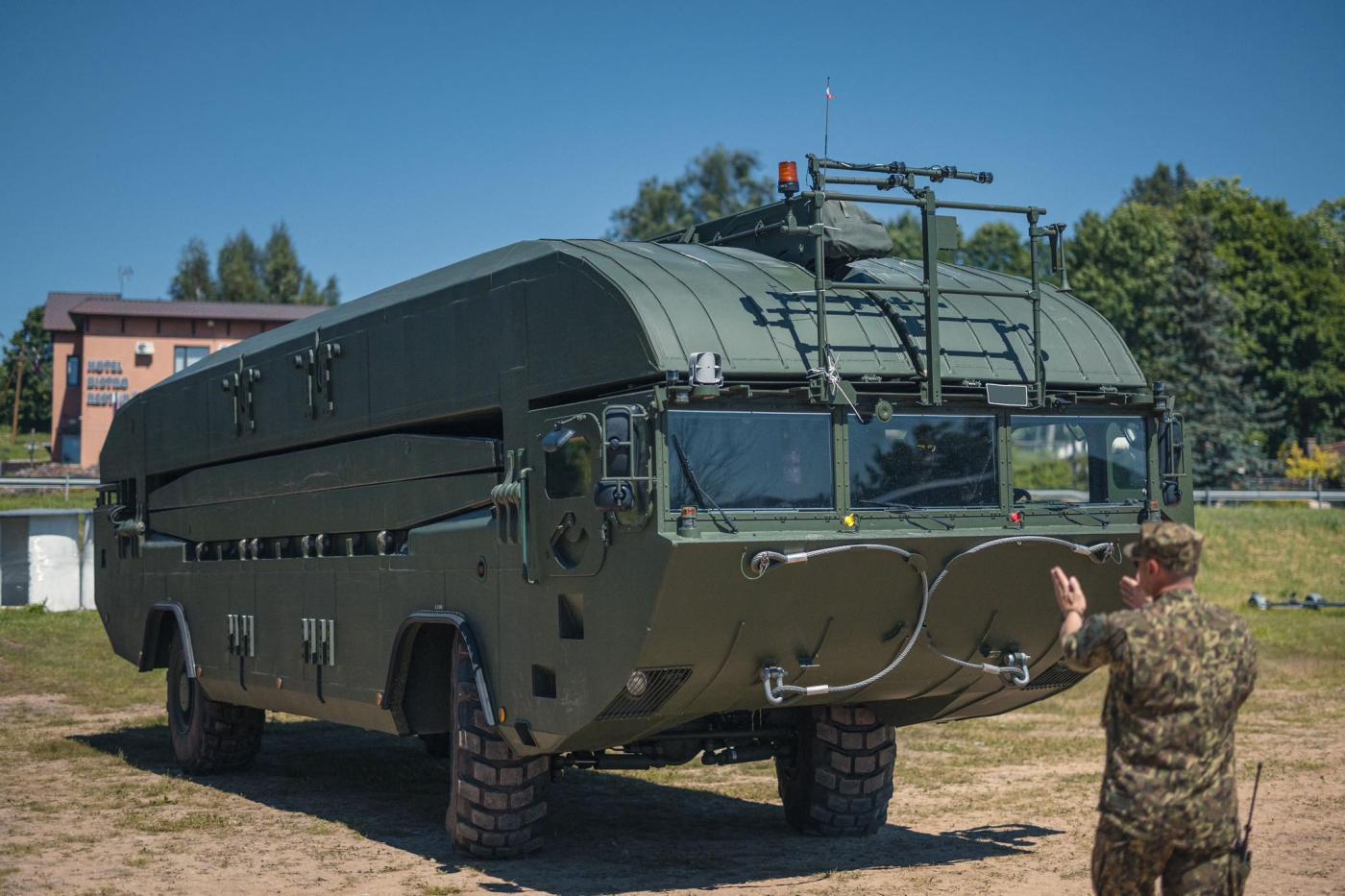
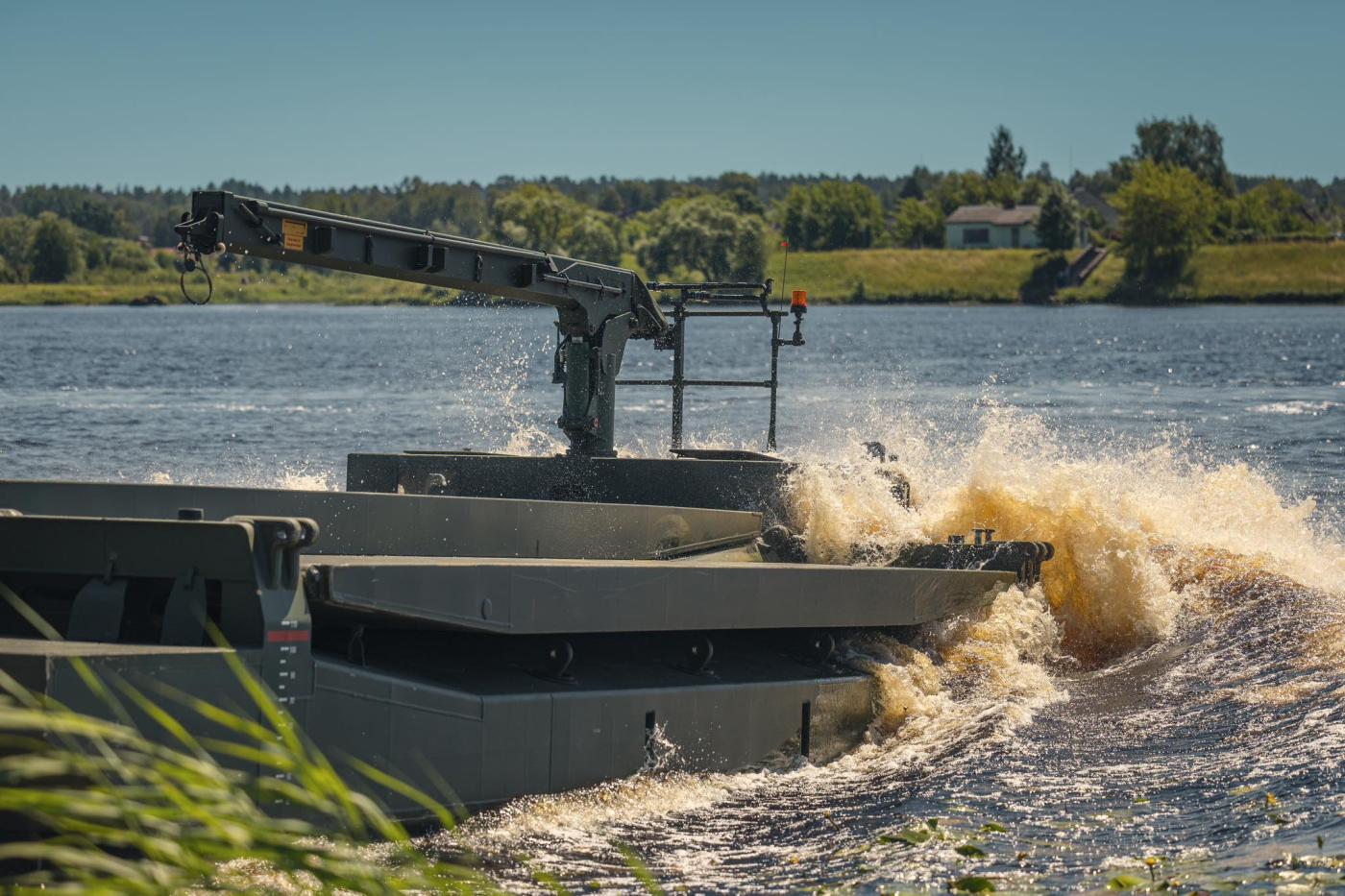
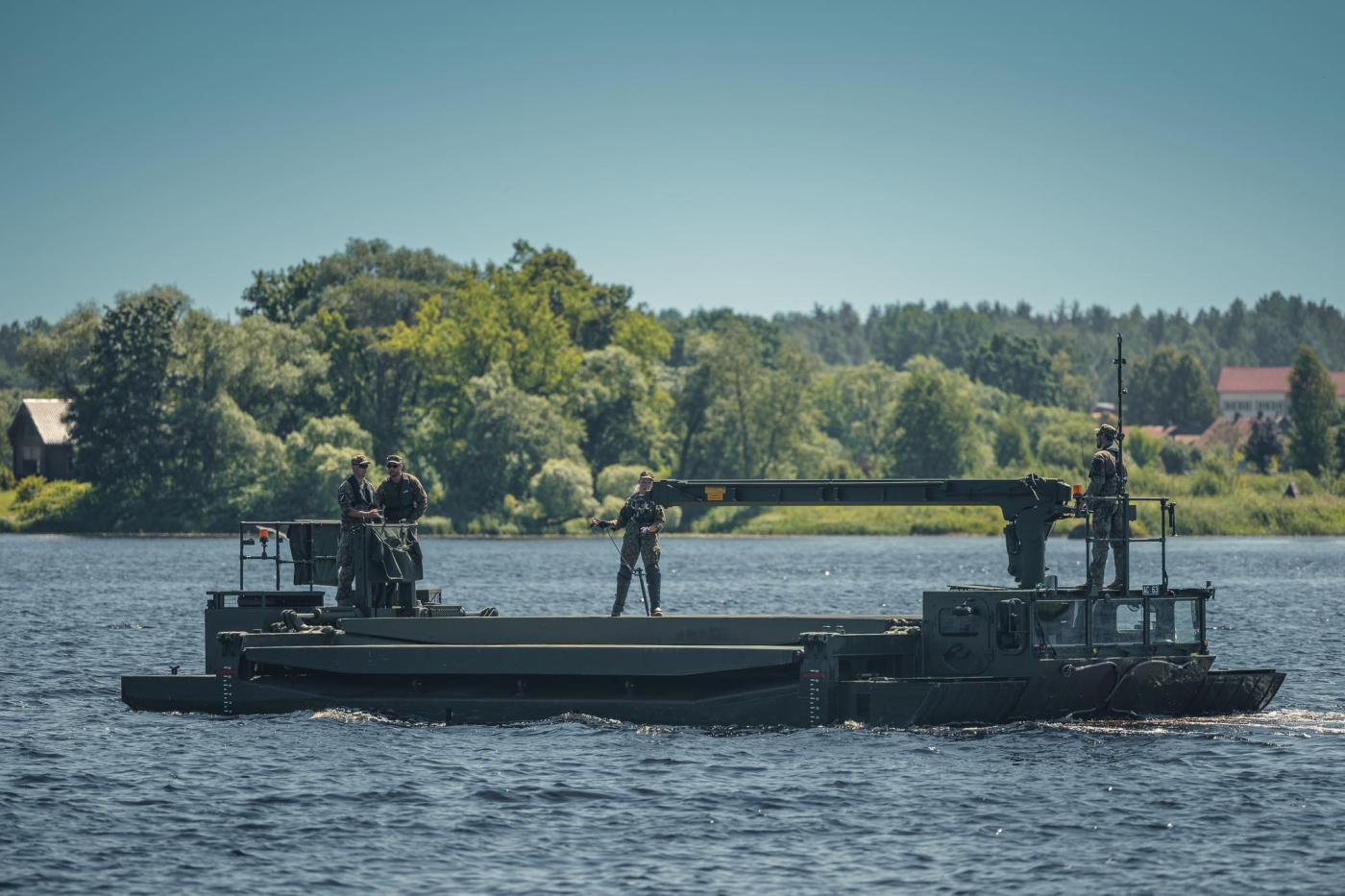
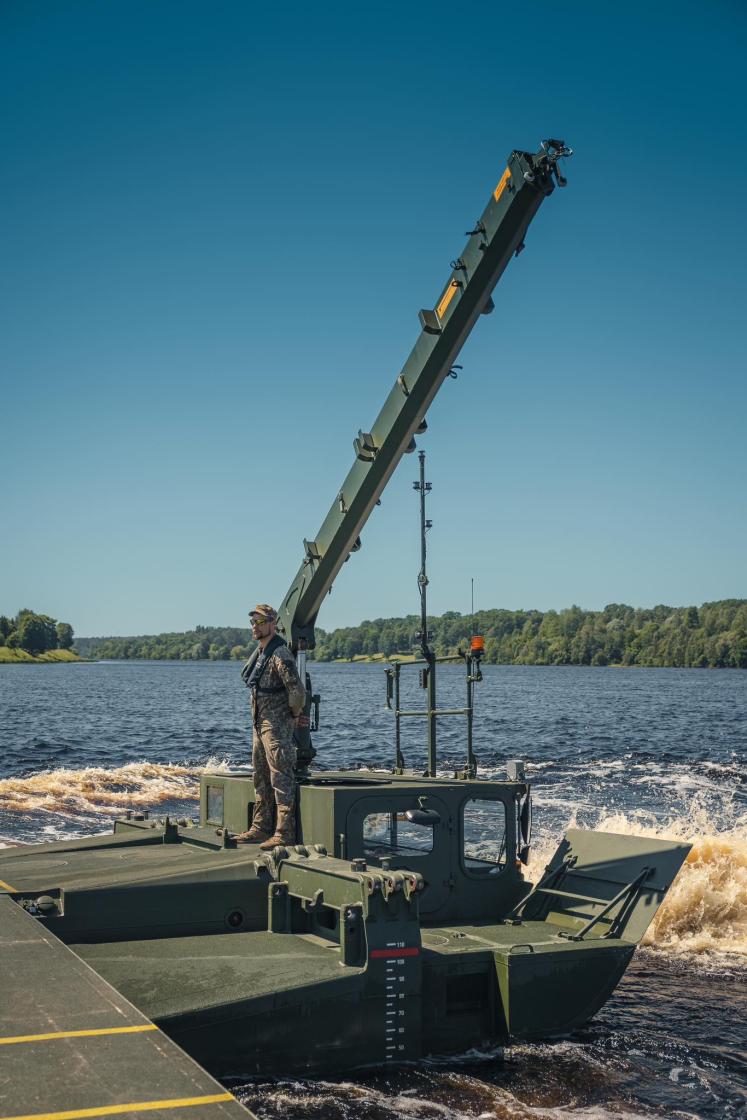
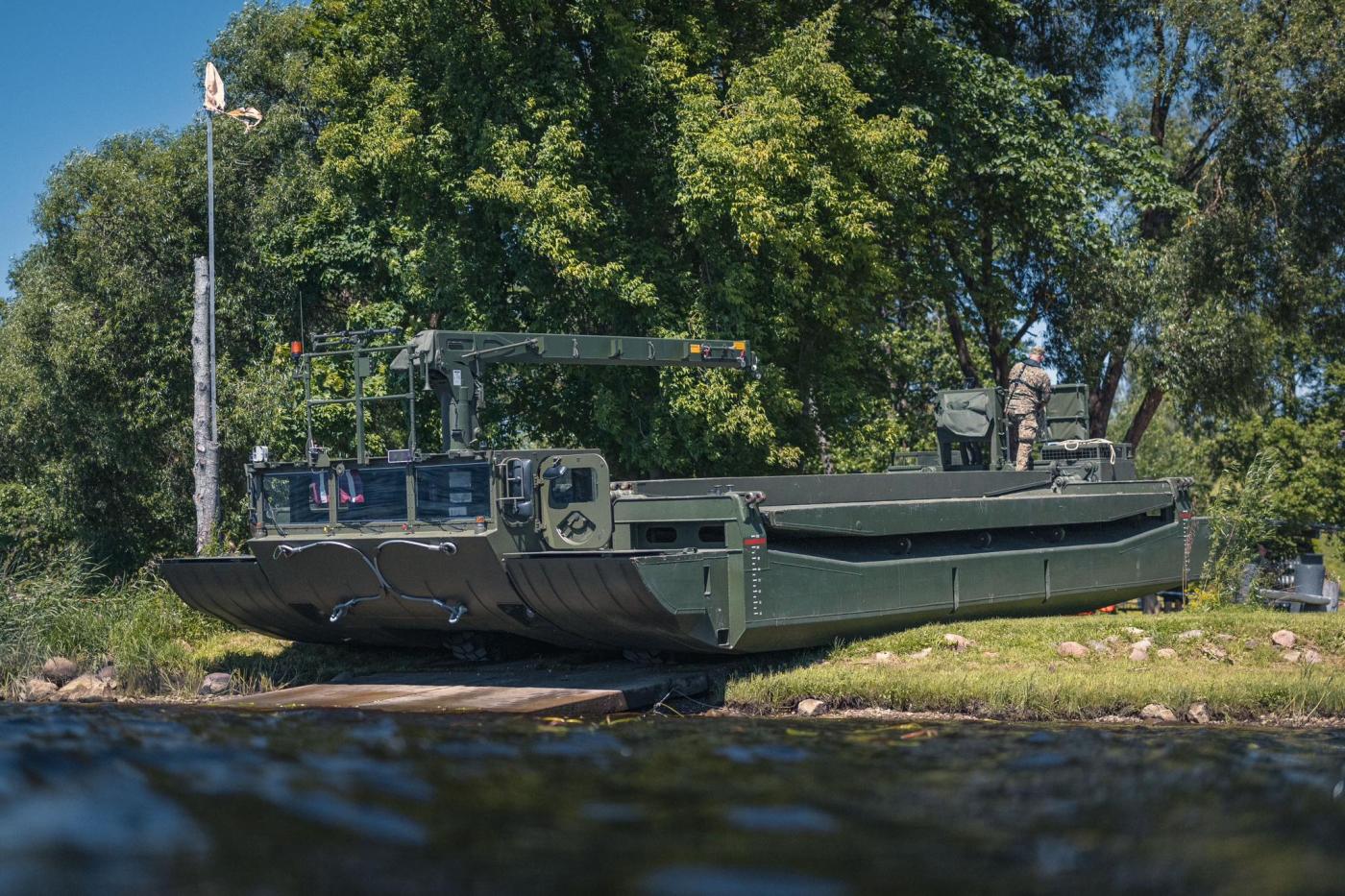
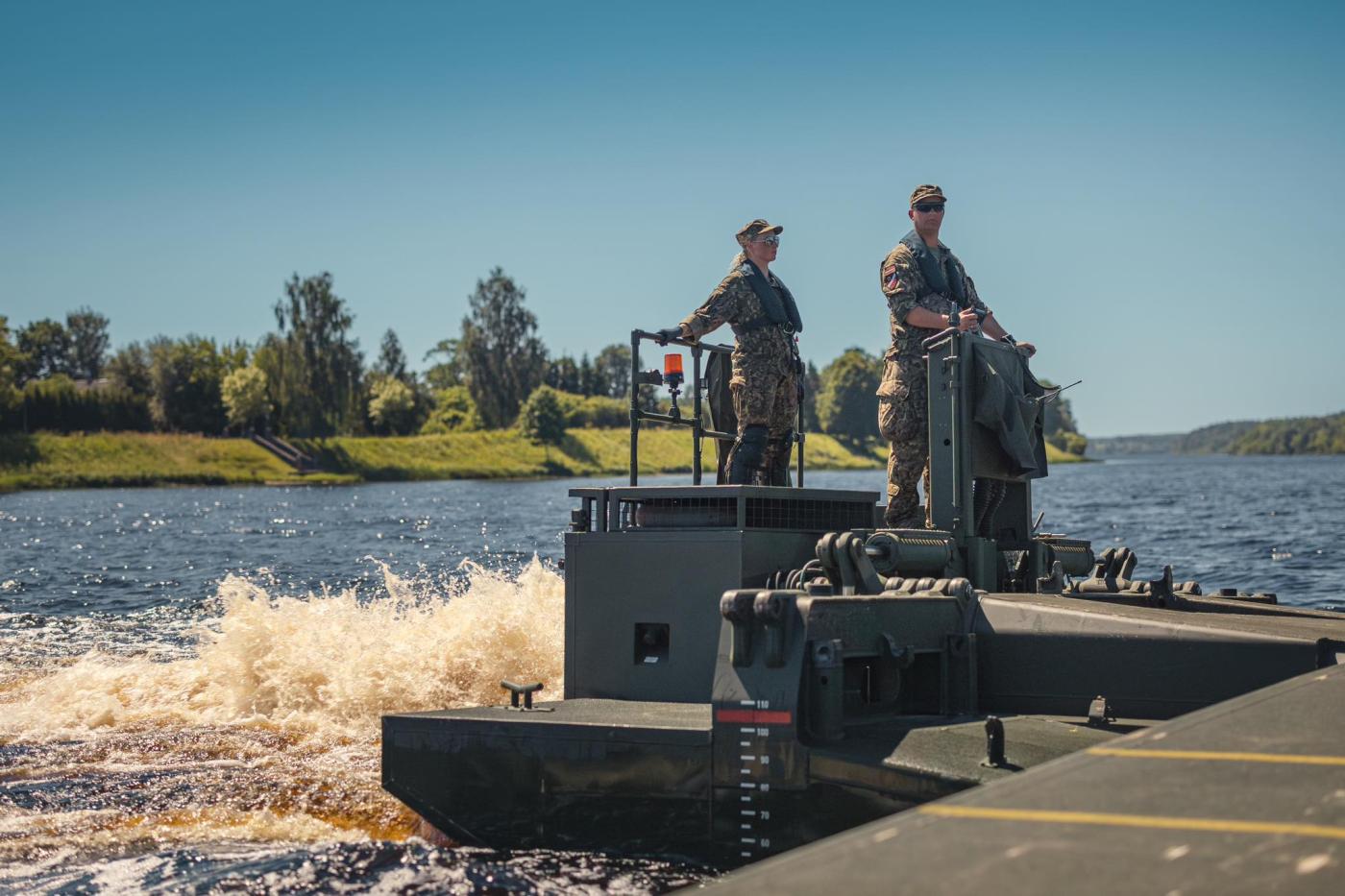
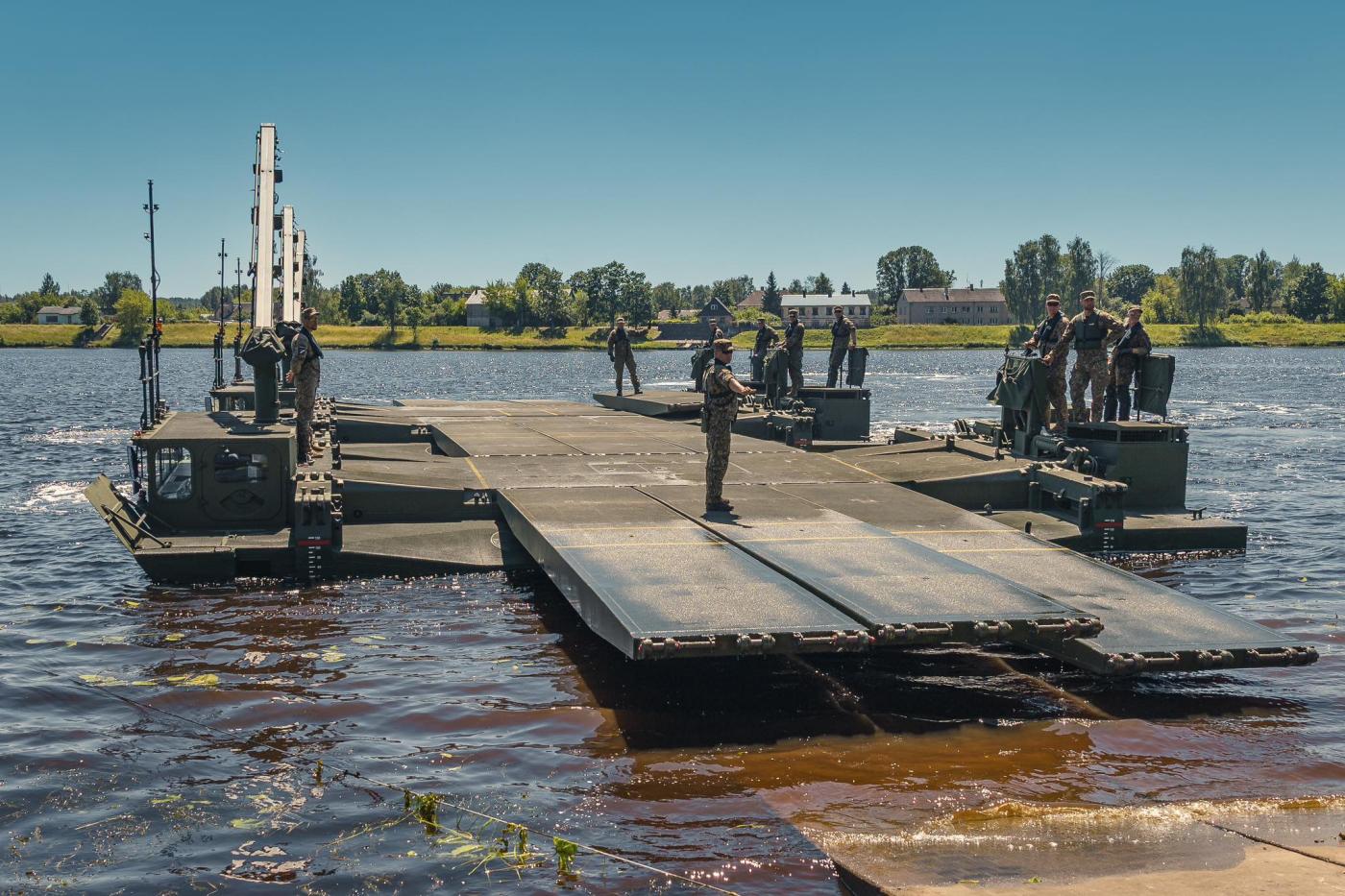
The Latvian National Armed Forces have recently showcased the capabilities of the M3 amphibious bridging and ferry system – a high-mobility engineering platform designed to support rapid maneuverability across rivers, canals, and inland waters. The demonstration highlights the growing strategic relevance of operational mobility in the Baltic Sea region.
security navy worldwide nato defense industry news12 july 2025 | 07:20 | Source: Gazeta Morska | Prepared by: Kamil Kusier | Print
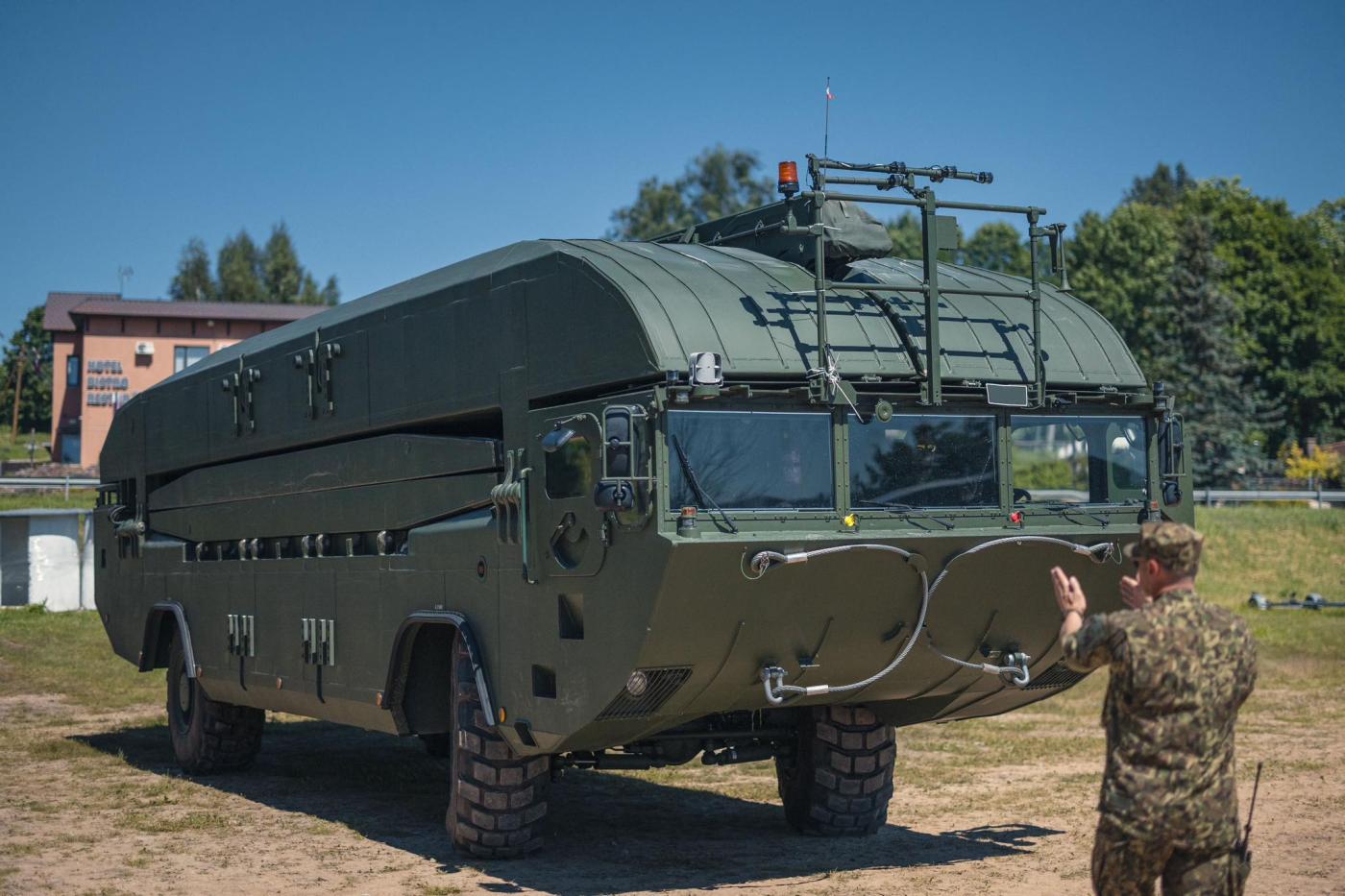
fot. Siły Zbrojne Łotwy
Developed for both independent and combined operations, the M3 system can function autonomously as a self-propelled ferry unit, or interconnect with other M3s to form pontoon bridges up to 75 meters long, supporting loads of up to 85 tonnes – sufficient to carry main battle tanks and heavy armored vehicles.
One of the platform’s most striking features is its rapid deployability: just three soldiers are required to convert the vehicle from road mode to a fully functional bridge or ferry without external support. The M3 reaches speeds of up to 80 km/h on roads and 14 km/h in water, enabling fast deployment even in complex terrain.
Latvia’s deployment of M3 units reinforces the increasing emphasis on combat engineering capabilities among NATO's eastern flank members. It also aligns with the Alliance’s focus on interoperability, mobility, and rapid reinforcement – especially relevant for the geographically fragmented and river-rich terrain of Central and Eastern Europe.
For Poland and other regional allies regularly involved in multinational training exercises such as Defender Europe, Anakonda, or Baltic Operations (BALTOPS), the M3 presents a proven, field-ready model for enhancing strategic mobility across natural obstacles.
As mobility and logistical agility become defining components of 21st-century warfare, the M3 system stands out not just as a vehicle, but as a force multiplier – offering swift, adaptable, and scalable crossing capabilities for both national defense and allied operations.
see also
Buy us a coffee, and we’ll invest in great maritime journalism! Support Gazeta Morska and help us sail forward – click here!
Kamil Kusier
redaktor naczelny
gallery
comments
Add the first comment
see also
Strait of Hormuz at a strategic crossroads: sinking of IRIS Dena and implications for maritime transport
The submarine contract of the decade? Canada weighs South Korea against Germany
When two powers clash, Poland must be ready to act. Military security must be the priority
Commodore Przemysław Karaś appointed deputy commander of the Maritime Operations Centre - Naval Component Command
Radmor hosts delegation from the Republic of Turkey. Advancing maritime security cooperation
French Navy expands global operations from the Pacific to the Red Sea
"Let everyone know we will prevail". Poland’s armed forces set strategic course for 2026-2039
“Army 500” and strategic transformation: Poland sets the course for long-term deterrence and allied readiness
Medical evacuation from offshore vessel in the Baltic. Rescue 511 helicopter and m/s Huragan deployed
Karol Nawrocki: “The strength of the republic lies in its armed forces”. Security requires national unity
ADVERTISEMENT
ADVERTISEMENT