









FRUG’s ecological initiatives with Energa’s support
Energa and the University of Gdańsk Development Foundation (FRUG) joined forces in 2023 to protect the Baltic Sea ecosystem. This collaboration will continue this year, focusing on the most endangered species in the Baltic and educational programs on environmental protection.
In brief
Energa and the University of Gdańsk Development Foundation are continuing in 2025 the Kierunek Bałtyk project, dedicated to protecting the Baltic Sea ecosystem and launched in 2023. The programme includes measures for the most endangered species, including the harbour porpoise and the grey seal, and countering threats such as climate change, plastic and microplastic. The University of Gdańsk Development Foundation together with the University of Gdańsk Marine Station in Hel runs Porpoise Day in Gdynia, Fish Day in Hel and the summer Marine Ichthyologist course. Piotr Szymanek, vice president of the management board of Energa SA, identified educating young generations as a priority.
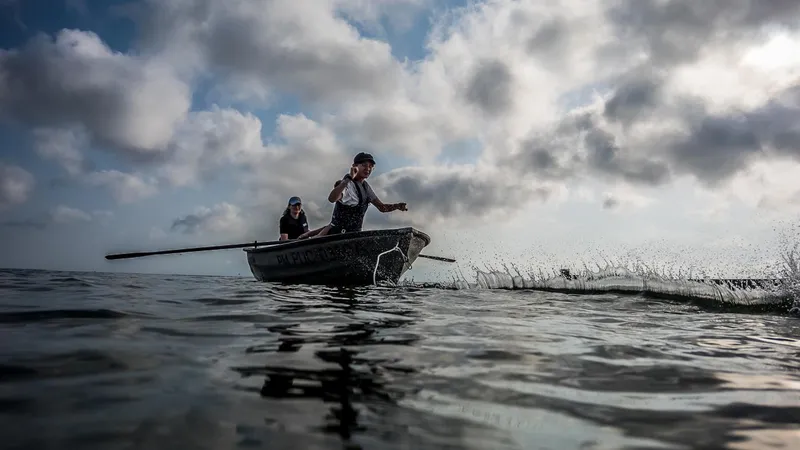
Fundacja Rozwoju Uniwersytetu Gdańskiego | fot. A. Adamski
The University of Gdańsk Development Foundation, in partnership with the UG Marine Station in Hel, carries out projects aimed at preserving Baltic Sea nature while conducting research and educational activities. In 2025, the foundation plans to continue its initiative focused on protecting the Baltic ecosystem, with a particular emphasis on coastal species and habitats, key threats (including climate change and plastic pollution), and strategies to mitigate these risks.
- Together with the University of Gdańsk Development Foundation and the Marine Station in Hel, we will continue the important ‘Kierunek Bałtyk’ (Direction: Baltic) project. Energa operates in the Baltic Sea region, and responsibility for our immediate environment is our priority. The project's objectives align with our mission to support the local community. Above all, this is an investment in public education, particularly for younger generations. We also greatly value collaboration with the scientific and expert community, which allows us to develop initiatives for the protection of the Baltic ecosystem, says Piotr Szymanek, Vice President of Energa SA.
Marine education
Energa, in partnership with the University of Gdańsk Development Foundation and the UG Marine Station, leads the Kierunek Bałtyk initiative, aimed at protecting the Baltic environment. The program includes conservation efforts for the region’s most endangered species, such as the harbor porpoise and gray seal.
A significant component of this collaboration is a series of educational events with a long-standing tradition and consistently high attendance. During gatherings such as Porpoise Day in Gdynia or Fish Day in Hel, FRUG educators and UG Marine Station specialists share up-to-date knowledge on the Baltic ecosystem, biodiversity, and endangered species.
With Energa’s support, additional educational activities take place at the UG Marine Station, including the summer course Ichthyologist of the Sea. This program introduces participants to the biology and ecology of the Baltic fish fauna and the threats impacting its resources. The course includes lectures, laboratory work, and field workshops conducted by experts from universities across Poland.
As part of this initiative, the UG Marine Station in Hel also hosts children from orphanages participating in the Homes of Good Energy program. The youngest visitors take part in the Blue School—boarding research vessels, engaging in hands-on activities and workshops. They learn about marine mammal biology and receive guidance on how to behave if they encounter a seal on the beach. They also attend lectures on the hydrology of the Baltic Sea and environmental challenges caused by human activities.
Beyond outdoor events, workshops, and specialized courses for diverse audiences, Kierunek Bałtyk also offers online resources to reach people across Poland. With an annual audience of several thousand, these initiatives aim to promote environmentally friendly behaviors and foster ecological awareness from an early age.
Source: Gazeta Morska · Compiled by: Kamil Kusier
Related articles
 Energy and offshore Orlen Neptun deploys V-LiDAR buoys at Baltic West ahead of Poland's 2027 offshore wind auction
 Energy and offshore Equinor takes over Bałtyk 2 and 3 O&M base in Łeba. Port to serve 1.44 GW of offshore wind for 30 years
 Navy and defence Port Gdański Eksploatacja secures NATO NCAGE code. Gdańsk port company lines up for defence tenders
 Shipbuilding industry Ex-Enterprise towed to Mobile under $418.5m contract. Test case for Nimitz-class disposal begins
 Energy and offshore Energa renames Gdańsk gas plant company as foundations for 6,000-tonne turbine and boiler are laid
 Equipment and technology WB Group takes Polish drones from Tokyo to SOFEX in Jordan in a single week
Comments (0)
The discussion is moderated by the editors: a comment appears after review. Your e-mail address is not published.
Nobody has commented on this article yet.