Belgian navy tests new asset in mine countermeasures: the R7 underwater drone
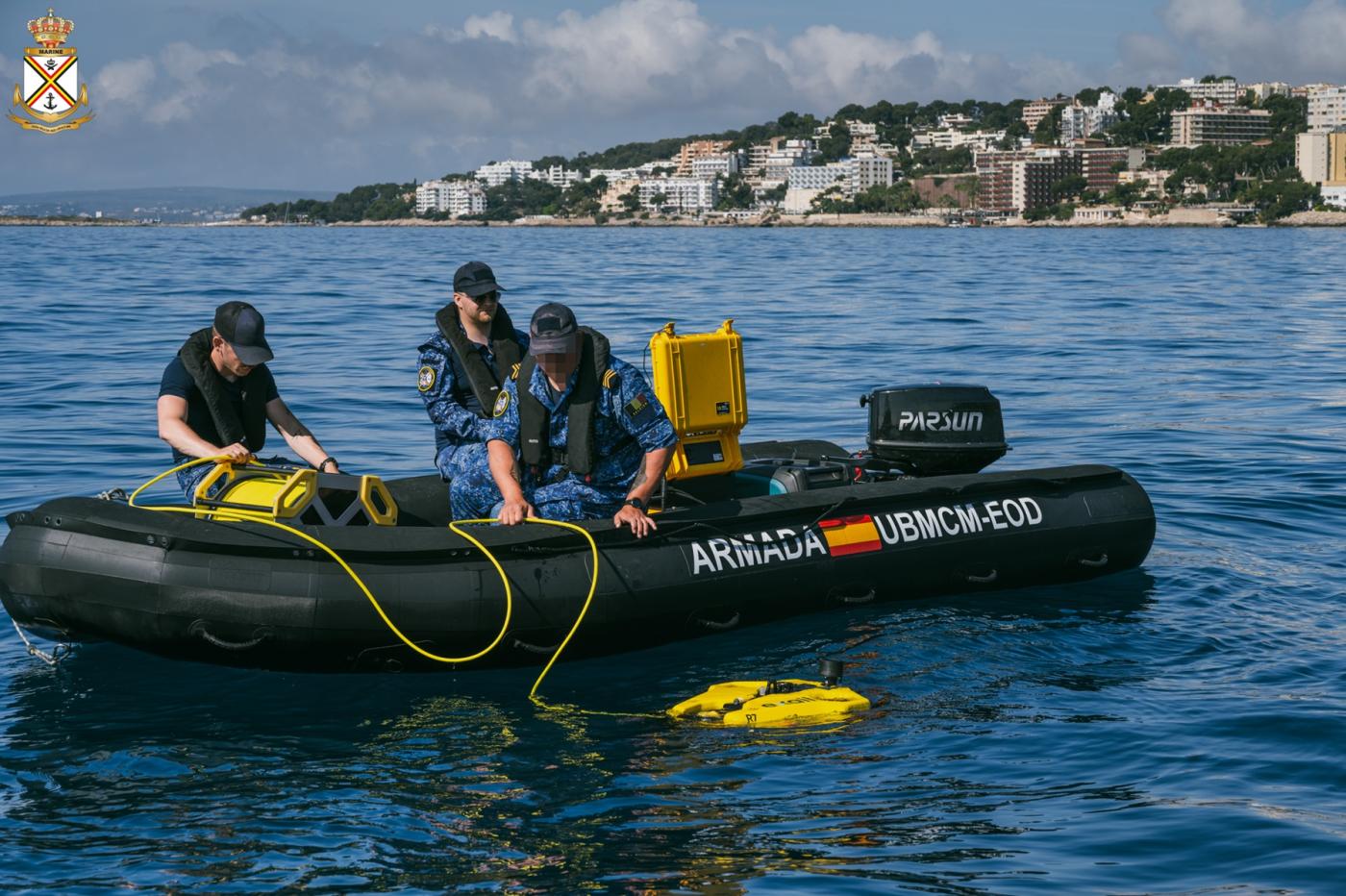
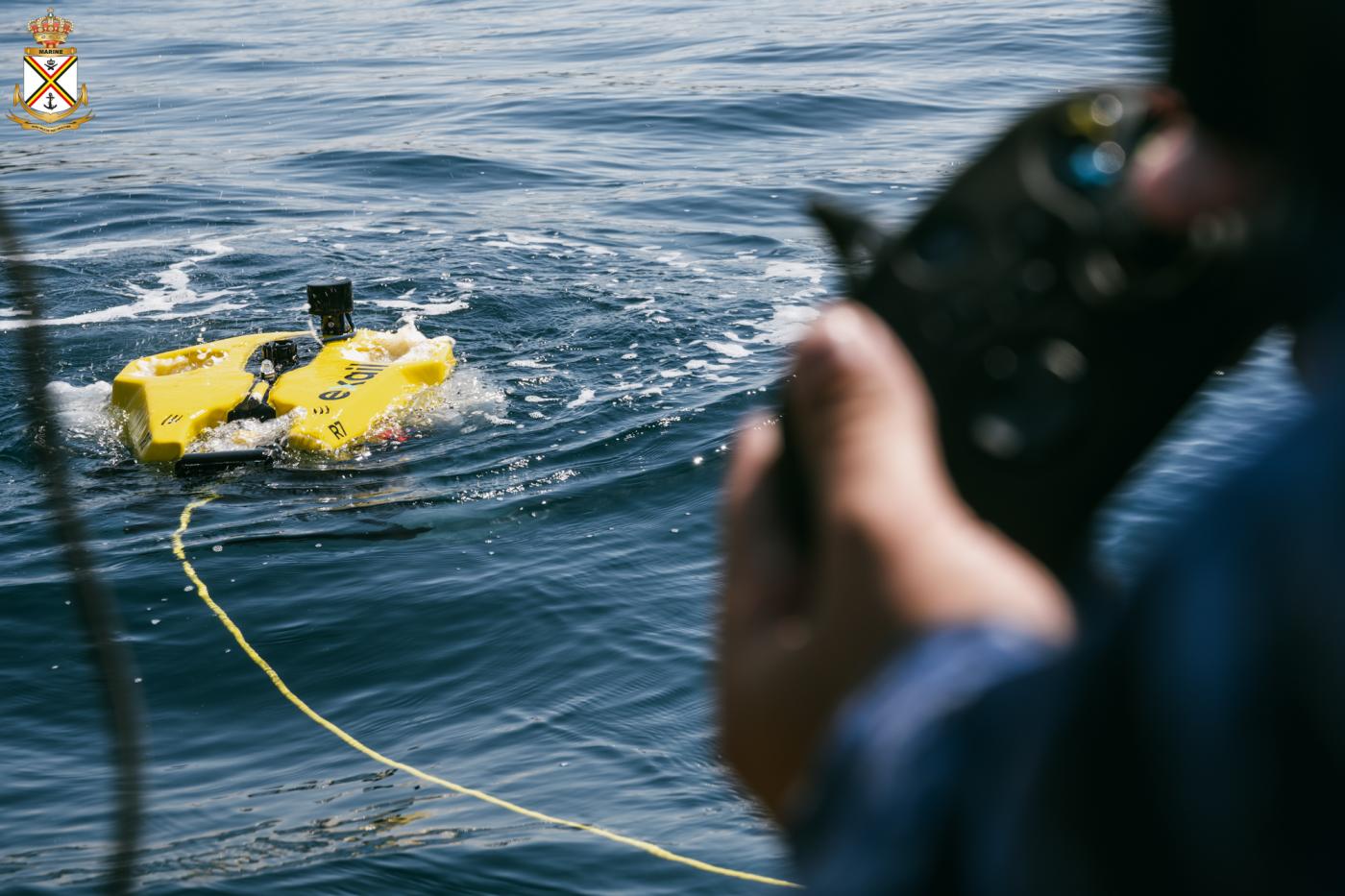
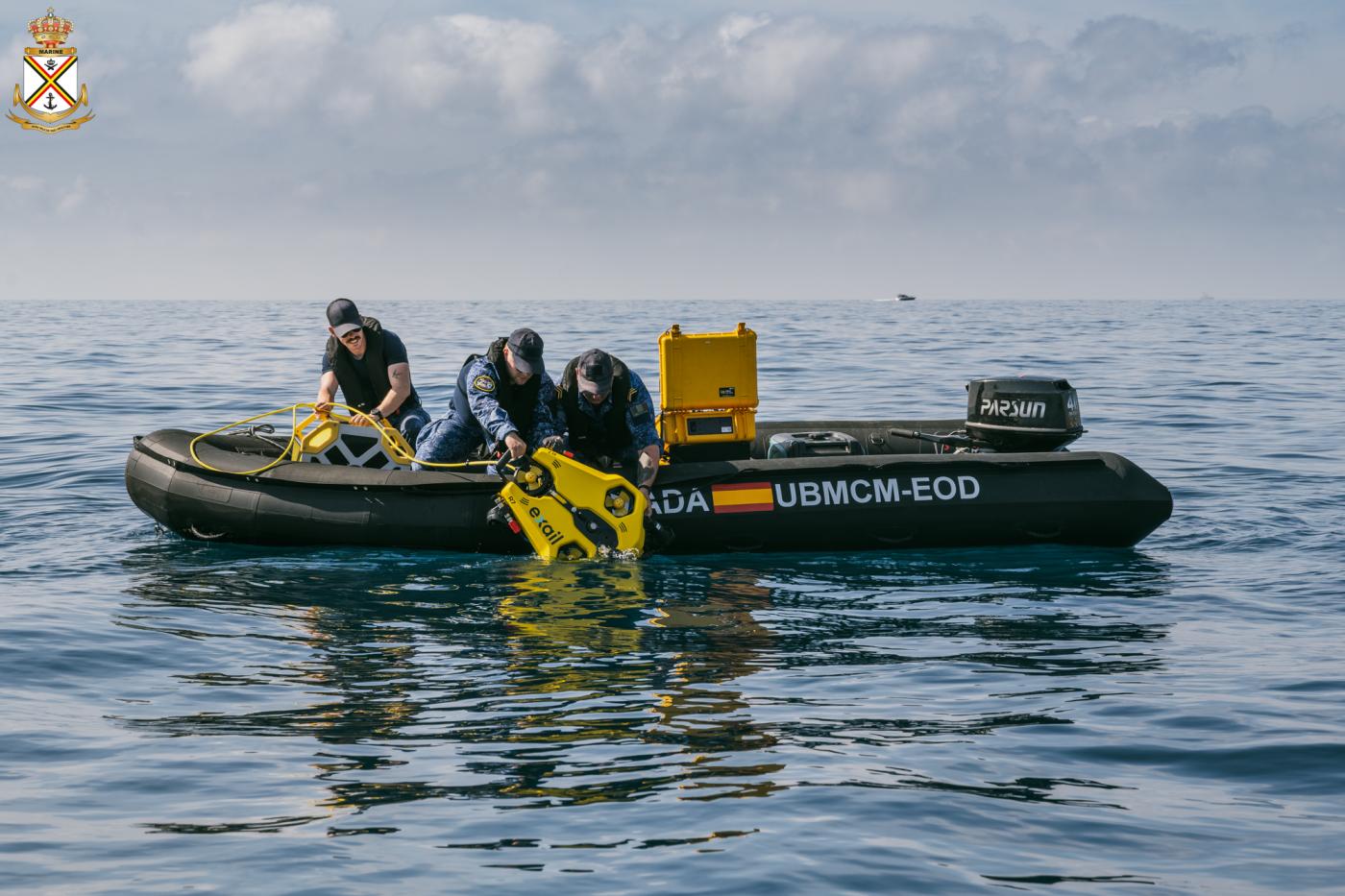
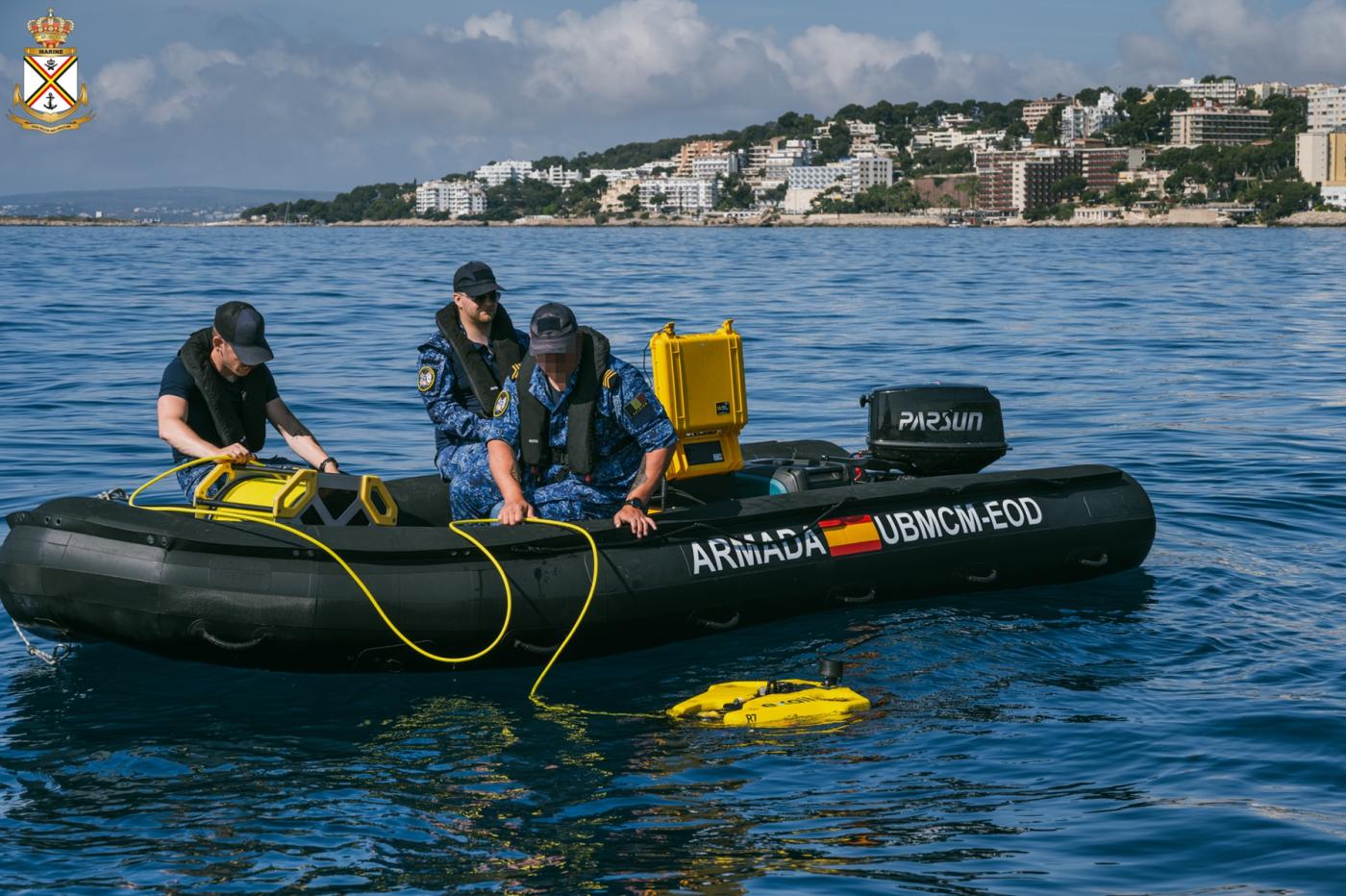
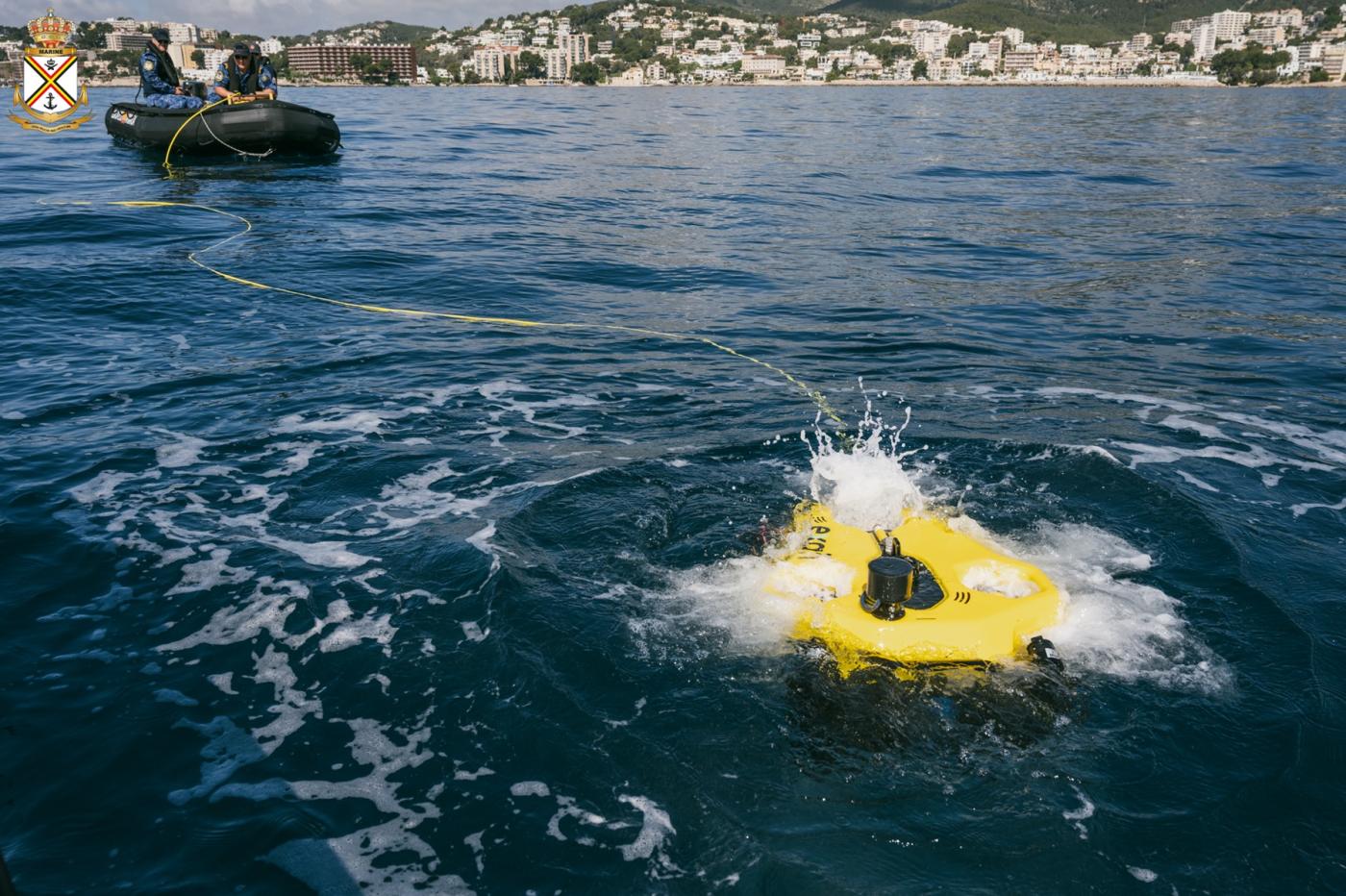
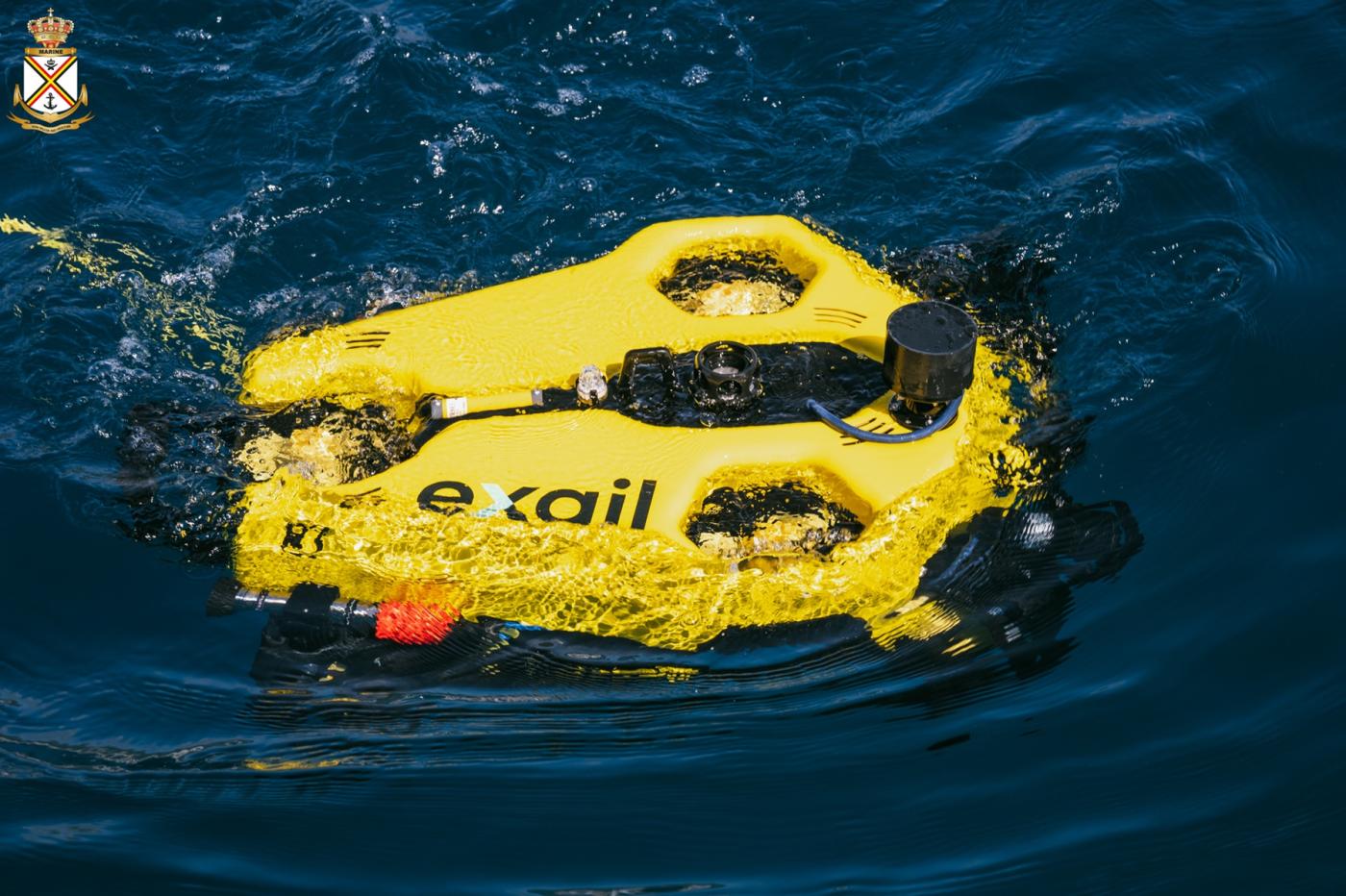
During the multinational mine warfare exercise Spanish Minex, the Belgian Navy had the opportunity to trial a new high-performance tool in its mine countermeasure (MCM) arsenal: the R7 Compact ROV, developed by Exail. This state-of-the-art remotely operated vehicle is designed for rapid and precise underwater mine identification and complements the existing fleet of REMUS autonomous underwater vehicles.
navy worldwide nato news21 may 2025 | 21:59 | Source: Gazeta Morska | Prepared by: Kamil Kusier | Print
fot. Belgian Navy
Two technologies, one mission
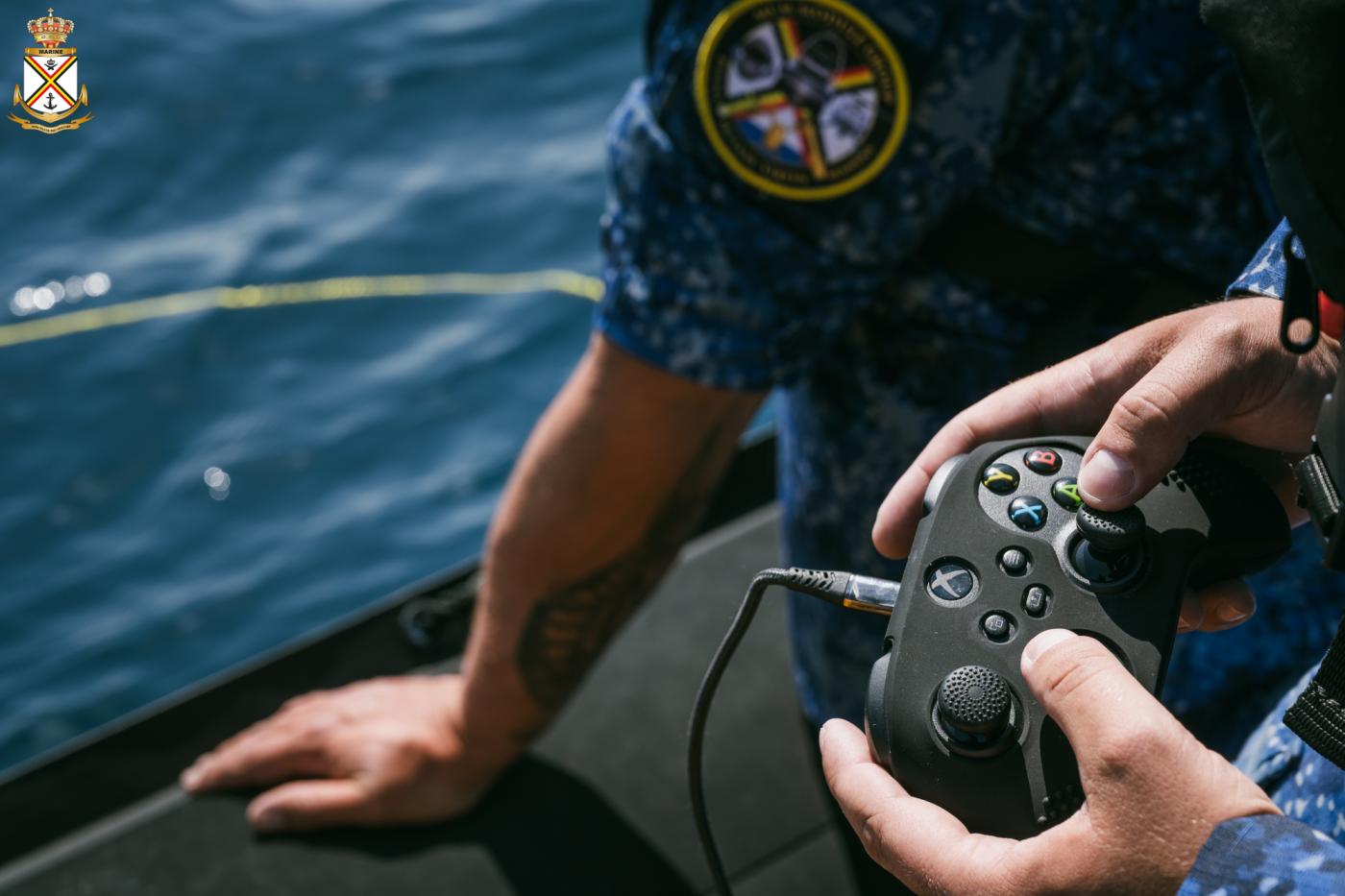
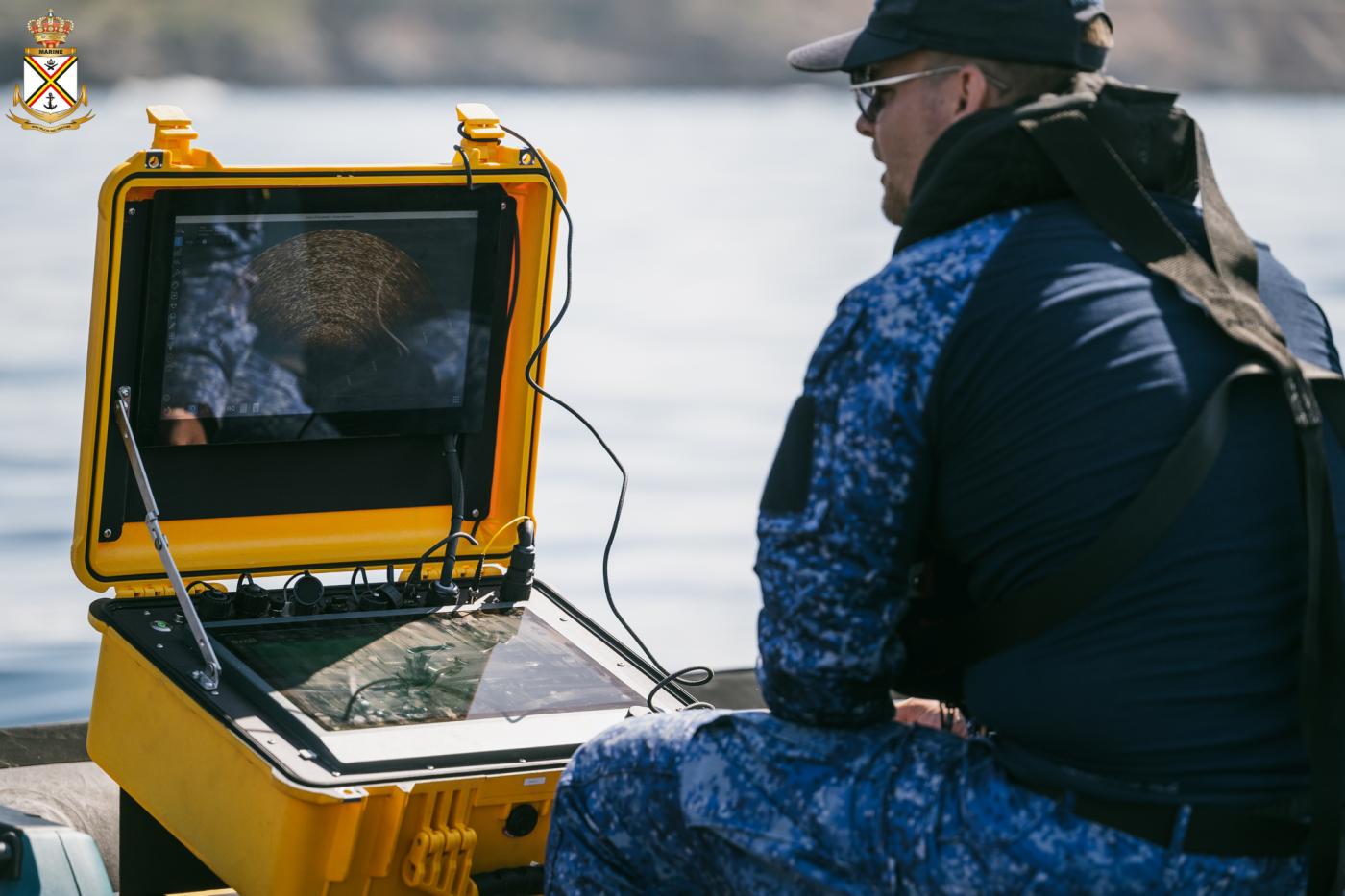
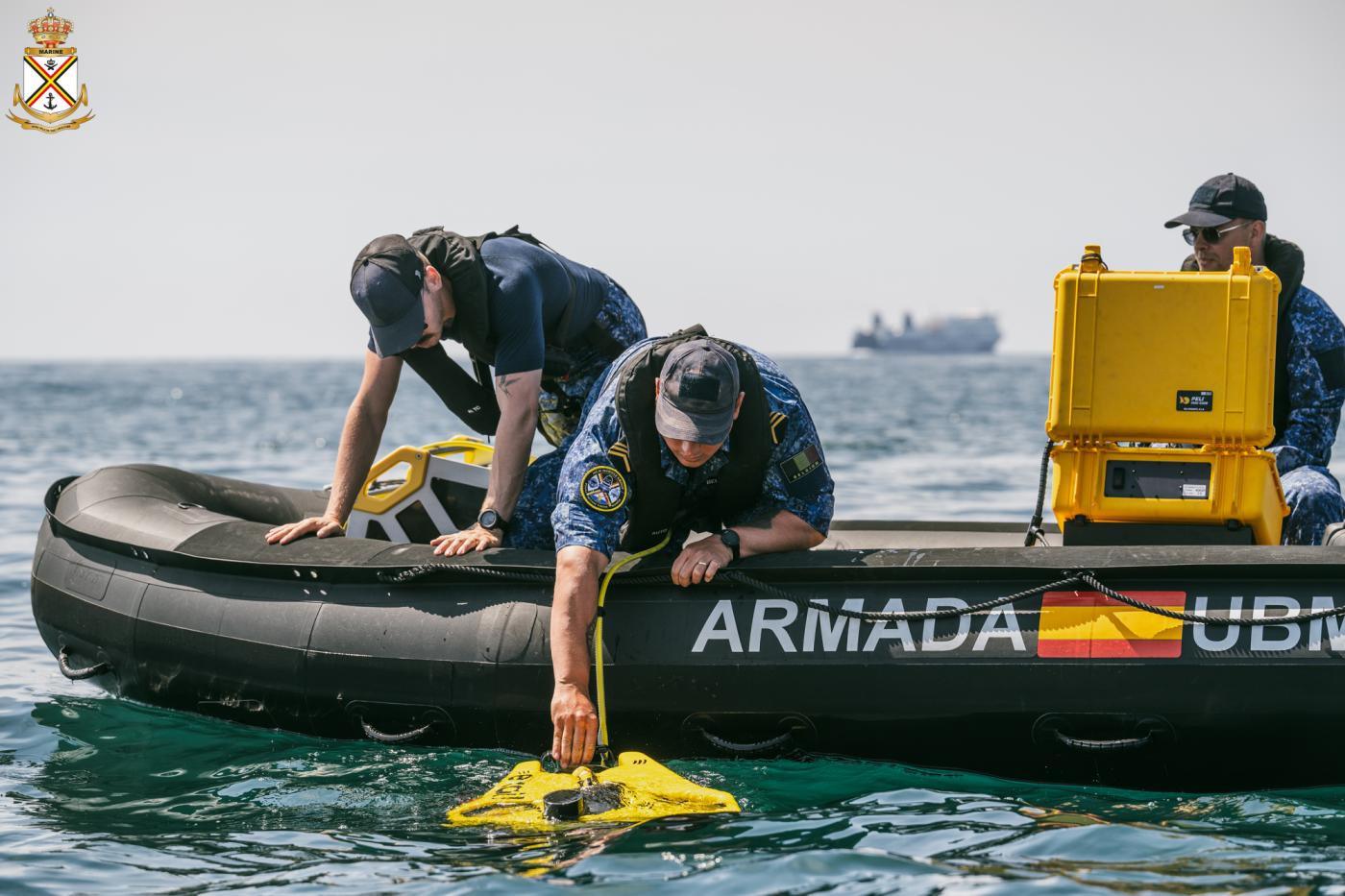
The R7 stands out for its compactness—measuring just 78 cm and weighing 32 kg—allowing for swift deployment from ships or even directly from the shore. Unlike the autonomous REMUS, which follows pre-set sonar-based search patterns, the R7 is manually operated through an intuitive control console that combines real-time video with sonar imagery. This enables operators to investigate and confirm specific targets on the spot.
- It’s an ideal complementary platform, particularly valuable when no diver teams are available, explains Adjutant René, team leader of the Very Shallow Water (VSW) unit responsible for the evaluation.
Realistic testing in operational conditions
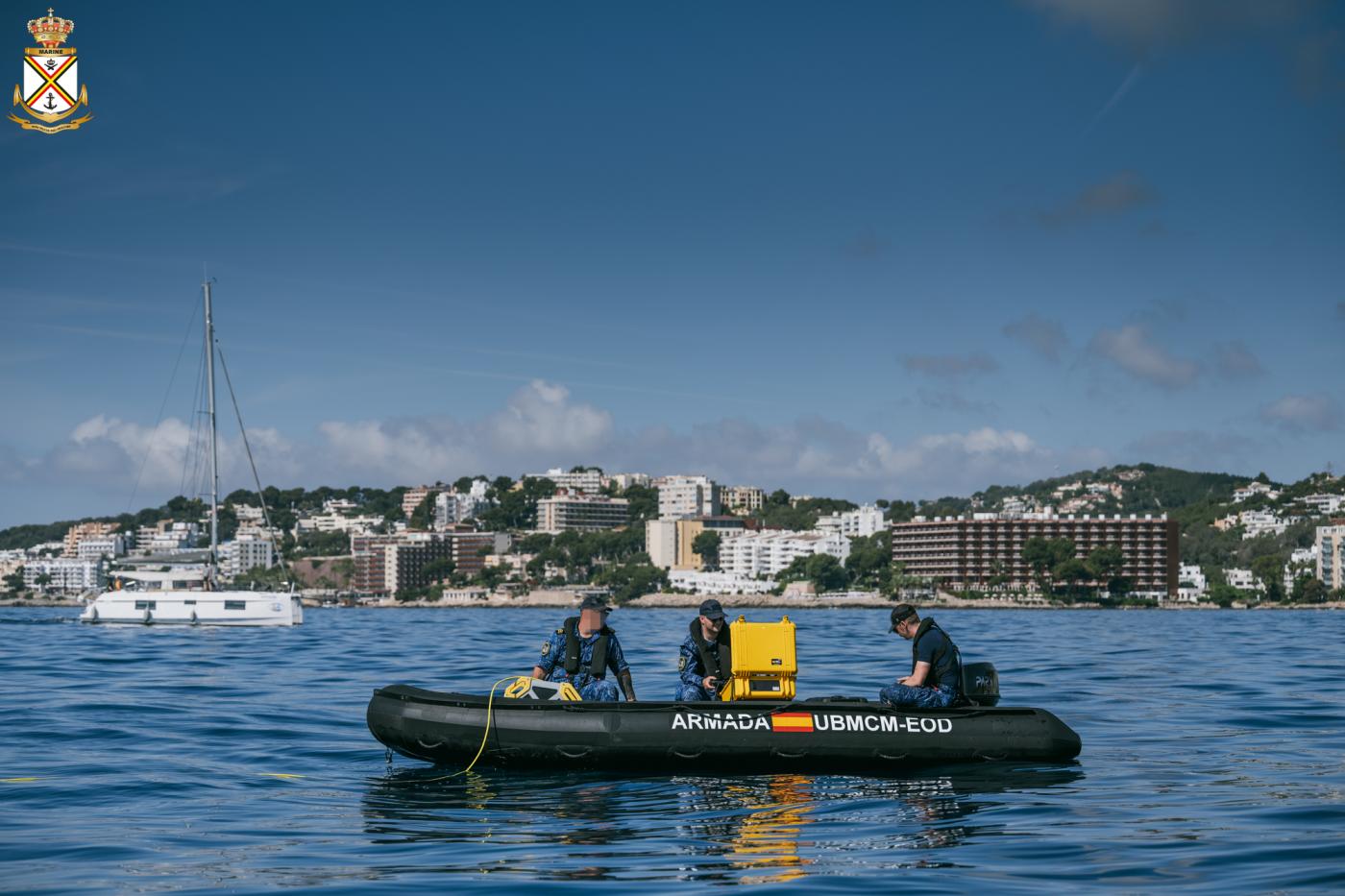
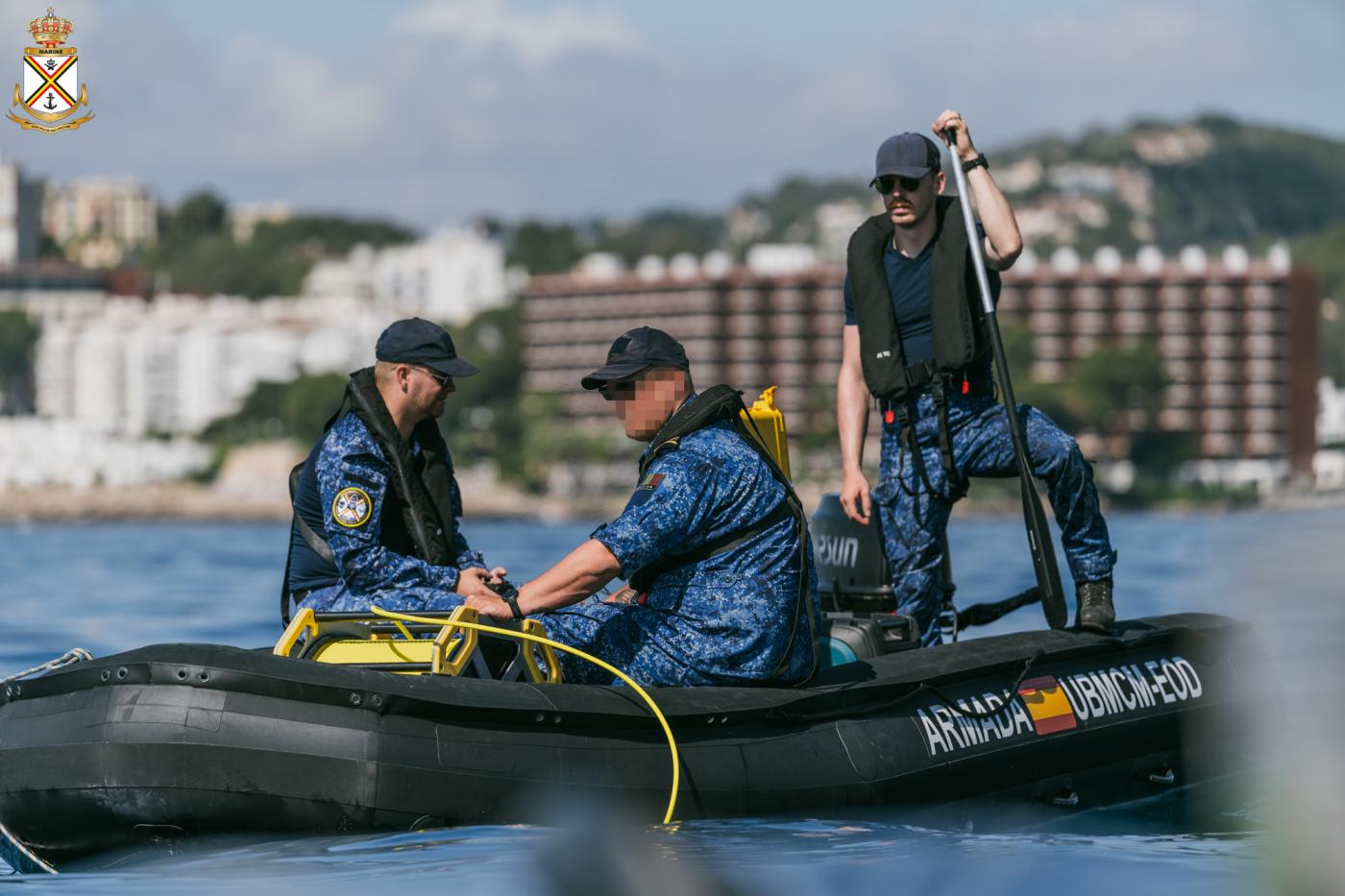
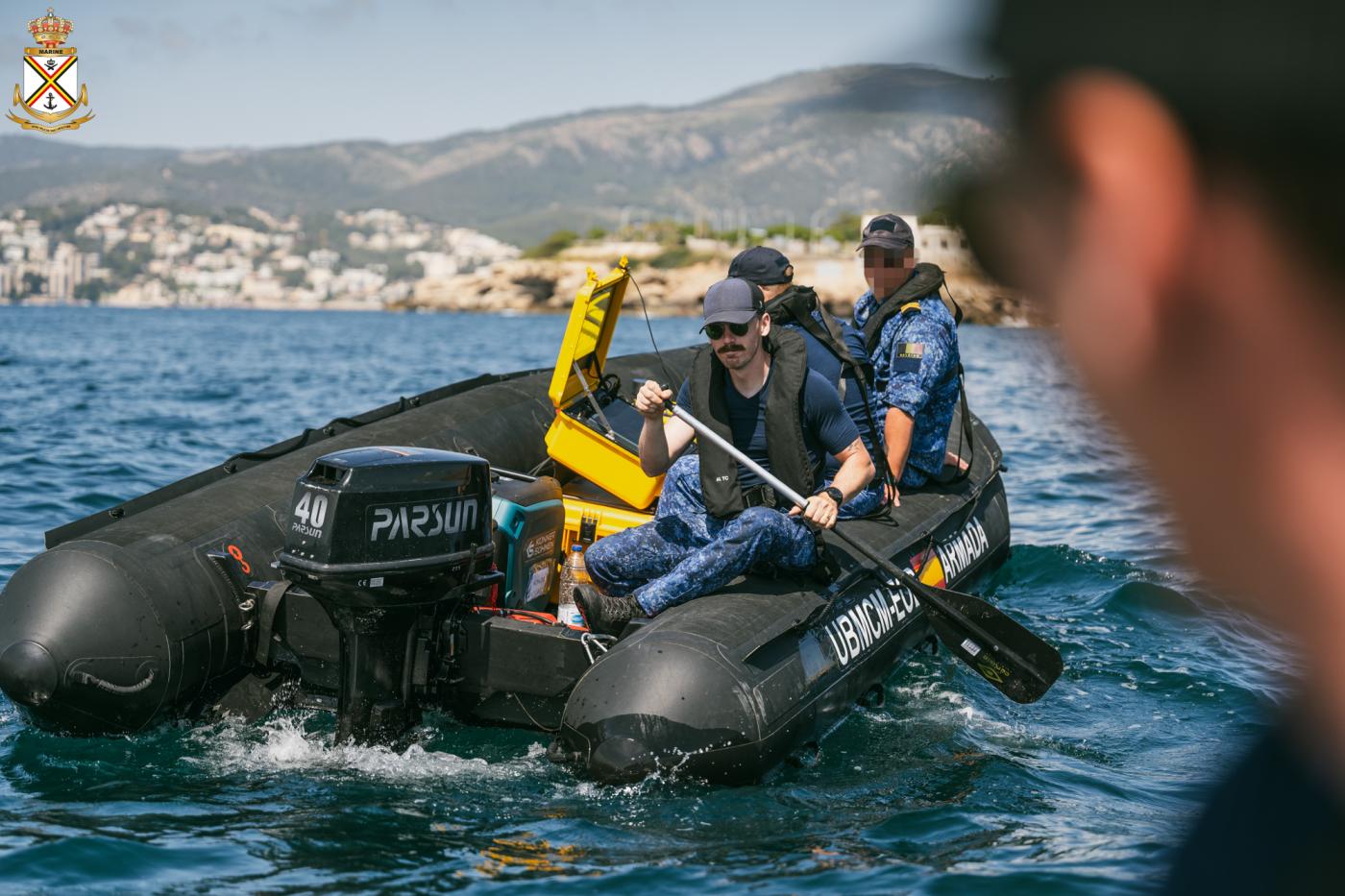
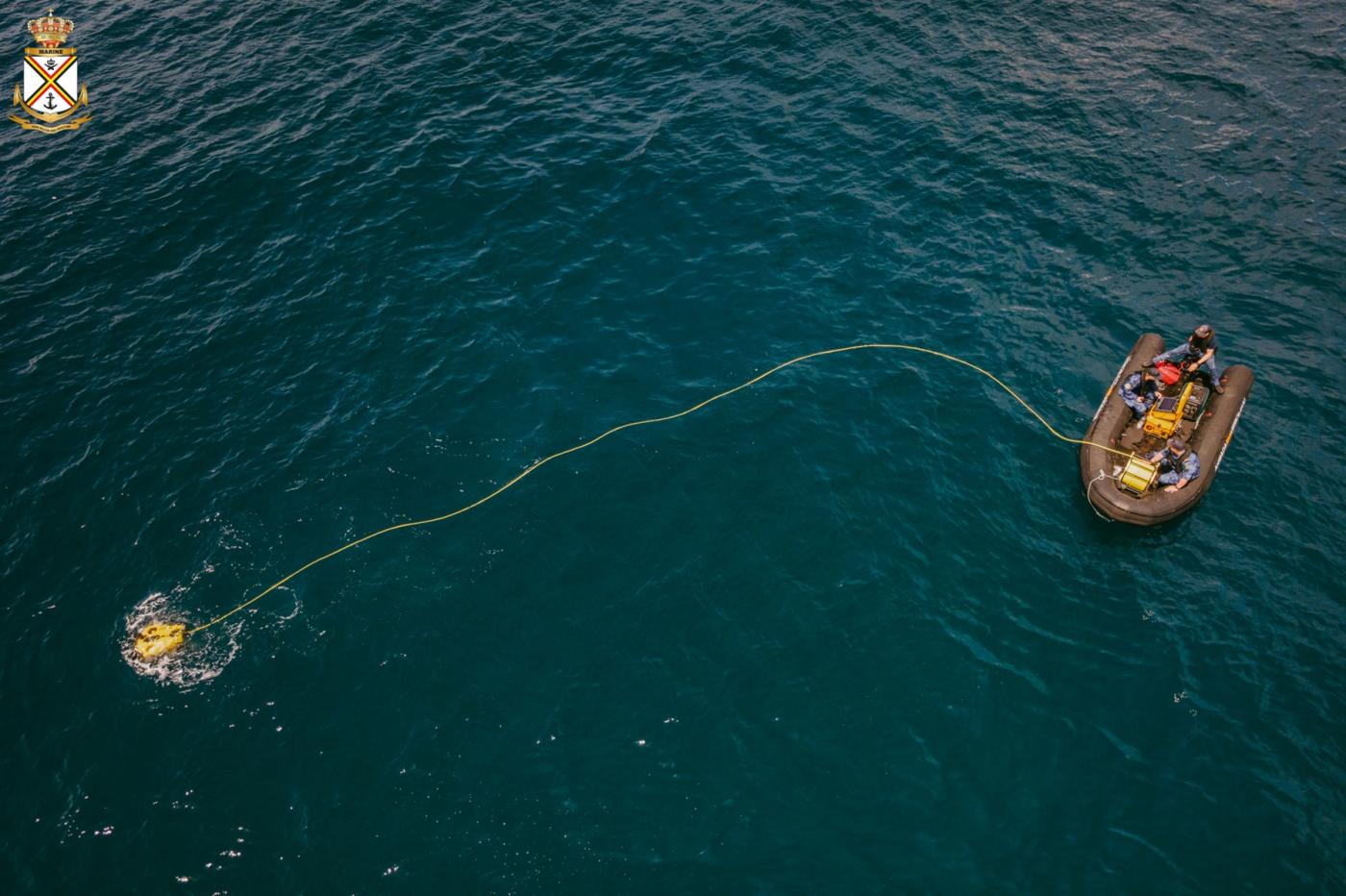
Spanish Minex provided a realistic operational framework for testing. The R7 was deployed against various types of training mines, including Manta and Rockan, as well as on simulated wrecks and seabed targets. Thanks to a 300-meter fiber optic cable, live footage and data were transmitted directly to onboard operators, facilitating immediate analysis.
The system proved its effectiveness by rapidly inspecting suspect objects without deploying divers. This significantly accelerates the response time from detection to identification and increases the efficiency of MCM operations over larger areas.
Modular design for future missions
The R7 is built on a digital open-architecture platform, enabling future upgrades with additional sensors, manipulator arms, or mission-specific tools. For instance, should a REMUS become entangled, the R7 can be used to cut or retrieve components using a robotic arm. It also has the capability to deploy explosives remotely in coordination with diver teams, expanding its operational scope.
- The R7 offers a versatile and future-proof capability package, notes the VSW team. - Technological adaptability is crucial for maintaining relevance in evolving maritime environments.
By investing in systems like the R7 Compact ROV, the Belgian navy reinforces its position as a leading expert in naval mine warfare, demonstrating a strong commitment to innovation, interoperability, and mission readiness in both current and future operations.
see also
Buy us a coffee, and we’ll invest in great maritime journalism! Support Gazeta Morska and help us sail forward – click here!
Kamil Kusier
redaktor naczelny
gallery




comments
Add the first comment
see also
Strait of Hormuz at a strategic crossroads: sinking of IRIS Dena and implications for maritime transport
Austal partners with Damen for local construction of LST 100 for Australian Army
The submarine contract of the decade? Canada weighs South Korea against Germany
When two powers clash, Poland must be ready to act. Military security must be the priority
Commodore Przemysław Karaś appointed deputy commander of the Maritime Operations Centre - Naval Component Command
Mine countermeasure vessel Jaskółka begins sea acceptance trials
March 1: Remembering the “cursed soldiers”. A legacy that also resonates with today’s navy
Naval Academy cadets take military oath in Gdynia
French Navy expands global operations from the Pacific to the Red Sea
Navantia and Fincantieri deepen cooperation on the european patrol corvette programme
ADVERTISEMENT
ADVERTISEMENT