Beach Rescue Corridor Gains Support. Infrastructure Ministry Highlights Key Role of Lifeguarded Areas and Access fr
The "Beach Rescue Corridor" initiative, launched by the Jantar Volunteer Fire Department (OSP Jantar), is receiving growing recognition from national authorities. Following the recent endorsement by the Ministry of the Interior and Administration (MSWiA), the Ministry of Infrastructure has now weighed in, offering a complementary perspective focused on the maritime rescue system and structural beach safety challenges.
only here security marine lifestyle politics pomerania west pomerania marine tourism and recreation news08 july 2025 | 07:07 | Source: Gazeta Morska | Prepared by: Kamil Kusier | Print
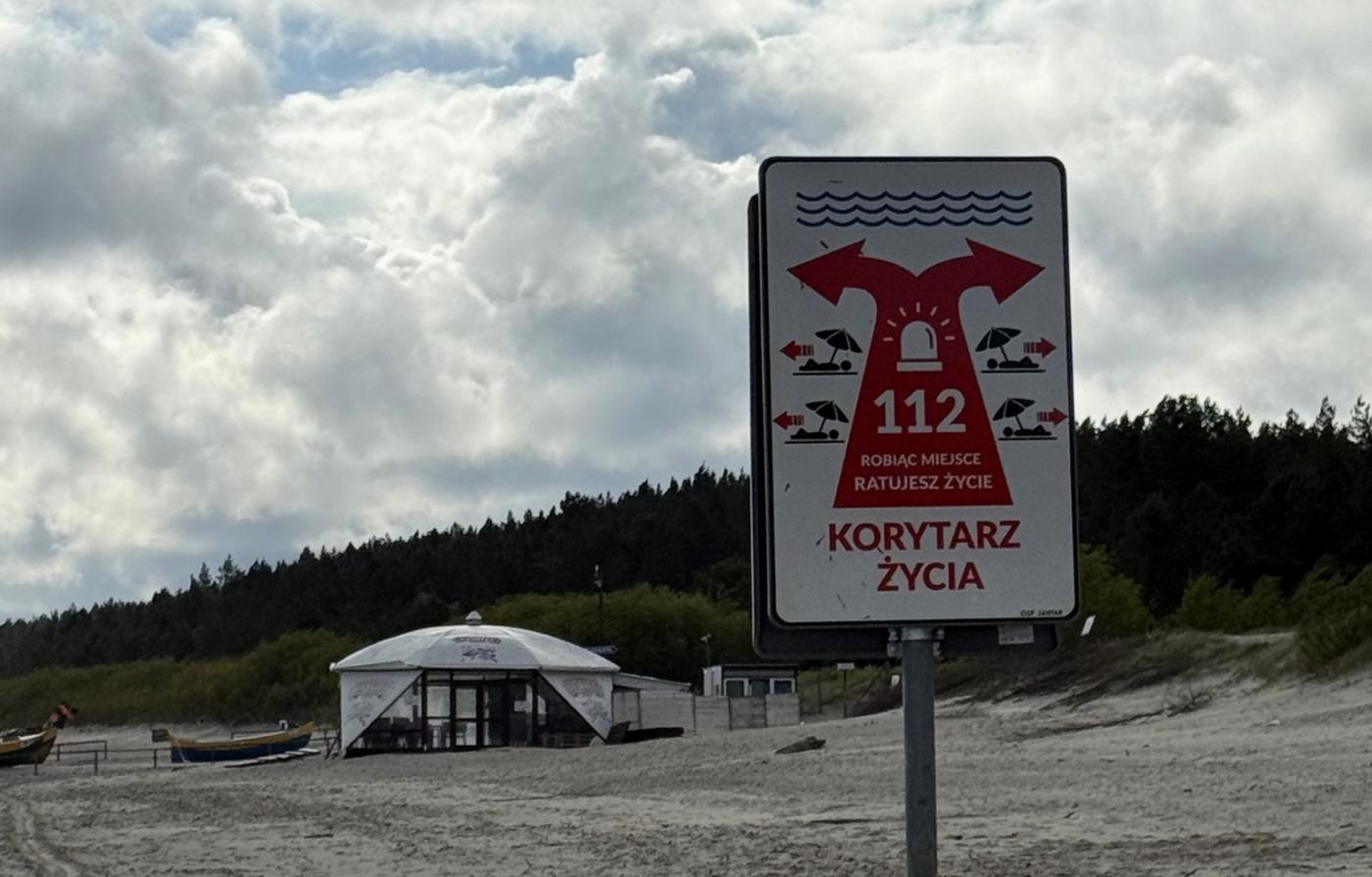
fot. OSP Jantar
Different Roles, Shared Objective: Saving Lives
The Maritime Search and Rescue Service (SAR), which operates under the Ministry of Infrastructure and leads rescue operations at sea, is aware of the corridor initiative and supports its underlying safety goals. However, SAR emphasizes that its primary method of responding to incidents involves reaching victims from the water — a strategy that avoids the common problems of crowded beach access and difficult terrain.
- A well-marked and clear beach corridor can aid shore-based responders, but in itself it does not fundamentally improve beach safety, explained Anna Szumańska, spokesperson for the Ministry of Infrastructure. - From SAR’s perspective, ensuring access via the sea and maintaining the technical roads behind the dunes is essential.
Regular Inspections and Technical Road Readiness
At least twice a year — and following every major storm — inspections of emergency access roads in the coastal technical zone are conducted in cooperation with the Chief Coastal Protection Inspector at the Maritime Offices in Gdynia and Szczecin. Ensuring these routes remain clear and passable is a key priority.
Lifeguarded Beaches: A Critical Safety Factor
According to the Ministry, a more pressing structural issue is the limited number and length of officially lifeguarded beach areas. Despite increasing tourism, the number of supervised sections has not significantly grown over the years.
- This results in high user density on small beach sections, making both emergency access and crowd safety more difficult to manage, Szumańska noted.
The Ministry highlights that well-trained, well-equipped lifeguards and extended supervised zones are the backbone of effective beach safety.
Infrastructure and Signage: Local Government’s Responsibility
The organization and marking of bathing areas are responsibilities of local governments, in line with Poland’s Water Law and the Minister of Health’s 2018 regulation on the classification and signage of bathing sites.
The Ministry of Infrastructure does not plan to intervene in signage policy but emphasizes that if local governments plan new beach access points, the Maritime Offices issue technical conditions and safety requirements — including emergency use considerations — as part of the construction permitting process.
Collaboration is Key
While SAR continues to operate from the sea, and local volunteer units like OSP Jantar work from land, the effectiveness of both depends on infrastructure, regulation, and clear responsibilities. The Ministry of the Interior has recognized that the "Beach Rescue Corridor" aligns with its 2025–2028 "Safer Together" programme, opening up opportunities for funding awareness campaigns and community safety initiatives.
With summer in full swing and beach attendance rising, cross-sector collaboration is critical. The "Beach Rescue Corridor" may be one piece of the safety puzzle — but expanding lifeguarded areas and maintaining infrastructure will remain long-term priorities.
see also
Buy us a coffee, and we’ll invest in great maritime journalism! Support Gazeta Morska and help us sail forward – click here!
Kamil Kusier
redaktor naczelny
comments
Add the first comment
see also
"Let everyone know we will prevail". Poland’s armed forces set strategic course for 2026-2039
“Army 500” and strategic transformation: Poland sets the course for long-term deterrence and allied readiness
Medical evacuation from offshore vessel in the Baltic. Rescue 511 helicopter and m/s Huragan deployed
Karol Nawrocki: “The strength of the republic lies in its armed forces”. Security requires national unity
Human trafficking, money laundering, millions frozen. Successful operation by border guard and tax administration
Evening SAR operation in the Baltic. Two kitesurfers stranded offshore
Medical evacuation from sailing ship in Gdynia port. 17-year-old safely transported
Medical evacuation from Danish-flagged vessel Skoven off Łeba. Joint SAR operation in the Baltic Sea
Almost 2.5 million travellers cleared in 2025 by the Maritime Border Guard
Frontex officers train with Polish Maritime Border Guard
ADVERTISEMENT
ADVERTISEMENT