Strategic partnership: PLK and Port of Gdańsk join forces to expand rail access to deepwater terminals
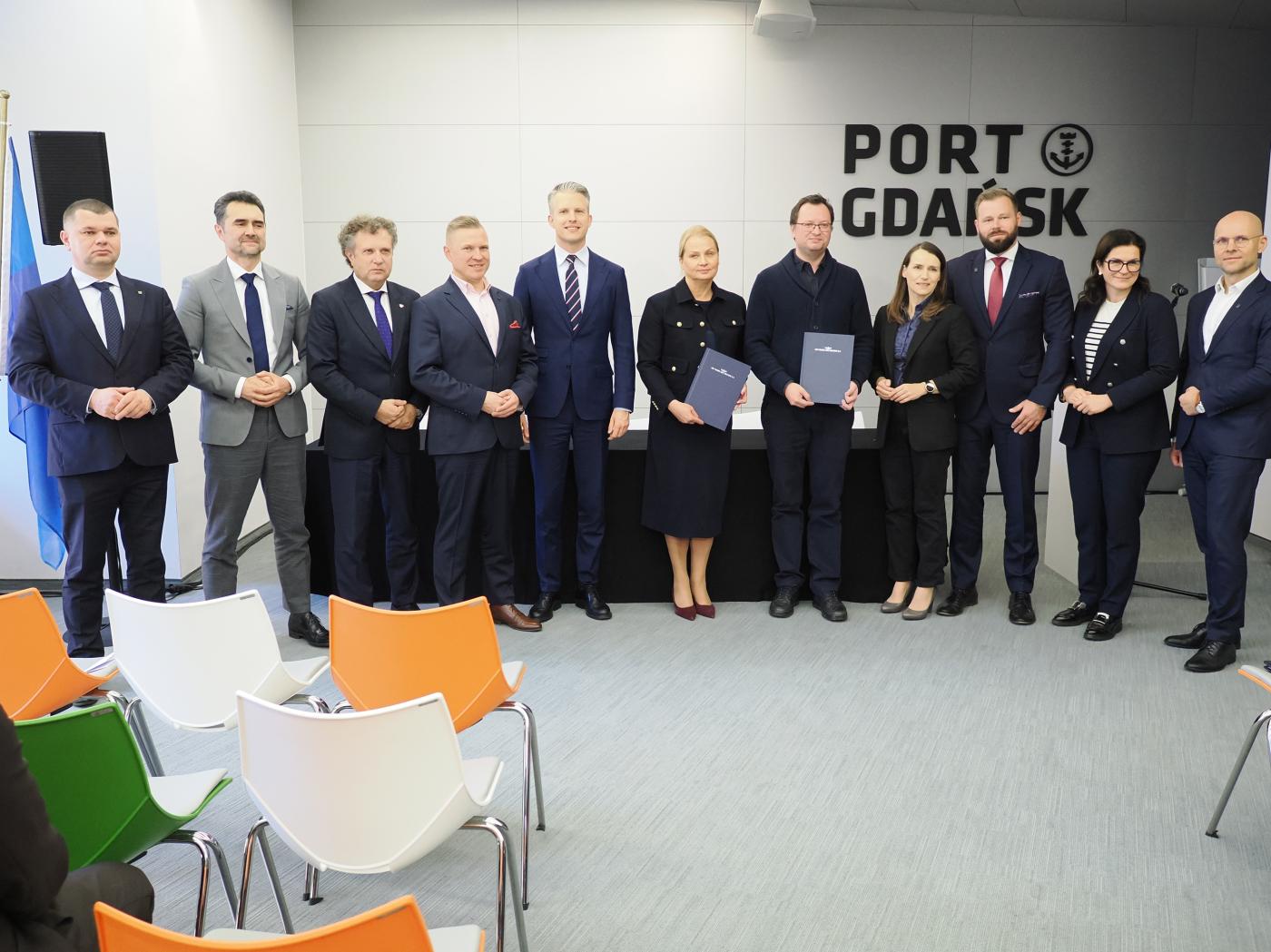
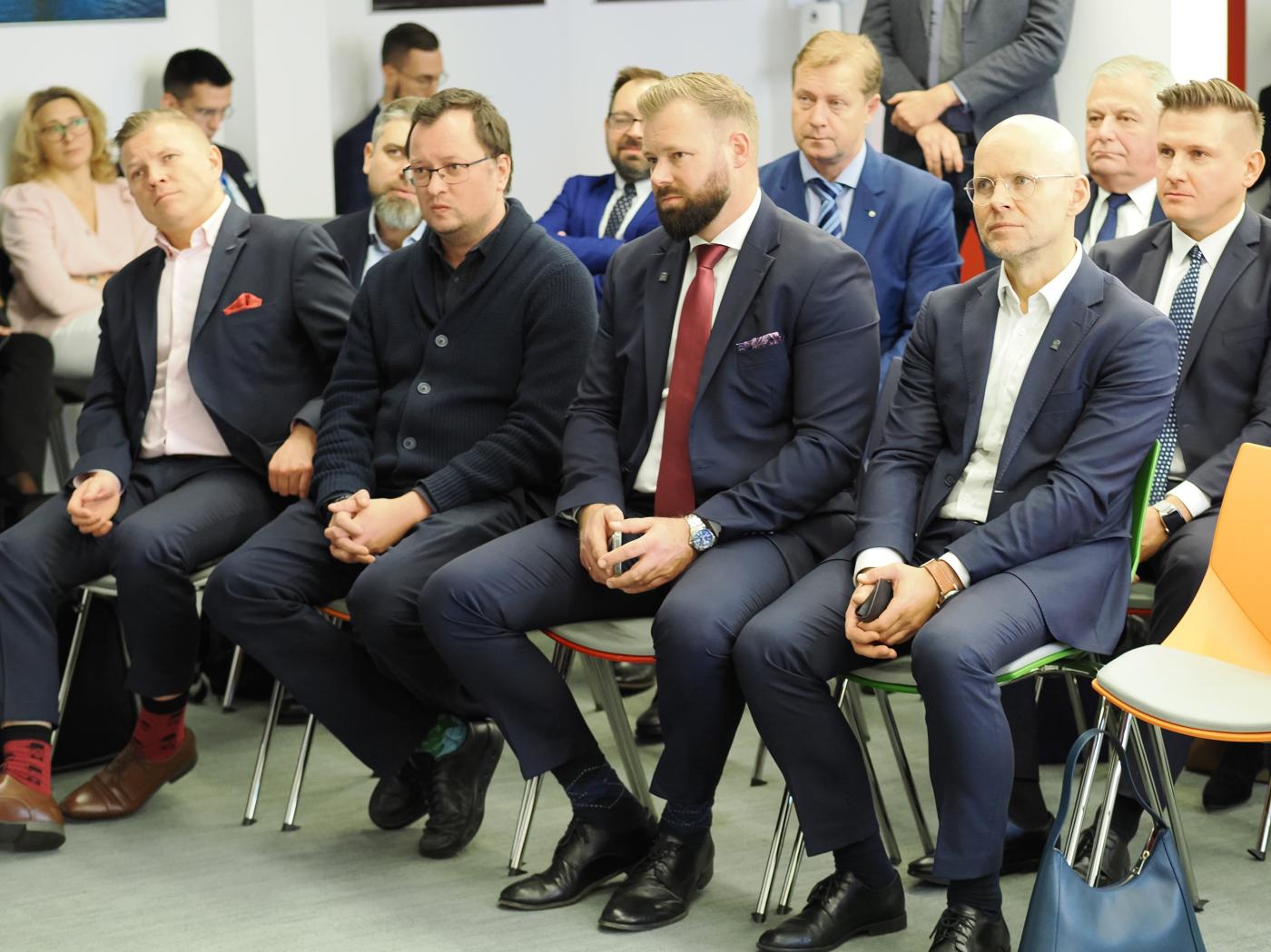
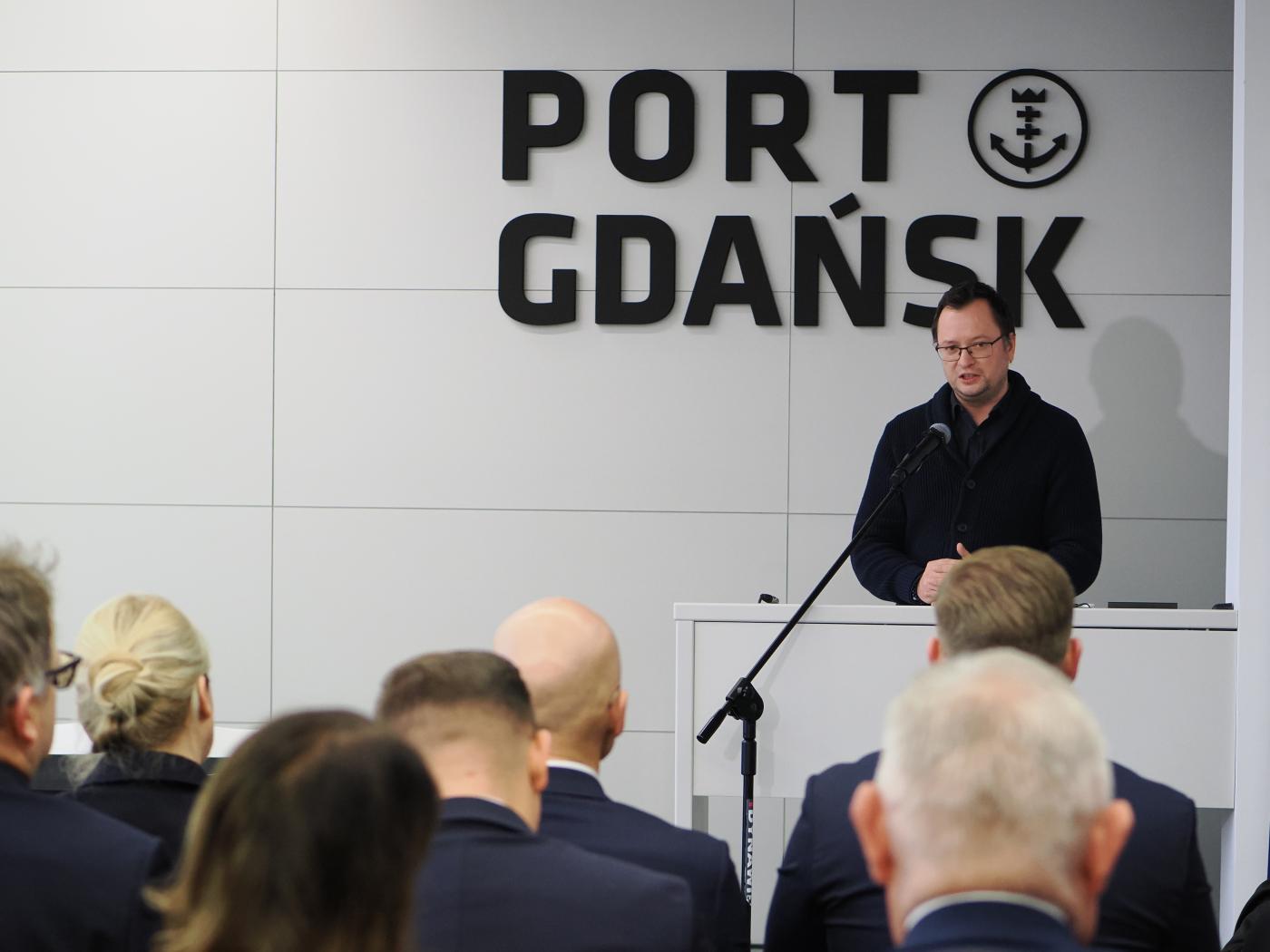
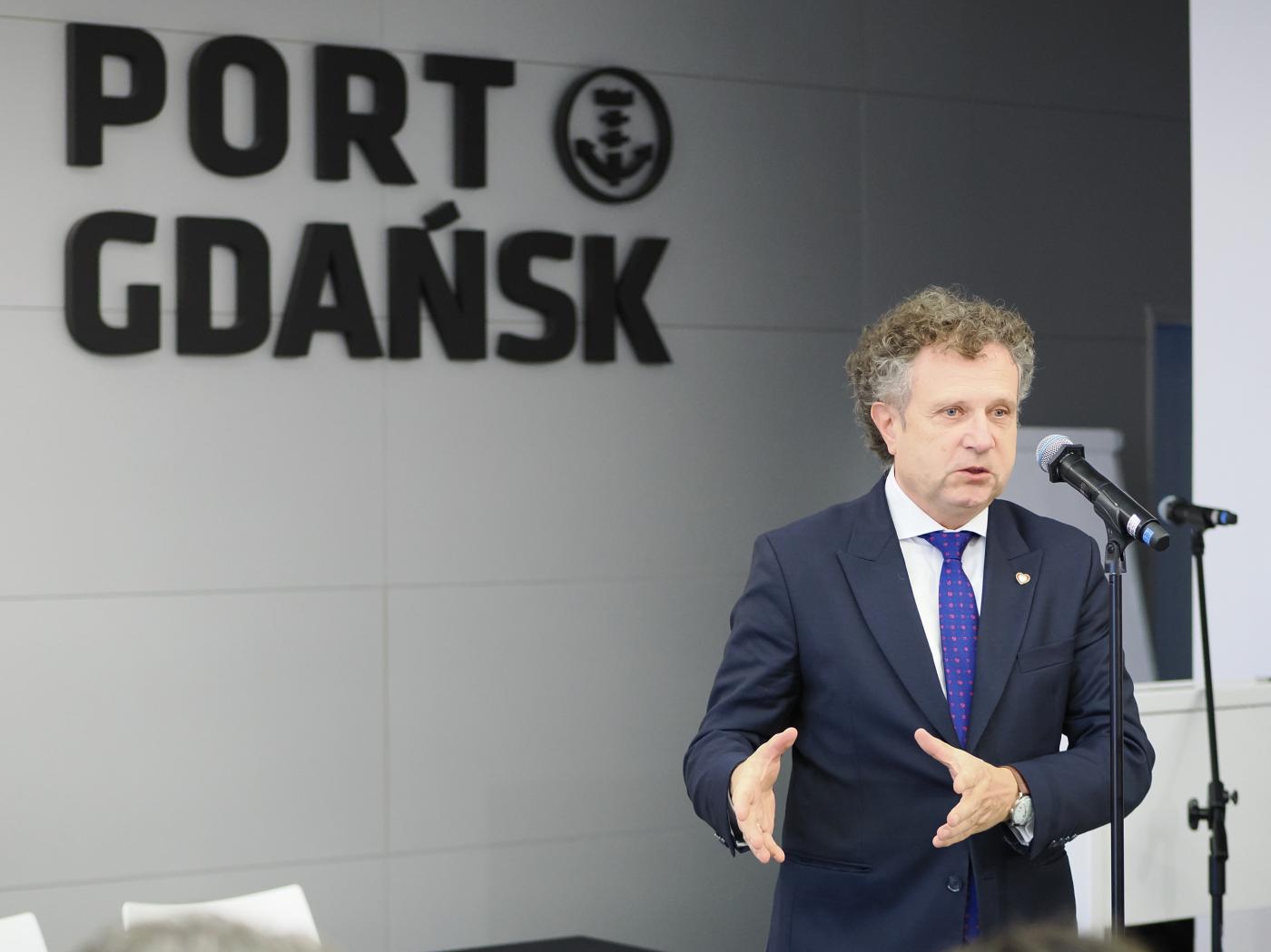
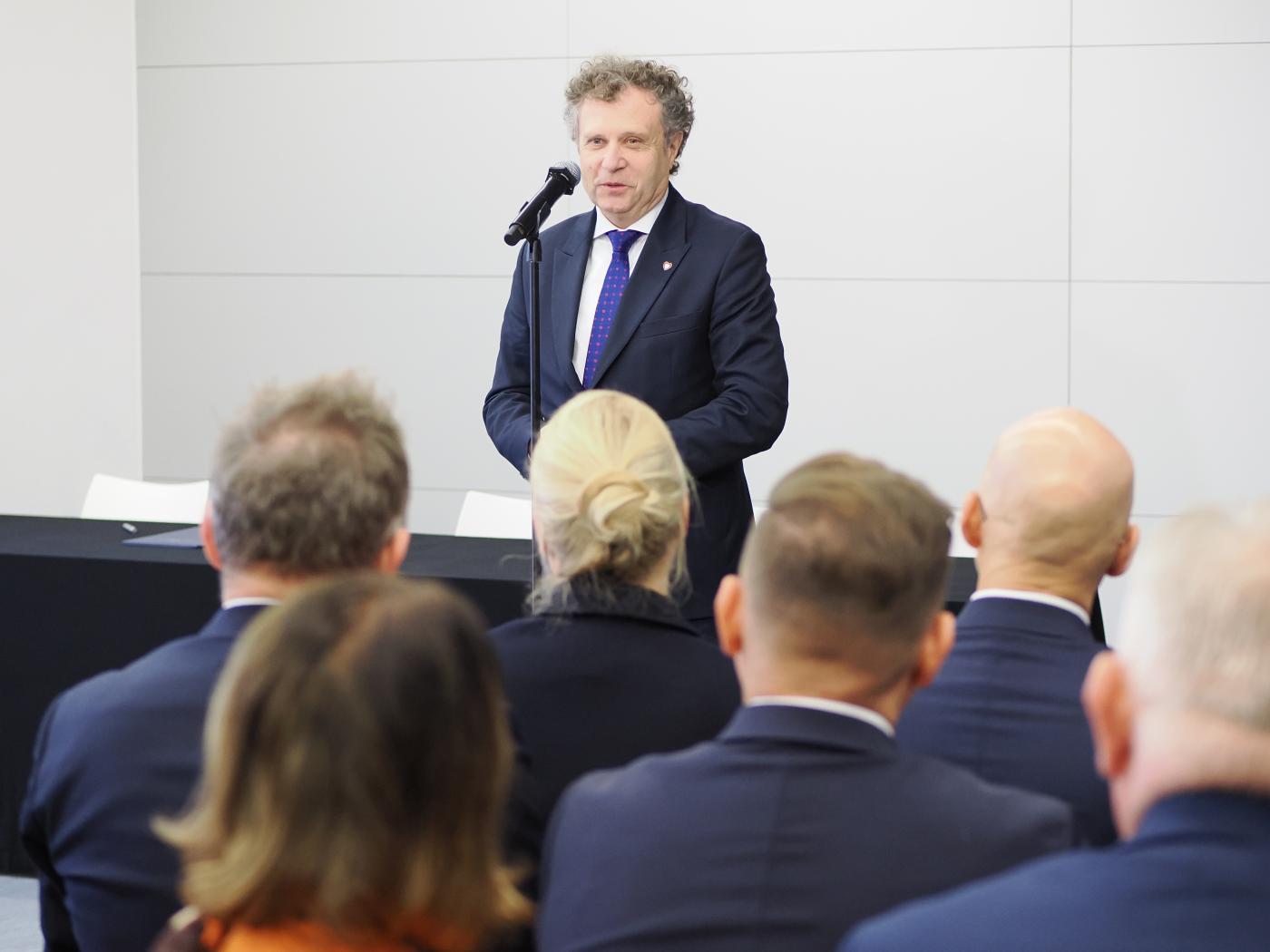
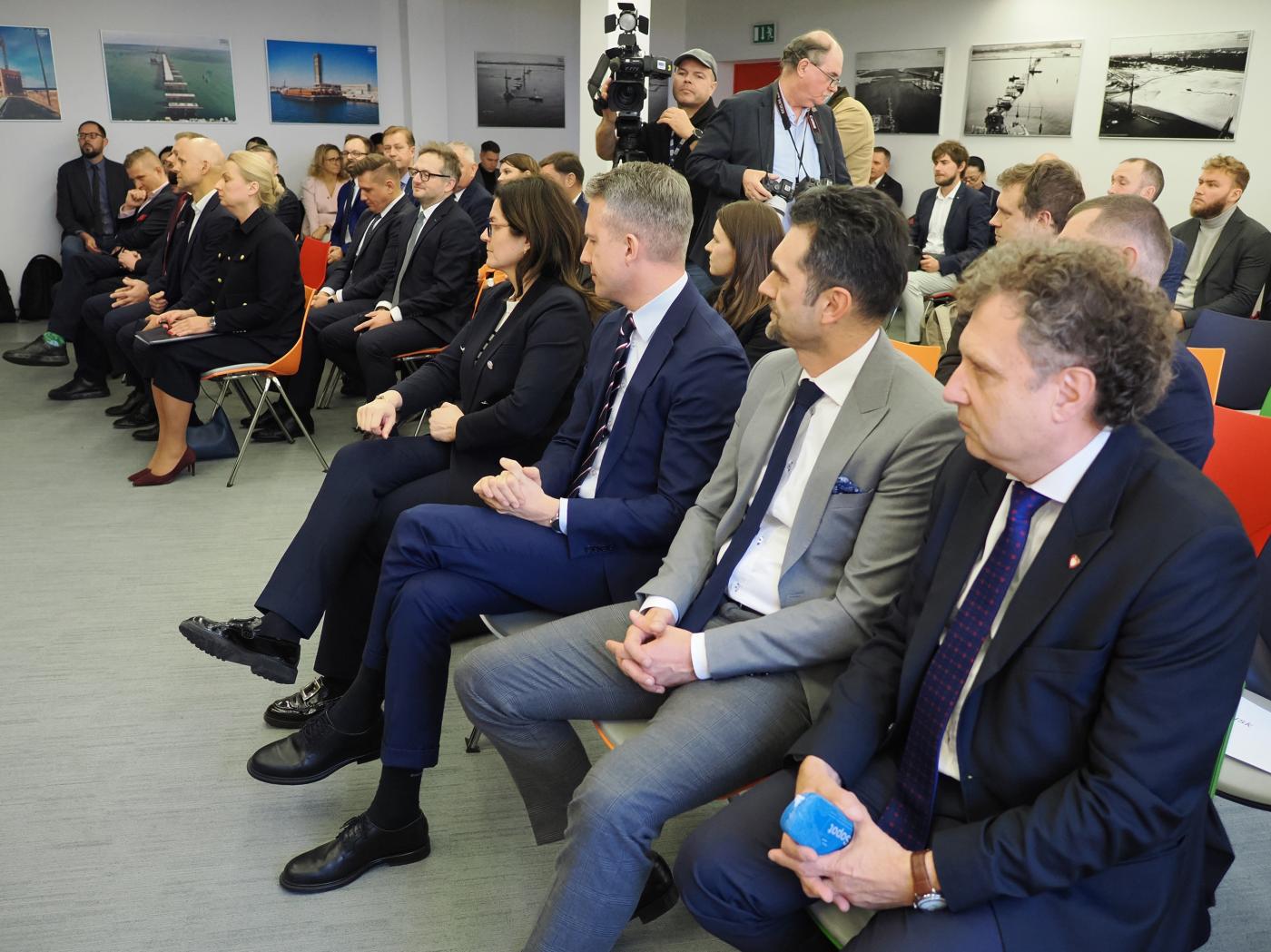
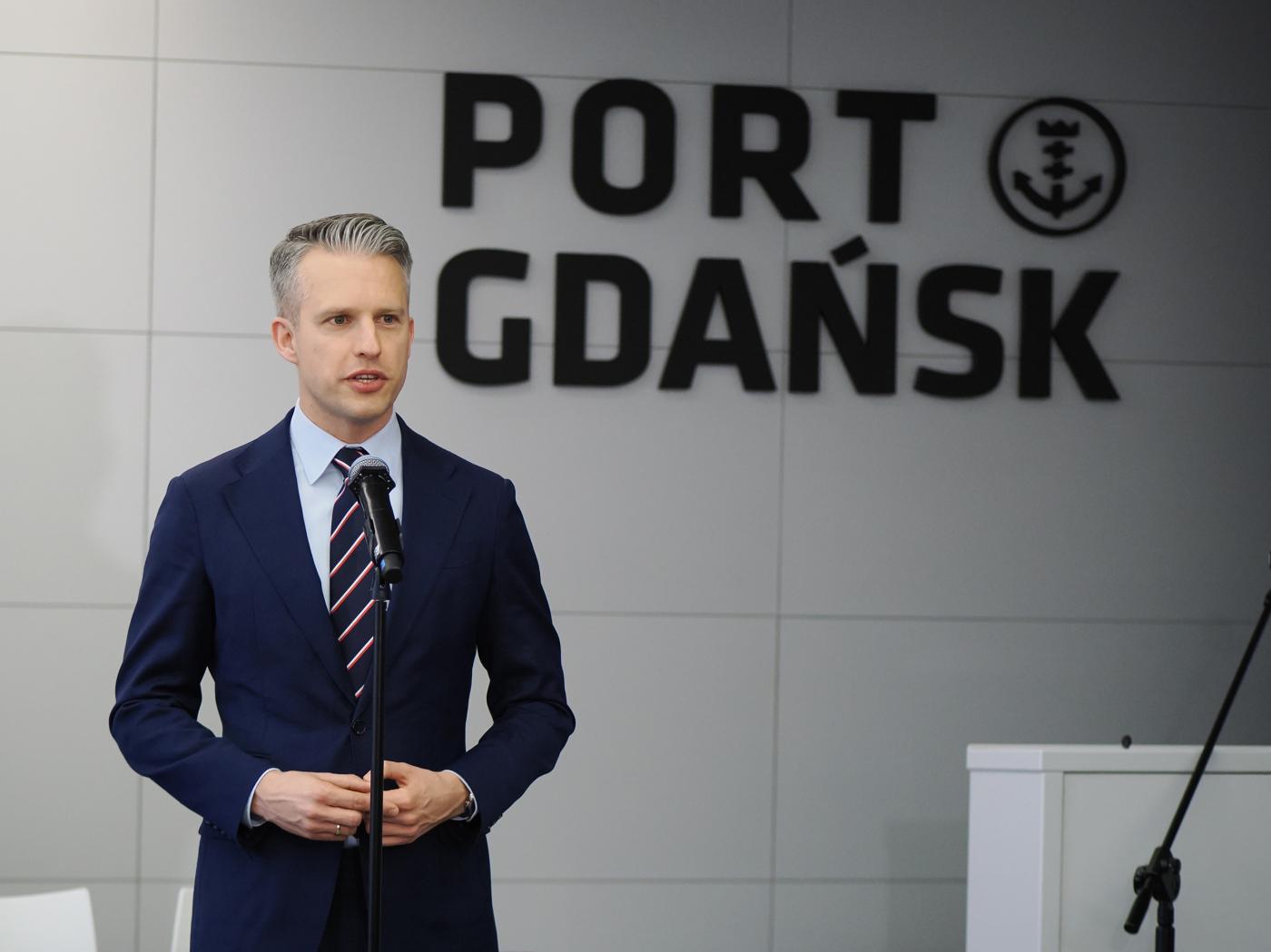
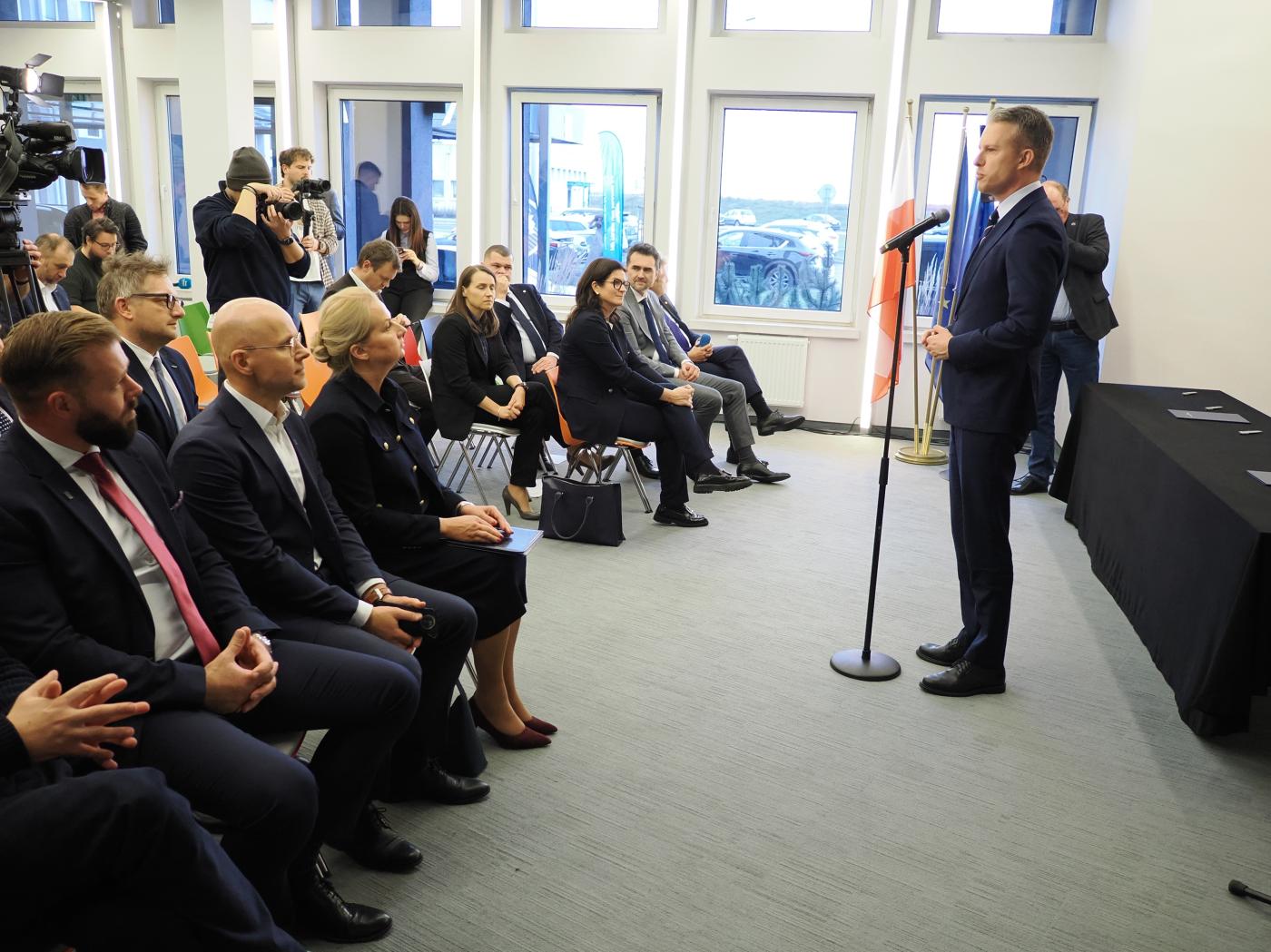
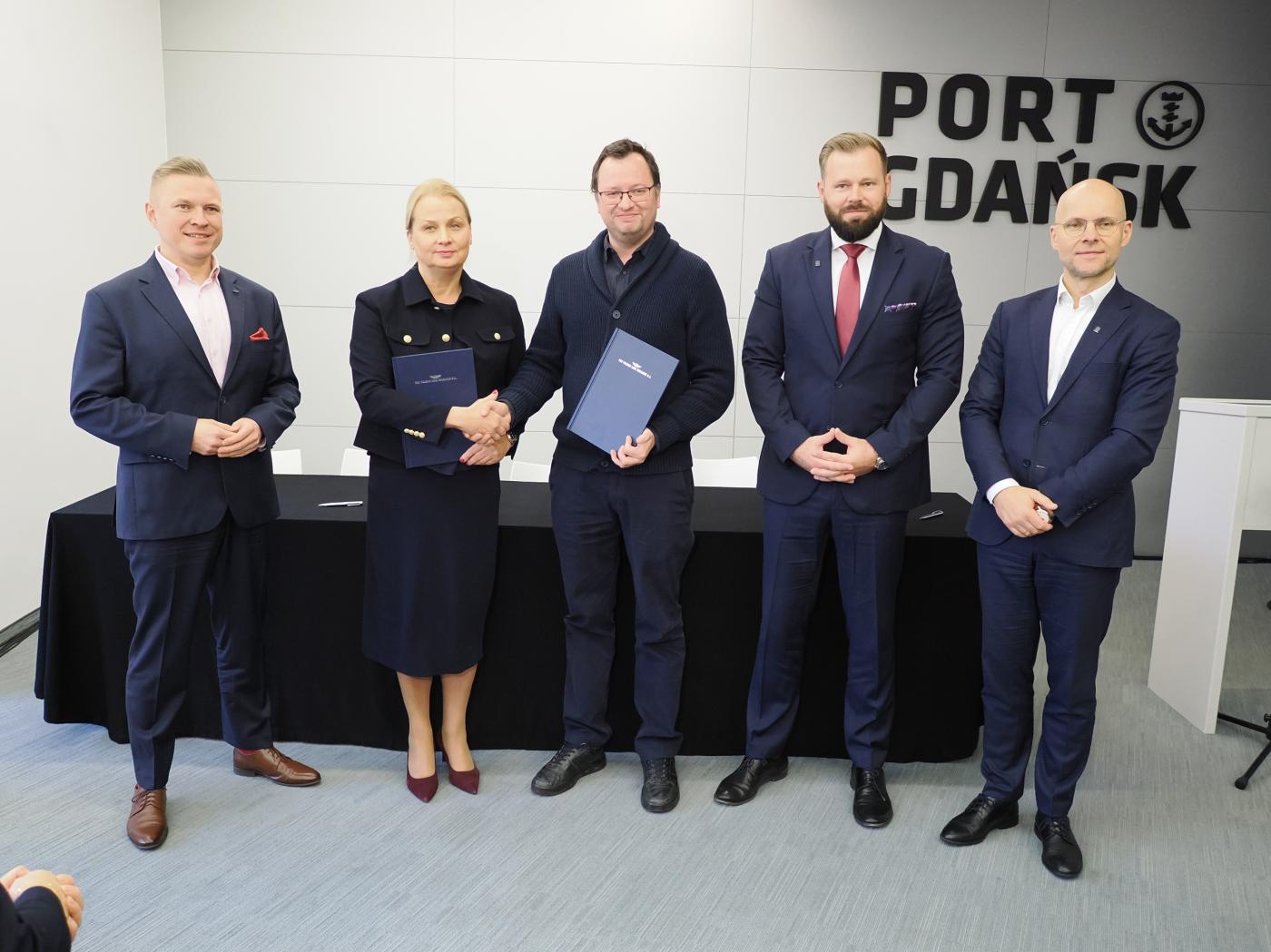
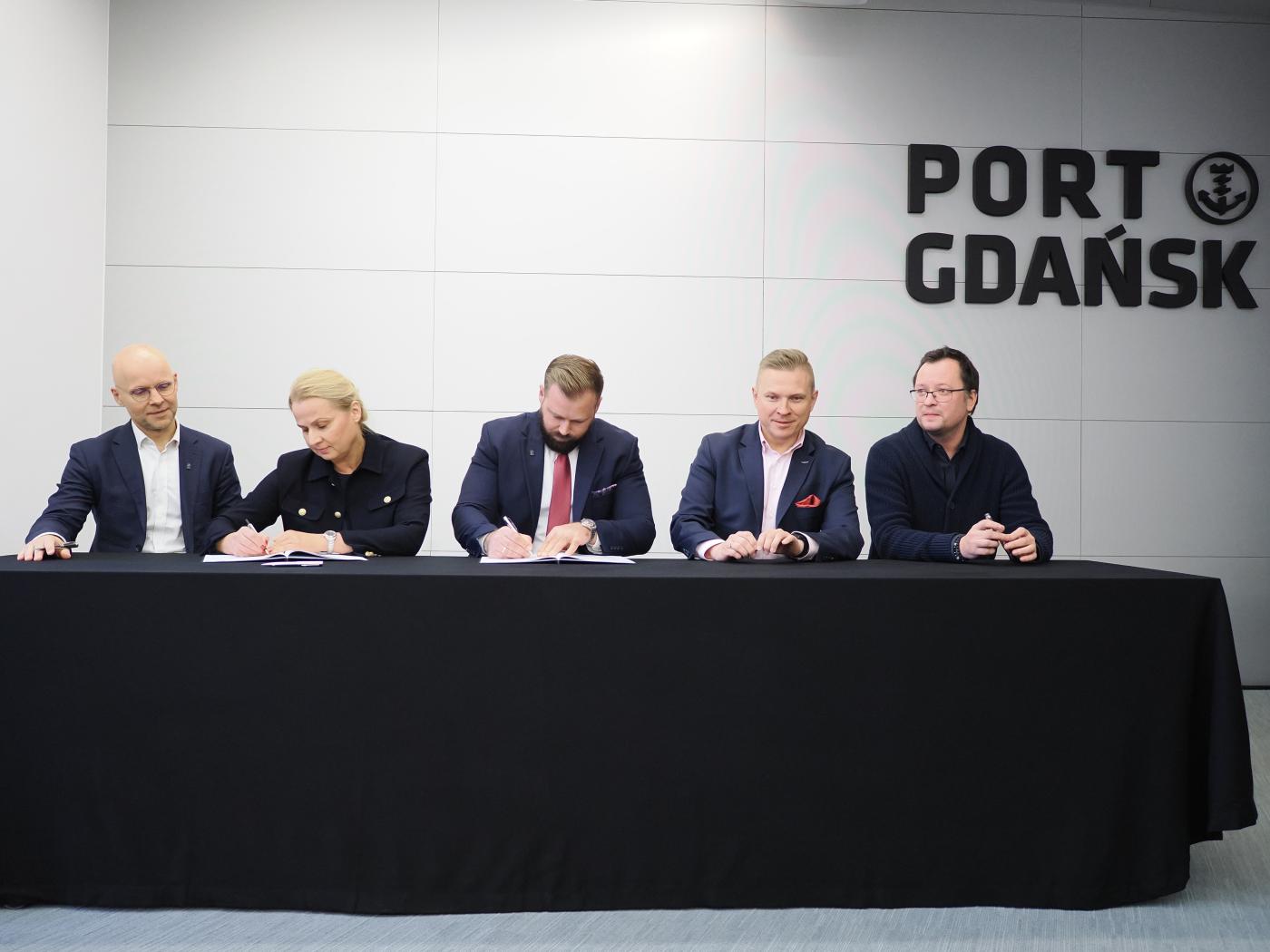
PKP Polskie Linie Kolejowe S.A. (PLK) and the Port of Gdańsk Authority have signed an agreement to develop preparatory documentation for the expansion of rail and road access to the deepwater terminals located on Stogi Island. The project is considered strategic for the port’s development and for the wider Polish economy.
business investments logistics pomerania ports transport and forwarding tricity news14 november 2025 | 18:36 | Source: Gazeta Morska | Prepared by: Kamil Kusier | Print
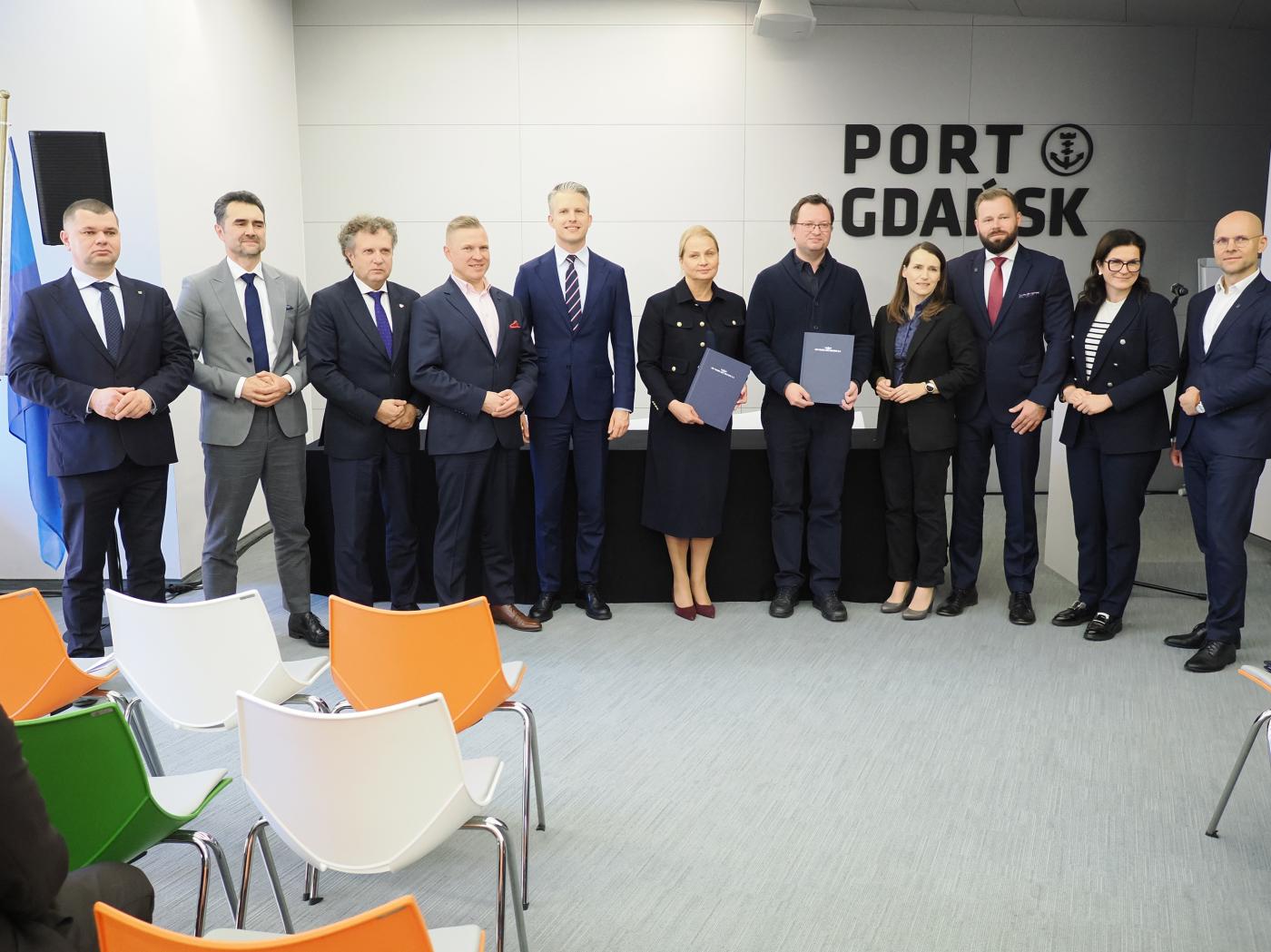
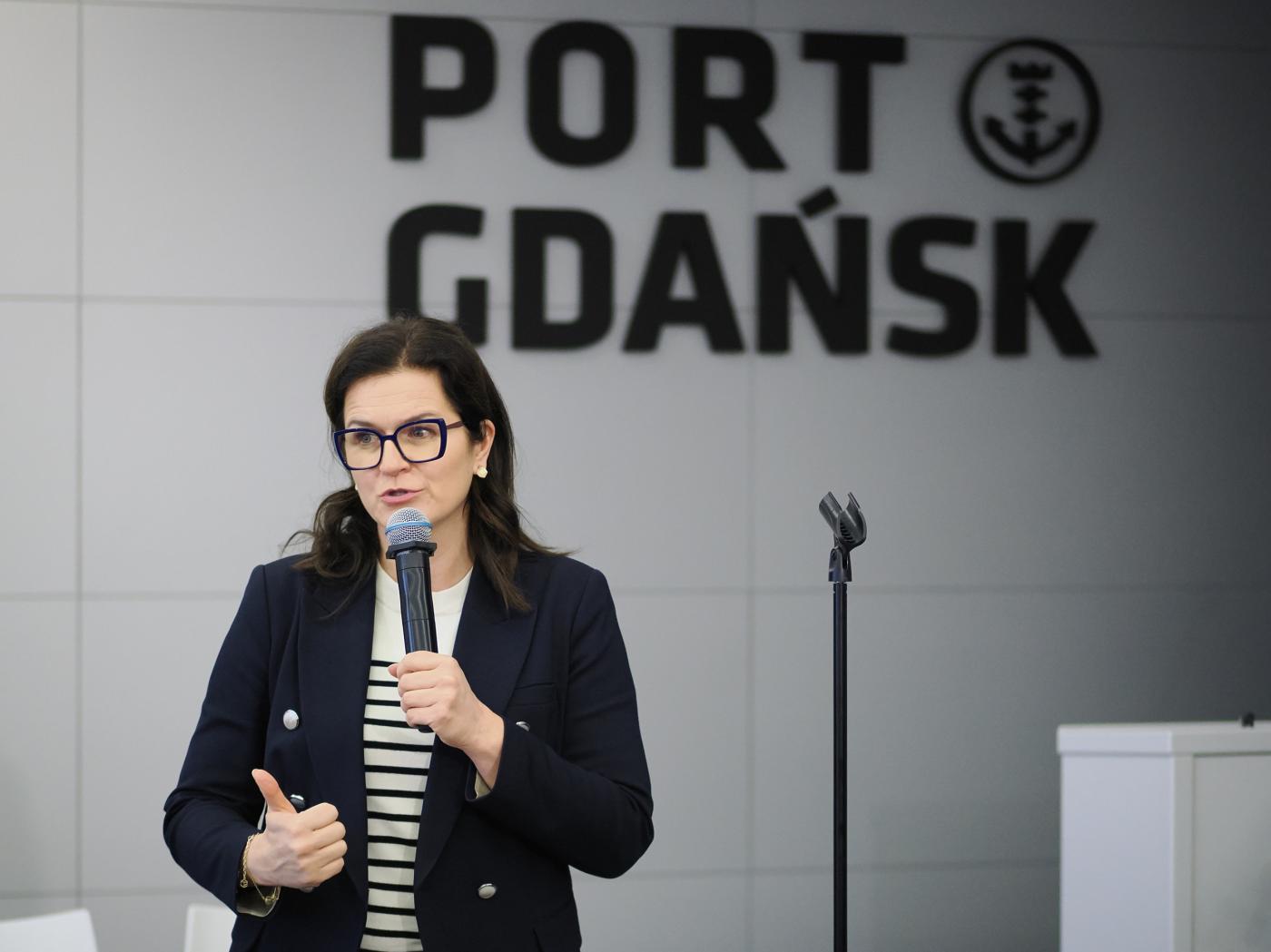
fot. Port Gdańsk
A key investment to strengthen national logistics
Rail remains the most efficient, safe and environmentally friendly mode of cargo transport. Increasing its share in port operations is one of PLK’s strategic priorities. The newly signed agreement aligns with these objectives, launching work on a comprehensive plan to enhance access to both existing and future terminals in the Northern Port.
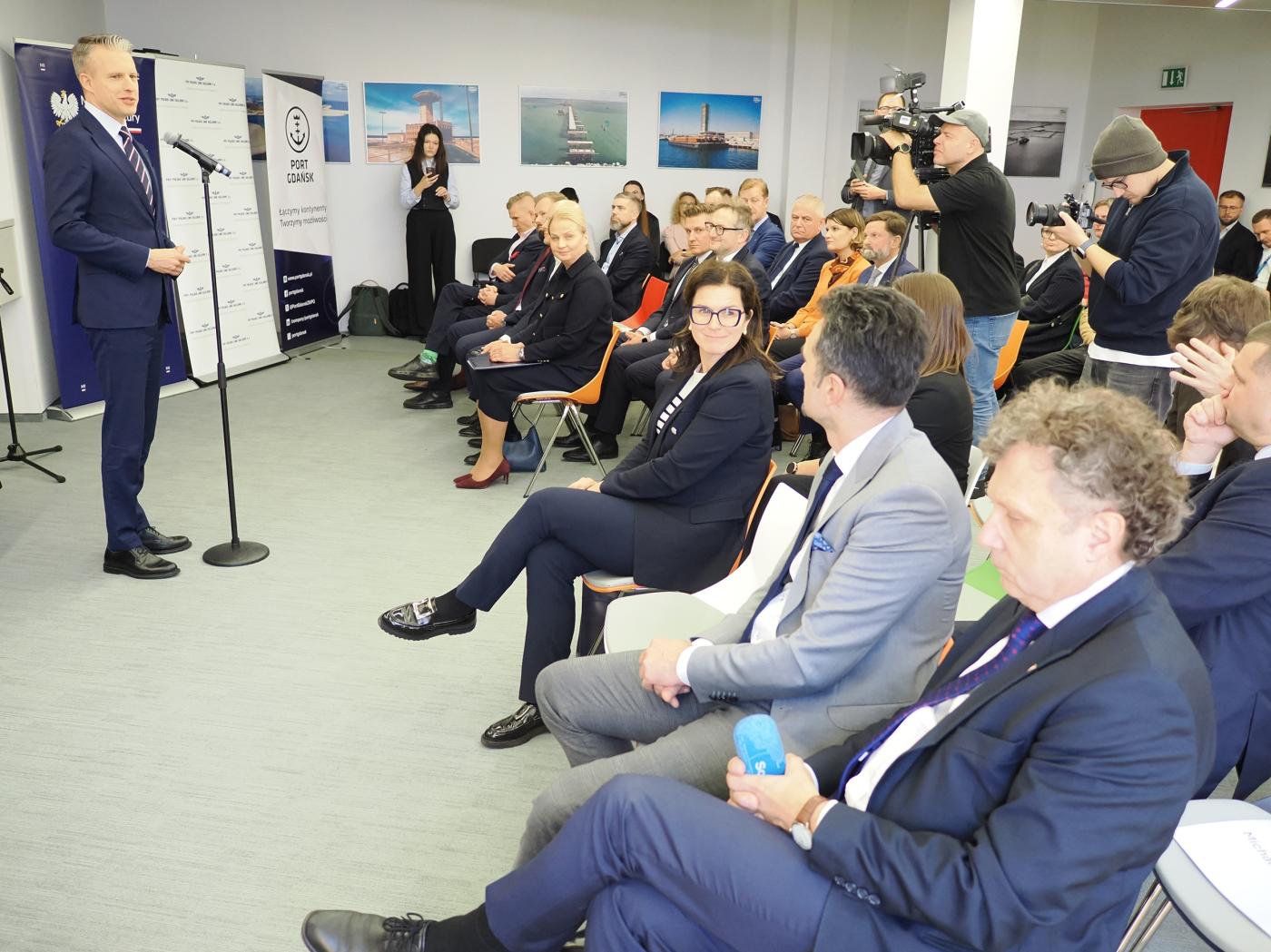
Deputy minister of infrastructure Arkadiusz Marchewka emphasized during the signing ceremony that enhancing the capacity of rail lines serving Poland’s seaports is a prerequisite for maintaining their competitiveness in the coming decades.
In 2024 alone, the Port of Gdańsk handled over 355,000 rail wagons (data for ZMPG contractors only). Currently, all rail traffic from the deepwater area flows through a single bridge — now a major developmental bottleneck.
Port of Gdańsk: second bridge or tunnel is essential
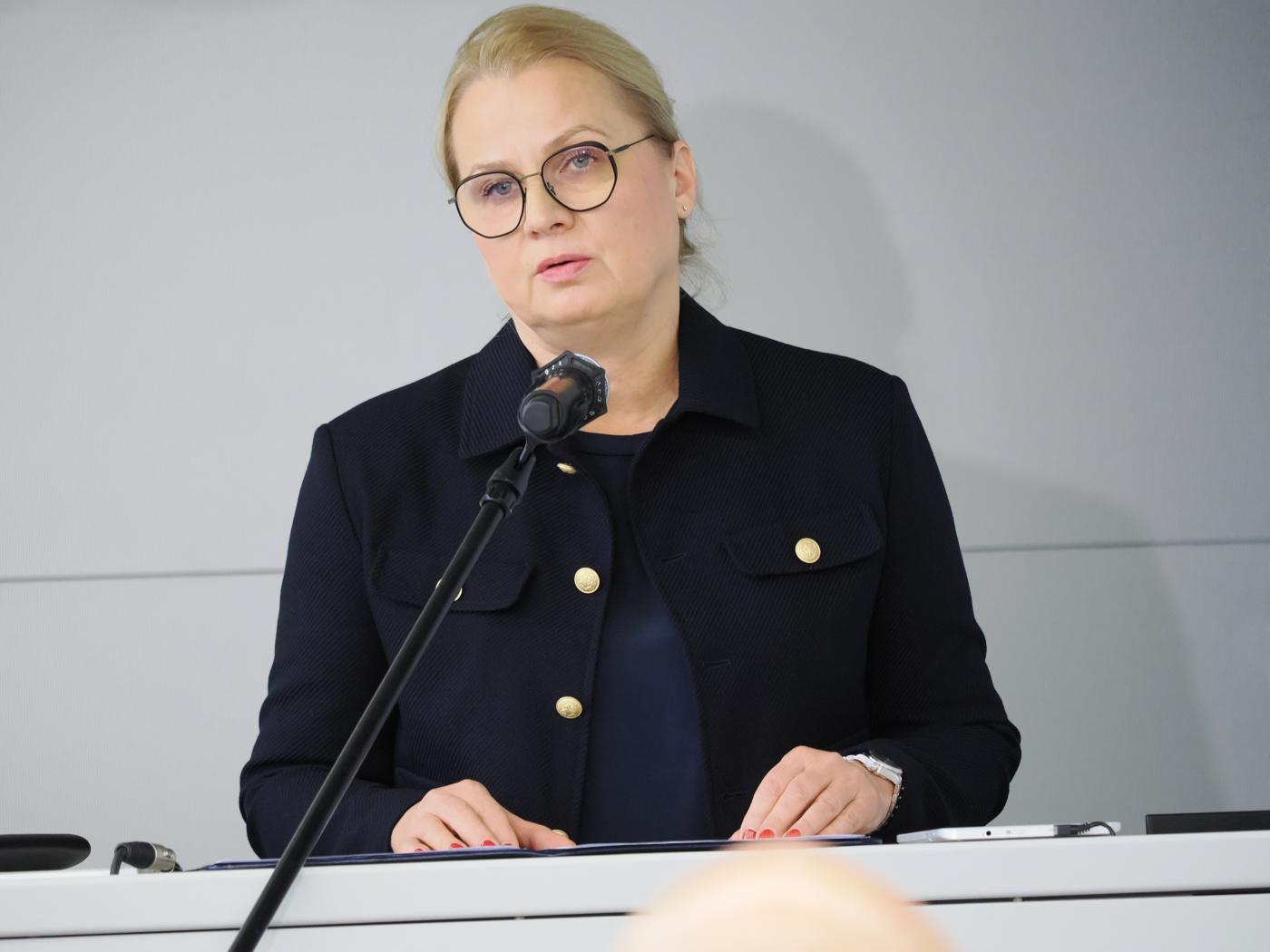
Dorota Pyć, president of the Port of Gdańsk Authority, has repeatedly underlined the urgent need for a second access route — either a bridge or tunnel — to Stogi Island, home to over 80% of the port’s cargo throughput. Critical assets such as Naftoport, Gaspol, the Northern Port and Baltic Hub operate here, playing central roles in Poland’s energy security and logistics capacity.
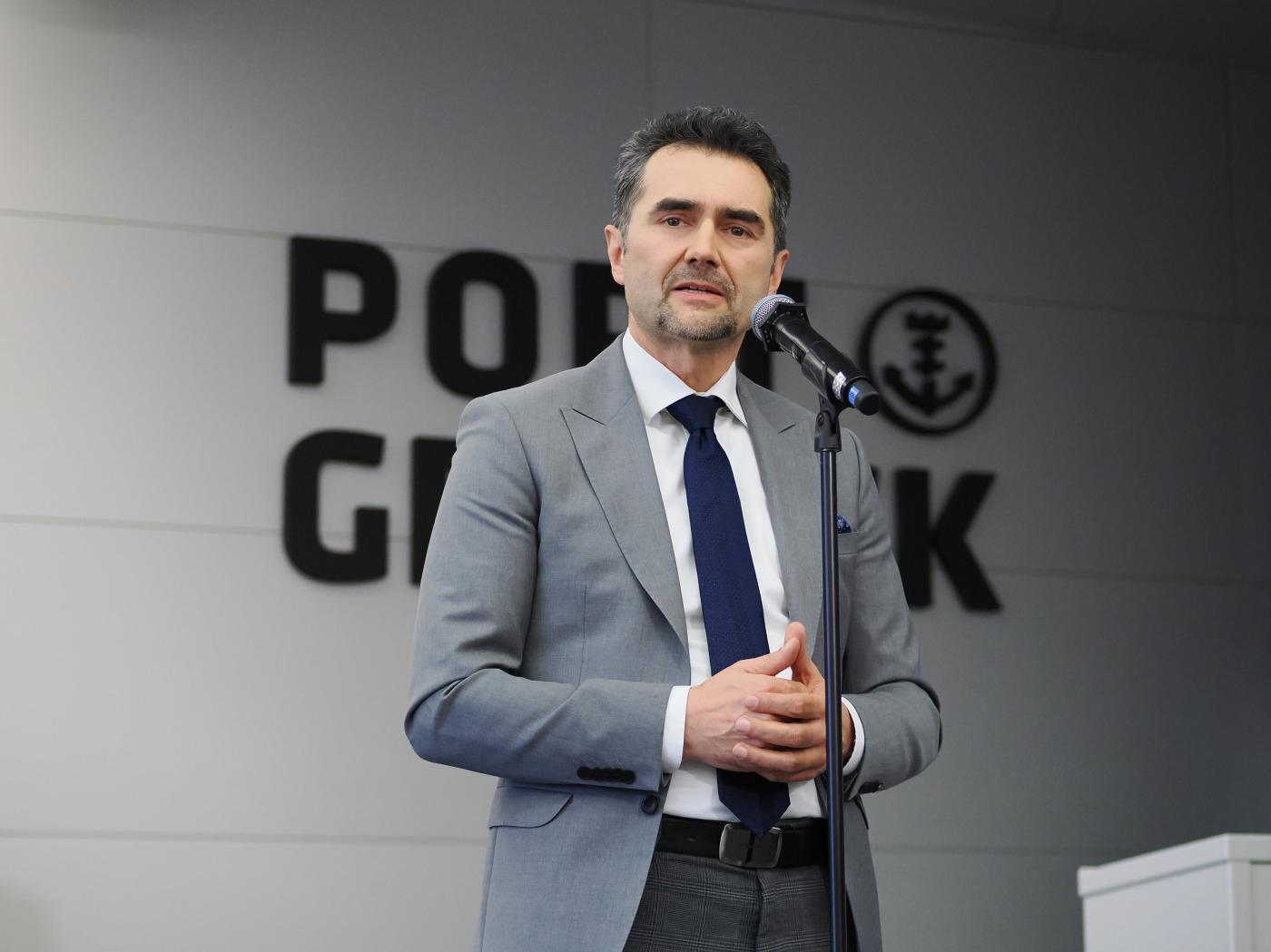
- The current rail network has become a limiting factor for our growth. Ports cannot develop independently of the railway system. Intermodal connections are one of the pillars of our new strategy. Today’s agreement with PLK is not just a plan — it is a concrete, coordinated response to the challenges facing the Polish logistics sector, said president Dorota Pyć.
The planned investment will include the construction or modernization of port and access infrastructure, additional tracks, improved capacity at the Port Północny station and a new alternative entry and exit route from the island.
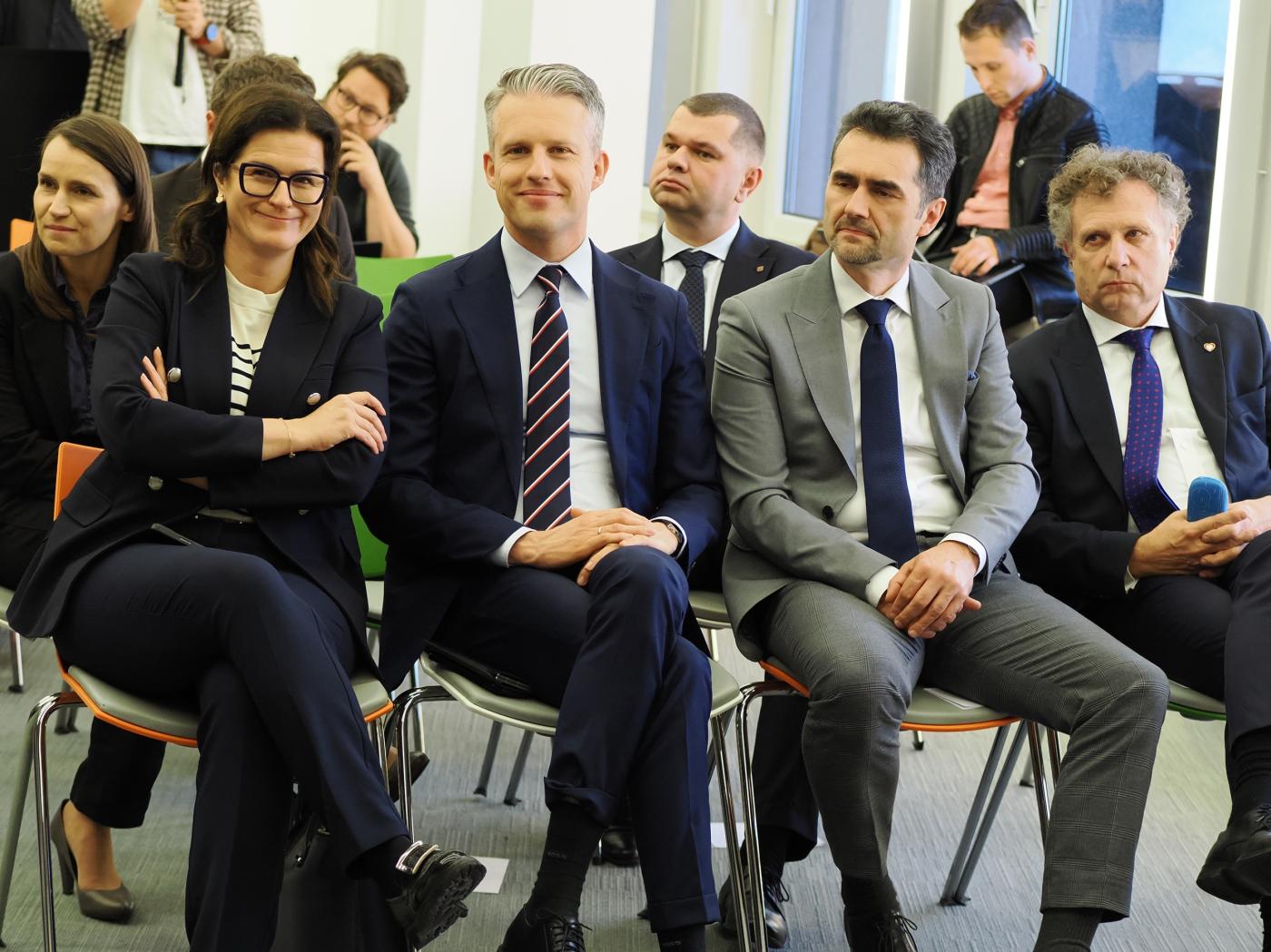
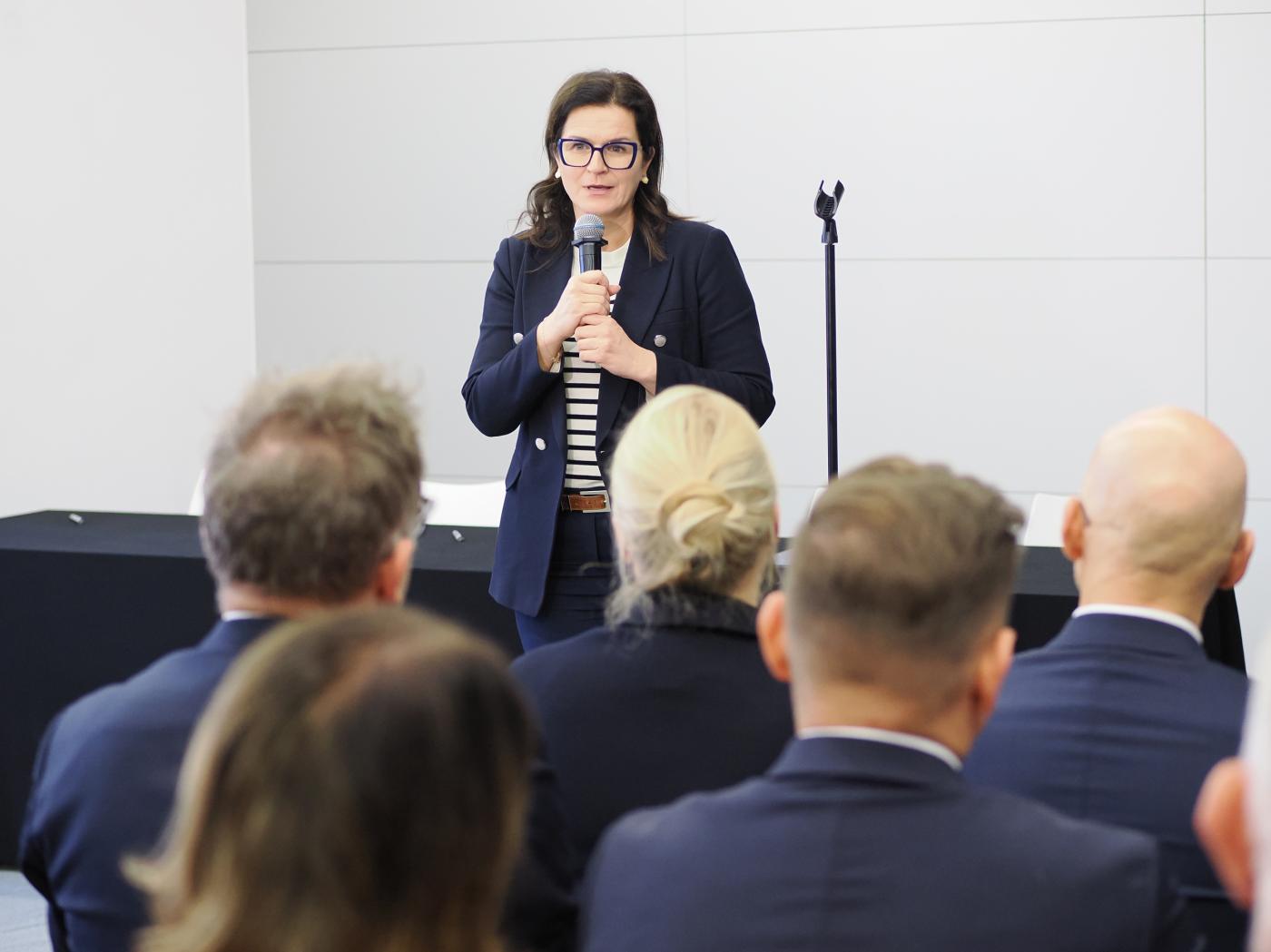
Gdańsk mayor Aleksandra Dulkiewicz welcomed the initiative, noting that the additional access route will relieve Stogi Island and support its sustainable transformation.
Three-stage development path
The cooperation between PLK and the Port of Gdańsk is structured into three stages:
- Feasibility study (2026–2027)
Comprehensive analyses of investment variants and technical assumptions. - Design documentation (from 2028)
Development of detailed design materials enabling the acquisition of administrative permits. - Infrastructure implementation (target: by 2034)
Modernisation and electrification of existing lines, construction of new rail sections and supporting access infrastructure.
Construction works will commence once financing is secured and all formal decisions are obtained.
PLK continues major upgrades to Tri-city port rail corridors
PLK has been intensively upgrading access routes to both Gdańsk and Gdynia ports. Between 2019 and 2024, more than PLN 3 billion from the Connecting Europe Facility (CEF) was invested to improve port rail access, enabling longer, heavier and more frequent trains to reach the quays.
The company is also carrying out a major modernisation of line 201 (Bydgoszcz–Tri-city), vital for the Port of Gdynia, and has launched a tender for the “Pszczółki – Pruszcz Gdański” section on the Tczew–Gdynia corridor. Constructing an additional track will significantly increase capacity on the main freight outlet from the Tri-city, including routes to the Port of Gdańsk. Completion is expected in 2030.
Buy us a coffee, and we’ll invest in great maritime journalism! Support Gazeta Morska and help us sail forward – click here!
Kamil Kusier
redaktor naczelny
gallery
comments
Add the first comment
see also
Radmor hosts delegation from the Republic of Turkey. Advancing maritime security cooperation
3D-printed catamaran: robotic manufacturing sets course for the future of small craft
Navantia and Fincantieri deepen cooperation on the european patrol corvette programme
Galeon Yachts and Meyer Shank Racing: merging luxury yachts with motorsport expertise
Unmanned systems and naval firepower modules. WB Group showcases integrated capabilities at Enforce Tac 2026
Swedish ports record lowest ship calls in 18 years. Implications for the maritime sector
February in Szczecin’s shiprepair sector. Ice, overhauls and North Sea expansion
Advanced ROV trials conducted at CTO to validate subsea technologies for offshore applications
University of Gdańsk and PGZ Naval Shipyard join forces for innovation and security
Stadt Naval to deliver electric propulsion system for Polish rescue vessel Ratownik
ADVERTISEMENT
ADVERTISEMENT