Strong allied presence in the Baltic. NATO warships visit Port of Gdynia
September has been a particularly busy month for allied naval activity in Gdynia. On 13 September, the Swedish signals intelligence ship HSwMS Artemis (A202) called at the port for a brief technical stop. After several hours alongside, the ship resumed her operations in the Baltic Sea.
security navy nato news16 september 2025 | 10:01 | Source: Gazeta Morska | Prepared by: Kamil Kusier | Print
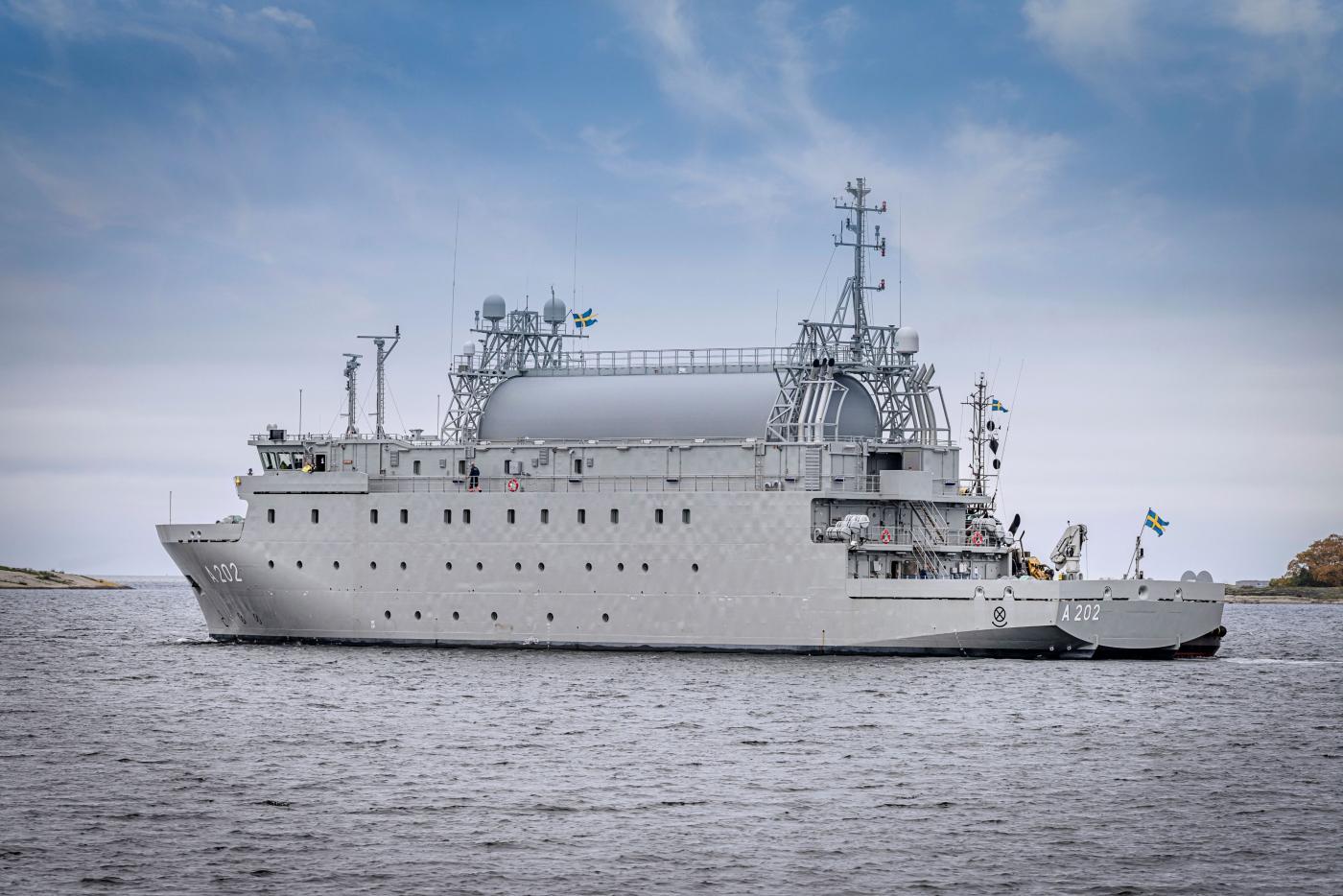
fot. Saab
HSwMS Artemis – next-generation SIGINT platform
Commissioned in 2023, HSwMS Artemis represents a major leap forward in Sweden’s SIGINT capabilities, replacing the veteran HMS Orion. Outfitted with state-of-the-art sensors and analysis suites, Artemis plays a key role in monitoring the electromagnetic spectrum and strengthening Sweden’s situational awareness in the increasingly contested Baltic region.
USS Bulkeley – Arleigh Burke-class multi-mission destroyer
On Monday morning, the USS Bulkeley (DDG-84) arrived in Gdynia. This Arleigh Burke-class guided-missile destroyer is equipped with the Aegis combat system and vertical launch cells (VLS), providing robust air defense, strike, and anti-submarine capabilities. Bulkeley is a regular participant in NATO operations in the Atlantic and Mediterranean, and her deployment to the Baltic underscores U.S. commitment to deterrence and allied interoperability on NATO’s eastern flank.
The ship is berthed at the French Quay and will remain open to view until 16 September.
FGS Hamburg – Germany’s air-defense frigate
Accompanying Bulkeley is the FGS Hamburg (F220), a Sachsen-class air-defense frigate designed to protect carrier and amphibious groups against aerial threats. Fitted with SMART-L and APAR radars, Hamburg can engage multiple airborne targets at extended ranges and frequently serves as flagship for Standing NATO Maritime Group 2 (SNMG2) deployments.
Hamburg is moored at the Indian Quay and will stay until 19 September.
Strengthening allied presence and cooperation at sea
The presence of such high-value surface combatants sends a clear signal to the region: NATO’s commitment to Baltic security and collective defense is tangible and enduring. Port visits serve not only as logistical stops and crew rest opportunities, but also as moments to synchronize operations, exchange expertise, and strengthen interoperability between allied navies.
The past several months have demonstrated how effectively NATO’s maritime forces cooperate in the Baltic. Regular joint exercises, patrols, and port calls enhance maritime security, deter potential threats, and ensure rapid crisis response capability. These September visits highlight the growing importance of the port of Gdynia as a key logistical and operational hub for allied maritime activity in Northern Europe.
Buy us a coffee, and we’ll invest in great maritime journalism! Support Gazeta Morska and help us sail forward – click here!
Kamil Kusier
redaktor naczelny
comments
Add the first comment
see also
"Let everyone know we will prevail". Poland’s armed forces set strategic course for 2026-2039
“Army 500” and strategic transformation: Poland sets the course for long-term deterrence and allied readiness
Medical evacuation from offshore vessel in the Baltic. Rescue 511 helicopter and m/s Huragan deployed
Karol Nawrocki: “The strength of the republic lies in its armed forces”. Security requires national unity
Human trafficking, money laundering, millions frozen. Successful operation by border guard and tax administration
Evening SAR operation in the Baltic. Two kitesurfers stranded offshore
Medical evacuation from sailing ship in Gdynia port. 17-year-old safely transported
Medical evacuation from Danish-flagged vessel Skoven off Łeba. Joint SAR operation in the Baltic Sea
Almost 2.5 million travellers cleared in 2025 by the Maritime Border Guard
Frontex officers train with Polish Maritime Border Guard
ADVERTISEMENT
ADVERTISEMENT