No proof of sabotage by Chinese crew in Baltic Sea cable incident, says Sweden - but questions remain
Swedish investigators say they have found no concrete evidence that the Chinese cargo ship Yi Peng 3 deliberately damaged undersea telecom cables in the Baltic Sea late last year – but have warned that a lack of access to key information leaves room for doubt.
security worldwide equipment and technology news15 april 2025 | 16:40 | Source: PAP / Gazeta Morska | Prepared by: Daniel Zyśk | Print
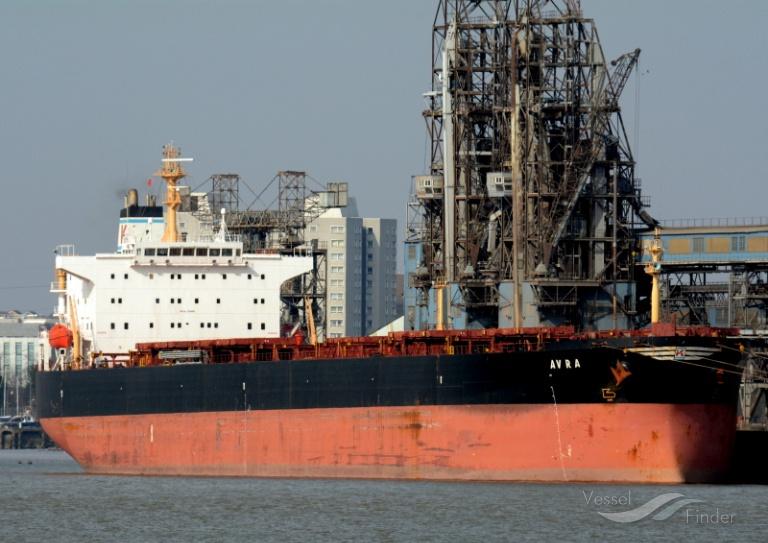
fot. John White / VesselFinder
The official report, released Tuesday by the Swedish Accident Investigation Authority (SHK), states that while a serious incident occurred, the evidence currently points more towards a mishap than a malicious act. Still, investigators admit they were kept largely in the dark during their probe.
In a December inspection of the vessel, which took place with Chinese officials on board, Swedish representatives were barred from examining crucial electronic data, including the ship’s navigational logs and so-called "black box".
One key detail did emerge: the ship’s port anchor had reportedly been dragged along the seabed for a staggering 180 nautical miles (over 330km) over the course of a day and a half. This could have easily caused significant undersea damage.
Jonas Baeckstrand of the SHK, who has been involved in the investigation, remarked: “Many signs point to an accident, but if it was intentional, it was done in a way designed to avoid detection.”
The findings could influence an ongoing criminal investigation by prosecutors in Stockholm into whether the November 2024 incident constituted an act of sabotage. However, the SHK stressed that their conclusions do not rule out foul play entirely.
Two major fibre-optic cables – one linking Sweden with Lithuania, and another connecting Finland with Germany – were severed in mid-November, disrupting communications across the region. Similar probes have been launched by Germany, Finland, and Lithuania.
The Yi Peng 3 was intercepted days later by the Danish navy in the Kattegat Strait as it attempted to exit the Baltic Sea.
While Beijing has denied any wrongdoing, the case has stirred tensions in Northern Europe and renewed calls for greater maritime security in the face of potential hybrid threats.
Buy us a coffee, and we’ll invest in great maritime journalism! Support Gazeta Morska and help us sail forward – click here!
Redakcja Gazeta Morska
użytkownik
comments
Add the first comment
see also
"Let everyone know we will prevail". Poland’s armed forces set strategic course for 2026-2039
“Army 500” and strategic transformation: Poland sets the course for long-term deterrence and allied readiness
Medical evacuation from offshore vessel in the Baltic. Rescue 511 helicopter and m/s Huragan deployed
Karol Nawrocki: “The strength of the republic lies in its armed forces”. Security requires national unity
Human trafficking, money laundering, millions frozen. Successful operation by border guard and tax administration
Evening SAR operation in the Baltic. Two kitesurfers stranded offshore
Medical evacuation from sailing ship in Gdynia port. 17-year-old safely transported
Medical evacuation from Danish-flagged vessel Skoven off Łeba. Joint SAR operation in the Baltic Sea
Almost 2.5 million travellers cleared in 2025 by the Maritime Border Guard
Frontex officers train with Polish Maritime Border Guard
ADVERTISEMENT
ADVERTISEMENT