Safe holidays by the sea - what everyone should know before entering the water
The summer season is not only a time for leisure, but also the busiest and most challenging period for rescue services along the Baltic coast. Beaches and seaside resorts attract thousands of visitors every day, and although the sea looks calm and inviting, it can turn dangerous in seconds. What rules should be followed to stay safe? How do you respond when someone is in trouble? And which emergency numbers matter when every second counts?
important security police maritime rescue news wopr24 july 2025 | 21:42 | Source: Gazeta Morska | Prepared by: Kamil Kusier | Print
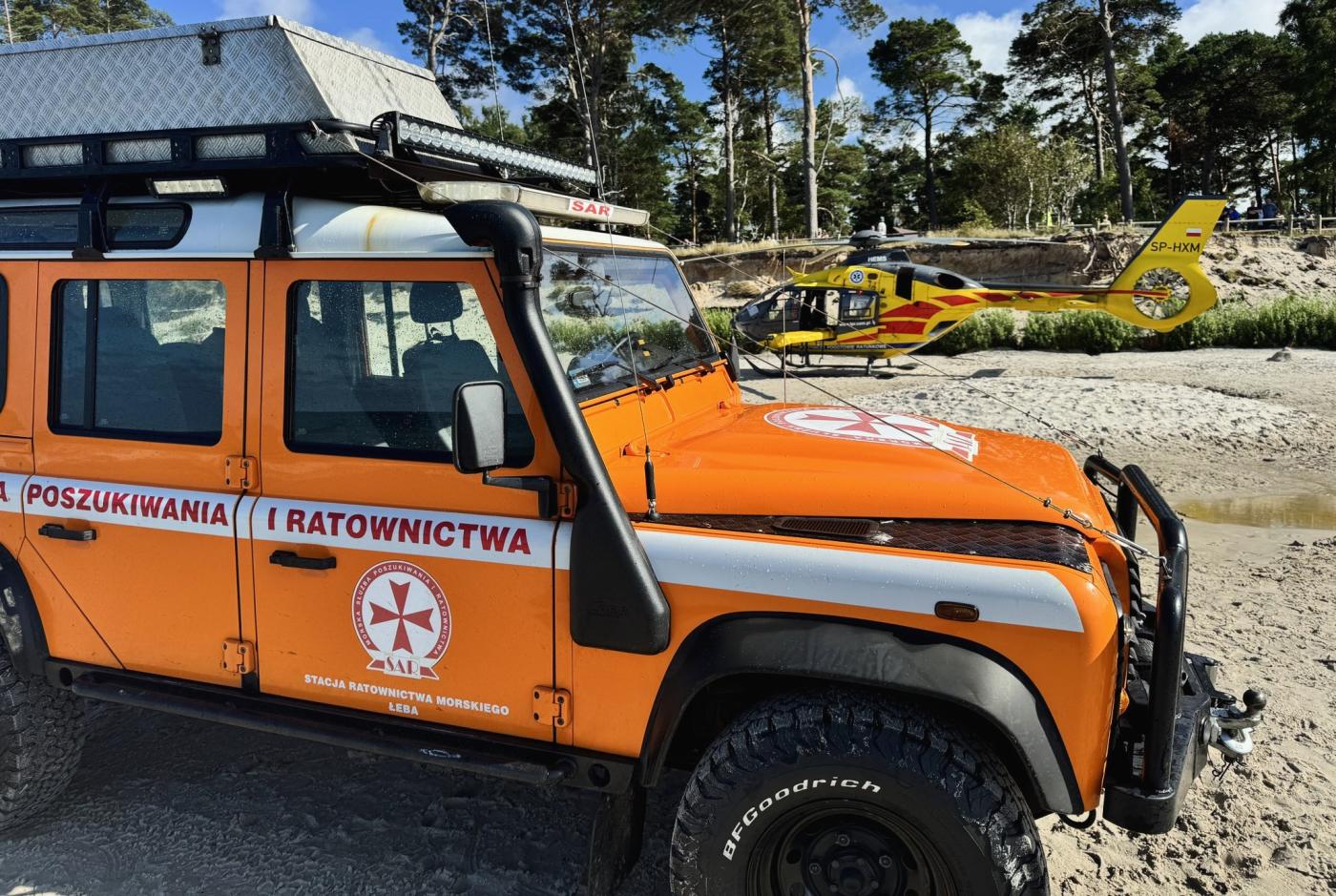
fot. Sebastian Kluska / MSPiR SAR / X
Common sense starts on the shore
While sunbathing and beach games may seem harmless, responsibility starts before even entering the water. The number one rule: always use designated swimming areas with lifeguards on duty. Most accidents happen at unguarded sites, often due to overconfidence or alcohol.
Children must never be left unsupervised, even for a moment. Sandcastles or shallow water may appear safe, but the dynamic nature of the shoreline can quickly pose risks. Parents and guardians should stay alert at all times.
It is also illegal and extremely dangerous to swim under the influence of alcohol or drugs. According to the Polish Water Rescue Service (WOPR), impaired judgment and delayed reaction times are among the leading causes of drownings.
Beachgoers should pay close attention to flag signals posted by lifeguards:
- Red flag – swimming is strictly prohibited (due to strong currents, bad weather, or low water temperature),
- White flag – safe to swim, but not without caution.
In addition, bonfires, glass containers, and littering are strictly prohibited along most Polish beaches. Keeping the coast clean and safe is a shared responsibility.
Swimming in the sea – beauty that demands respect
The Baltic Sea may seem calm, but its nature can be unpredictable. Swimmers are advised not to dive head-first unless they are certain of water depth and terrain. Hidden rocks, sandbanks, or shallow waters can cause serious spinal injuries.
Inflatable mattresses, floats, and rings should be used only close to shore. Offshore winds and undercurrents may carry users far from land – beyond their strength to return.
Avoid sudden immersion after sunbathing, eating, or intense exercise. Jumping into cold water can cause a thermal shock, leading to sudden cardiac arrest. Every year, cases of this kind are recorded on Baltic beaches.
How to react in an emergency?
The rule is simple: do not put yourself in danger. When you see someone drowning:
- Alert the lifeguard immediately, if present.
- Call for help – use emergency numbers listed below.
- Throw a flotation device or any object that can help the victim stay afloat.
Emergency numbers in Poland (Baltic Sea region)
- 112 – General emergency number (operates EU-wide)
- 601 100 100 – WOPR (Volunteer Water Rescue Service)
- 999 – Ambulance / EMS
- 998 – Fire Department
- 997 – Police
- Maritime Rescue Coordination Centre (MSPiR SAR Gdynia) – +48 58 660 22 45
Always state your exact location (name of beach, access point, recognizable landmarks) and describe the situation clearly. Time is critical.
CPR and first aid – basic rules that save lives
Drowning victims may suffer cardiac arrest or loss of consciousness. Immediate first aid, especially CPR (cardiopulmonary resuscitation), can be the difference between life and death.
CPR – adults:
- Check responsiveness and breathing.
- If unresponsive and not breathing – call 112.
- Place the person on their back, open airway (tilt head back, lift chin).
- Start with 5 rescue breaths if the person is not breathing.
- Start chest compressions – 30 compressions (depth 5–6 cm, 100–120 per minute).
- Follow with 2 rescue breaths.
- Continue until professional help arrives or victim regains consciousness.
CPR – children:
Start with 5 rescue breaths, followed by compressions (15:2 ratio). Use less force and only one hand if necessary, depending on the child’s size. If alone, perform CPR for one minute before calling emergency services.
AEDs (automated external defibrillators) are increasingly available in public areas and are designed for use by untrained individuals – follow the audio instructions carefully.
Let’s make summer safer – together
The sea gives us beauty and freedom – but demands caution and respect. Tragedies often occur in moments of inattention, and behind every emergency there are families, responders, and difficult consequences. Staying informed, alert, and prepared can save lives.
We encourage all visitors to the Baltic coast to remember: safety is a shared responsibility. Let’s make the 2025 summer season not only unforgettable, but truly safe – for everyone.
Buy us a coffee, and we’ll invest in great maritime journalism! Support Gazeta Morska and help us sail forward – click here!
Kamil Kusier
redaktor naczelny
comments
Add the first comment
see also
"Let everyone know we will prevail". Poland’s armed forces set strategic course for 2026-2039
“Army 500” and strategic transformation: Poland sets the course for long-term deterrence and allied readiness
Medical evacuation from offshore vessel in the Baltic. Rescue 511 helicopter and m/s Huragan deployed
Karol Nawrocki: “The strength of the republic lies in its armed forces”. Security requires national unity
Human trafficking, money laundering, millions frozen. Successful operation by border guard and tax administration
Evening SAR operation in the Baltic. Two kitesurfers stranded offshore
Medical evacuation from sailing ship in Gdynia port. 17-year-old safely transported
Medical evacuation from Danish-flagged vessel Skoven off Łeba. Joint SAR operation in the Baltic Sea
Almost 2.5 million travellers cleared in 2025 by the Maritime Border Guard
Frontex officers train with Polish Maritime Border Guard
ADVERTISEMENT
ADVERTISEMENT