Saab secures new order for A26 Blekinge-class submarines
Sweden continues to invest in its underwater defense capabilities. Saab has announced that it has received an order from the Swedish Defence Materiel Administration (FMV) for the final production phase, as well as an additional scope of supply for materials and services for two previously ordered A26 Blekinge-class submarines. The contract is valued at approximately SEK 9.6 billion, with deliveries scheduled mainly between 2026 and 2032.
business maritime economy worldwide shipbuilding industry defense industry news15 october 2025 | 14:28 | Source: Gazeta Morska | Prepared by: Kamil Kusier | Print
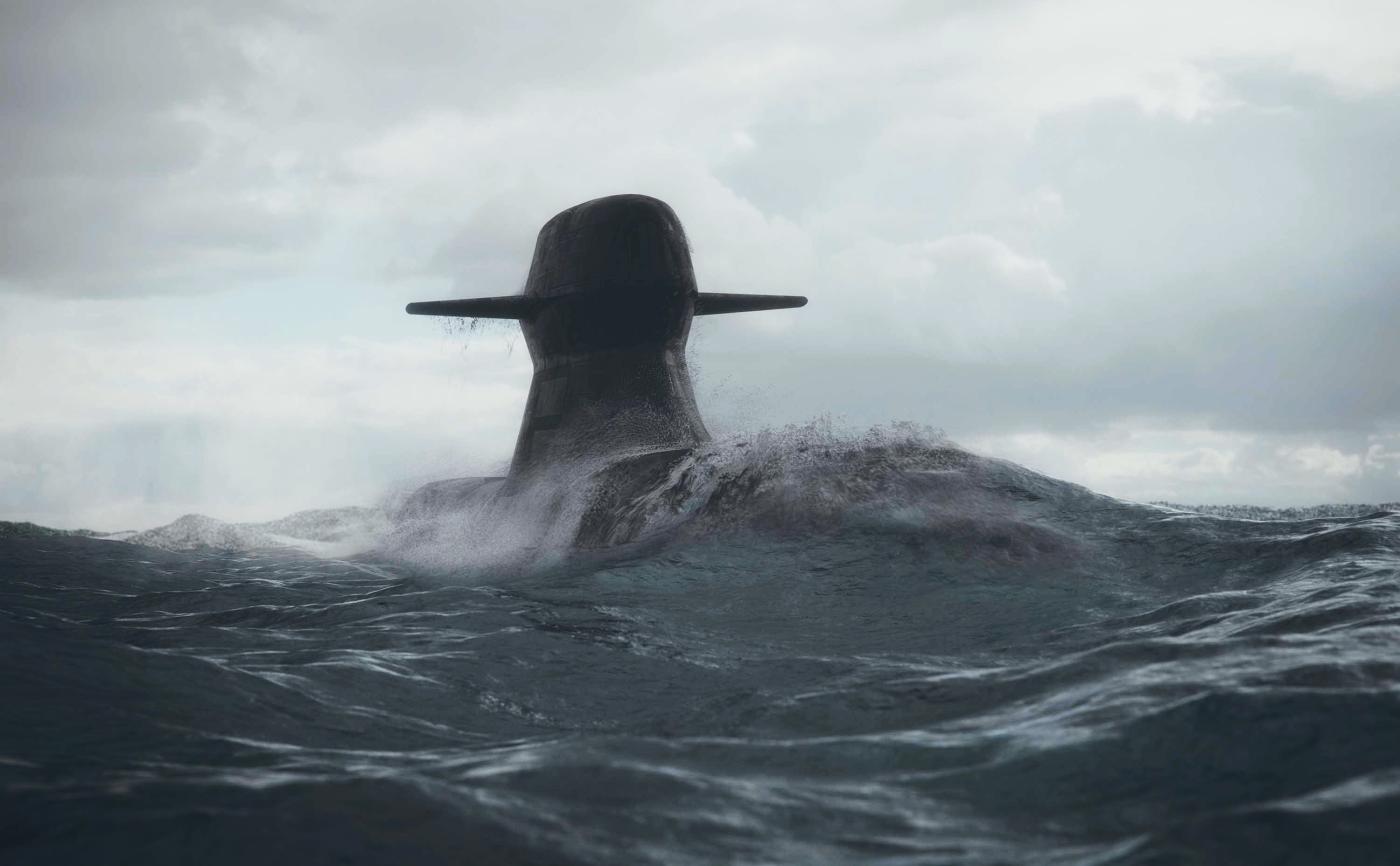
fot. Saab
The order represents a critical stage in Sweden’s long-term program to build a new generation of conventional submarines at Saab Kockums in Karlskrona, one of Europe’s leading naval shipyards. The Blekinge-class submarines are widely regarded as some of the most advanced conventional submarines in the world.
Next-generation conventional submarines
The A26 Blekinge program builds on decades of Swedish expertise in submarine design and construction. These submarines feature air-independent propulsion (AIP), allowing extended submerged operations and enhanced stealth. The A26 vessels are designed to conduct a wide range of missions, including conventional naval operations, special forces deployment, reconnaissance, and intelligence gathering.
– Saab is currently building the world’s most advanced conventional submarines for Sweden. Through excellent cooperation between Saab and FMV, we have delivered Sweden cutting-edge undersea capabilities that will safeguard the country’s waters for decades to come, said Micael Johansson, president and CEO of Saab.
Strategic importance for the Baltic Sea region
The A26 program carries both technological and strategic significance. Amid growing tensions in the Baltic Sea and increased Russian naval activity, strengthening Sweden’s submarine force is a key component of deterrence and national defense.
Sweden, preparing for full integration into NATO structures, continues to modernize its naval capabilities. The A26 submarines complement the existing Gotland-class fleet, which is also undergoing upgrades by Saab.
Industrial impact and export potential
The A26 program is also a major driver for the Swedish defense and shipbuilding industry. Saab Kockums is one of the few shipyards in Europe capable of designing and building submarines entirely in-house. The technologies developed in Sweden—including combat systems, sensors, propulsion, and modular construction—have already attracted international interest, including from Poland, which is evaluating A26 units for its Orka submarine program.
Modular, future-proof design
Blekinge-class submarines feature high automation and modular construction, enabling flexible weapon and equipment configurations. A key innovation is the multi mission portal, a large forward hatch that allows rapid deployment of special forces, unmanned underwater vehicles (UUVs), or mini-submersibles.
These capabilities make the A26 a platform ready for future technological integration, particularly in unmanned and remotely operated systems—a growing trend in modern naval warfare.
FMV’s additional order with Saab underscores Sweden’s commitment to maintaining and enhancing its undersea capabilities, critical for national defense and regional security in the Baltic Sea.
With the construction of two new Blekinge-class submarines and the ongoing modernization of the Gotland-class fleet, the Swedish Navy remains a leading force in Europe for undersea operations, combining advanced technology with strategic deterrence.
see also
Buy us a coffee, and we’ll invest in great maritime journalism! Support Gazeta Morska and help us sail forward – click here!
Kamil Kusier
redaktor naczelny
comments
Add the first comment
see also
Austal partners with Damen for local construction of LST 100 for Australian Army
The submarine contract of the decade? Canada weighs South Korea against Germany
Bechtel signs contract with Doraco for Poland’s first nuclear power plant
When two powers clash, Poland must be ready to act. Military security must be the priority
MON, Arka Gdynia and AMW sign letter of intent supporting "Green Industrial District - Kashubia" project
Mine countermeasure vessel Jaskółka begins sea acceptance trials
PEJ relocates headquarters to Pomerania. A strategic step in Poland’s nuclear power development
Radmor hosts delegation from the Republic of Turkey. Advancing maritime security cooperation
3D-printed catamaran: robotic manufacturing sets course for the future of small craft
Navantia and Fincantieri deepen cooperation on the european patrol corvette programme
ADVERTISEMENT
ADVERTISEMENT