Russian Kaliningrad base behind GPS jamming; aims to disrupt NATO intelligence Zapytaj ChatGPT
GPS disruptions over the Baltic States and the Gulf of Finland originate from a secret Russian military facility in the Królewiec (rus. Kaliningrad) region, one of whose primary missions is to monitor NATO satellites and communications, according to the Delfi news portal.
security worldwide nato equipment and technology news11 august 2025 | 20:32 | Source: Gazeta Morska / PAP | Prepared by: Kamil Kusier | Print
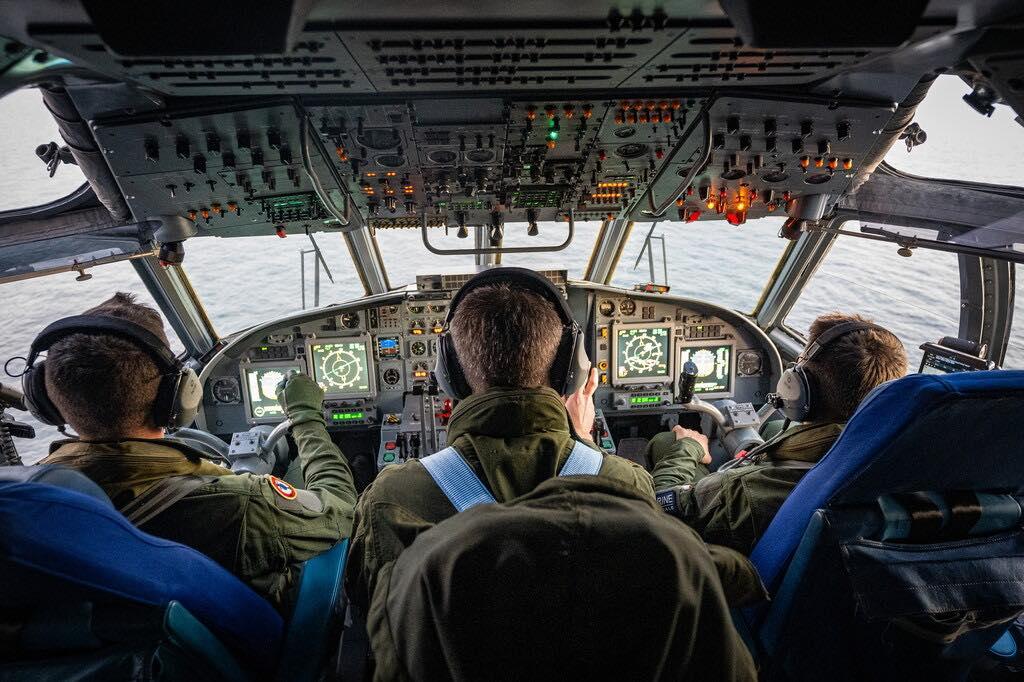
fot. Marine nationale
Classified Russian documents obtained by the Estonian news service reveal that the base, located in Pionersk, is part of the Tobol strategic electronic warfare network. The system integrates multiple surveillance, defense, and command platforms, designed both to shield Russian satellite communications and navigation from potential NATO attacks, and to degrade the Alliance’s intelligence-gathering capabilities.
Construction of the Królewiec (rus. Kaliningrad site), focused on satellite monitoring and overseen by Russia’s Ministry of Defence, officially began in 2009. Other complexes in the Tobol network are located in Serpukhov near Moscow, Penza, Cheboksary, and Ulan-Ude in Eastern Siberia beyond Lake Baikal.
The generated interference targets not only satellite positioning systems such as GPS, Galileo, and GLONASS, but also satellite communications platforms, including Starlink.
Neighbouring countries have reported aviation and maritime navigation issues since the outset of Russia’s full-scale invasion of Ukraine, with disruptions intensifying after 2023—forcing, in some cases, the rerouting of civilian aircraft. Warnings have also been issued for the Gulf of Finland after vessel crews reported navigation anomalies, ranging from inaccurate positional data to complete loss of signal.
In July, Estonian authorities disclosed that new jamming systems had been deployed just east of the border near Narva and the Narva Bay coast. Experts believe these systems are intended to protect Russian military and strategic infrastructure—including assets in the St. Petersburg area—from Ukrainian drone strikes by degrading satellite navigation signals.
Finland’s Ilta-Sanomat notes that Russia has been developing navigation jamming technology since the 1980s, when the West began fielding GPS-guided weaponry. The increasing deployment of NATO-supplied precision weapons by Ukraine has further driven Russia to enhance its capabilities for disrupting satellite-based targeting and communications.
see also
Buy us a coffee, and we’ll invest in great maritime journalism! Support Gazeta Morska and help us sail forward – click here!
Kamil Kusier
redaktor naczelny
comments
Add the first comment
see also
"Let everyone know we will prevail". Poland’s armed forces set strategic course for 2026-2039
“Army 500” and strategic transformation: Poland sets the course for long-term deterrence and allied readiness
Medical evacuation from offshore vessel in the Baltic. Rescue 511 helicopter and m/s Huragan deployed
Karol Nawrocki: “The strength of the republic lies in its armed forces”. Security requires national unity
Human trafficking, money laundering, millions frozen. Successful operation by border guard and tax administration
Evening SAR operation in the Baltic. Two kitesurfers stranded offshore
Medical evacuation from sailing ship in Gdynia port. 17-year-old safely transported
Medical evacuation from Danish-flagged vessel Skoven off Łeba. Joint SAR operation in the Baltic Sea
Almost 2.5 million travellers cleared in 2025 by the Maritime Border Guard
Frontex officers train with Polish Maritime Border Guard
ADVERTISEMENT
ADVERTISEMENT