Russia smuggles weapons to Libya using 'Shadow Fleet' of aging cargo ships. Interpol investigation reveals
Russia is covertly supplying arms and military equipment to Field Marshal Khalifa Haftar's forces in eastern Libya via a clandestine "shadow fleet," according to a damning new Interpol investigation.
security logistics worldwide news25 april 2025 | 13:26 | Source: PAP / Gazeta Morska | Prepared by: Tadeusz Brzozowski | Print
fot. X / Nexta / nexta tv
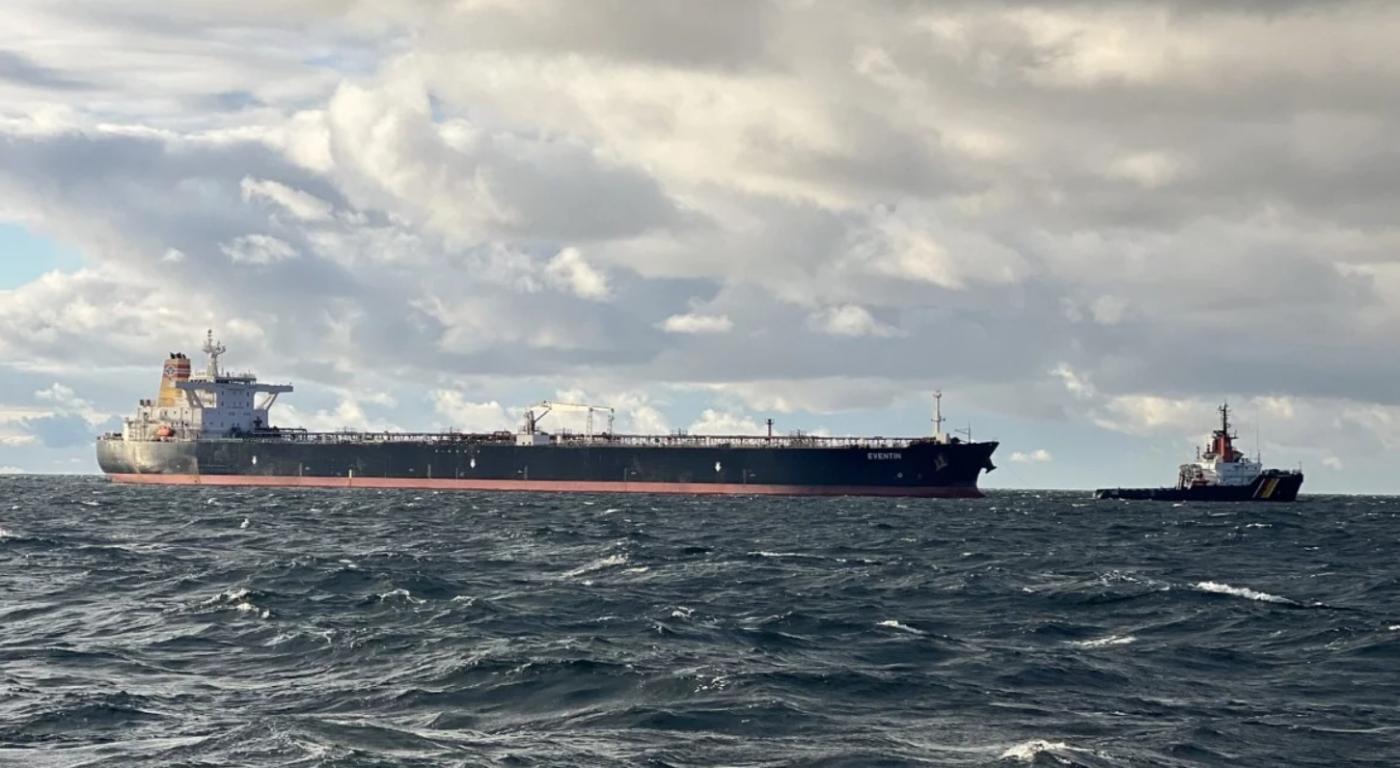
Since last year, the international police agency has tracked a network of aging cargo vessels—many sailing under the flags of obscure nations—that Moscow uses not only to smuggle sanctioned oil but also to funnel illicit arms into the volatile North African region.
Monitoring ships docking in the eastern Libyan port of Tobruk, Interpol uncovered consistent weapons shipments departing from Russian ports on the Black Sea. Some of the arms have reportedly been seized by Haftar's Libyan National Army, led by the warlord and his six sons, while other shipments were allegedly diverted to the Rapid Support Forces (RSF), who are locked in a brutal conflict with government troops in Sudan's ongoing civil war.
Russia is also exploiting its foothold in Tobruk to bolster military juntas in Burkina Faso, Mali, and Niger, regimes that have hired Russian mercenaries to combat insurgents and jihadists across the Sahel. Libyan ports offer Moscow strategic leverage—allowing it to control migrant smuggling routes into Europe and establish naval operational hubs along NATO’s southern flank.
Moscow’s interest in Libyan port infrastructure has intensified since the collapse of Bashar al-Assad’s regime in Syria last December. The new authorities in Damascus have denied Russian warships access to former military bases in Tartus and the Humaymim airbase, cutting off a crucial logistical lifeline for the Kremlin in the eastern Mediterranean.
One ship used in these covert operations, the Barbaros—a cargo vessel sailing under the Cameroonian flag—was spotted in early 2024 crossing the Bosphorus Strait in Turkey. Maritime analyst Yoruk Isik published images of the ship on platform X (formerly Twitter). The Barbaros had suspiciously disabled its identification system, designed to help ships avoid collisions, raising red flags with Interpol. When agents boarded the vessel, they discovered dozens of military trucks hidden in its hold.
The Barbaros had changed its name three times and sailed under at least 10 different flags over the past 12 years. And it’s far from the only vessel involved. Documents from Operation Irini—a European Union Naval Force (EUNAVFOR MED) mission enforcing the UN arms embargo on Libya since 2020—show that Moscow has deployed dozens of antiquated cargo ships of murky ownership to ferry weapons to Tobruk and Benghazi undetected.
Russia’s reliance on such vessels has surged since its invasion of Ukraine, dramatically increasing the number of rogue ships on international waters. What was once a fleet of several hundred operated primarily by Iran, North Korea, and Venezuela has now grown to more than a thousand, with African nations like Liberia (which quickly withdrew), Comoros, Gabon, Guinea-Bissau, Sierra Leone, and even landlocked Eswatini providing flags of convenience.
Buy us a coffee, and we’ll invest in great maritime journalism! Support Gazeta Morska and help us sail forward – click here!
Kamil Kusier
redaktor naczelny
comments
Add the first comment
see also
"Let everyone know we will prevail". Poland’s armed forces set strategic course for 2026-2039
“Army 500” and strategic transformation: Poland sets the course for long-term deterrence and allied readiness
Medical evacuation from offshore vessel in the Baltic. Rescue 511 helicopter and m/s Huragan deployed
Karol Nawrocki: “The strength of the republic lies in its armed forces”. Security requires national unity
Human trafficking, money laundering, millions frozen. Successful operation by border guard and tax administration
Evening SAR operation in the Baltic. Two kitesurfers stranded offshore
Medical evacuation from sailing ship in Gdynia port. 17-year-old safely transported
Medical evacuation from Danish-flagged vessel Skoven off Łeba. Joint SAR operation in the Baltic Sea
Almost 2.5 million travellers cleared in 2025 by the Maritime Border Guard
Frontex officers train with Polish Maritime Border Guard
ADVERTISEMENT
ADVERTISEMENT