SAR Council convenes in Łeba: Strengthening maritime safety through coordination and strategy
The Council of Search and Rescue (SAR) held its latest session at the Museum of Underwater Archaeology and Baltic Fisheries in Łeba, bringing together key representatives from institutions responsible for maritime safety and emergency response in Poland.
security pomerania maritime rescue news29 june 2025 | 14:44 | Source: Gazeta Morska | Prepared by: Kamil Kusier | Print
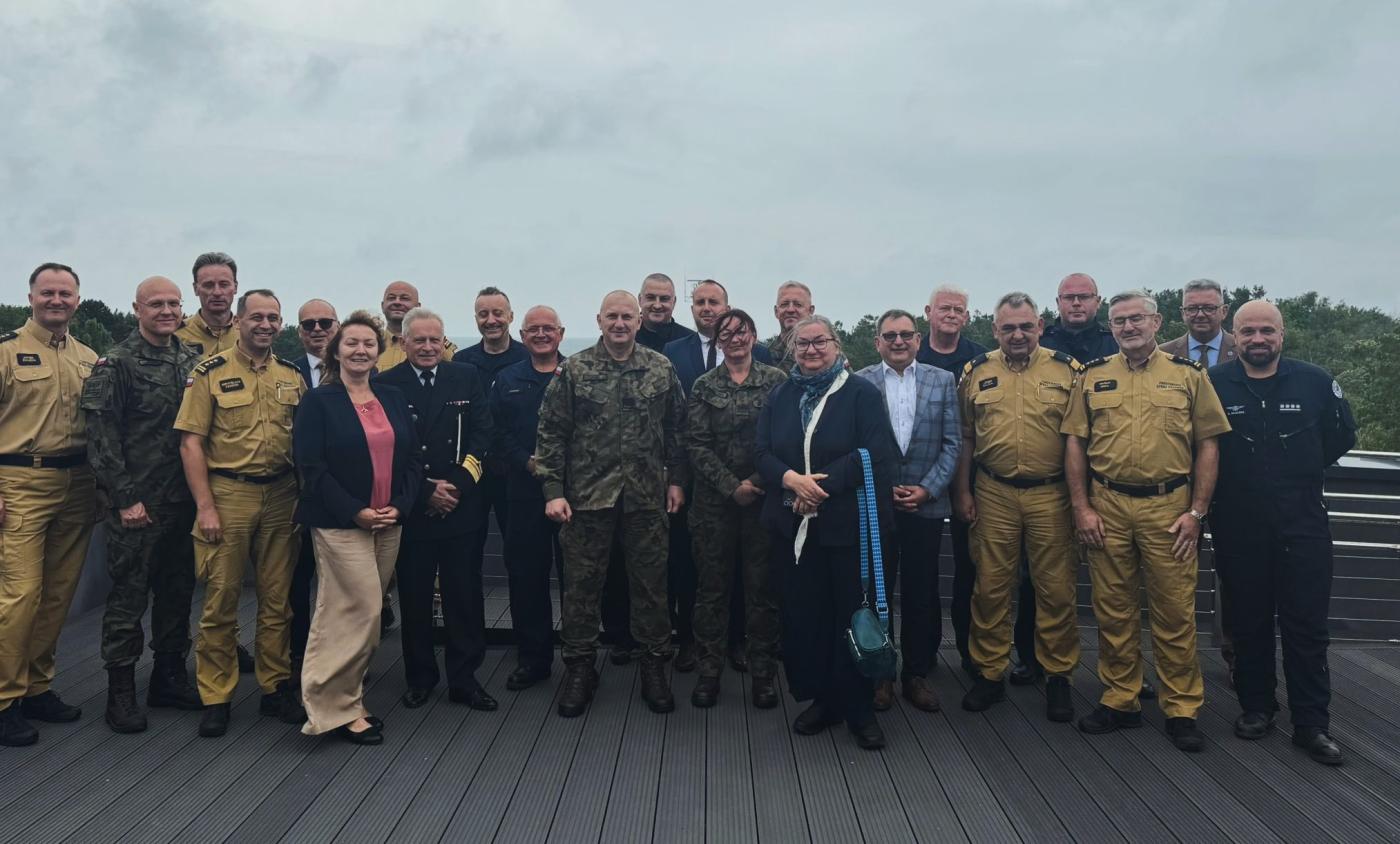
fot. MSPiR SAR
The SAR Council serves as an advisory body to the minister responsible for maritime economy, offering expert opinion and strategic guidance on matters related to search and rescue operations, maritime safety, and marine pollution response. Among its members are high-ranking officials from the Ministry of Infrastructure, the Armed Forces Operational Command, the Maritime Search and Rescue Service, the Navy, Fire Service, Border Guard, Police, Maritime Offices, health services, and other relevant support entities.
Sebastian Kluska, Director of the Maritime Search and Rescue Service (MSPiR), emphasized the importance of the Council’s work.
- This is a unique platform for coordination between all agencies involved in maritime rescue efforts. By sharing experience and evaluating operational needs, we collectively shape the system that protects lives at sea.
A core focus of the meeting was the assessment and recommendation of the types and numbers of resources—both human and technical—needed for joint SAR operations. These discussions directly influence planning processes and strategic allocation of capabilities across the Polish maritime zone.
- Rescue efficiency depends not only on modern equipment, but also on seamless inter-agency cooperation and clearly defined procedures. The SAR Council is where those procedures take form and are continuously refined.
The Council also reviewed the draft SAR Plan and development strategies for the Service itself, with attention given to strengthening international cooperation and improving response time during complex incidents.
- We are committed to raising operational standards at every level. Each recommendation made by the SAR Council must translate into real improvements in how we protect people at sea. There can be no compromises when lives are at stake.
In accordance with Poland’s Maritime Safety Act, the SAR Council also acts in an advisory capacity on issues related to maritime pollution control. As environmental threats become increasingly complex, this aspect of the Council’s work continues to gain prominence.
The session in Łeba reaffirmed the shared commitment of national agencies to building a resilient and responsive SAR system. The resulting recommendations will support the Ministry of Infrastructure and other authorities in shaping maritime safety policy in the years to come.
see also
Buy us a coffee, and we’ll invest in great maritime journalism! Support Gazeta Morska and help us sail forward – click here!
Kamil Kusier
redaktor naczelny
comments
Add the first comment
see also
"Let everyone know we will prevail". Poland’s armed forces set strategic course for 2026-2039
“Army 500” and strategic transformation: Poland sets the course for long-term deterrence and allied readiness
Medical evacuation from offshore vessel in the Baltic. Rescue 511 helicopter and m/s Huragan deployed
Karol Nawrocki: “The strength of the republic lies in its armed forces”. Security requires national unity
Human trafficking, money laundering, millions frozen. Successful operation by border guard and tax administration
Evening SAR operation in the Baltic. Two kitesurfers stranded offshore
Medical evacuation from sailing ship in Gdynia port. 17-year-old safely transported
Medical evacuation from Danish-flagged vessel Skoven off Łeba. Joint SAR operation in the Baltic Sea
Almost 2.5 million travellers cleared in 2025 by the Maritime Border Guard
Frontex officers train with Polish Maritime Border Guard
ADVERTISEMENT
ADVERTISEMENT