POLMAFOR: Poland to host NATO’s new regional maritime command
The Polish Navy is entering a new phase of development and allied cooperation. Work is currently underway in Gdynia, within the Maritime Component Command (COMDKM), to establish the Polish Maritime Force (POLMARFOR) – a project that will have strategic impact on the security architecture of the Baltic Sea. By 2028, Polmarfor is set to assume responsibility for directing NATO’s maritime operations in the region, becoming a fully-fledged regional headquarters under the name CTF Baltic.
security navy nato pomerania west pomerania news24 september 2025 | 13:12 | Source: Gazeta Morska | Prepared by: Kamil Kusier | Print
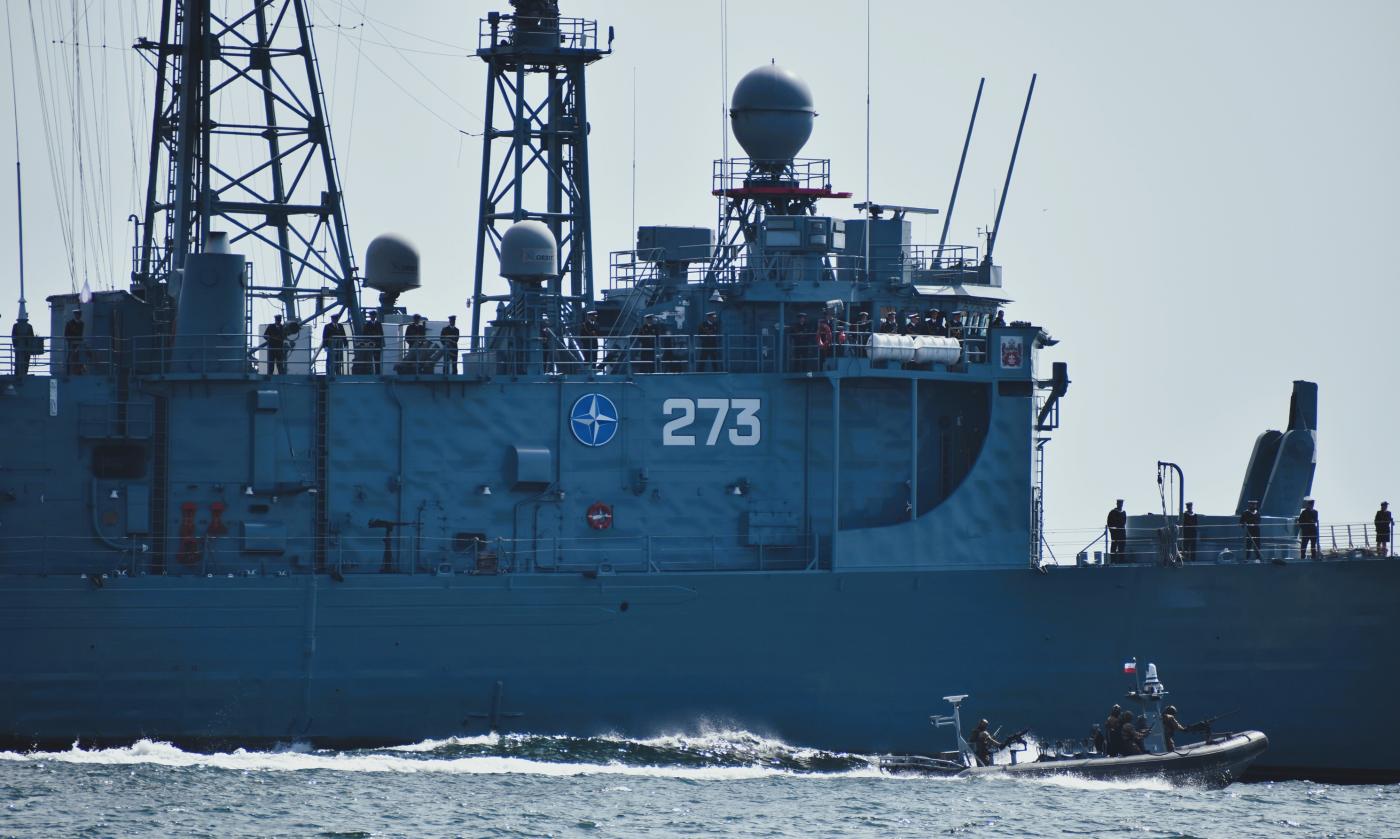
fot. Kamil Kusier / Gazeta Morska
From exercises to command structures
The establishment of Polmarfor was announced against the backdrop of the multinational exercise series Iron Defender-25. As part of this federation of exercises, Poland and Sweden are taking part in Gotland Sentry 2025, a short notice exercise (SNEX) designed to test allied mobility, interoperability, and readiness under demanding conditions.
These drills are more than routine training – they highlight the readiness of Poland and Sweden, two key actors in the central Baltic, to work side by side under NATO’s framework.
Building Polmarfor in Gdynia
The new command will be headquartered at COMDKM in Gdynia, reflecting the growing strategic importance of the Baltic Sea.
Since October 2024, Poland, Germany, and Sweden have been conducting joint operations through the CTF Baltic command in Rostock. The creation of Polmarfor is the next logical step, transferring the center of gravity eastward. By 2028, the Polish-based command will evolve into NATO’s regional headquarters for the entire Baltic Sea area.
Implications for the Polish Navy and NATO
The launch of Polmarfor is not just symbolic – it represents a significant strengthening of NATO’s maritime posture in the Baltic. Its establishment will bring several key benefits:
- Poland will serve as the central hub for NATO’s maritime command and control in the region.
- Operational cooperation with German and Swedish naval forces will deepen.
- Allied interoperability and rapid reaction capabilities will be enhanced.
- NATO will gain a forward-positioned, permanent command presence on its northeastern flank.
The Baltic, as a semi-enclosed and highly contested sea, requires robust command-and-control structures capable of responding quickly to both conventional and hybrid threats. With Polmarfor, NATO will gain an agile, regionalized headquarters at the heart of the area of operations.
Development path to 2028
The evolution of Polmarfor will be phased, with incremental integration of allied components and validation through recurring NATO exercises. This effort will demand investment in infrastructure, training, and the professional development of command and staff officers.
In the long term, Poland has the potential to become the primary hub of NATO’s maritime presence in the Baltic Sea. This will not only bolster regional security but also stimulate growth in Poland’s naval, defense, and maritime industries, which will support the sustainment of allied operations.
Polmarfor is a strategic milestone that will redefine Poland’s role within NATO’s maritime command structure for years to come. By assuming responsibility for the Baltic, the Polish Navy takes on a leadership role in safeguarding one of Europe’s most strategically sensitive waters.
see also
Buy us a coffee, and we’ll invest in great maritime journalism! Support Gazeta Morska and help us sail forward – click here!
Kamil Kusier
redaktor naczelny
gallery
comments
Add the first comment
see also
"Let everyone know we will prevail". Poland’s armed forces set strategic course for 2026-2039
“Army 500” and strategic transformation: Poland sets the course for long-term deterrence and allied readiness
Medical evacuation from offshore vessel in the Baltic. Rescue 511 helicopter and m/s Huragan deployed
Karol Nawrocki: “The strength of the republic lies in its armed forces”. Security requires national unity
Human trafficking, money laundering, millions frozen. Successful operation by border guard and tax administration
Evening SAR operation in the Baltic. Two kitesurfers stranded offshore
Medical evacuation from sailing ship in Gdynia port. 17-year-old safely transported
Medical evacuation from Danish-flagged vessel Skoven off Łeba. Joint SAR operation in the Baltic Sea
Almost 2.5 million travellers cleared in 2025 by the Maritime Border Guard
Frontex officers train with Polish Maritime Border Guard
ADVERTISEMENT
ADVERTISEMENT