Poland and South Korea deepen defence ties: technology, co-production and maritime spillover
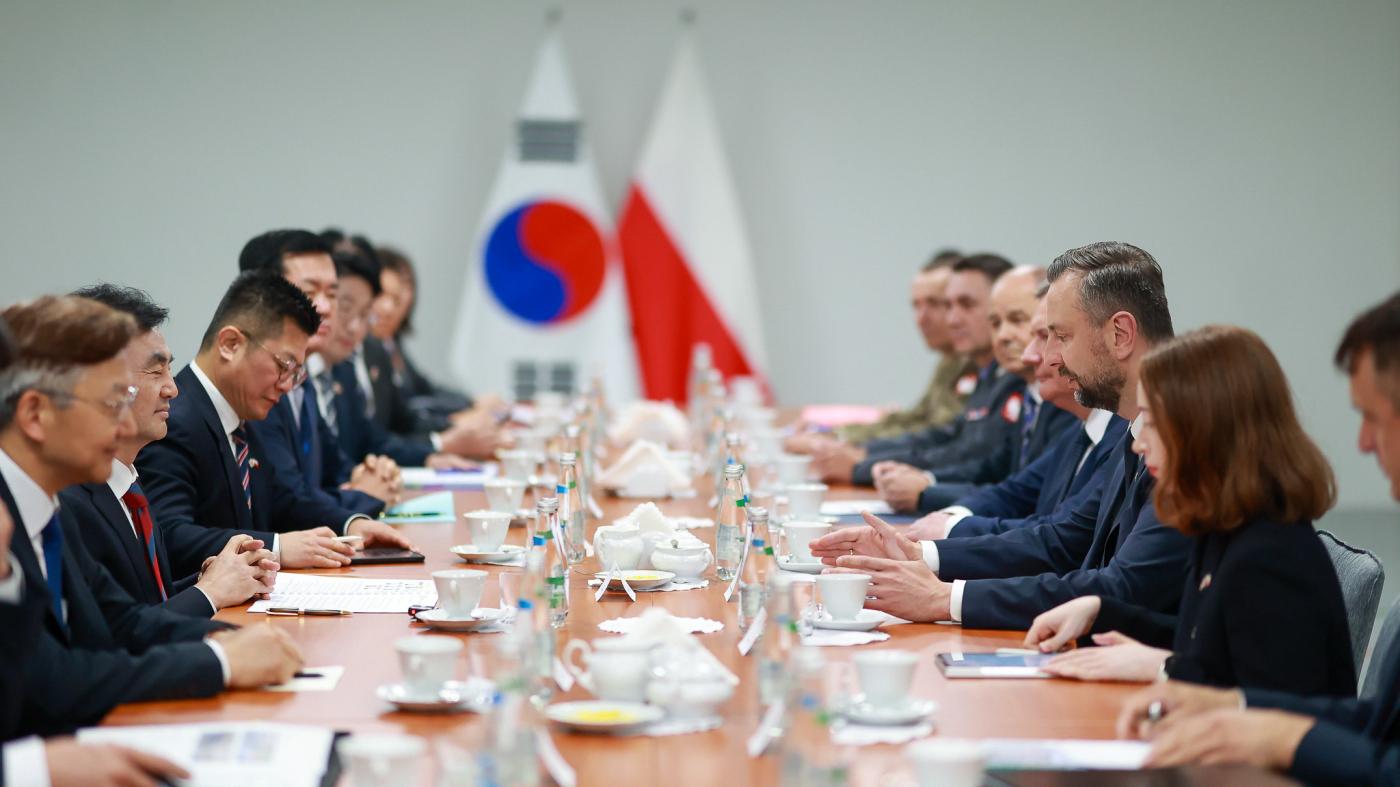
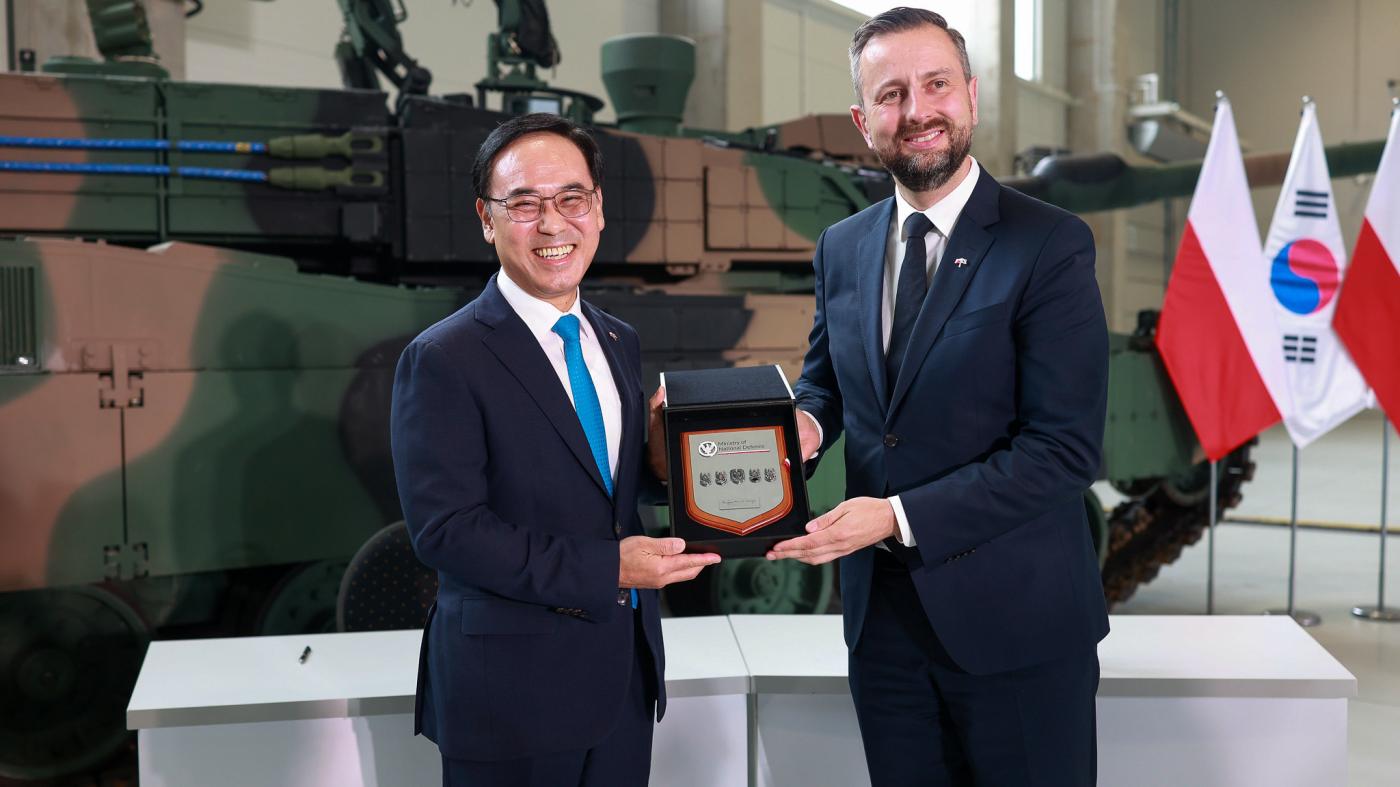
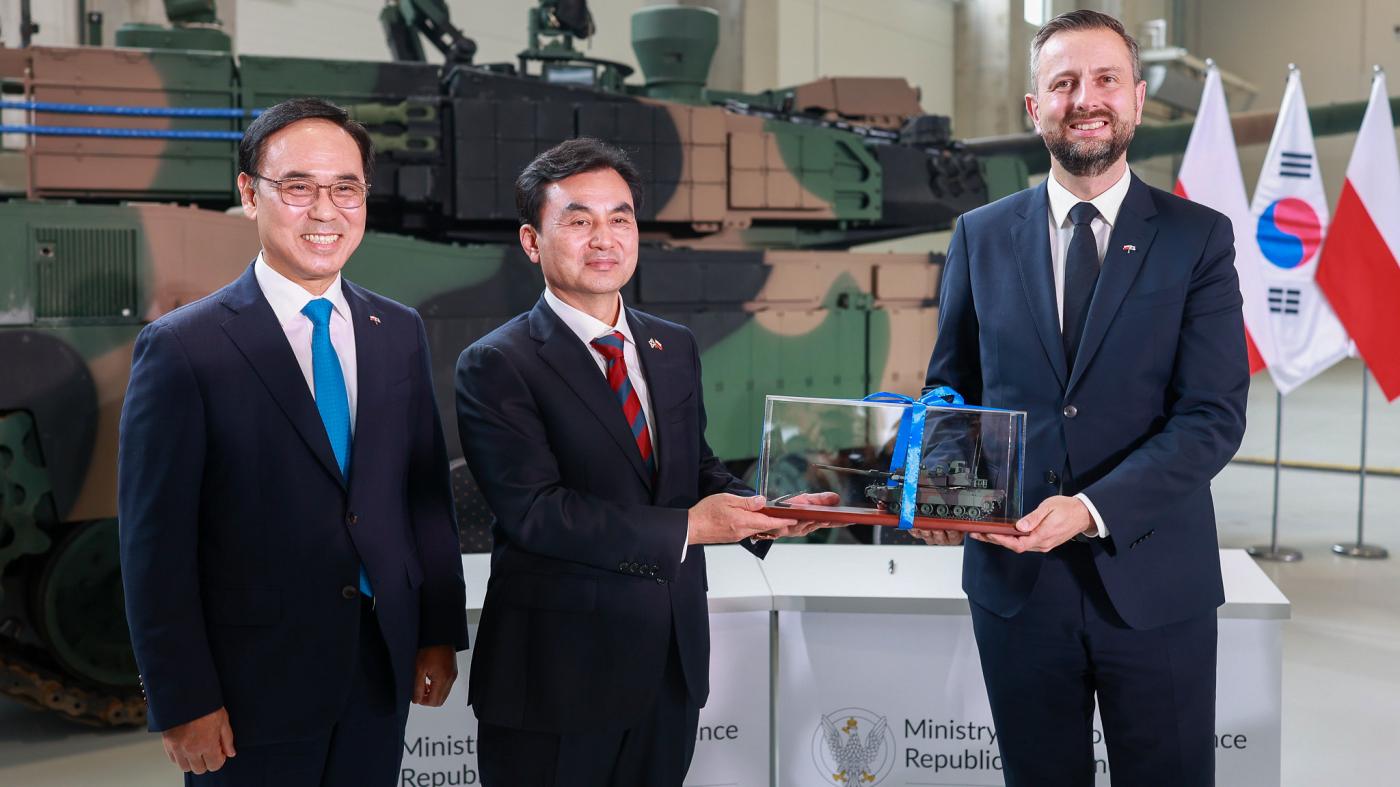
The Republic of Korea and the Republic of Poland are accelerating their defence-industrial partnership, marking a significant shift in Europe’s security architecture and the growing importance of maritime-adjacent industries in land-based military innovation. With a major new contract for K2 main battle tanks signed in Gliwice, and a high-level visit from South Korea’s defence minister An Gyu-baek, the momentum toward co-production, sovereign capability and regional deterrence is clear.
business politics defense industry news03 august 2025 | 10:36 | Source: Gazeta Morska | Prepared by: Kamil Kusier | Print
fot. MON
K2PL: a tank built in Poland, for Poland
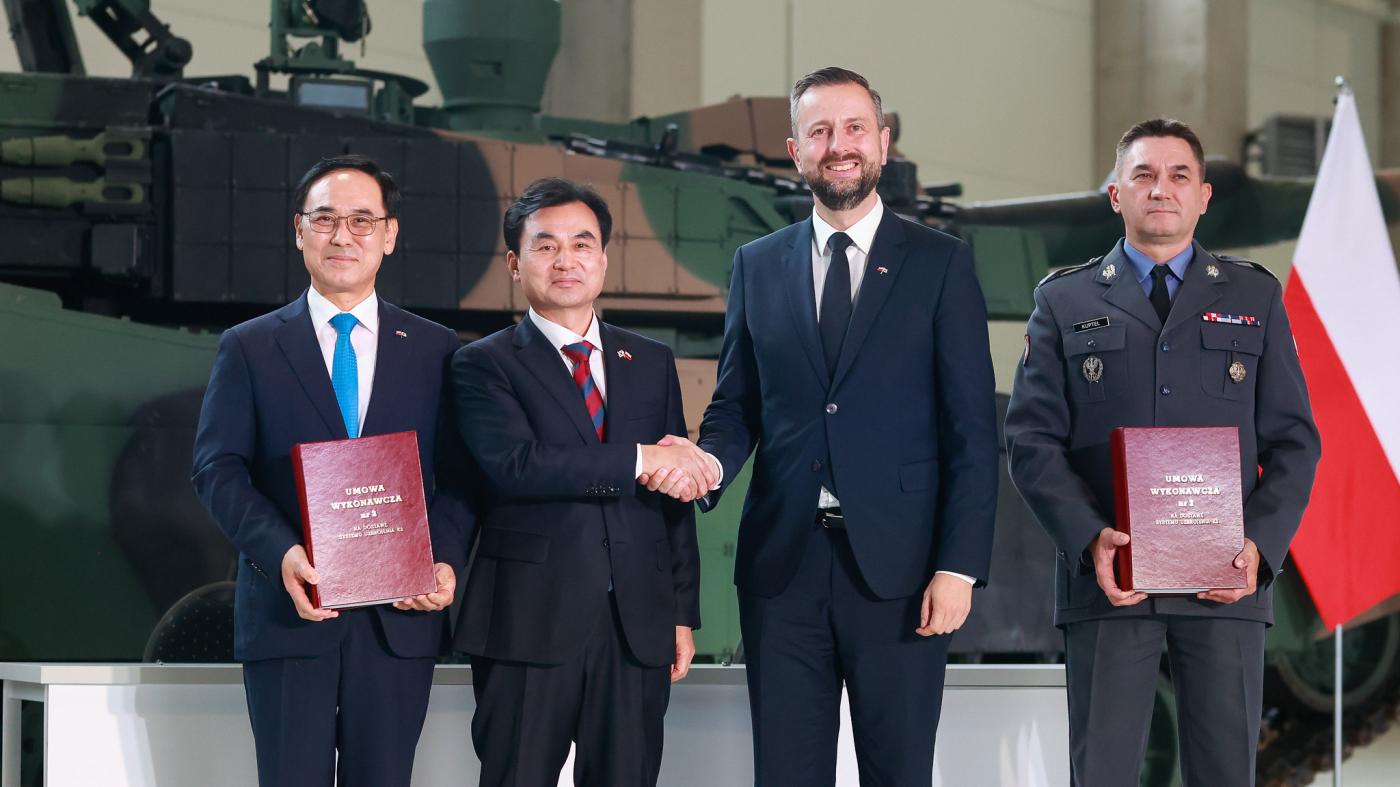
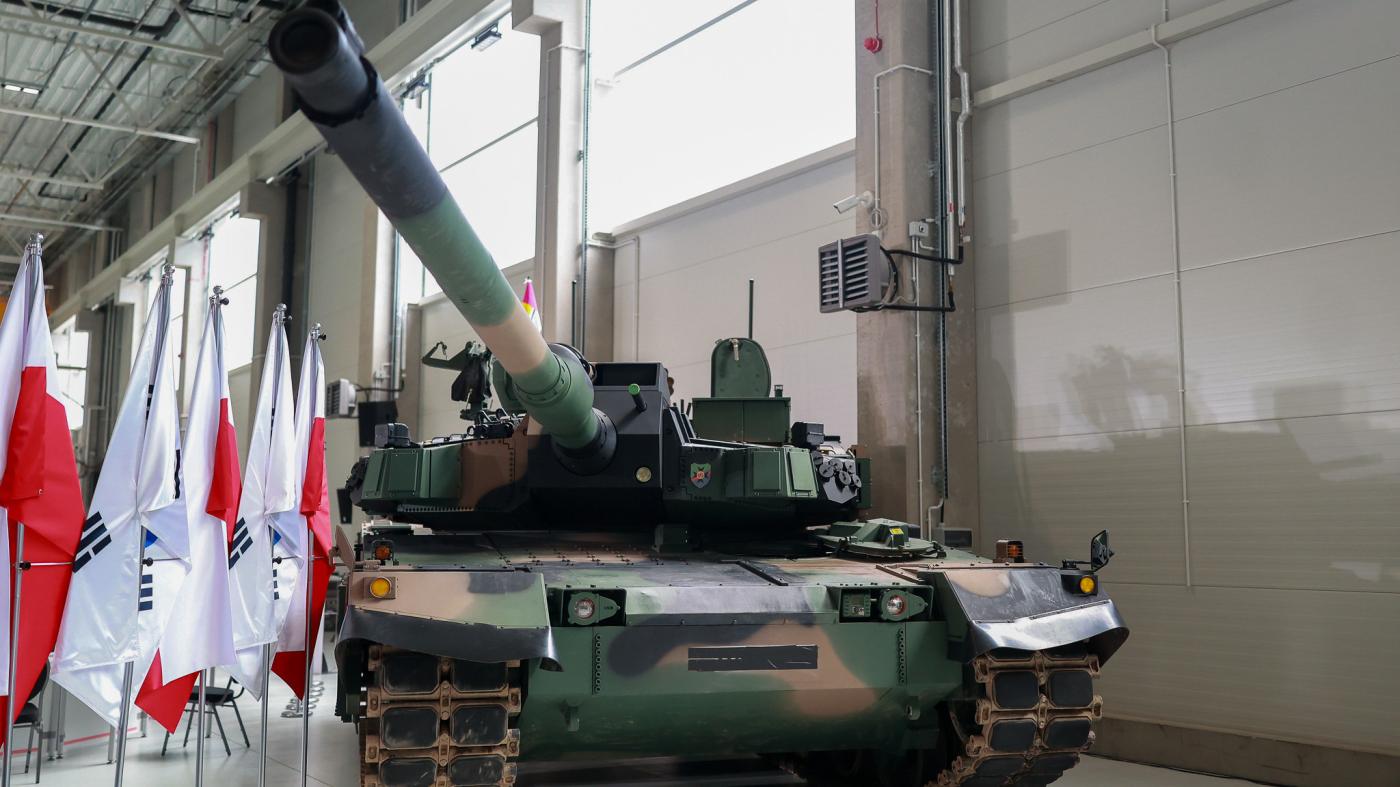
On August 1st, Poland’s Ministry of National Defence signed a landmark executive agreement with Hyundai Rotem Company for the delivery of 180 K2 main battle tanks, including 64 in the upgraded K2PL configuration, tailored for the specific operational needs of the Polish Armed Forces. Of these, 61 tanks will be produced locally, incorporating Polish components, with full-scale domestic production scheduled for 2028–2030 at the Bumar-Łabędy plant in Gliwice.
The K2PL variant will feature additional armour, an active protection system (APS), anti-drone capabilities and technical enhancements based on operational feedback from the earlier K2GF models. This marks a significant advance in Poland’s ability not only to field modern armoured systems but also to maintain, upgrade and service them independently — a milestone in national defence sovereignty.
Strategic signals: Korean defence minister visits Poland
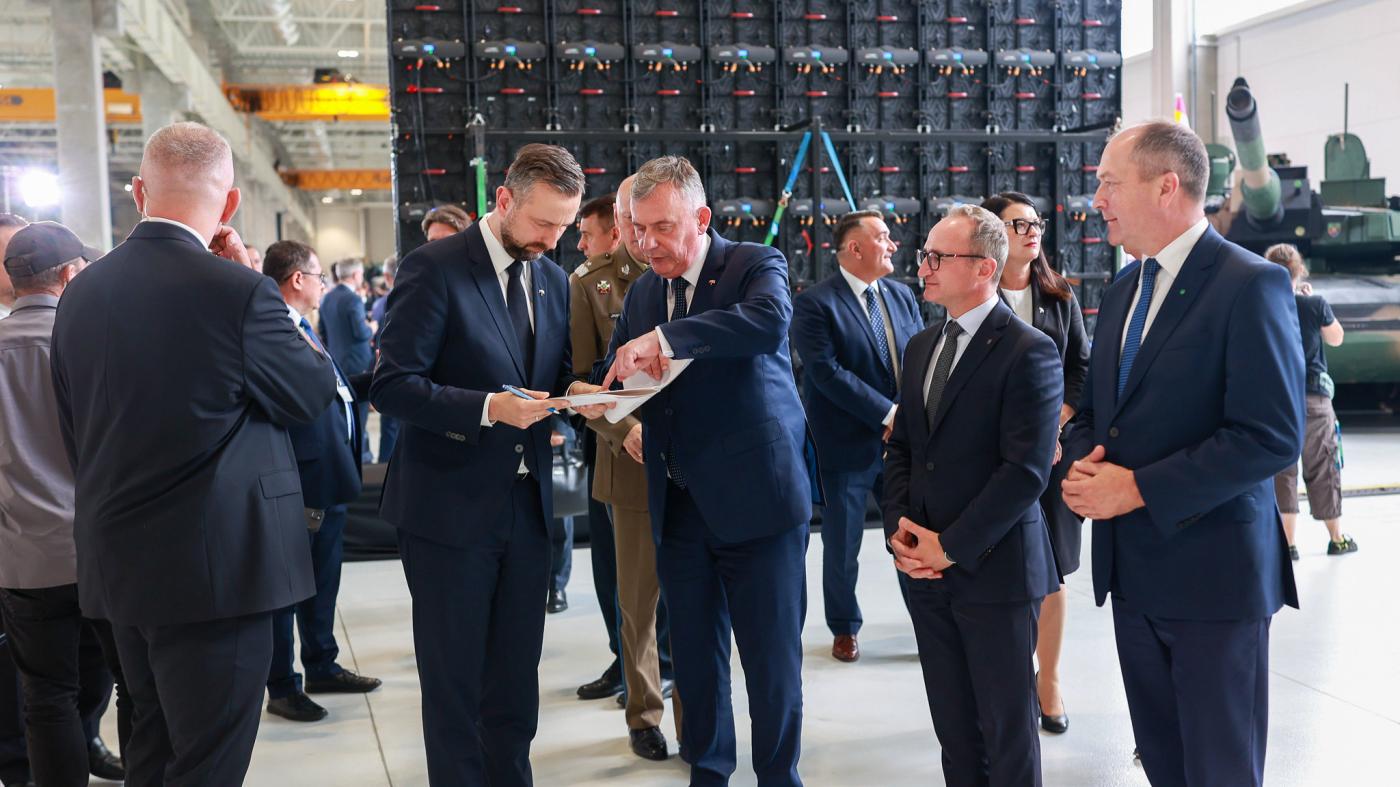
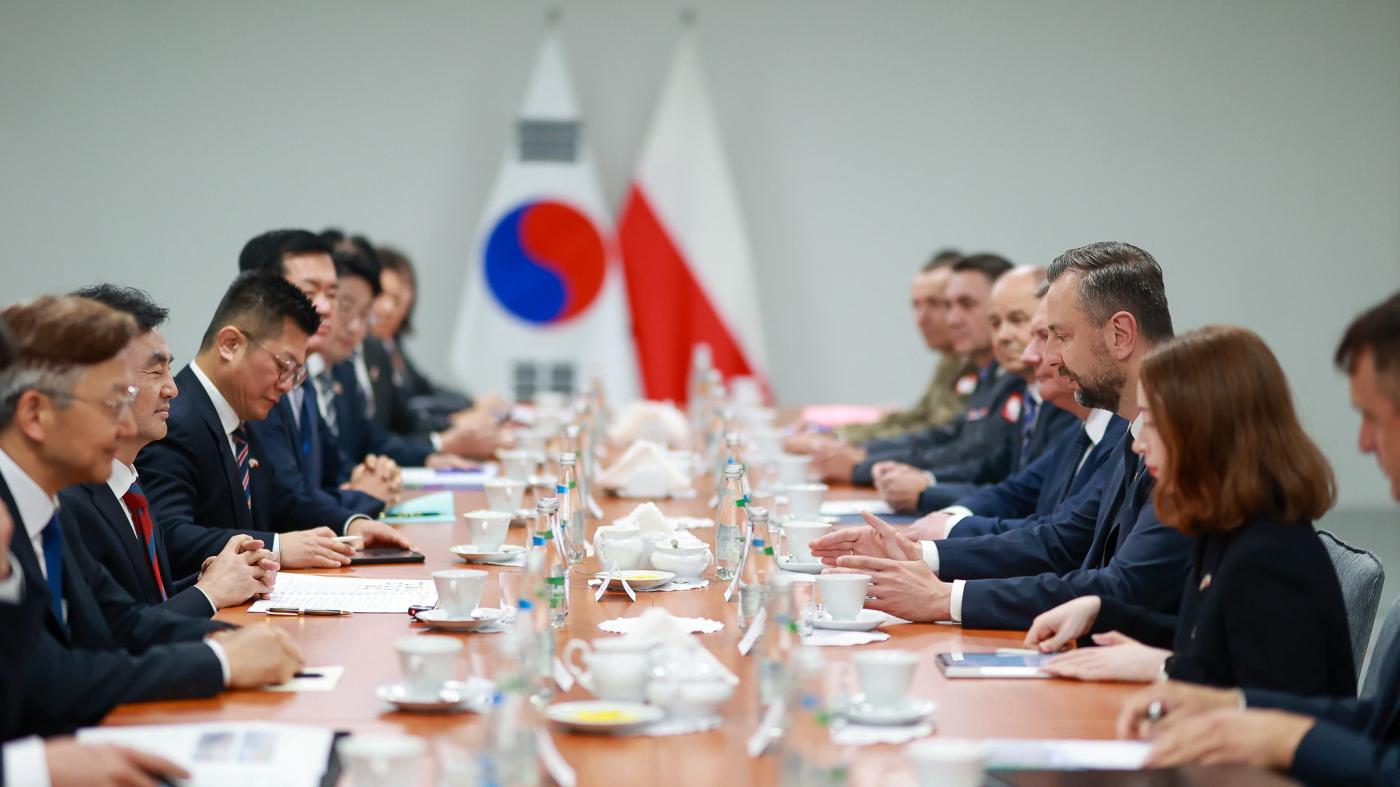
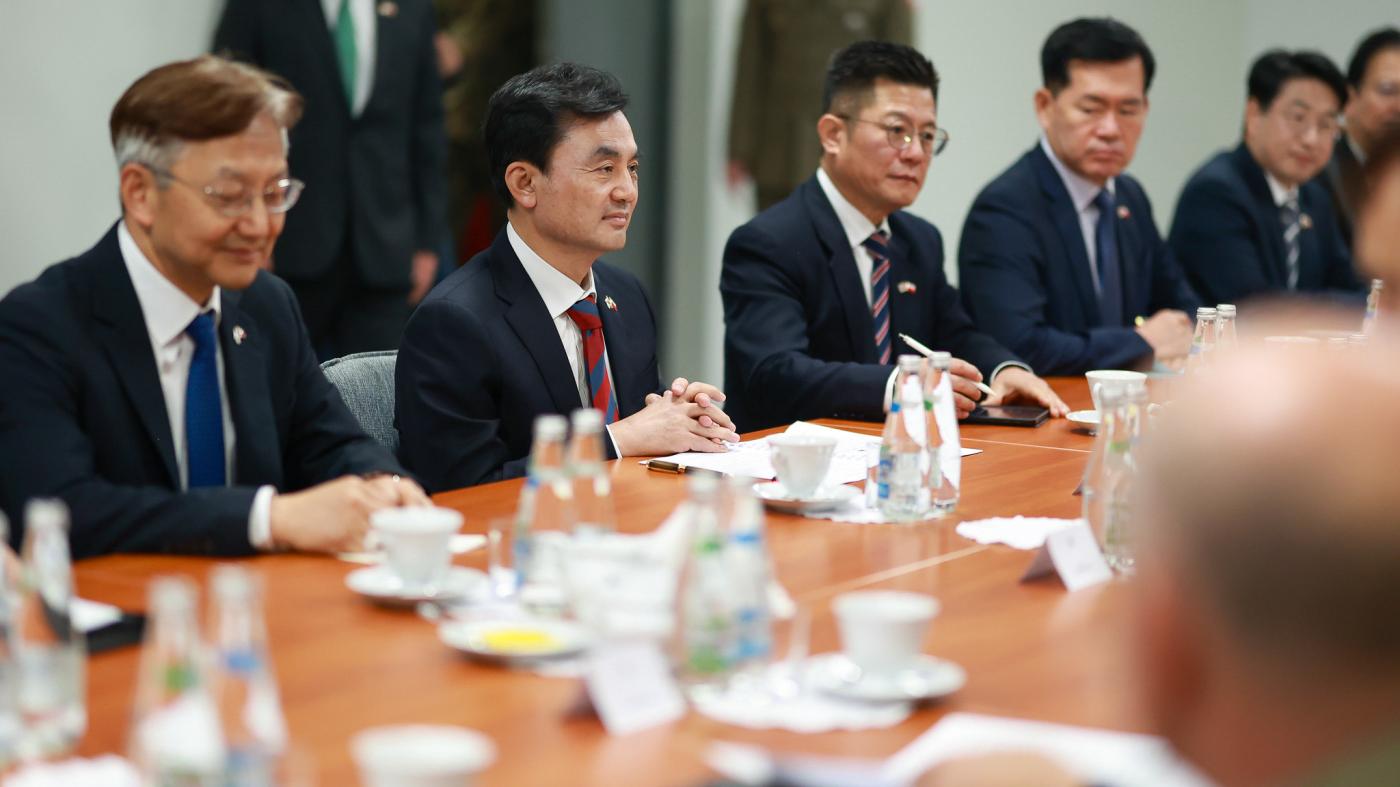
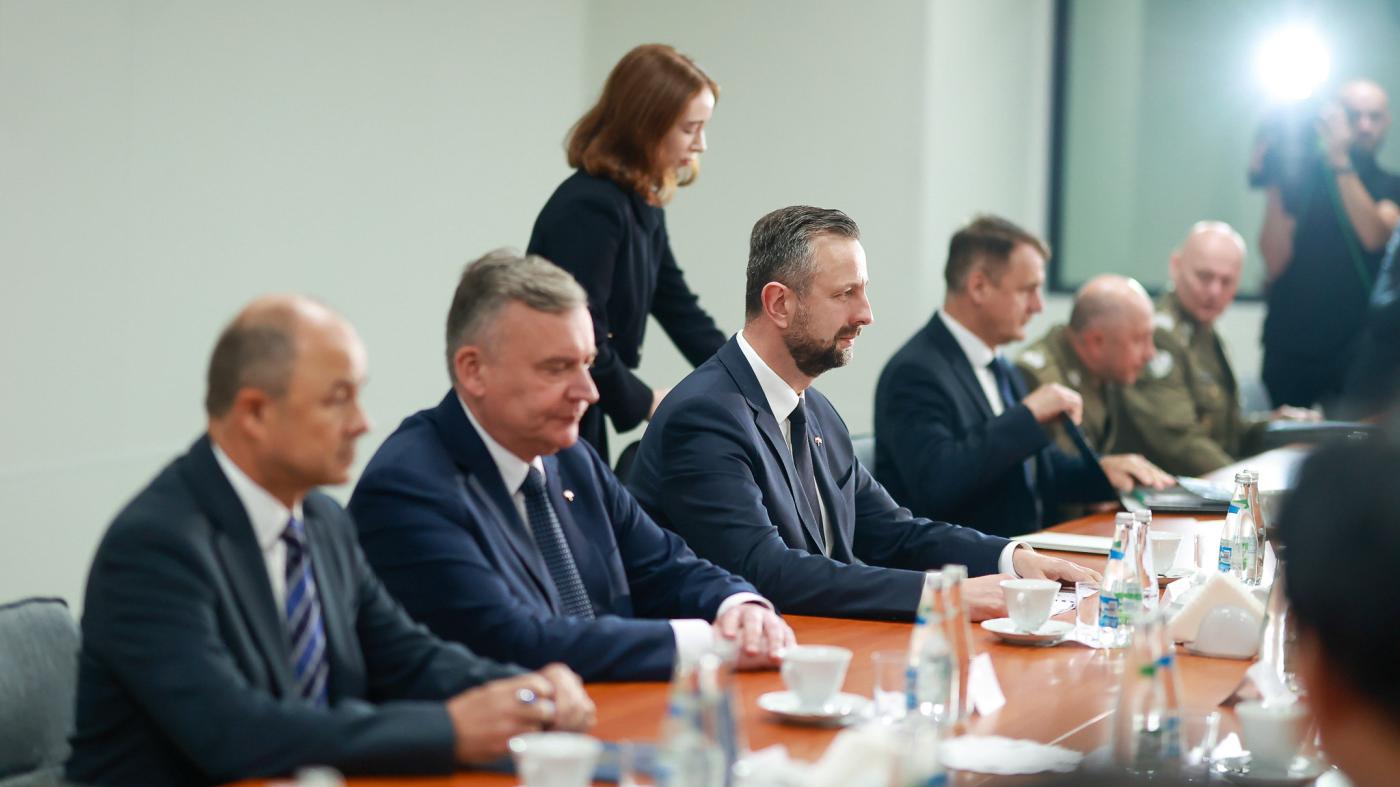
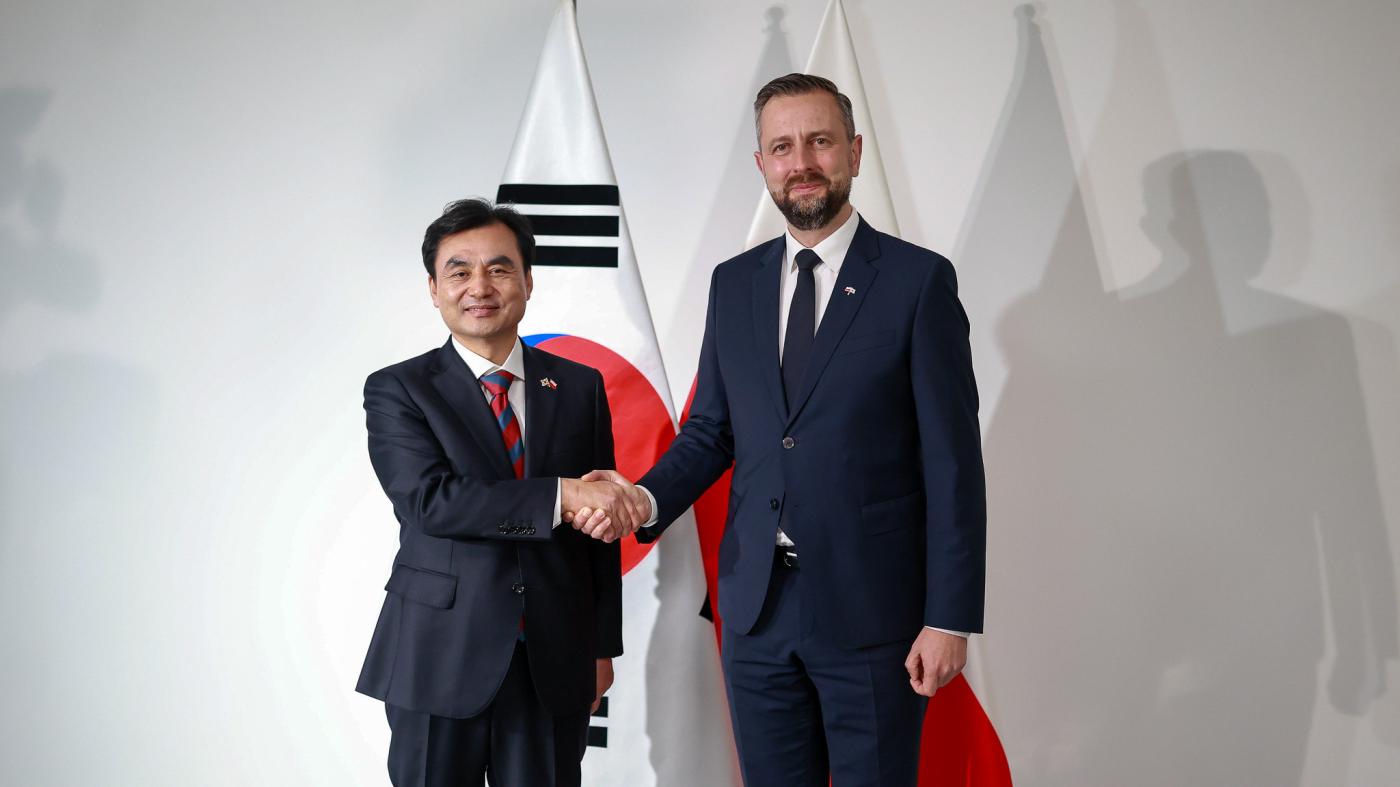
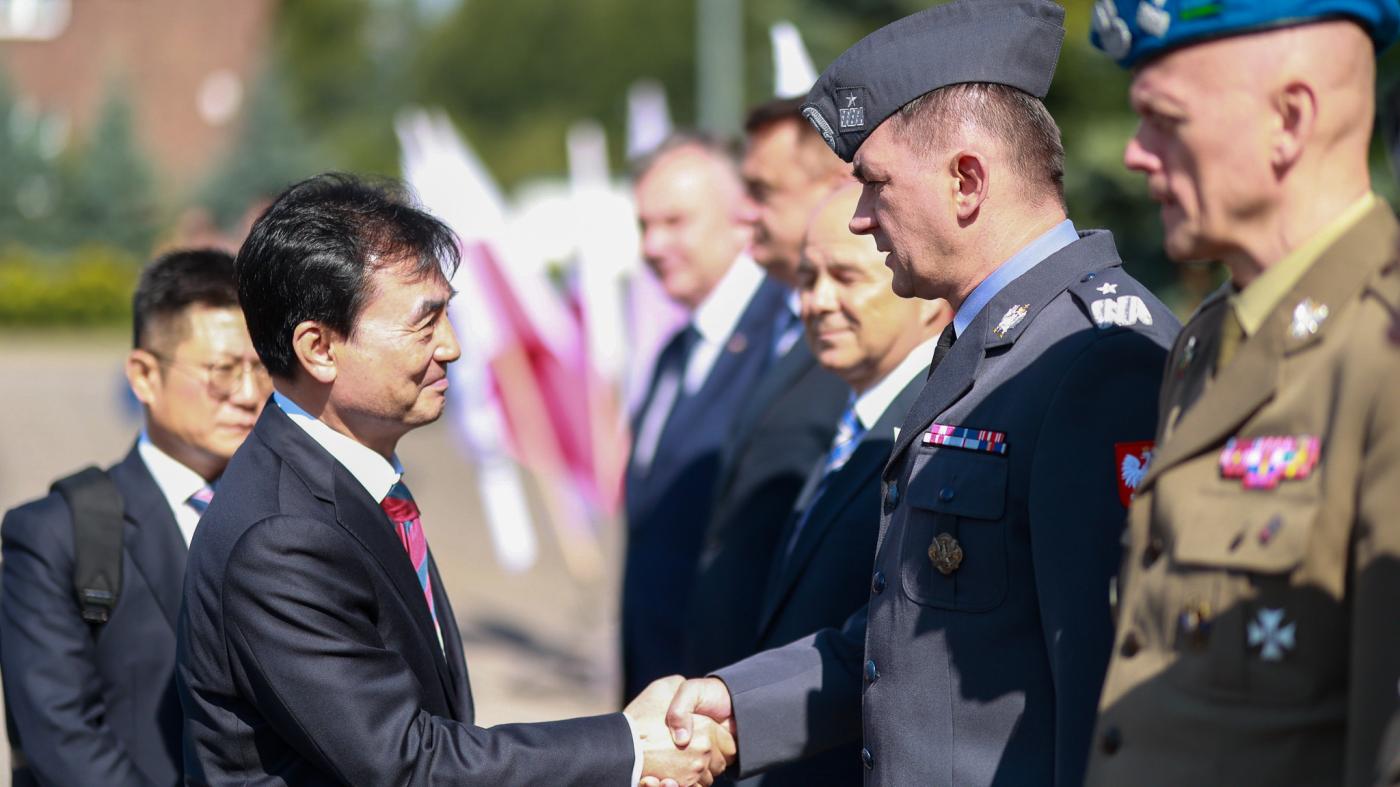
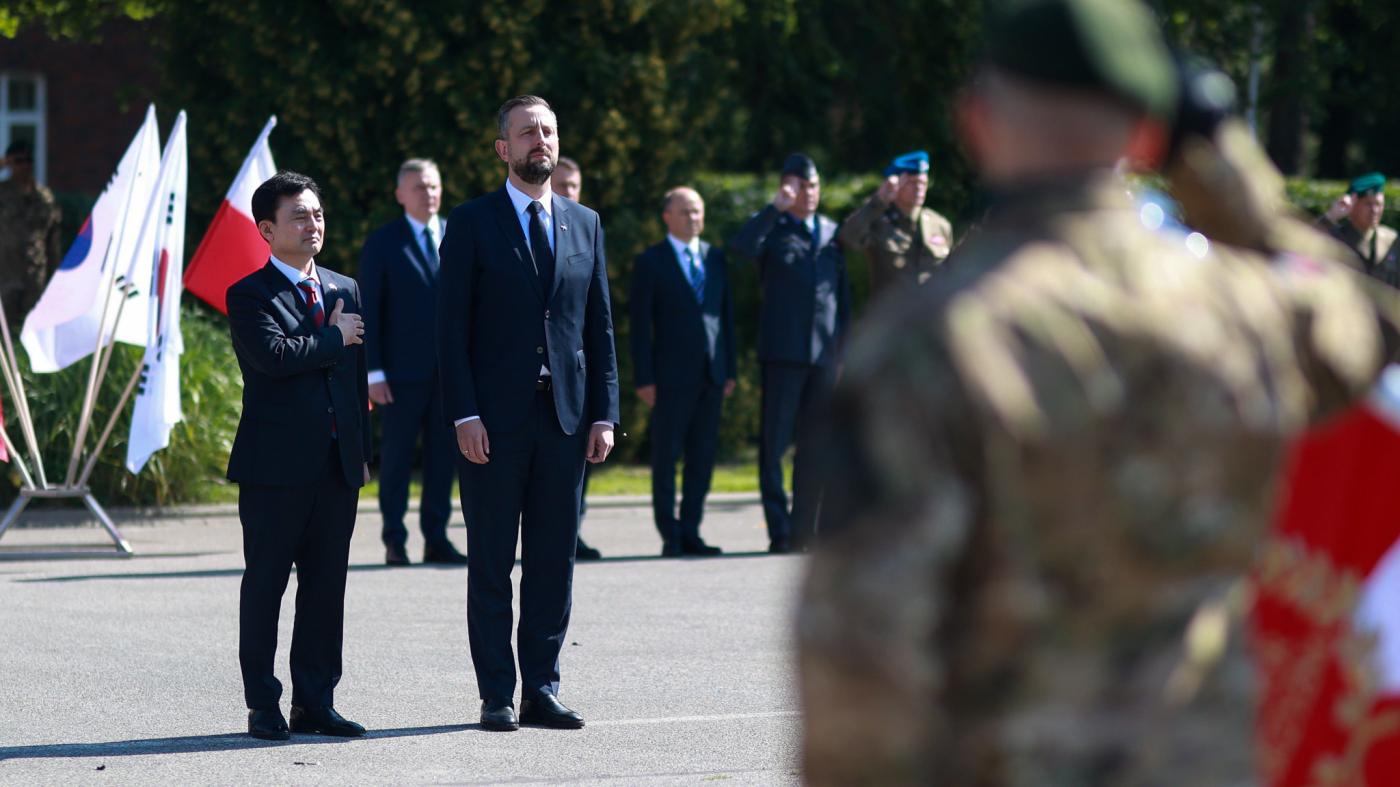
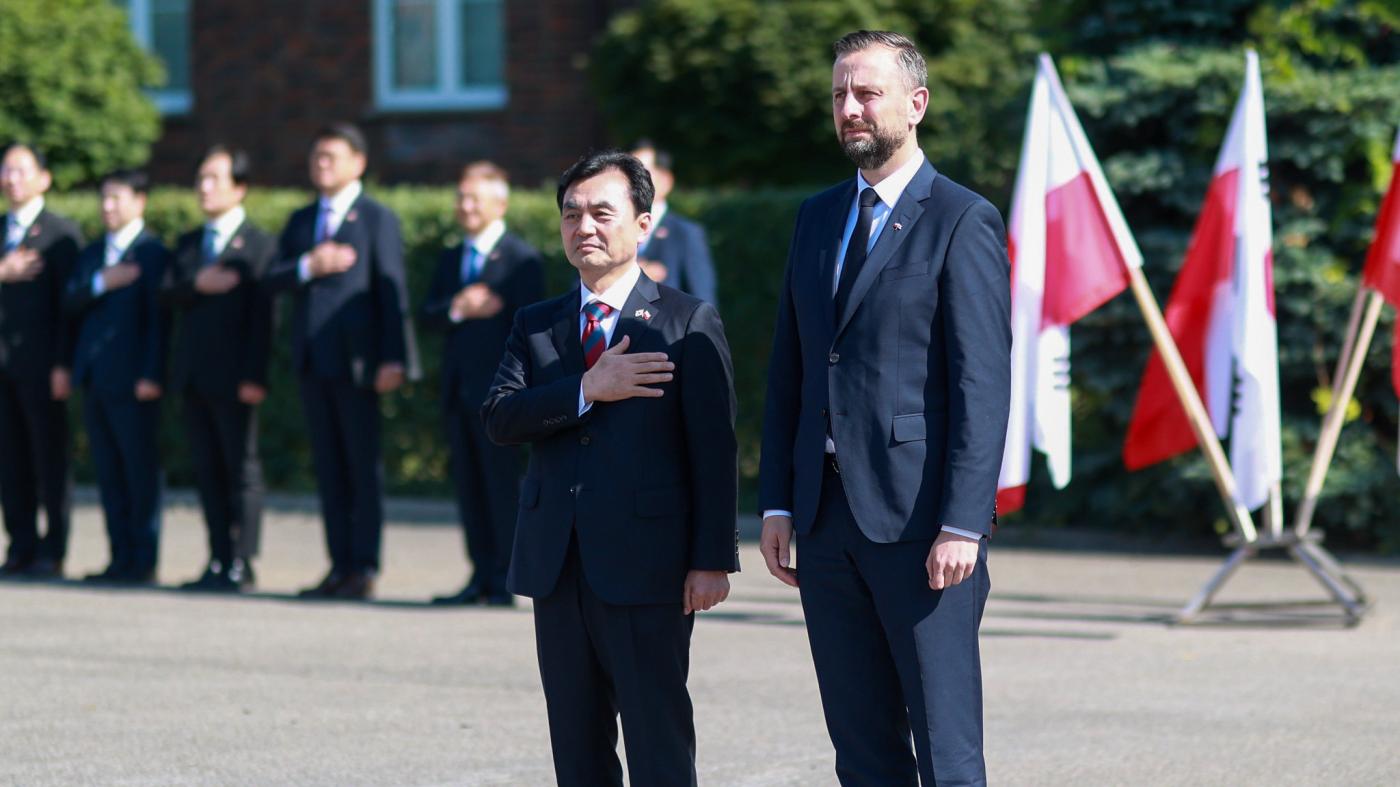
Defence minister An Gyu-baek’s visit, his first international trip since taking office, underscores how vital Warsaw has become to Seoul’s European security strategy. Touring local defence facilities, he highlighted three pillars of sustainable cooperation: technology transfer, joint production and on-time delivery.
The visit reflects a broader trend: South Korea’s increasing presence in the European defence market as a co-developer and industrial partner, not just an exporter. Poland, in turn, is rapidly positioning itself as a regional hub for defence manufacturing and innovation.
Hanwha Aerospace: from howitzers to rockets and precision missiles
In parallel, Hanwha Aerospace reaffirmed its commitment to industrial collaboration with Poland. Building on the swift delivery of K9 self-propelled howitzers, Hanwha is now localising production of the K239 Chunmoo multiple rocket launch system, rebranded in Poland as Homar-K.
A joint venture with Polish defence firm WB Group will enable local production of precision-guided munitions, expanding Poland’s capabilities in strike systems — including those with relevance to coastal and naval defence. Ground-based precision fires are increasingly integrated into multi-domain operations, where land-based assets support maritime denial strategies.
Maritime industry implications
While the contracts focus on land systems, the spillover effects into Poland’s maritime industry are tangible. Defence supply chains are increasingly cross-sectoral: electronics, communications, missile integration, containerised platforms, and launch systems all present opportunities for shipyards, naval integrators and dual-use manufacturers.
Local production of guided munitions, in particular, could support shore-based anti-ship systems or be adapted to future surface combatants. Hanwha’s commitment to long-term industrial partnership suggests future cooperation in naval systems, especially given South Korea’s strength in shipbuilding and maritime defence.
A model for European defence resilience
This bilateral model — focused on co-production, local sustainment and industrial autonomy — may serve as a reference for other European states seeking modernisation without full dependency on legacy suppliers. As Poland’s defence minister Władysław Kosiniak-Kamysz remarked, “The cost of buying a tank is only one-third of its life cycle. The rest — service, upgrades, and logistics — is where true independence begins.”
For Poland, it’s not just a procurement programme, but an investment in strategic competence and regional influence. For South Korea, it’s a cornerstone of long-term European engagement. And for Poland’s maritime-industrial base, it signals new prospects in an increasingly interconnected defence ecosystem — where land, sea and air domains converge in capability and industry alike.
see also
Buy us a coffee, and we’ll invest in great maritime journalism! Support Gazeta Morska and help us sail forward – click here!
Kamil Kusier
redaktor naczelny
gallery
comments
Add the first comment
see also
Radmor hosts delegation from the Republic of Turkey. Advancing maritime security cooperation
3D-printed catamaran: robotic manufacturing sets course for the future of small craft
Navantia and Fincantieri deepen cooperation on the european patrol corvette programme
Galeon Yachts and Meyer Shank Racing: merging luxury yachts with motorsport expertise
Unmanned systems and naval firepower modules. WB Group showcases integrated capabilities at Enforce Tac 2026
Swedish ports record lowest ship calls in 18 years. Implications for the maritime sector
February in Szczecin’s shiprepair sector. Ice, overhauls and North Sea expansion
Advanced ROV trials conducted at CTO to validate subsea technologies for offshore applications
University of Gdańsk and PGZ Naval Shipyard join forces for innovation and security
Stadt Naval to deliver electric propulsion system for Polish rescue vessel Ratownik
ADVERTISEMENT
ADVERTISEMENT